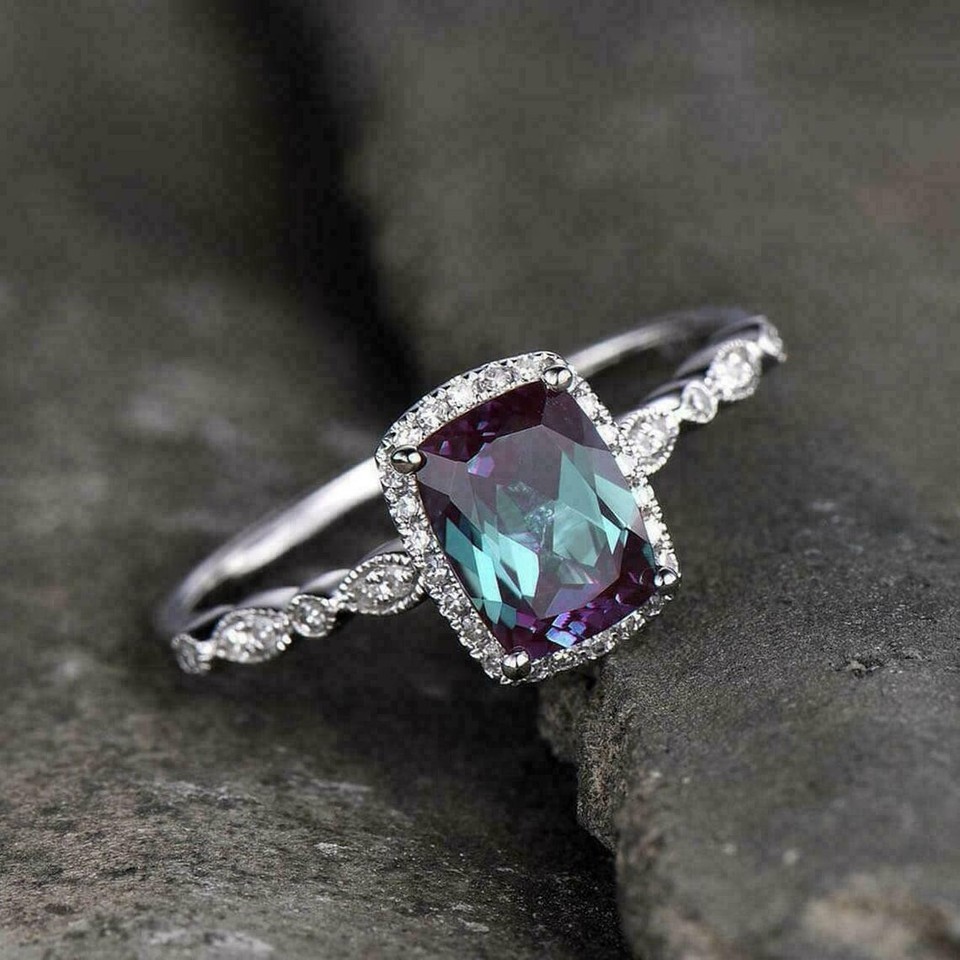

Photos from current listings. Actual item, color, and included accessories may vary.
Cushion Cut Engagement Ring Buying Guide
Cushion cut engagement rings feature a square silhouette with rounded corners, blending brilliance and a softer vintage look. The key trade-off is between natural or lab-grown diamond (or gemstone) quality and setting construction: a well-cut cushion with a secure, properly proportioned halo or solitaire will outperform a larger, poorly cut stone in a flimsy setting. The decision rule is simple: prioritize cut grade and metal durability over carat weight and brand markup, and insist on GIA/AGS or equivalent certification for diamonds.
Median $188.29
Key takeaways
- Cushion cut diamonds come in 'chunky' (fewer, larger facets, more fire) and 'crushed ice' (many small facets, more brilliance) facet patterns; neither is superior—choose based on visual preference and confirm with ASET imagery.
- Lab-grown diamonds are chemically identical to natural diamonds and cost significantly less; for a 2-carat cushion, lab-grown offers the same optical performance without the natural rarity premium.
- Halo settings increase apparent size but add maintenance: pavé stones in the halo can loosen; a bezel or six-prong solitaire is more secure for daily wear.
At a glance
- Category
- Rings & Earrings
- Last updated
- Nov 28, 2026
Current offers
Highlights
- Cushion cut diamonds come in 'chunky' (fewer, larger facets, more fire) and 'crushed ice' (many small facets, more brilliance) facet patterns; neither is superior—choose based on visual preference and confirm with ASET imagery.
- Lab-grown diamonds are chemically identical to natural diamonds and cost significantly less; for a 2-carat cushion, lab-grown offers the same optical performance without the natural rarity premium.
- Halo settings increase apparent size but add maintenance: pavé stones in the halo can loosen; a bezel or six-prong solitaire is more secure for daily wear.
- 14K white gold is the standard for durability and value; 18K white gold is softer and requires rhodium plating more often, while platinum (950) is denser and best for long-term wear without plating.
Best use cases
- Best fit: Daily-wear engagement ring for active hands—choose a six-prong solitaire or bezel-set cushion in 14K white gold or platinum; skip delicate pavé halos that snag and lose stones.
- Best fit: Vintage-inspired look with maximum sparkle—pick a double-halo cushion with a crushed-ice facet pattern; skip chunky facets if you prefer uniform brilliance over large flashes.
- Best fit: Budget-conscious buyer wanting a large stone—select a lab-grown diamond cushion (1.5–2.5 ct) with GIA certification; skip natural diamond if carat size is the priority and budget is fixed.
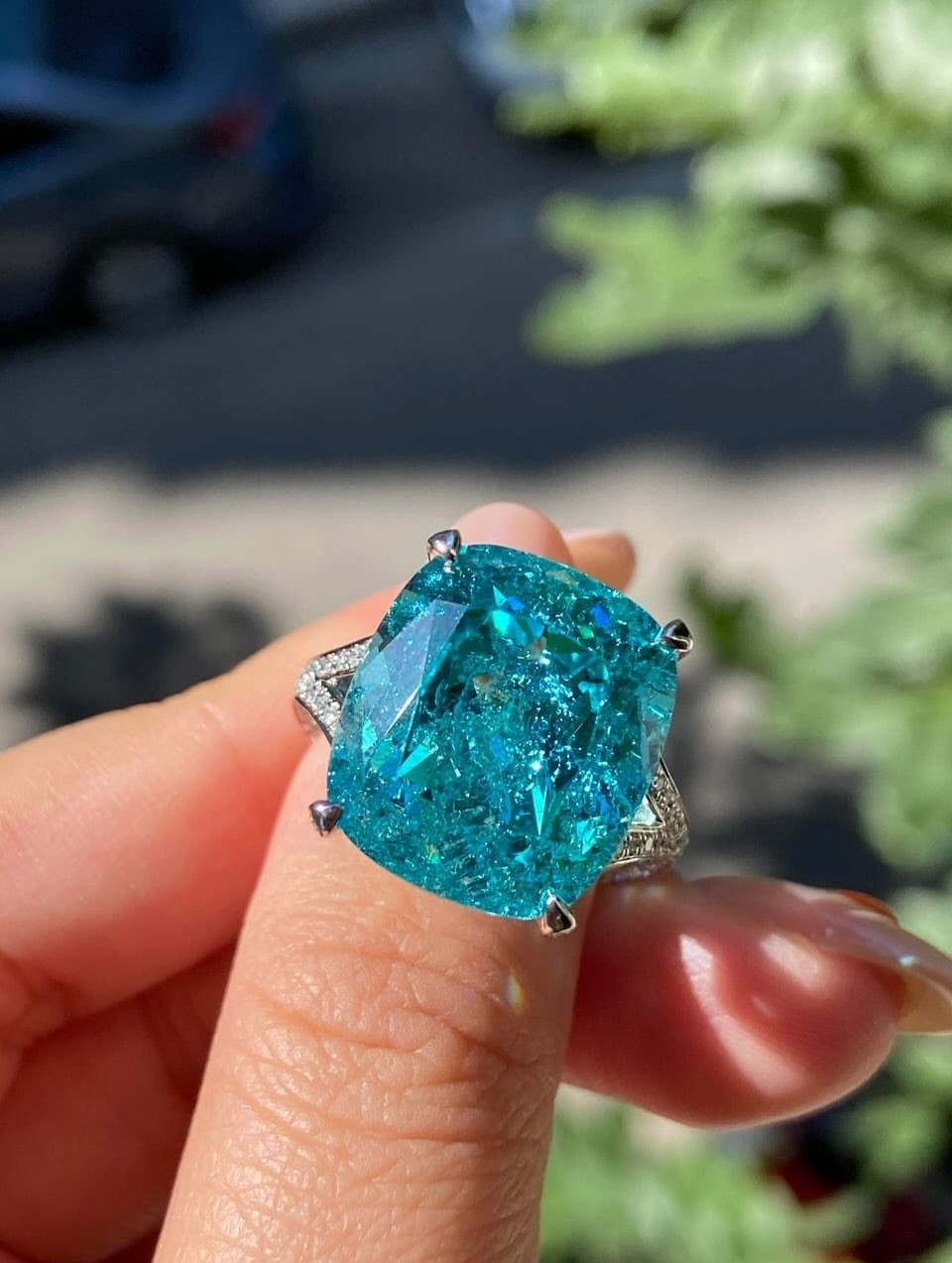
- Wrong fit: Gemstone-only rings (e.g., alexandrite, paraiba tourmaline) for everyday wear—these stones are softer or more brittle than diamond; reserve them for occasional wear or protective bezel settings.
Buying tips
- For a 1-carat cushion, expect a visible face-up size of roughly 6.5–7.0 mm across; a halo adds 1.5–2.0 mm to the overall diameter, so a 1-ct center in a halo looks like a 1.5-ct solitaire.
- Insist on GIA or AGS certification for any diamond over 0.50 ct; for lab-grown, IGI is common but GIA is preferred—avoid uncertified stones with vague grading.
- Check metal purity: 14K white gold (58.5% gold) is harder than 18K (75% gold) and resists scratches better; platinum 950 is the most durable but heaviest and priciest.
- Verify setting type: prongs should be at least 1.5 mm thick at the base and rounded; halos should have secure pavé with visible beads or micro-prongs—avoid glued stones.
Specs
| Stone Type | Diamond (natural/lab) or gemstone |
|---|---|
| Cut Grade | Excellent / Very Good (GIA/AGS) |
| Metal Purity | 14K/18K gold or platinum 950 |
| Setting Style | Solitaire, halo, bezel, three-stone |
Related searches
What to check before buying
- Measure ring size precisely—cushion cuts face up smaller than round cuts, so a wider band (2.0–2.5 mm) can make the stone appear larger; ensure the band width suits the wearer's finger length.
- Confirm setting height: a high-profile halo (7–8 mm total height) can catch on clothing; choose a low-profile bezel or basket setting (5–6 mm) for active lifestyles.
- Check stone durability: diamonds (10 Mohs) and moissanite (9.25) suit daily wear; alexandrite (8.5) and paraiba tourmaline (7.5–8) require protective settings and gentler wear.
- Verify hallmark and metal type: 14K or 18K gold stamps (585/750) or platinum 950; white gold requires rhodium plating every 1–2 years, while platinum develops a patina.
FAQ
Data sources: eBay / Amazon listings and product attribute feeds. Updated Nov 28, 2026.
Some links on this page are affiliate links. If you buy after clicking one, we may earn a commission at no extra cost to you. This does not change which products appear here or their order. Affiliate disclosure.