
Photos from current listings. Actual item, color, and included accessories may vary.
Diamond Wedding Ring Buying Guide
A diamond wedding ring is a band or ring set centered on a diamond (natural, lab-grown, or simulant) and graded by the 4Cs plus metal purity and setting style. The core trade-off is between diamond cost/quality (carat, cut, clarity, color) and metal durability/setting security, since a soft metal or high-profile setting can lose stones over decades of daily wear. The decision rule: prioritize a certified diamond (GIA/IGI) in a 14K+ gold or platinum setting with a low-profile or bezel setting for daily wear; treat plated base metals, uncertified simulants, and high-profile prong settings as occasional-wear compromises.
Median $127.12
Key takeaways
- Diamond certification: GIA or IGI reports define cut, color, clarity, and carat with verifiable grading; uncertified stones cannot be compared reliably.
- Metal durability: 14K/18K gold and platinum (950) resist daily wear and re-tipping; gold-plated brass or silver wears through in months to a few years.
- Lab-grown vs natural: lab-grown diamonds are chemically identical to natural and cost significantly less; simulants (moissanite, CZ) are not diamond and rank lower on hardness.
At a glance
- Category
- Rings & Earrings
- Last updated
- Nov 29, 2026
Current offers
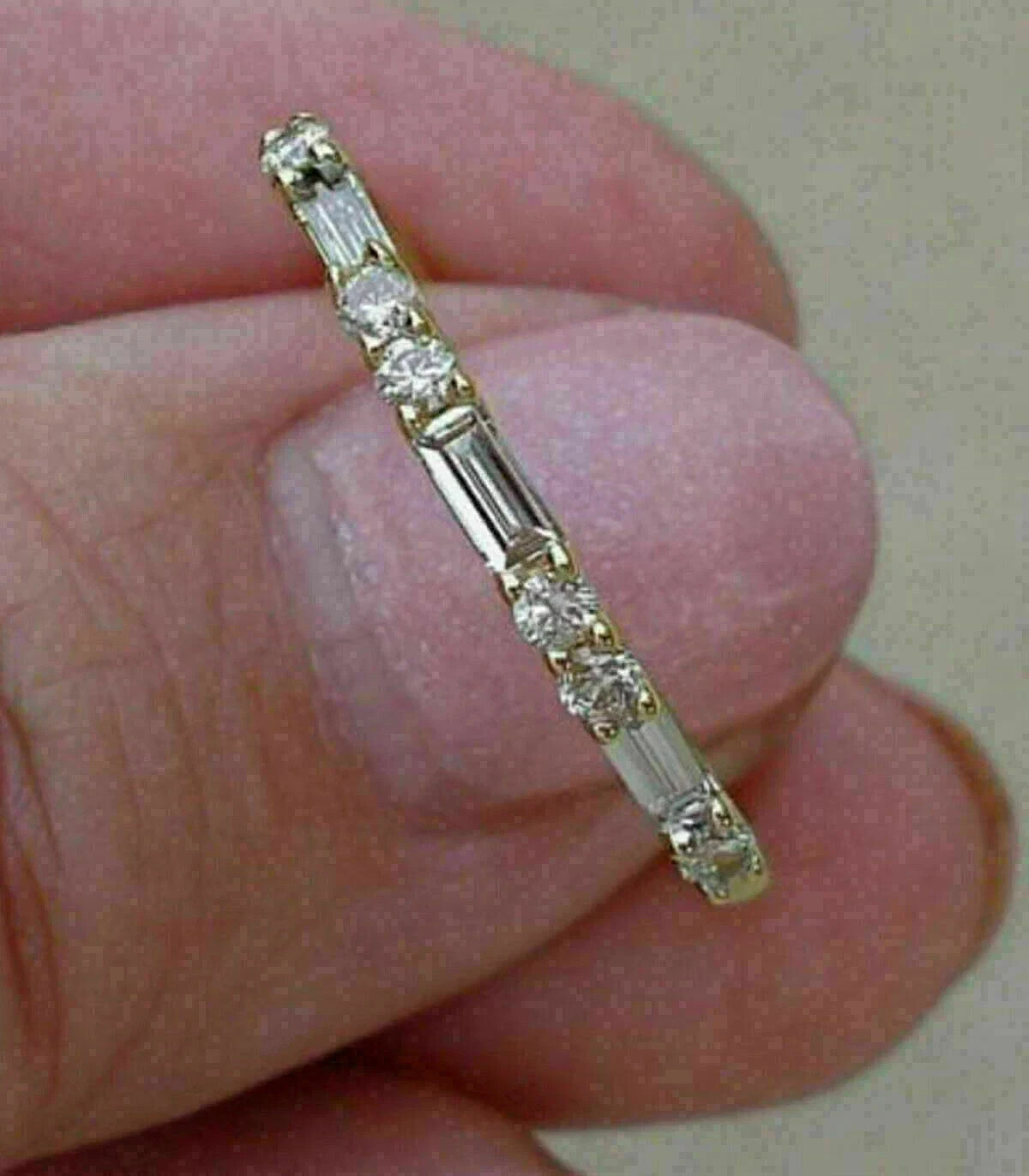 0.60Ct Lab Created Baguette Diamond Eternity Wedding Band Ring 14K Yellow Gold$67.72Last checked Nov 24, 2026View on eBay
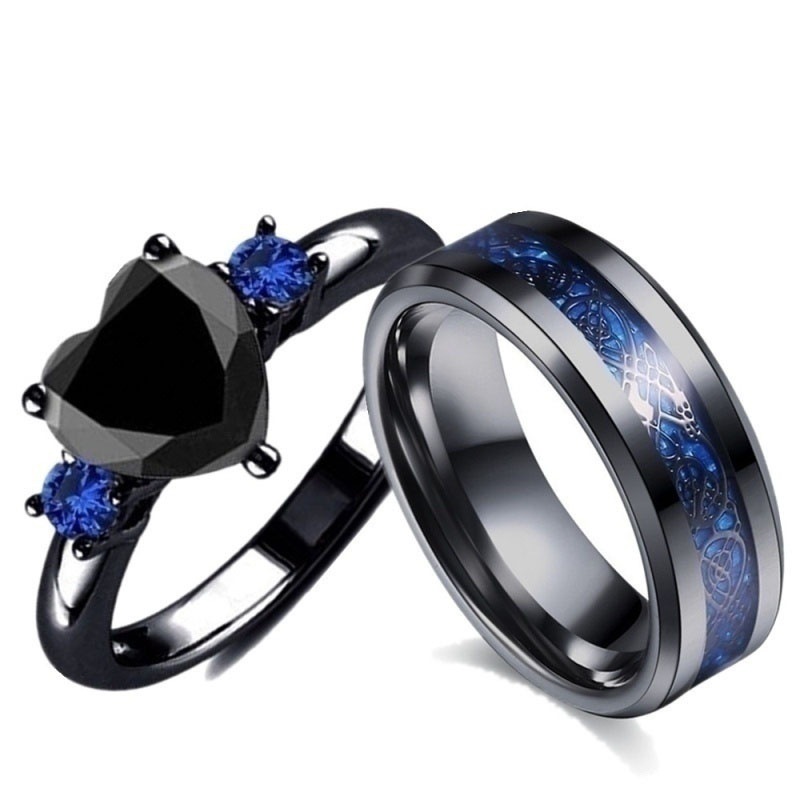 Black Heart Gemstone Diamond Wedding Ring$7.99View on Mallflare
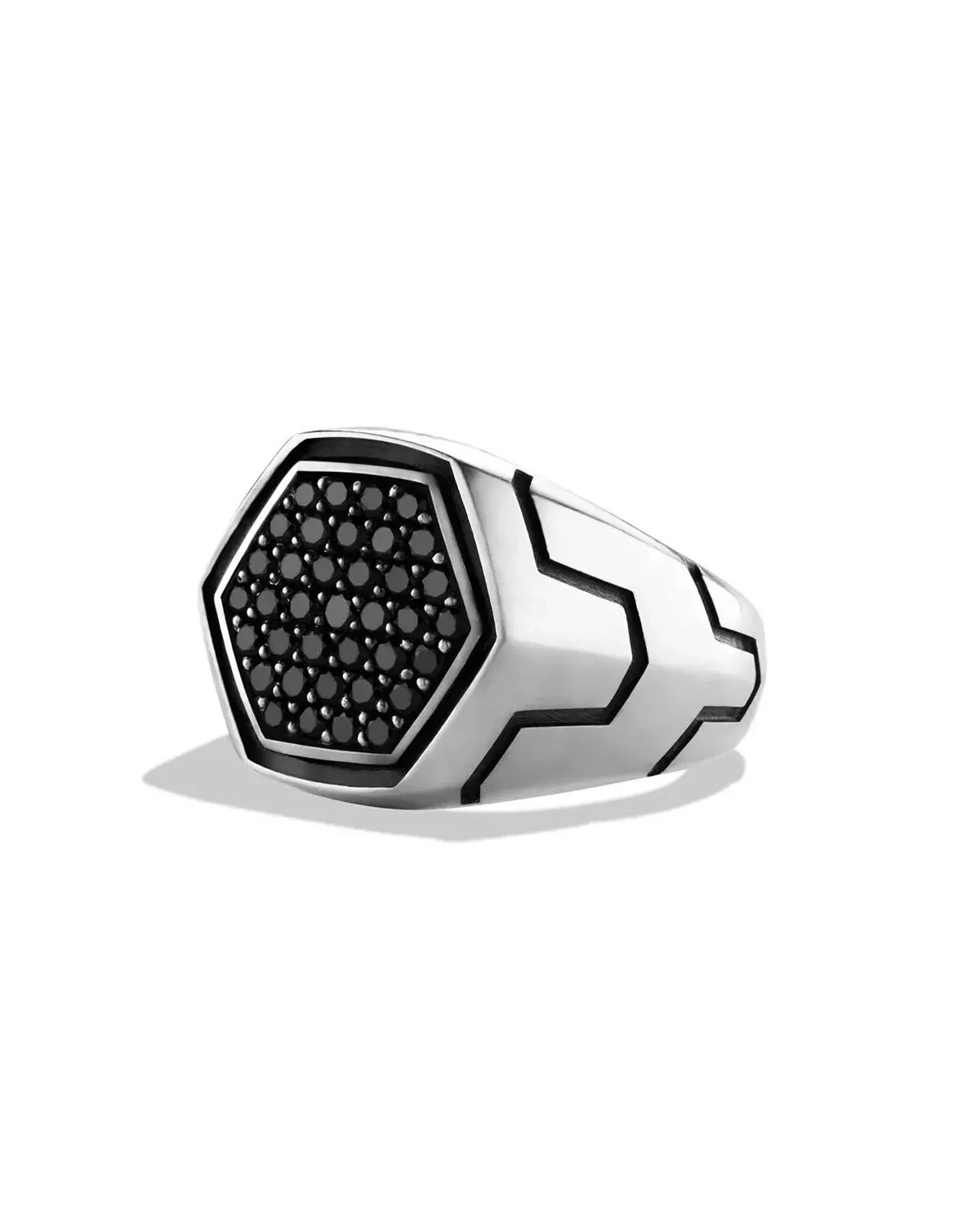 Men's 2 Ct Round Cut Simulated Black Diamond Wedding Ring 14K White Gold Plated$123.59Last checked Nov 28, 2026View on eBay
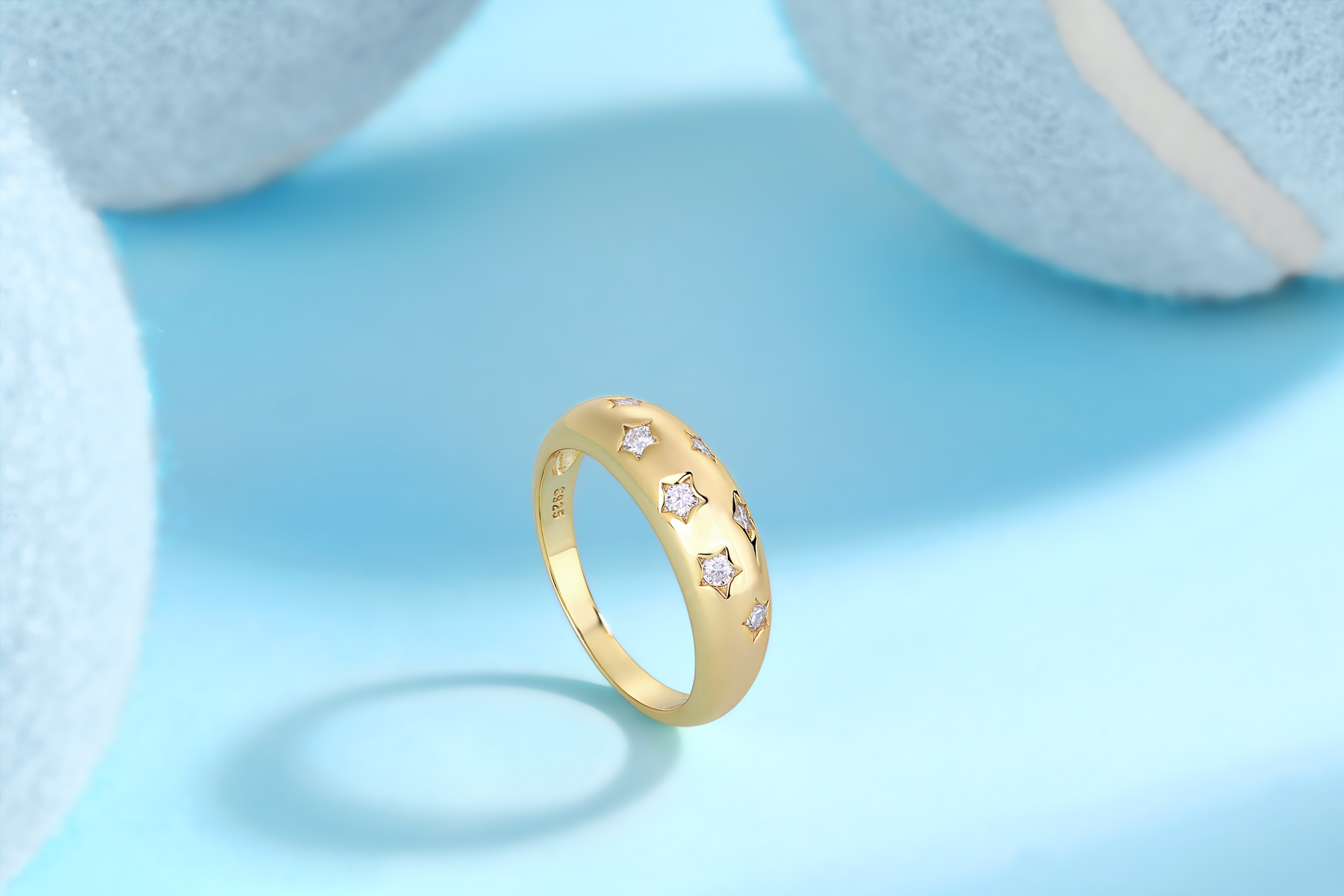 1Trendy Diamond Rings, Wedding Luxury Fashion, Silver Set With Moissanite$58.99View on Mallflare
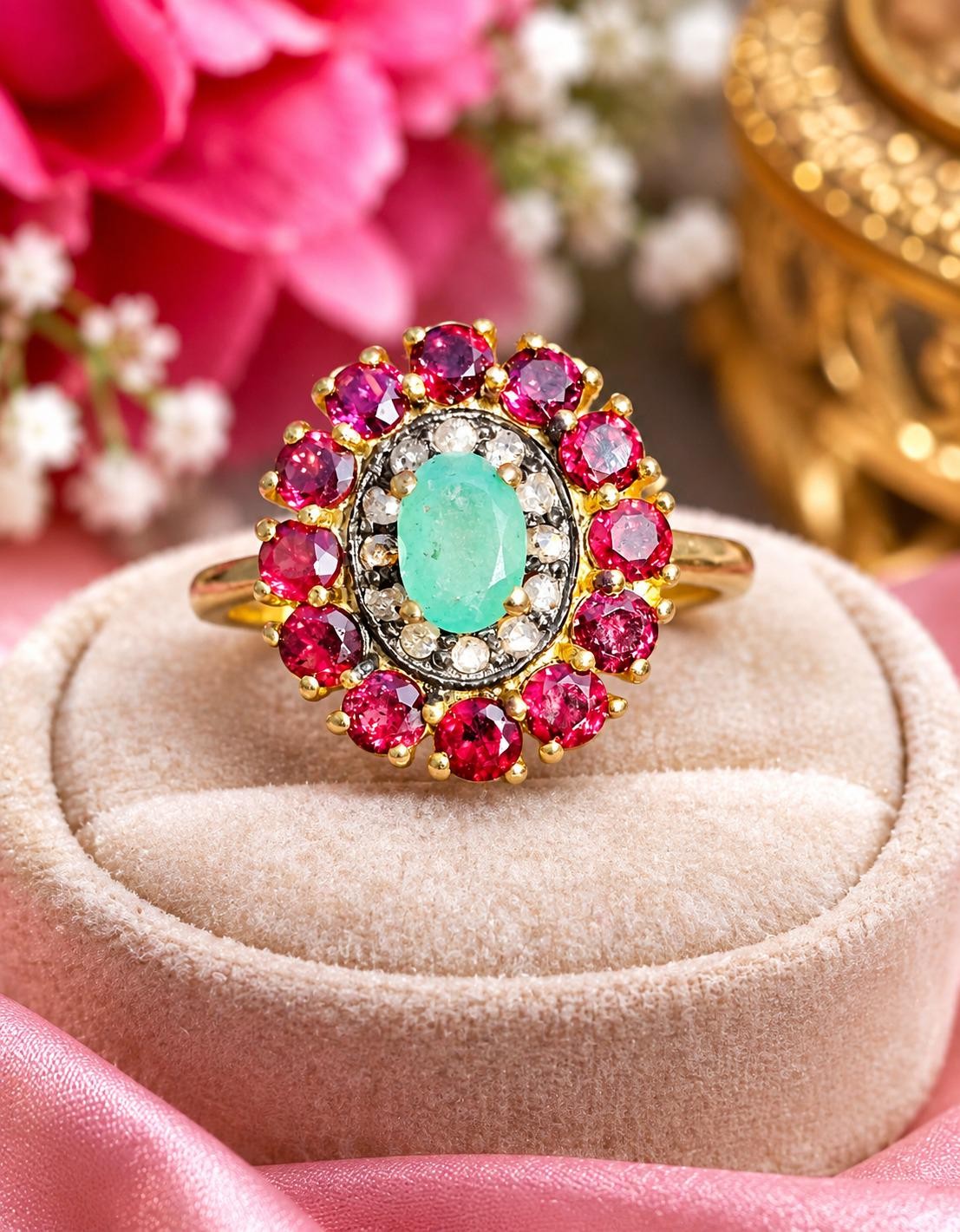 Natural Emerald Diamond And Rhodolite Gemstone Statement Ring Wedding Gift For$125.00View on eBay
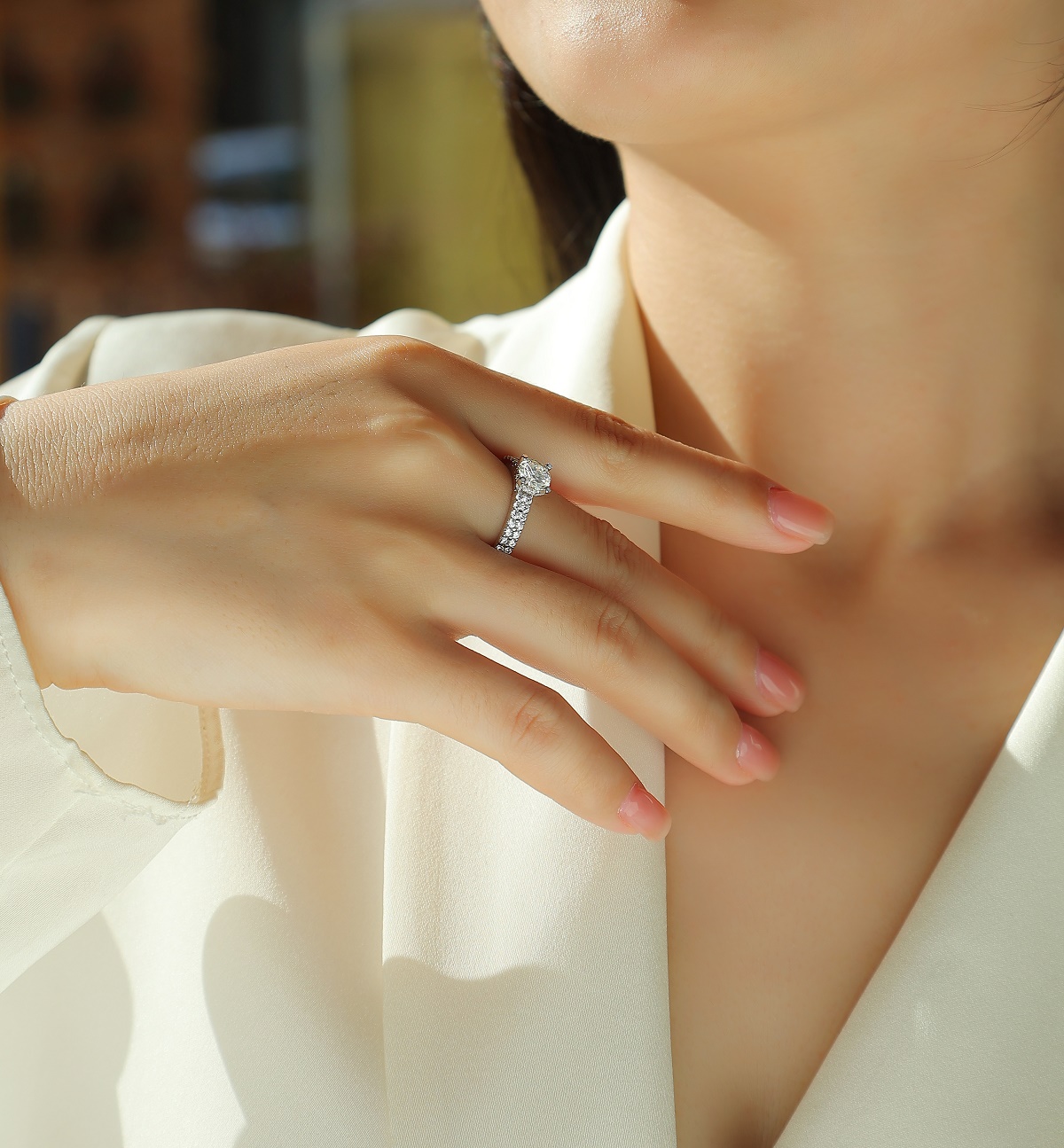 1Arrange Large Diamond Rings, Wedding Luxury Fashion Set Moissanite Silver$62.99View on Mallflare
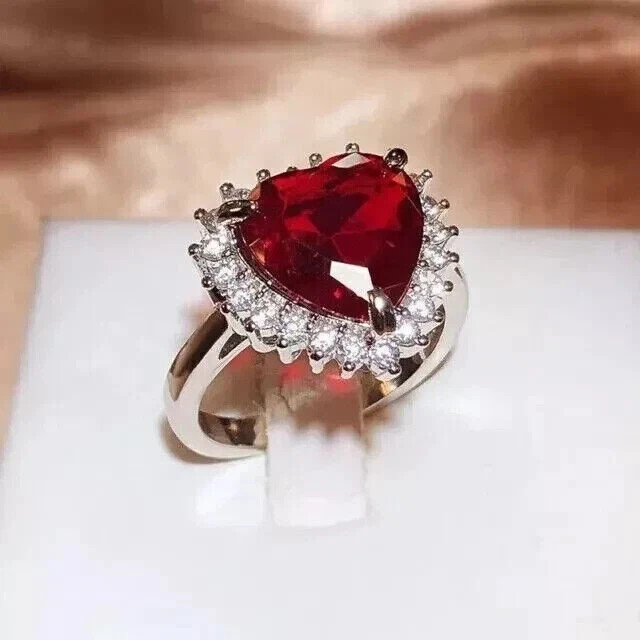 4 Ct Heart Cut Natural Ruby Diamond Wedding Engagement Ring Women 14K White Gold$129.24Last checked Nov 26, 2026View on eBay
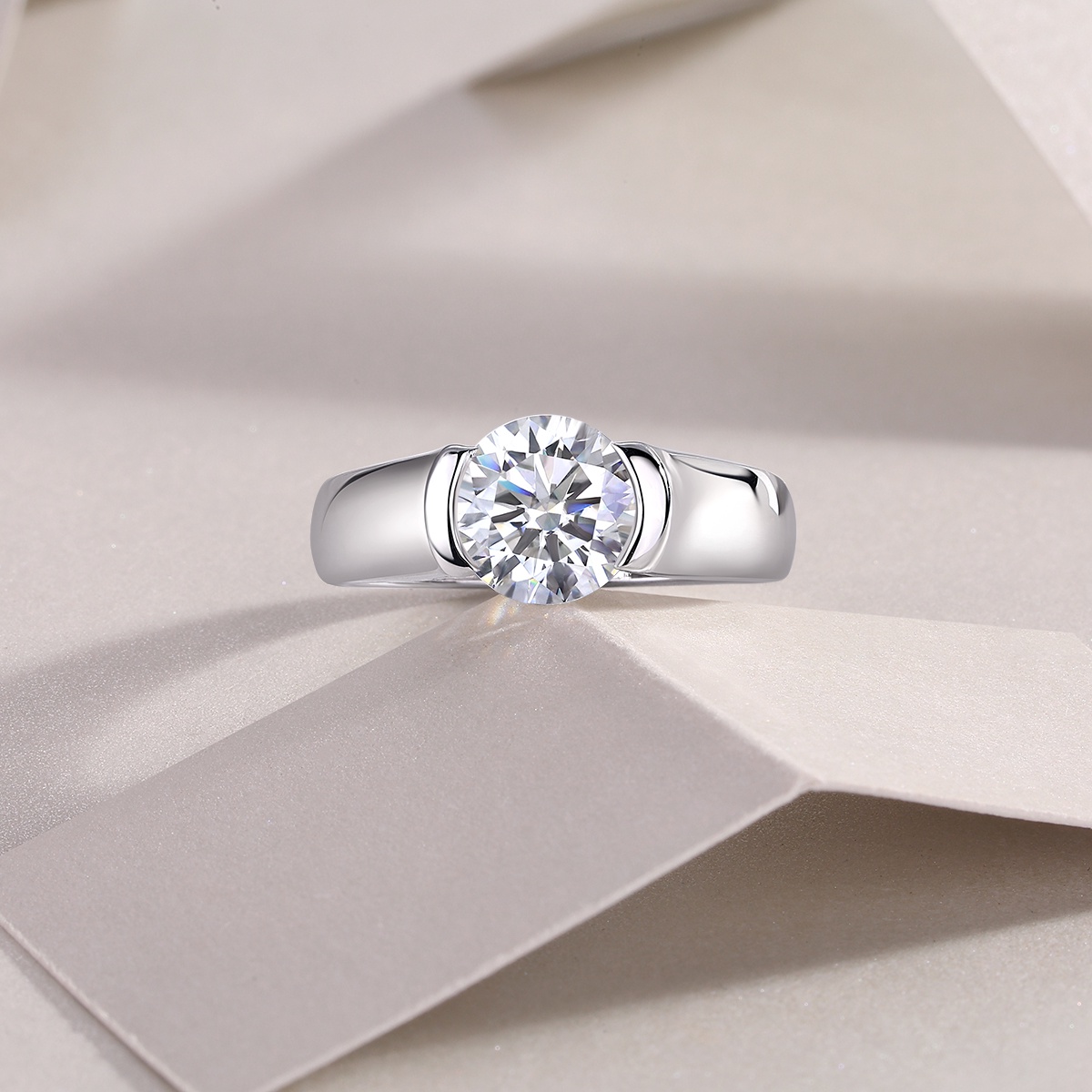 1The Love Of Your Life Diamond Ring, Wedding Luxury Fashion Set With Moissanite Silver$71.99View on Mallflare
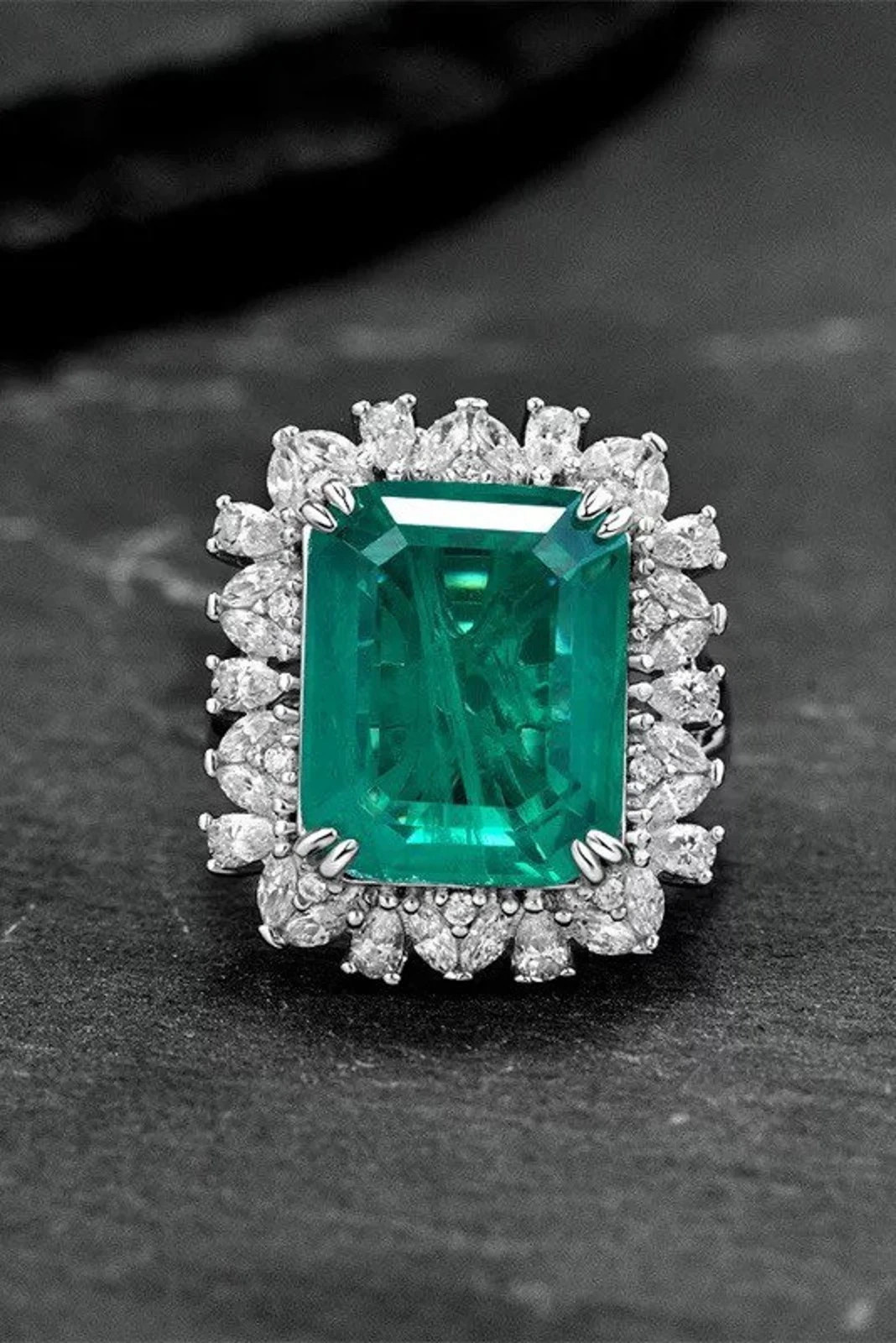 5 Ct Emerald Cut Natural Emerald Diamond Wedding Engagement Ring 14K White Gold$133.49Last checked Nov 26, 2026View on eBay
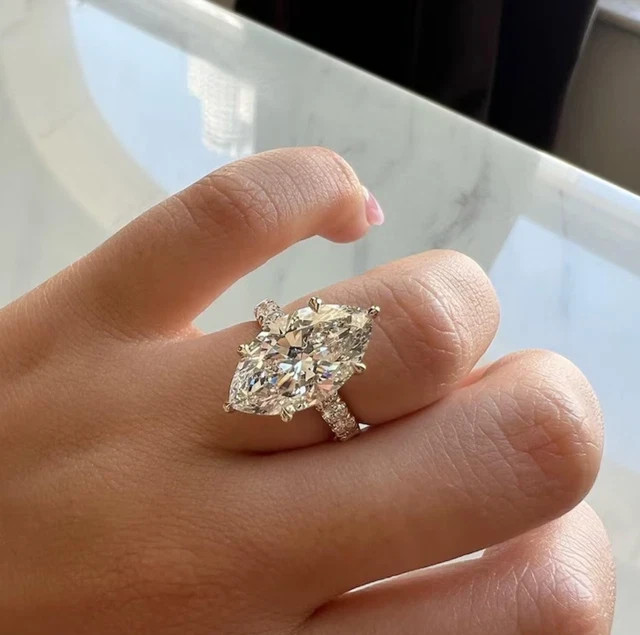 6Carat Dutch Marquise Cut Diamond Bridal Wedding Ring Set 14k White Gold Plated$199.00View on eBay
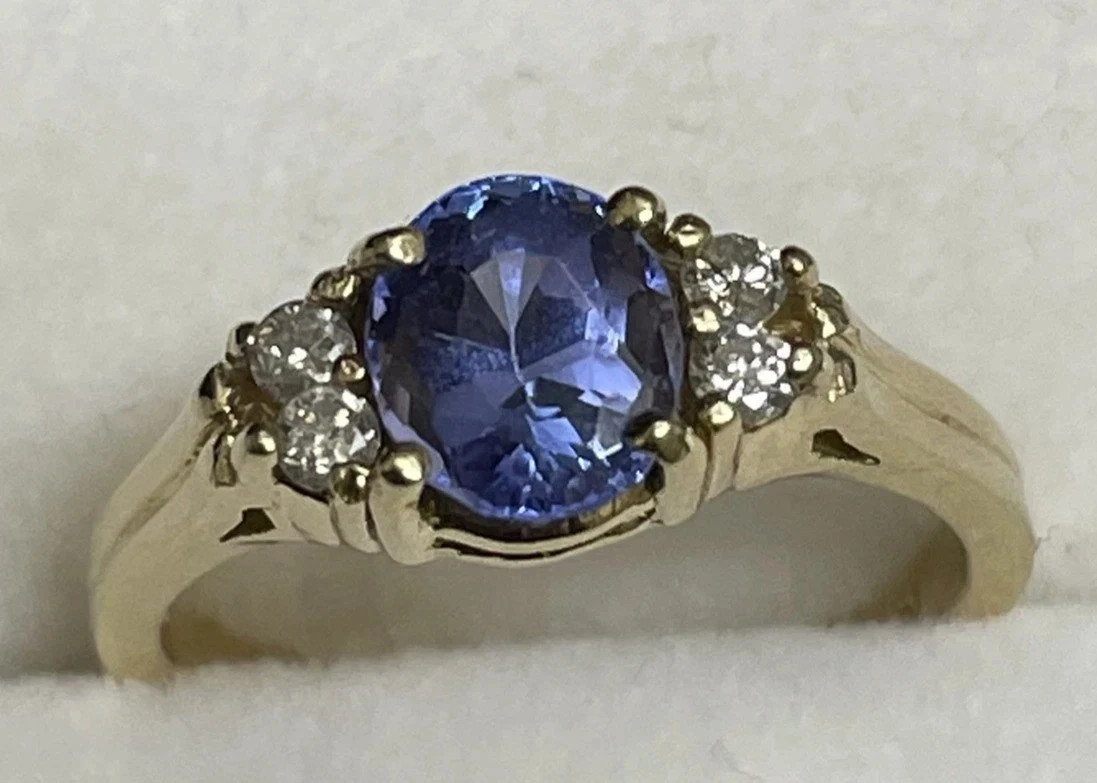 2.71 Ct Oval Cut Natural Tanzanite & Diamond Wedding Ring 14K Yellow Gold$294.00Last checked Nov 14, 2026View on eBay
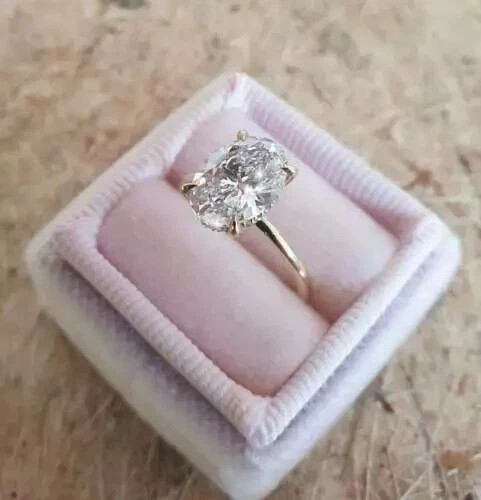 2.00Ct Oval Cut Natural Diamond Solitaire Wedding Ring 14K Yellow Gold Size 6 7$329.00Last checked Nov 14, 2026View on eBay
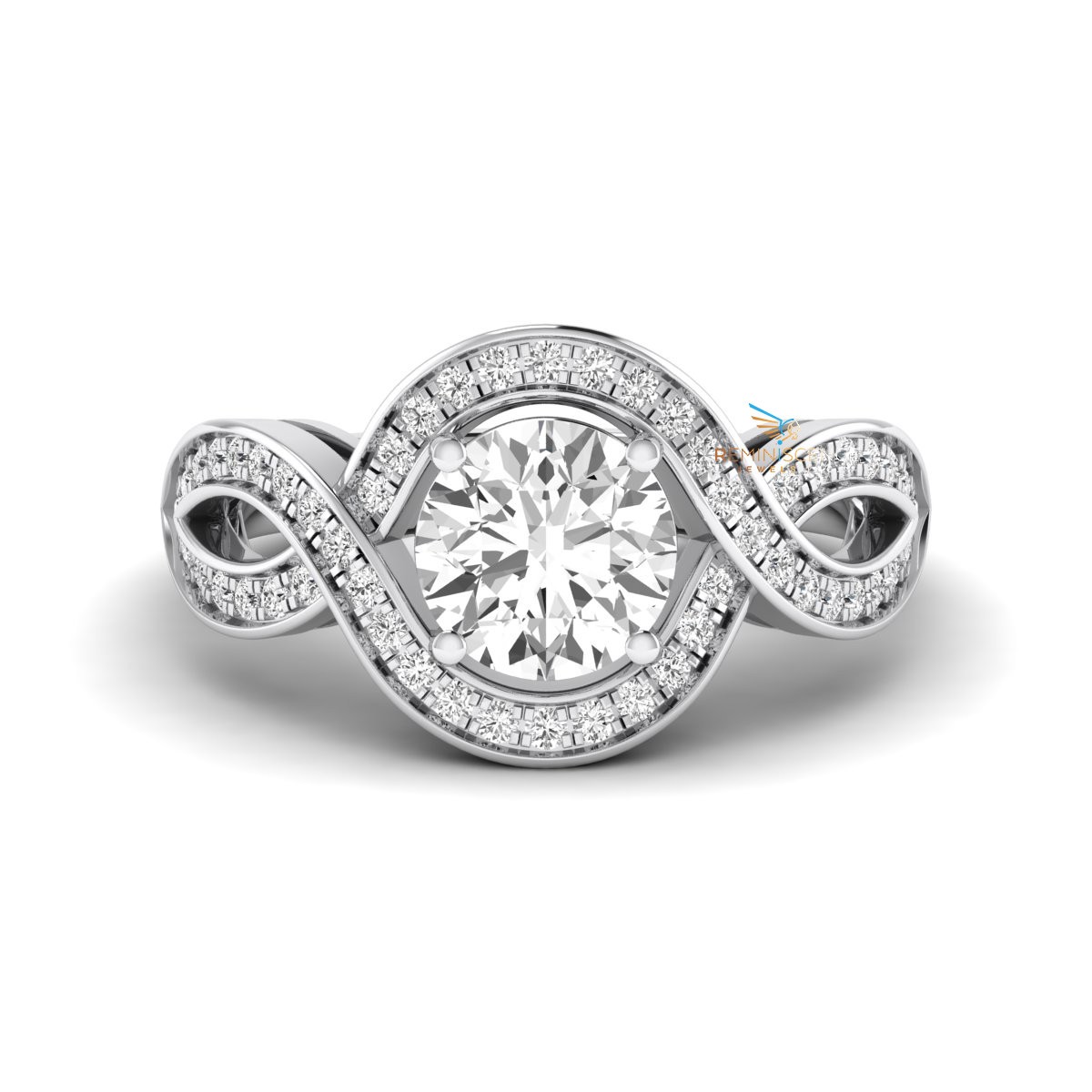 14K White Gold Infinity Halo Ring Lab Grown Diamond Engagement Wedding Jewelry$750.00Last checked Nov 17, 2026View on eBay
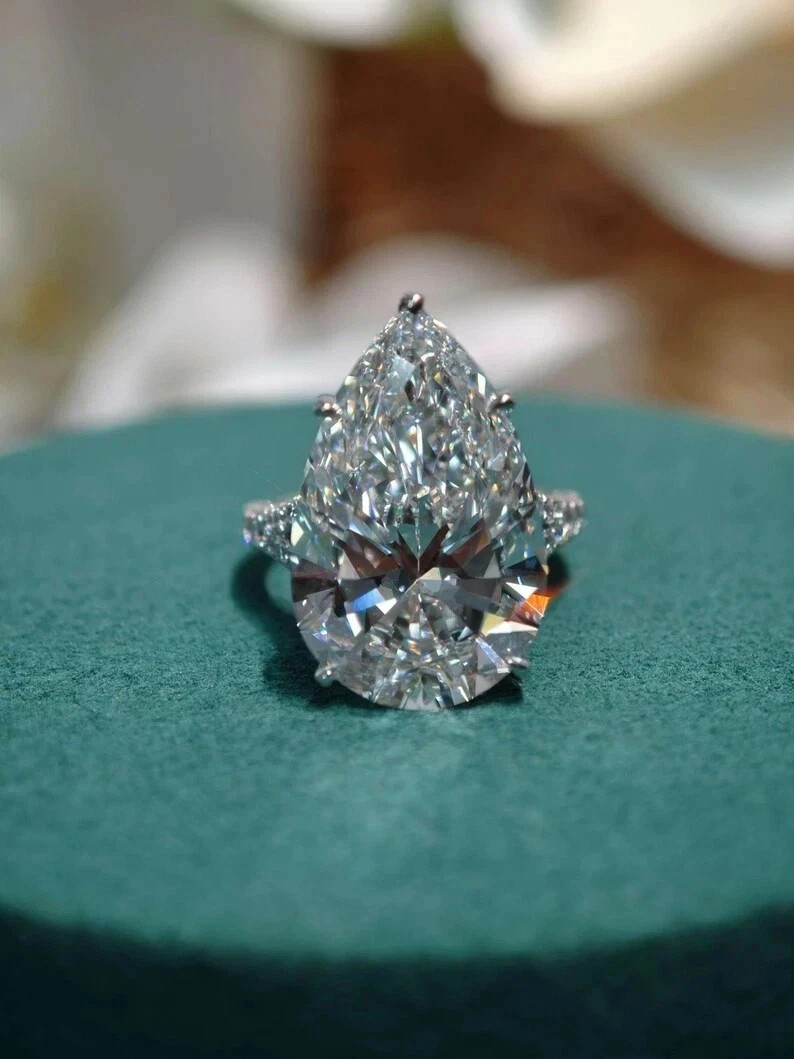 IGI 5 Ct Pear-Cut EF/VS1 Lab Grown Diamond Solitaire Wedding Ring 14K White Gold$2,177.99Last checked Nov 14, 2026View on eBay
Highlights
- Diamond certification: GIA or IGI reports define cut, color, clarity, and carat with verifiable grading; uncertified stones cannot be compared reliably.
- Metal durability: 14K/18K gold and platinum (950) resist daily wear and re-tipping; gold-plated brass or silver wears through in months to a few years.
- Lab-grown vs natural: lab-grown diamonds are chemically identical to natural and cost significantly less; simulants (moissanite, CZ) are not diamond and rank lower on hardness.
- Setting security: bezel and low-profile prong settings protect the girdle; high six-prong cathedral settings expose the diamond to knocks and snags.
Best use cases
- Daily-wear wedding band: choose a 14K/18K gold or platinum band with a bezel or low-profile prong setting and a certified diamond; skip plated brass and high-profile settings.
- Statement or anniversary ring: an oval or round certified diamond in 14K yellow gold with a secure four-prong basket is appropriate; skip thin 1mm shanks that bend under a large stone.
- Budget-conscious or travel ring: lab-grown diamond or moissanite in 14K gold or sterling silver is a durable alternative; skip gold-plated base metal if you need years of wear.
- Men's wedding ring: a 14K white gold or platinum band with a flush or channel-set diamond is secure; skip prong-set stones in an active-lifestyle band.
Buying tips
- Insist on a GIA or IGI certificate for any diamond over 0.50 ct; the report number should match the laser inscription on the girdle.
- Choose 14K or 18K gold (58.5% or 75% gold) or platinum 950 for a ring worn daily; 10K gold is harder but less precious, and plated metals are not durable.
- For a 2 ct center stone, a band width of at least 2mm protects against bending; below 1.8mm the shank is prone to deformation.
- Match diamond shape to setting: round and oval stones work in four-prong baskets; baguette and emerald cuts need bezel or channel settings to protect corners.
Specs
| Diamond Type | Natural / Lab-grown / Simulant |
|---|---|
| Metal Purity | 14K–18K gold, platinum 950 |
| Setting Style | Prong / Bezel / Channel / Pavé |
| Certification | GIA / IGI / None |
Related searches
What to check before buying
- Measure ring size on the intended finger with a proper sizer; wedding rings typically run 0.25–0.5 size larger than engagement rings for comfort.
- Confirm metal allergy compatibility: nickel-white gold can irritate; choose platinum, palladium-white gold, or 18K yellow gold if nickel-sensitive.
- Check setting height against daily activity: a low-profile setting under 5mm total height reduces snagging on clothing and gloves.
- Verify the diamond report matches the stone: certificate number, carat weight, and measurements should align with the listing specs.
FAQ
Data sources: eBay / Amazon listings and product attribute feeds. Updated Nov 29, 2026.
Some links on this page are affiliate links. If you buy after clicking one, we may earn a commission at no extra cost to you. This does not change which products appear here or their order. Affiliate disclosure.