
Photos from current listings. Actual item, color, and included accessories may vary.
Wedding Ring Buying Guide
A wedding ring is a daily-wear band distinguished by metal hardness, setting security, and finish durability rather than stone size alone. The core trade-off is comfort and hypoallergenic purity versus scratch resistance: softer precious metals (24K gold, fine silver) dent and wear quickly, while tungsten, cobalt, and 14K–18K gold balance longevity with re-polishing. The decision rule is simple: choose a continuous comfort-fit band in 14K/18K gold, platinum, or tungsten for lifelong daily wear; treat plated brass, stainless steel, and CZ halo sets as fashion or travel rings with a 1–3 year lifespan.
Median $60.99
Key takeaways
- Metal hardness determines daily durability: tungsten carbide and cobalt-chrome resist scratches permanently, while 14K/18K gold and platinum scratch but can be re-polished indefinitely.
- Band width and fit drive comfort: 2–4 mm suits feminine stacking, 6–8 mm suits masculine daily wear; comfort-fit interiors (rounded inner edge) require a half-size smaller than standard flat bands.
- Setting type governs stone security: bezel and channel settings protect stones during manual work, while prong settings expose edges and require annual tightening.
At a glance
- Category
- Rings & Earrings
- Last updated
- Nov 29, 2026
Current offers
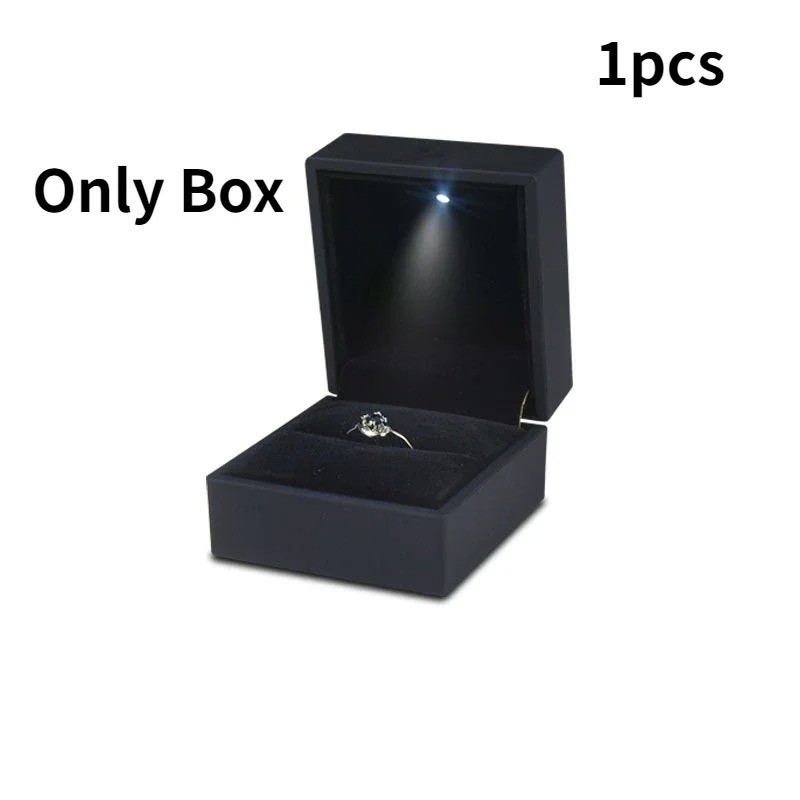 Luxury LED Ring Box for Engagement Wedding Jewelry Gift Display Box$6.11View on eBay
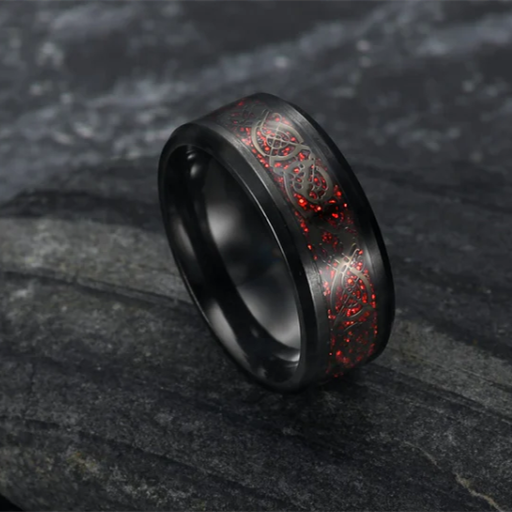 Asgard Crafted Basilisk Scale Wedding Ring$6.99View on Mallflare
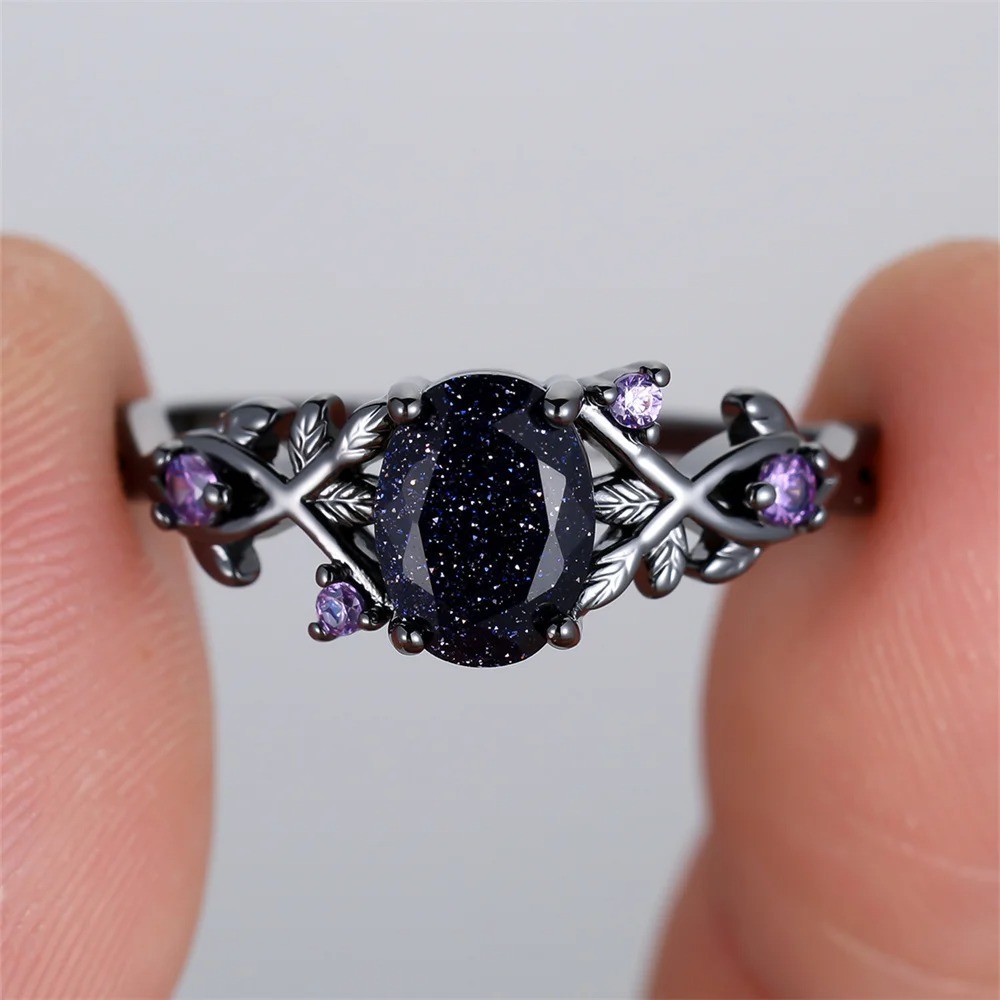 Fashion Wedding Band Ring Set for Woman Cubic Zircon Nature Jewelry Engagement$6.89View on eBay
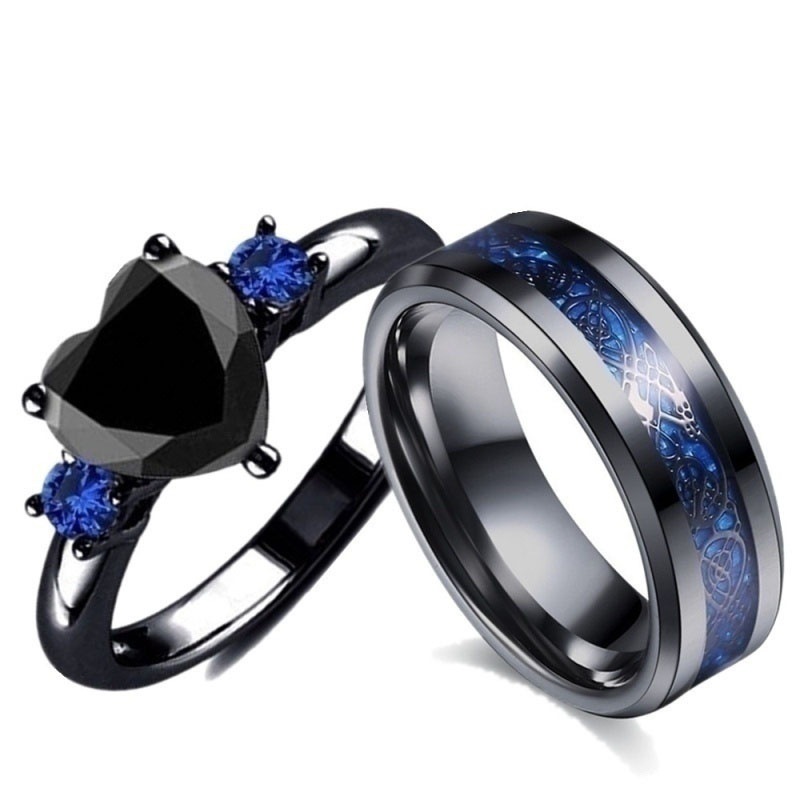 Black Heart Gemstone Diamond Wedding Ring$7.99View on Mallflare
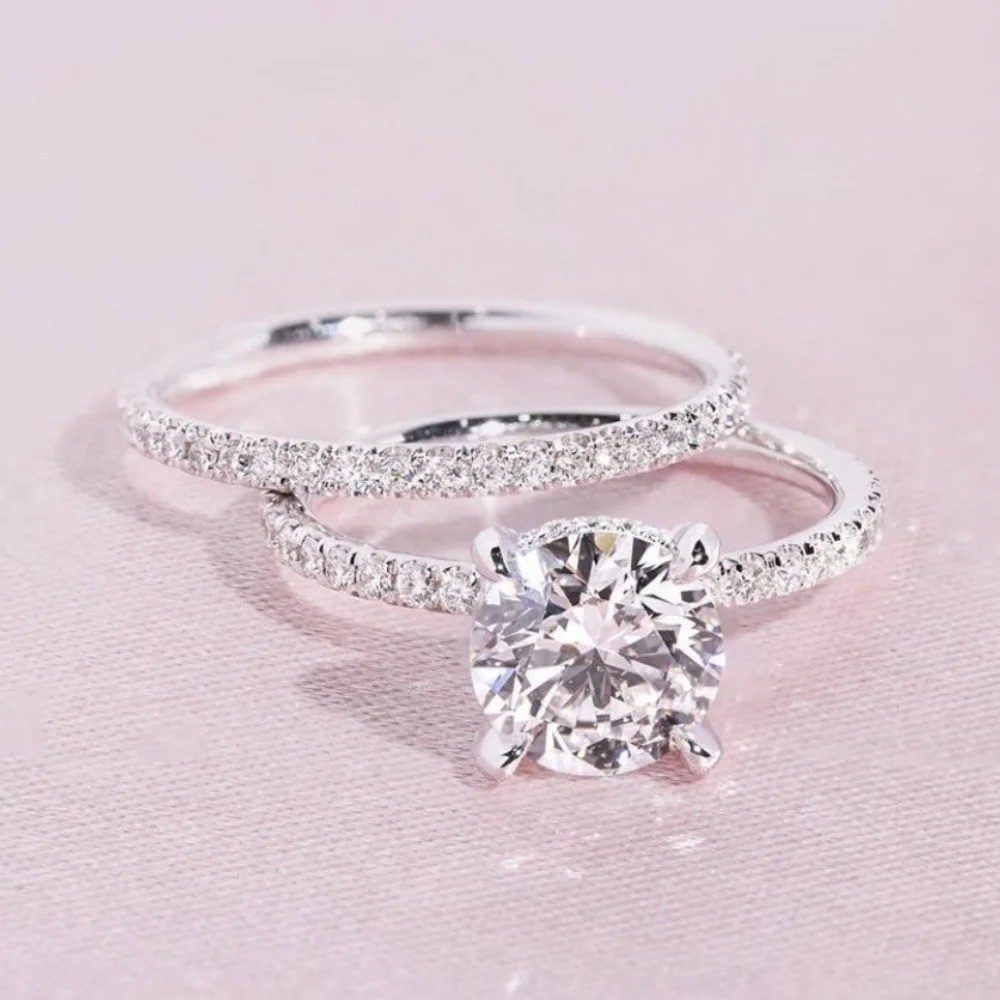 2pcs CZ Ring Set Women Engagement Wedding Band Cubic Zirconia Jewelry Gift$6.99View on eBay
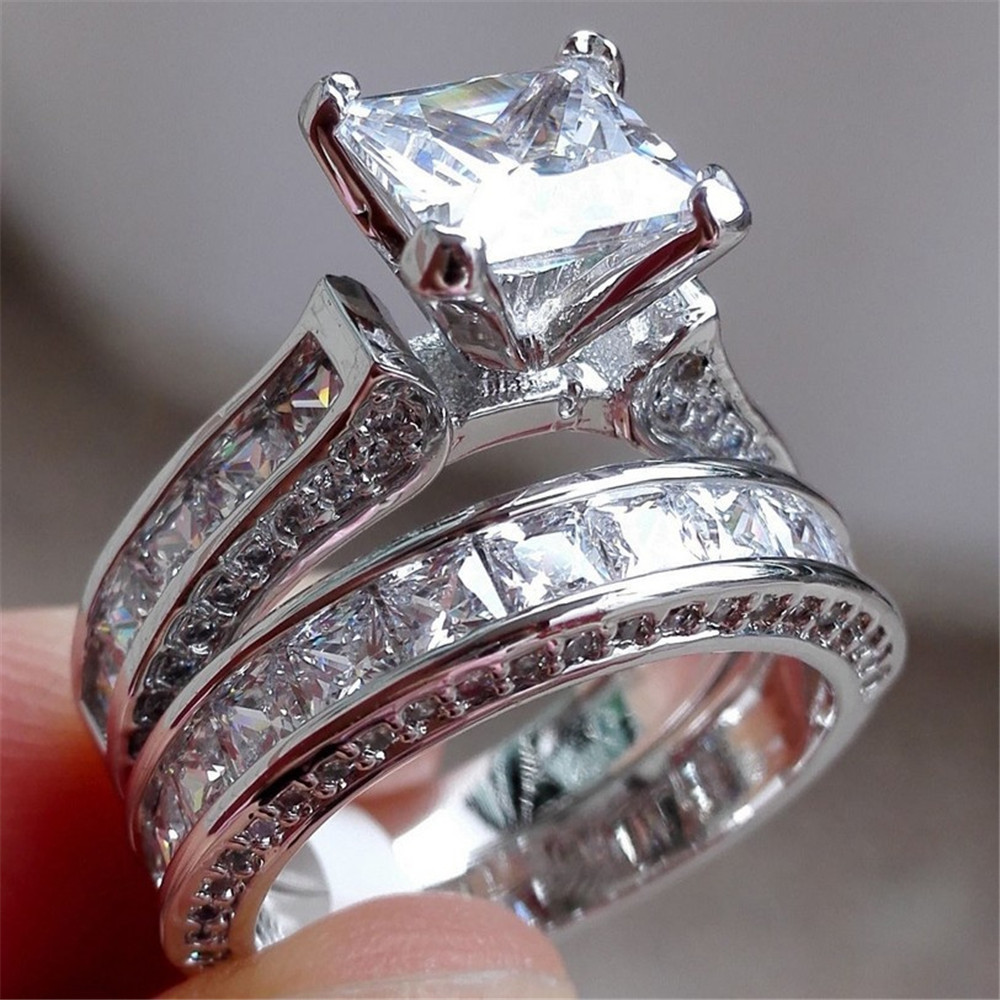 New Style Charm Couple Rings His Her Silver Color Princess Cut CZ Anniversary Promise Wedding Engagement Ring Sets$8.99View on Mallflare
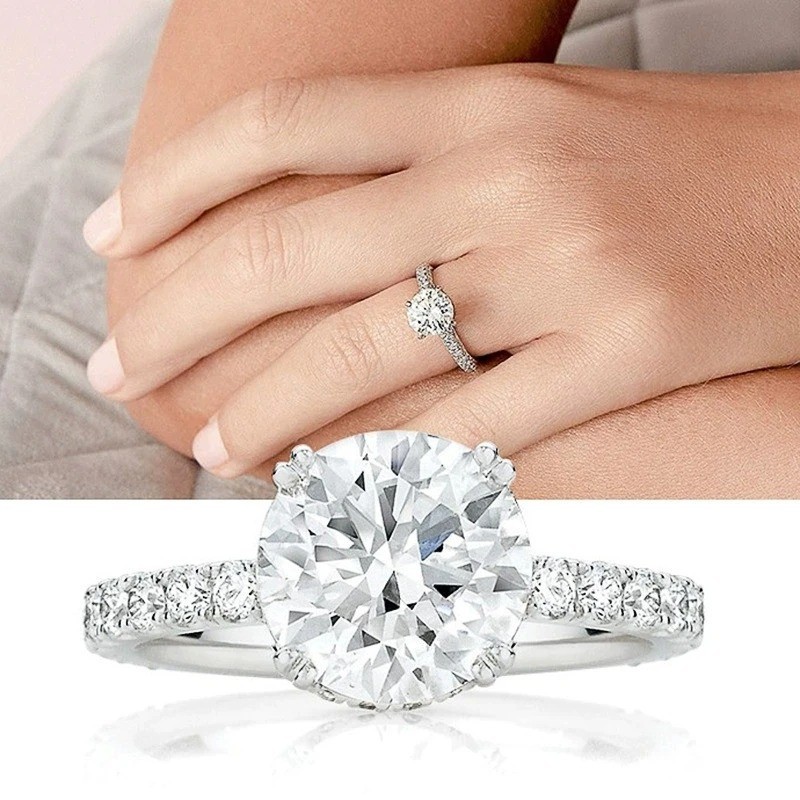 Crystal Zircon Engagement Ring Claw Setting Sparkling Wedding Band Women Jewelry$6.99View on eBay
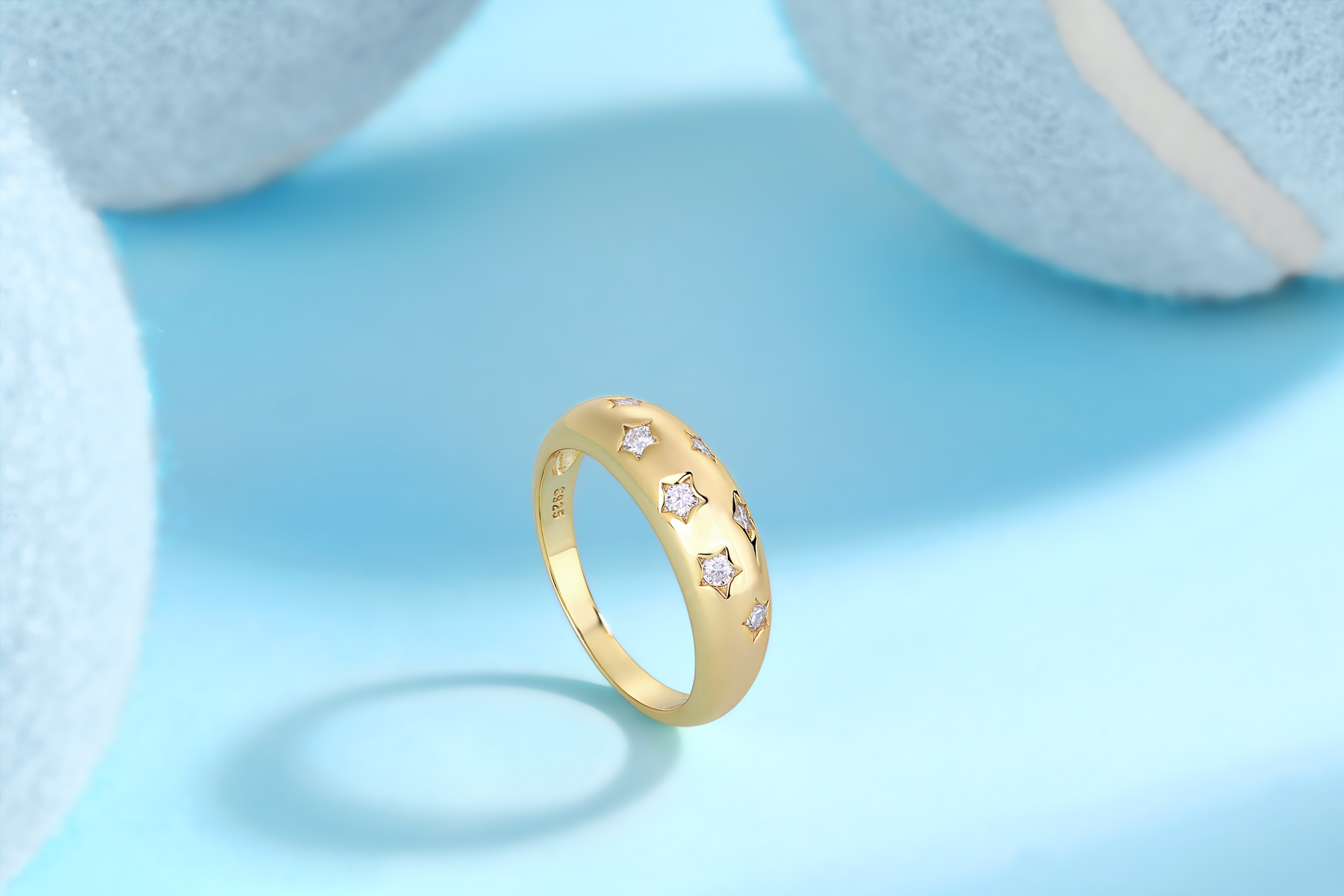 1Trendy Diamond Rings, Wedding Luxury Fashion, Silver Set With Moissanite$58.99View on Mallflare
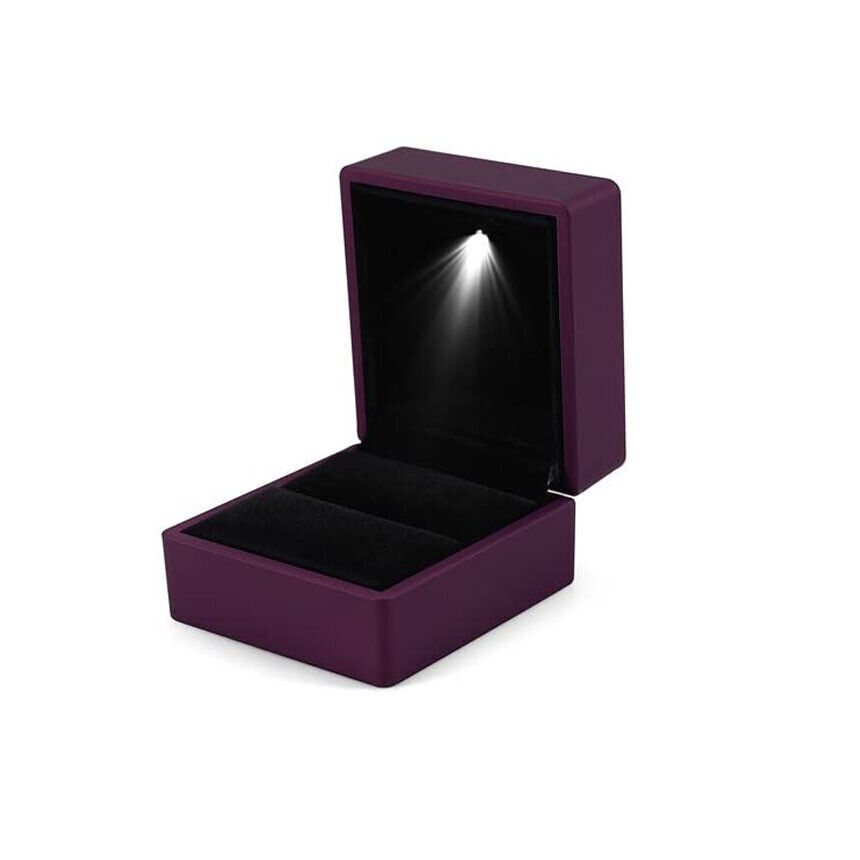 LED Ring Box Velvet Jewelry Case Box Engagement Girlfriend Wedding Gifts USA$9.29View on eBay
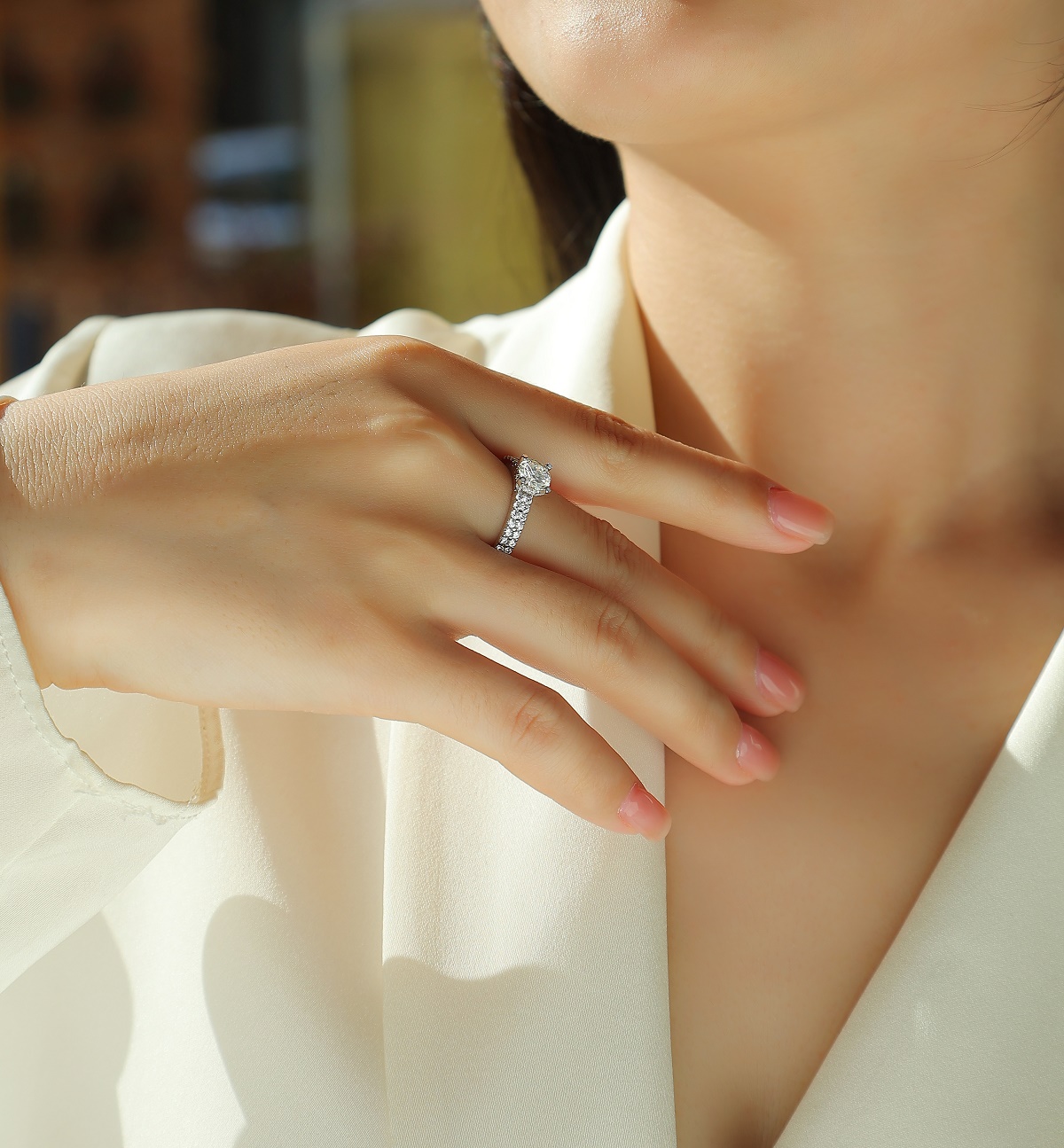 1Arrange Large Diamond Rings, Wedding Luxury Fashion Set Moissanite Silver$62.99View on Mallflare
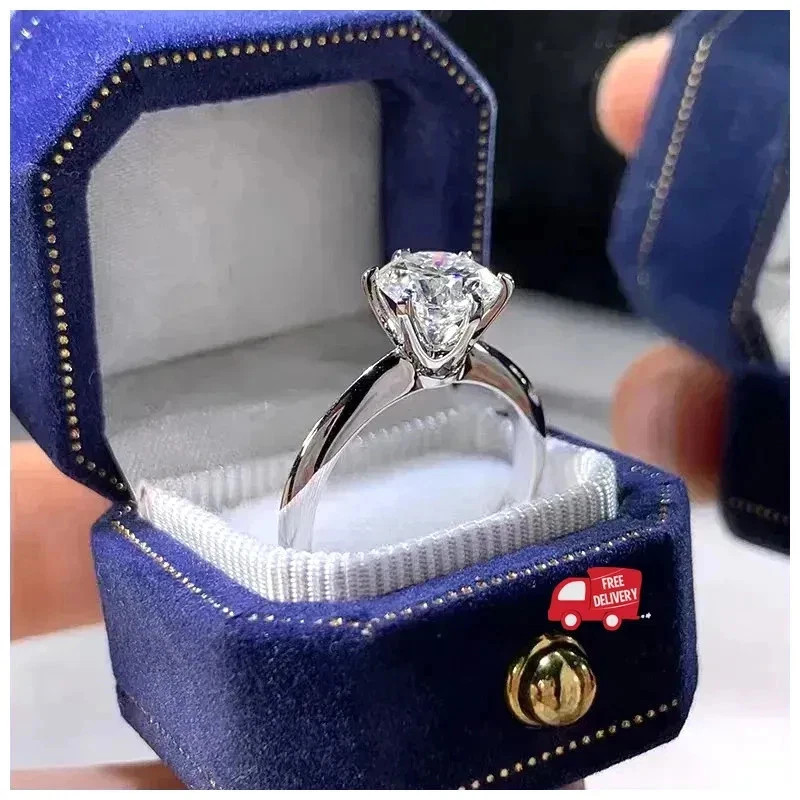 Solitaire ring Real 925 Sterling silver 1ct Moissanite cz Engagement Wedding$11.50Last checked Nov 28, 2026View on eBay
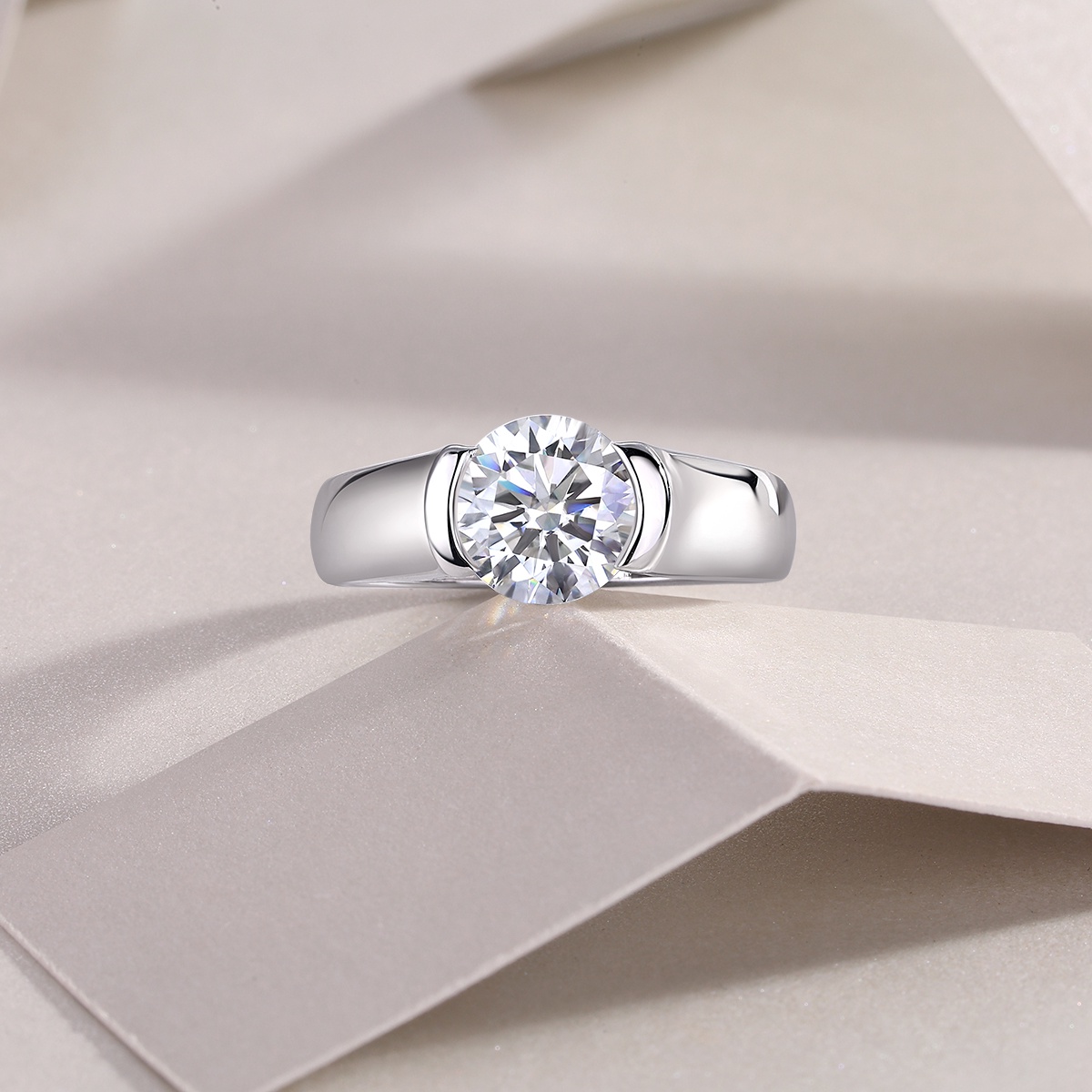 1The Love Of Your Life Diamond Ring, Wedding Luxury Fashion Set With Moissanite Silver$71.99View on Mallflare
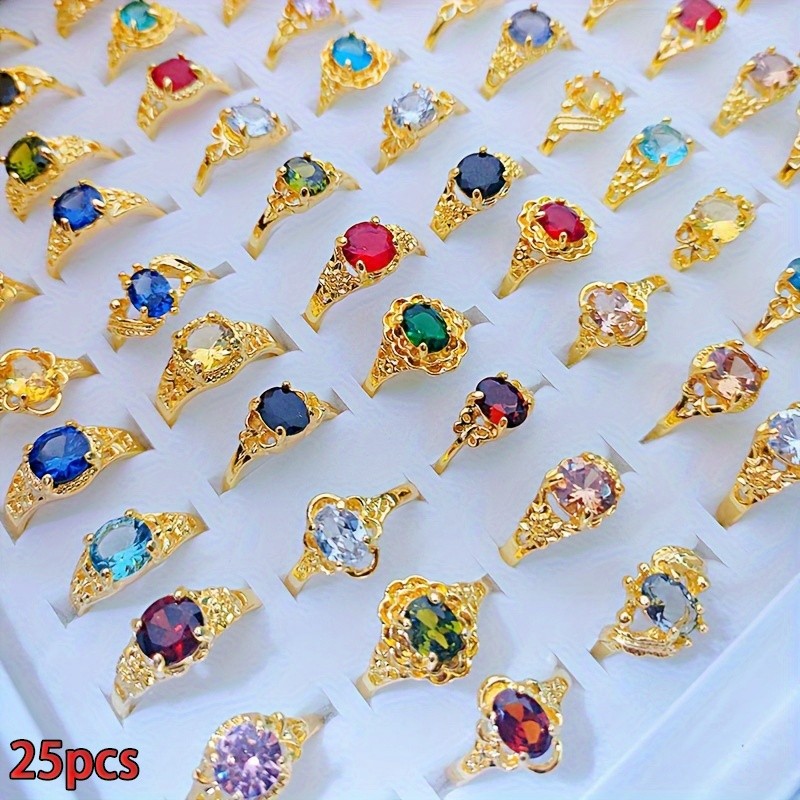 25/50/100pcs Mixed Shining Zircon Crystal Rings Women Engagement Wedding Jewelry$16.99View on eBay
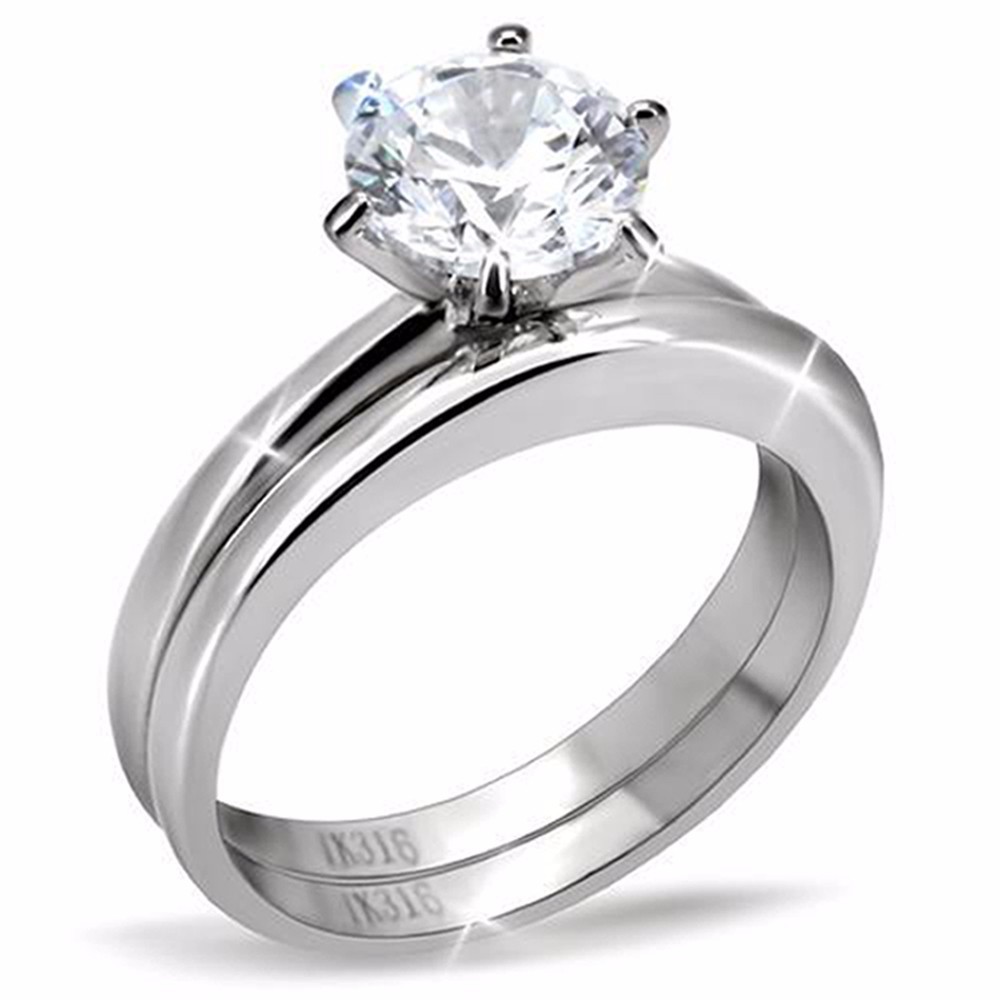 Women's Wedding Ring Set Round Cut CZ Engagement Stainless Steel Size 5-10$17.49Last checked Nov 28, 2026View on eBay
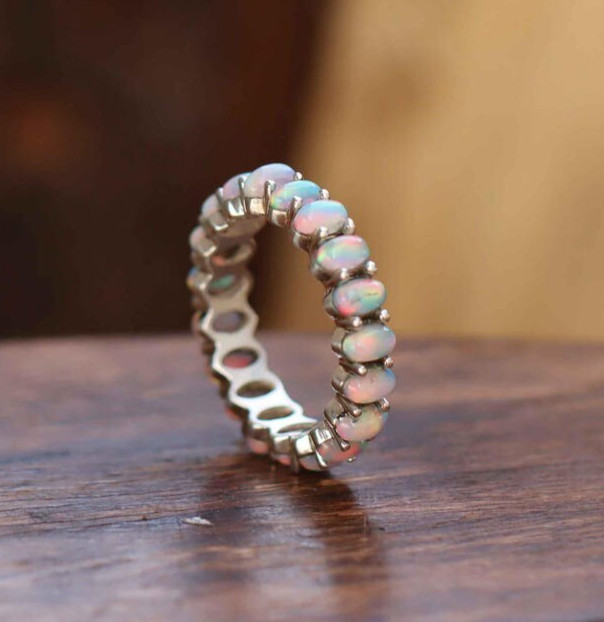 Fire Opal Eternity Ring, 925 Sterling Silver Wedding Ring, Opal Engagement Ring$44.80Last checked Nov 26, 2026View on eBay
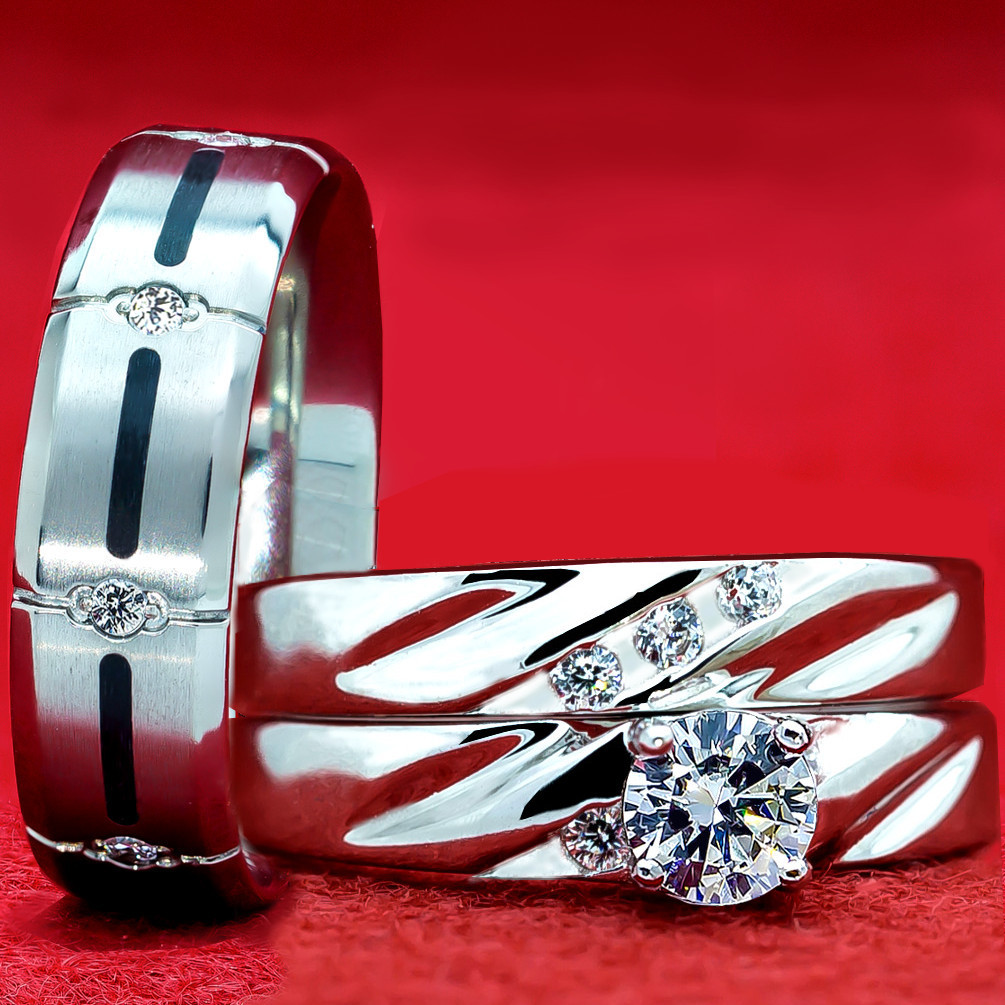 3PCS HIS AND HERS TITANIUM 925 STERLING SILVER WEDDING BRIDAL MATCHING RING SET$54.78View on eBay
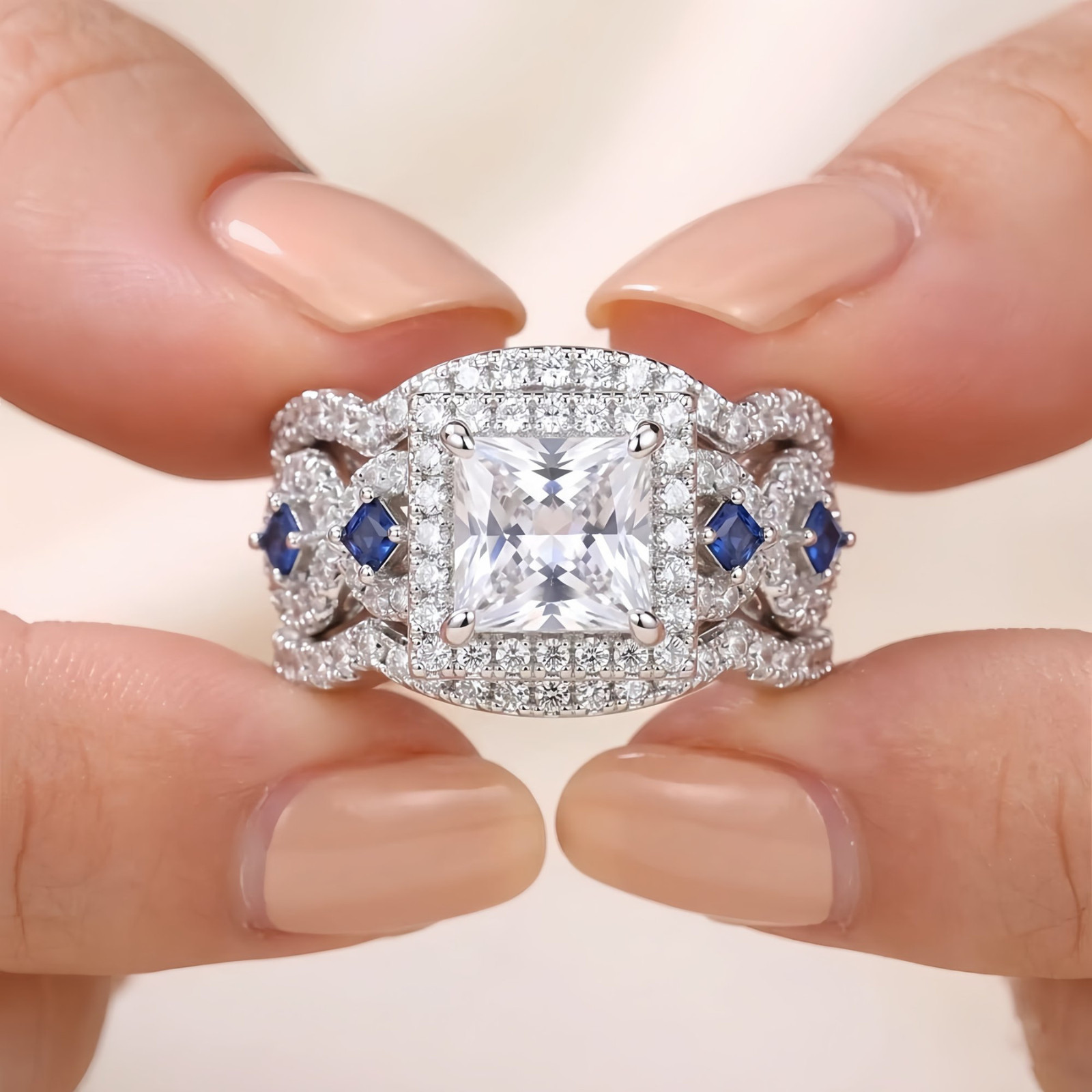 VVS1 2ct Princess Cut Sapphire Engagement & Wedding Ring Set – White Gold Finish$56.88View on eBay
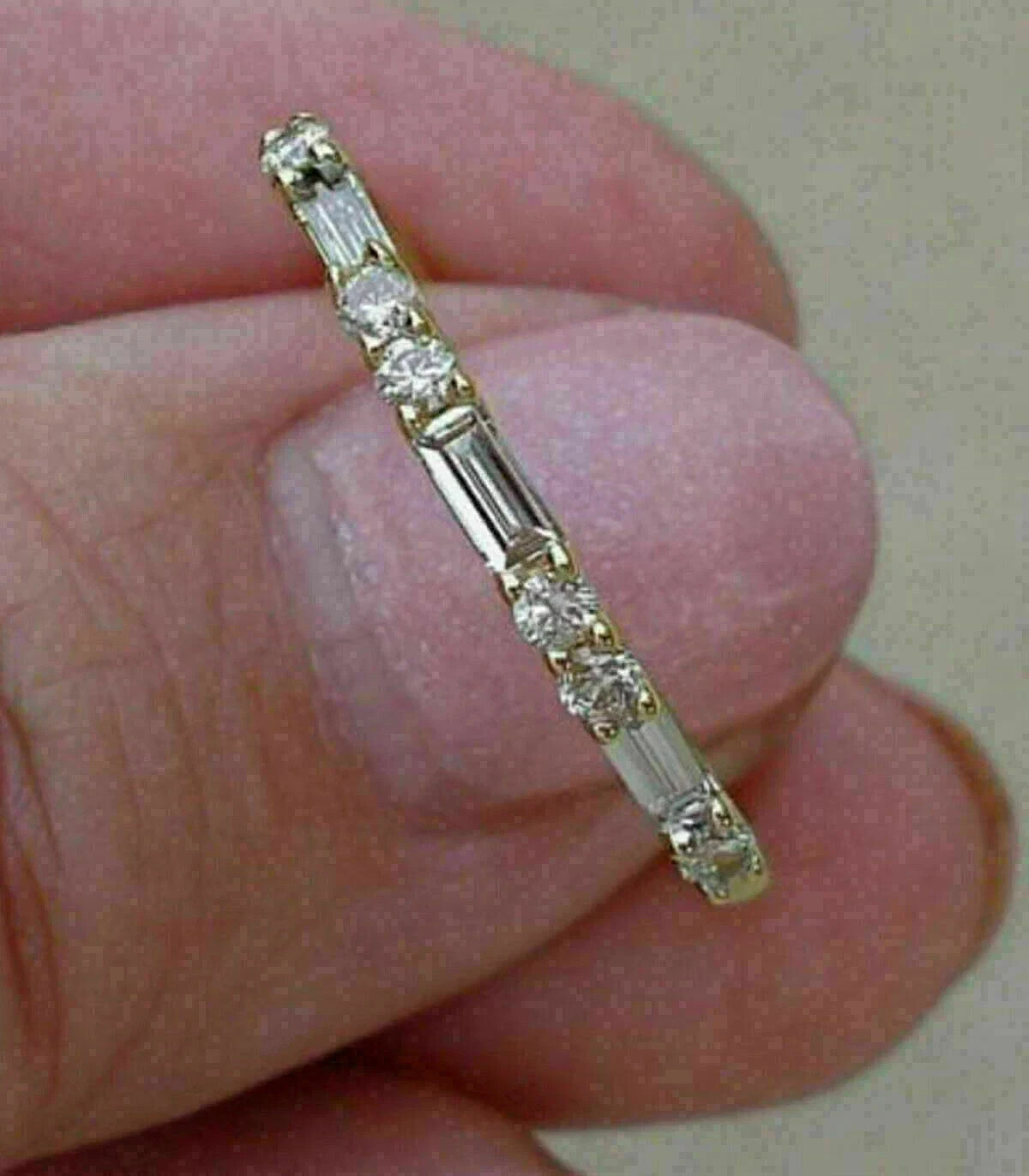 0.60Ct Lab Created Baguette Diamond Eternity Wedding Band Ring 14K Yellow Gold$67.72Last checked Nov 24, 2026View on eBay
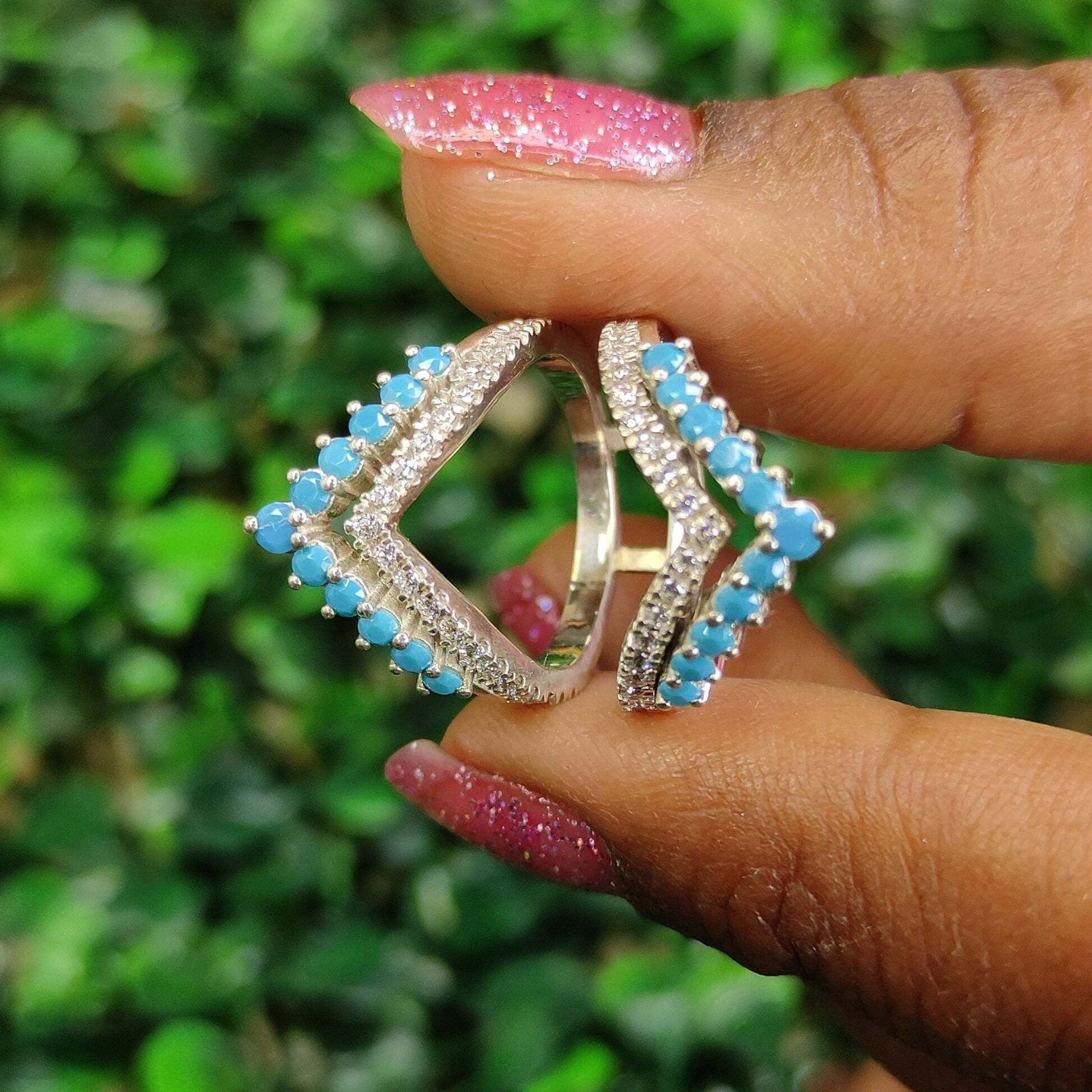 2Ct Lab Created Turquoise Wedding Enhancer Band Wrap Ring 14K White Gold Plated$78.00Last checked Nov 19, 2026View on eBay
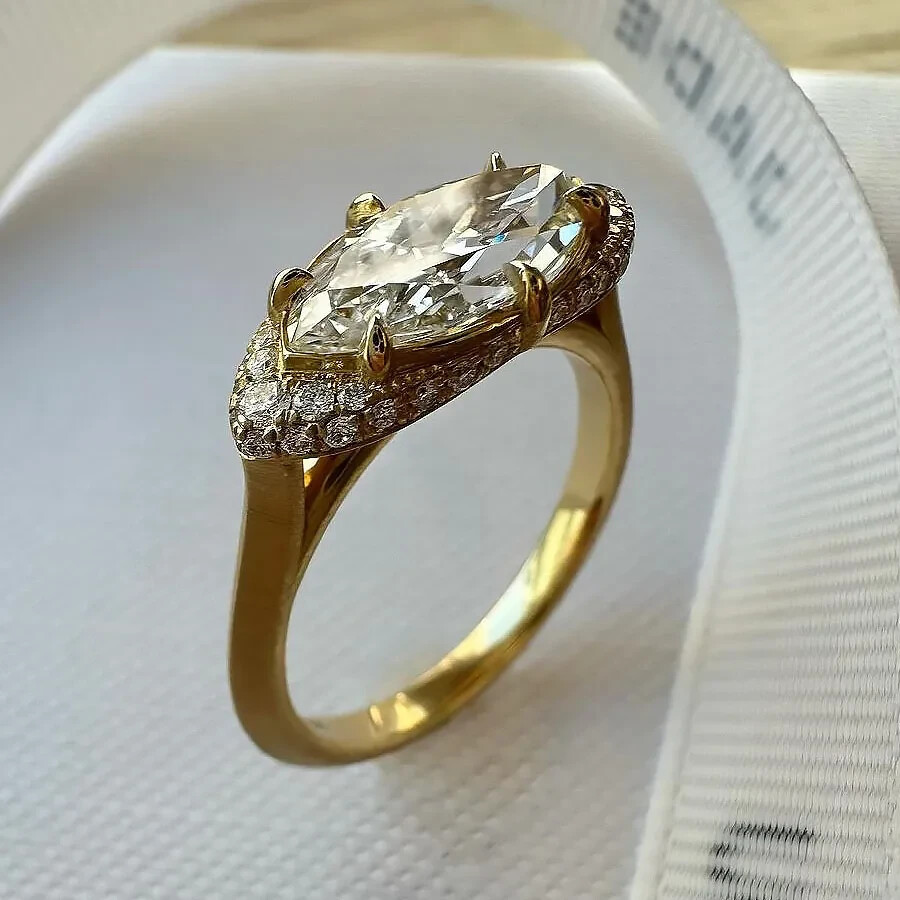 14K Yellow Gold Plated 1.00Ctw Marquise Cut Real Moissanite Women's Wedding Ring$110.49Last checked Nov 21, 2026View on eBay
Highlights
- Metal hardness determines daily durability: tungsten carbide and cobalt-chrome resist scratches permanently, while 14K/18K gold and platinum scratch but can be re-polished indefinitely.
- Band width and fit drive comfort: 2–4 mm suits feminine stacking, 6–8 mm suits masculine daily wear; comfort-fit interiors (rounded inner edge) require a half-size smaller than standard flat bands.
- Setting type governs stone security: bezel and channel settings protect stones during manual work, while prong settings expose edges and require annual tightening.
- Gold purity tiers differ functionally: 14K (58.5% gold) is harder and more scratch-resistant than 18K (75% gold), which is softer and better suited to low-abrasion wear.
Best use cases
- Pick a solid 14K or 18K gold comfort-fit band for lifelong everyday wear or a professional setting; skip hollow or plated bands that dent and flake within months.
- Choose tungsten or cobalt for active jobs, gym use, or outdoor work where scratch resistance matters more than resizing; skip these if you need a ring that can be cut off in an emergency.
- Choose a bezel-set solitaire or channel-set eternity band for medical, mechanical, or childcare work; skip high-prong halo sets that snag and loosen stones.
- Use stainless steel or gold-plated CZ sets as travel or backup rings where loss risk is high; skip them as a primary wedding band expected to last decades.
Buying tips
- Match band width to finger length: 2–3 mm flatters shorter fingers and stacks well; 6–8 mm suits larger hands and reads as a traditional men's band.
- Size for comfort-fit: a rounded interior needs roughly half a size smaller than a flat band; wider bands (6 mm+) also fit tighter, so size up a half size.
- Verify gold content by hallmark: 14K stamps as '585', 18K as '750', platinum as '950' or 'PT950'; plated items carry no purity stamp and are brass or steel underneath.
- Choose setting security over carat: a 0.5 ct bezel-set stone survives daily wear better than a 1 ct high-prong setting that catches on clothing and gloves.
Specs
| Metal Hardness | Tungsten > Cobalt > 14K Gold > Platinum > 18K Gold |
|---|---|
| Gold Purity Mark | 14K=585 / 18K=750 / Platinum=950 |
| Band Width Range | 2–4 mm feminine / 6–8 mm masculine |
| Setting Security | Bezel/Channel > Prong / Full vs Half Eternity |
Related searches
What to check before buying
- Measure finger at room temperature at day's end using a ring gauge or paper strip; knuckles wider than the base require sizing to the knuckle, not the base.
- Confirm the metal is hypoallergenic if you have nickel sensitivity: titanium, tungsten, platinum, and 18K gold are safer than 14K white gold, which may contain nickel.
- For eternity bands, confirm full versus half eternity: full eternity cannot be resized, so sizing must be exact before purchase.
- Match ring width to any existing engagement ring: leave 1–2 mm gap or choose a curved band to sit flush against a low-set solitaire.
FAQ
Data sources: eBay / Amazon listings and product attribute feeds. Updated Nov 29, 2026.
Some links on this page are affiliate links. If you buy after clicking one, we may earn a commission at no extra cost to you. This does not change which products appear here or their order. Affiliate disclosure.