
Photos from current listings. Actual item, color, and included accessories may vary.
Diamond Engagement Ring Buying Guide
A diamond engagement ring is a ring featuring a diamond as the primary gemstone, available in natural or lab-grown origin, with the cut, clarity, color, and carat determining value. The core trade-off is between natural diamond rarity and lab-grown size for the same budget, plus metal purity (14K vs 18K) and setting security. Buyers should prioritize GIA or IGI certification for diamonds over 0.50 ct and solid gold (14K minimum) over plated metals to ensure durability.
Median $402.59
Key takeaways
- Lab-grown diamonds are chemically identical to natural diamonds but cost 30-50% less at retail, allowing larger carat weights for the same budget.
- 14K gold (58.5% purity) is harder and more scratch-resistant than 18K (75% purity), making it better for daily-wear engagement rings.
- Diamond cut grade (Excellent/Ideal) has the greatest impact on sparkle; clarity VS1-VS2 and color G-I are eye-clean and offer best value.
At a glance
- Category
- Rings & Earrings
- Last updated
- Nov 27, 2026
Current offers
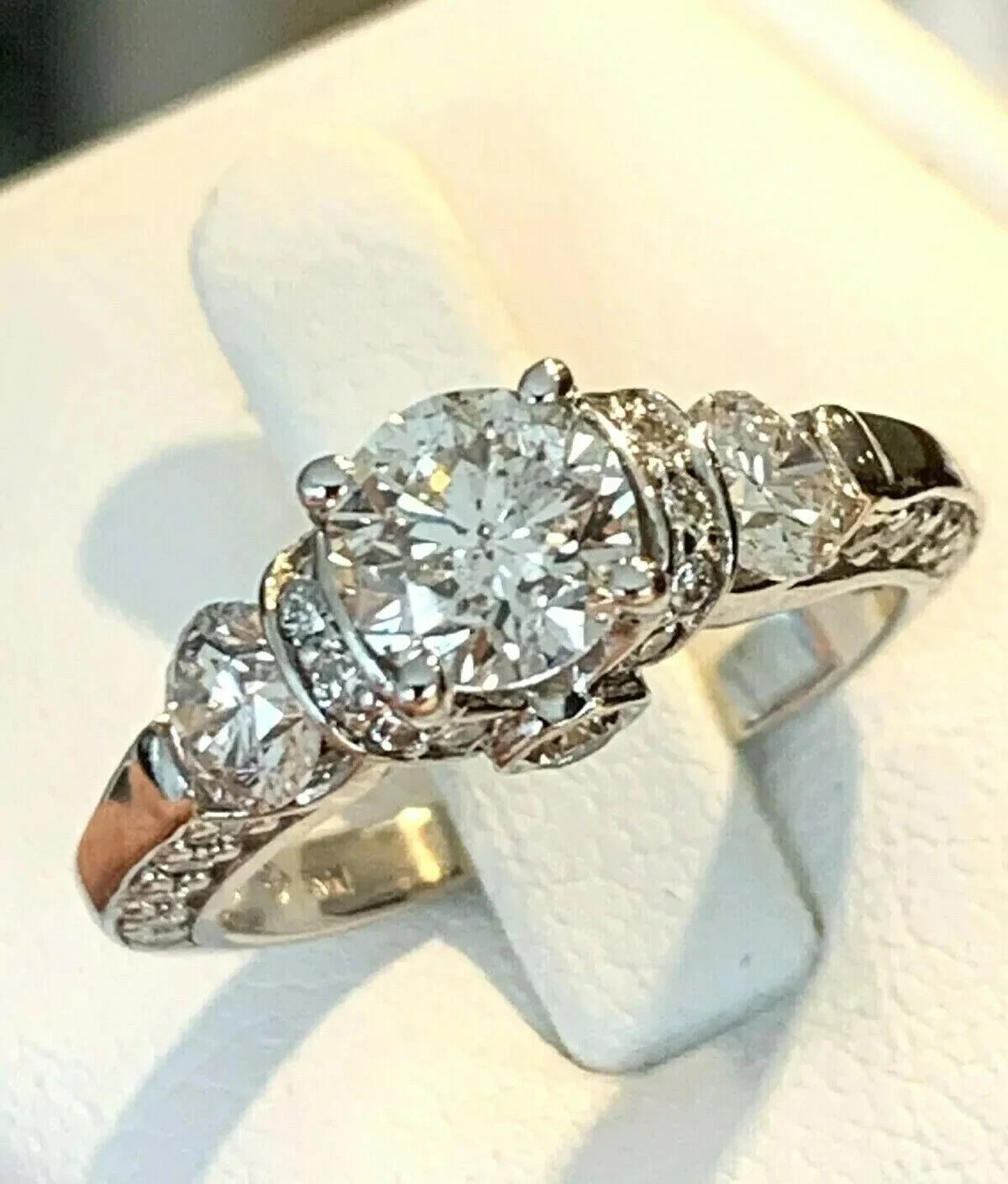 2Ct Round Cut Lab-Created Diamond 14K White Gold Plated Engagement Ring Women's$79.19View on eBay
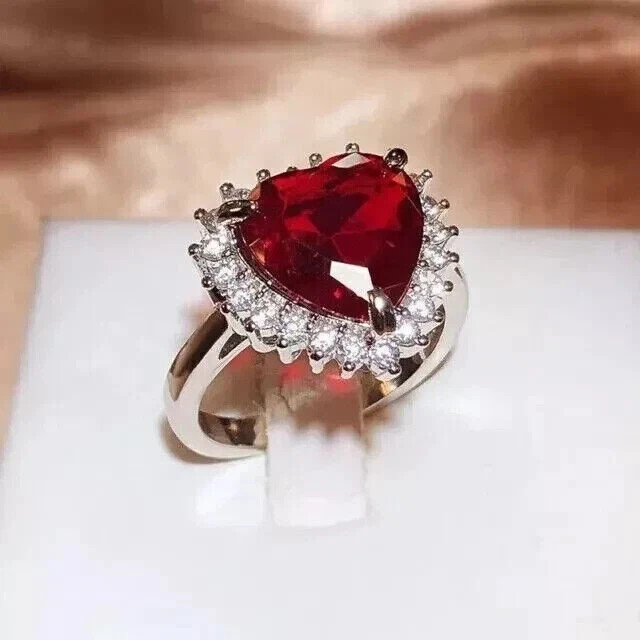 4 Ct Heart Cut Natural Ruby Diamond Wedding Engagement Ring Women 14K White Gold$129.24Last checked Nov 26, 2026View on eBay
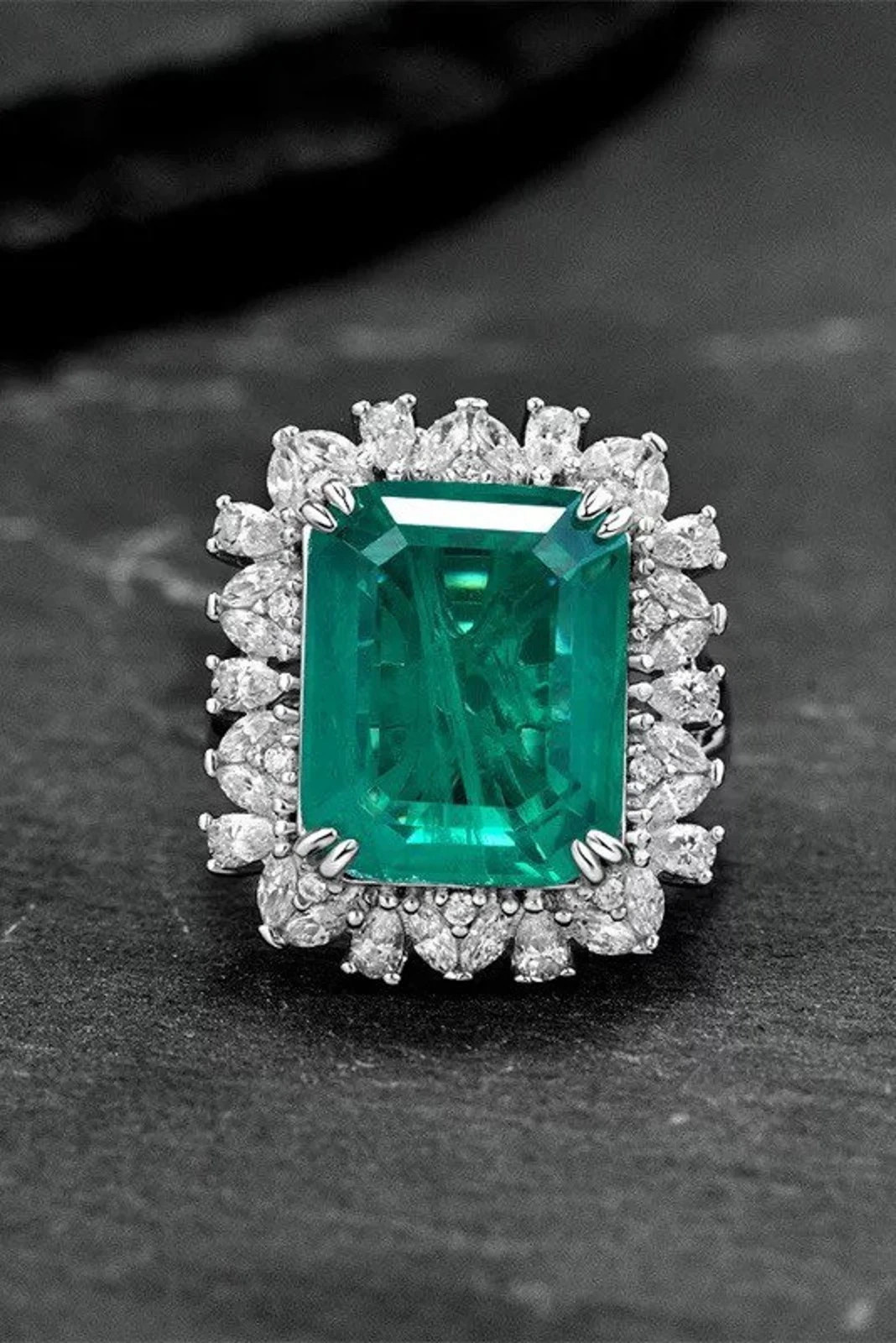 5 Ct Emerald Cut Natural Emerald Diamond Wedding Engagement Ring 14K White Gold$133.49Last checked Nov 26, 2026View on eBay
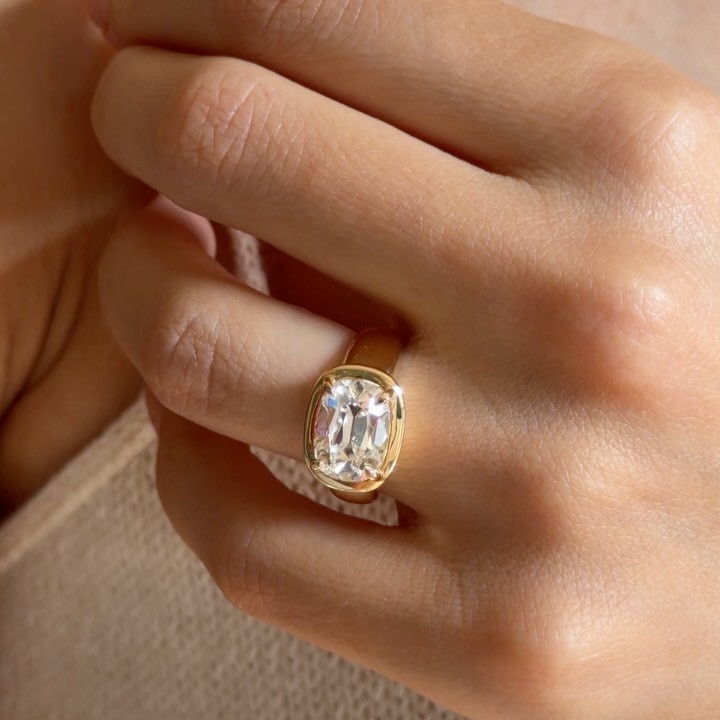 3.59 Ct Oval Cut Diamond Bezel Solitaire Engagement Ring Solid 18K Yellow Gold$330.41Last checked Nov 14, 2026View on eBay
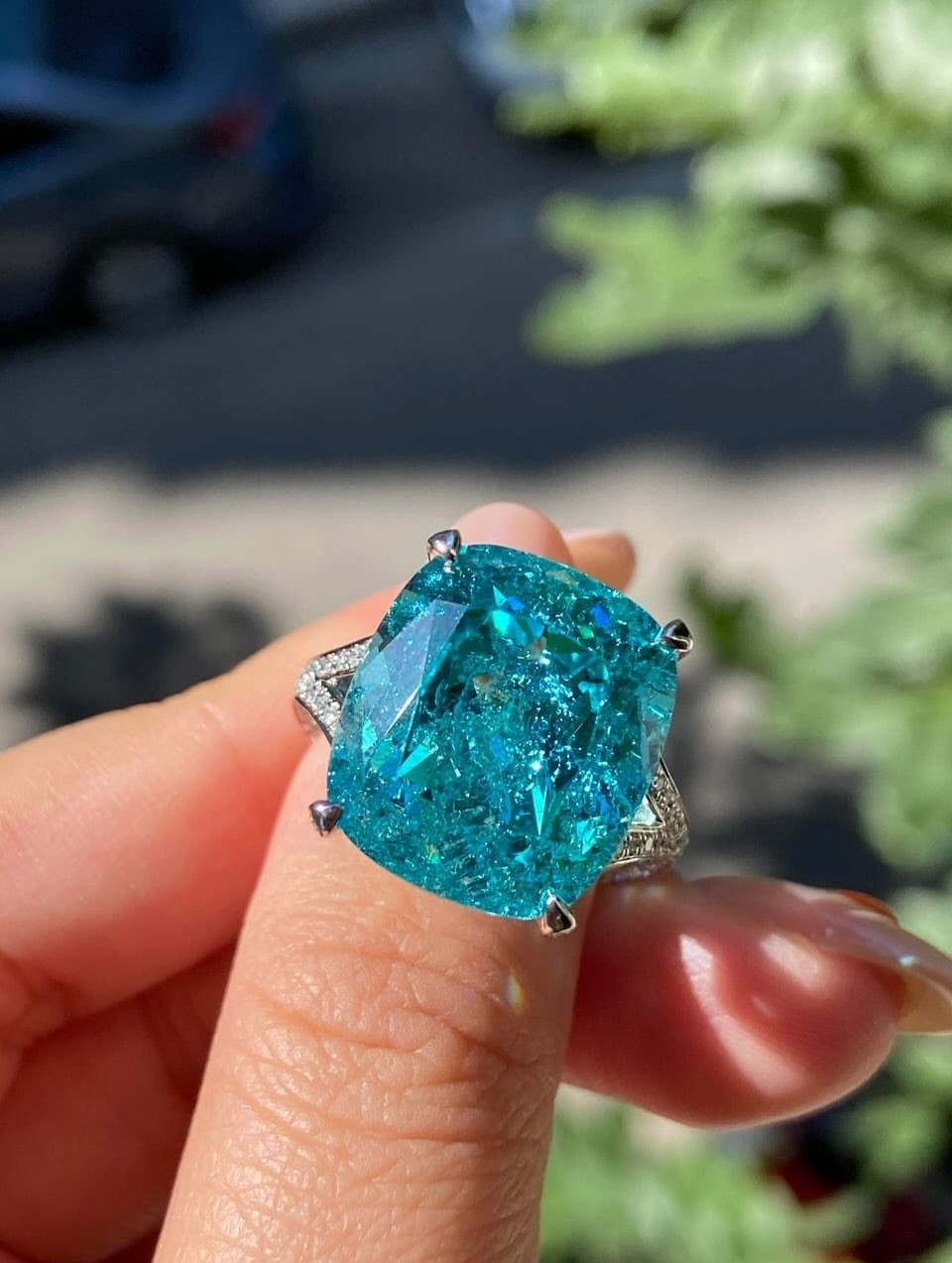 5.50 CT Cushion Cut Paraiba Tourmaline & Diamond Engagement Ring 14K White Gold$335.17Last checked Nov 14, 2026View on eBay
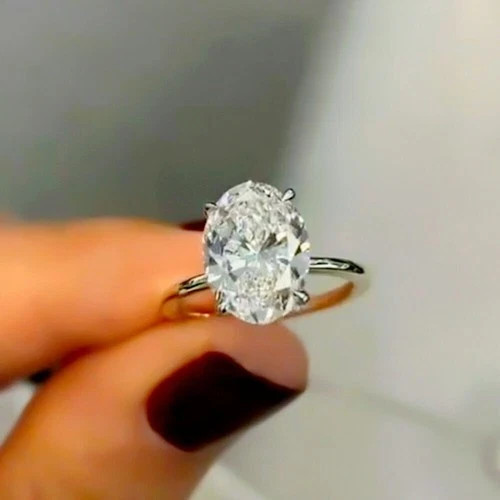 2.00Ct Oval Cut Natural Certified Diamond Engagement Ring 14k White Gold 6 7 8$470.00Last checked Nov 14, 2026View on eBay
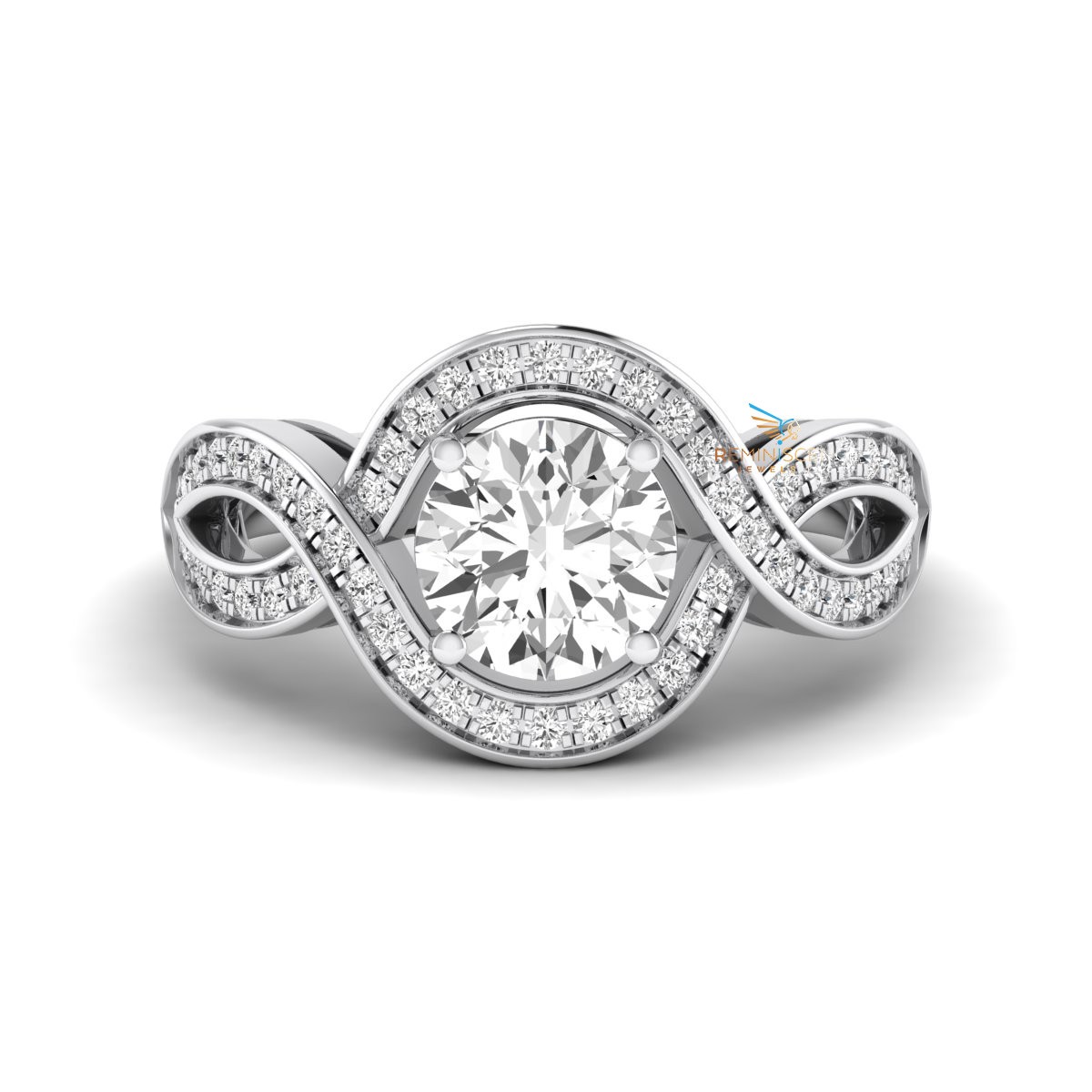 14K White Gold Infinity Halo Ring Lab Grown Diamond Engagement Wedding Jewelry$750.00Last checked Nov 17, 2026View on eBay
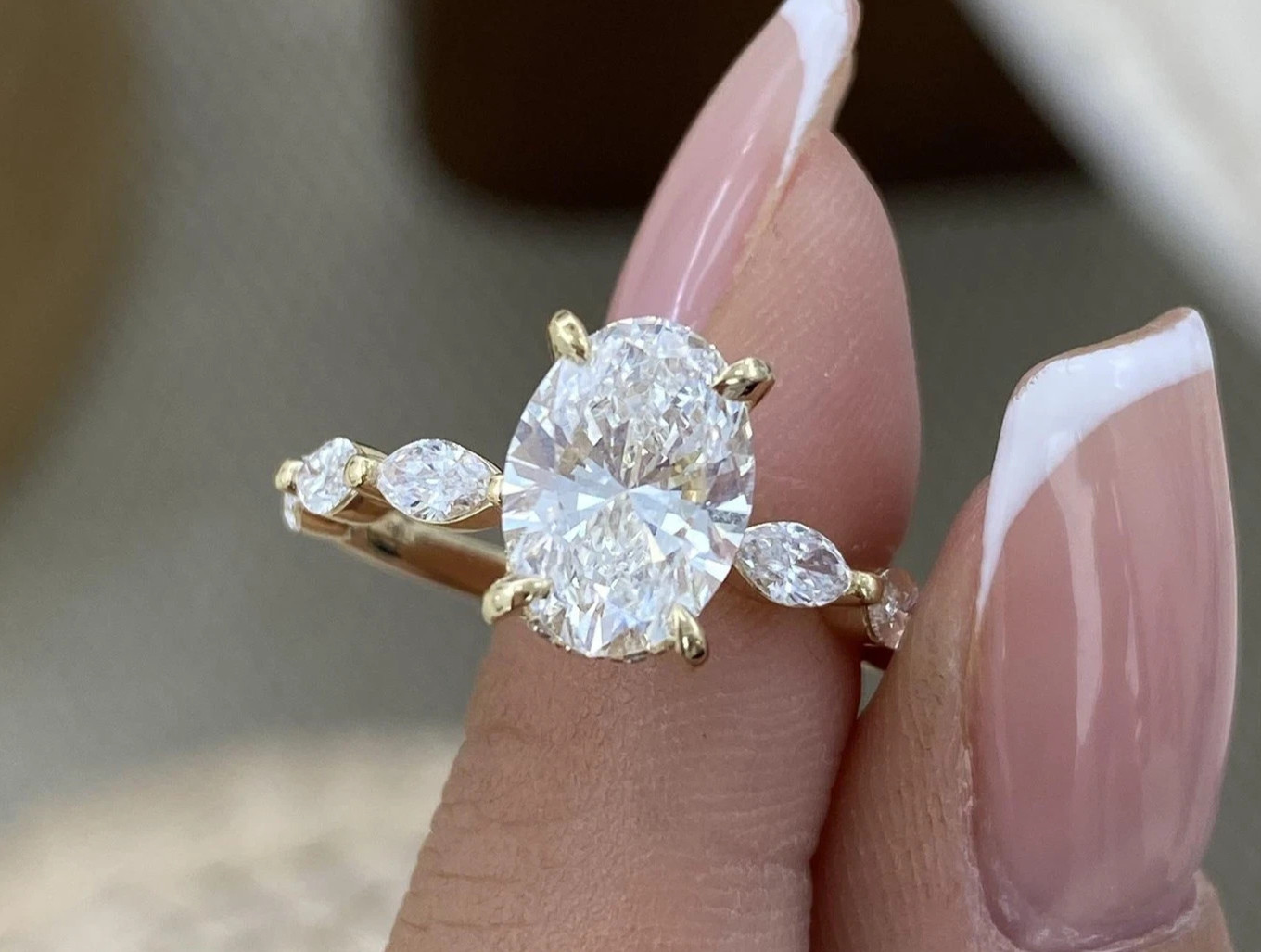 2.80 CT Oval Cut EF/ VS1 Lab Grown Diamond Engagement Ring 14k Yellow Gold$1,608.74Last checked Nov 14, 2026View on eBay
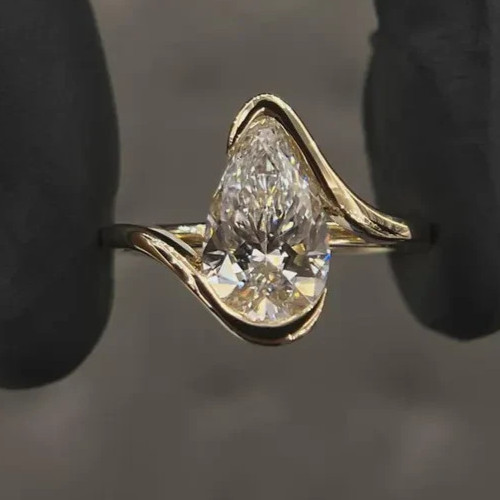 4.00 Ct Pear-Cut Lab Grown Diamond Solitaire Engagement Ring 14k Yellow Gold$1,759.99Last checked Nov 14, 2026View on eBay
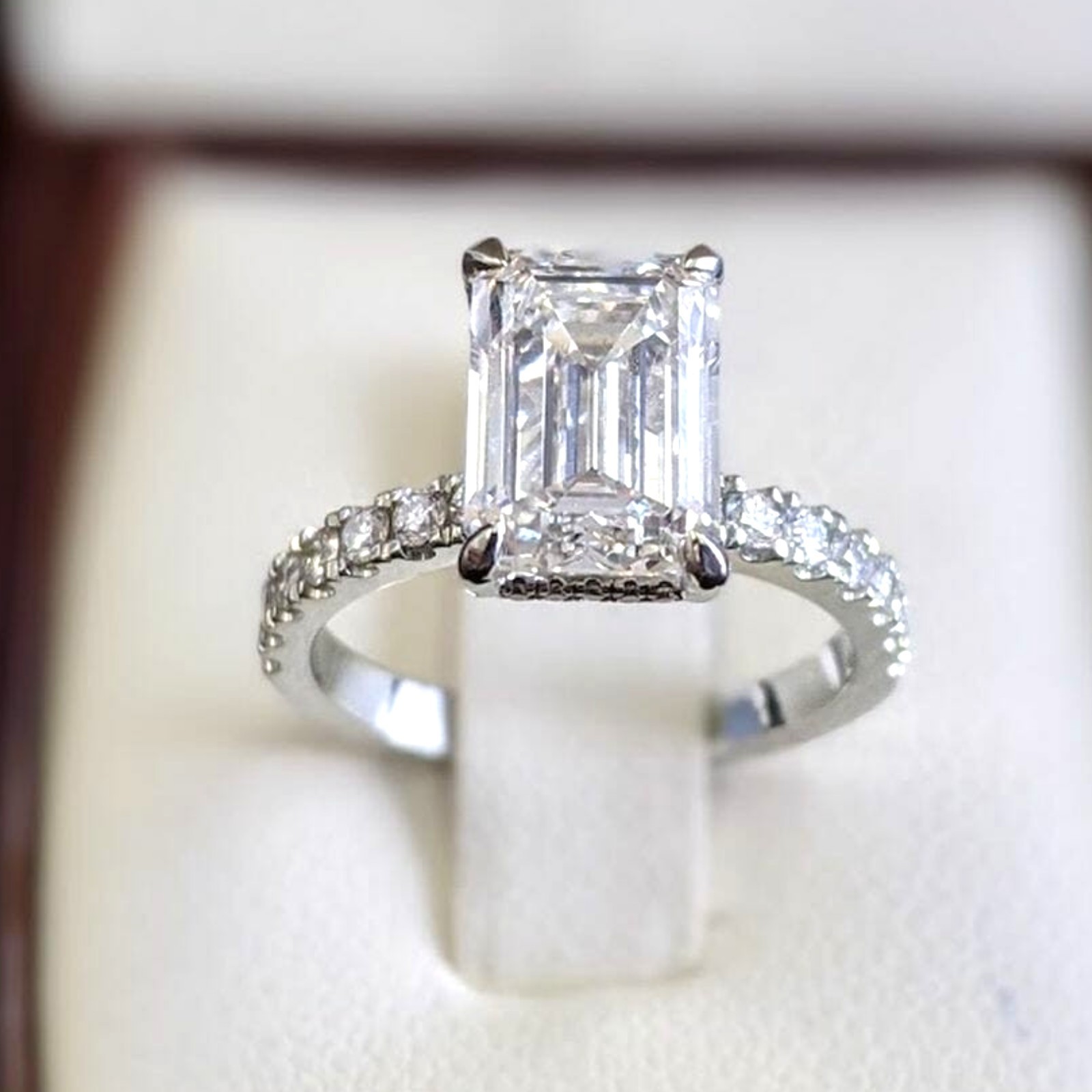 14k White Gold IGI Lab Grown Diamond Engagement Ring 3.50 Ct Emerald Cut E VVS2$1,888.00Last checked Nov 14, 2026View on eBay
Highlights
- Lab-grown diamonds are chemically identical to natural diamonds but cost 30-50% less at retail, allowing larger carat weights for the same budget.
- 14K gold (58.5% purity) is harder and more scratch-resistant than 18K (75% purity), making it better for daily-wear engagement rings.
- Diamond cut grade (Excellent/Ideal) has the greatest impact on sparkle; clarity VS1-VS2 and color G-I are eye-clean and offer best value.
- Bezel settings protect the diamond with a metal rim, while prong settings expose more of the stone but risk snagging on clothing.
Best use cases
- Best fit: Proposing with a classic solitaire or halo in 14K white gold and a GIA/IGI-certified lab-grown diamond of 1.0-2.0 ct for maximum size and quality within budget.
- Best fit: Choosing a bezel-set oval or emerald cut in 18K yellow gold for a secure, low-profile ring suited to active lifestyles or professions with gloves.
- Wrong fit: Buying a 3+ ct natural diamond in a thin 1.5mm band with platinum-plated brass; the setting will bend and the stone is at risk—skip plated metals and bands under 2mm.
- Best fit: Selecting a natural diamond with SI1 clarity and H color if resale value and tradition matter more than size; pair with a six-prong setting for security.
Buying tips
- For diamonds over 0.50 ct, insist on GIA or IGI certification; uncertified stones risk misrepresented color/clarity and poor cut.
- Choose 14K gold (yellow, white, or rose) for daily wear—it resists scratches better than 18K and costs less; 18K is softer but richer in color.
- Ring band width should be at least 2mm for durability; widths under 1.8mm may warp over time, especially with stones over 1 ct.
- Lab-grown diamonds cost less but have minimal resale value; natural diamonds retain value better but cost significantly more for the same specs.
Specs
| Diamond Origin | Natural vs Lab-Grown |
|---|---|
| Metal Purity | 14K vs 18K Gold / Platinum |
| Setting Type | Prong / Bezel / Halo / Tension |
| Certification | GIA / IGI / AGS / None |
Related searches
What to check before buying
- Measure her ring size accurately—rings cannot be resized more than 2 sizes without compromising structural integrity, especially with pave or channel settings.
- Confirm the metal is solid 14K or 18K gold or platinum, not gold-plated brass or sterling silver, which wear through and cause skin irritation.
- Check the diamond certification report number and verify it on the GIA or IGI website to ensure the stone matches the description.
- Ensure the setting type matches her lifestyle: low-profile bezel for active wear, prong or halo for classic look but higher snag risk.
FAQ
Data sources: eBay / Amazon listings and product attribute feeds. Updated Nov 27, 2026.
Some links on this page are affiliate links. If you buy after clicking one, we may earn a commission at no extra cost to you. This does not change which products appear here or their order. Affiliate disclosure.