
Photos from current listings. Actual item, color, and included accessories may vary.
Diamond Ring Buying Guide
A diamond ring is a solitaire, halo, or three-stone ring whose center stone is a natural or lab-grown diamond, and the core trade-off is between certified natural diamond quality (color, clarity, cut) and the larger, whiter stones lab-grown or moissanite alternatives deliver for the same budget. The clear decision rule: buy natural diamond only with a GIA or AGS certificate and a stated clarity of SI1 or better, and treat any diamond ring sold without an independent certificate as a fashion piece, not an heirloom.
Median $122.29
Key takeaways
- Natural diamonds are graded on the 4Cs, but cut is the only C controlled by the cutter — GIA Excellent or AGS Ideal cut outsparkles a larger stone two color grades higher.
- Lab-grown diamonds are chemically identical to natural ones and cost a fraction; they test as diamond on a standard tester, so certification must explicitly state 'laboratory-grown'.
- Moissanite is a silicon-carbide simulant with 9.25 Mohs hardness and higher dispersion than diamond — it is durable and brilliant but not a diamond and should never be sold with a diamond certificate.
At a glance
- Category
- Rings & Earrings
- Last updated
- Nov 29, 2026
Current offers
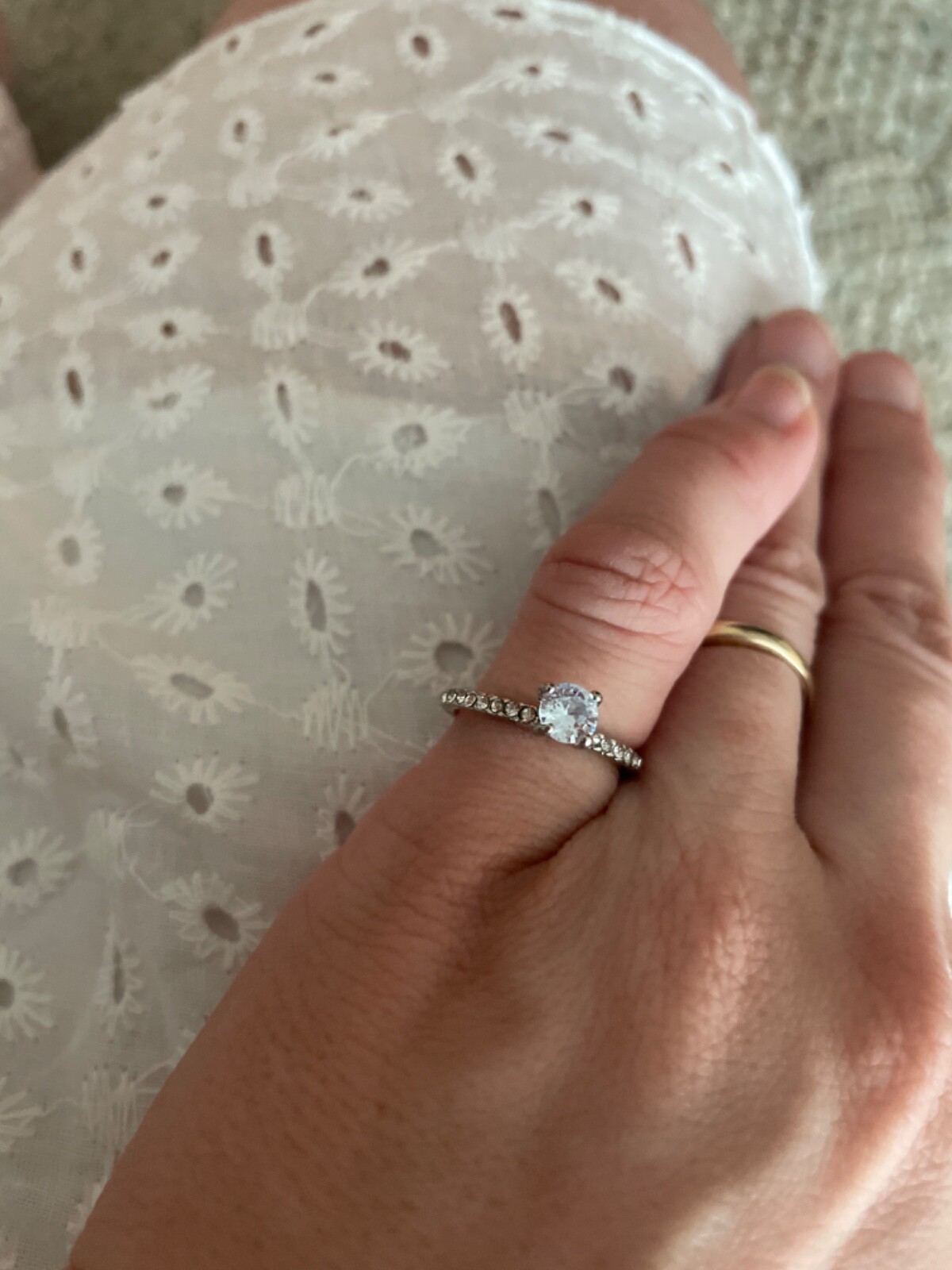 Simple Single Product Ring 925 Silver Simulated Diamond Matching Ring$5.00View on eBay
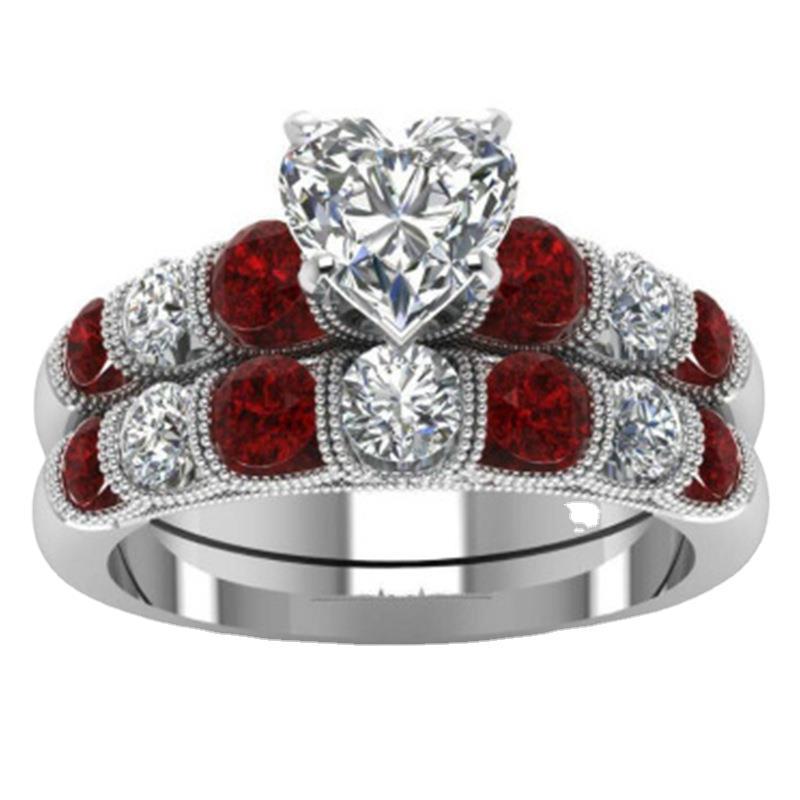 Statement Fashion Set Ring With Heart Shaped Diamonds$6.99View on Mallflare
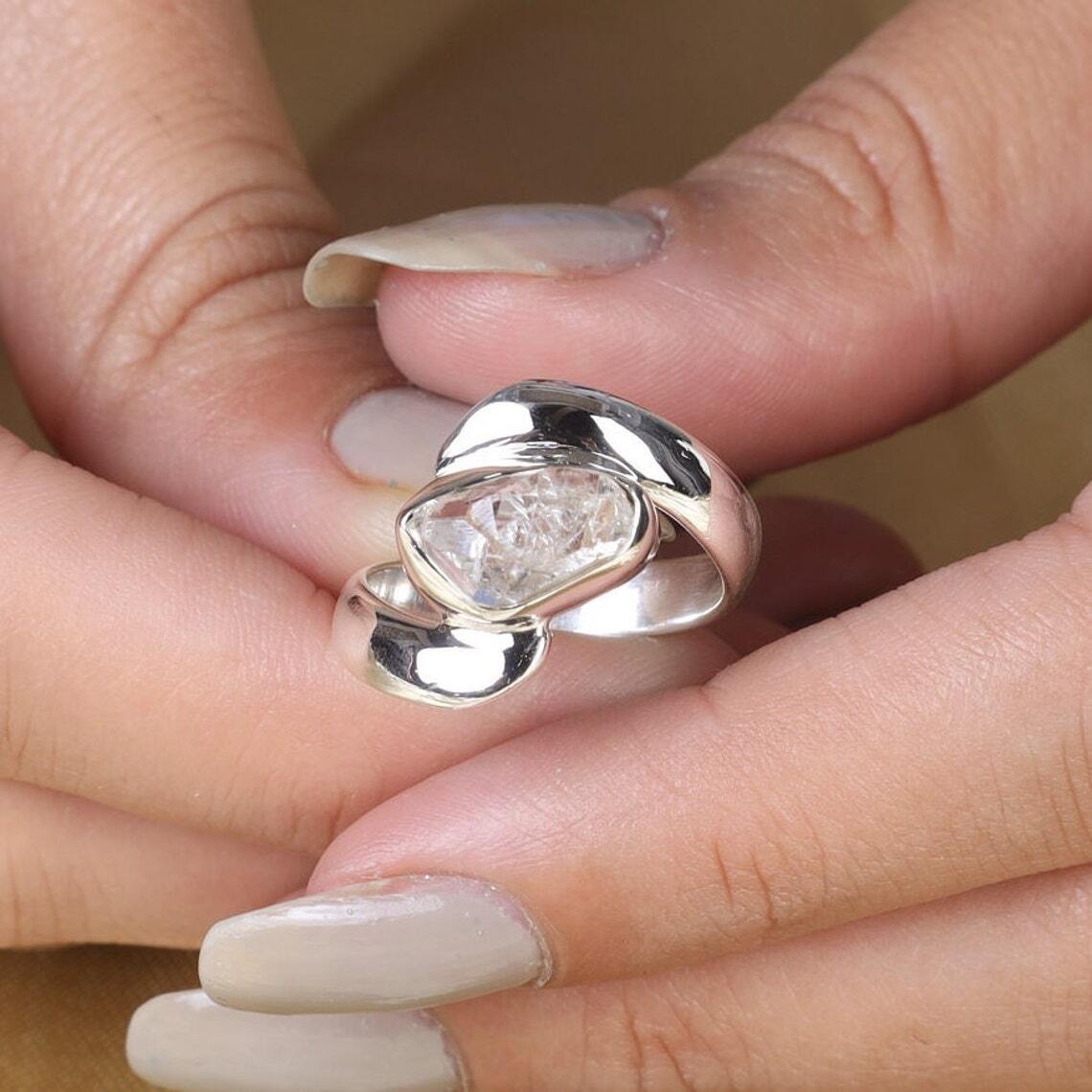 Natural Herkimer Diamond 925 Sterling Silver Ring Size$39.02Last checked Nov 26, 2026View on eBay
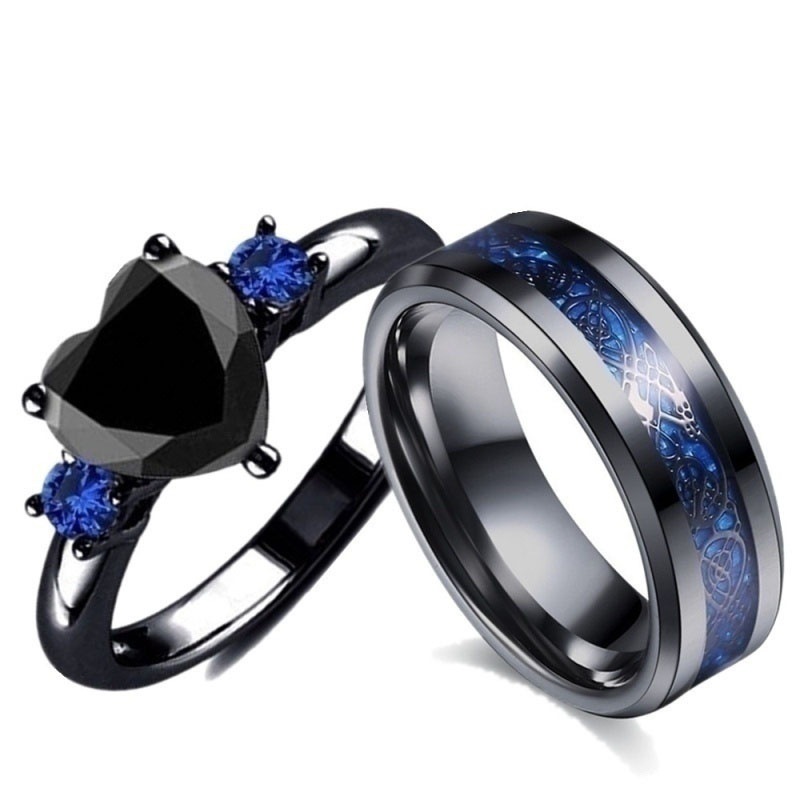 Black Heart Gemstone Diamond Wedding Ring$7.99View on Mallflare
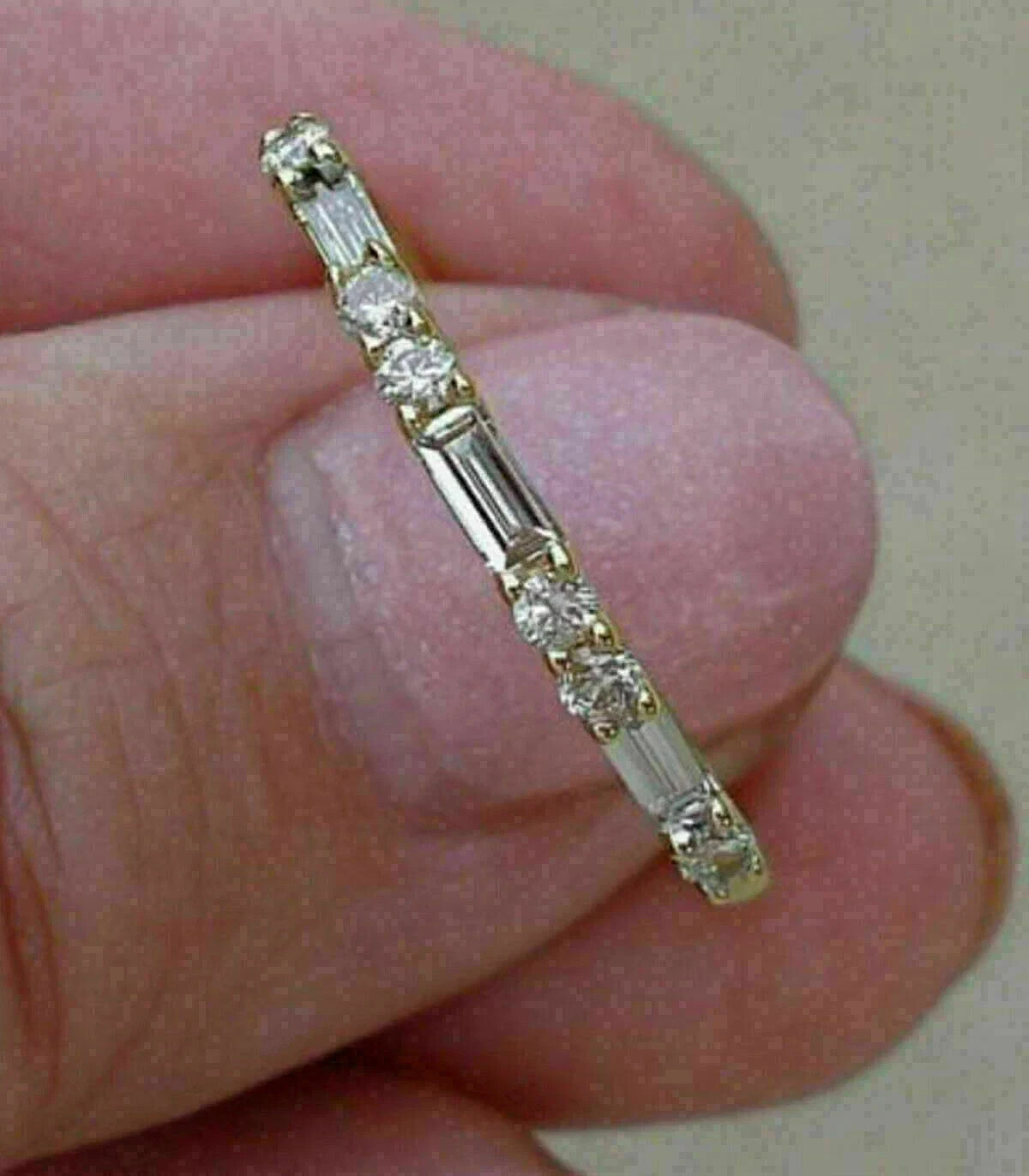 0.60Ct Lab Created Baguette Diamond Eternity Wedding Band Ring 14K Yellow Gold$67.72Last checked Nov 24, 2026View on eBay
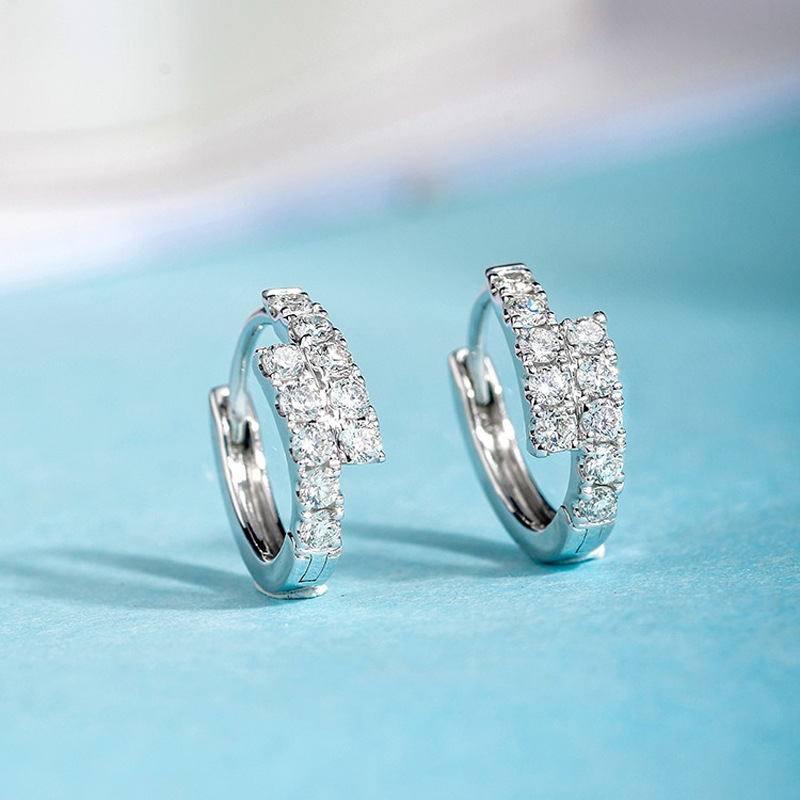 Small Diamond Ear Clip Female Light Luxury Minority Commuting Fashion Earrings Christmas Gift Wedding Jewelry$7.99View on Mallflare
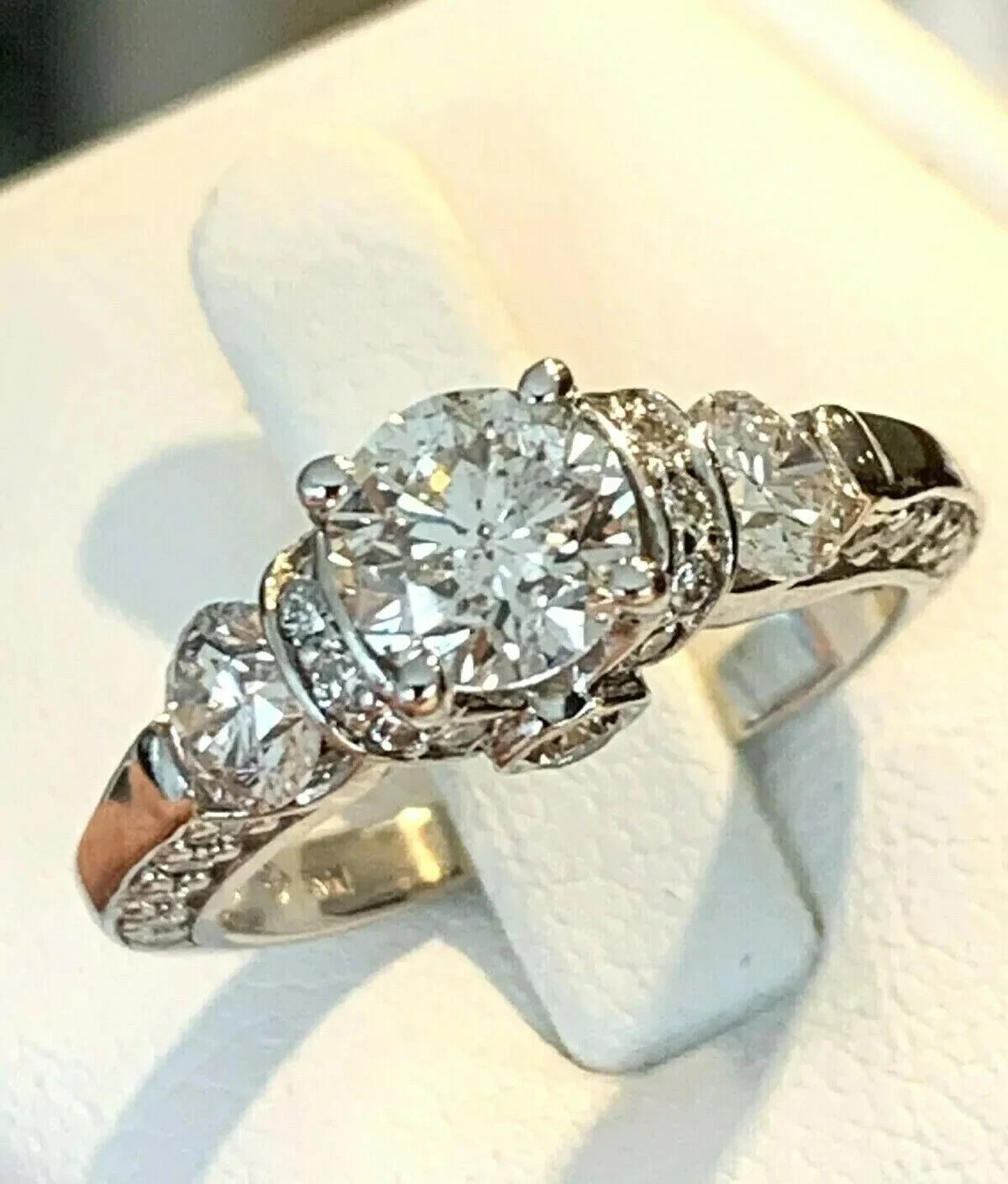 2Ct Round Cut Lab-Created Diamond 14K White Gold Plated Engagement Ring Women's$79.19View on eBay
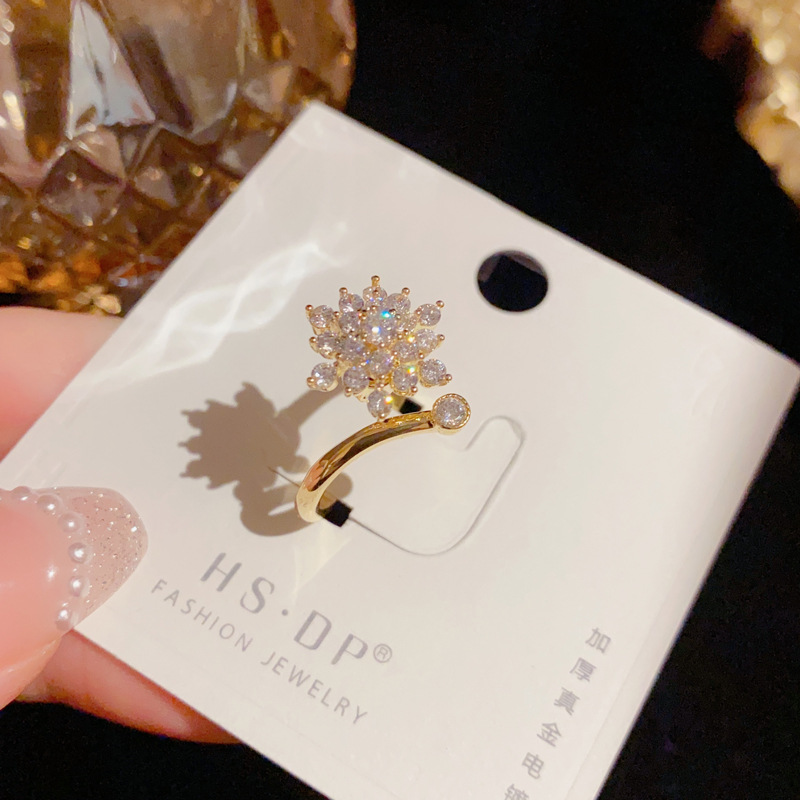 Niche Unique Design Full Diamond Spinning Snowflake Ring$9.99View on Mallflare
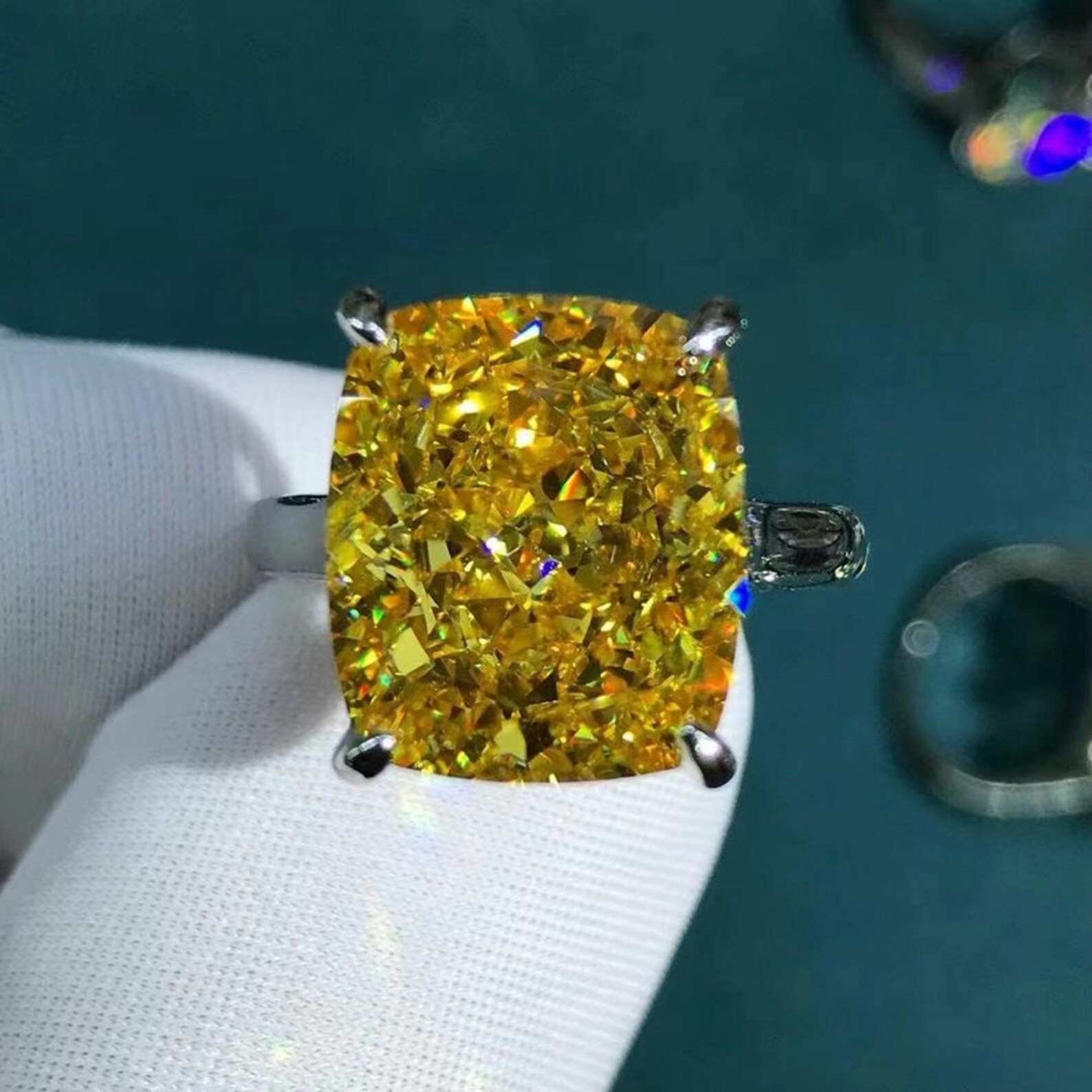 8 Ct Cushion Cut Natural Yellow Sapphire Diamond Ring Gift 14K White Gold Size 5$120.99Last checked Nov 26, 2026View on eBay
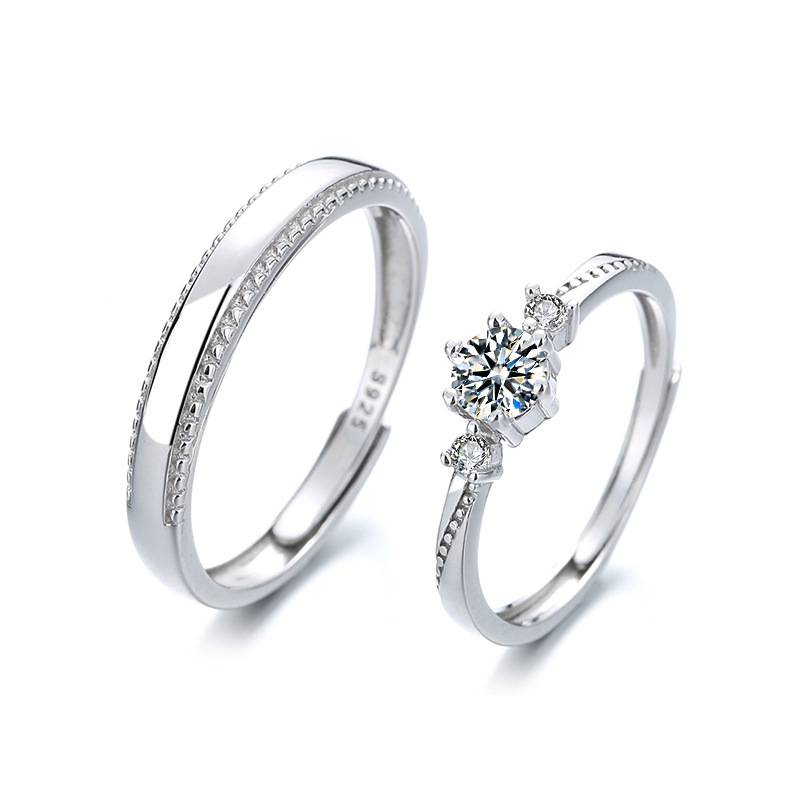 Love At First Sight Diamond-set Couple Rings$36.99View on Mallflare
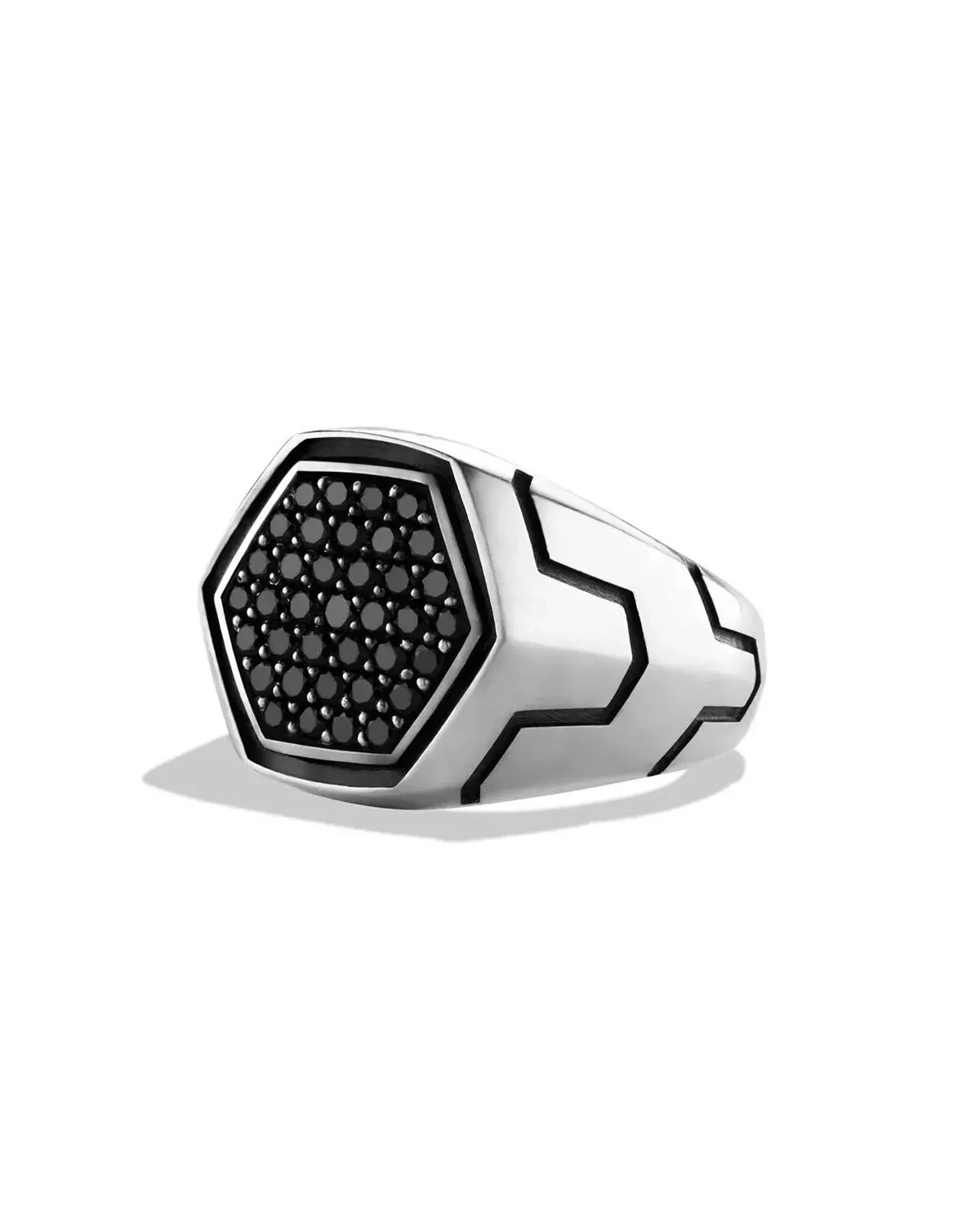 Men's 2 Ct Round Cut Simulated Black Diamond Wedding Ring 14K White Gold Plated$123.59Last checked Nov 28, 2026View on eBay
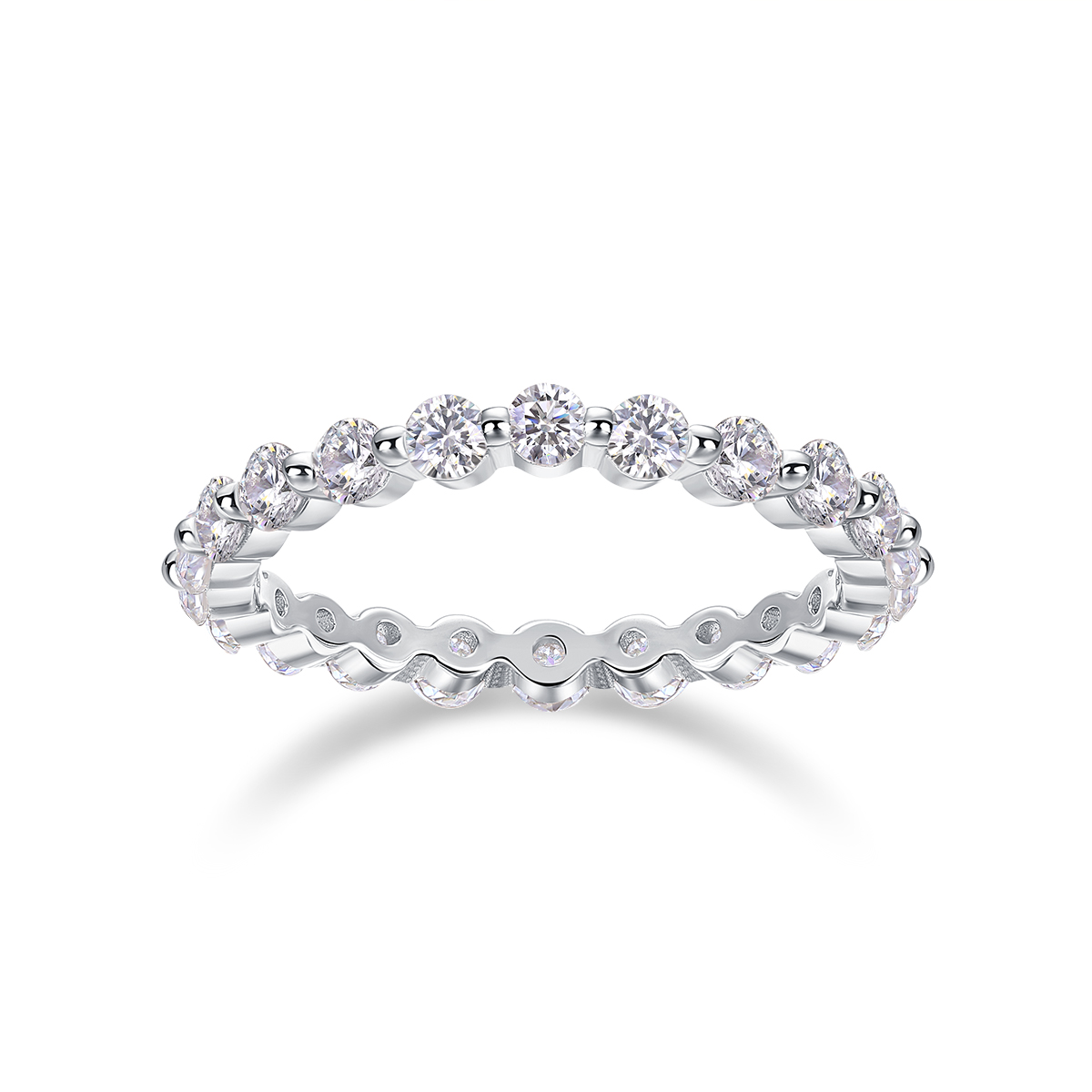 1Row Of Diamonds, Moissanite Rings, Silver Luxury Fashion$53.99View on Mallflare
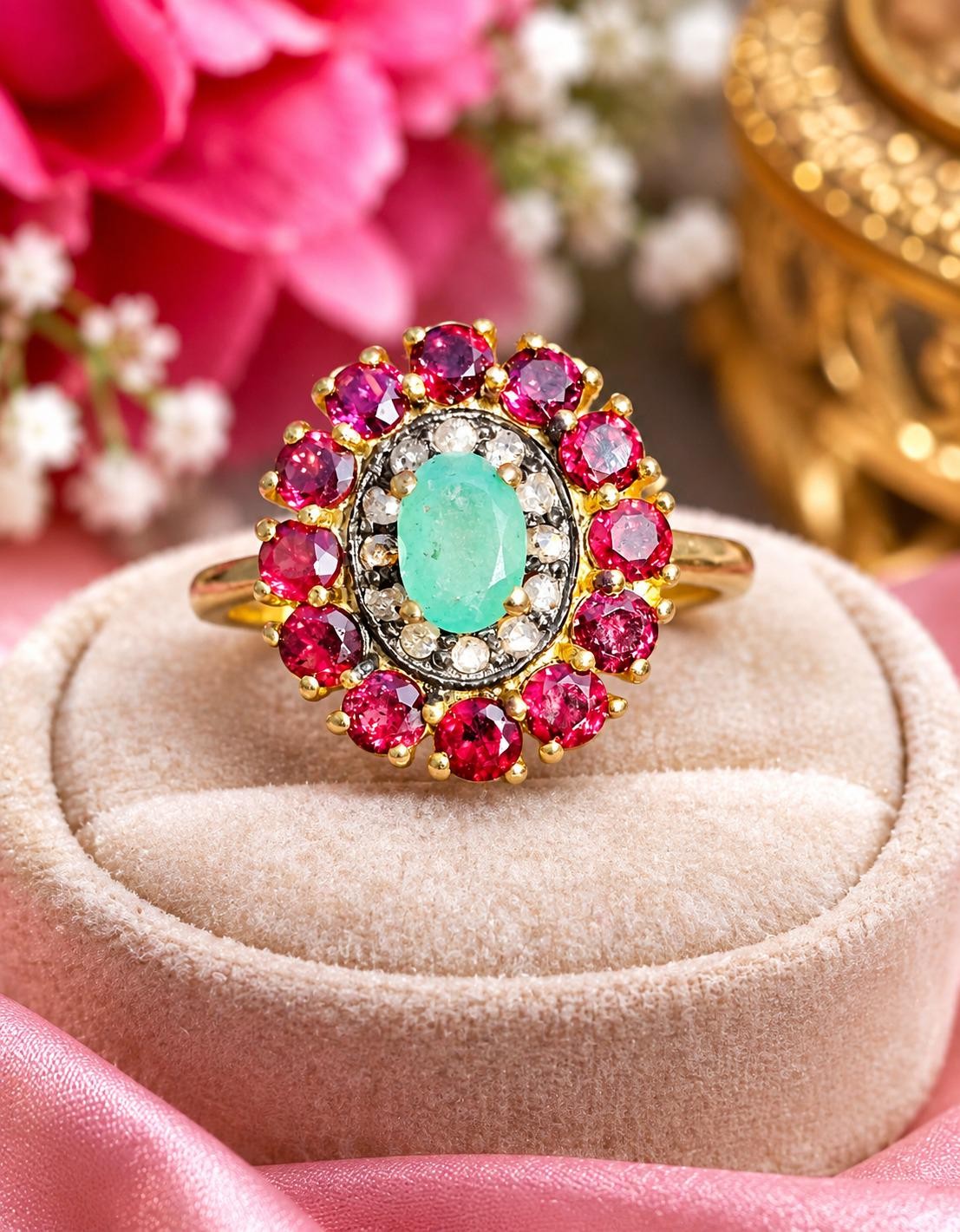 Natural Emerald Diamond And Rhodolite Gemstone Statement Ring Wedding Gift For$125.00View on eBay
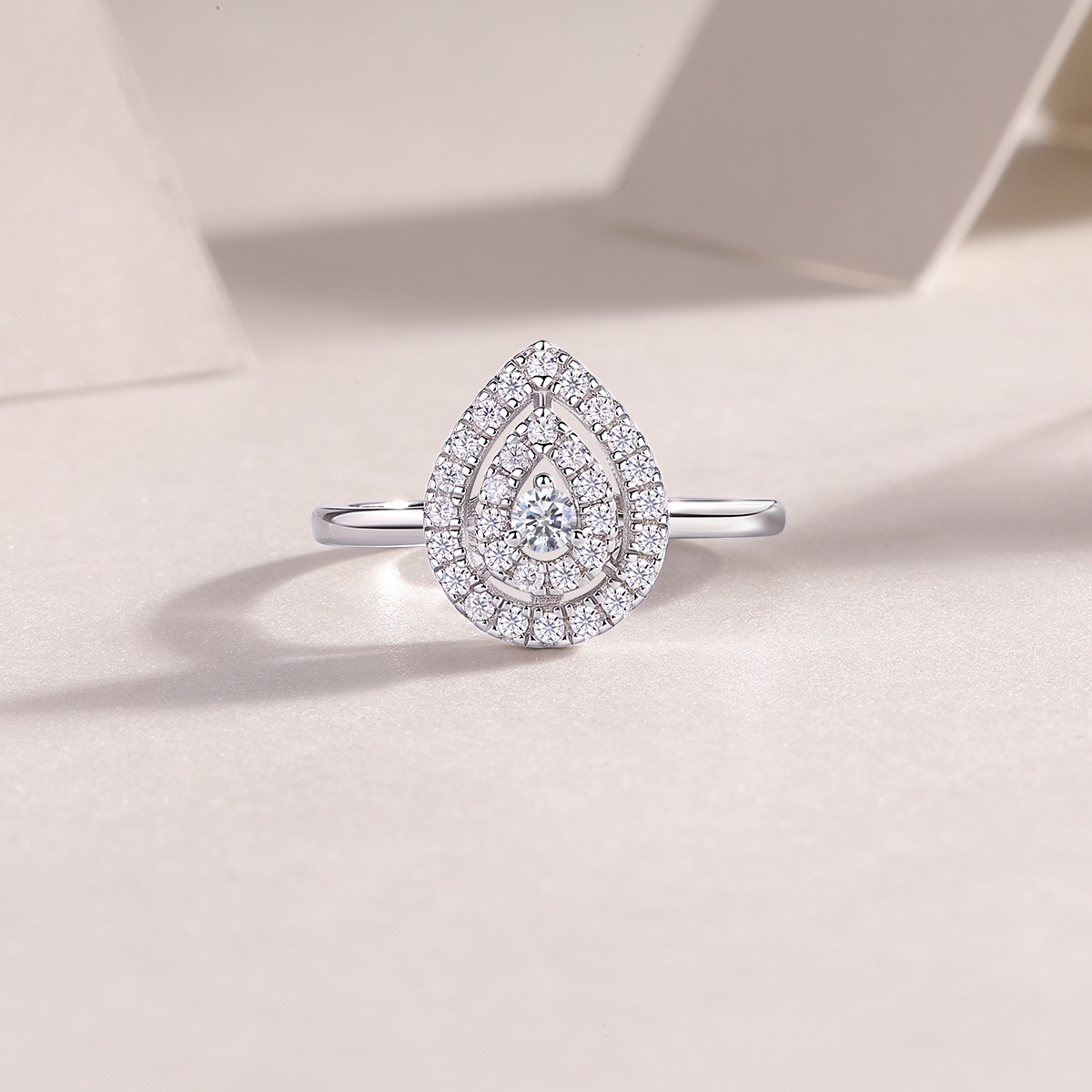 1Set Of Large Diamond Rings Luxury Fashion Set With Moissanite Silver$57.99View on Mallflare
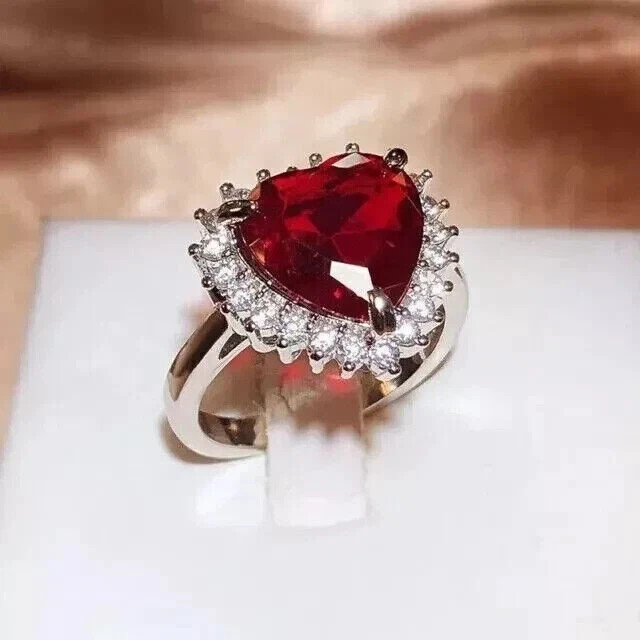 4 Ct Heart Cut Natural Ruby Diamond Wedding Engagement Ring Women 14K White Gold$129.24Last checked Nov 26, 2026View on eBay
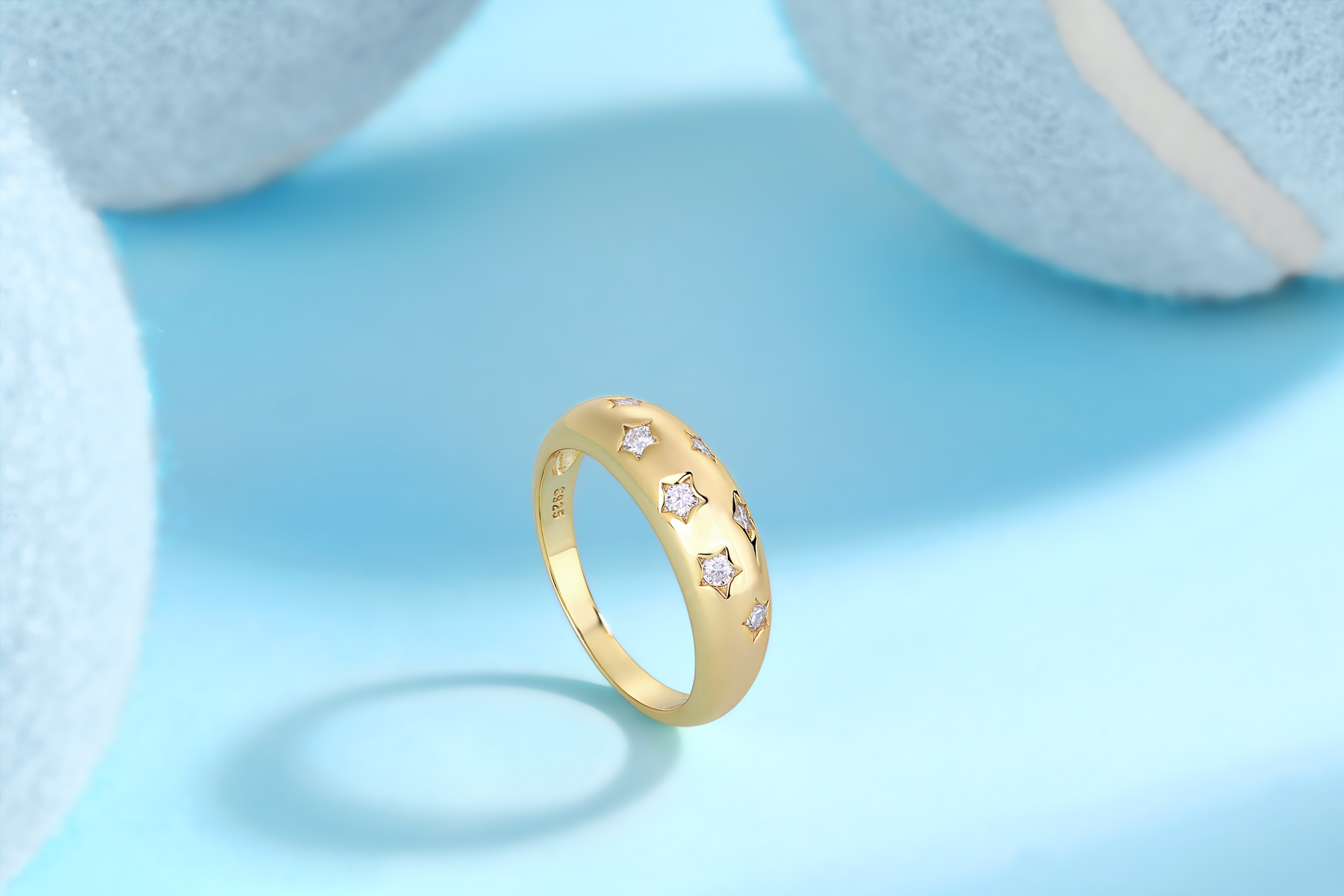 1Trendy Diamond Rings, Wedding Luxury Fashion, Silver Set With Moissanite$58.99View on Mallflare
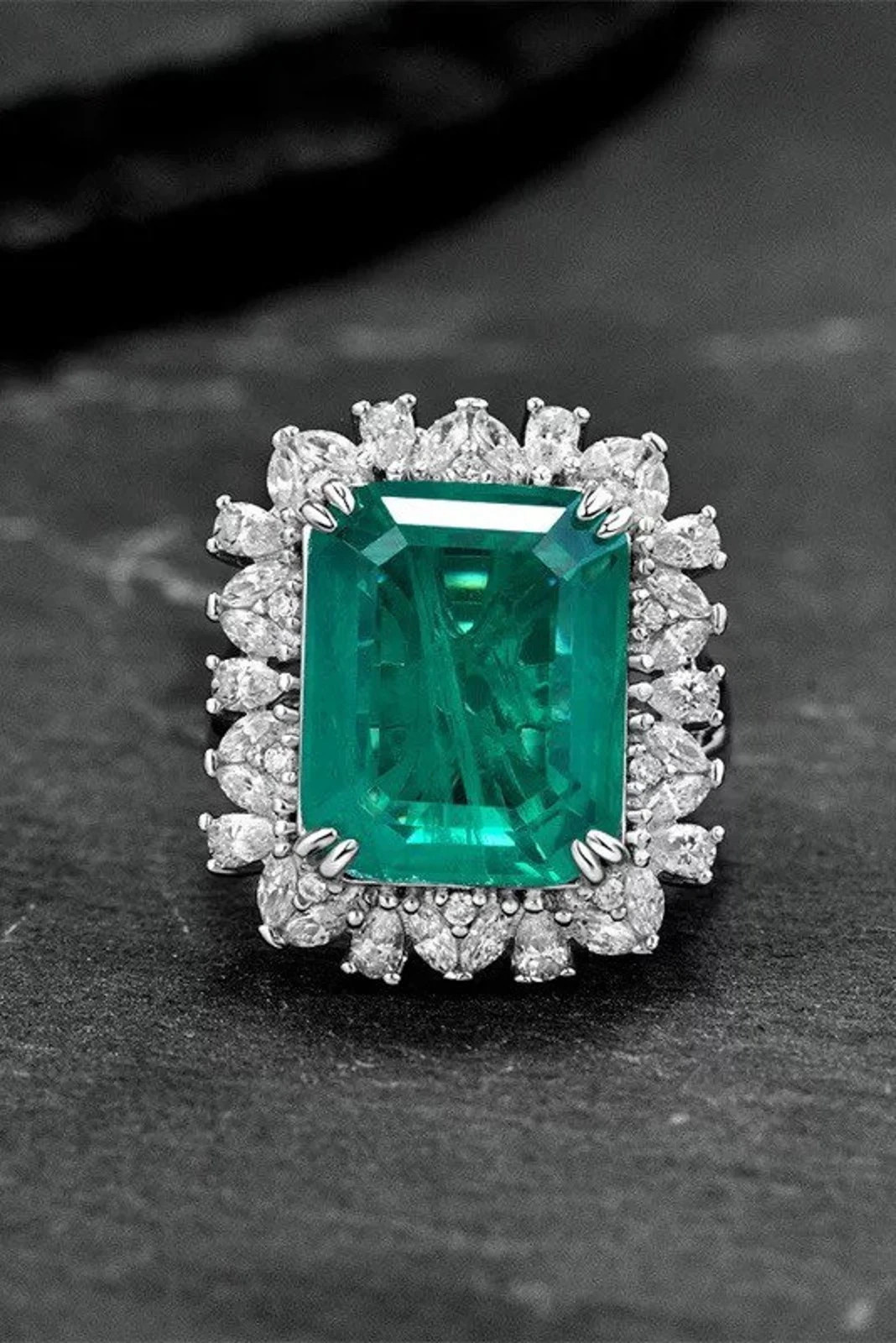 5 Ct Emerald Cut Natural Emerald Diamond Wedding Engagement Ring 14K White Gold$133.49Last checked Nov 26, 2026View on eBay
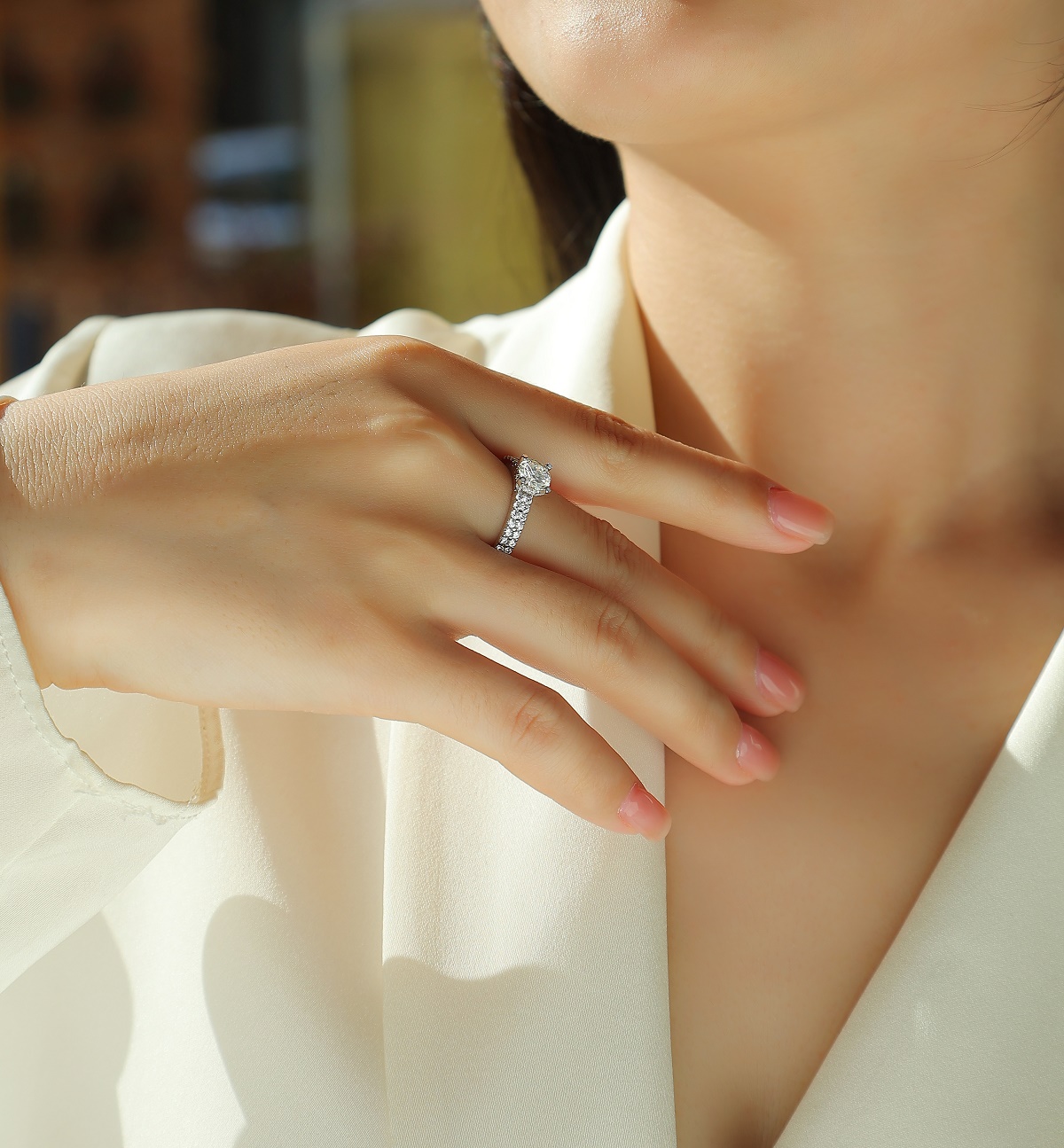 1Arrange Large Diamond Rings, Wedding Luxury Fashion Set Moissanite Silver$62.99View on Mallflare
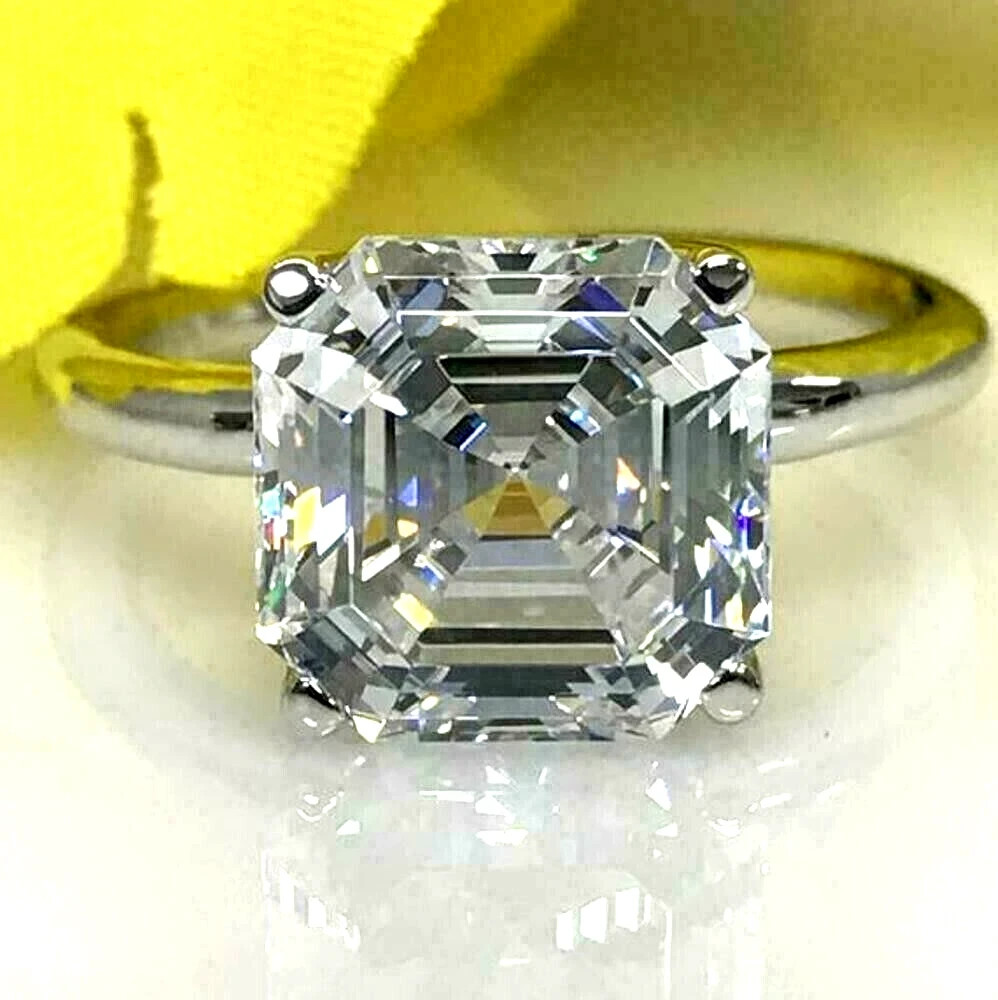 Certified 3.00 Ct Off White Diamond Solitaire Statement Ring, 925 Silver$143.00Last checked Nov 26, 2026View on eBay
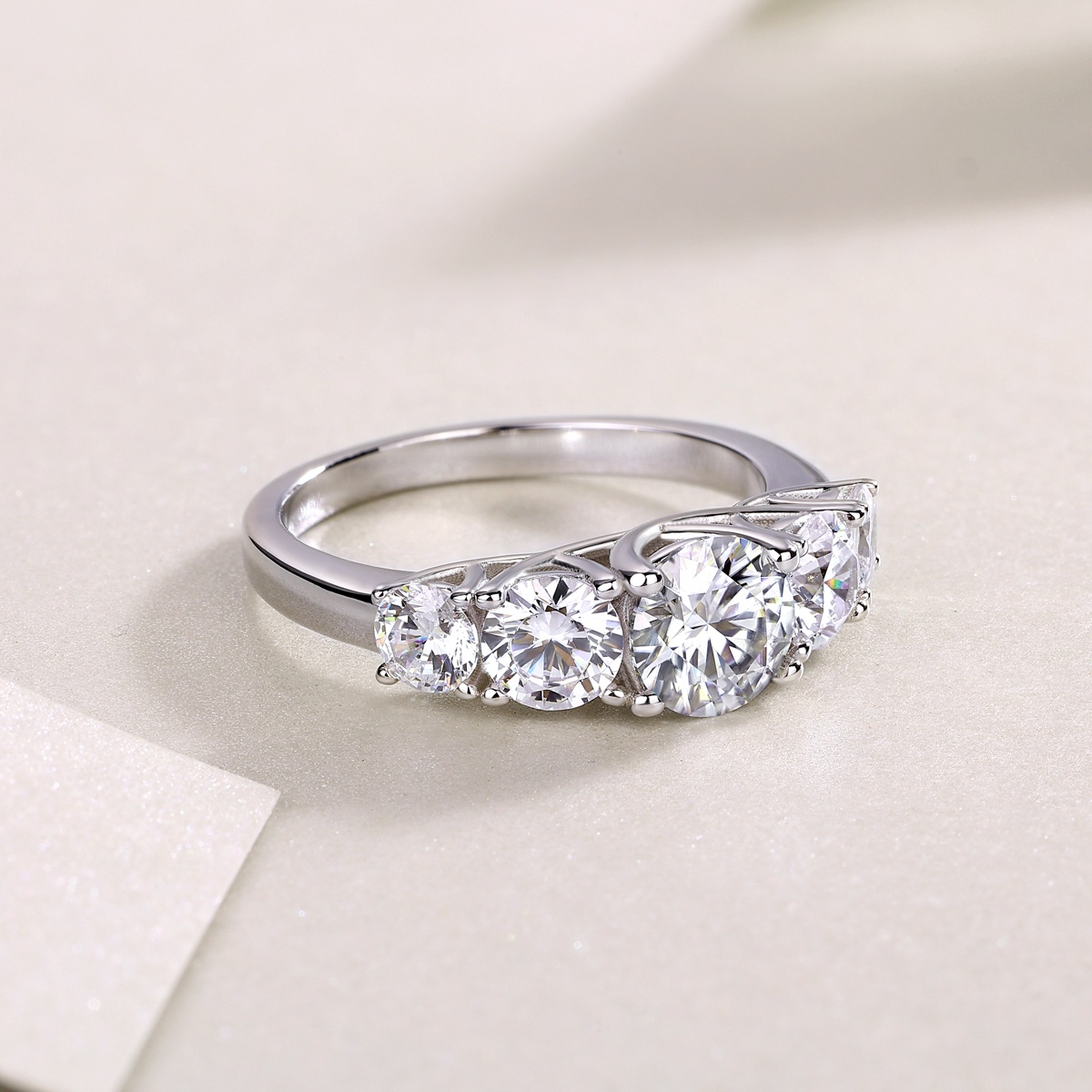 1Luxury Fashion Diamond Rings Lots Of Moissanite Silver$68.99View on Mallflare
Highlights
- Natural diamonds are graded on the 4Cs, but cut is the only C controlled by the cutter — GIA Excellent or AGS Ideal cut outsparkles a larger stone two color grades higher.
- Lab-grown diamonds are chemically identical to natural ones and cost a fraction; they test as diamond on a standard tester, so certification must explicitly state 'laboratory-grown'.
- Moissanite is a silicon-carbide simulant with 9.25 Mohs hardness and higher dispersion than diamond — it is durable and brilliant but not a diamond and should never be sold with a diamond certificate.
- Ring metal matters: 14K/18K gold and platinum are heirloom-grade settings; sterling silver and gold-plated brass wear through within a year or two of daily wear and are fashion-only.
Best use cases
- Engagement or heirloom purchase: choose a GIA- or AGS-certified natural diamond of at least SI1 clarity and I color in 14K or 18K gold or platinum — skip any listing without an independent grading report.
- Maximum size and sparkle on a modest budget: choose a certified lab-grown diamond — you get roughly double the carat of a natural stone at the same quality grade — and skip moissanite if a diamond certificate matters to you.
- Fashion or travel ring: choose moissanite or sterling-silver-set stones for the look without the loss risk — skip precious-metal settings and natural-diamond pricing for a piece worn occasionally.
- Wide or knuckle-heavy fingers: choose a 2.0–2.5 mm comfort-fit band in the correct size — skip thin 1.2 mm shanks, which distort and lose stones under daily wear.
Buying tips
- Insist on a GIA or AGS report for any natural diamond above roughly half a carat; EGL and in-house 'certificates' grade one to two steps looser and resell far below GIA-graded equivalents.
- Spend the budget in this order: cut first (Excellent/Ideal only), then clarity (VS2 or SI1 eye-clean), then color (G–J is white enough in yellow gold; stay G–H in platinum), and carat last.
- For lab-grown, confirm the certificate names the grower method (HPHT or CVD) and that the stone is Type IIa where possible — this determines color consistency and resale clarity.
- Match band width to stone size: a 1 ct center needs at least a 1.8–2.0 mm shank, and a 2 ct or larger stone needs 2.2–2.5 mm plus six prongs to hold it safely.
Specs
| Stone Type | Natural / Lab-grown / Moissanite |
|---|---|
| Certification | GIA or AGS for natural diamond |
| Clarity Grade | VS2–SI1 eye-clean; avoid below SI2 |
| Metal Grade | 14K/18K gold or platinum; silver = fashion |
Related searches
What to check before buying
- Measure the ring finger with a jeweler's sizer or a printable mandrel at the end of the day — fingers swell up to half a size in heat, and wide bands (6 mm+) need a half size up.
- Confirm the setting height clears your daily life: a high-profile solitaire snags on gloves and pockets, while a low bezel or flush setting suits active wear.
- For white-metal rings, decide between rhodium-plated white gold (re-plating every 12–18 months) and platinum (never needs plating, heavier and pricier).
- Check the return window and certification paperwork before wearing — resizing a pave or channel-set band risks loosening stones, so buy the right size first.
FAQ
Data sources: eBay / Amazon listings and product attribute feeds. Updated Nov 29, 2026.
Some links on this page are affiliate links. If you buy after clicking one, we may earn a commission at no extra cost to you. This does not change which products appear here or their order. Affiliate disclosure.