
Photos from current listings. Actual item, color, and included accessories may vary.
Stud Earring Buying Guide
Stud earrings are fixed-post earrings that sit flush against the earlobe, defined by their post gauge, backing mechanism, and metal/alloy purity. The core trade-off is between hypoallergenic precious metals (S925 sterling silver, 14k gold, titanium) and cheaper fashion alloys that may tarnish or irritate sensitive ears. The decision rule: buy S925 silver or titanium for daily wear and sensitive lobes; choose plated brass or alloy only for occasional fashion sets where cost and variety matter more than longevity.
Median $8.95
Key takeaways
- S925 sterling silver contains 92.5% silver and is the minimum grade for nickel-safe daily wear; alloy and brass fashion studs are typically nickel-plated and tarnish within weeks.
- Post gauge determines comfort and safety: 20G (0.8mm) is standard for healed lobes, 18G (1.0mm) for cartilage and new piercings; posts thinner than 0.6mm bend and irritate.
- Backing type drives security: screw-back and locking flat-back (labret) styles prevent loss during sleep and sport, while butterfly friction backs loosen with repeated use.
At a glance
- Category
- Rings & Earrings
- Last updated
- Nov 29, 2026
Current offers
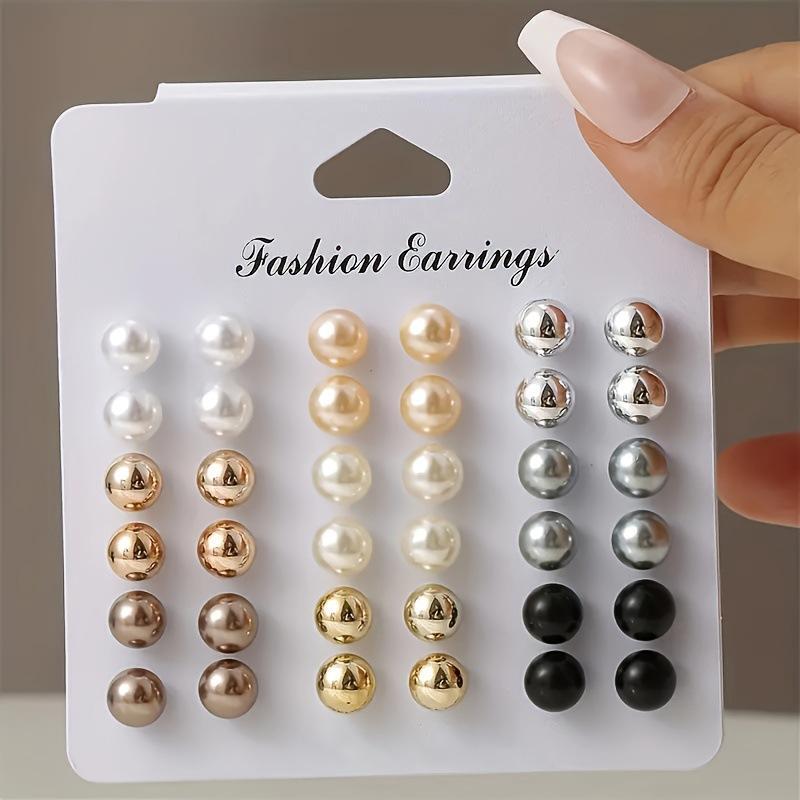 18 Pair Elegant Multi-color Imitation Pearl Stud Earrings Korean Jewelry Set New$2.70Last checked Nov 26, 2026View on eBay
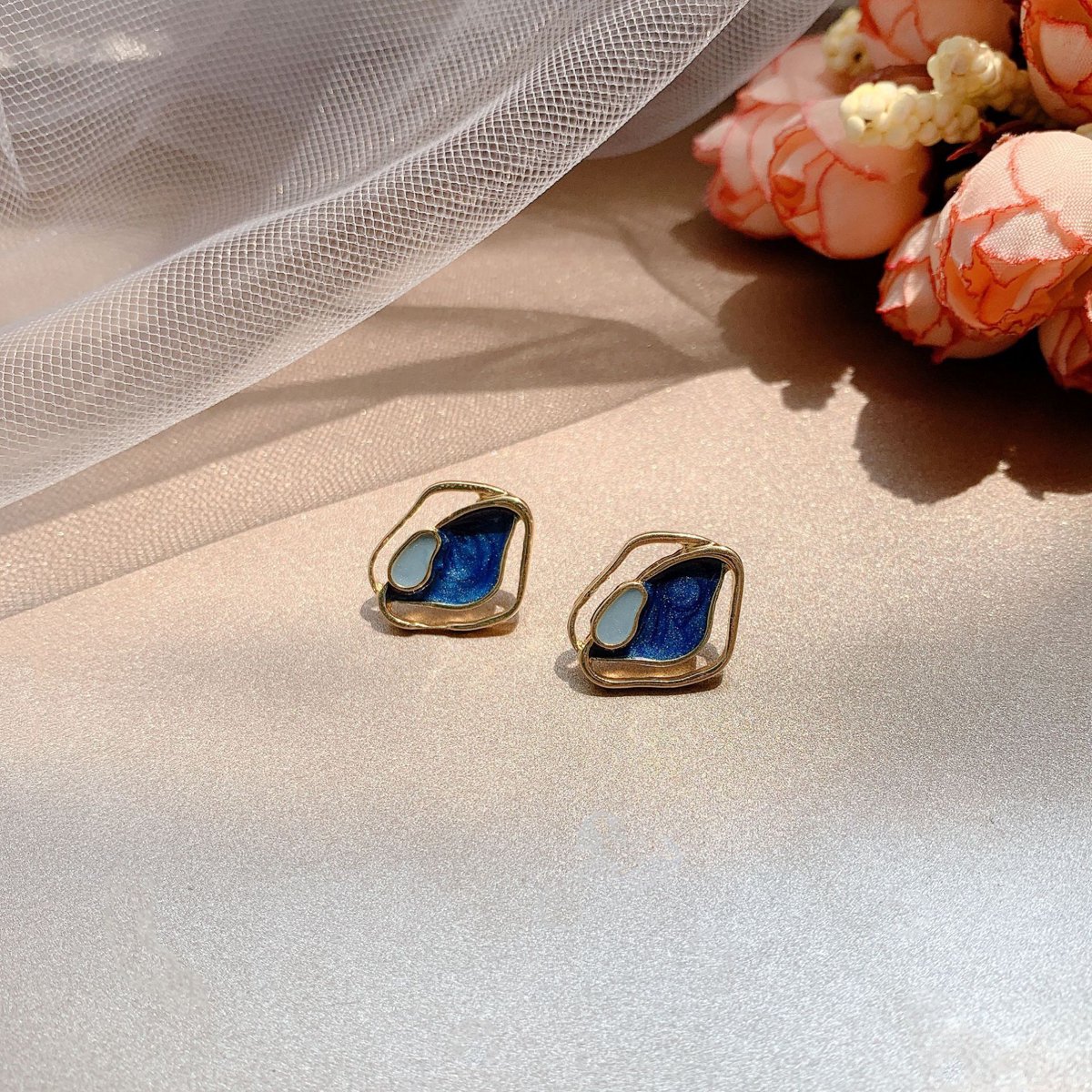 S925 Silver Stud Earrings Simple Women's Small$5.99View on Mallflare
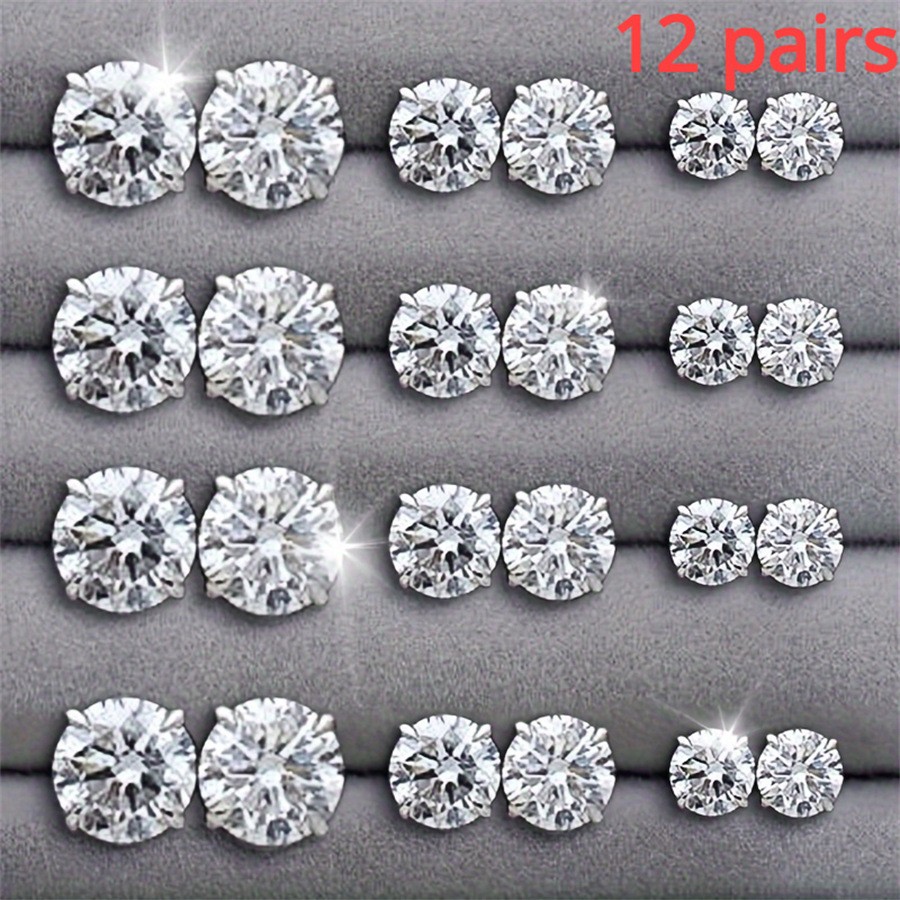 Silver Alloy Zircon Stud Earrings Set 12 Pairs Round Six Prong for For Gifts$2.78Last checked Nov 26, 2026View on eBay
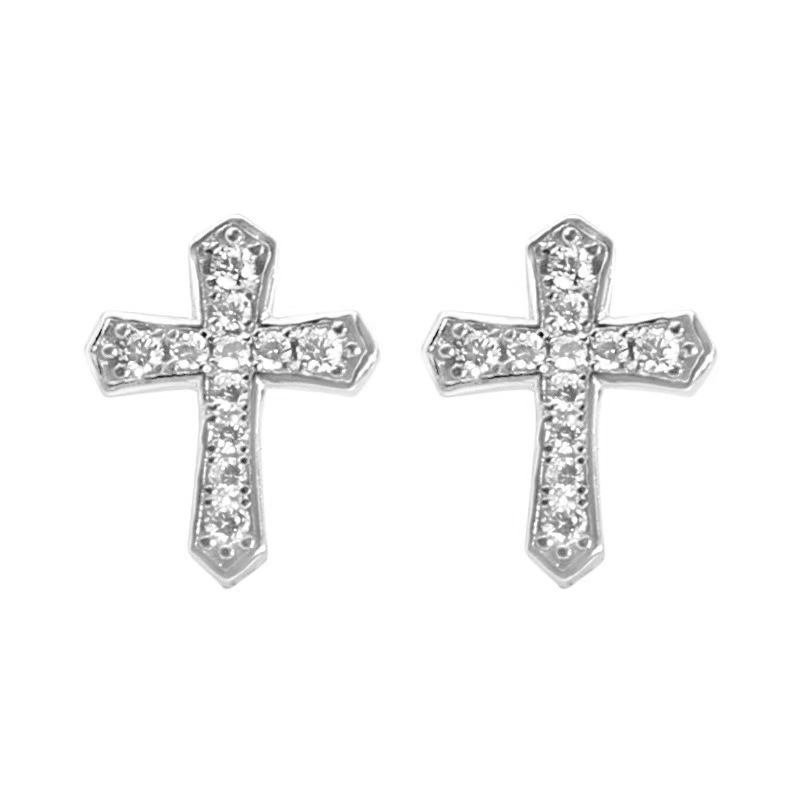 1 Pair Korean Trendy Zircon Cross Stud Earrings,Sparkling, Unisex.Hip Hop Piercing Jewelry$18.99View on Mallflare
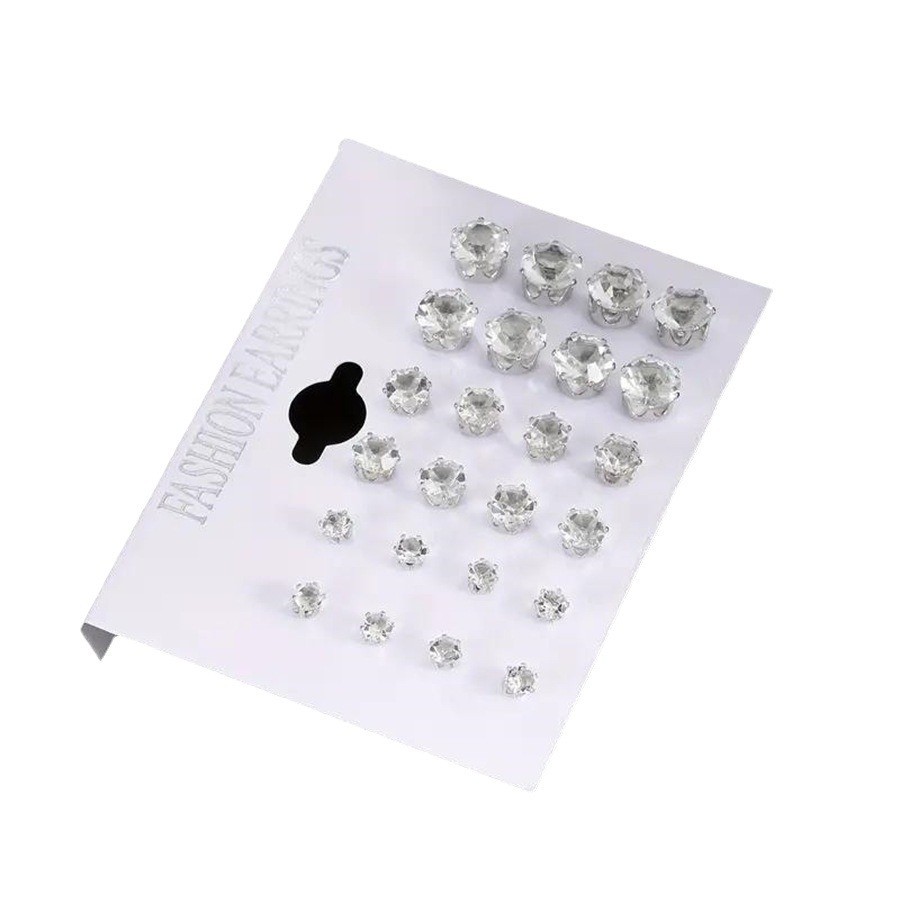 Silver Alloy Zircon Stud Earrings Set 12 Pairs Round Six Prong for For Gifts$2.78Last checked Nov 26, 2026View on eBay
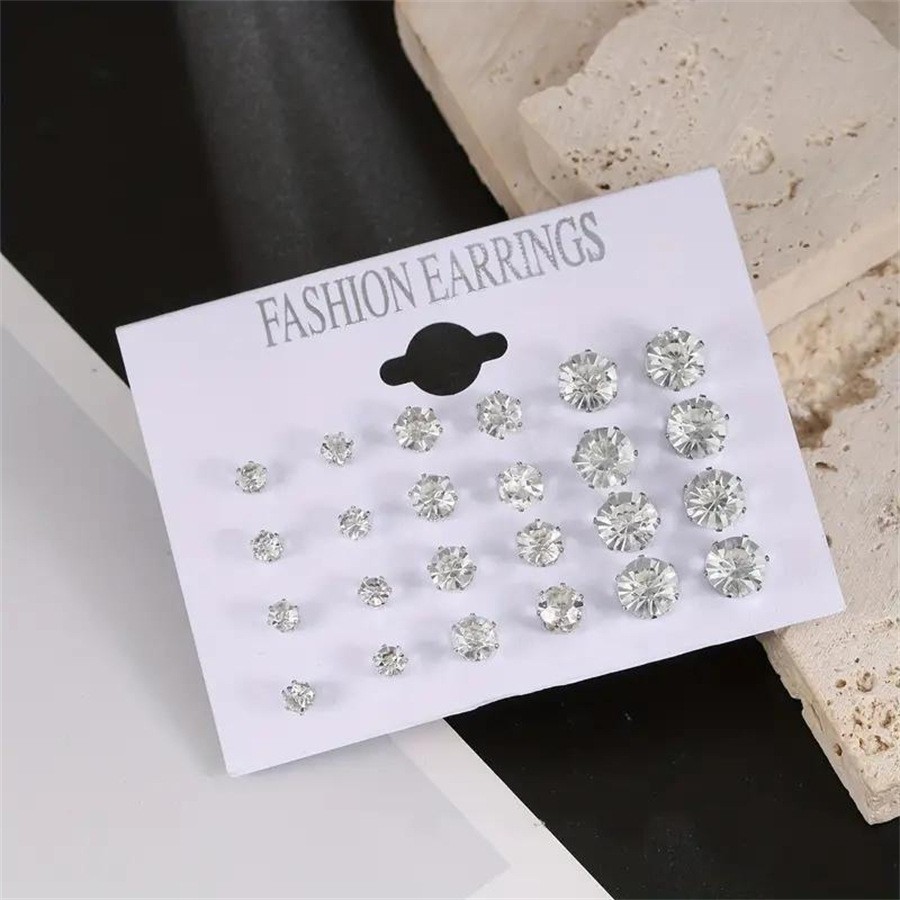 Silver Alloy Zircon Stud Earrings Set 12 Pairs Round Six Prong for For Gifts$2.78Last checked Nov 26, 2026View on eBay
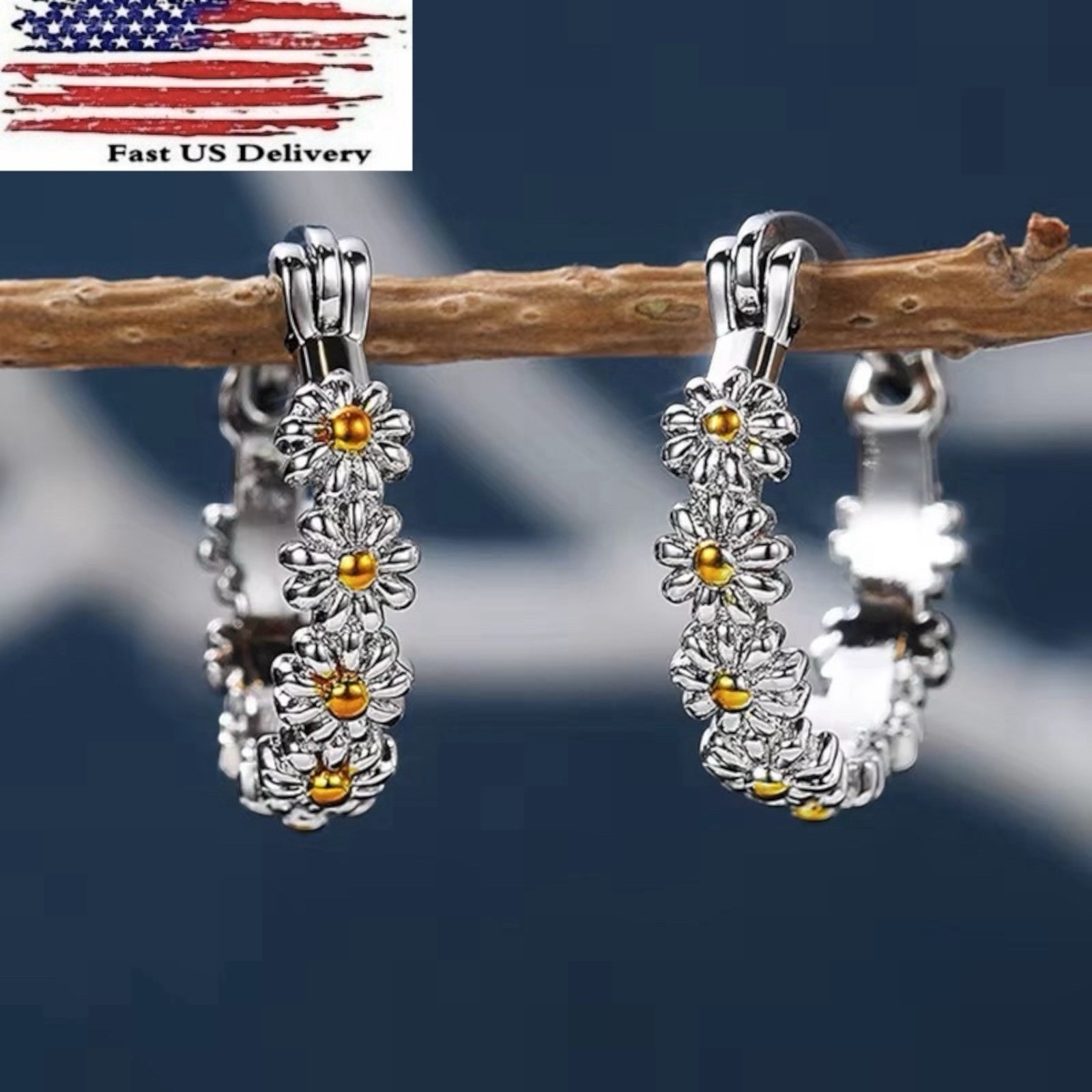 Stud Earrings Silver Plated Jewelry Cubic Zirconia A Pair/set Lab-Created A6$2.99Last checked Nov 26, 2026View on eBay
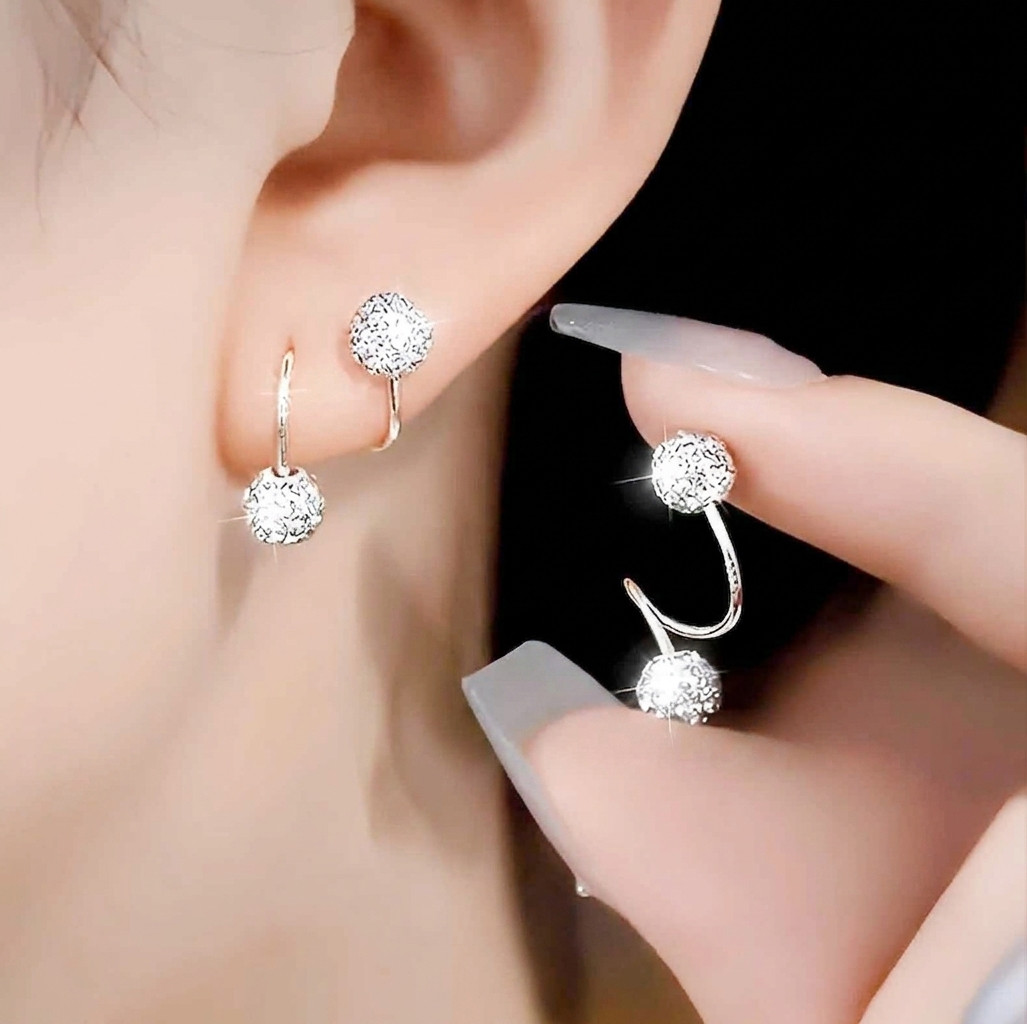 2Pcs Double Ball Stud Earrings Sparkling Pave Crystal Disco Bead Jewelry$2.99View on eBay
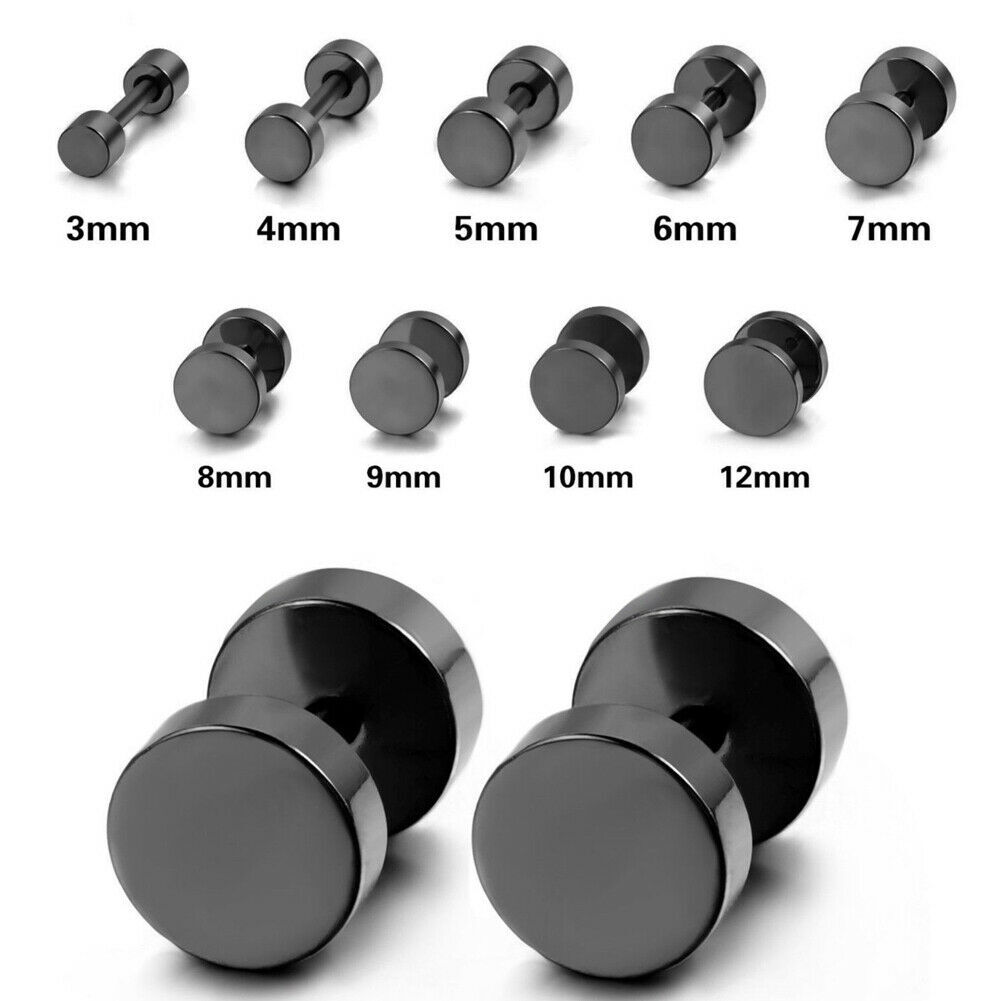 Flat Back Surgical Stainless Steel Stud Earrings for Women Men Piercing Jewelry$3.69Last checked Nov 19, 2026View on eBay
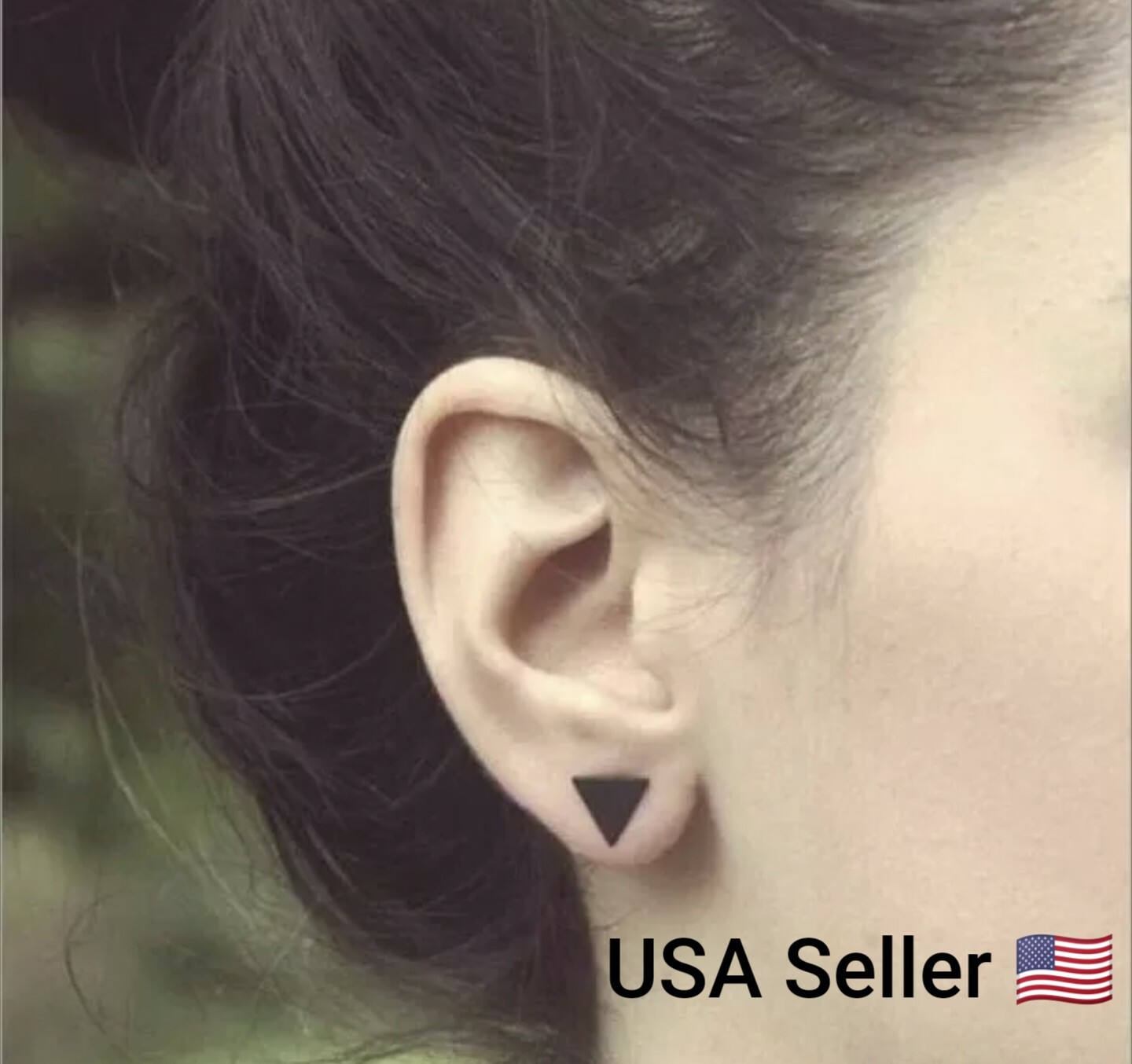 New Fashion Jewelry Black Silver Color Alloy Punk Triangle Flash Stud Earrings$3.79Last checked Nov 26, 2026View on eBay
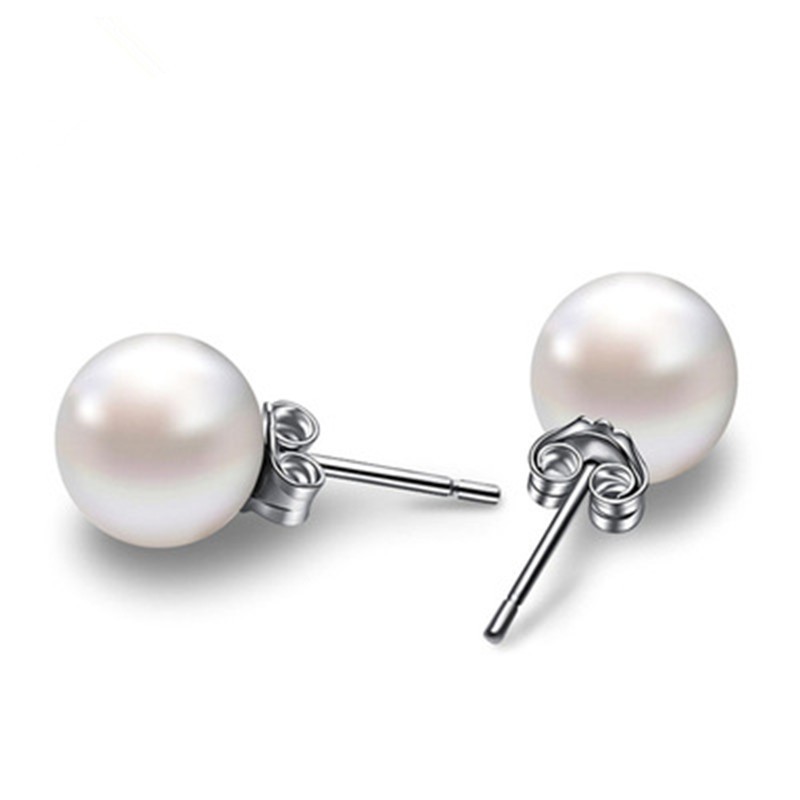 Pearl Stud Earrings 925 Sterling Silver Cubic Zirconia Women Jewelry Gift US$4.46Last checked Nov 24, 2026View on eBay
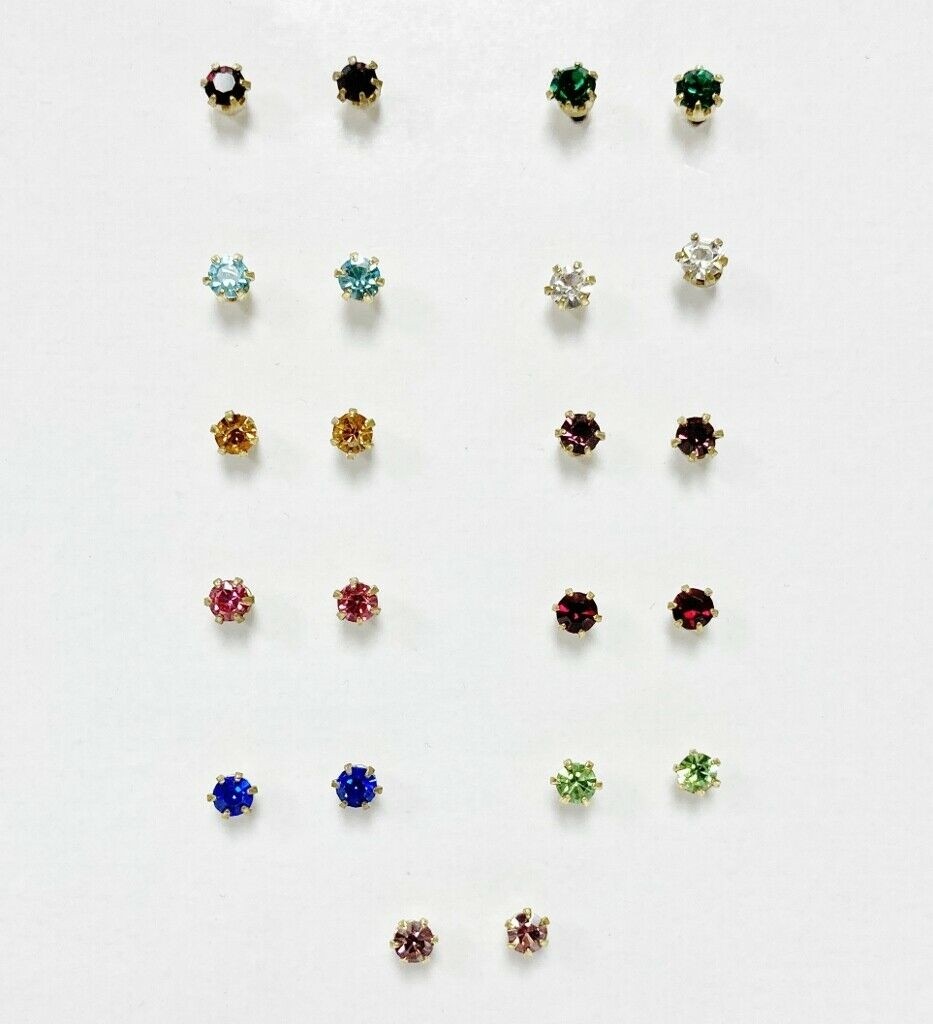 11 PAIRS RHINESTONE BRASS & SURGICAL STEEL STUD EARRINGS - ASSORTED COLORS T839$4.49Last checked Nov 26, 2026View on eBay
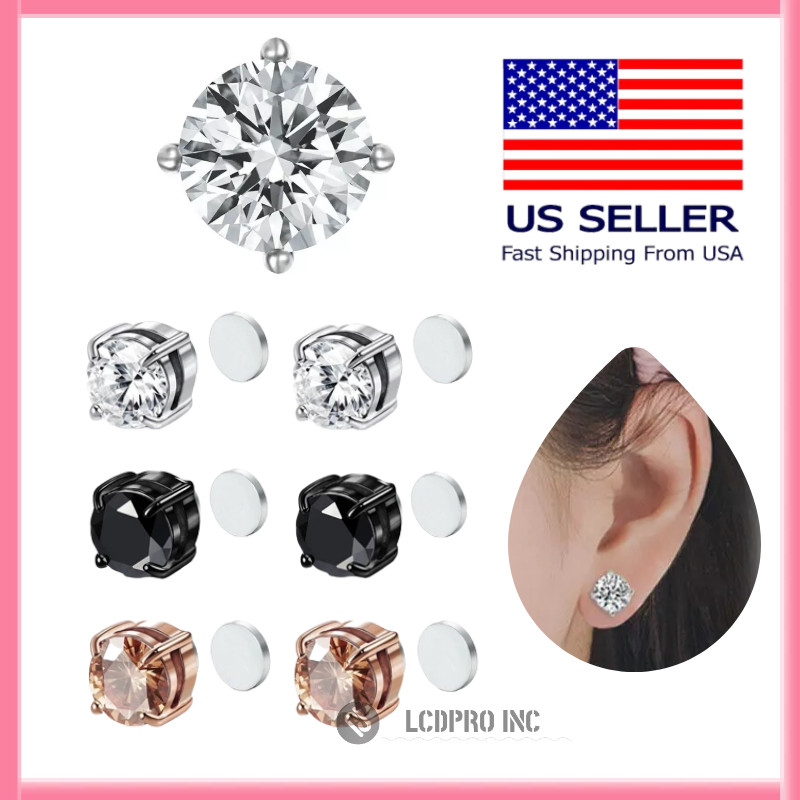 Steel Magnetic Stud Earrings 6/ 8MM For Women Men Non-Piercing Clip On Stainless$5.40Last checked Nov 19, 2026View on eBay
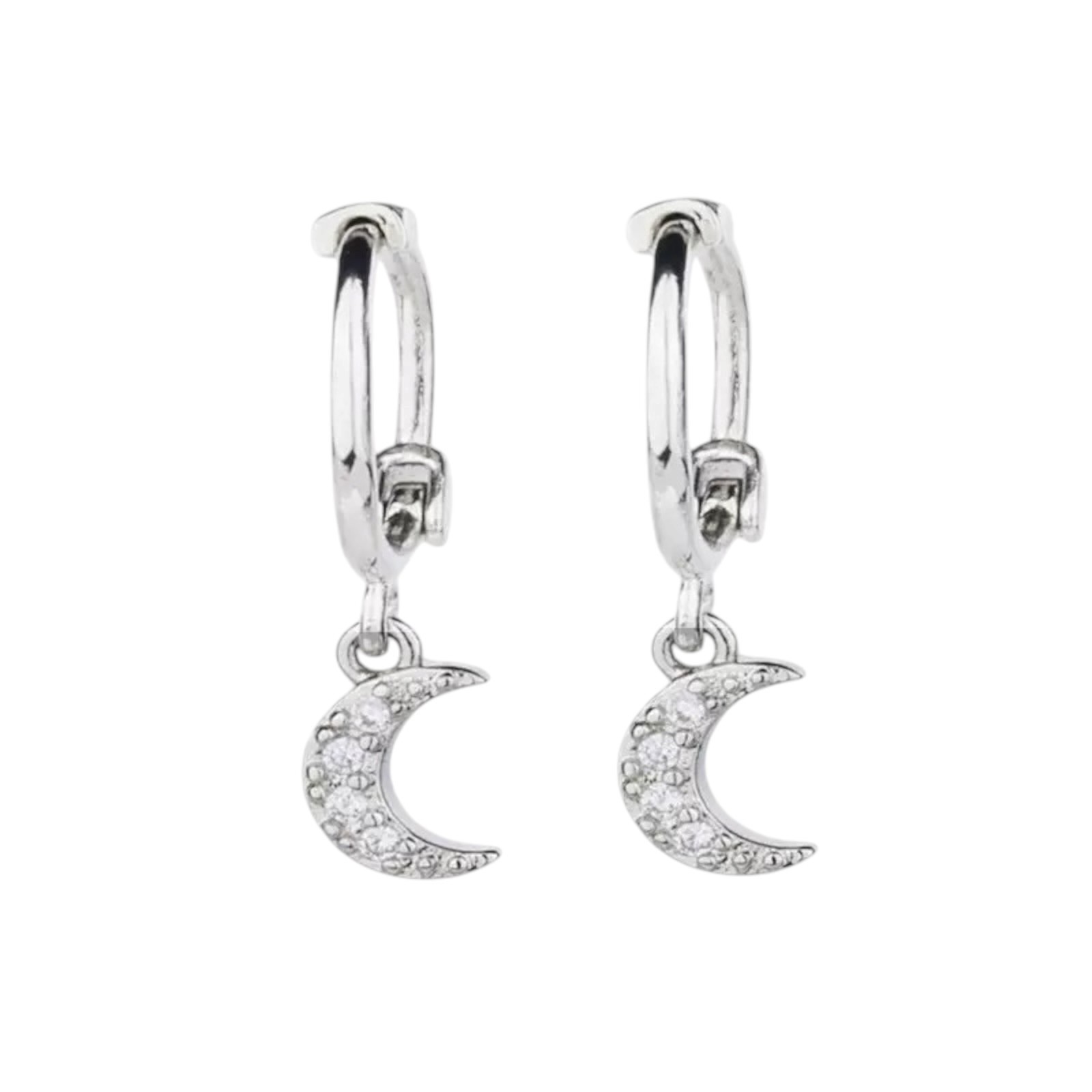 925 Sterling Silver Dangle Star Moon CZ Hoop Huggie Stud Earrings Gift Box B22$5.49Last checked Nov 20, 2026View on eBay
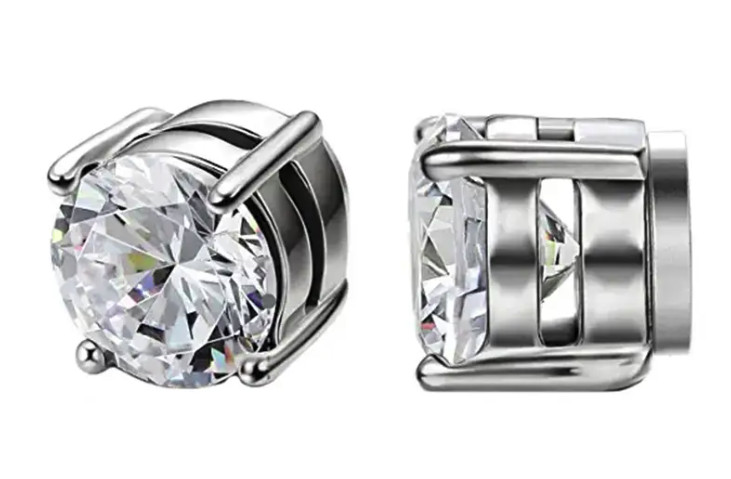 Magnetic Cubic Zirconia Stainless Steel Stud Earrings Mens Womens Non-Piercing$5.62Last checked Nov 20, 2026View on eBay
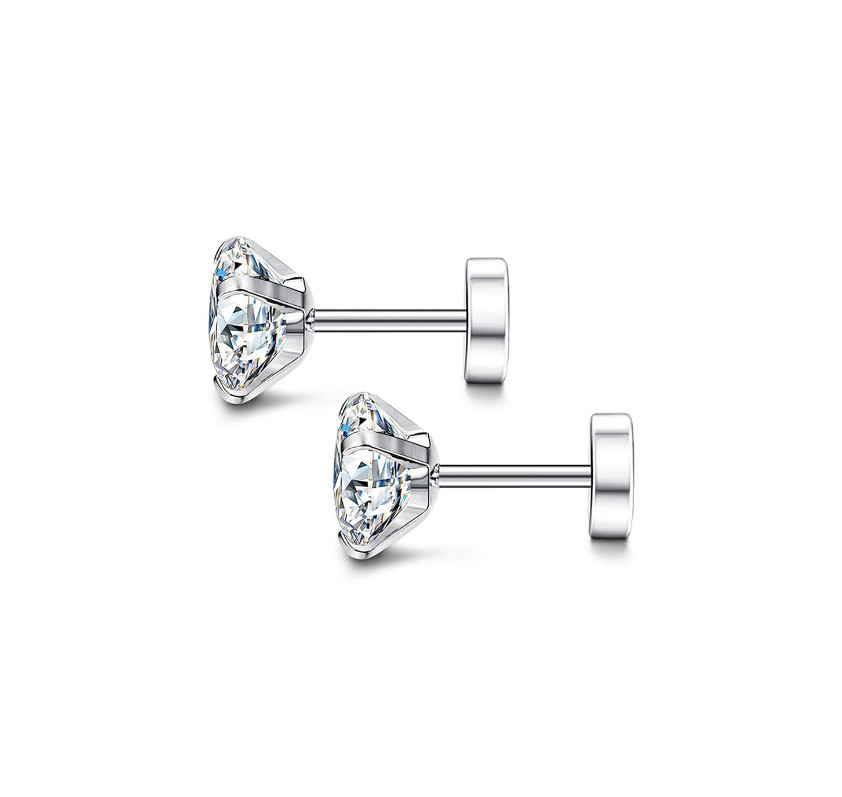 Hypoallergenic Silver Stainless Steel Round CZ Stud Earrings Screw Back PE31$5.95Last checked Nov 26, 2026View on eBay
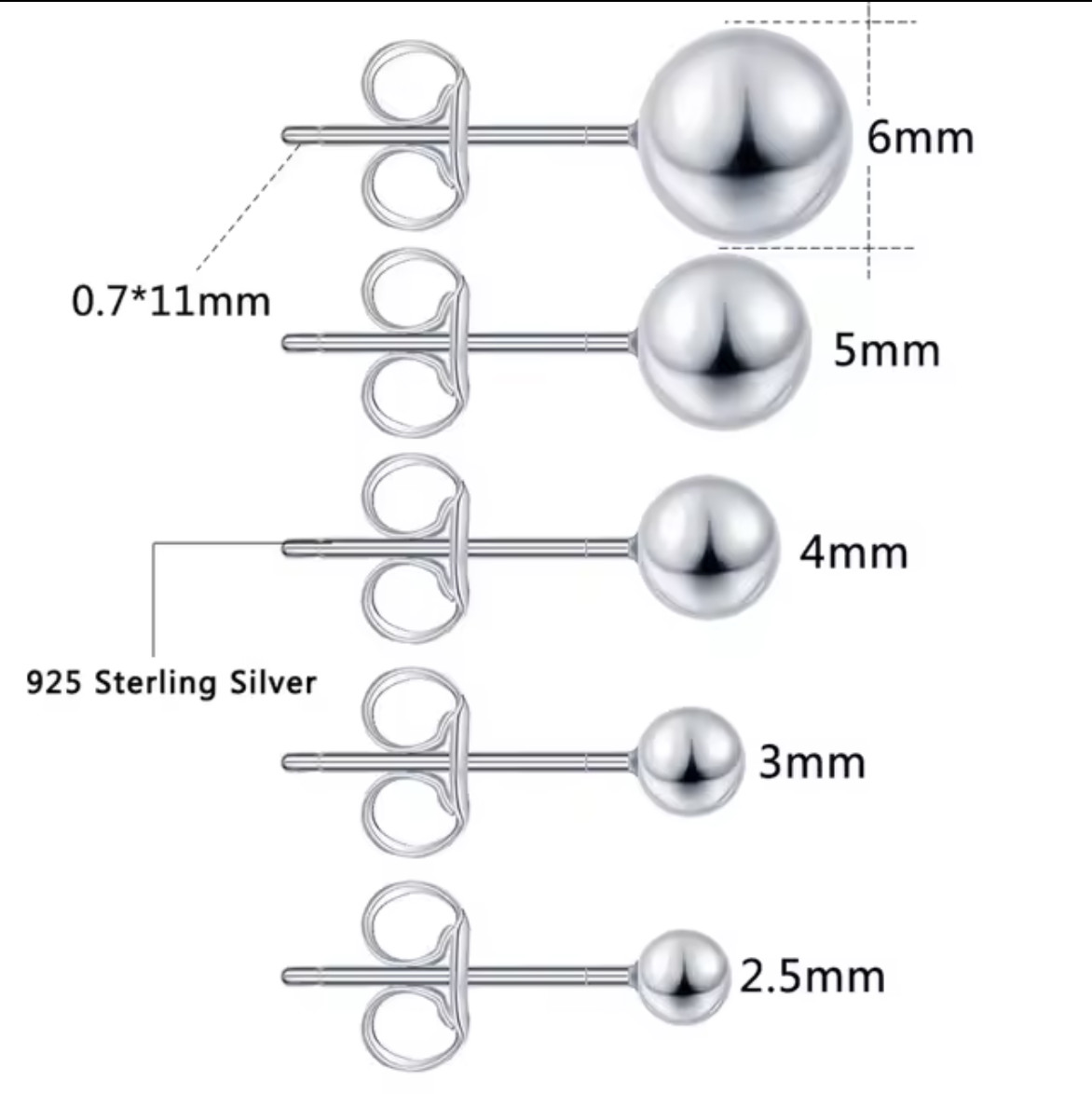 S925 Sterling Silver Round Ball Stud Earrings$5.95Last checked Nov 26, 2026View on eBay
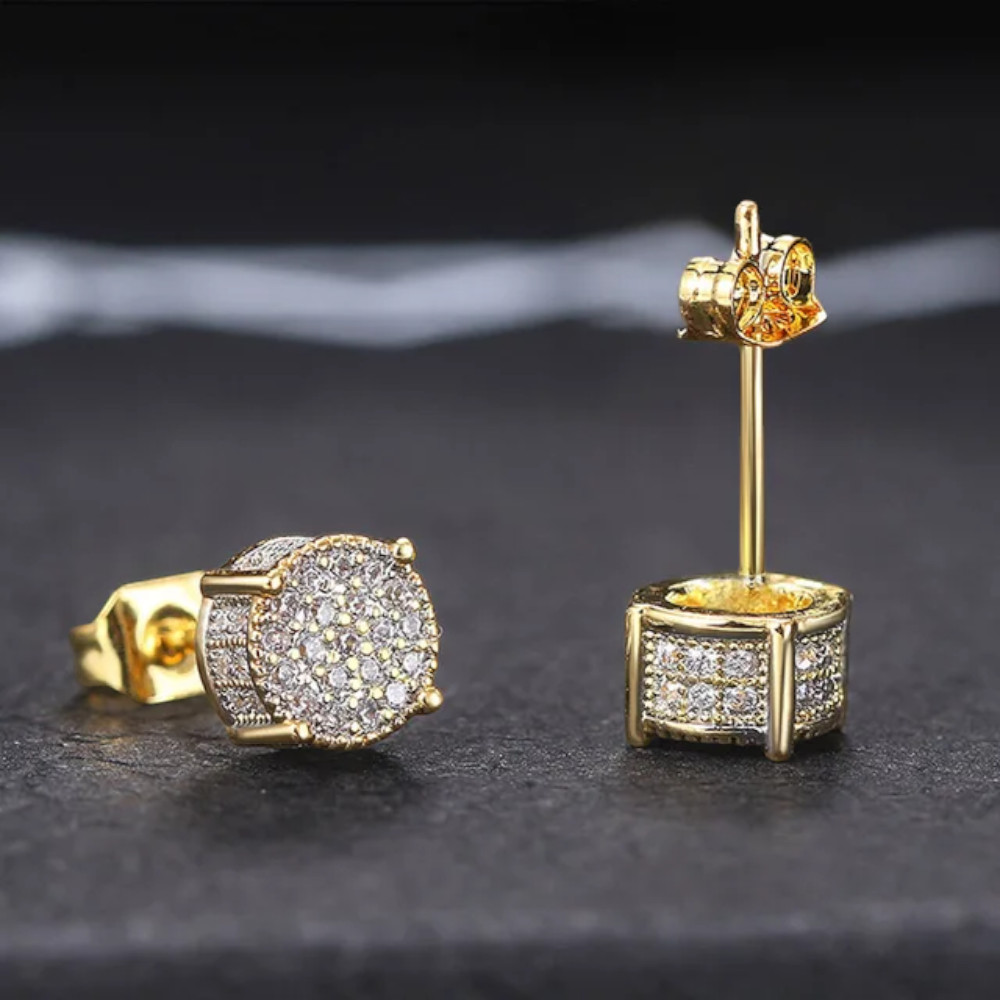 Iced Out Stud Earrings Gold Plated With Cubic Zirconia Hip Hop Jewelry Men Women$5.99Last checked Nov 21, 2026View on eBay
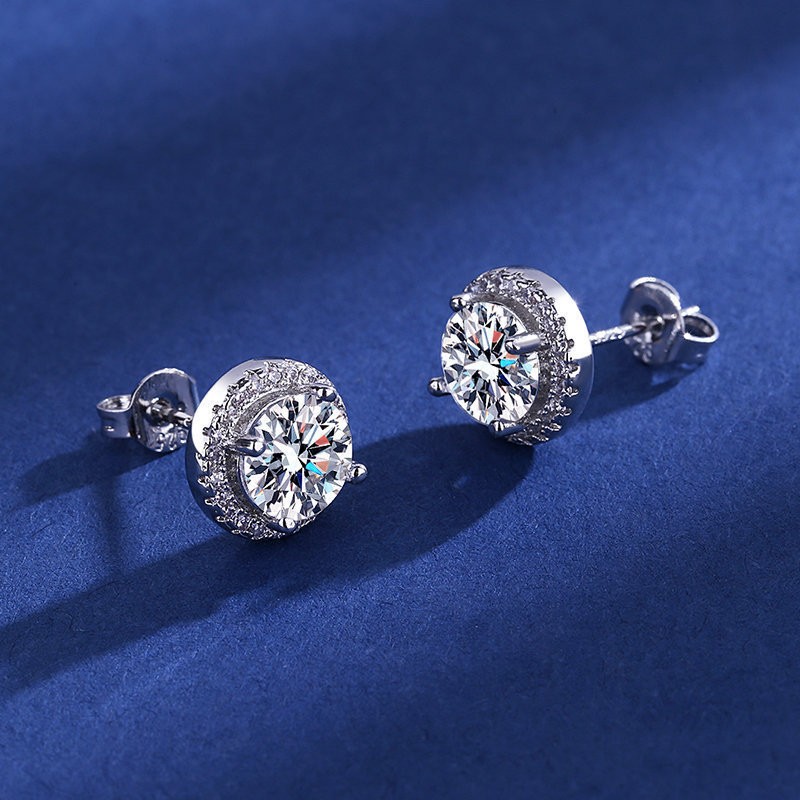 Women's Zircon Stud Earrings Hypoallergenic Copper Ear Studs Jewelry Gift Idea$5.99View on eBay
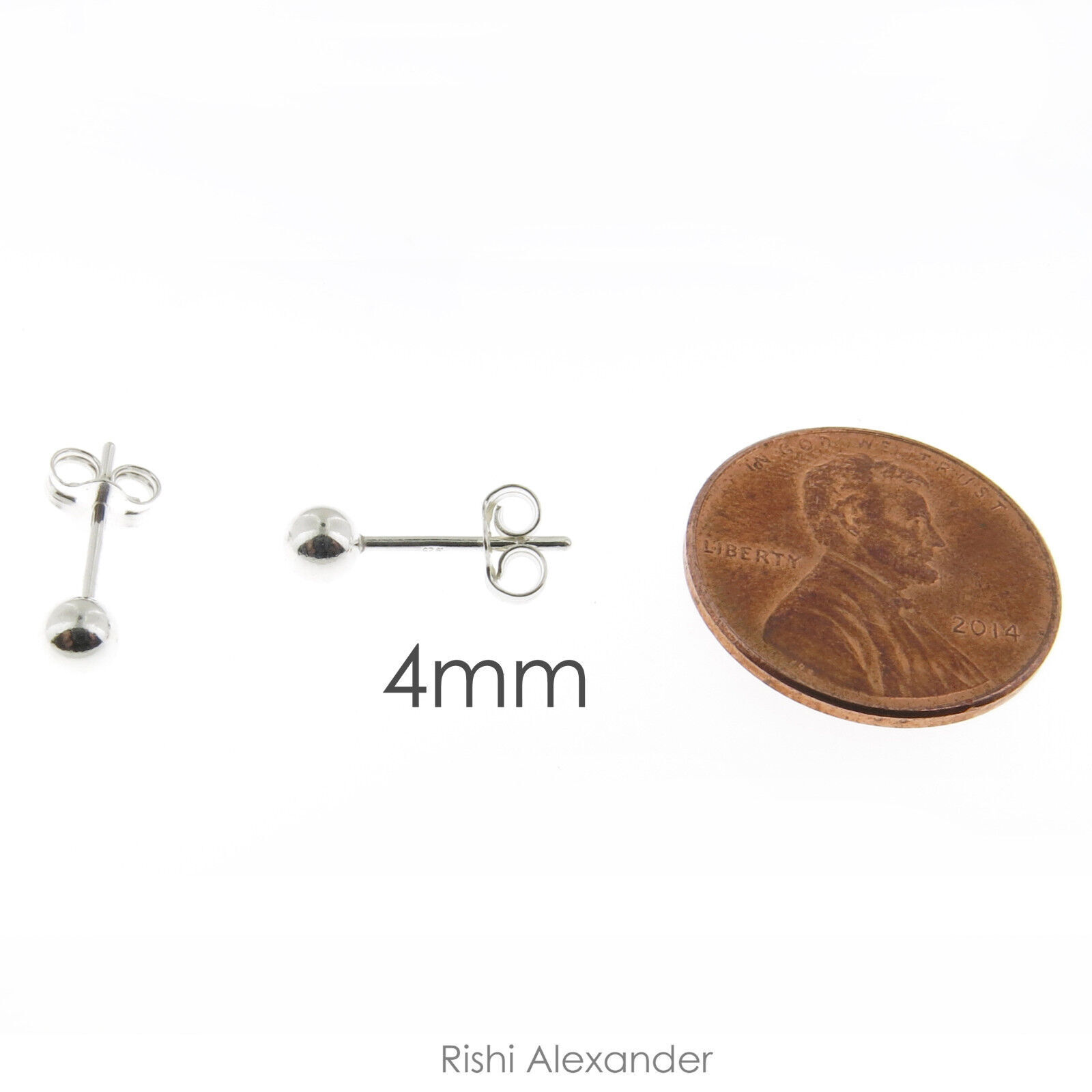 925 Sterling Silver Round Ball Stud Earrings High Polished Butterfly Post Backs$6.80Last checked Nov 24, 2026View on eBay
Highlights
- S925 sterling silver contains 92.5% silver and is the minimum grade for nickel-safe daily wear; alloy and brass fashion studs are typically nickel-plated and tarnish within weeks.
- Post gauge determines comfort and safety: 20G (0.8mm) is standard for healed lobes, 18G (1.0mm) for cartilage and new piercings; posts thinner than 0.6mm bend and irritate.
- Backing type drives security: screw-back and locking flat-back (labret) styles prevent loss during sleep and sport, while butterfly friction backs loosen with repeated use.
- Crystal and cubic zirconia settings use prong or bezel construction; six-prong settings maximize sparkle but snag hair, while bezel settings are smoother and more durable for everyday wear.
Best use cases
- Best fit: S925 sterling silver or titanium studs with screw-backs for daily wear, sleeping, and sensitive ears — skip plated alloy sets that discolor within a month.
- Best fit: multi-pair zircon or pearl stud sets in alloy or plated brass for occasional fashion variety and gifting — skip these for 24/7 wear or if you have known nickel allergy.
- Best fit: 18G flat-back labret studs for cartilage, helix, and new lobe piercings — skip butterfly-back 20G studs for fresh piercings because they trap bacteria and loosen.
- Wrong fit: heavy dangle-style 'stud' designs or oversized clusters over 8mm for side-sleepers; choose 3–5mm bezel-set studs under 2 grams per ear for sleep comfort.
Buying tips
- Check the stamp: 'S925' or '925' on the post or backing confirms sterling silver; '14K' or '18K' with 'GF' means gold-filled (durable), while 'GP' or 'plated' wears off.
- Match post length to lobe thickness: standard 6mm posts fit most lobes; use 8mm posts for thicker lobes or swelling, and 4mm for children or thin lobes.
- For sensitive ears, choose nickel-free titanium (ASTM F136) or niobium; even S925 silver can contain trace nickel in the alloy, so titanium is the safest medical-grade option.
- Buy studs with at least 2mm post diameter at the base (not the gauge) to prevent the earring from sinking into the lobe; flat-back labrets distribute pressure better than butterfly backs.
Specs
| Metal Purity | S925 silver / 14K GF / alloy plated |
|---|---|
| Post Gauge | 20G (0.8mm) lobes / 18G (1.0mm) cartilage |
| Backing Type | Butterfly / screw-back / flat-back labret |
| Setting Style | Prong / bezel / glue-set crystal |
Related searches
What to check before buying
- Measure your lobe thickness with a mm ruler or caliper: under 4mm use 6mm posts, 4–6mm use 6–8mm posts, over 6mm use 8–10mm posts.
- Confirm your piercing gauge: standard lobe piercings are 20G (0.8mm); cartilage and newer piercings are often 18G (1.0mm) — match the stud gauge to avoid forced insertion.
- For metal allergies, patch-test on your wrist for 24 hours before wearing new alloy or plated studs in your ears.
- Check backing compatibility: screw-backs require threaded posts (not friction posts); flat-back labrets require internally threaded or push-pin posts — never mix systems.
FAQ
Data sources: eBay / Amazon listings and product attribute feeds. Updated Nov 29, 2026.
Some links on this page are affiliate links. If you buy after clicking one, we may earn a commission at no extra cost to you. This does not change which products appear here or their order. Affiliate disclosure.