
Photos from current listings. Actual item, color, and included accessories may vary.
Emerald Ring Buying Guide
An emerald ring is a gemstone ring centered on green beryl, where the decisive trade-off is natural vs. lab-created stone and solid gold vs. plated or sterling silver construction. Natural emeralds carry inclusions and require gentle wear, while lab-created emeralds offer identical optical properties at a fraction of the cost. Buyers should prioritize solid 14K/18K gold or 925 sterling silver with a lab-created or certified natural stone; skip plated base metal and undisclosed treatments.
Median $129.25
Key takeaways
- Natural emerald (beryl) ranks 7.5–8 on Mohs hardness but is brittle with natural inclusions; lab-created emerald has identical composition with fewer inclusions and lower fracture risk.
- Solid 14K gold (58.5% purity) or 18K (75%) resists tarnish and daily wear; gold-plated or vermeil rings wear through within months on high-contact jewelry.
- 925 sterling silver is 92.5% silver and suitable for occasional wear, but requires rhodium plating or regular polishing to prevent tarnish.
At a glance
- Category
- Rings & Earrings
- Last updated
- Nov 29, 2026
Current offers
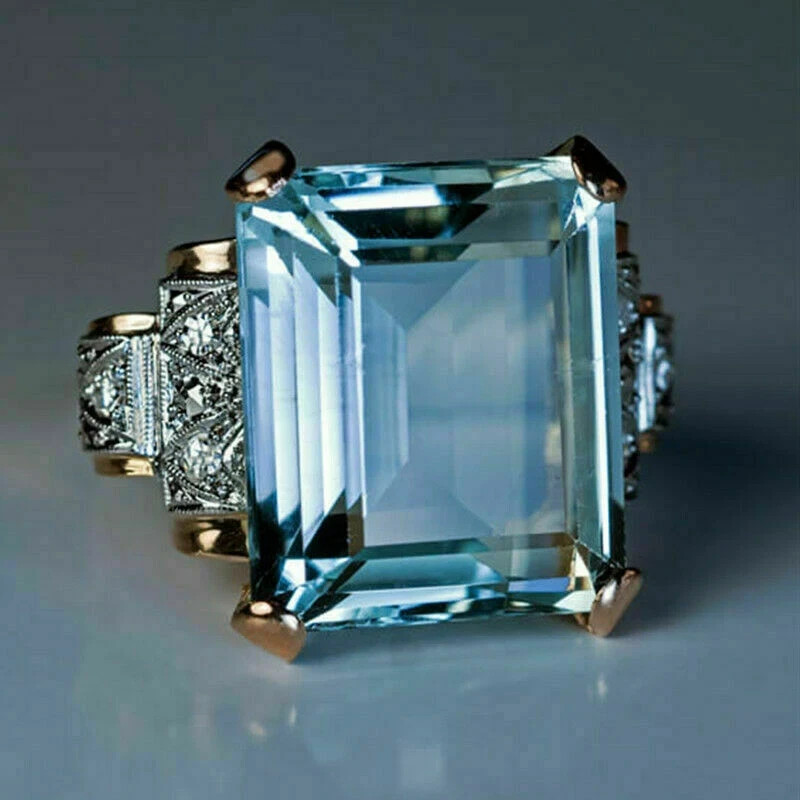 6Ct Emerald Cut Aquamarine Unisex Solitaire Engagement Ring 14K Rose Gold Finish$33.15Last checked Nov 26, 2026View on eBay
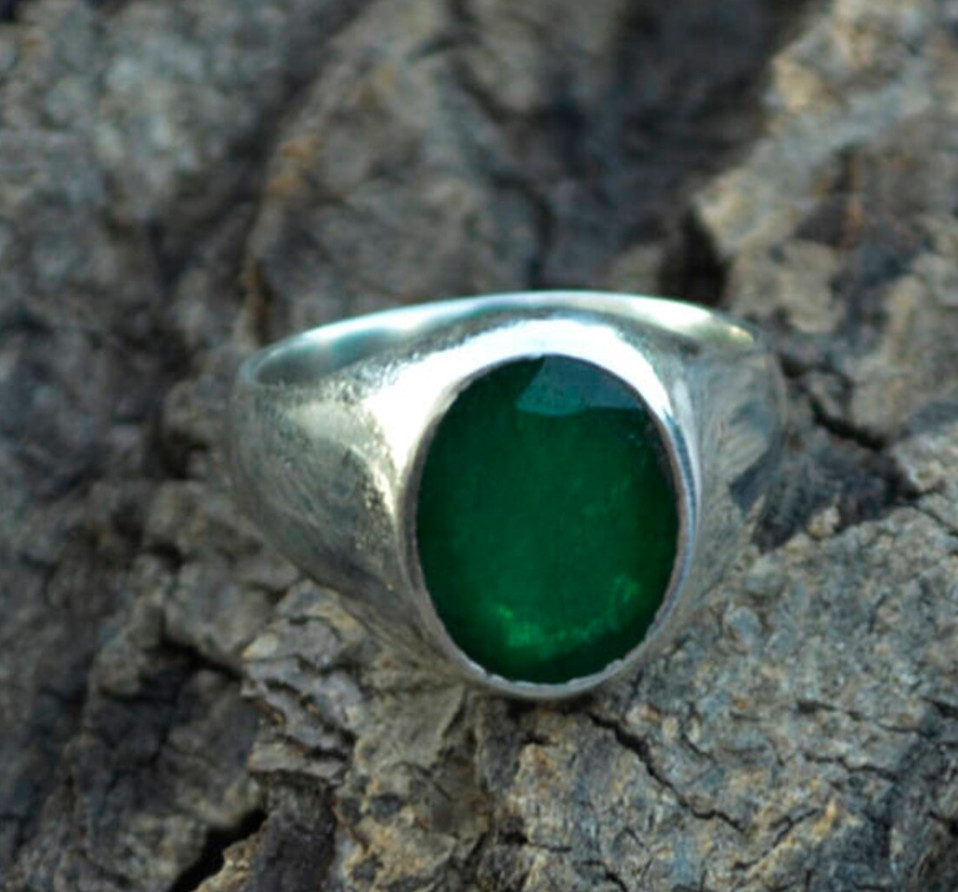 Natural Emerald Men's Ring 925 Sterling Silver Men's Emerald Jewelry Signet Ring$58.49View on eBay
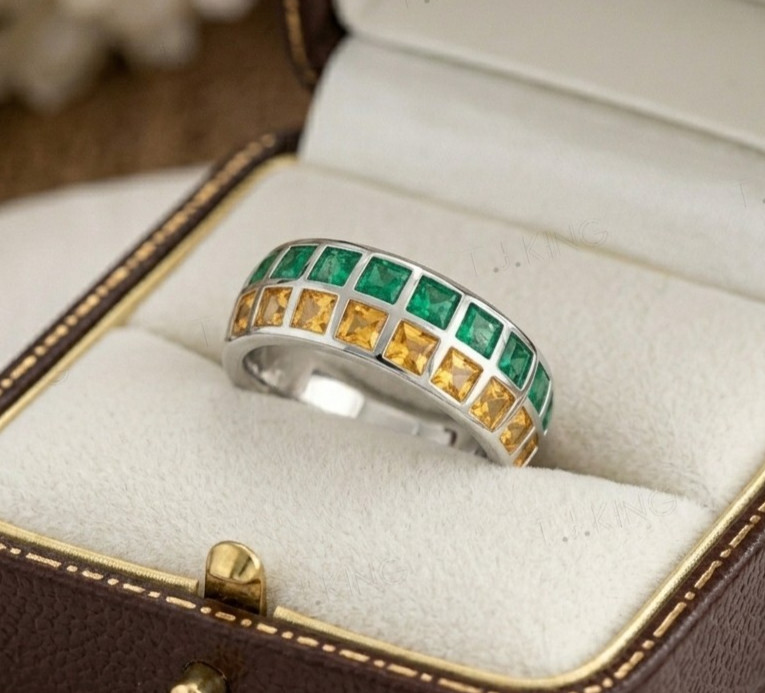 925 Sterling Silver Inlay Ring Emerald & Citrine Square Gemstone Band Men Women$59.00Last checked Nov 22, 2026View on eBay
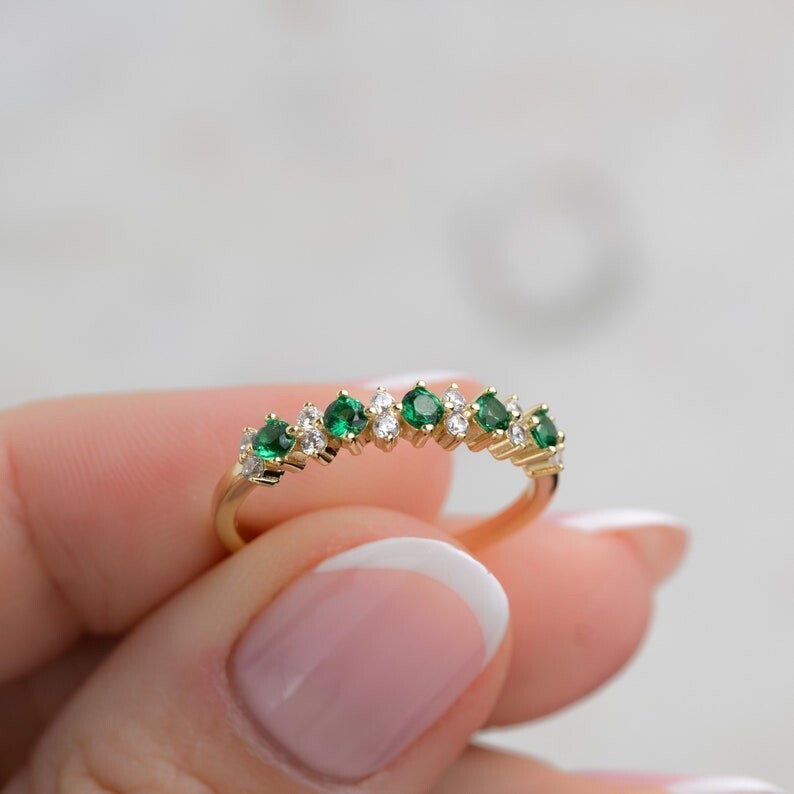 Emerald Ring, Gemstone Ring, Emerald Jewelry, Gift for Her, lab created$84.28Last checked Nov 28, 2026View on eBay
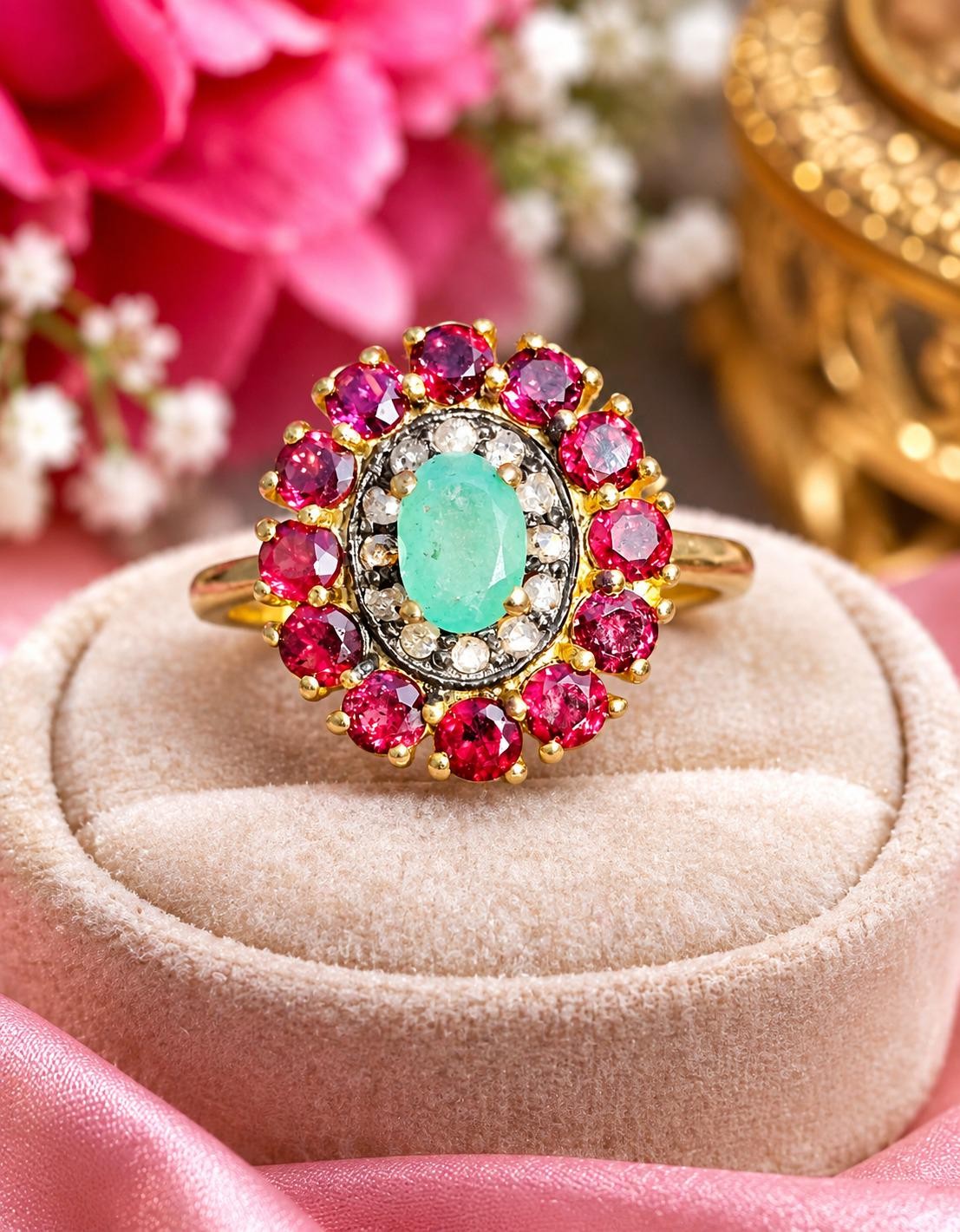 Natural Emerald Diamond And Rhodolite Gemstone Statement Ring Wedding Gift For$125.00View on eBay
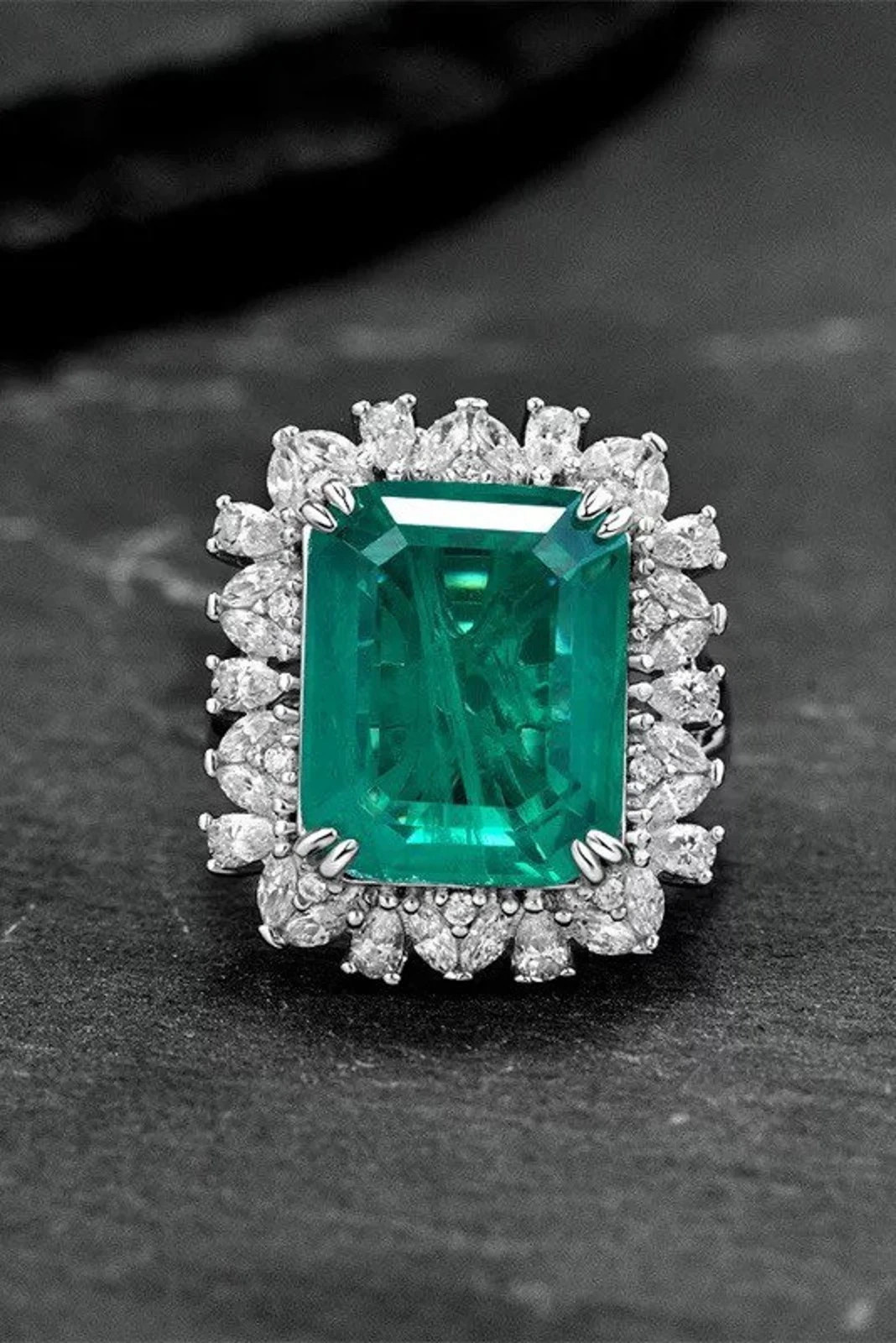 5 Ct Emerald Cut Natural Emerald Diamond Wedding Engagement Ring 14K White Gold$133.49Last checked Nov 26, 2026View on eBay
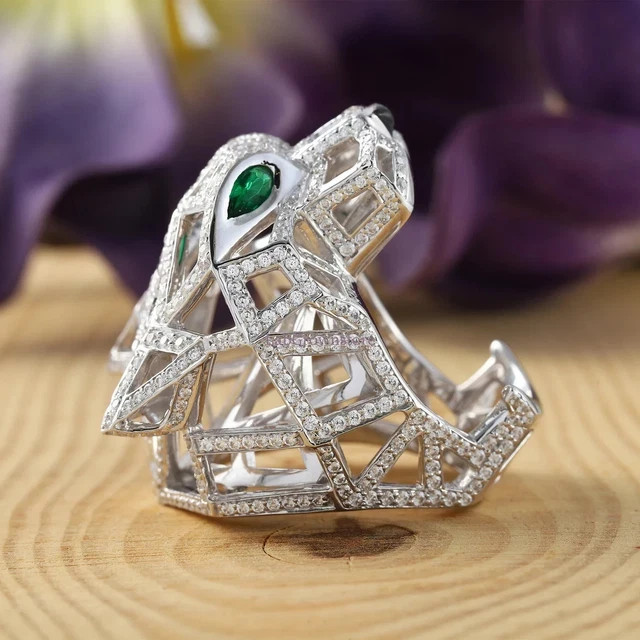 Men's Panther Face Ring 2Ct Round Cut Lab Created Emerald 14K White Gold Plated$167.85Last checked Nov 21, 2026View on eBay
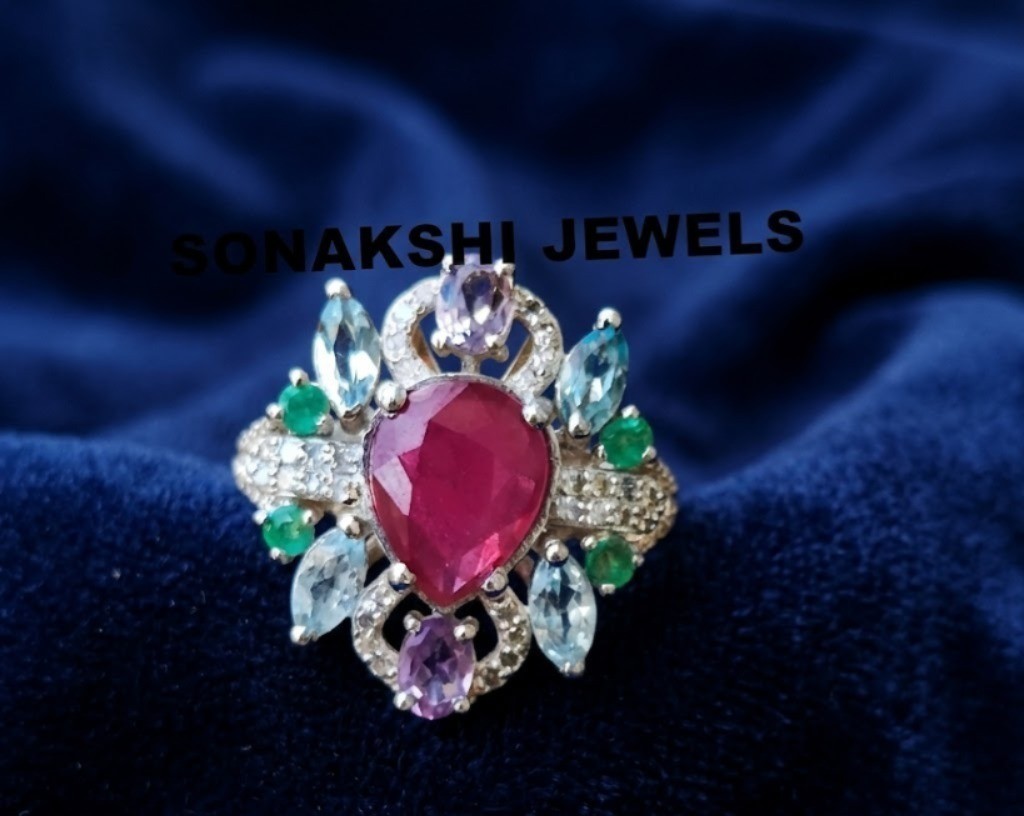 Classic Paer Shape Ruby Cocktail Ring Emerald And Blue Topaz Gemstone Ring$222.48Last checked Nov 17, 2026View on eBay
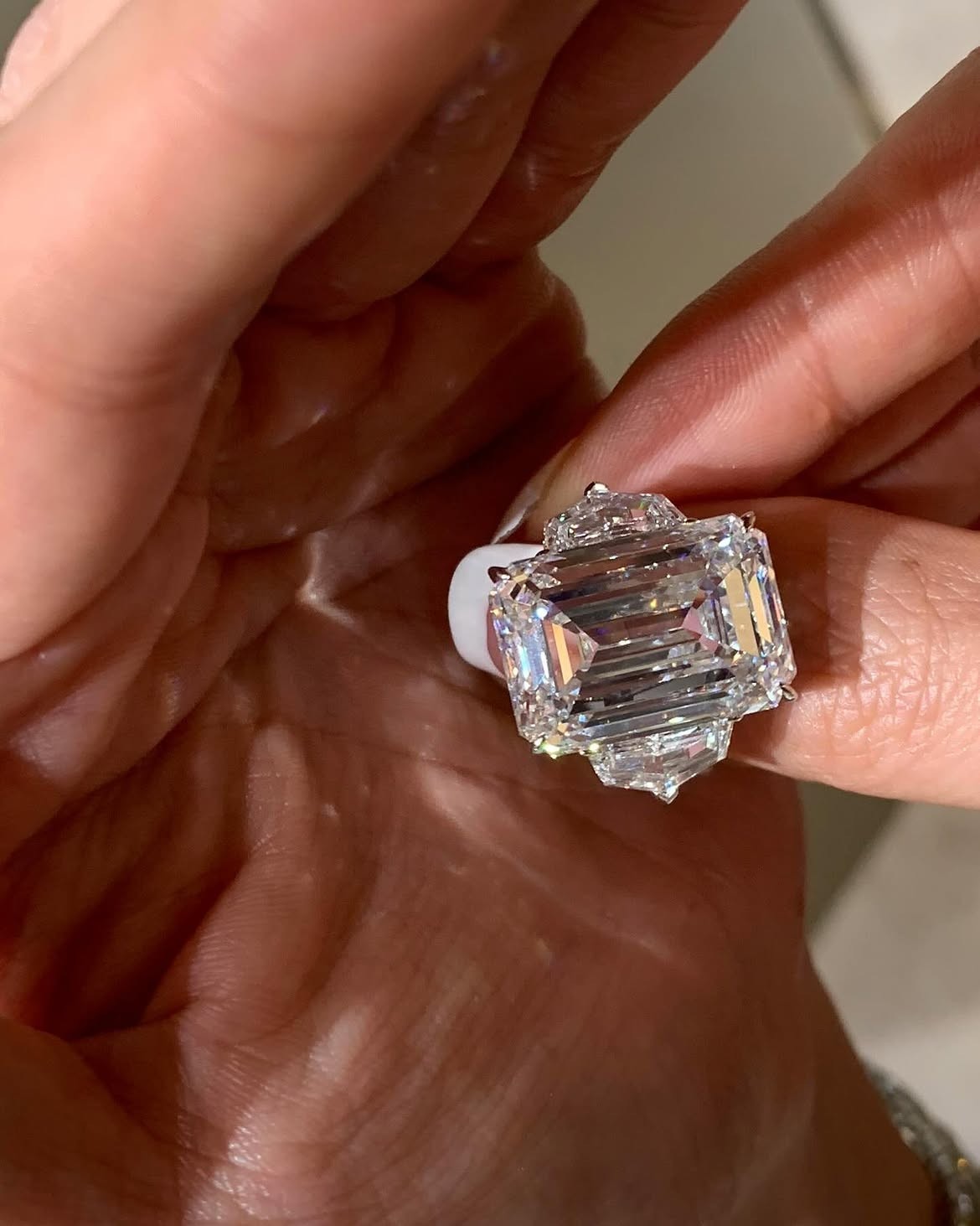 7.99 CT Emerald Cut Lab Grown E/VS1 Diamond Proposal Ring Gift 14K White gold$339.86Last checked Nov 14, 2026View on eBay
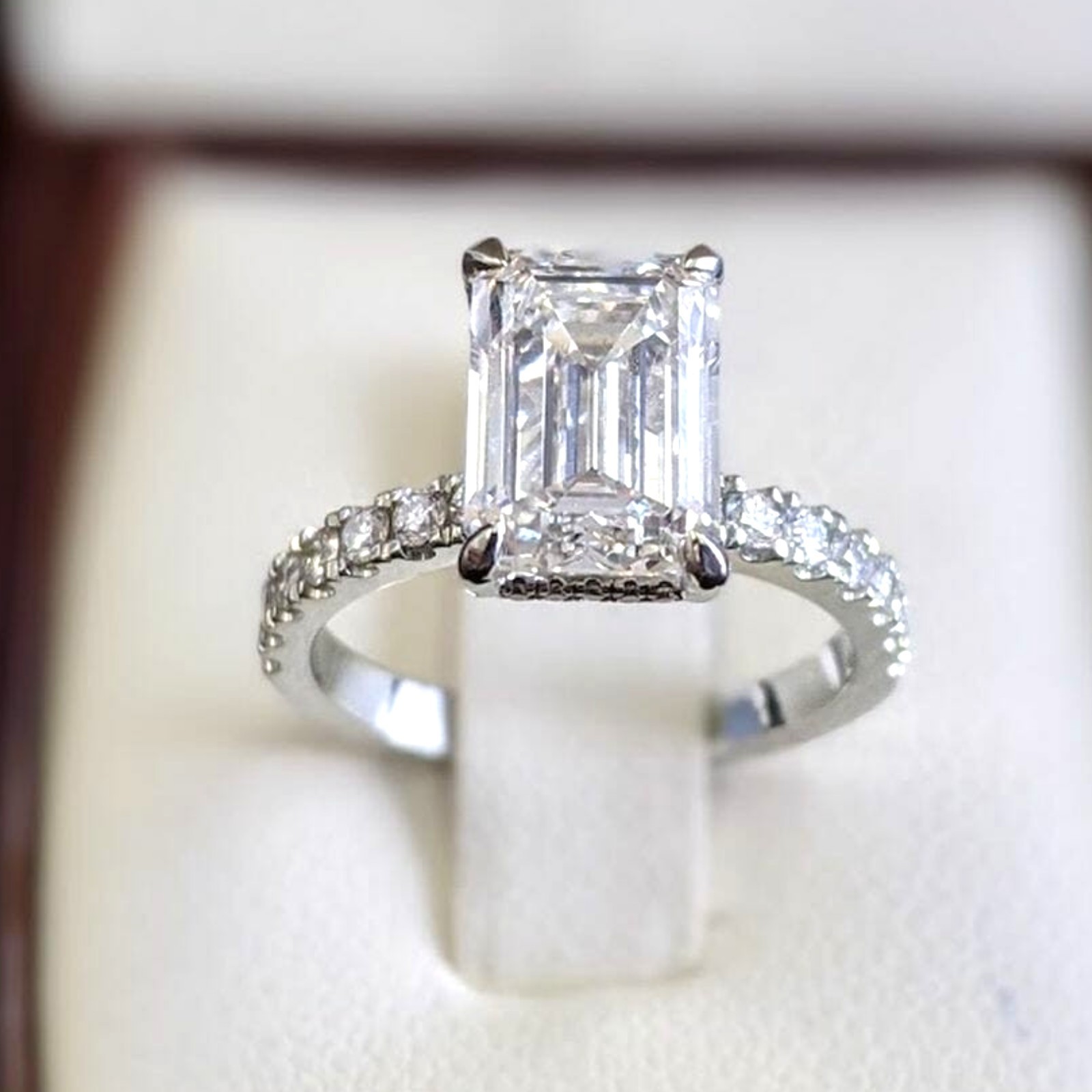 14k White Gold IGI Lab Grown Diamond Engagement Ring 3.50 Ct Emerald Cut E VVS2$1,888.00Last checked Nov 14, 2026View on eBay
Highlights
- Natural emerald (beryl) ranks 7.5–8 on Mohs hardness but is brittle with natural inclusions; lab-created emerald has identical composition with fewer inclusions and lower fracture risk.
- Solid 14K gold (58.5% purity) or 18K (75%) resists tarnish and daily wear; gold-plated or vermeil rings wear through within months on high-contact jewelry.
- 925 sterling silver is 92.5% silver and suitable for occasional wear, but requires rhodium plating or regular polishing to prevent tarnish.
- Emerald cuts (step-cut rectangular) showcase clarity and color; oval, round, and cushion cuts mask inclusions and suit natural stones with jardin.
Best use cases
- Engagement or anniversary ring: choose a solid 14K/18K gold band with a lab-created emerald and diamond halo or three-stone setting for durability and sparkle; skip plated silver for daily wear.
- May birthstone gift or everyday ring: pick a 925 sterling silver or 10K–14K gold band with a small lab-created emerald; skip large natural emeralds in prong settings for active hands.
- Men's signet or statement ring: select a broad 925 sterling silver or 14K gold signet with a cabochon or bezel-set lab-created emerald; avoid thin shanks and prong settings that snag.
- Cocktail or fashion ring: choose a sterling silver or gold-plated base with a large lab-created emerald for occasional wear; skip natural emerald in this tier because inclusions and softness risk damage.
Buying tips
- Demand disclosure: natural emerald should state treatment (untreated, minor oil, or resin-filled); lab-created emerald should be labeled as such. Filled or fracture-filled stones are fragile and lower value.
- Check metal stamp: look for 14K, 18K, 585, 750, or 925 inside the band. 'Gold plated' or 'gold finish' means a thin layer over brass or silver that wears off.
- Match setting to stone: bezel or halo settings protect brittle emeralds; prong settings expose girdles to chips. For rings worn daily, choose bezel or low-profile settings.
- Verify carat weight and dimensions: emerald density is lower than diamond, so a 1 ct emerald looks larger. Request millimeter measurements (e.g., 7x5 mm oval) rather than carat alone.
Specs
| Stone Origin | Natural vs. Lab-Created |
|---|---|
| Metal Purity | 925 Silver / 14K / 18K Gold |
| Setting Type | Prong, Bezel, Halo, Signet |
| Treatment Disclosure | Untreated / Oil / Resin-Filled |
Related searches
What to check before buying
- Measure ring size on the intended finger with a proper sizer; wide bands (6 mm+) require a half-size up for comfort.
- Confirm metal content and stamp: 925 sterling silver, 14K, or 18K solid gold. Avoid plated or filled base metal for daily wear.
- Check stone disclosure: natural vs. lab-created, treatment type, and origin if natural. Ask for a certificate for natural emeralds above 1 ct.
- Consider lifestyle: remove rings for gym, cleaning, and swimming. Emerald is brittle and vulnerable to household chemicals and thermal shock.
FAQ
Data sources: eBay / Amazon listings and product attribute feeds. Updated Nov 29, 2026.
Some links on this page are affiliate links. If you buy after clicking one, we may earn a commission at no extra cost to you. This does not change which products appear here or their order. Affiliate disclosure.