
Photos from current listings. Actual item, color, and included accessories may vary.
Gemstone Ring Buying Guide
A gemstone ring pairs a faceted or cabochon stone with a metal setting, and the primary trade-off is between genuine mined/lab-grown stones in solid precious metal versus treated, simulated, or glass stones in plated base metal. The clear decision rule: buy solid 925 sterling silver, 10k+ gold, or stainless steel with a disclosed stone species and treatment for daily wear; skip plated or undisclosed 'gemstone' rings if you need lasting color and durability.
Median $59.00
Key takeaways
- Setting metal determines longevity: solid 925 sterling silver, 10k–18k gold, and 316L stainless steel resist tarnish and skin reactions; brass or copper cores with rhodium/gold plating wear through within months.
- Stone identity and treatment are the value drivers: natural, lab-created, and simulant stones look similar but differ in hardness (diamond 10 Mohs, ruby/sapphire 9, emerald 7.5–8, opal 5.5–6.5, turquoise 5–6) and require disclosure.
- Mohs hardness dictates wear placement: stones below 7 Mohs (opal, turquoise, pearl, moonstone) belong in protected bezels or occasional-wear rings, not daily-worn prong settings.
At a glance
- Category
- Rings & Earrings
- Last updated
- Nov 29, 2026
Current offers
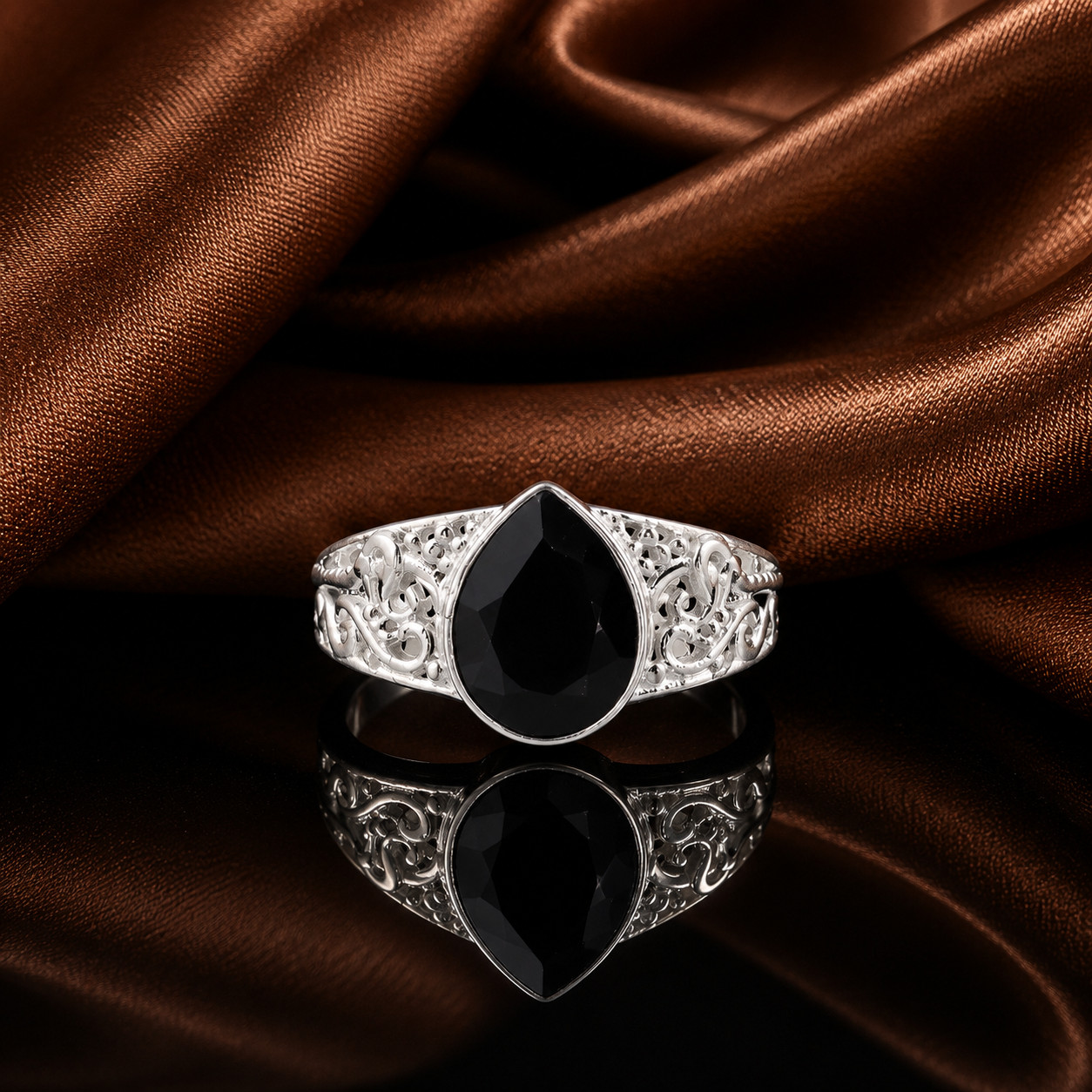 Black Onyx Gemstone 925 Sterling Silver Statement Jewelry Zircon Ring For Woman$15.99Last checked Nov 20, 2026View on eBay
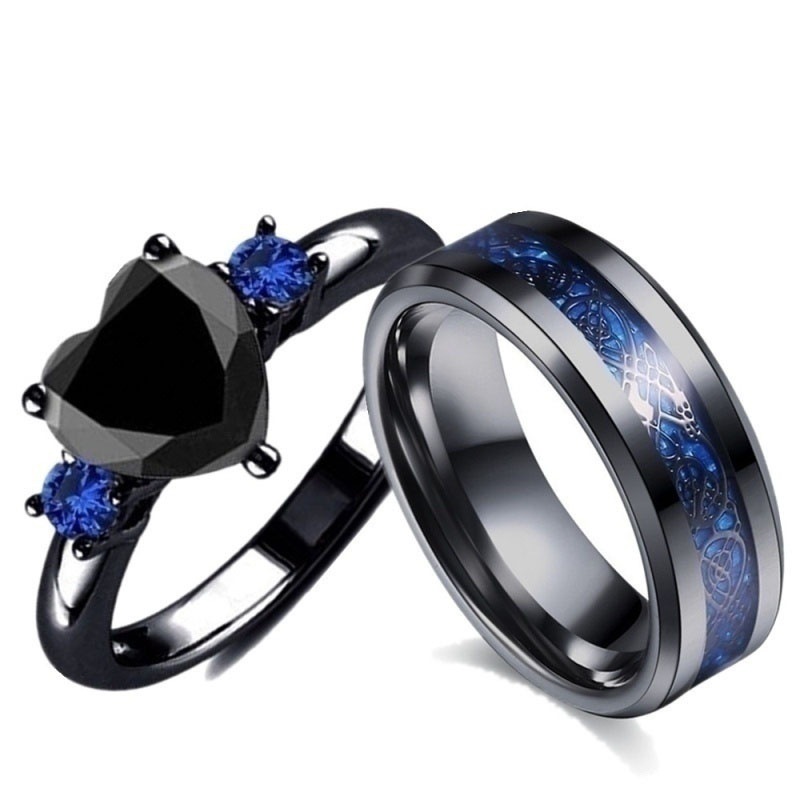 Black Heart Gemstone Diamond Wedding Ring$7.99View on Mallflare
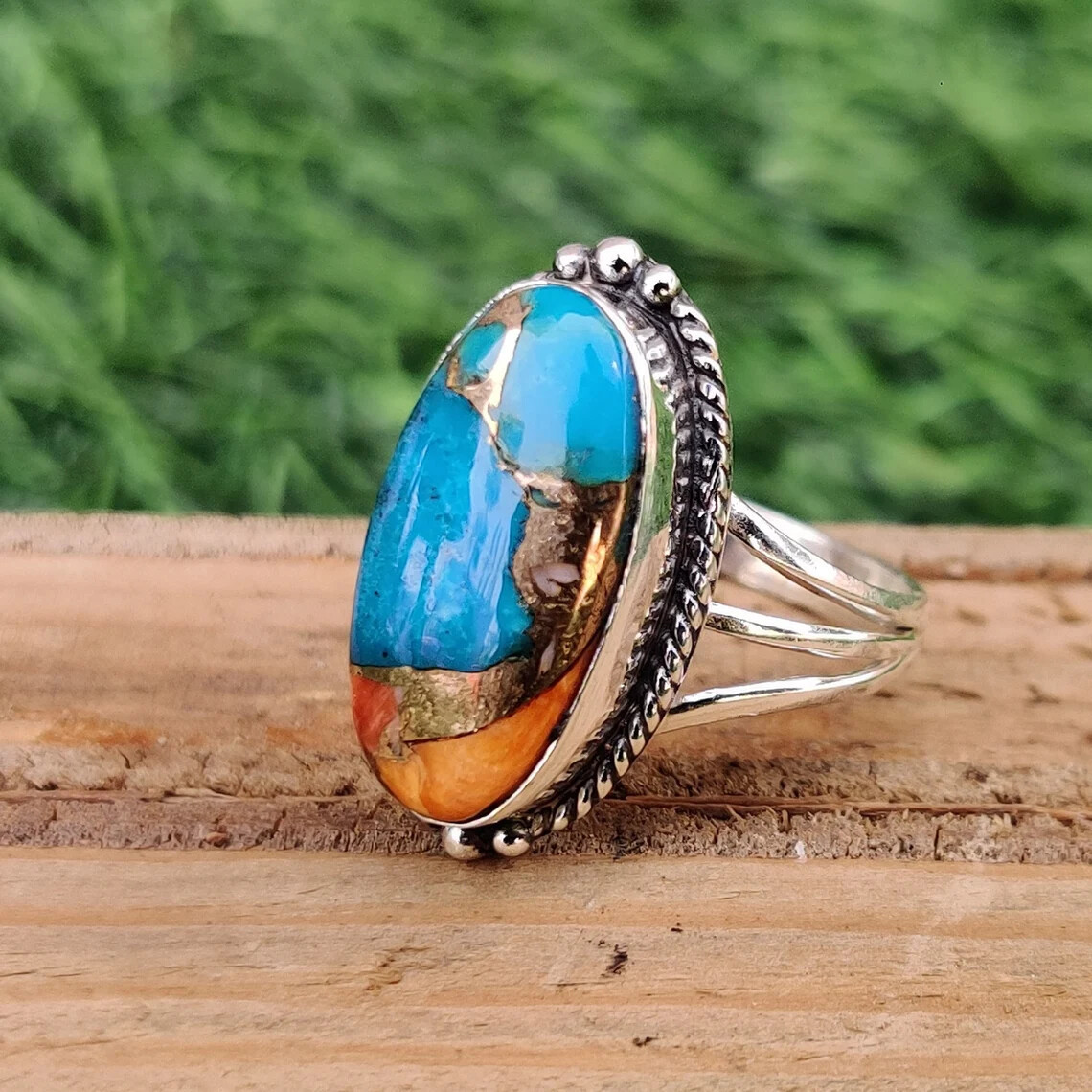 Oyster Copper Turquoise Gemstone 925 Sterling Silver Ring All Size$19.79Last checked Nov 18, 2026View on eBay
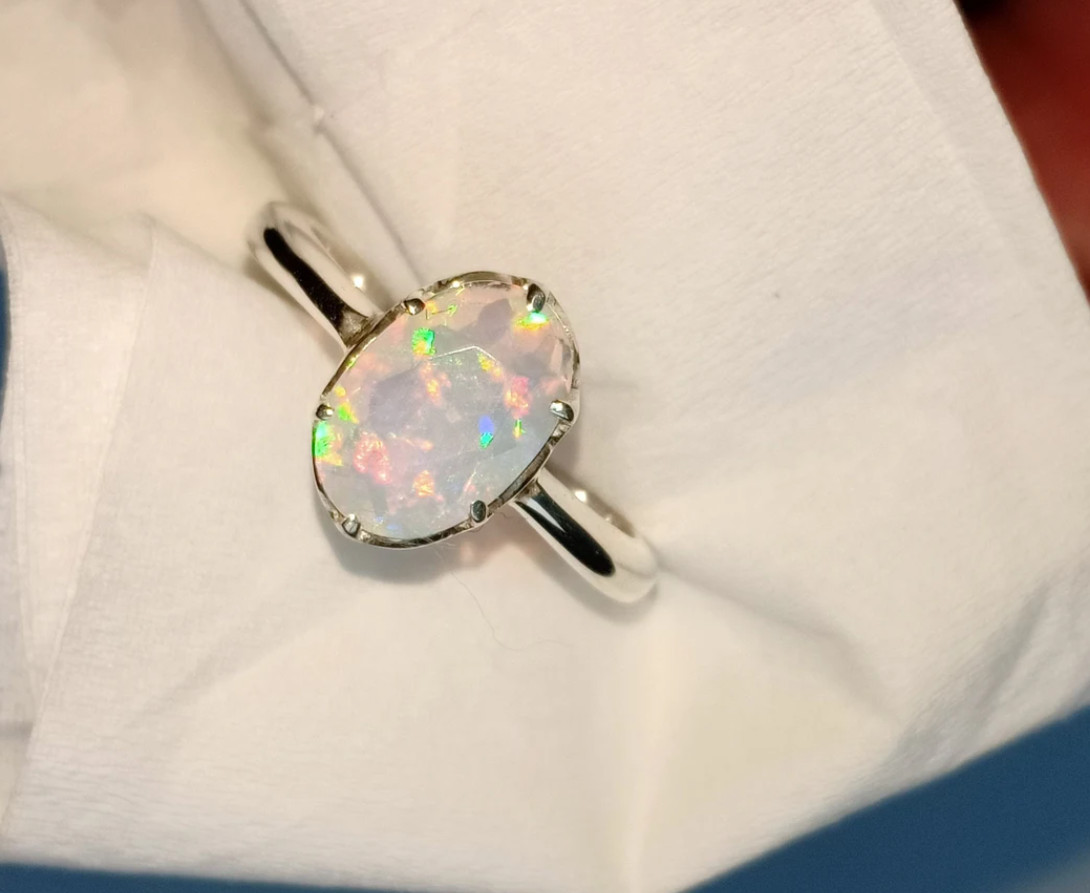 Natural Fire Opal Gemstone Ring 925Solid Silver Australian Opal Gemstone Jewelry$48.00View on eBay
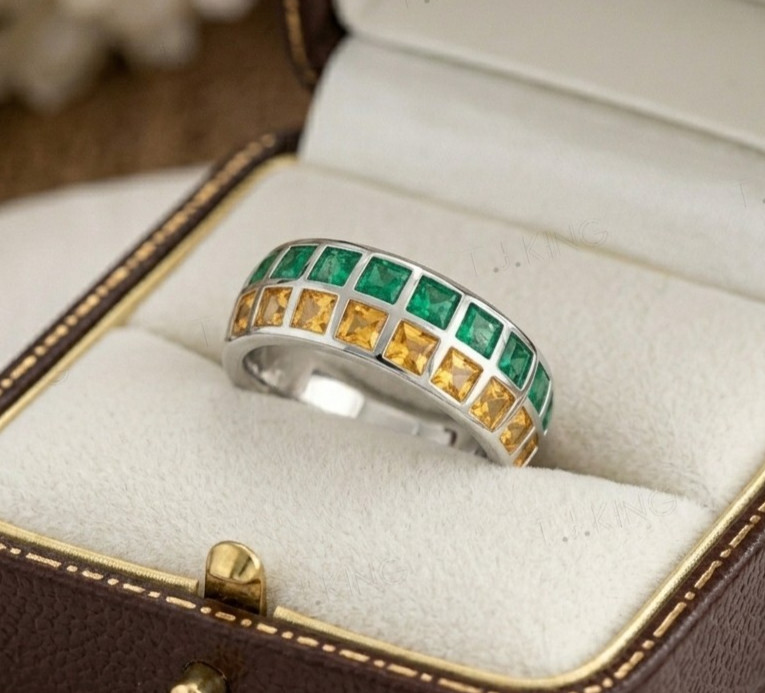 925 Sterling Silver Inlay Ring Emerald & Citrine Square Gemstone Band Men Women$59.00Last checked Nov 22, 2026View on eBay
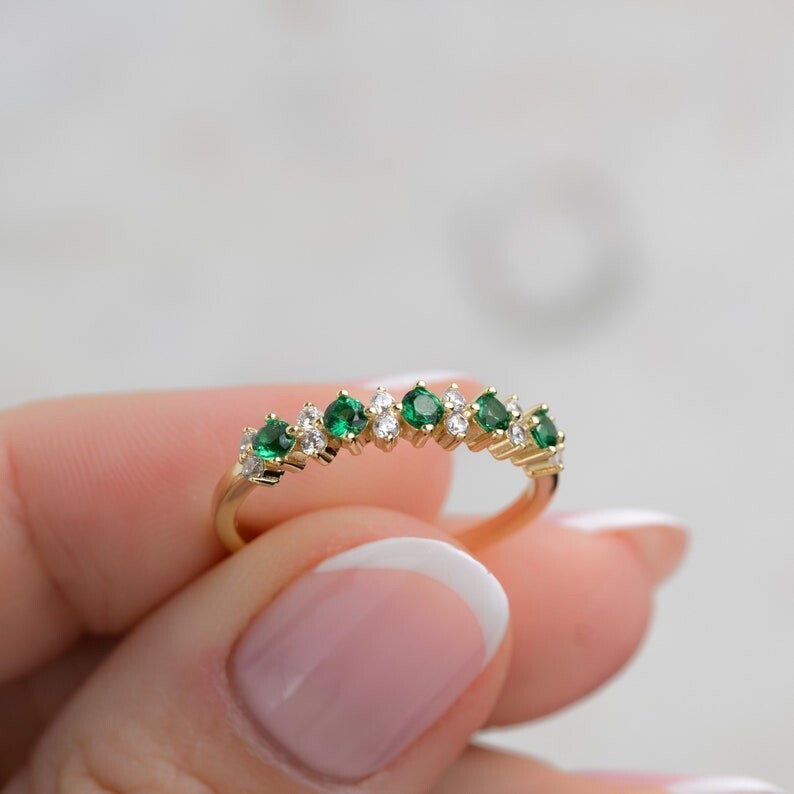 Emerald Ring, Gemstone Ring, Emerald Jewelry, Gift for Her, lab created$84.28Last checked Nov 28, 2026View on eBay
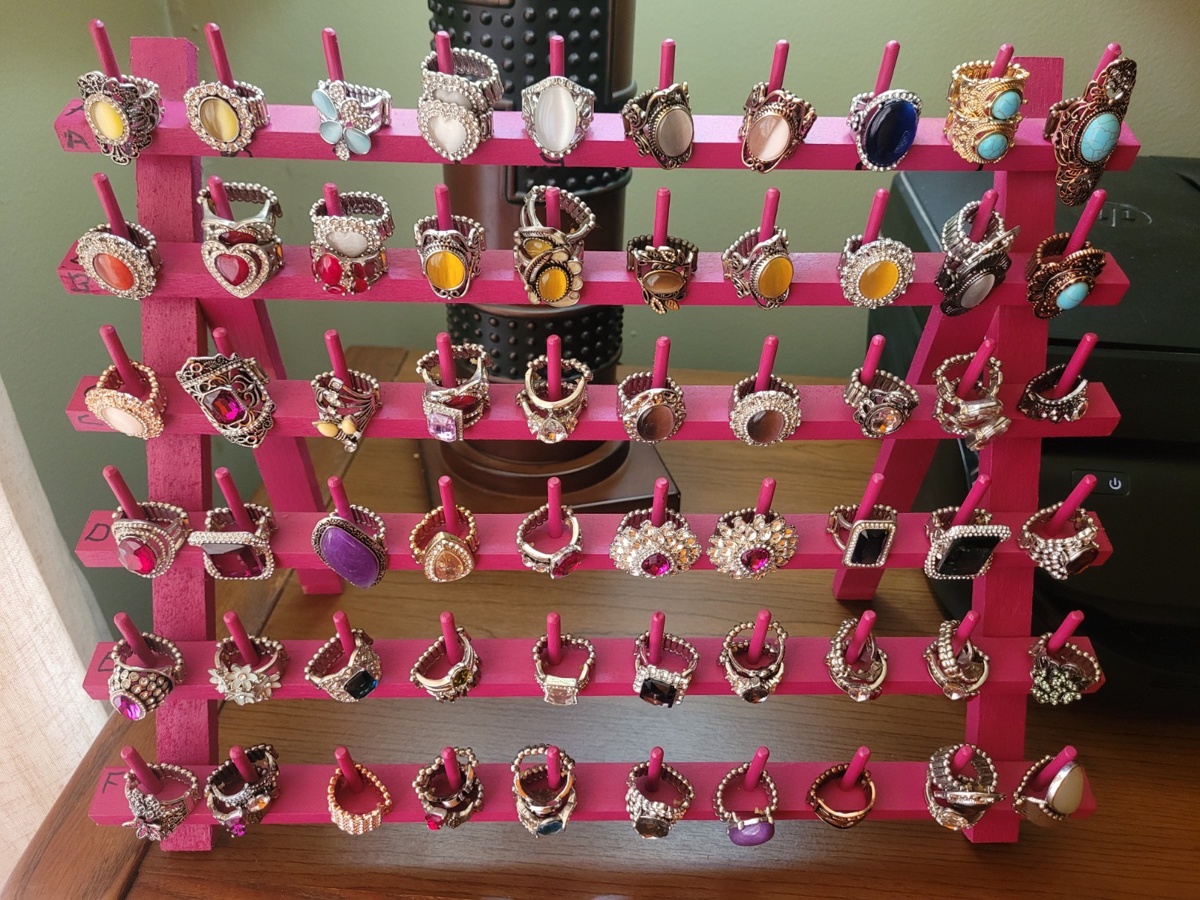 Paparazzi Jewelry Ring Lot - 100 MIXED Pieces, Silver, GemStones, Gold$125.00View on eBay
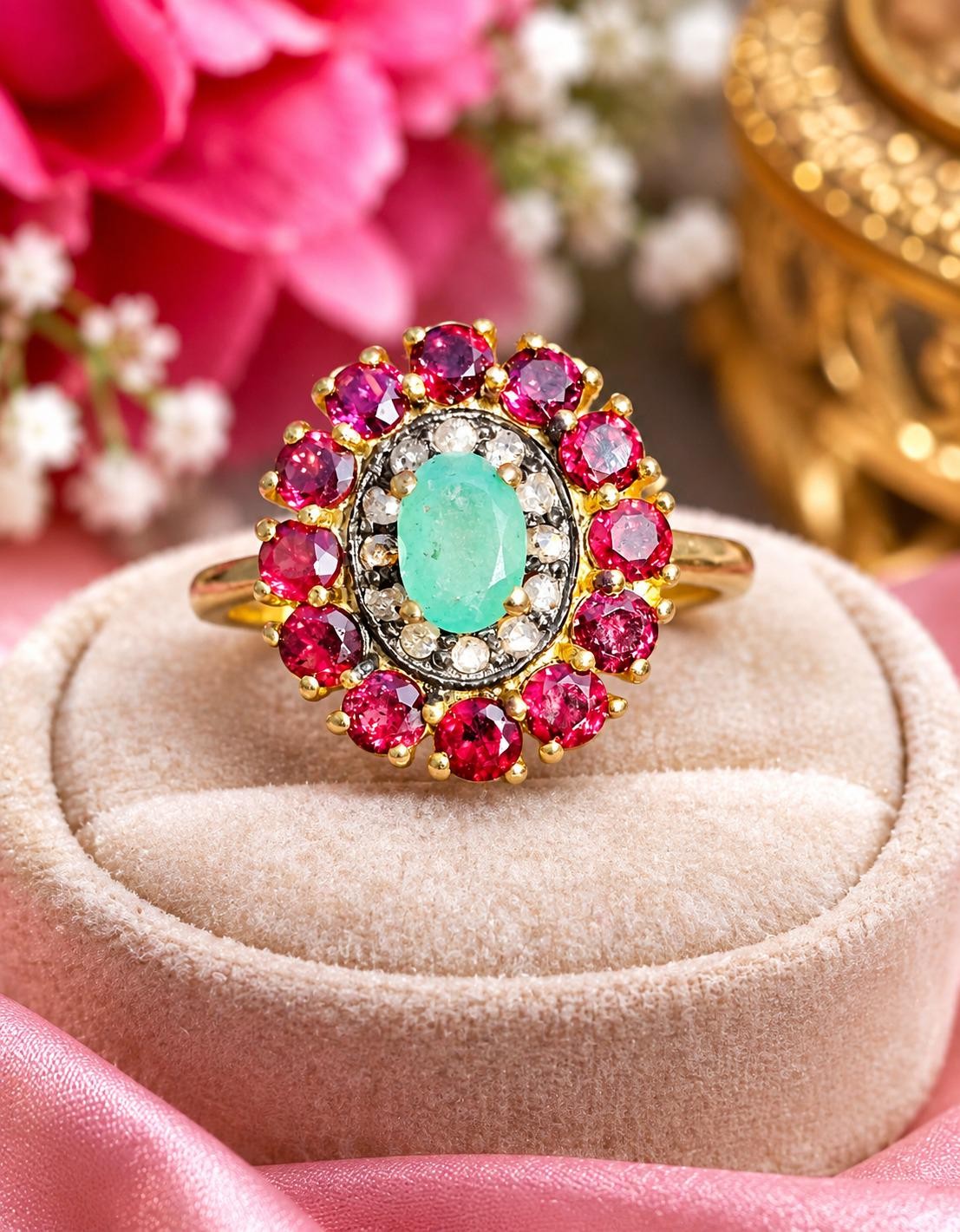 Natural Emerald Diamond And Rhodolite Gemstone Statement Ring Wedding Gift For$125.00View on eBay
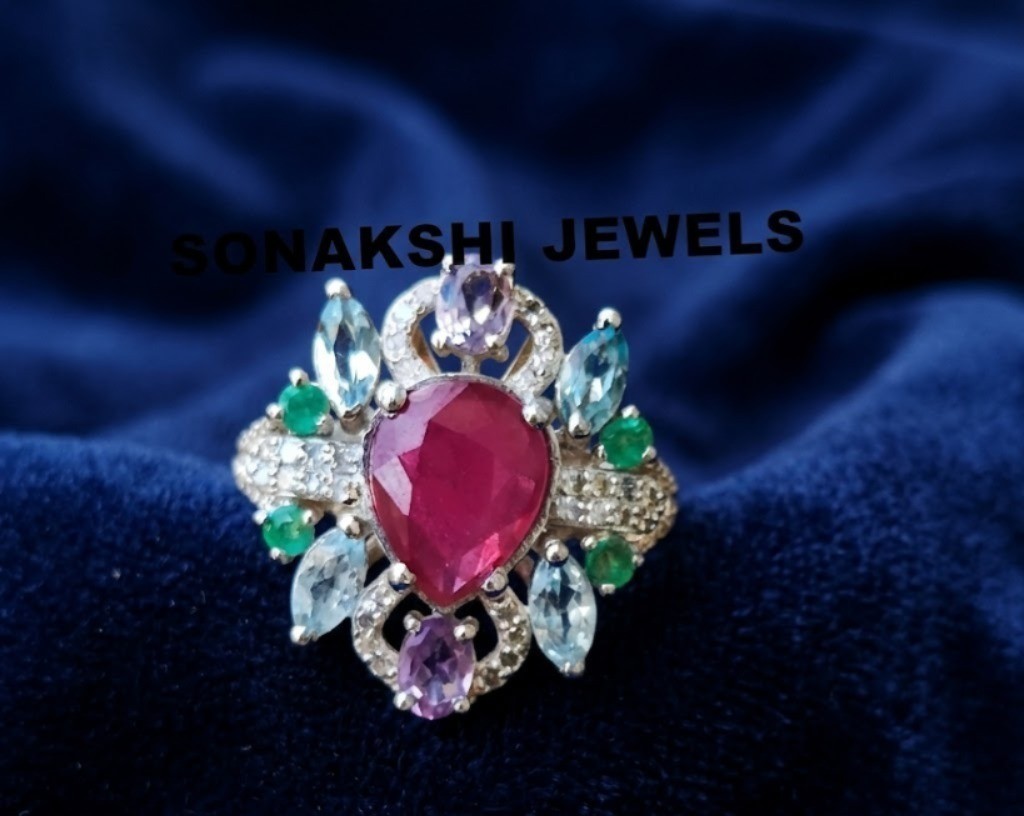 Classic Paer Shape Ruby Cocktail Ring Emerald And Blue Topaz Gemstone Ring$222.48Last checked Nov 17, 2026View on eBay
Highlights
- Setting metal determines longevity: solid 925 sterling silver, 10k–18k gold, and 316L stainless steel resist tarnish and skin reactions; brass or copper cores with rhodium/gold plating wear through within months.
- Stone identity and treatment are the value drivers: natural, lab-created, and simulant stones look similar but differ in hardness (diamond 10 Mohs, ruby/sapphire 9, emerald 7.5–8, opal 5.5–6.5, turquoise 5–6) and require disclosure.
- Mohs hardness dictates wear placement: stones below 7 Mohs (opal, turquoise, pearl, moonstone) belong in protected bezels or occasional-wear rings, not daily-worn prong settings.
- Setting style changes security and look: bezel settings protect soft stones; prong settings expose edges and need periodic tightening; channel and pave settings suit small accent stones.
Best use cases
- Daily-wear engagement or commitment ring: choose a 14k gold or platinum band with a bezel-set diamond, sapphire, or ruby (9–10 Mohs) — skip opal, turquoise, or emerald in open prongs for everyday hand use.
- Statement or cocktail ring for occasional wear: a large lab-created ruby, emerald, or blue topaz in 925 sterling silver gives visual impact at moderate cost; skip plated brass if you want the finish to last years.
- Men's or unisex everyday ring: pick 316L stainless steel or solid silver with a flush or bezel-set onyx, spinel, or lab sapphire; skip soft cabochons and thin prong settings in active lifestyles.
- Gift or budget fashion ring: lab-grown or created stones in sterling silver are the sensible floor; skip 'Paparazzi-style' mixed lots and undisclosed simulants when the recipient expects a genuine stone.
Buying tips
- Match stone hardness to wear: 7+ Mohs (quartz, sapphire, ruby, diamond, spinel) for daily rings; under 7 Mohs (opal, turquoise, pearl, fluorite) only for occasional or protected bezel settings.
- Verify metal marks: '925', 'S925', or 'Sterling' for silver; '10K/14K/18K' or '585/750' for gold; '316L' or 'Surgical Steel' for stainless — unmarked 'silver-tone' is plated base metal.
- Size for the ring's width: bands 6 mm+ wide fit about half a US size tighter, so size up half a size; thin stacking bands under 2 mm run true or slightly loose.
- Demand treatment disclosure: 'natural' means untreated or stated heated; 'created/lab-grown' is chemically identical to natural; 'simulant' (CZ, glass, spinel) is a look-alike at lower hardness and cost.
Specs
| Metal Type | 925 Silver / 10-18K Gold / 316L Steel |
|---|---|
| Stone Hardness | 5-10 Mohs (7+ for daily wear) |
| Setting Style | Prong / Bezel / Channel / Pavé |
| Stone Origin | Natural / Lab-created / Simulant |
Related searches
What to check before buying
- Measure the intended finger with a ring sizer or existing ring's inner diameter in millimeters (US 7 ≈ 17.3 mm) — ring sizes vary by brand and width.
- Confirm the stone's species and treatment in the title or description; avoid listings that only say 'gemstone' with no species name.
- Check the metal stamp or hallmark (925, 14K, 316L) and whether plating is over brass or copper — plated base metal wears through in daily use.
- For soft or large stones, confirm a bezel or protective setting; prong-set stones above 8 mm need periodic tightening and insurance for high-value pieces.
FAQ
Data sources: eBay / Amazon listings and product attribute feeds. Updated Nov 29, 2026.
Some links on this page are affiliate links. If you buy after clicking one, we may earn a commission at no extra cost to you. This does not change which products appear here or their order. Affiliate disclosure.