
Photos from current listings. Actual item, color, and included accessories may vary.
Gold Diamond Earring Buying Guide
Gold diamond earrings range from solid 14K/18K gold with natural diamonds to gold-plated brass or silver with lab-grown or simulated stones, and the core trade-off is gold purity plus diamond origin versus price. The decision rule is simple: buy solid 14K or 18K gold with a stamped purity mark and certified natural or lab-grown diamonds for daily wear and resale value; treat gold-plated or silver-based pieces with simulants as fashion items that will wear through.
Median $98.60
Key takeaways
- Solid 14K gold (58.5% purity) resists tarnish and holds stones for decades; 18K (75%) is softer and richer in color but more prone to scratching.
- Lab-grown diamonds are chemically identical to natural ones and cost less; simulants like cubic zirconia or moissanite scratch and cloud over time.
- Stud earring posts should be 0.8-1.0mm thick in 14K gold or titanium; thin plated posts bend and irritate sensitive ears.
At a glance
- Category
- Rings & Earrings
- Last updated
- Nov 29, 2026
Current offers
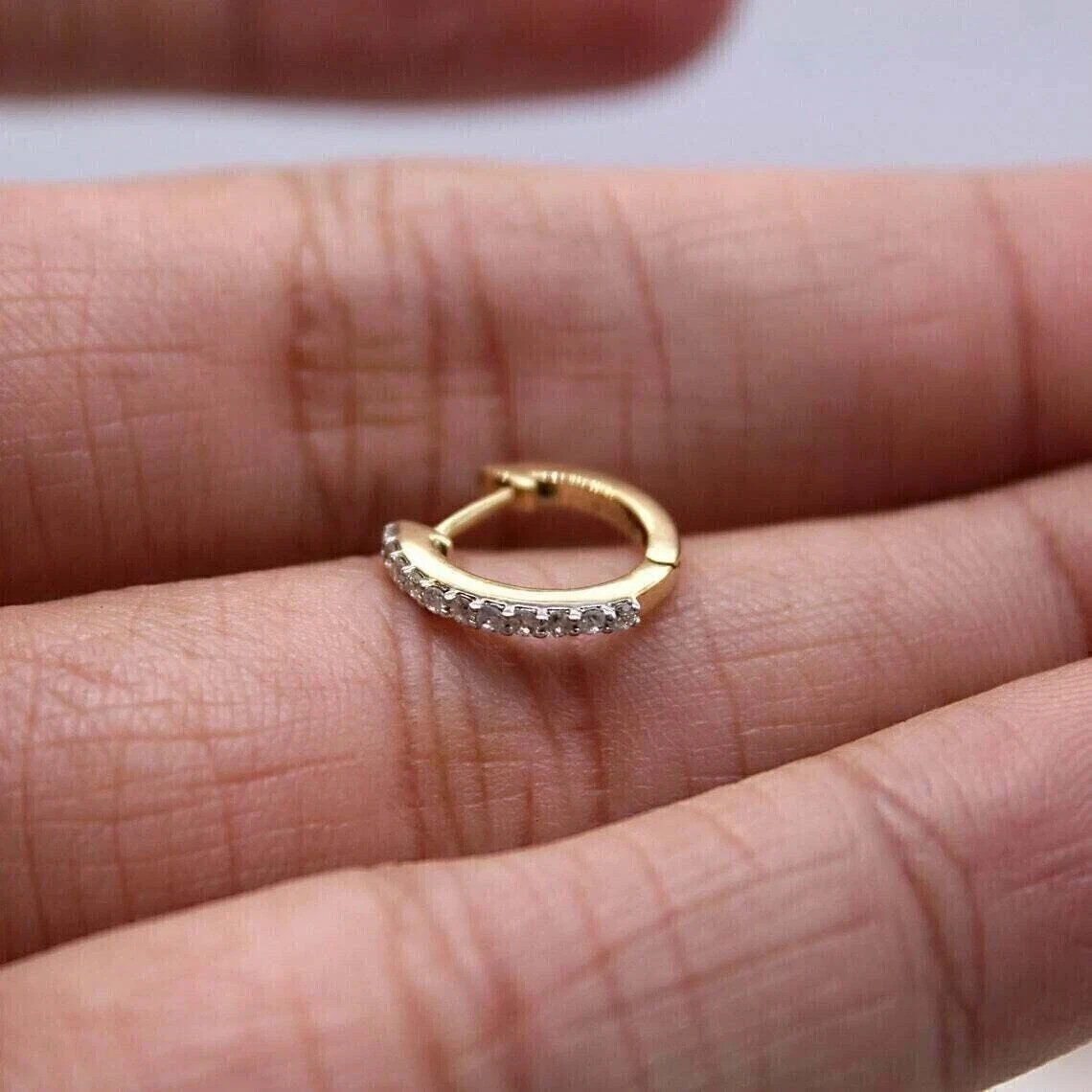 925 Silver Simulated Diamond Single Huggie Hoop Earring 14K Yellow Gold Plated$17.49Last checked Nov 20, 2026View on eBay
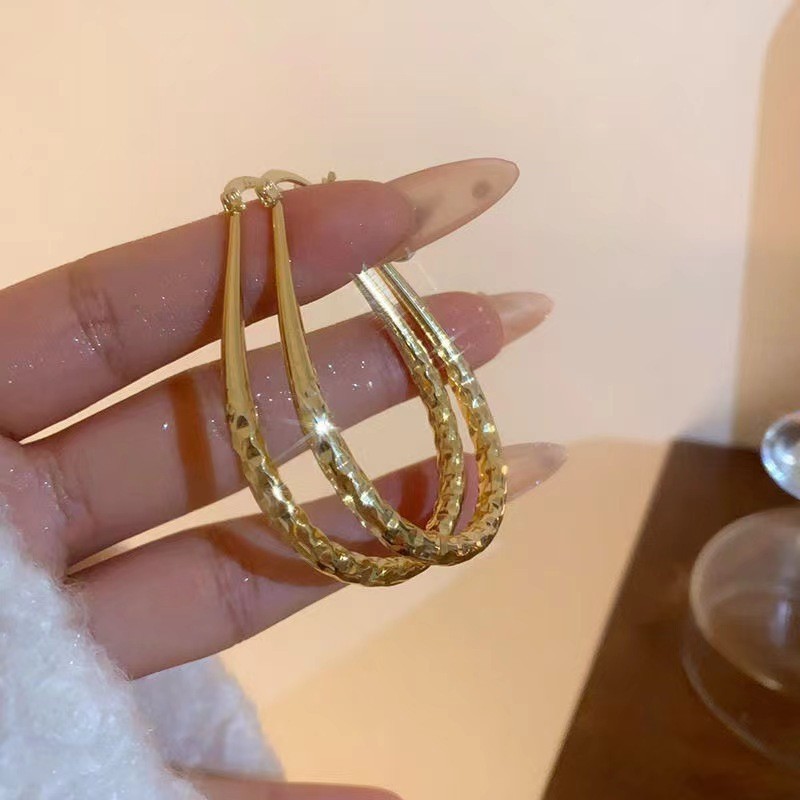 14K Real Solid Yellow Gold Diamond Cut Teardrop Hoop Earrings$26.07View on eBay
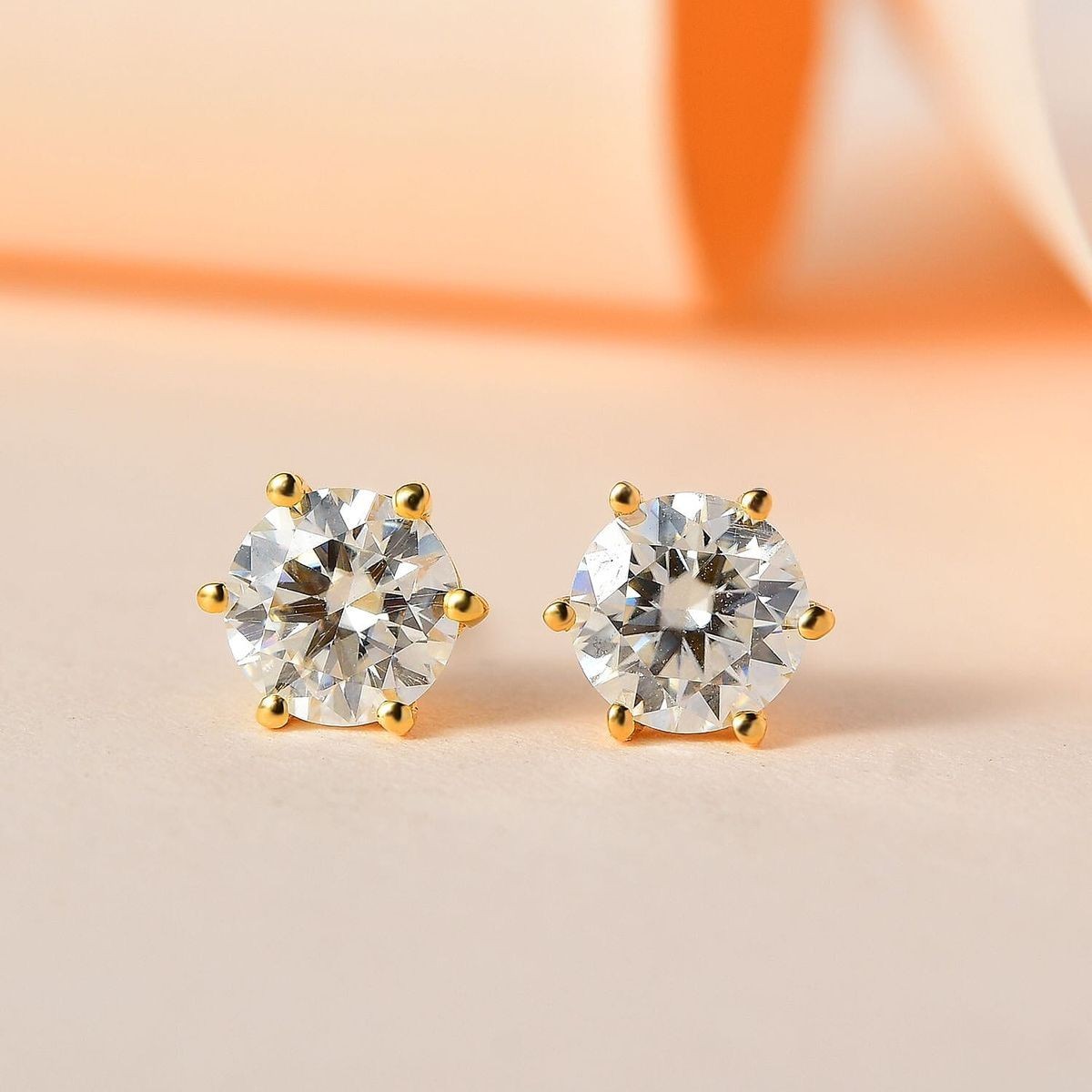 2.30Ct Round Cut Lab Grown Diamond 6 Prong Stud Earrings 14K Yellow Gold Plated$34.99Last checked Nov 25, 2026View on eBay
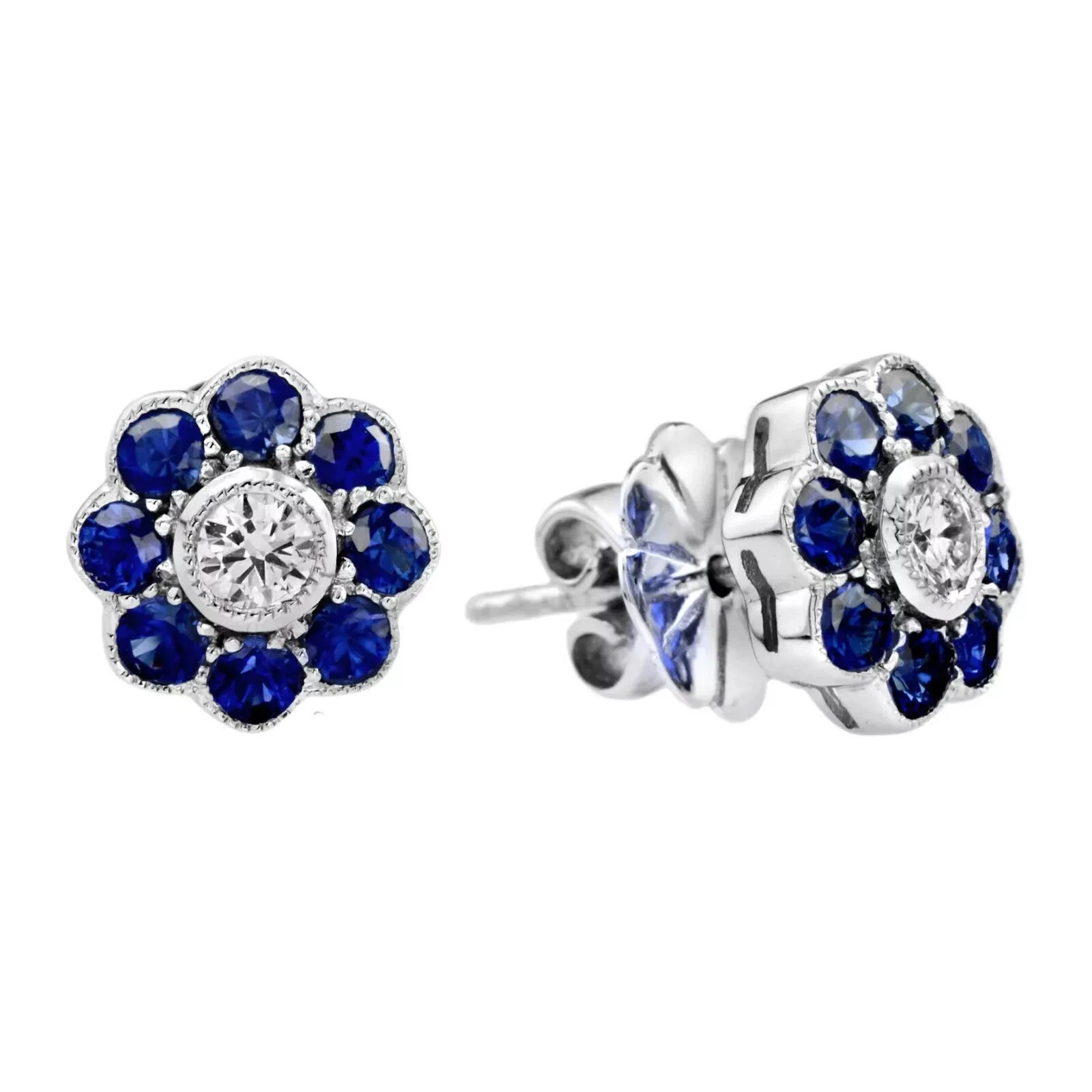 Art Deco Style Lab Created Diamond & Sapphire Wedding 14K White Gold FN Earrings$34.99View on eBay
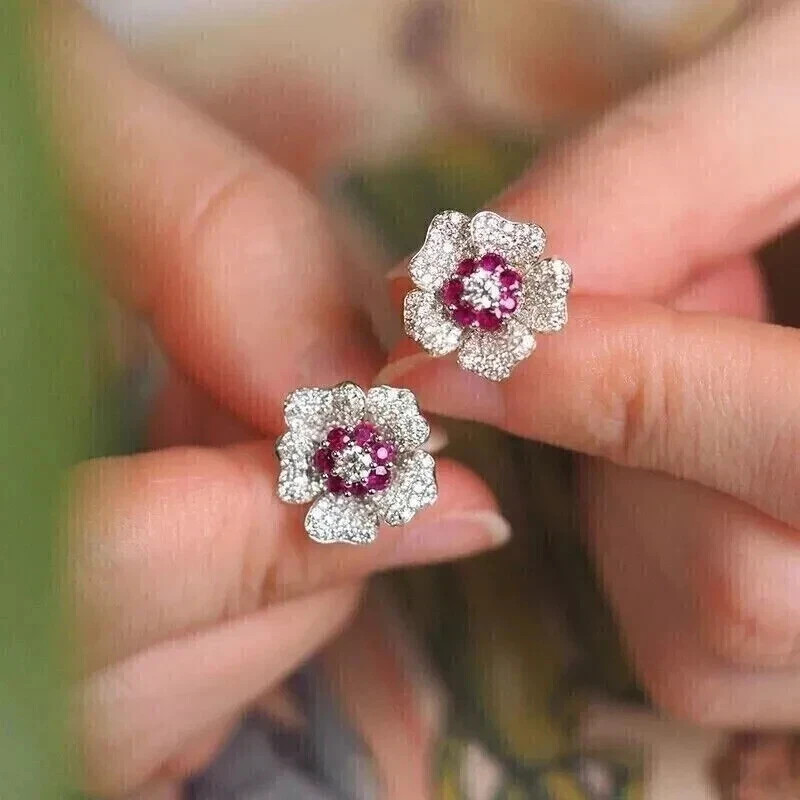 Art Deco Style Ruby & Lab Created Diamond Flower 14k White Gold Finish Earrings$39.99View on eBay
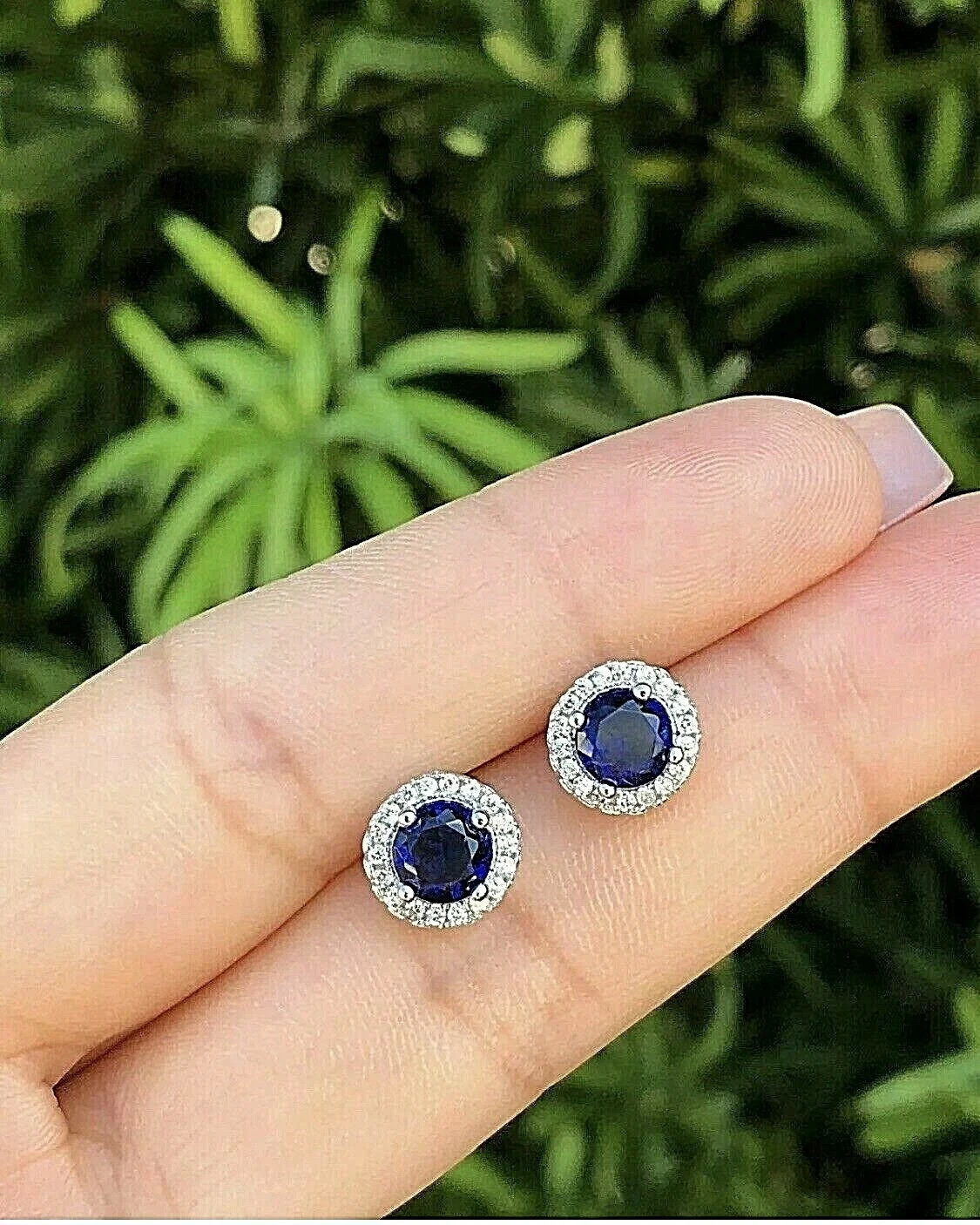 Round Lab Created Sapphire & Diamond Halo Stud Earrings in 14K White Gold Plated$45.09Last checked Nov 28, 2026View on eBay
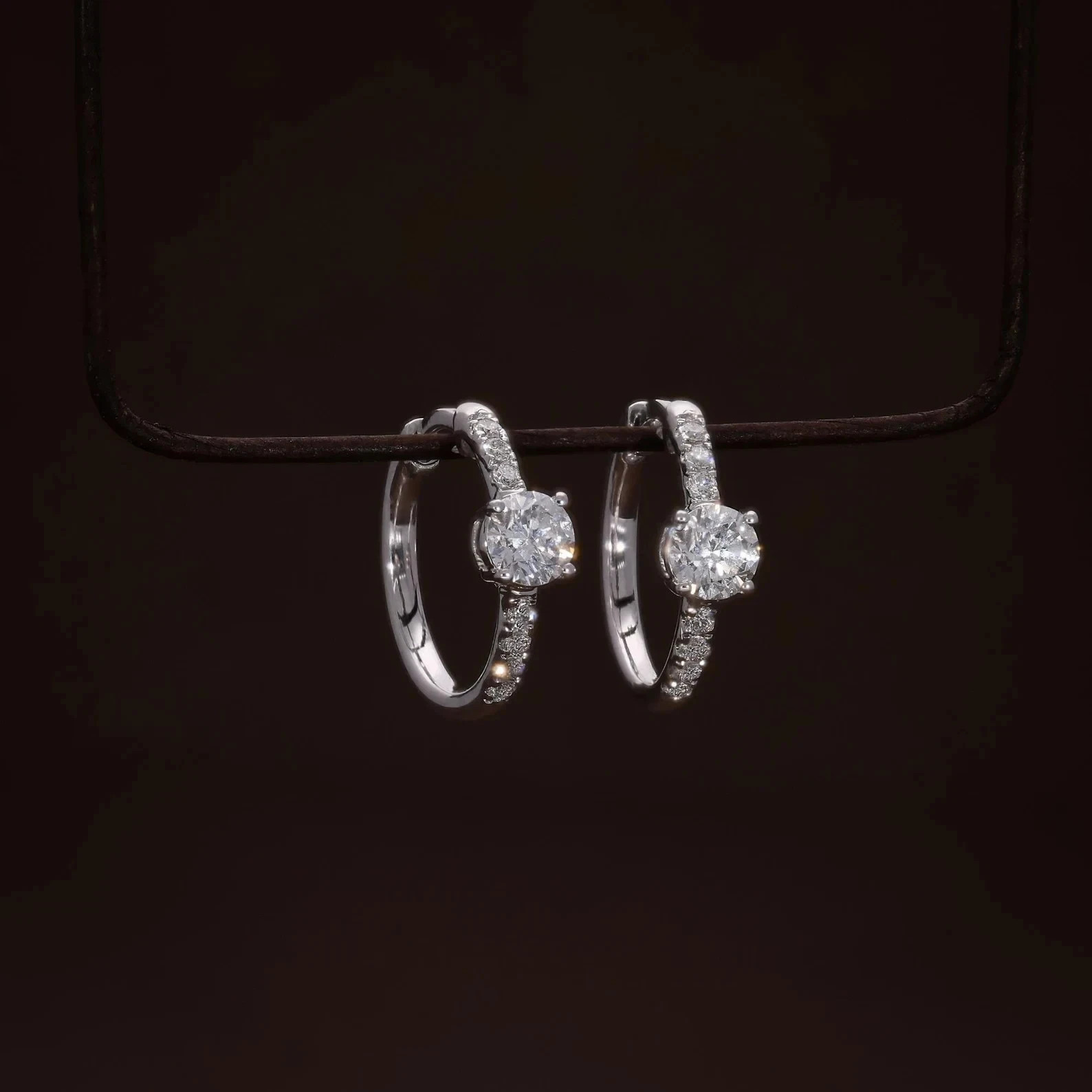 1.00 CTW Round Lab Created Diamond Hoop Women's Earrings 14K White Gold Plated$56.55Last checked Nov 21, 2026View on eBay
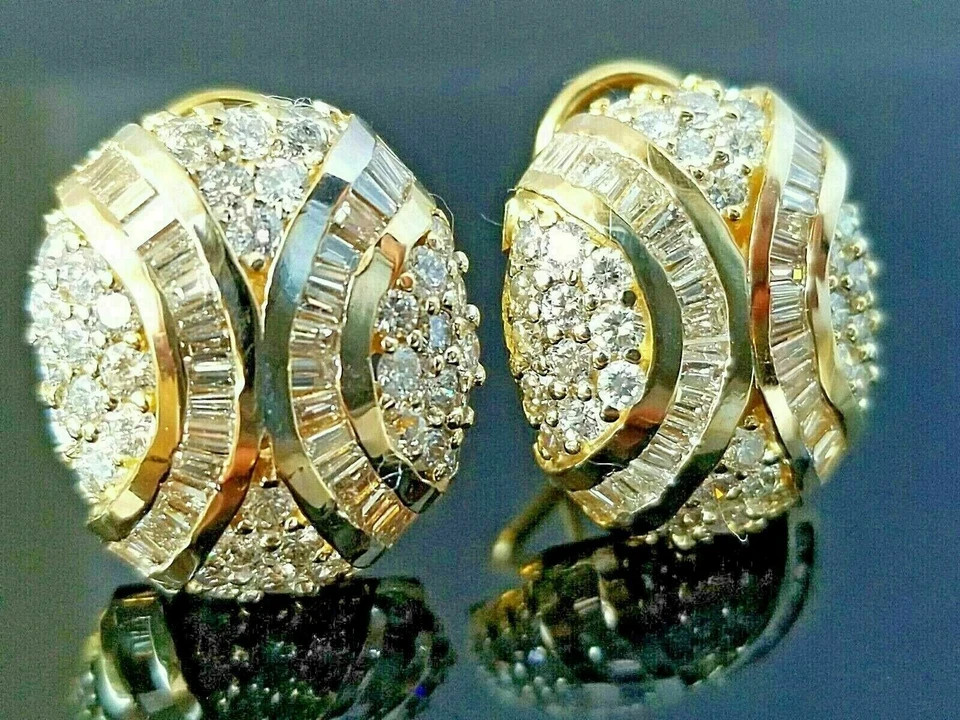 2 Ctw Round Lab Created Diamond Omega Back Stud Earrings 14k Yellow Gold Plated$83.99View on eBay
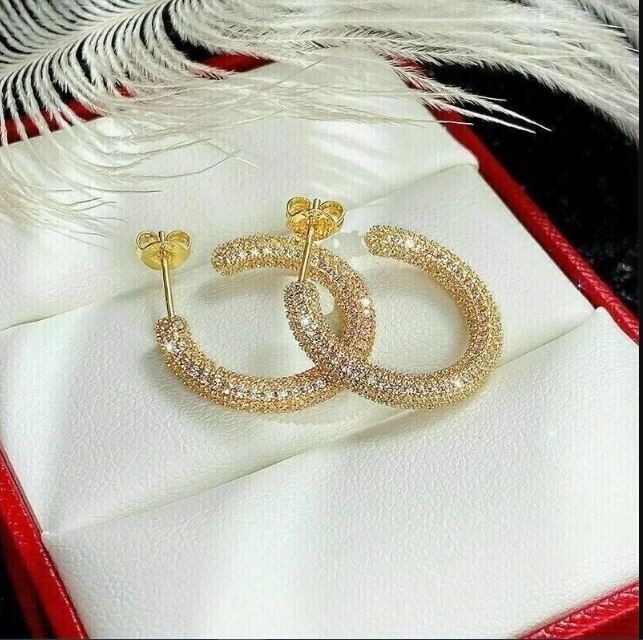 Round Cut Simulated Diamond Pretty Hoop & Huggie Earrings 14k Yellow Gold Plated$98.40Last checked Nov 18, 2026View on eBay
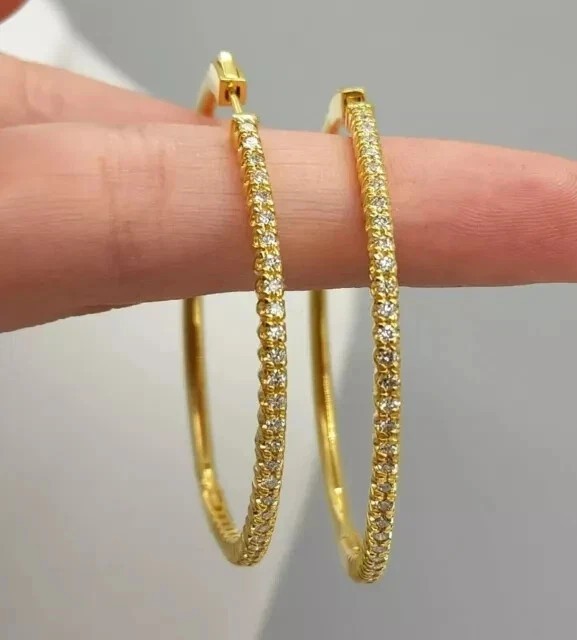 2Ct Round Cut Simulated Diamond Women's Hoop Earring In 14k Yellow Gold Plated$98.80Last checked Nov 18, 2026View on eBay
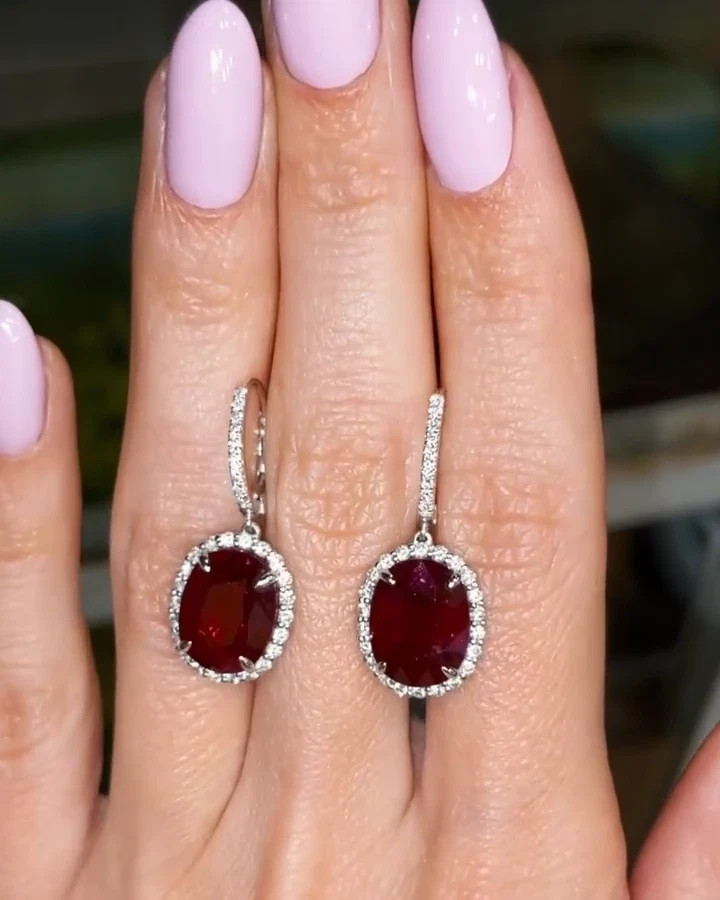 5.60 Ct Oval Cut Natural Ruby Diamond Drop 14K Solid White Gold Earring$151.24View on eBay
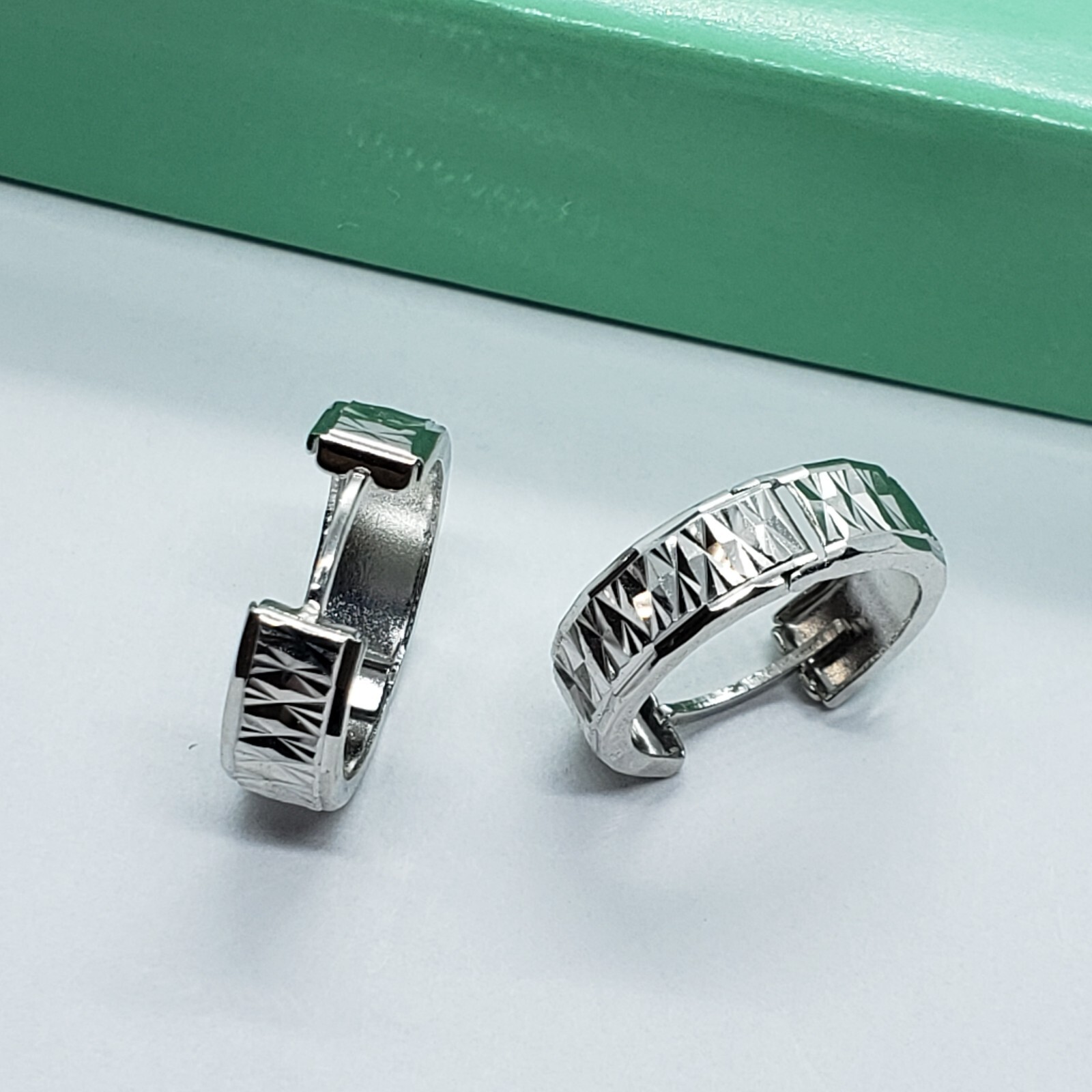 14K Real Yellow White Gold Huggie Hoop Earrings Diamond Cut Round 13mm Men Women$262.14Last checked Nov 16, 2026View on eBay
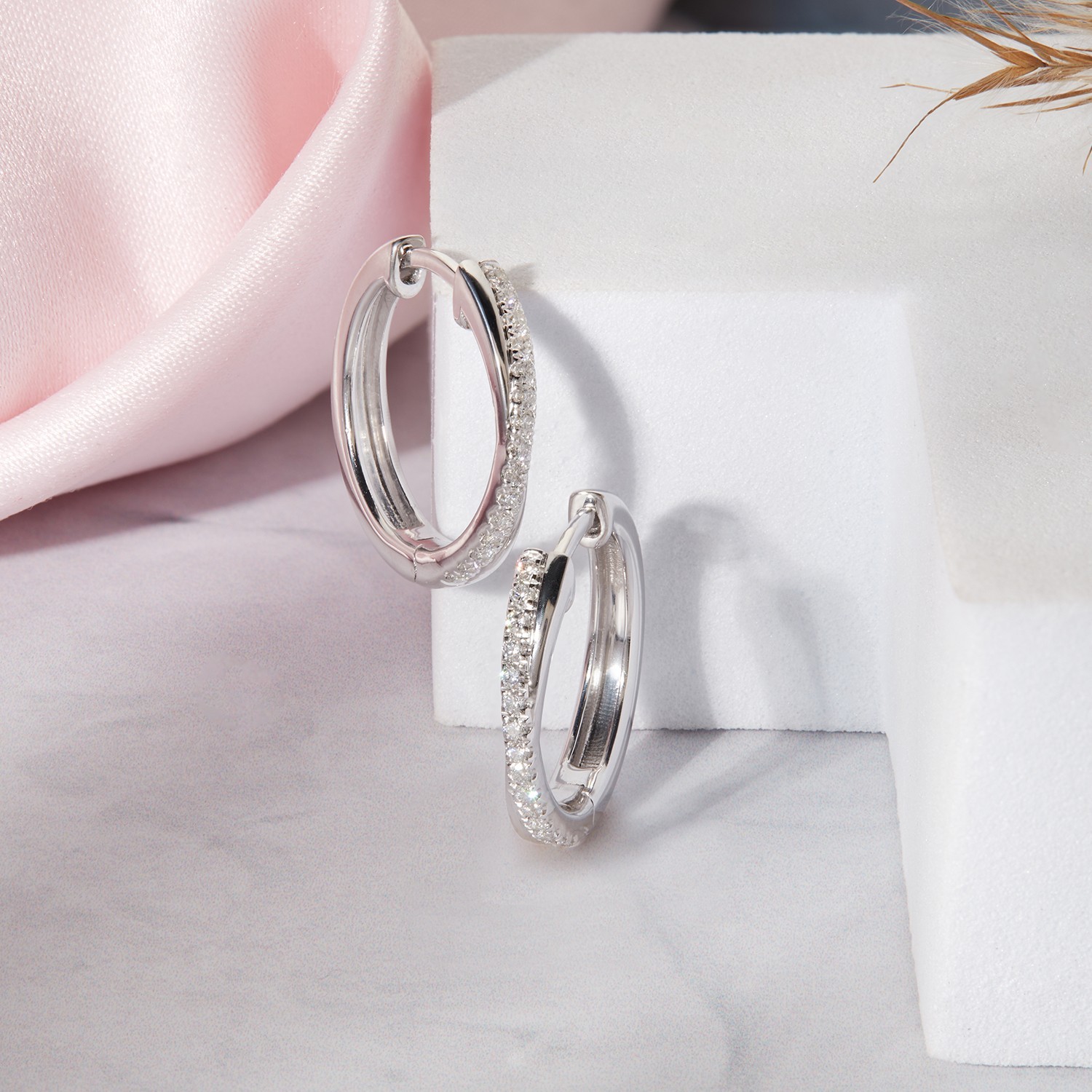 Lab Grown Diamond Women's Hoop Earring 14K White Gold Over 0.25 Ct Round Cut$312.48Last checked Nov 14, 2026View on eBay
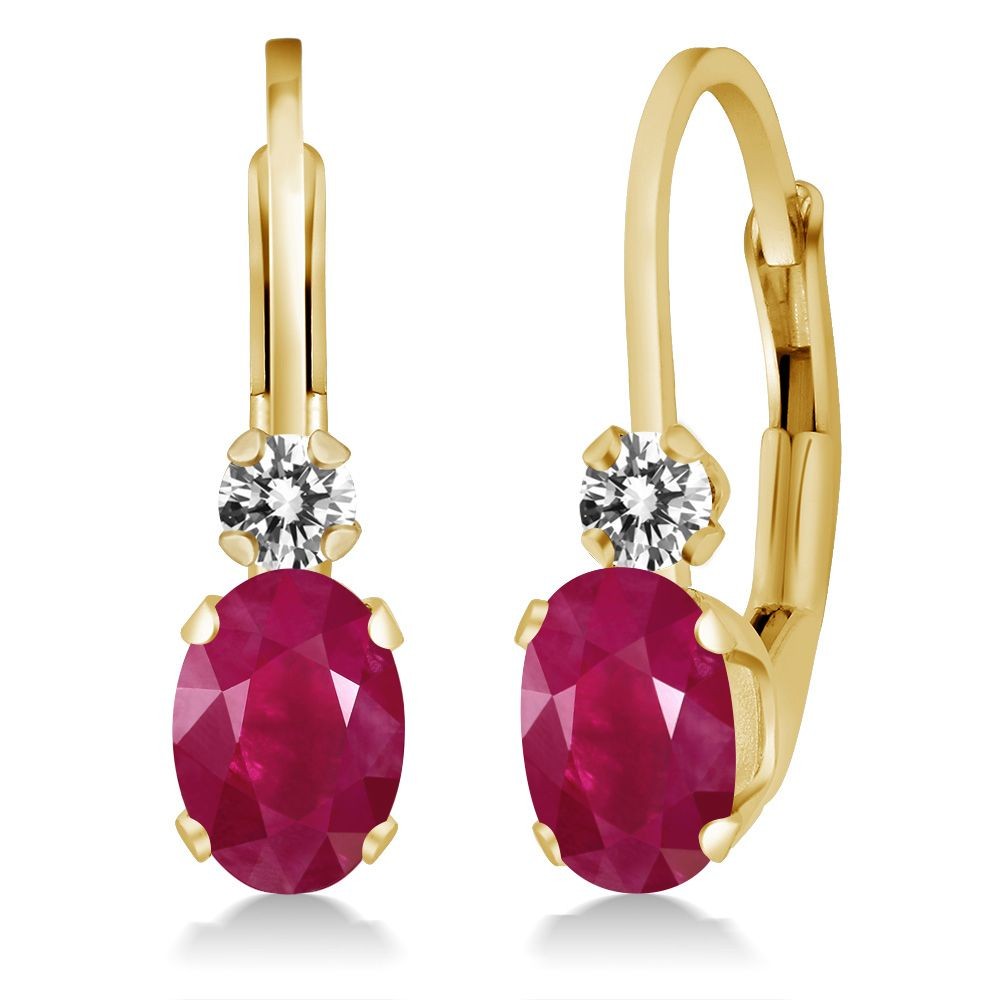 14K Yellow Gold Ruby and Diamond Earrings For Women (1.27 Cttw, Gemstone$349.99Last checked Nov 14, 2026View on eBay
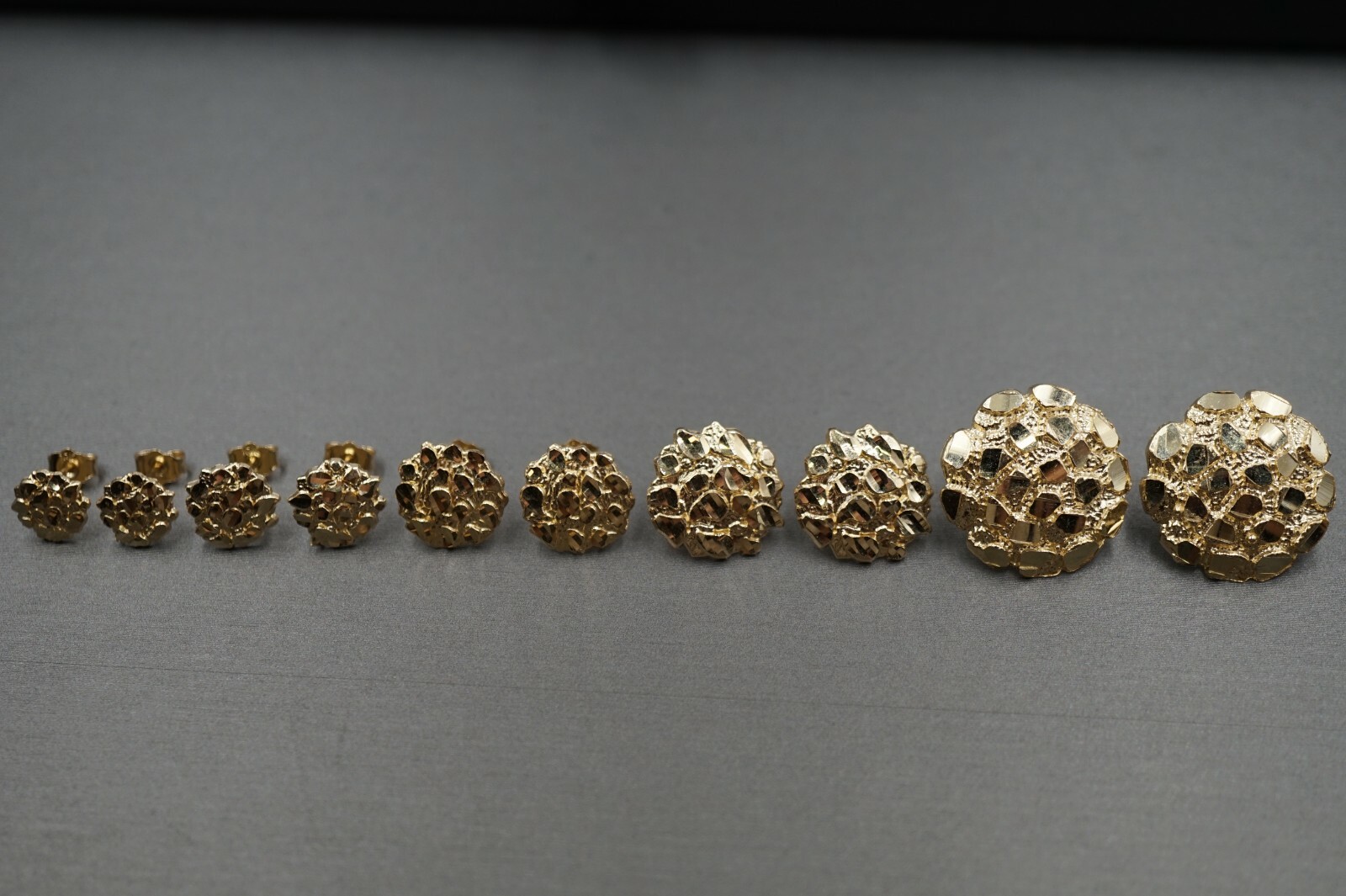 10K Solid Yellow Gold Diamond Cut Round Nugget Men Women Children Stud Earrings.$350.90Last checked Nov 16, 2026View on eBay
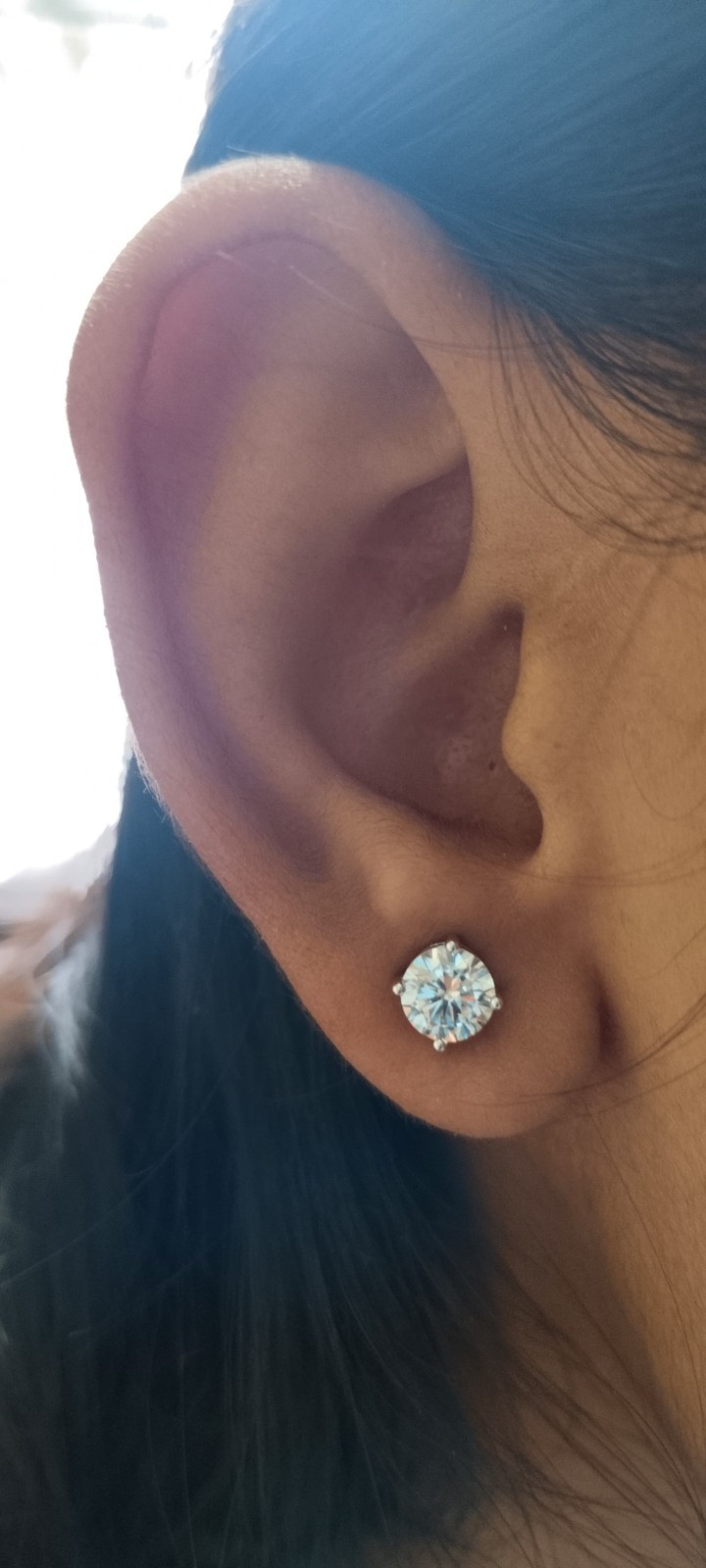 GIA 2.00Ct Round Cut Natural Diamond Stud Earrings In 14K White Gold Pair$450.00Last checked Nov 14, 2026View on eBay
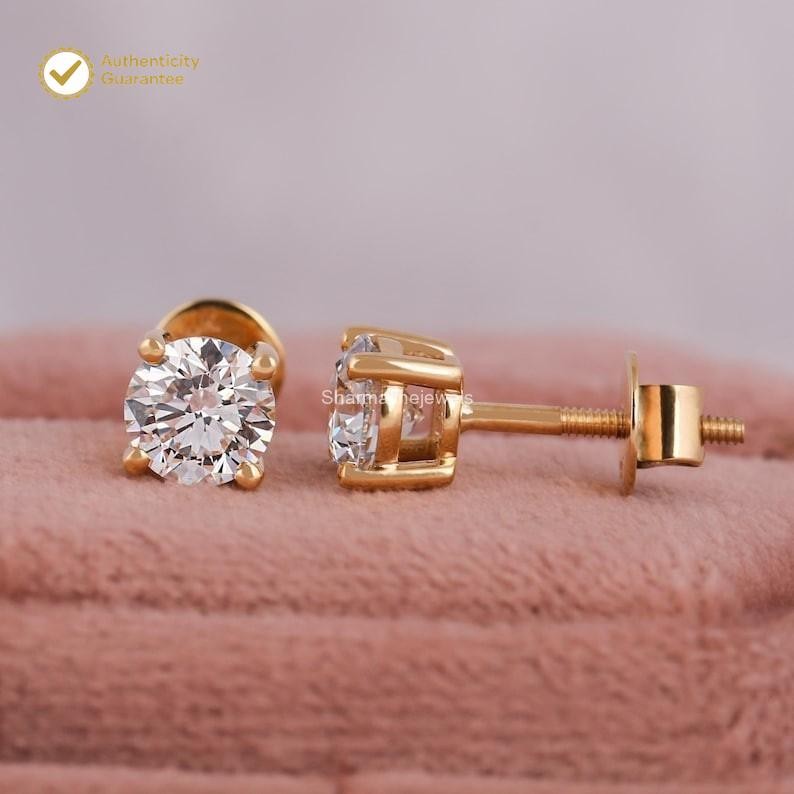 2ct Round Cut Certified Natural Diamond Studs Earrings 14K Solid Yellow Gold$1,523.53Last checked Nov 14, 2026View on eBay
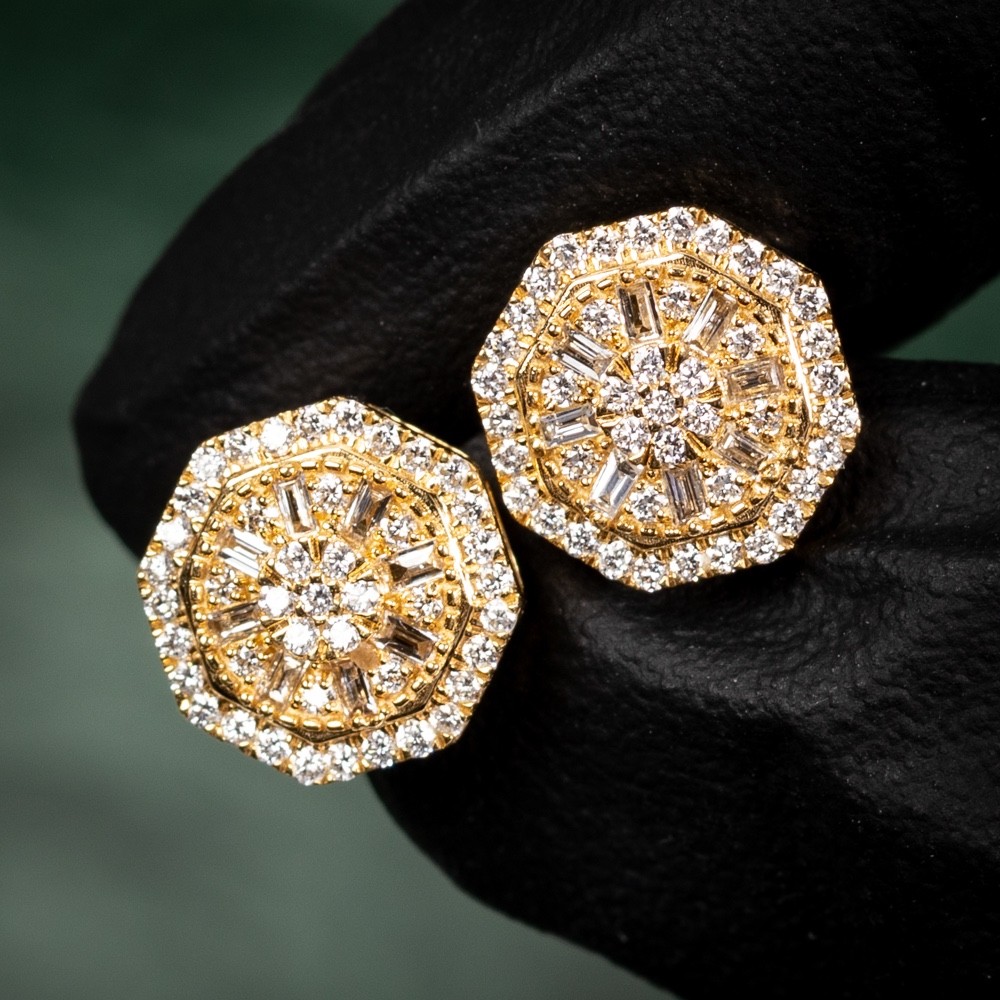 Octagon VVS Lab Grown Diamond 10K Yellow Gold 0.60Ct Baguette Stud Earrings$2,501.99Last checked Nov 14, 2026View on eBay
Highlights
- Solid 14K gold (58.5% purity) resists tarnish and holds stones for decades; 18K (75%) is softer and richer in color but more prone to scratching.
- Lab-grown diamonds are chemically identical to natural ones and cost less; simulants like cubic zirconia or moissanite scratch and cloud over time.
- Stud earring posts should be 0.8-1.0mm thick in 14K gold or titanium; thin plated posts bend and irritate sensitive ears.
- Hoop and huggie earrings need a secure hinge or latch closure; friction backs on studs are fine for daily wear but screw-backs are better for high-value stones.
Best use cases
- Daily wear for sensitive ears: pick solid 14K yellow or white gold studs with screw-back or guardian backs and lab-grown or natural diamonds, skip plated brass and sterling silver posts.
- Men's earrings: choose 2-3mm round or princess-cut single studs or small huggie hoops in 14K white or yellow gold; skip drop, dangle, and multi-stone cluster styles.
- Special-occasion or bridal: select 18K gold with certified natural diamonds in halo, drop, or art-deco settings; skip plated finishes and simulated stones that photograph well but degrade.
- Budget fashion rotation: gold-plated sterling silver with cubic zirconia is acceptable for occasional wear if you accept replating every 6-12 months; skip it for everyday shower and gym use.
Buying tips
- Check the stamp: 14K or 585 means 58.5% gold, 18K or 750 means 75%; '14K gold plated' or 'gold finish' is a micron-thin layer over brass or silver and will wear off.
- For diamonds under 0.20 ct total weight, certification matters less than cut quality; above 0.50 ct insist on GIA, IGI, or AGS reports with color G-H or better and VS clarity or better.
- Match earring weight to comfort: studs under 2 grams per ear suit all-day wear; hoops over 5 grams per ear need a locking latch or they will sag and stretch piercings.
- Buy pairs, not singles, for symmetry; single earrings are useful only for cartilage, helix, or second-hole styling where mismatch is intentional.
Specs
| Gold Purity | 14K (58.5%) vs 18K (75%) solid |
|---|---|
| Diamond Origin | Natural (GIA/AGS) vs Lab-grown (IGI) |
| Closure Type | Screw-back, friction, latch, French wire |
| Setting Style | Stud, huggie hoop, drop, halo, cluster |
Related searches
What to check before buying
- Measure your piercing: standard lobe piercings fit 0.8-1.0mm posts; cartilage and helix piercings need 1.0-1.2mm posts and longer 6-8mm lengths for healing.
- Confirm metal allergy needs: nickel-sensitive buyers should choose 14K/18K gold, platinum, or titanium; sterling silver and plated brass often contain trace nickel.
- Check closure type against lifestyle: screw-backs and locking latches for active wear and high-value stones; friction backs and French wires for easy on-off.
- Verify diamond origin and documentation: natural diamonds should come with a grading report; lab-grown should be disclosed and ideally certified by IGI or GIA.
FAQ
Data sources: eBay / Amazon listings and product attribute feeds. Updated Nov 29, 2026.
Some links on this page are affiliate links. If you buy after clicking one, we may earn a commission at no extra cost to you. This does not change which products appear here or their order. Affiliate disclosure.