
Photos from current listings. Actual item, color, and included accessories may vary.
Gold Oval Engagement Ring Buying Guide
Gold oval engagement rings pair a elongated brilliant-cut center stone with yellow, white, or rose gold settings, and the decisive trade-off is between plated costume construction and solid karat gold with a certified center stone. The clear rule: solid 14K or 18K gold with a GIA/IGI-certified natural or lab-grown diamond is durable and resale-grounded, while gold-plated brass with CZ or garnet is a fashion piece that will wear through within months of daily wear.
Median $470.00
Key takeaways
- Solid 14K gold (58.5% purity) balances daily-wear hardness with cost; 18K (75%) is softer and richer in color but more prone to micro-scratches on prongs.
- Gold-plated rings use a brass or silver base with a micron-thin layer that abrades at the prong tips and inner shank within 6-12 months of continuous wear.
- Oval diamond certification from GIA or IGI confirms cut, color, and clarity grades; uncertified 'natural diamond' claims cannot be independently verified for grading consistency.
At a glance
- Category
- Rings & Earrings
- Last updated
- Nov 27, 2026
Current offers
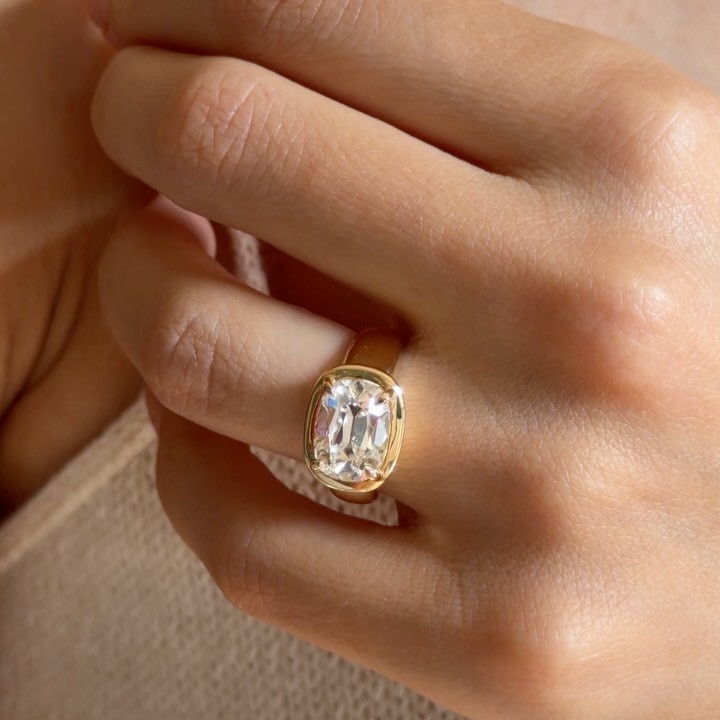 3.59 Ct Oval Cut Diamond Bezel Solitaire Engagement Ring Solid 18K Yellow Gold$330.41Last checked Nov 14, 2026View on eBay
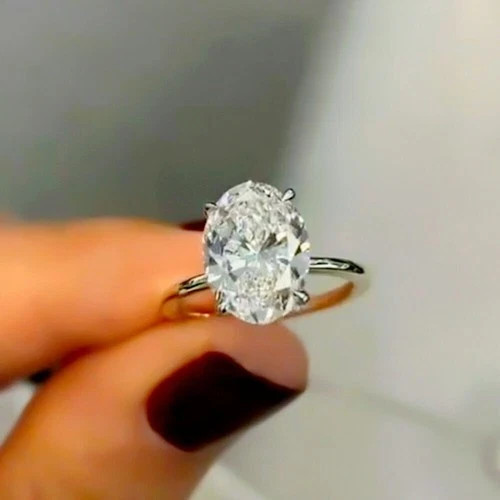 2.00Ct Oval Cut Natural Certified Diamond Engagement Ring 14k White Gold 6 7 8$470.00Last checked Nov 14, 2026View on eBay
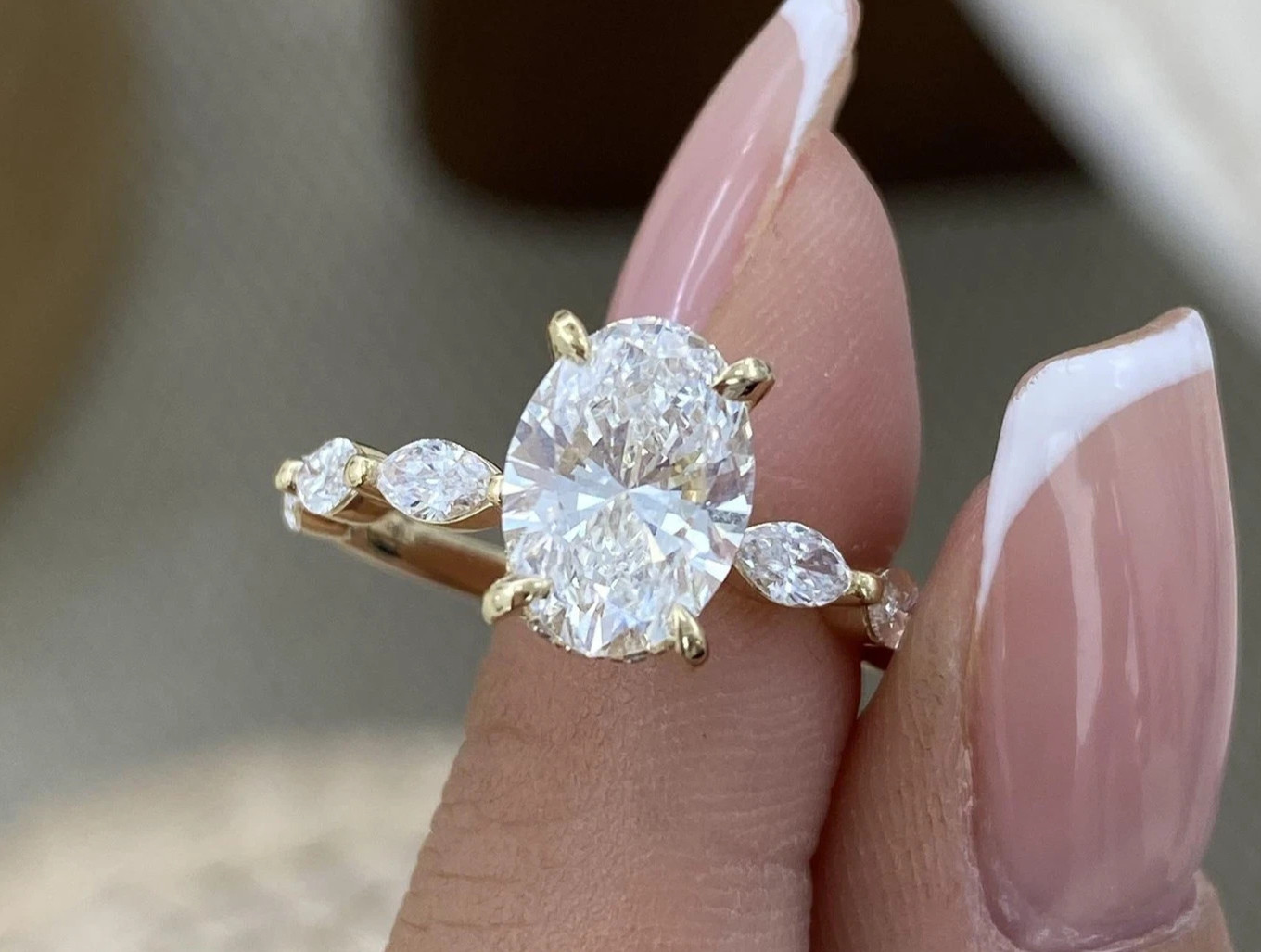 2.80 CT Oval Cut EF/ VS1 Lab Grown Diamond Engagement Ring 14k Yellow Gold$1,608.74Last checked Nov 14, 2026View on eBay
Highlights
- Solid 14K gold (58.5% purity) balances daily-wear hardness with cost; 18K (75%) is softer and richer in color but more prone to micro-scratches on prongs.
- Gold-plated rings use a brass or silver base with a micron-thin layer that abrades at the prong tips and inner shank within 6-12 months of continuous wear.
- Oval diamond certification from GIA or IGI confirms cut, color, and clarity grades; uncertified 'natural diamond' claims cannot be independently verified for grading consistency.
- Bezel settings fully encircle the girdle for maximum security; four-prong settings expose more of the oval for light return but snag on clothing and risk chipping at the pointed ends.
Best use cases
- Daily-wear engagement: choose solid 14K or 18K gold with a certified diamond in a bezel or six-prong setting; skip gold-plated brass with CZ or garnet, which discolors and loosens stones.
- Budget-conscious but durable: pick 14K yellow gold with a lab-grown oval diamond (EF/VS1 range) and IGI certificate; skip 18K if the priority is scratch resistance on a high-activity hand.
- Vintage or unusual look: a 14K gold-plated leaf-motif ring with garnet suits occasional wear and costume styling; it is the wrong fit for a lifelong engagement piece.
- Resale or heirloom intent: solid 18K gold with a GIA-certified natural diamond holds intrinsic value; plated settings and lab-grown stones trade at steep discounts on the secondary market.
Buying tips
- Confirm the metal stamp inside the shank: '14K' or '585' means solid 14K gold; '18K' or '750' means solid 18K; '14K GP' or 'gold plated' means a thin layer over base metal.
- For an oval center, a 1.5-2.0 ct equivalent reads large on a size 6-7 finger; size down to 1.0-1.5 ct for hands under size 5.5 to avoid overhang past the knuckle.
- Insist on a GIA or IGI report number for any diamond over 0.50 ct; match the report number laser-inscribed on the girdle to the paper certificate.
- Lab-grown ovals cost a fraction of natural and grade identically on the 4Cs; choose natural only if resale value or traditional provenance matters to you.
Specs
| Metal Purity | Solid 14K/18K vs gold-plated brass |
|---|---|
| Center Stone | Certified diamond vs CZ/garnet |
| Setting Type | Bezel / 4-prong / 6-prong |
| Certification | GIA or IGI report for 0.50 ct+ |
Related searches
What to check before buying
- Measure the intended ring finger with a proper sizing set at room temperature; oval settings cannot be resized more than about one size without risking prong distortion.
- Match the band width to the center stone: 1.8-2.2 mm shanks suit 1-2 ct ovals; thinner shanks under 1.5 mm bend and wear through faster.
- Decide yellow vs white vs rose gold before ordering, since re-plating white gold with rhodium every 12-18 months is a recurring cost and color shifts are permanent.
- Check the setting height against your lifestyle: high-profile prong settings catch on gloves and gym equipment; low-profile bezels sit flush and survive active hands.
FAQ
Data sources: eBay / Amazon listings and product attribute feeds. Updated Nov 27, 2026.
Some links on this page are affiliate links. If you buy after clicking one, we may earn a commission at no extra cost to you. This does not change which products appear here or their order. Affiliate disclosure.