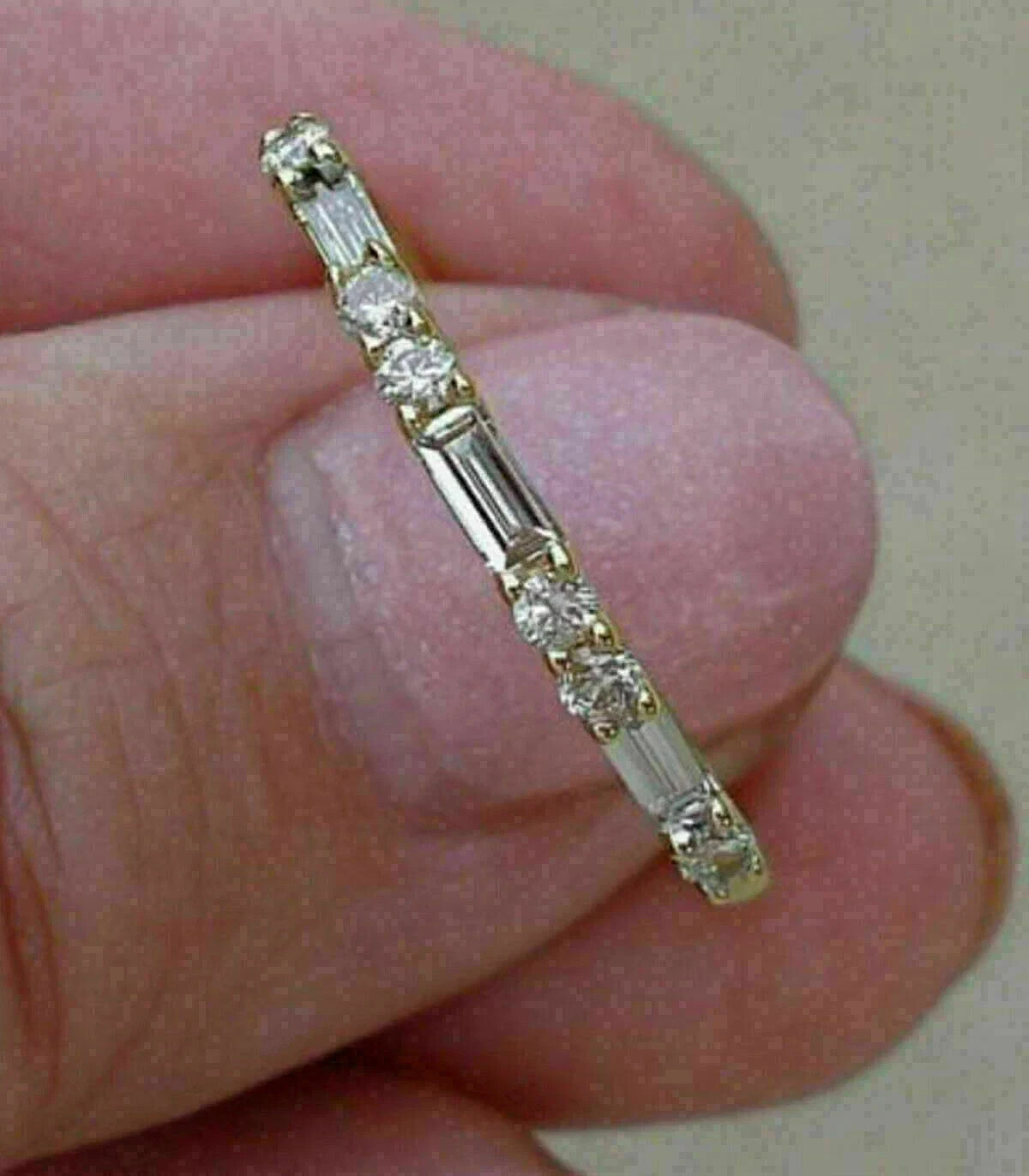

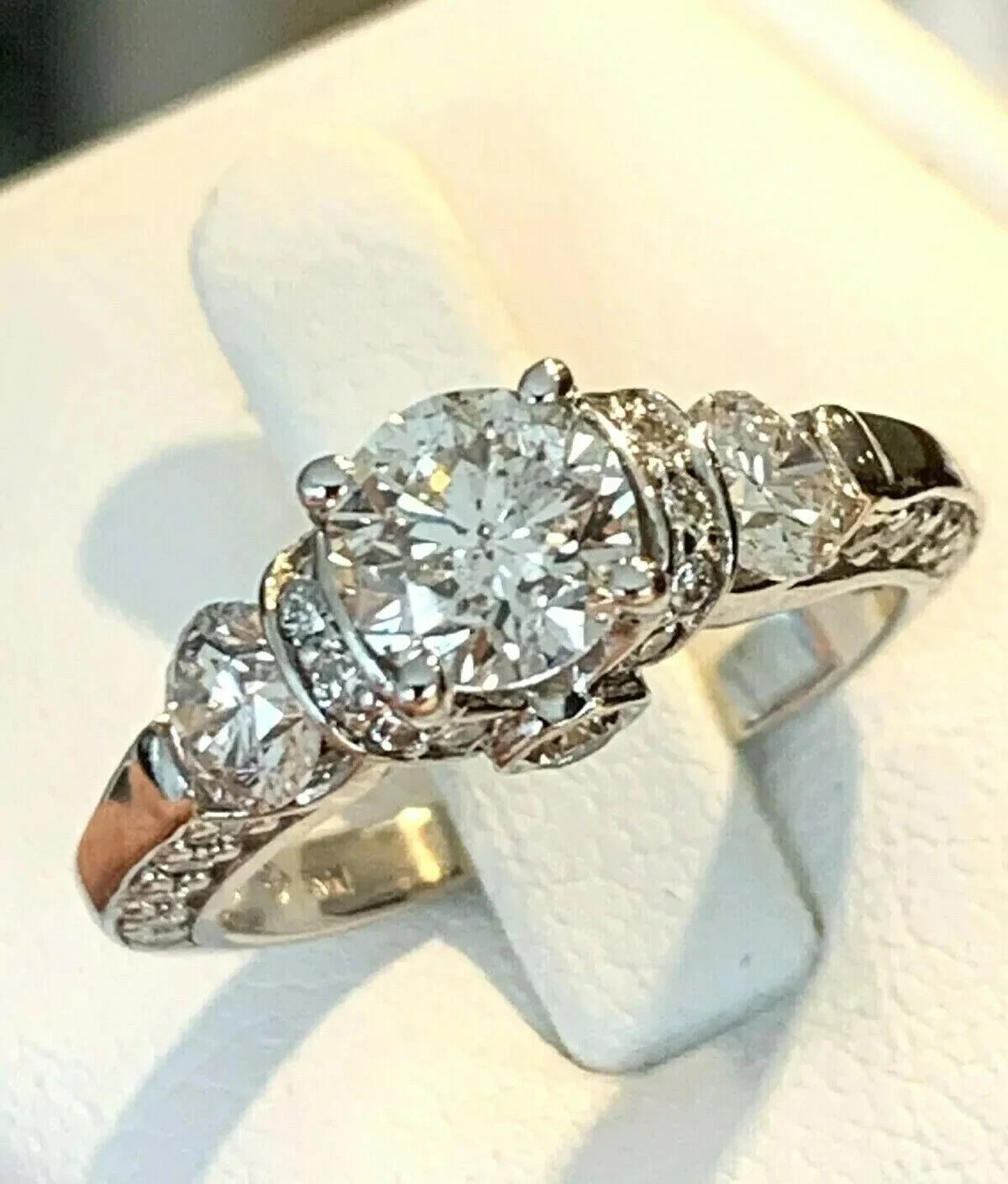
Photos from current listings. Actual item, color, and included accessories may vary.
Lab Created Diamond Ring Buying Guide
Lab created diamond rings use diamonds grown in a lab with identical chemical, physical, and optical properties to mined stones, letting buyers prioritize cut quality and metal choice over origin premium. The core trade-off is between solid gold settings with certified stones and plated or hollow constructions with uncertified stones that wear out or lack verifiable grading. The decision rule: require a named lab certificate (IGI or GIA), solid 14K or 18K gold, and a stated setting style before considering any lab diamond ring durable.
Median $73.46
Key takeaways
- Lab diamonds are Type IIa and rate 10 on the Mohs scale — identical hardness and brilliance to mined diamonds, so durability depends on the setting and metal, not the stone origin.
- Solid 14K gold (58.5% purity) resists daily wear; 14K white gold plating over brass or silver wears through in months, exposing base metal and requiring re-plating.
- IGI and GIA certificates verify cut, color, clarity, and carat — uncertified 'lab created' stones may be CVD-grown with undisclosed post-growth treatment affecting color stability.
At a glance
- Category
- Rings & Earrings
- Last updated
- Nov 28, 2026
Current offers
Highlights
- Lab diamonds are Type IIa and rate 10 on the Mohs scale — identical hardness and brilliance to mined diamonds, so durability depends on the setting and metal, not the stone origin.
- Solid 14K gold (58.5% purity) resists daily wear; 14K white gold plating over brass or silver wears through in months, exposing base metal and requiring re-plating.
- IGI and GIA certificates verify cut, color, clarity, and carat — uncertified 'lab created' stones may be CVD-grown with undisclosed post-growth treatment affecting color stability.
- Setting architecture determines security: six-prong or bezel settings protect girdles in daily wear, while thin four-prong or channel-only eternity bands risk stone loss under impact.
Best use cases
- Daily-wear engagement or wedding ring: choose a solid 14K–18K gold band with a six-prong or bezel-set IGI-certified stone — skip plated white gold and uncertified solitaires.
- Eternity or anniversary band for active hands: pick a channel-set or bezel-set eternity band in solid gold; avoid prong-set eternity styles where shared prongs wear and loosen over years.
- Occasional or fashion wear on a tighter budget: a 14K gold-plated ring with a stated plating thickness (2.5 microns or more) is acceptable if you accept re-plating every 12–24 months; skip hollow or brass-core settings.
- Upgrade or travel ring: a bezel-set lab diamond in 14K gold offers low-profile security; skip micro-pavé halos in thin bands, which shed stones under knocks.
Buying tips
- Demand a certificate number verifiable on IGI or GIA lookup — a lab-grown report lists growth method (CVD/HPHT), color, clarity, and exact carat to 0.01 ct.
- For white gold, confirm solid 14K or 18K (not 'gold plated' or 'gold filled'); rhodium plating on solid white gold is normal maintenance, but base-metal plating is a durability failure.
- Match band width to stone size: a 2 ct round (about 8.1 mm diameter) needs a band at least 2 mm wide at the base to resist bending; 1.5 mm bands deform under daily wear.
- For eternity bands, measure knuckle size and add 0.25–0.5 size for comfort fit — full-eternity rings cannot be resized without resetting stones.
Specs
| Stone Hardness | 10 Mohs (same as mined diamond) |
|---|---|
| Metal Purity | Solid 14K/18K gold vs plated base |
| Certification | IGI or GIA lab-grown report |
| Setting Security | Six-prong/bezel vs thin four-prong |
Related searches
What to check before buying
- Know your ring size measured at room temperature on the intended finger — knuckles swell in heat, so size at day's end for accuracy.
- Confirm metal hallmark inside the band reads 14K or 18K (585/750) — 'gold plated' or 'gold tone' stamps signal a non-durable base.
- For white gold, budget for rhodium re-plating every 12–24 months to maintain color; yellow or rose gold needs only occasional polishing.
- Check stone setting height against your lifestyle — a high-profile solitaire catches on clothing and gloves; a low bezel sits flush for active hands.
FAQ
Data sources: eBay / Amazon listings and product attribute feeds. Updated Nov 28, 2026.
Some links on this page are affiliate links. If you buy after clicking one, we may earn a commission at no extra cost to you. This does not change which products appear here or their order. Affiliate disclosure.