
Photos from current listings. Actual item, color, and included accessories may vary.
Men Earring Buying Guide
Men's earrings span a wide range of materials, closures, and styles, from daily-wear studs to statement hoops. The primary trade-off is between skin-safe, durable metals (surgical stainless steel, titanium, solid gold) and cheaper plated or alloy options that tarnish, flake, or irritate. The clear decision rule: prioritize implant-grade metals and secure closures for everyday wear; reserve plated or fashion pieces for occasional use with proper care.
Median $10.10
Key takeaways
- Surgical stainless steel (316L) offers corrosion resistance and low nickel release, making it a reliable baseline for sensitive ears; avoid mystery alloys labeled only 'stainless steel'.
- Titanium (especially ASTM F136 implant-grade) is lighter and more biocompatible than steel, ideal for new or sensitive piercings, though it costs more and limits style variety.
- Hoop earrings are defined by internal diameter: 8–10 mm reads as a subtle huggie, 12–16 mm is a standard daily hoop, and 20 mm+ makes a statement; match diameter to earlobe size and piercing placement.
At a glance
- Category
- Rings & Earrings
- Last updated
- Nov 27, 2026
Current offers
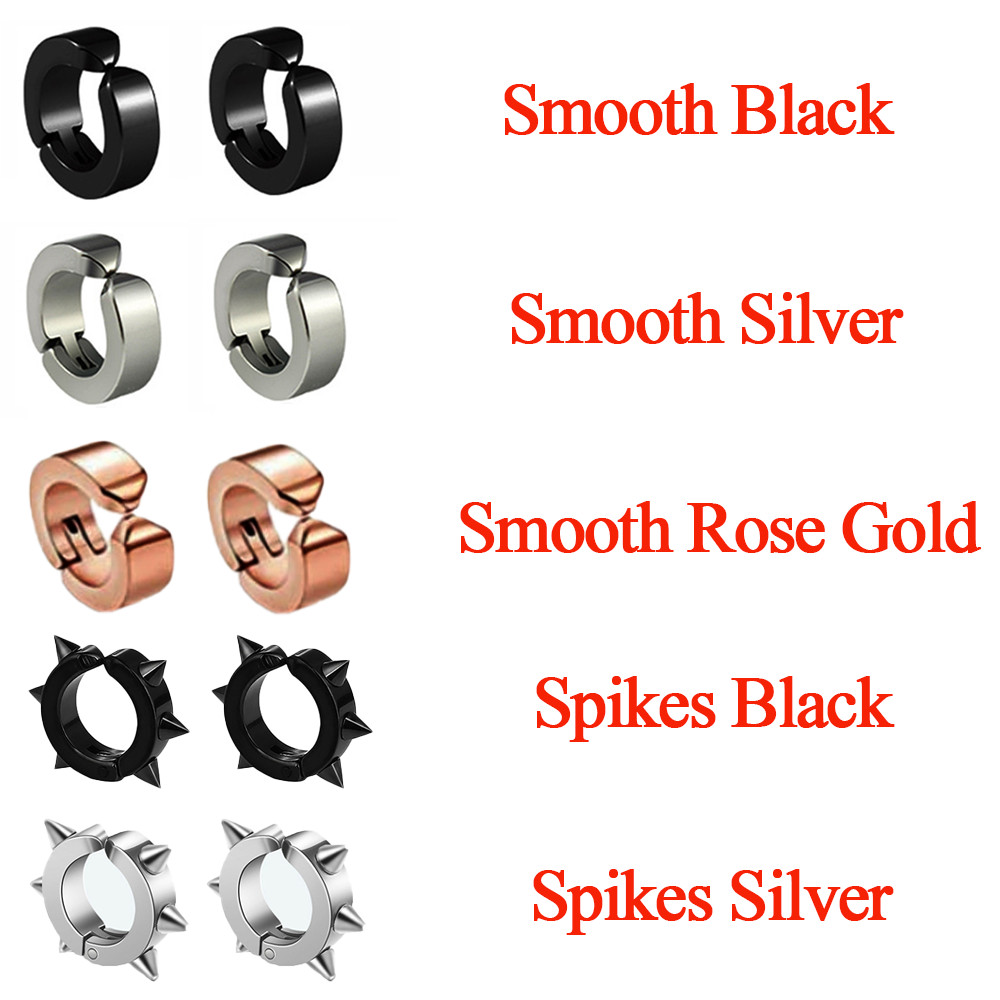 Non-Piercing Fake Ear Stud Cuff Hoop Earrings Stainless Steel Men Women$3.13Last checked Nov 24, 2026View on eBay
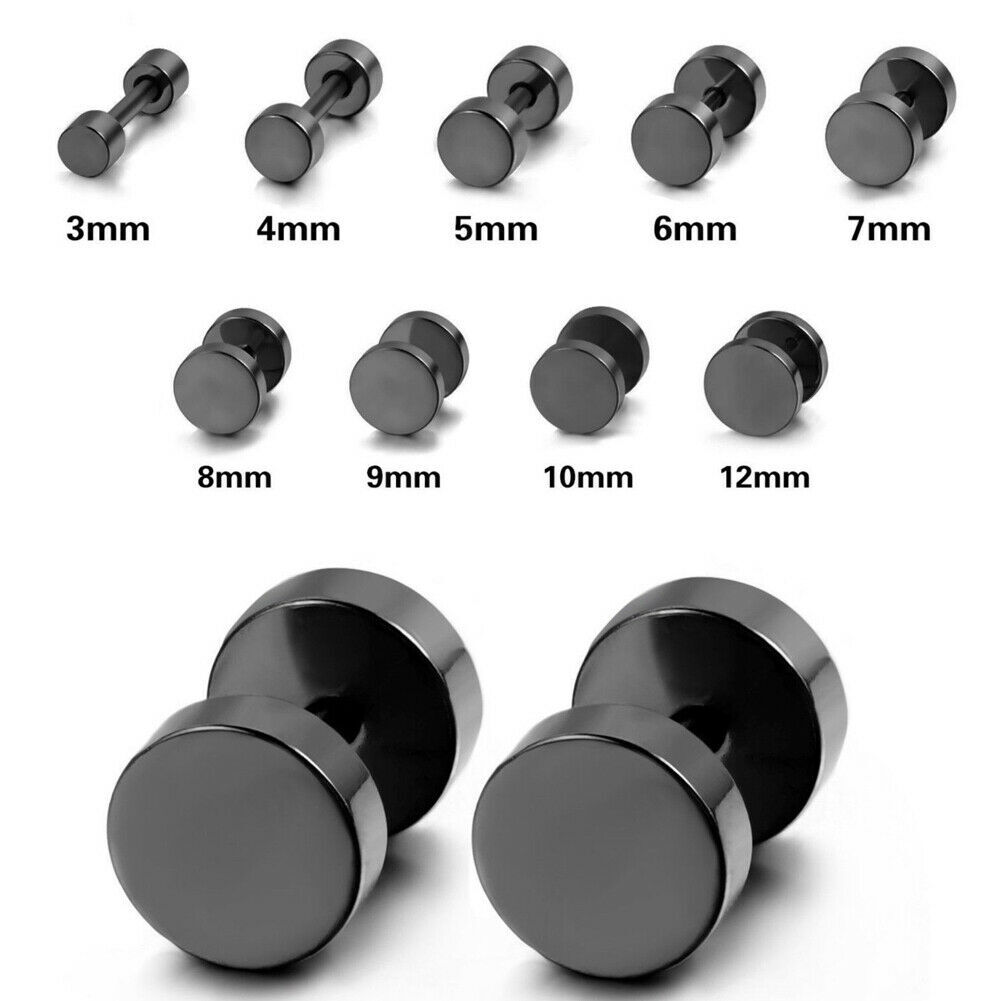 Flat Back Surgical Stainless Steel Stud Earrings for Women Men Piercing Jewelry$3.69Last checked Nov 19, 2026View on eBay
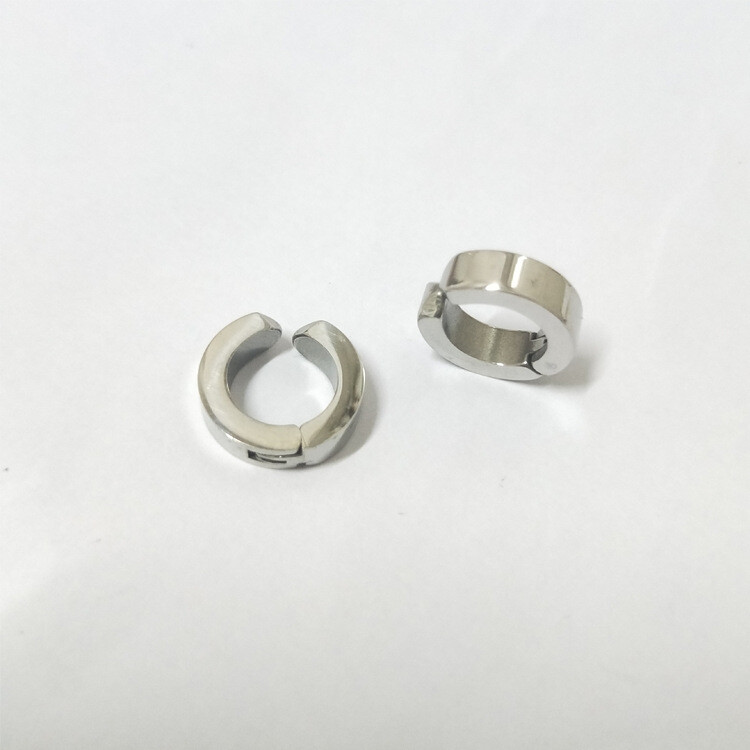 Non-Piercing Fake Ear Stud Cuff Hoop Earrings Stainless Steel Men Women$3.86Last checked Nov 20, 2026View on eBay
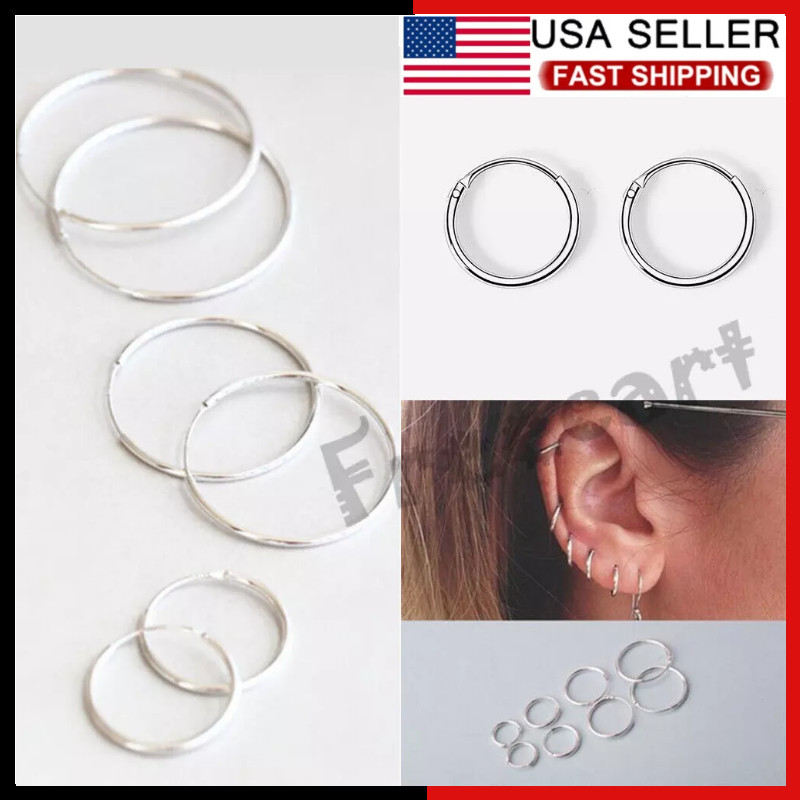 Elegant 925 Sterling Silver Hoop Earrings for Women Men Jewelry 8 10 12 14 16MM$5.04Last checked Nov 23, 2026View on eBay
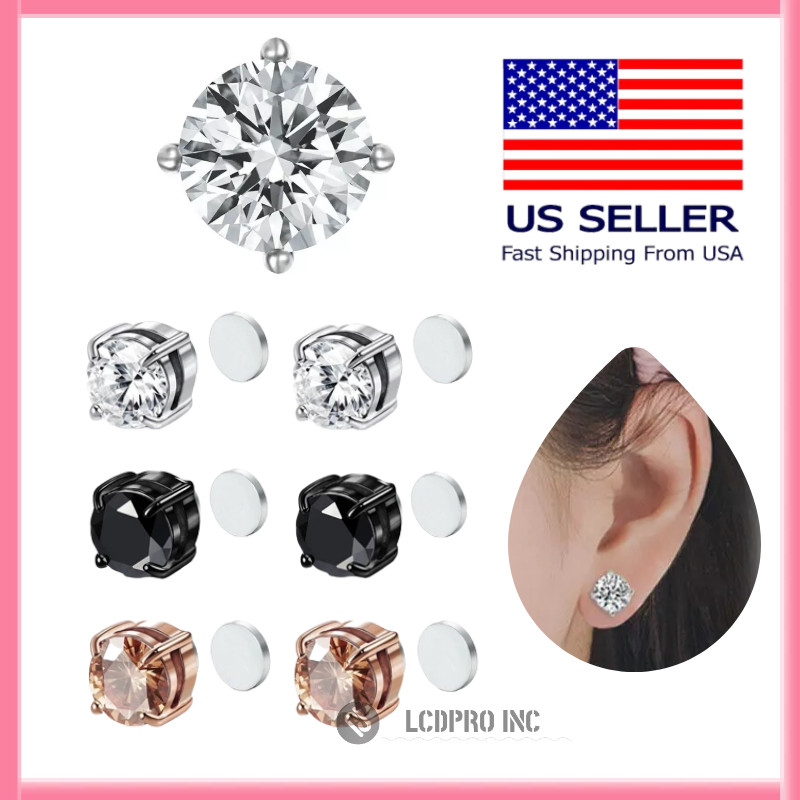 Steel Magnetic Stud Earrings 6/ 8MM For Women Men Non-Piercing Clip On Stainless$5.40Last checked Nov 19, 2026View on eBay
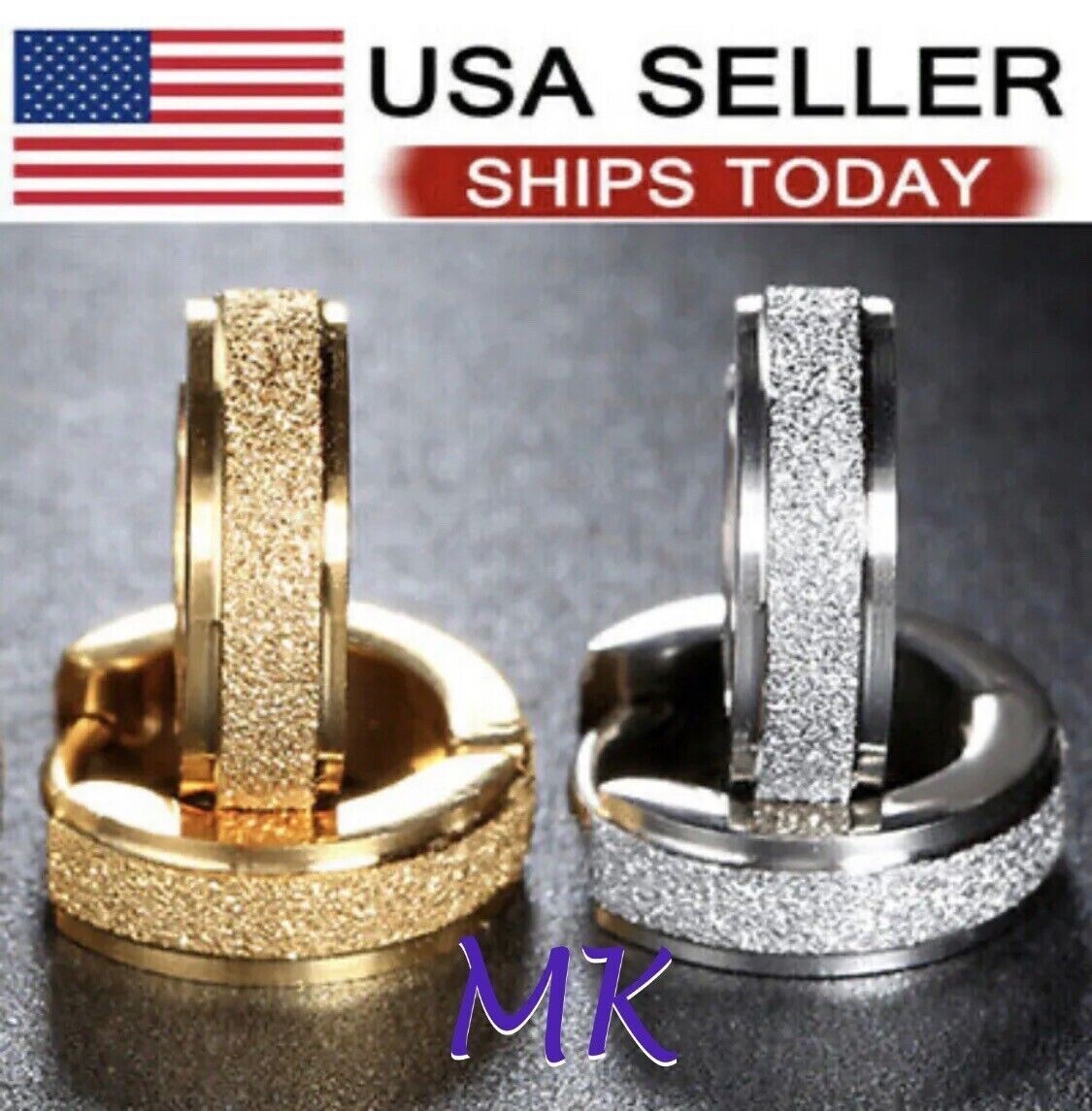 Huggie Hoop Earrings Gold Silver Stainless Steel Men Women - Pair$5.45Last checked Nov 26, 2026View on eBay
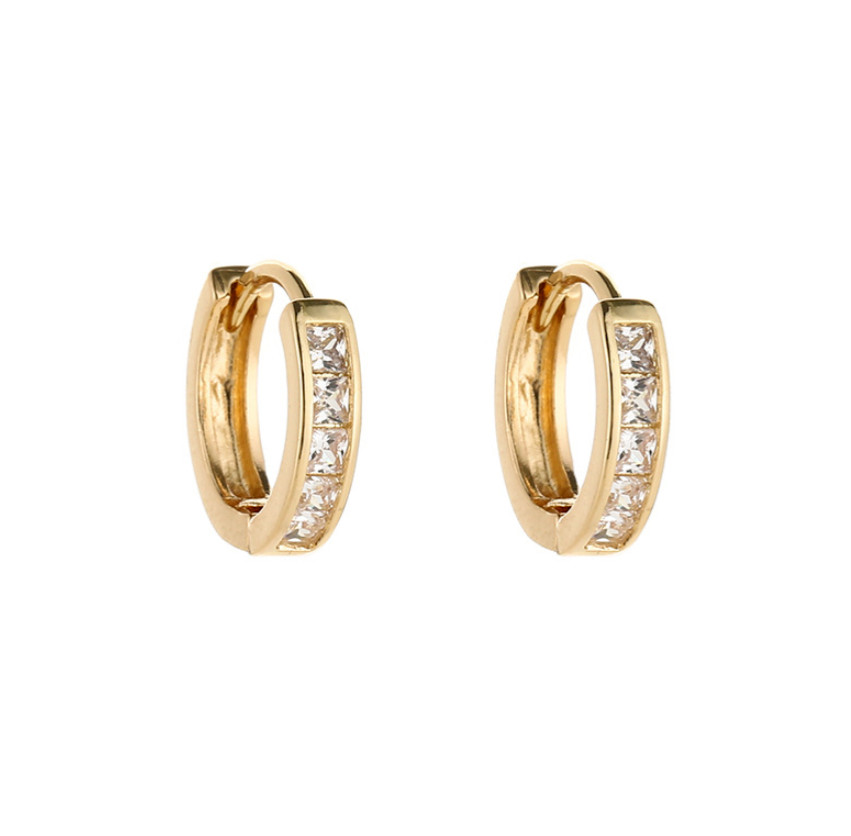 14K Gold Plated Stainless Steel Huggie Hoop Earrings CZ Small 9mm Women Men$5.75Last checked Nov 26, 2026View on eBay
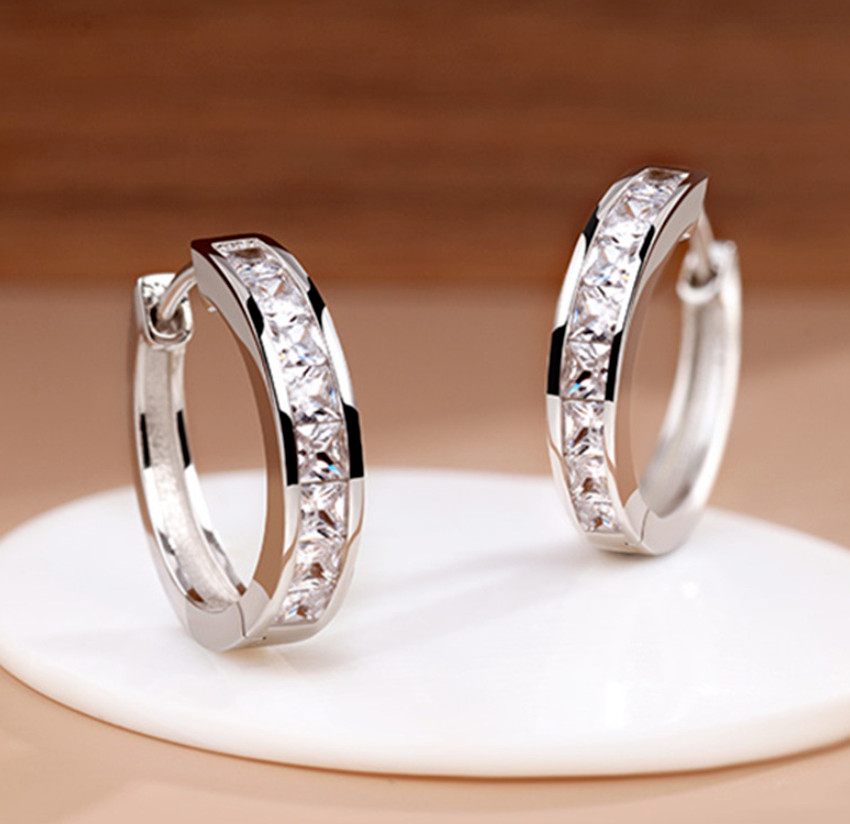 925 Sterling Silver Plated Square CZ Huggie Hoop Earrings Women Men$5.75Last checked Nov 26, 2026View on eBay
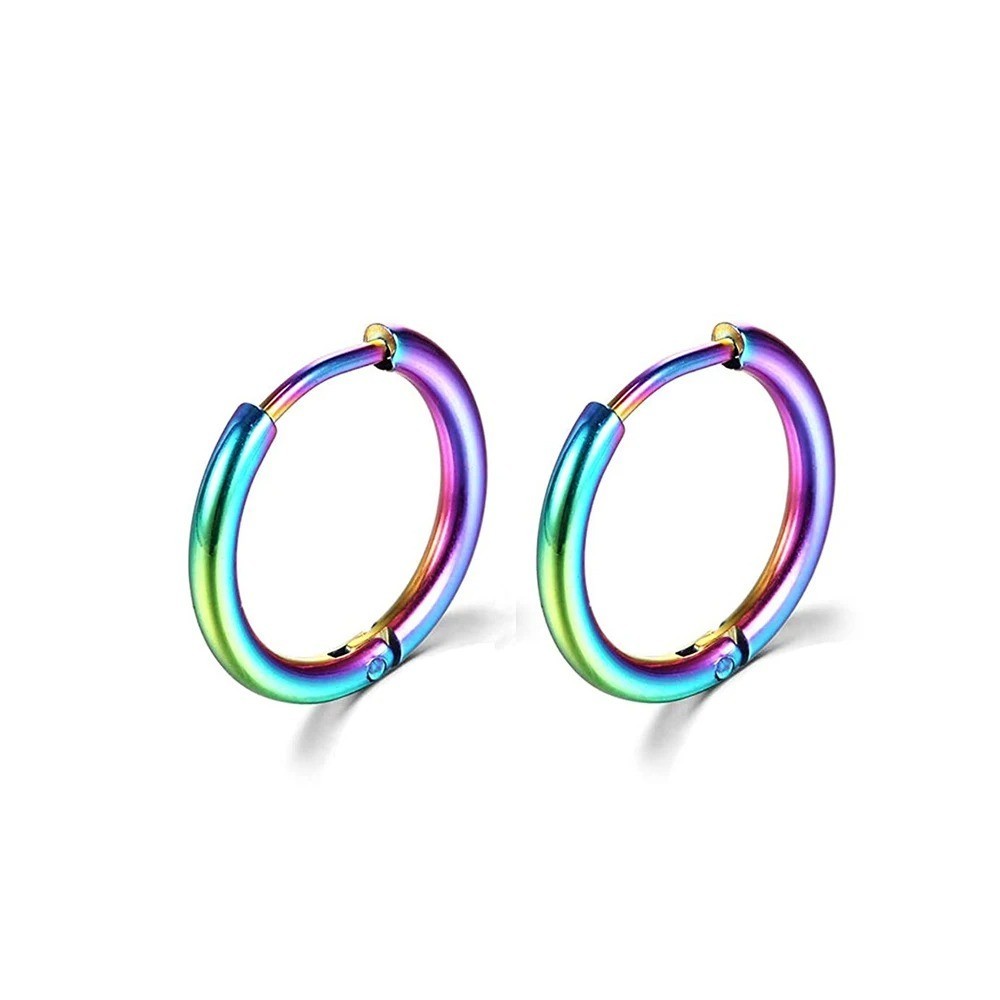 Men Women Stainless Steel Small Huggie Earrings Cartilage Lip Piercing Nose Hoop$5.79Last checked Nov 26, 2026View on eBay
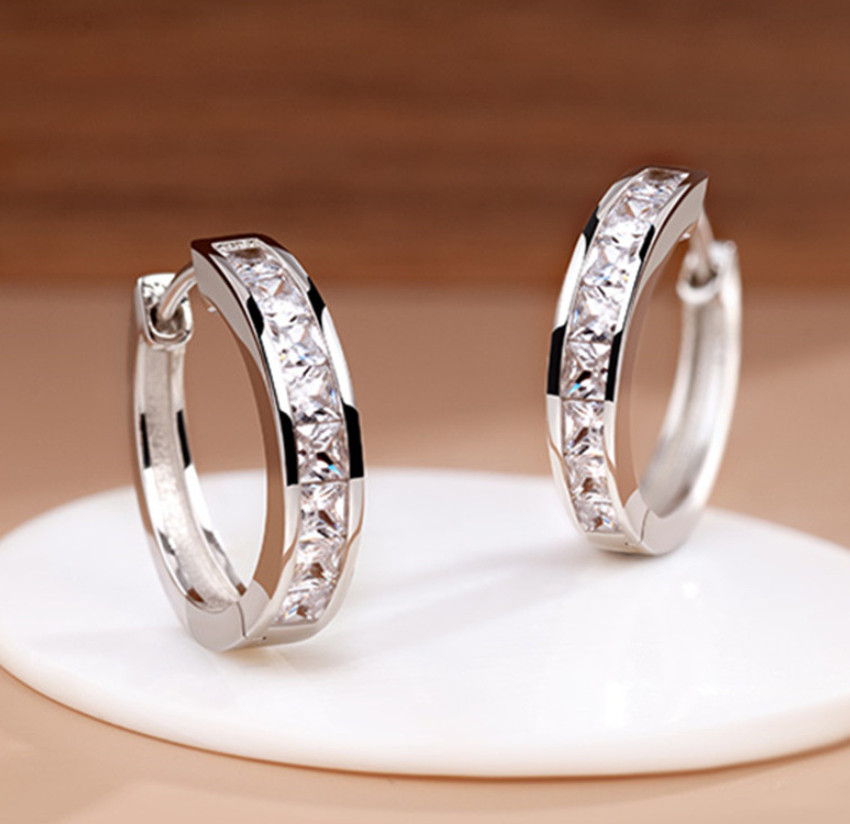 925 Sterling Silver Plated Square Cz Huggie Hoop Earrings 16mm Women Men PE28$5.95Last checked Nov 19, 2026View on eBay
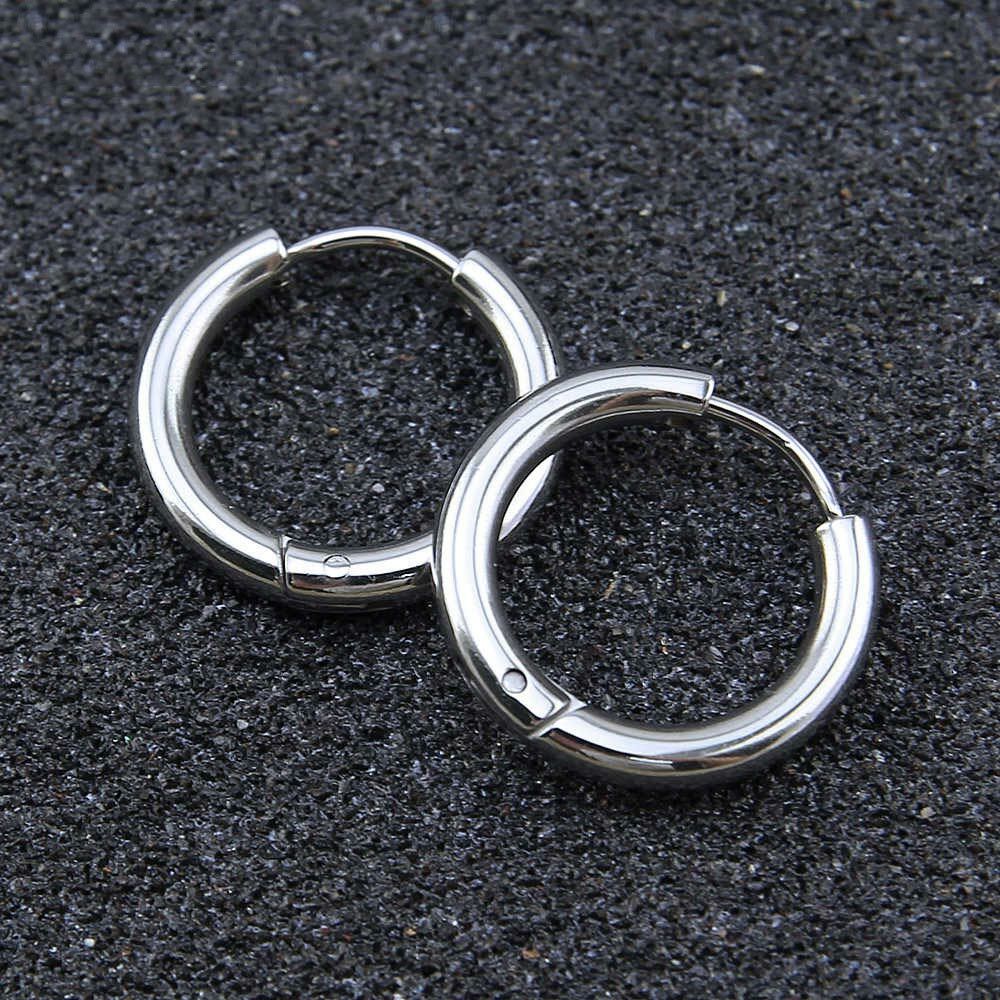 Men Women Stainless Steel Huggie Hoop Earrings Cartilage Piercing Nose Hoop Ring$5.99Last checked Nov 20, 2026View on eBay
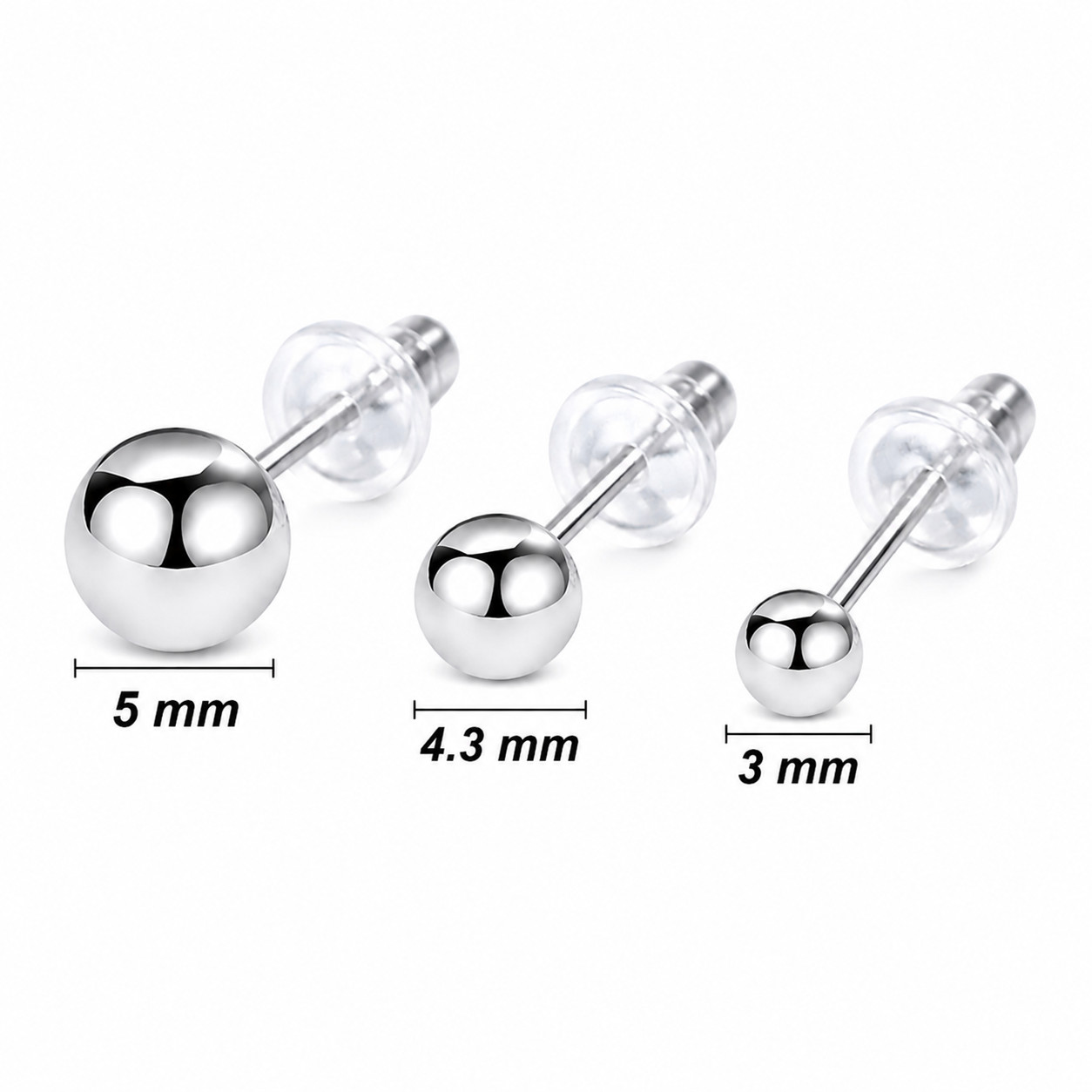 925 Sterling Silver Ball Stud Earrings For Women Men 3mm 4.3mm, 5mm Unisex Gift$7.49Last checked Nov 26, 2026View on eBay
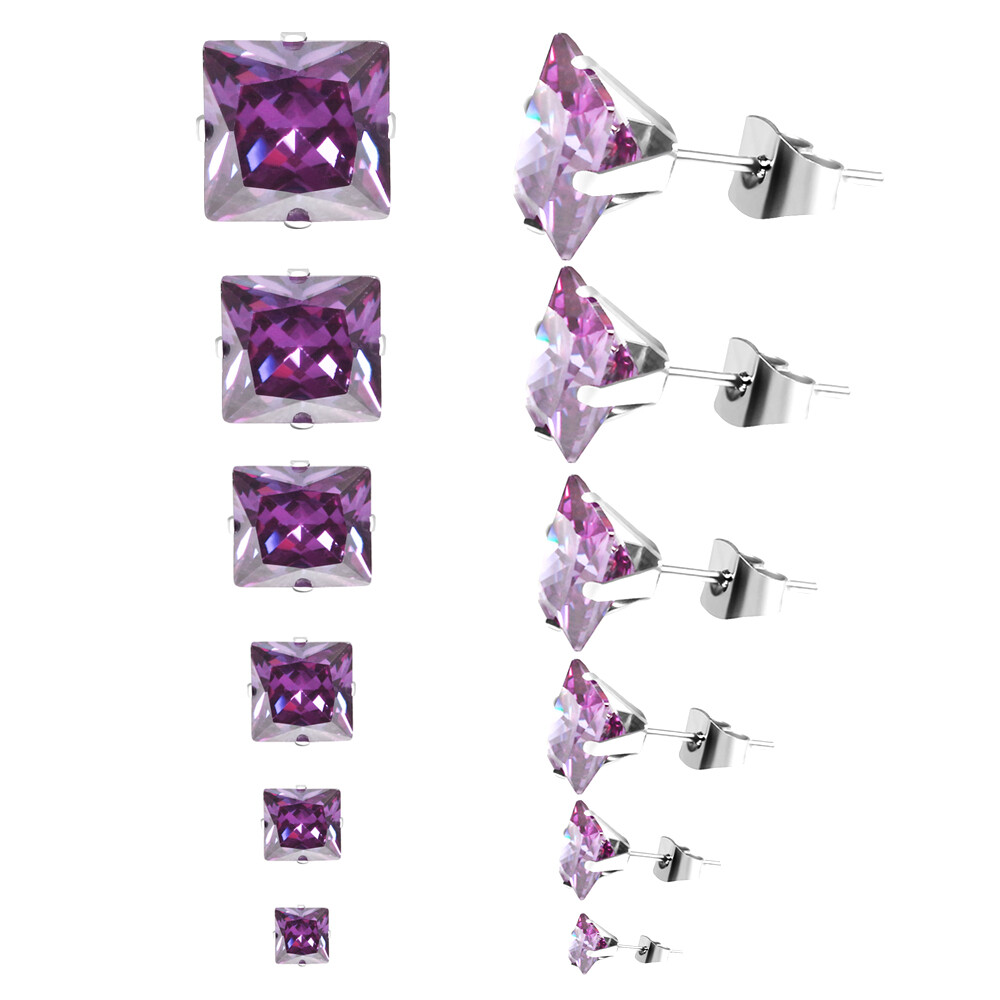 Stainless Steel Stud Earrings Cubic Zircon Square Men Women 2PC$9.49Last checked Nov 21, 2026View on eBay
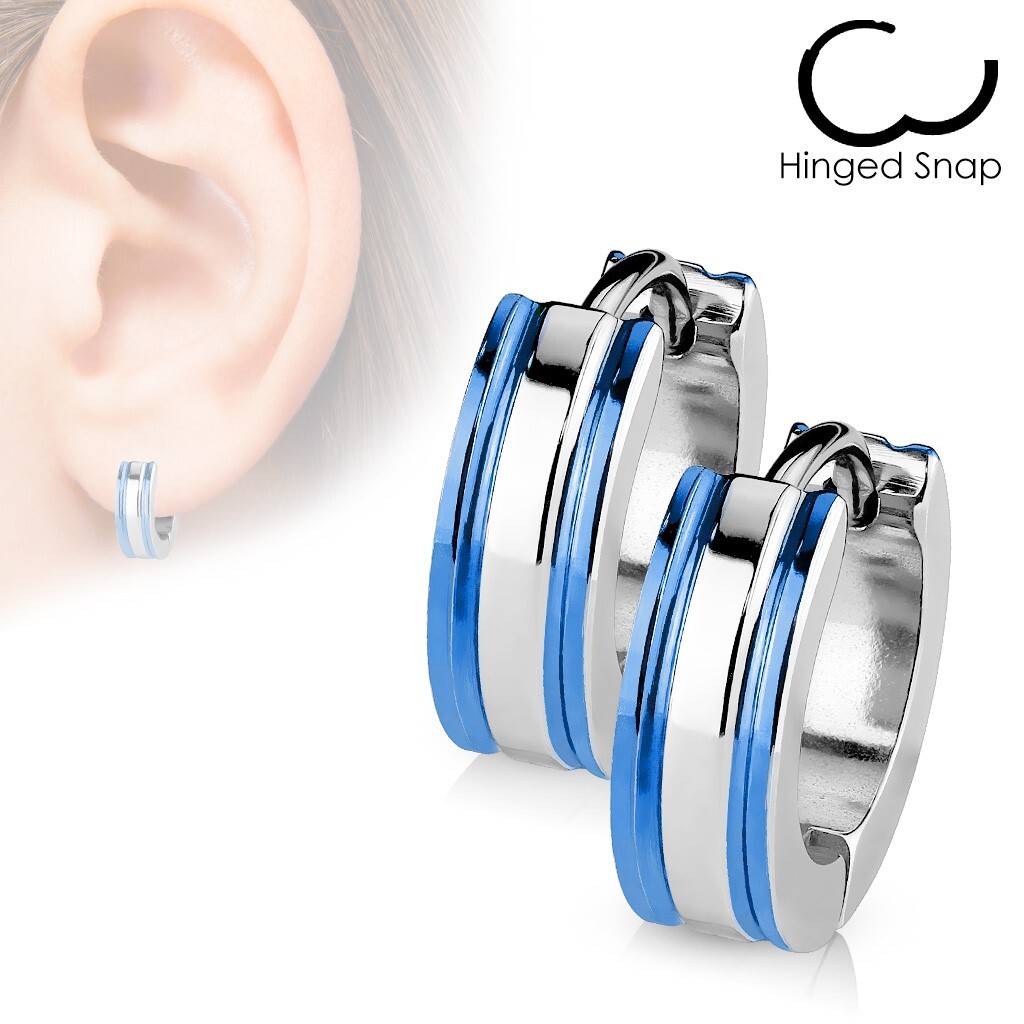 316L Surgical Stainless Steel Blue Striped Hoop Earrings (Men or Women)$9.99Last checked Nov 21, 2026View on eBay
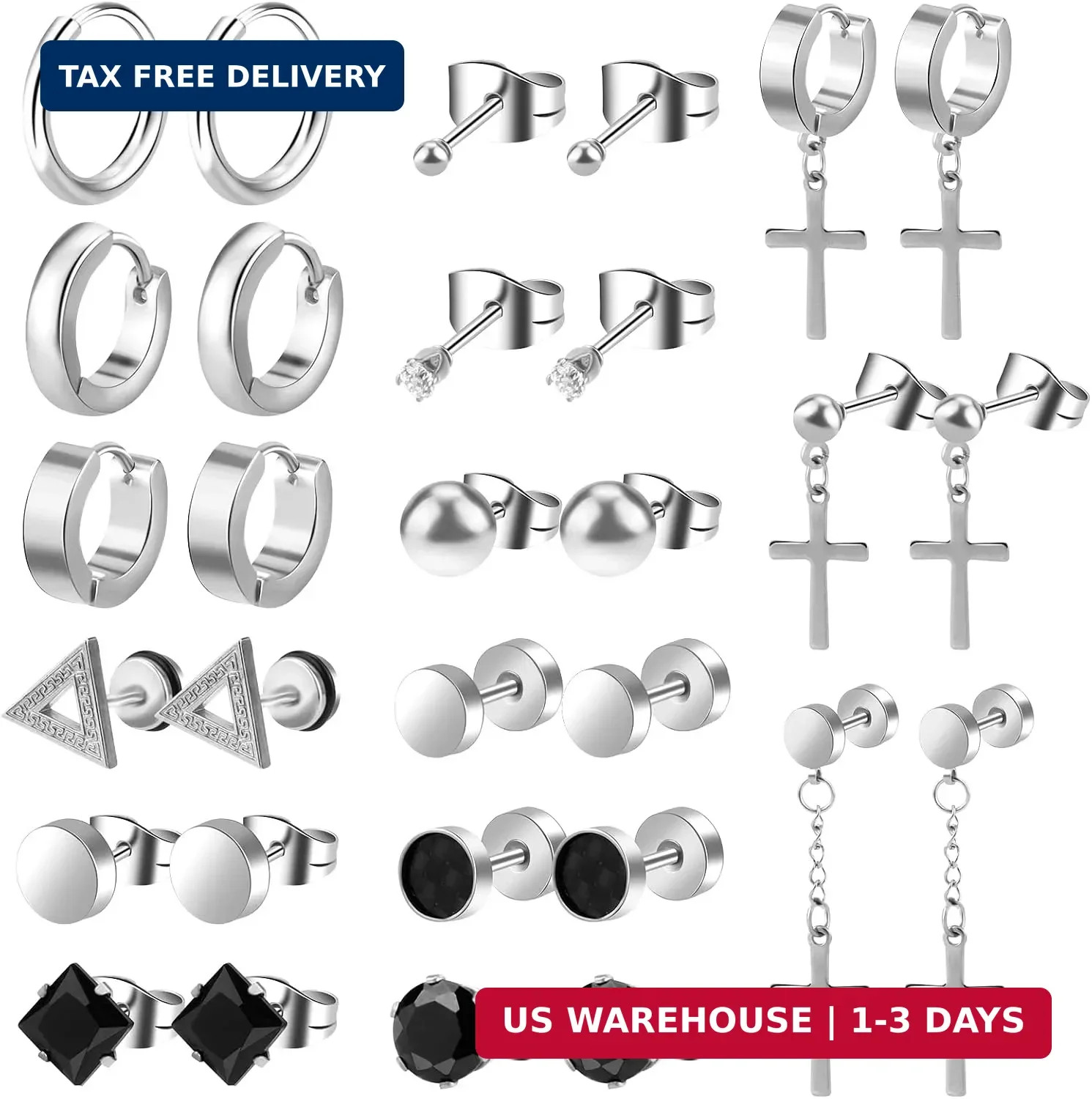 ONESING 30 Pcs Earrings for Men Black Stud Earrings Mens Earrings Stainless Stee$10.10View on eBay
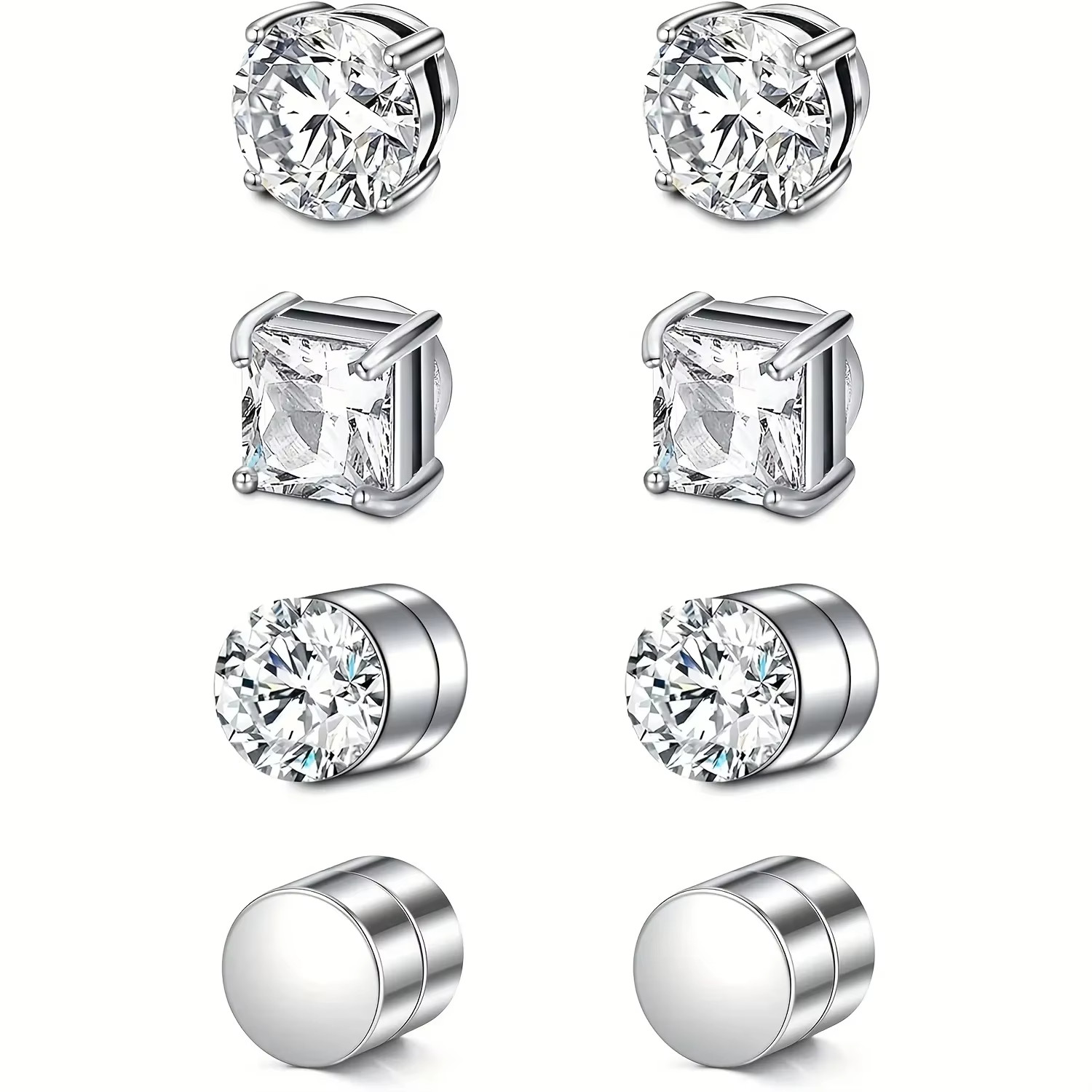 4 Pair Men Women Stainless Steel Magnetic Stud Earrings Non-Piercing Clip on E40$10.99Last checked Nov 19, 2026View on eBay
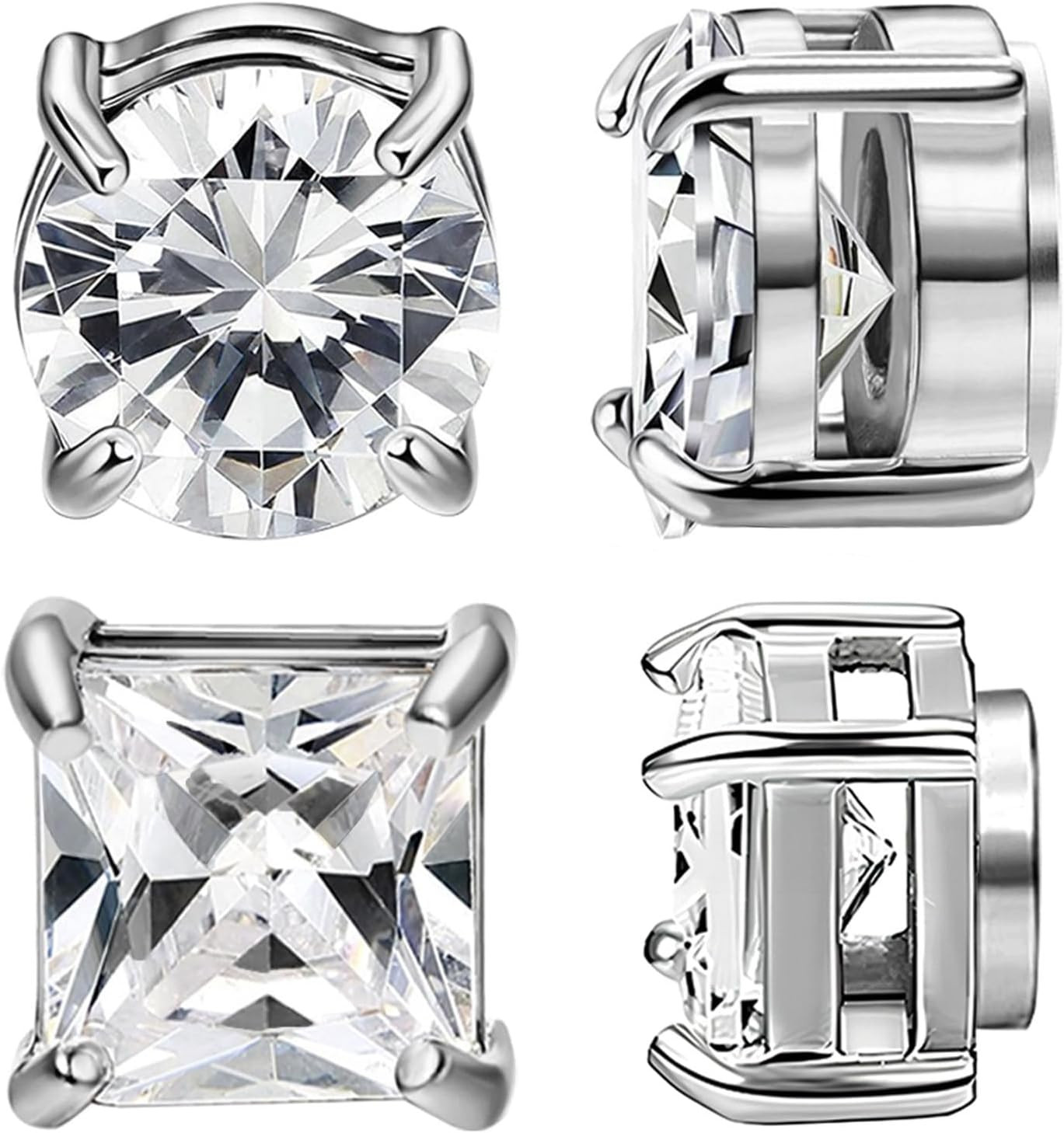 2 Pairs Stainless Steel Magnetic Stud Earrings for Men Clip on Earring Magnetic$11.71Last checked Nov 20, 2026View on eBay
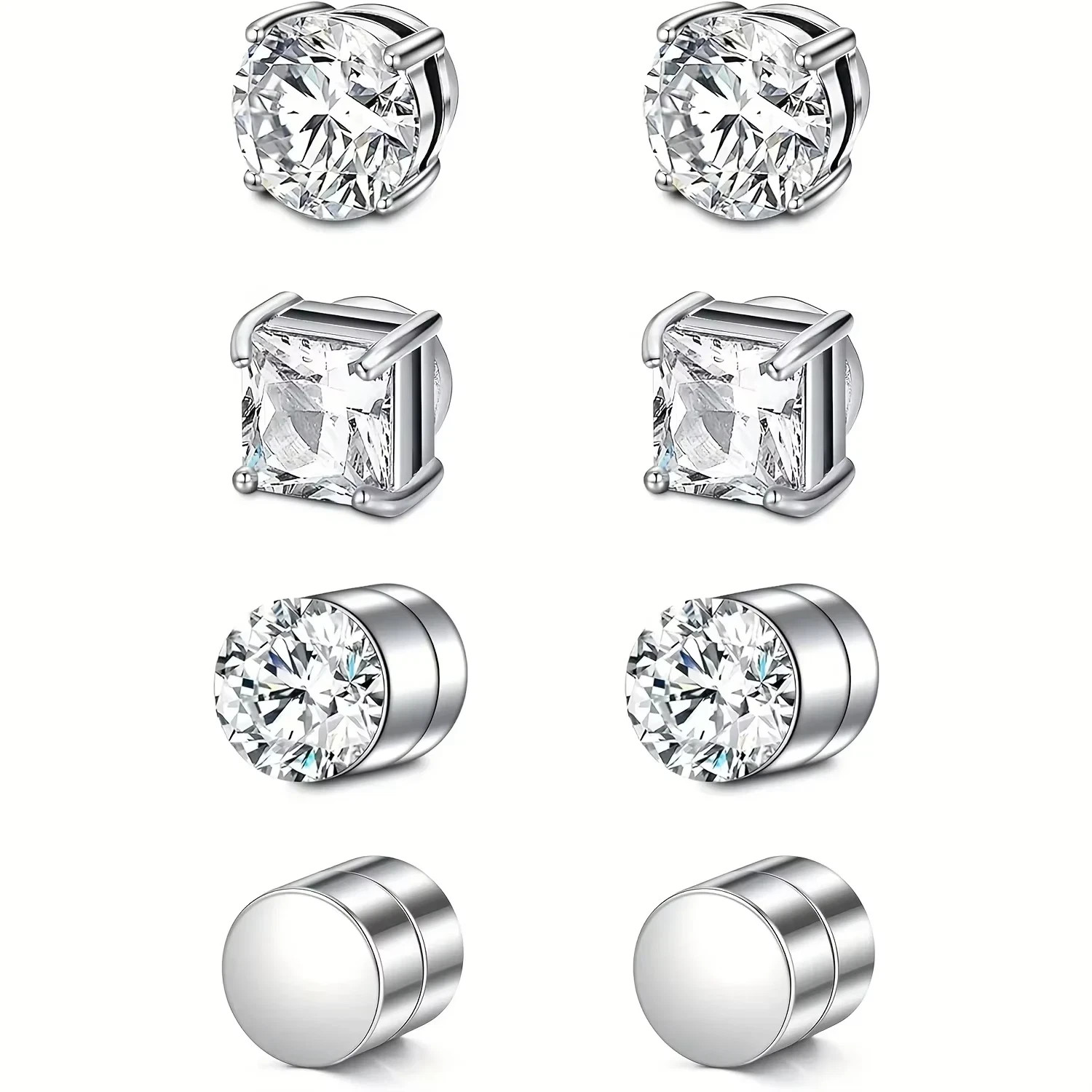 4 Pair Men Women Stainless Steel Magnetic Stud Earrings Non-Piercing Clip on E40$11.99Last checked Nov 25, 2026View on eBay
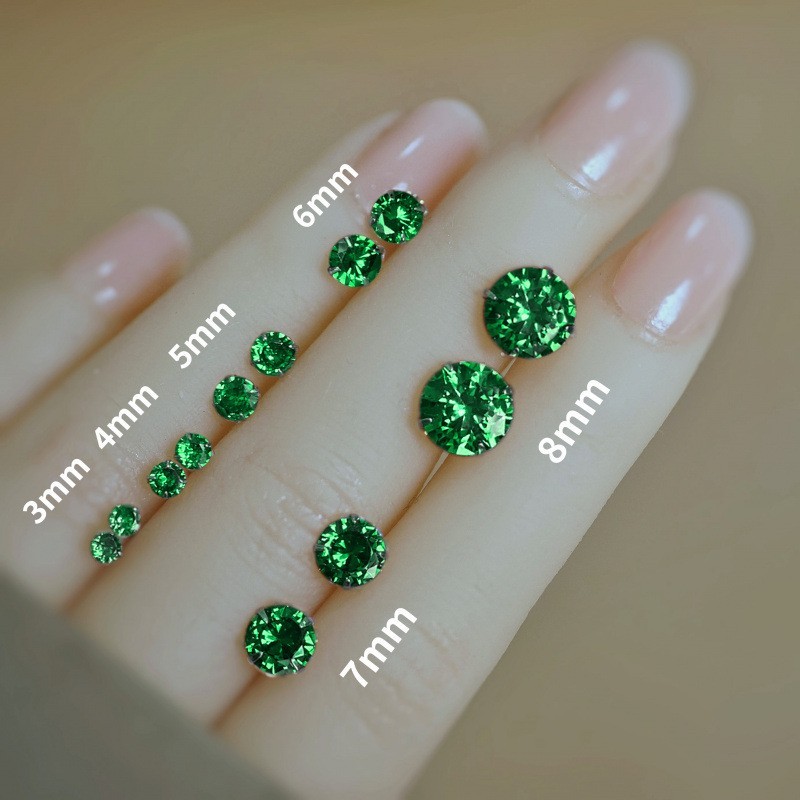 Men Women Green Round Solitaire CZ 925 Sterling Silver Mini Stud Earrings GIFT$11.99Last checked Nov 22, 2026View on eBay
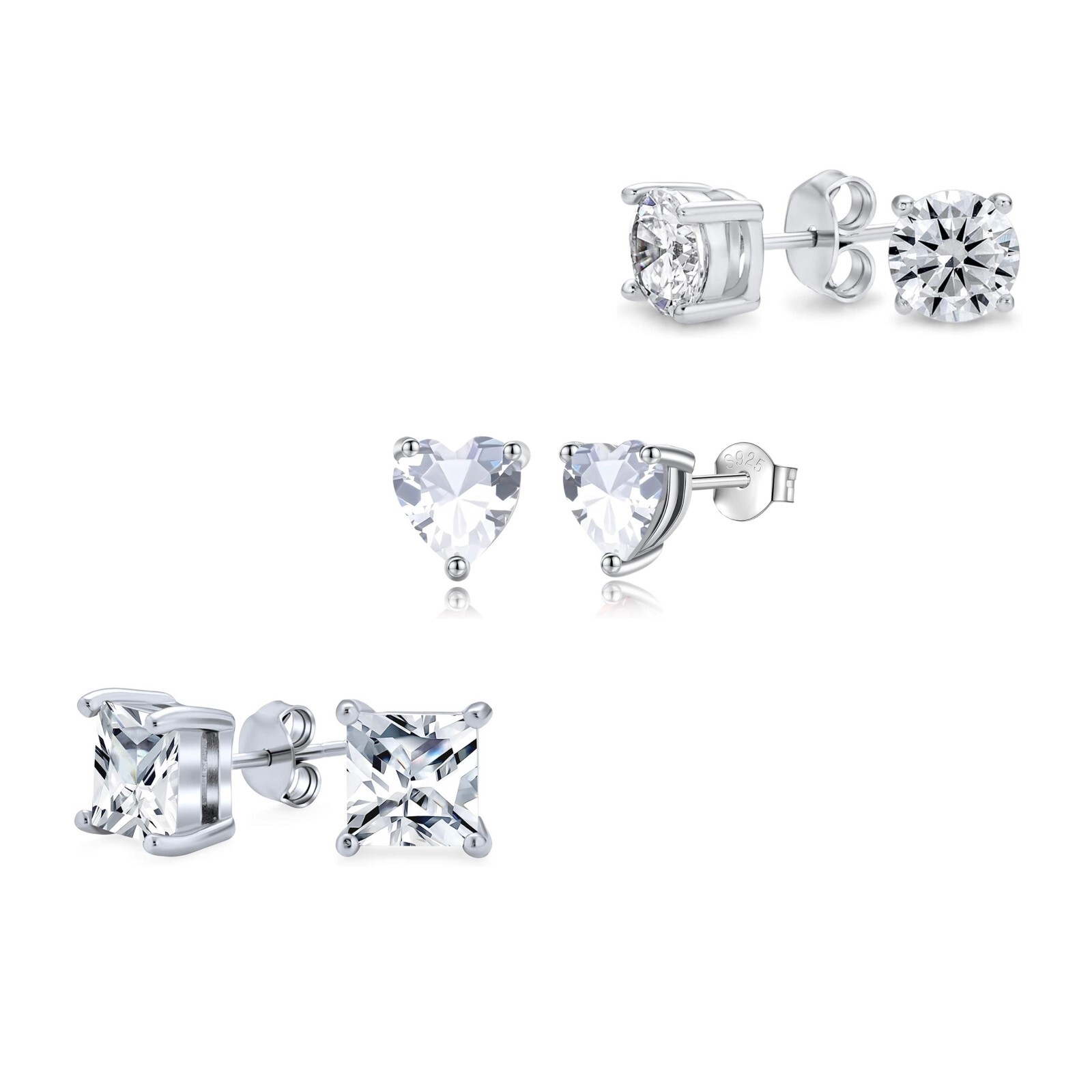 3 Pack 925 Sterling Silver CZ Cubic Zirconia Stud Earrings Set Men Women$11.99Last checked Nov 20, 2026View on eBay
Highlights
- Surgical stainless steel (316L) offers corrosion resistance and low nickel release, making it a reliable baseline for sensitive ears; avoid mystery alloys labeled only 'stainless steel'.
- Titanium (especially ASTM F136 implant-grade) is lighter and more biocompatible than steel, ideal for new or sensitive piercings, though it costs more and limits style variety.
- Hoop earrings are defined by internal diameter: 8–10 mm reads as a subtle huggie, 12–16 mm is a standard daily hoop, and 20 mm+ makes a statement; match diameter to earlobe size and piercing placement.
- Closure type dictates security and comfort: threaded flat-back studs reduce pressure on side-sleepers, hinged clickers simplify hoop changes, and butterfly backs are common but can loosen over time.
Best use cases
- Daily wear with sensitive ears: choose implant-grade titanium or 316L stainless steel studs with flat-back or screw-back closures; skip plated brass or fashion alloys.
- Active lifestyles or sports: pick silicone-backed or screw-back studs and snug huggie hoops (8–10 mm) that won't catch on helmets or clothing; avoid large drop or dangle styles.
- Occasional statement looks: opt for larger hoops (16–25 mm) or CZ-accented styles in plated steel, accepting that plating may wear with frequent use; not for 24/7 wear.
- Non-pierced wearers: magnetic or clip-on studs in stainless steel work for short events but have lower hold strength; skip them for high-movement activities.
Buying tips
- Check the metal spec: '316L surgical stainless steel' or 'implant-grade titanium' are concrete standards; vague 'steel' or 'alloy' often means lower nickel resistance.
- For hoops, confirm the internal diameter in millimeters—not the outer size—since 10 mm huggies fit most lobes, while 20 mm+ hoops suit stretched or multiple piercings.
- Flat-back labret studs in 1.0–1.2 mm gauge (18G–16G) are the most comfortable for continuous wear; standard butterfly-back studs often use thinner posts that bend.
- Plated finishes (14K gold plated, sterling silver plated) are cosmetic layers over base metal; they wear through with sweat and friction, so choose solid metals for daily use.
Specs
| Metal Type | 316L steel / titanium / plated alloy |
|---|---|
| Hoop Diameter | 8–12 mm huggie / 14–20 mm classic |
| Closure Style | Flat-back / screw-back / hinged / butterfly |
| Gauge (Post) | 18G (1.0 mm) / 16G (1.2 mm) |
Related searches
What to check before buying
- Measure your earlobe: a comfortable hoop internal diameter is roughly earlobe height plus 2–4 mm; too-small hoops pinch, too-large ones flop.
- Confirm your piercing gauge: most standard men's earrings use 18G (1.0 mm) or 16G (1.2 mm) posts; matching gauge prevents irritation or accidental loss.
- Consider skin sensitivity: if you react to cheap jewelry, limit to titanium or nickel-free 316L stainless steel and avoid plated or brass-based items.
- Check closure security for your routine: screw-backs and hinged clickers stay put during sleep and sport; butterfly backs and magnetic studs can loosen.
FAQ
Data sources: eBay / Amazon listings and product attribute feeds. Updated Nov 27, 2026.
Some links on this page are affiliate links. If you buy after clicking one, we may earn a commission at no extra cost to you. This does not change which products appear here or their order. Affiliate disclosure.