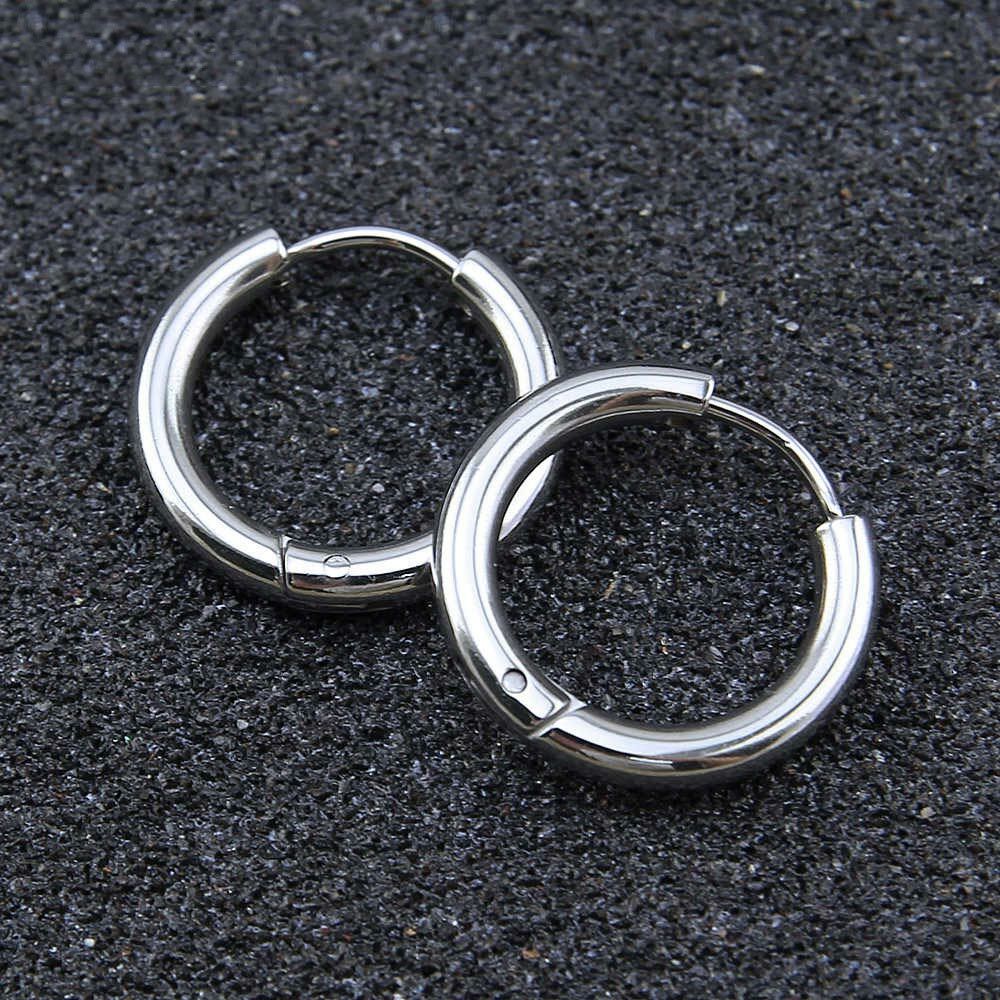

Photos from current listings. Actual item, color, and included accessories may vary.
Nose Ring Hoop Buying Guide
Nose ring hoops are small-gauge body jewelry where the primary trade-off is metal grade versus closure mechanism: implant-grade titanium or niobium with a secure seamless/captive design resists corrosion and loss, while low-grade stainless or plated brass with snap closures tarnishes, irritates, and snags. The durable rule is: choose ASTM F136 titanium or solid 14k gold for any healing or sensitive piercing, and match the closure type to the piercing location—seamless or hinged for nostril, captive-bead for septum and cartilage.
Key takeaways
- Titanium ASTM F136 is the implant-grade standard for healing piercings; surgical steel 316L is acceptable for healed piercings but contains nickel that can irritate sensitive skin.
- Hinged clicker closures use a spring-loaded segment for one-hand insertion and secure hold; seamless hoops require twisting to open and are more prone to bending out of shape.
- Common nose hoop gauges run 20G (0.8mm) for nostril and 18G–16G (1.0–1.2mm) for septum and cartilage; hoop inner diameter typically ranges 6–10mm for nostril and 8–12mm for septum.
At a glance
- Category
- Rings & Earrings
- Last updated
- Nov 28, 2026
Current offers
Highlights
- Titanium ASTM F136 is the implant-grade standard for healing piercings; surgical steel 316L is acceptable for healed piercings but contains nickel that can irritate sensitive skin.
- Hinged clicker closures use a spring-loaded segment for one-hand insertion and secure hold; seamless hoops require twisting to open and are more prone to bending out of shape.
- Common nose hoop gauges run 20G (0.8mm) for nostril and 18G–16G (1.0–1.2mm) for septum and cartilage; hoop inner diameter typically ranges 6–10mm for nostril and 8–12mm for septum.
- Solid 14k yellow or white gold is hypoallergenic and safe for long-term wear; gold-plated brass or stainless flashes off within weeks and is unsuitable for fresh piercings.
Best use cases
- Fresh nostril piercing: pick an ASTM F136 titanium seamless or hinged hoop at 20G with 8mm inner diameter—skip plated fashion hoops entirely.
- Healed septum piercing: choose a 16G captive-bead or hinged clicker in titanium or 14k gold with 10–12mm diameter for comfortable flip-up clearance.
- Multiple cartilage or helix piercings: use 18G titanium hinged hoops with a snug 6–8mm diameter to avoid snagging on hair and masks.
- Occasional fashion wear on healed lobes or nostril: 316L stainless or plated brass snap hoops are acceptable short-term but will tarnish and should be removed before swimming or sleeping.
Buying tips
- Match gauge to piercing age and location: 20G for standard nostril, 18G for helix and cartilage, 16G for septum; downsizing gauge before 6 months of healing risks irritation and migration.
- Measure inner diameter, not outer: a hoop should sit close to the nostril without pinching; 8mm suits most nostril piercings, 10mm+ is needed for septum flip-up clearance.
- Prioritize ASTM F136 titanium or solid 14k gold for any piercing less than 12 months old; 316L steel and plated brass are only for fully healed, non-sensitive skin.
- Choose hinged clickers for easy daily changes and secure hold; choose seamless hoops for a smooth, snag-free profile that stays put during sleep and sport.
Specs
| Metal Grade | ASTM F136 Ti / 14k gold / 316L steel |
|---|---|
| Standard Gauge | 20G nostril / 18–16G septum & cartilage |
| Inner Diameter | 6–10mm nostril / 8–12mm septum |
| Closure Type | Hinged clicker / seamless / captive bead |
Related searches
What to check before buying
- Confirm your piercing gauge with the original piercer or a caliper—most nostril piercings are 20G, but septum and cartilage are often 16G–18G.
- Measure the current jewelry's inner diameter or the piercing's tissue thickness to select a hoop that neither pinches nor hangs loose.
- For fresh or sensitive piercings, verify the metal is stamped ASTM F136 titanium or 14k gold—avoid any 'surgical steel' or plated label.
- Check closure mechanism compatibility: hinged clickers need a clean hinge gap, captive beads need a bead-holding groove, and seamless hoops need a twistable seam that aligns flush.
FAQ
Data sources: eBay / Amazon listings and product attribute feeds. Updated Nov 28, 2026.
Some links on this page are affiliate links. If you buy after clicking one, we may earn a commission at no extra cost to you. This does not change which products appear here or their order. Affiliate disclosure.