
Photos from current listings. Actual item, color, and included accessories may vary.
Platinum Engagement Ring Buying Guide
A platinum engagement ring is a long-term jewelry purchase where the alloy purity and setting construction determine both durability and resale integrity. The core trade-off is between 950-grade platinum (95% pure, dense, naturally white) and lighter 900-grade or white-gold alternatives that require rhodium maintenance. The decision rule is simple: choose 950 platinum with a certified center stone and a reinforced prong or bezel setting if you want a heirloom; skip low-purity alloys, hollow shanks, and ungraded stones.
Median $44.80
Key takeaways
- Platinum purity is defined by hallmarks: Pt950 (95% platinum) is the benchmark for engagement rings, while Pt900 (90%) is softer and less scratch-resistant.
- Platinum density (roughly 21.4 g/cm³) makes a platinum ring 40–60% heavier than the same white-gold design, which signals solid construction and resists bending.
- Prong settings in platinum benefit from work-hardening; a well-made four- or six-prong head with 1.8–2.2 mm tips holds stones securely without the brittleness of white gold.
At a glance
- Category
- Rings & Earrings
- Last updated
- Nov 29, 2026
Current offers
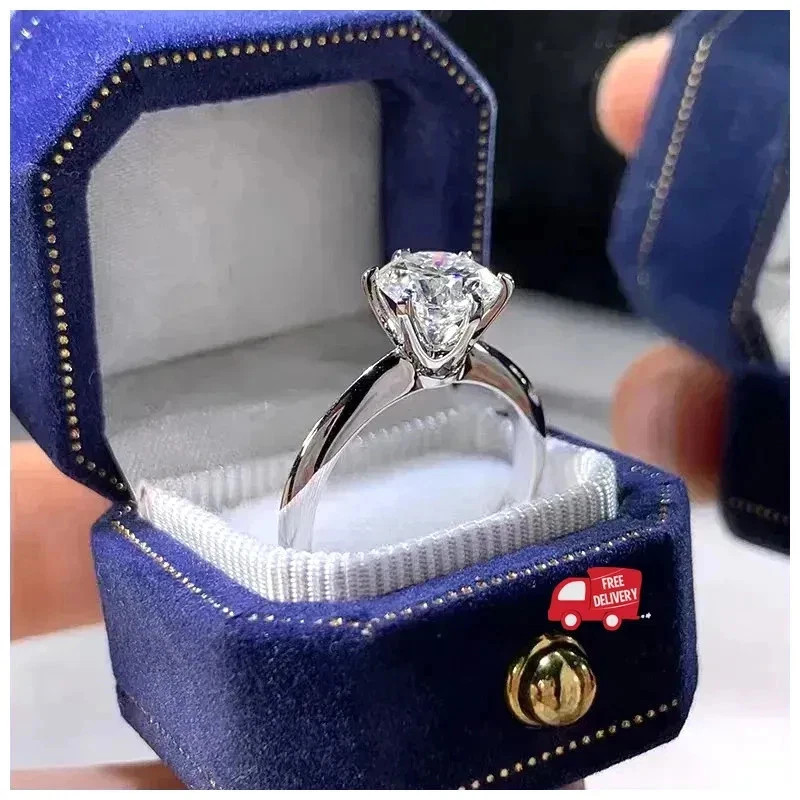 Solitaire ring Real 925 Sterling silver 1ct Moissanite cz Engagement Wedding$11.50Last checked Nov 28, 2026View on eBay
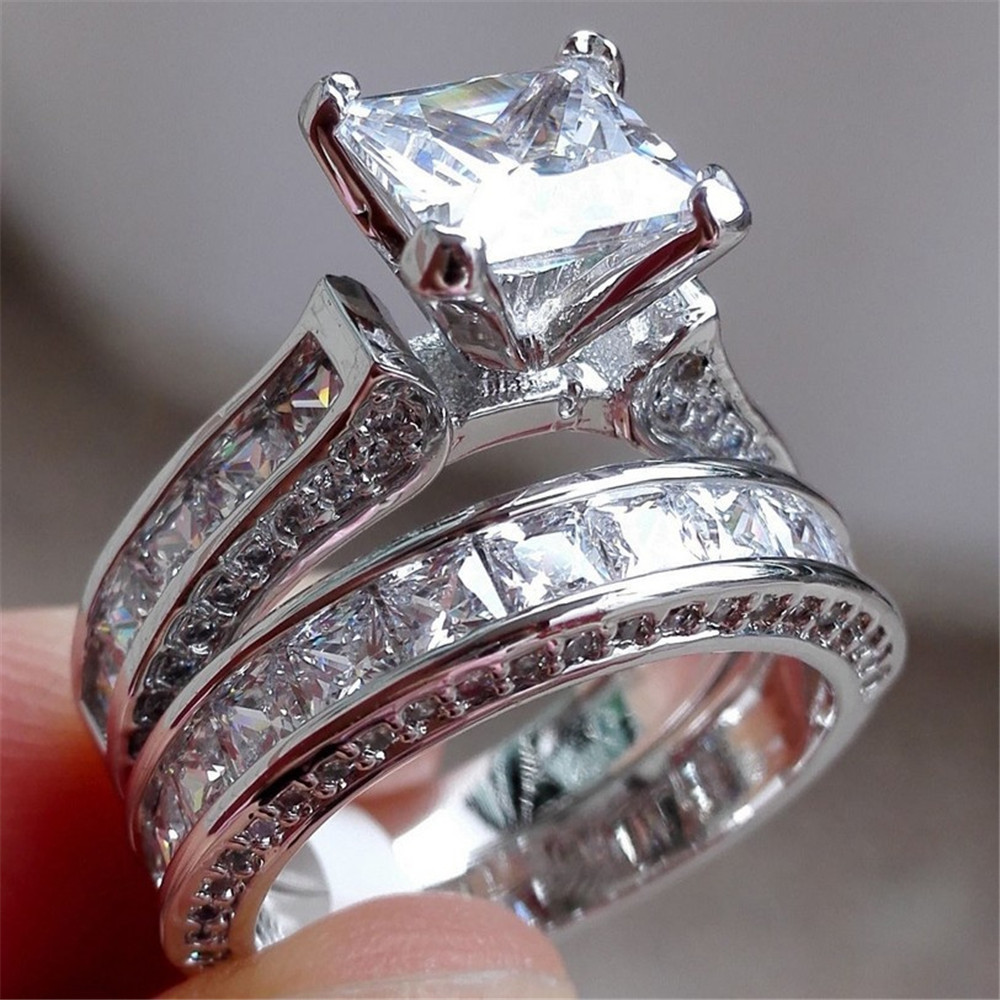 New Style Charm Couple Rings His Her Silver Color Princess Cut CZ Anniversary Promise Wedding Engagement Ring Sets$8.99View on Mallflare
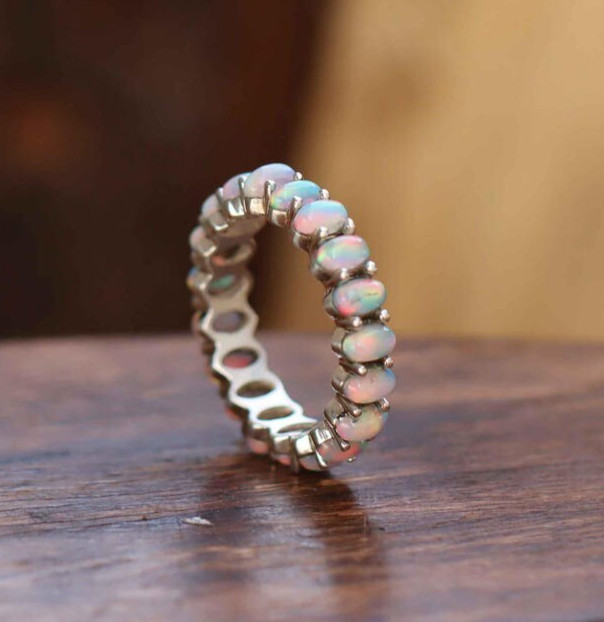 Fire Opal Eternity Ring, 925 Sterling Silver Wedding Ring, Opal Engagement Ring$44.80Last checked Nov 26, 2026View on eBay
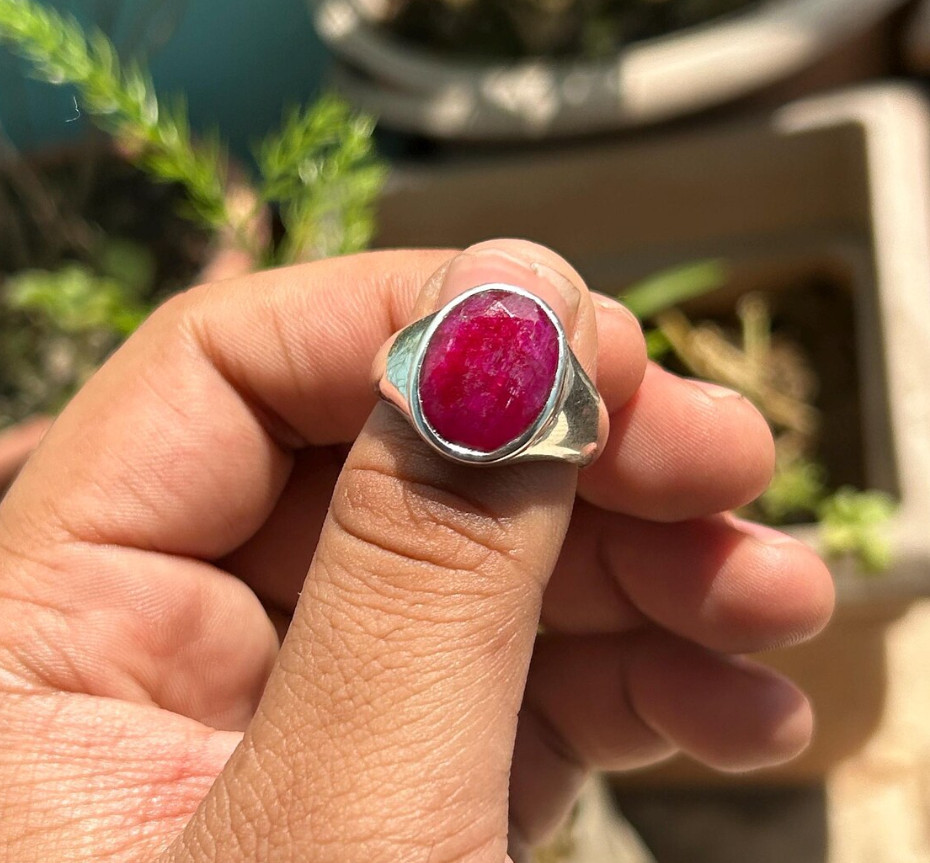 Genuine Red Ruby Men's Ring 925Sterling Silver Ruby Jewelry Mens Engagement Ring$57.90View on eBay
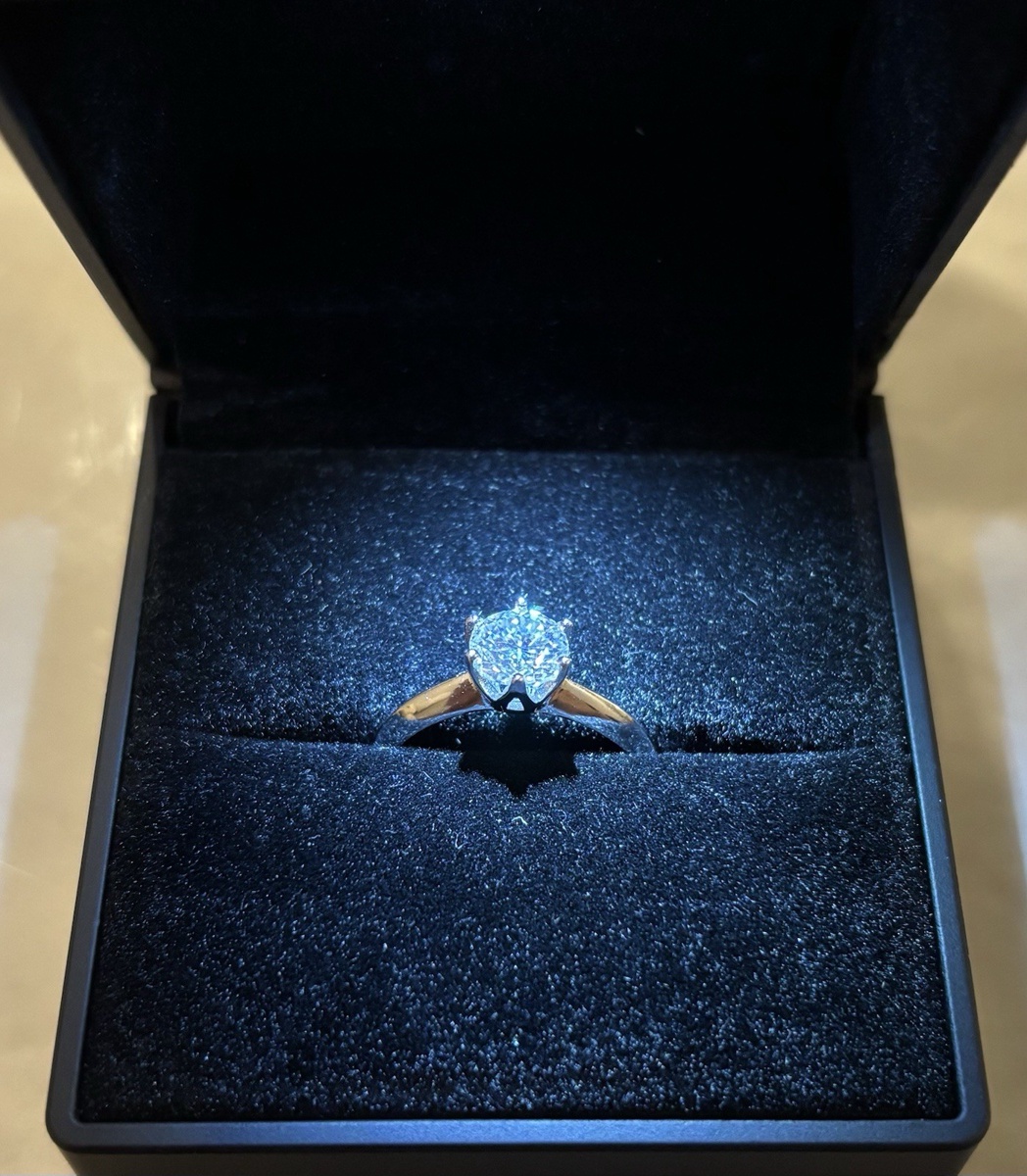 VVS1 Moissanite Engagement Ring 1CT Round Cut GRA Certified 925 Silver$169.99Last checked Nov 24, 2026View on eBay
Highlights
- Platinum purity is defined by hallmarks: Pt950 (95% platinum) is the benchmark for engagement rings, while Pt900 (90%) is softer and less scratch-resistant.
- Platinum density (roughly 21.4 g/cm³) makes a platinum ring 40–60% heavier than the same white-gold design, which signals solid construction and resists bending.
- Prong settings in platinum benefit from work-hardening; a well-made four- or six-prong head with 1.8–2.2 mm tips holds stones securely without the brittleness of white gold.
- Look for a laser hallmark inside the shank (Pt950 or 950Plat) and a independent gemological certificate for the center stone; these are the two non-negotiable quality markers.
Best use cases
- Best fit: daily-wear engagement ring for an active wearer — pick a Pt950 solitaire with a low-profile six-prong or bezel setting to avoid snagging and prong loss.
- Best fit: heirloom or milestone purchase — choose a Pt950 ring with a certified (GIA/AGS) center stone and a solid, comfort-fit shank of at least 1.8 mm thickness.
- Wrong fit to skip: budget-first shoppers comparing solely on metal color — white gold with rhodium plating costs less upfront but needs re-plating every 1–2 years, so don’t pay platinum prices for a hollow or Pt900 lightweight shank.
- Wrong fit to skip: very wide, heavy platinum bands for someone unaccustomed to weight — a 6 mm+ platinum band can feel cumbersome; choose a tapered 2–2.5 mm shank instead.
Buying tips
- Confirm the hallmark: Pt950 is the standard for engagement rings; Pt900 is acceptable only if the design needs extra softness, but it scratches more readily.
- Measure the shank: a durable platinum engagement ring should have a minimum 1.8 mm thickness at the base; anything under 1.5 mm risks deformation over years of wear.
- Check the setting style: four-prong exposes more of the stone but offers less security; six-prong or a partial bezel is the safer choice for stones above 1 carat.
- Match the center stone to the setting: a 1-carat round diamond measures about 6.5 mm; ensure the prong head is sized specifically for that diameter, not a generic stock head.
Specs
| Metal Purity | Pt950 (95%) vs Pt900 (90%) |
|---|---|
| Setting Security | 6-prong / bezel vs 4-prong |
| Shank Thickness | ≥1.8 mm durable / <1.5 mm risk |
| Stone Certification | GIA/AGS graded vs ungraded |
Related searches
What to check before buying
- Ring size: have the finger measured with a proper ring mandrel or sizing set; platinum rings are difficult and costly to resize, so get the size right before ordering.
- Center stone dimensions: know the exact millimeter diameter and depth of the stone you plan to set, so the prong head and gallery height are compatible.
- Allergy check: platinum is hypoallergenic and nickel-free, but confirm the alloy does not contain cobalt or other trace metals if you have sensitive skin.
- Resizing and maintenance: locate a jeweler who works with platinum (not all do) and confirm they can re-tip prongs and polish without rhodium plating.
FAQ
Data sources: eBay / Amazon listings and product attribute feeds. Updated Nov 29, 2026.
Some links on this page are affiliate links. If you buy after clicking one, we may earn a commission at no extra cost to you. This does not change which products appear here or their order. Affiliate disclosure.