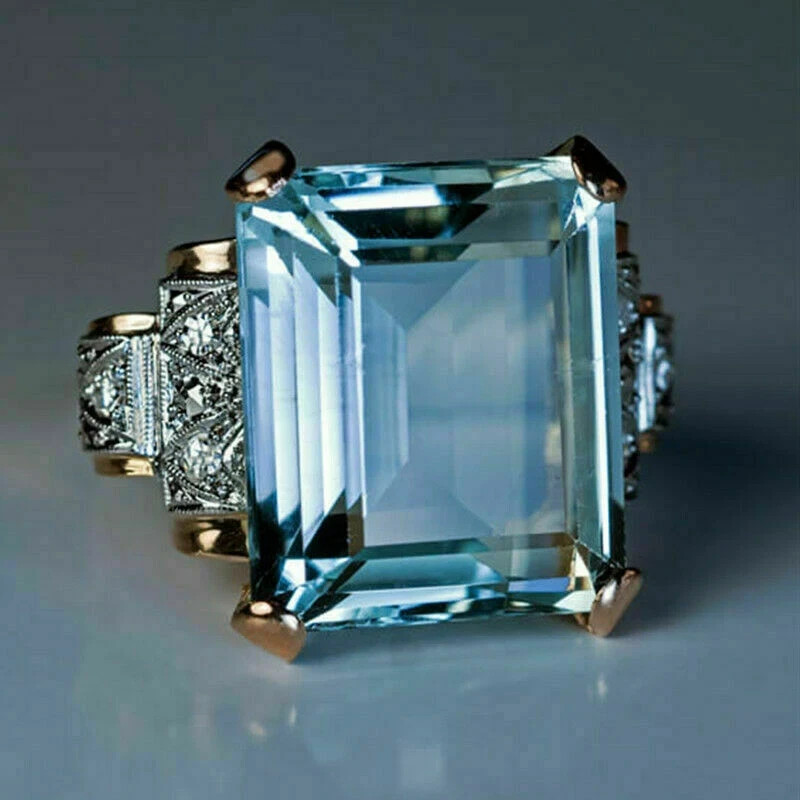

Photos from current listings. Actual item, color, and included accessories may vary.
Rose Gold Engagement Ring Buying Guide
Rose gold engagement rings are 14K or 18K gold-copper alloy rings whose warm tone comes from a higher copper percentage than yellow or white gold, and the core trade-off is between alloy durability (14K vs 18K hardness) and stone-setting security. The clear decision rule: choose 14K rose gold with a protected six-prong or bezel setting for daily wear, and reserve 18K or delicate pavé halos for occasional-wear buyers who accept softer metal.
Key takeaways
- Rose gold alloy is typically 75% gold and 25% copper at 18K, or 58.3% gold with copper and silver at 14K; higher copper gives deeper color but softer metal.
- 14K rose gold (hardness ~120-130 HV) resists scratching and prong bending better than 18K (~90-110 HV), making it the practical choice for everyday engagement rings.
- Solitaire settings with four or six prongs expose the girdle; a bezel or six-prong with V-tips protects emerald-cut and pear-shaped stones from chipping.
At a glance
- Category
- Rings & Earrings
- Last updated
- Nov 28, 2026
Current offers
Highlights
- Rose gold alloy is typically 75% gold and 25% copper at 18K, or 58.3% gold with copper and silver at 14K; higher copper gives deeper color but softer metal.
- 14K rose gold (hardness ~120-130 HV) resists scratching and prong bending better than 18K (~90-110 HV), making it the practical choice for everyday engagement rings.
- Solitaire settings with four or six prongs expose the girdle; a bezel or six-prong with V-tips protects emerald-cut and pear-shaped stones from chipping.
- Rhodium plating is never applied to rose gold, so color is integral to the alloy; re-polishing restores original warmth without re-plating.
Best use cases
- Best fit: active daily wearers should choose a 14K rose gold solitaire with a six-prong or bezel-set round or oval stone; skip 18K and thin 1.5mm shanks.
- Best fit: vintage or Art Deco fans can pick 14K rose gold with milgrain detailing and a low-profile halo; avoid high-profile peg-head settings that snag.
- Wrong fit: buyers wanting a bright white metal look should skip rose gold entirely—its copper warmth deepens with wear and cannot be plated white.
- Best fit: large-stone buyers (2ct+) should select 14K rose gold with a basket or cathedral setting and 2.0mm+ shank; skip 18K prongs on stones over 1.5ct.
Buying tips
- Choose 14K (58.3% gold) over 18K for engagement rings: it is harder, more scratch-resistant, and better at holding prongs tight over decades.
- Match setting to stone shape: emerald and pear cuts need V-prongs or bezels at points; round and oval cuts are safest in six-prong baskets.
- Buy a shank width of at least 2.0mm for daily wear; rings under 1.8mm bend and wear through faster regardless of karat.
- Verify the stamp: '14K' or '585' inside the band confirms 58.5% gold; '18K' or '750' means 75% gold and a softer ring.
Specs
| Metal Karat | 14K (585) vs 18K (750) rose gold |
|---|---|
| Alloy Hardness | 14K ~120 HV; 18K ~90-110 HV |
| Setting Security | Bezel / 6-prong vs 4-prong solitaire |
| Shank Width | 2.0mm+ daily wear; <1.8mm fragile |
Related searches
What to check before buying
- Measure the wearer's ring size on the intended finger at room temperature; rose gold rings cannot be resized more than two sizes without compromising thin shanks.
- Confirm the stone's Mohs hardness: quartz (7) and aquamarine (7.5-8) suit occasional wear; sapphire (9) and diamond (10) are required for daily wear.
- Check setting height against daily activity: low-profile bezels clear gloves and pockets; high-profile halos catch on clothing and hair.
- Verify alloy composition for skin sensitivity: rose gold contains copper, not nickel, so it is usually safe for nickel-allergic wearers.
FAQ
Data sources: eBay / Amazon listings and product attribute feeds. Updated Nov 28, 2026.
Some links on this page are affiliate links. If you buy after clicking one, we may earn a commission at no extra cost to you. This does not change which products appear here or their order. Affiliate disclosure.