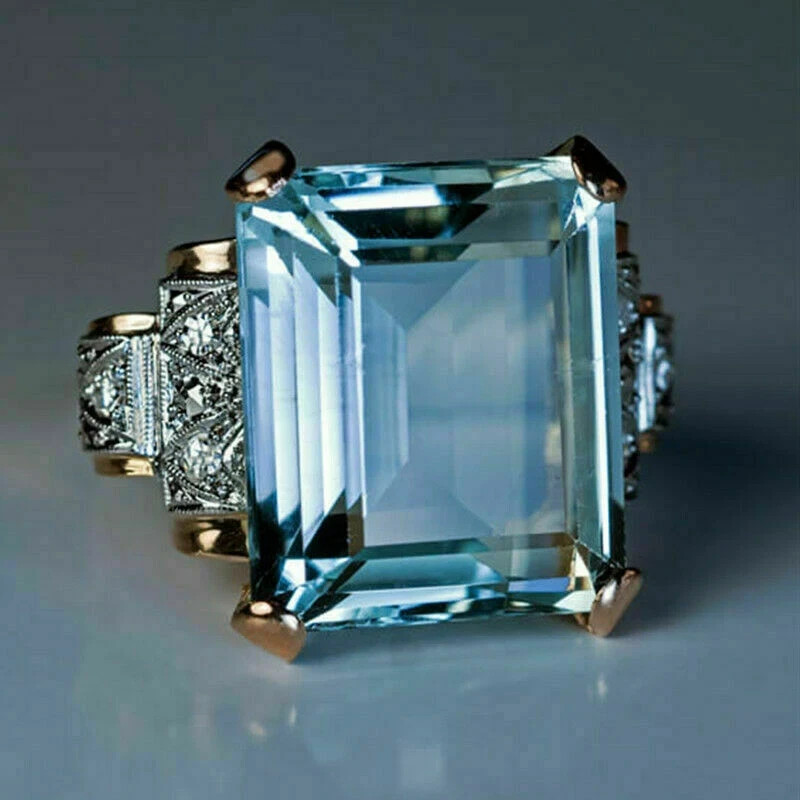

Photos from current listings. Actual item, color, and included accessories may vary.
Rose Gold Ring Buying Guide
Rose gold rings are fashion and bridal bands made from copper-alloyed gold (typically 14K or 18K, ~58-75% gold) or copper-toned base metals with rose plating, where the core trade-off is solid karat gold's tarnish-proof durability versus plated brass or stainless steel that fades and discolors with wear. The decision rule: buy solid 14K/18K rose gold with a stamped purity mark for daily or bridal wear, and accept plated or PVD-coated base metal only for occasional fashion use at a fraction of the cost.
Key takeaways
- Solid rose gold uses 14K (58.3% gold + ~41.5% copper) or 18K (75% gold) alloy; the copper content produces the pink hue and increases hardness versus yellow gold.
- Rose gold plating over brass or copper is typically 0.5-2.5 microns thick and wears through in months; PVD-coated stainless steel resists fading far longer but shows a darker, less warm pink.
- Ring bands under 1.5 mm thick and hollow or open-back constructions dent and deform within normal daily wear; solid 2 mm+ bands hold shape for years.
At a glance
- Category
- Rings & Earrings
- Last updated
- Nov 28, 2026
Current offers
Highlights
- Solid rose gold uses 14K (58.3% gold + ~41.5% copper) or 18K (75% gold) alloy; the copper content produces the pink hue and increases hardness versus yellow gold.
- Rose gold plating over brass or copper is typically 0.5-2.5 microns thick and wears through in months; PVD-coated stainless steel resists fading far longer but shows a darker, less warm pink.
- Ring bands under 1.5 mm thick and hollow or open-back constructions dent and deform within normal daily wear; solid 2 mm+ bands hold shape for years.
- Stone settings matter as much as metal: 4-prong and bezel settings secure stones for daily wear, while glue-set or thin-channel fashion settings lose stones quickly.
Best use cases
- Daily-wear or engagement ring: choose solid 14K rose gold with a 2 mm+ band and a 4-prong or bezel-set stone; skip plated brass and hollow bands entirely.
- Sensitive-skin or nickel-allergy shoppers: pick 14K/18K rose gold or nickel-free PVD stainless steel; avoid brass with unknown plating and 'gold-tone' alloys.
- Occasional fashion or trend ring: a PVD-coated stainless steel or thick-plated ring at low cost is fine; skip it for everyday wear or hand-washing exposure.
- Wide-band or stacked looks: specify comfort-fit interior (rounded inner edge) and at least 1.8 mm thickness per band so stacks don't cut into fingers.
Buying tips
- Check the stamp: '14K' or '585' and '18K' or '750' confirm solid gold; 'GP', 'GF', 'HGE', or 'rose gold finish' means plating or gold-filled, not solid gold.
- Size for width: bands 6 mm or wider fit roughly a half size tighter, so go up half a size; thin 1.5-2 mm bands run true to standard ring size.
- Match plating to exposure: PVD-coated stainless steel outlasts electroplated brass by years under hand-washing; neither is a substitute for solid gold in bridal wear.
- For gemstone rings, confirm the stone is a real species (aquamarine, sapphire, diamond) versus glass or cubic zirconia, since 'created' and lab-grown labels describe different materials and price tiers.
Specs
| Metal Purity | Solid 14K/18K vs plated brass/steel |
|---|---|
| Band Thickness | 2 mm+ solid; under 1.5 mm deforms |
| Plating Durability | PVD steel > electroplated brass |
| Setting Type | 4-prong/bezel durable; glue-set fragile |
Related searches
What to check before buying
- Measure finger size at room temperature with a proper ring sizer; knuckles size larger than the base, so size to the largest point that passes the knuckle.
- Confirm the band width and profile against your other rings if stacking, and verify the interior is comfort-fit for wide bands.
- For sensitive skin, verify the metal is solid 14K+ gold or nickel-free PVD; avoid unknown brass alloys and rhodium-only finishes.
- For gemstone rings, check the setting type (prong count, bezel) and stone dimensions against the band width so the stone sits securely and doesn't snag.
FAQ
Data sources: eBay / Amazon listings and product attribute feeds. Updated Nov 28, 2026.
Some links on this page are affiliate links. If you buy after clicking one, we may earn a commission at no extra cost to you. This does not change which products appear here or their order. Affiliate disclosure.