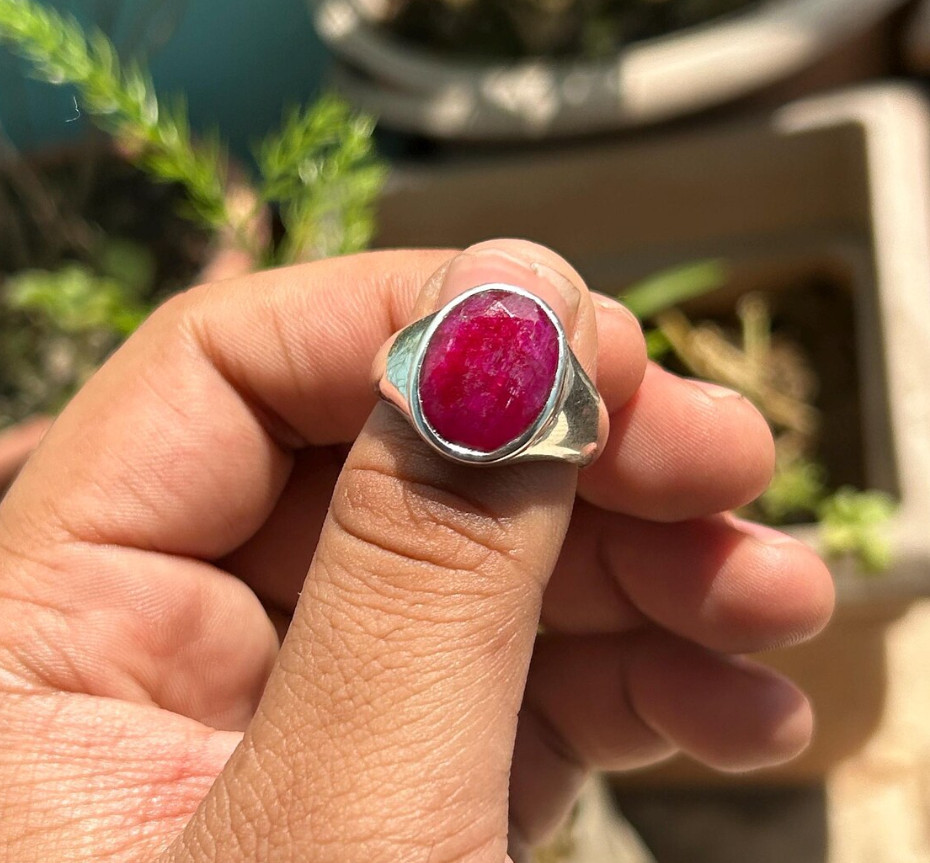

Photos from current listings. Actual item, color, and included accessories may vary.
Ruby Engagement Ring Buying Guide
A ruby engagement ring pairs the durability of corundum (9 on Mohs) with the romance of colored gemstones, but the primary trade-off is between natural vs. lab-created ruby and the precious-metal quality of the setting. Durable options use solid 14k–18k gold or platinum with a well-cut ruby and secure prongs; compromises rely on plated base metal, fracture-filled stones, or shallow cuts that chip or dull.
Median $93.57
Key takeaways
- Natural ruby is corundum (Mohs 9); lab-created ruby has identical chemistry and hardness at lower cost, while fracture-filled stones are common but less durable.
- Setting metal determines longevity: solid 14k/18k gold or platinum resists wear; 925 sterling silver is softer and requires rhodium plating to resist tarnish.
- Cut grade drives brilliance: shallow pavilion cuts create windowing (see-through center), while native-cut (no defined grade) stones vary widely in sparkle.
At a glance
- Category
- Rings & Earrings
- Last updated
- Nov 28, 2026
Current offers
Highlights
- Natural ruby is corundum (Mohs 9); lab-created ruby has identical chemistry and hardness at lower cost, while fracture-filled stones are common but less durable.
- Setting metal determines longevity: solid 14k/18k gold or platinum resists wear; 925 sterling silver is softer and requires rhodium plating to resist tarnish.
- Cut grade drives brilliance: shallow pavilion cuts create windowing (see-through center), while native-cut (no defined grade) stones vary widely in sparkle.
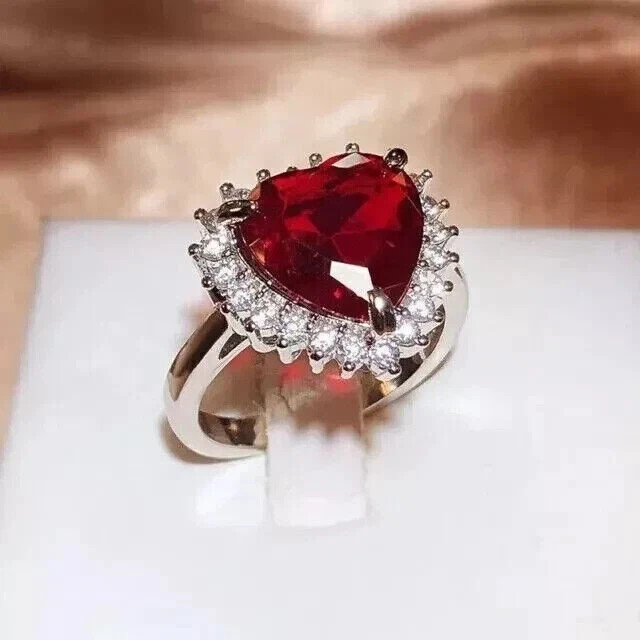
- Prong style matters: four-prong settings expose more of the stone but are less secure; six-prong or bezel settings better protect a ruby's edges.
Best use cases
- Everyday wear: choose a bezel or six-prong setting in 14k–18k gold or platinum; skip thin sterling silver prongs that bend with daily knocks.
- Proposal centerpiece: pick a natural or lab-created ruby with a defined cut grade (good–excellent) in a solid gold solitaire; avoid mystery-lot stones with no cut or treatment disclosure.
- Active lifestyle: select a low-profile bezel setting or a ruby with a protective halo; bypass high-profile prong rings that snag on clothing and gym equipment.
Buying tips
- For ring size, measure the finger in mm at the widest point and match to the brand's inner-circumference chart; a half-size difference is about 1.2 mm of circumference.
- Choose 14k or 18k gold over 925 sterling silver for daily wear—sterling is softer and its rhodium plating wears off, exposing the metal to tarnish.
- Verify the ruby treatment: unheated natural ruby commands a premium; heated is stable and common; fracture-filled stones are cheaper but prone to damage from heat and cleaners.
- Match setting height to lifestyle: a low-profile bezel sits within 2–3 mm of the finger, while a high-prong solitaire can rise 6–8 mm and catch on fabric.
Specs
| Ruby Origin | Natural vs Lab-created (same corundum) |
|---|---|
| Setting Metal | 14k/18k Gold, Platinum, 925 Silver |
| Setting Style | Prong, Bezel, Halo, Solitaire |
| Ruby Treatment | None, Heated, Fracture-filled |
Related searches
What to check before buying
- Measure the ring finger's inner circumference in mm and compare to the seller's size chart—not just US ring size numbers, which vary by brand.
- Confirm the setting metal is stamped 14K, 18K, PT950, or 925 and ask whether sterling silver is rhodium-plated for tarnish resistance.
- Check the ruby's disclosed treatment (none, heated, fracture-filled) and request a gemological report for natural stones above 1 carat.
- For online orders, verify the seller's resize and return policy covers ring sizing—resizing a bezel or channel setting can be impossible.
FAQ
Data sources: eBay / Amazon listings and product attribute feeds. Updated Nov 28, 2026.
Some links on this page are affiliate links. If you buy after clicking one, we may earn a commission at no extra cost to you. This does not change which products appear here or their order. Affiliate disclosure.