
Photos from current listings. Actual item, color, and included accessories may vary.
Ruby Ring Buying Guide
A ruby ring is a gemstone-set ring where value and durability hinge on ruby origin (natural vs. lab-grown), treatment (heated vs. untreated), and the metal's alloy grade and setting construction. The core trade-off is between natural, untreated rubies at smaller carat weights and larger lab-grown or treated stones at lower cost. The decision rule: buy natural ruby only with a reputable lab report for stones over 1 ct and untreated claims; choose lab-grown or heated ruby for larger, budget-friendly fashion rings; and never accept a high-carat ruby without documented treatment and origin.
Median $106.80
Key takeaways
- Natural ruby is corundum (Mohs 9); lab-grown ruby is chemically identical, but natural stones above 1 ct carry origin and treatment premiums that dominate price.
- Heat treatment is standard and acceptable for natural ruby; untreated stones command steep premiums and require a lab report from GIA, AGL, or GRS.
- Sterling silver (92.5% silver) is the common budget metal; 14K or 18K gold provides better long-term wear and setting security for daily-wear rings.
At a glance
- Category
- Rings & Earrings
- Last updated
- Nov 29, 2026
Current offers
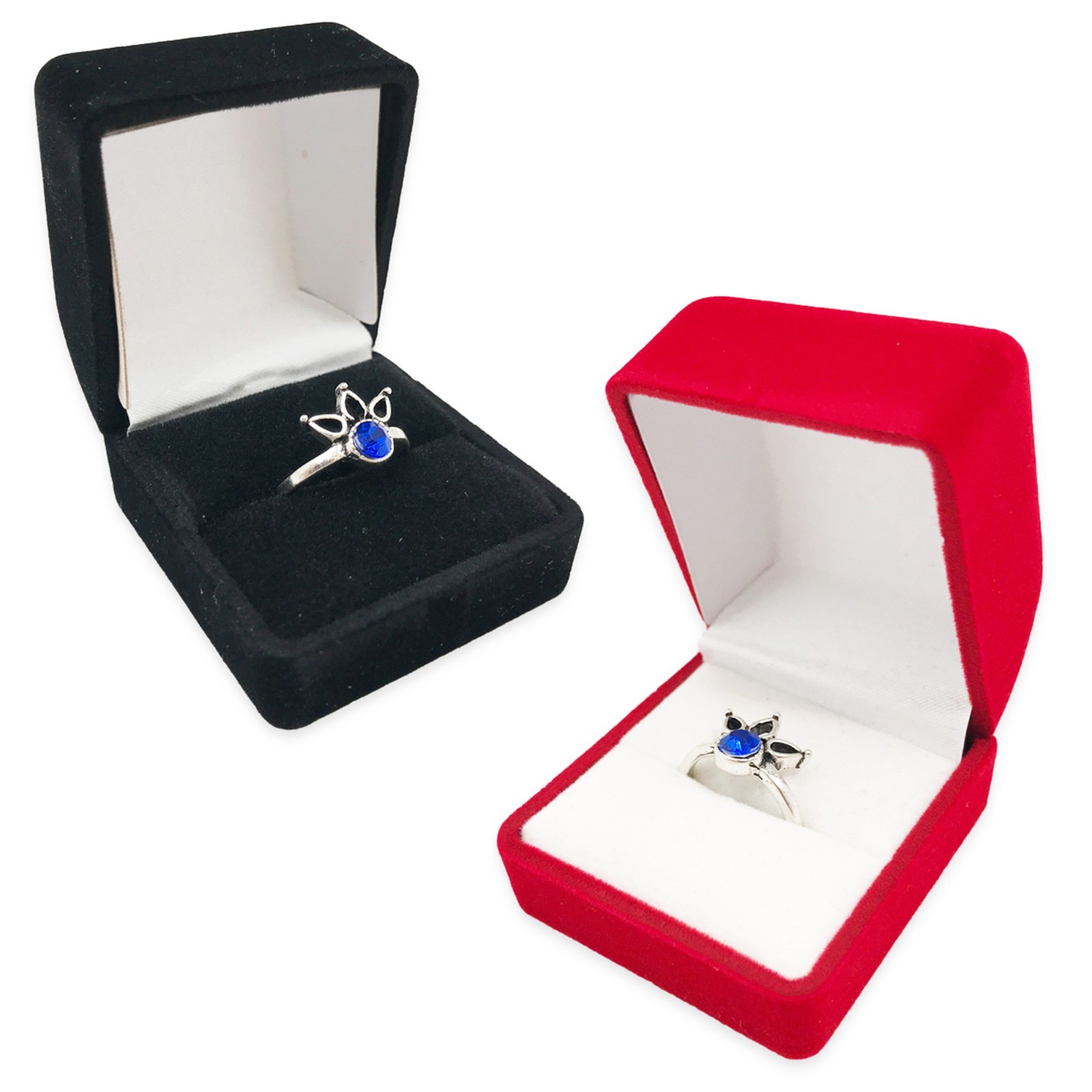 Velour Jewelry Gift Box Ring Earring Pendant Watch Red or Black$6.47Last checked Nov 23, 2026View on eBay
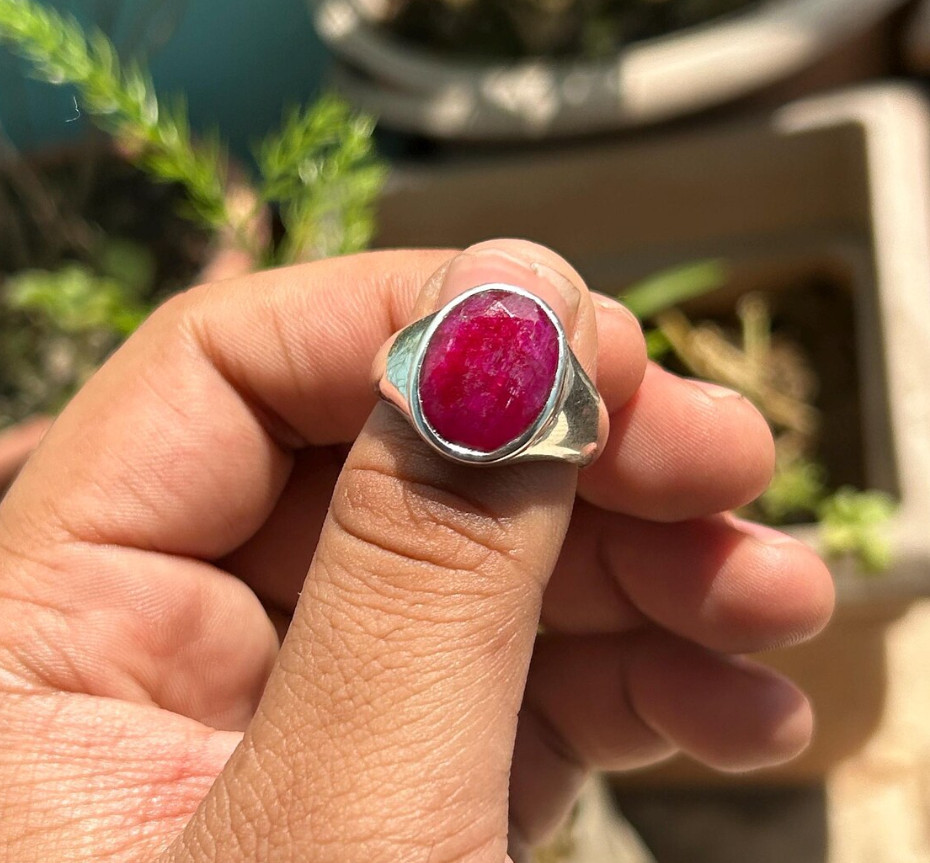 Genuine Red Ruby Men's Ring 925Sterling Silver Ruby Jewelry Mens Engagement Ring$57.90View on eBay
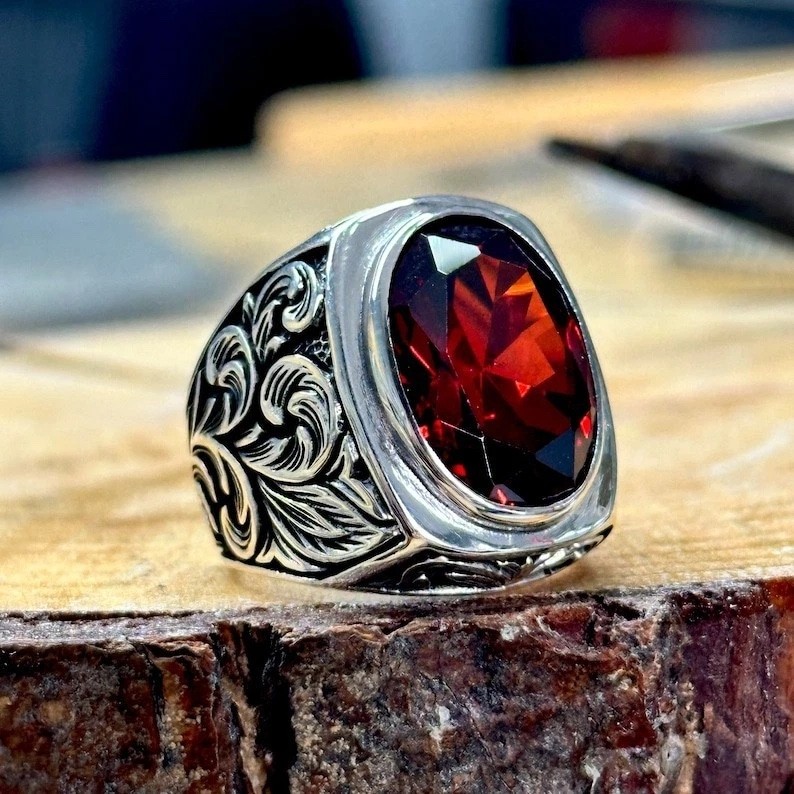 Silver 925 Ruby Stone Red Stone Men Handmade Ring$106.80Last checked Nov 28, 2026View on eBay
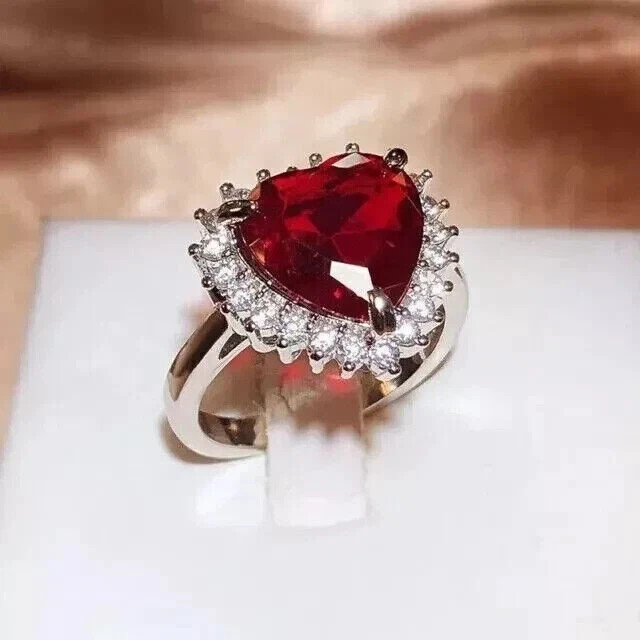 4 Ct Heart Cut Natural Ruby Diamond Wedding Engagement Ring Women 14K White Gold$129.24Last checked Nov 26, 2026View on eBay
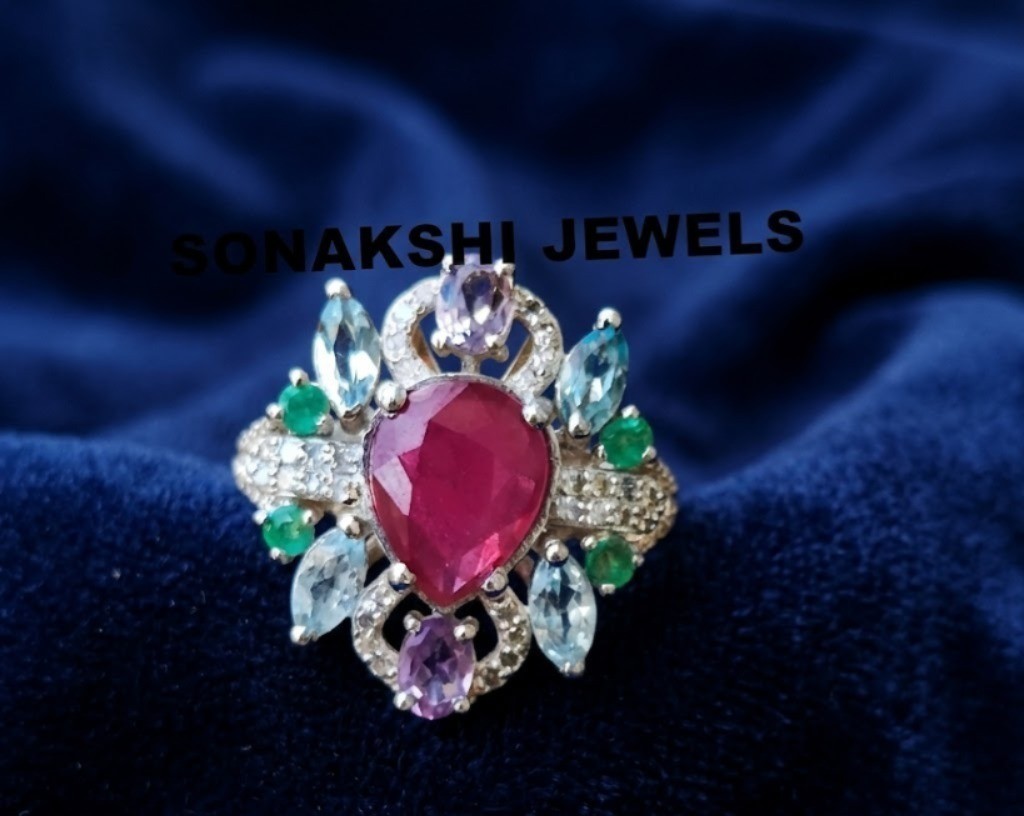 Classic Paer Shape Ruby Cocktail Ring Emerald And Blue Topaz Gemstone Ring$222.48Last checked Nov 17, 2026View on eBay
Highlights
- Natural ruby is corundum (Mohs 9); lab-grown ruby is chemically identical, but natural stones above 1 ct carry origin and treatment premiums that dominate price.
- Heat treatment is standard and acceptable for natural ruby; untreated stones command steep premiums and require a lab report from GIA, AGL, or GRS.
- Sterling silver (92.5% silver) is the common budget metal; 14K or 18K gold provides better long-term wear and setting security for daily-wear rings.
- Setting style matters: bezel settings protect the girdle for active wear, while prong settings expose the stone and suit occasional-wear cocktail or engagement rings.
Best use cases
- Daily-wear engagement or wedding ring: choose 14K–18K gold with a bezel or low-profile prong setting and a lab-grown or heated natural ruby; skip sterling silver prong settings for constant hand use.
- Statement cocktail or signet ring: pick a large lab-grown or heated ruby in sterling silver or gold with a bold setting; skip untreated natural ruby at high carat weight unless a lab report is included.
- Men's ruby band or signet: select 925 sterling silver or 10K–14K gold in a comfort-fit band; skip thin prong-set stones that snag and wear loose in heavy-use rings.
Buying tips
- For natural ruby over 1 ct, require a report from GIA, AGL, or GRS stating origin and treatment; treat 'untreated' claims without a report as unverified.
- Match metal to wear: 925 sterling silver for occasional fashion rings, 14K–18K gold for daily wear; 10K gold is the minimum for durable men's bands.
- Choose lab-grown ruby when size and clarity matter more than rarity; it is chemically identical corundum at a fraction of natural untreated pricing.
- Check setting security: bezel or halo settings protect the girdle; six-prong settings expose it, so reserve them for protected, occasional-wear rings.
Specs
| Ruby Origin | Natural vs. Lab-Grown |
|---|---|
| Treatment | Heated vs. Untreated (lab report) |
| Metal Grade | 925 Silver / 10K-18K Gold |
| Setting Type | Bezel / Prong / Halo / Signet |
Related searches
What to check before buying
- Confirm ring size using a printable ring sizer or jeweler measurement; band width over 4 mm often requires a half-size up for comfort.
- Match metal to skin and environment: sterling silver tarnishes in humid climates; gold is preferable for daily wear or chlorine exposure.
- Verify the ruby's treatment and origin documentation before purchase, especially for natural stones above 1 ct or any 'untreated' claim.
- Check stone dimensions in millimeters, not just carat weight, to ensure the setting and finger coverage suit your preference.
FAQ
Data sources: eBay / Amazon listings and product attribute feeds. Updated Nov 29, 2026.
Some links on this page are affiliate links. If you buy after clicking one, we may earn a commission at no extra cost to you. This does not change which products appear here or their order. Affiliate disclosure.