
Photos from current listings. Actual item, color, and included accessories may vary.
Silver Ring Buying Guide
Silver rings span from solid 925 sterling silver bands to rhodium-plated brass or copper alloys with stone settings, and the core trade-off is metal purity and plating thickness versus decorative stone count. A true 925 sterling stamp with a solid shank (no hollow core) is the dividing line between a ring that survives daily wear and one that pits, turns fingers green, or loses stones within months.
Median $56.81
Key takeaways
- 925 sterling silver is 92.5% pure silver alloyed with 7.5% copper; anything stamped only 'silver' or 'silver color' is typically brass or copper with flash plating that wears through.
- Rhodium plating over sterling adds tarnish resistance but wears off in 6-18 months on high-friction rings; solid sterling or platinum-group alloys last indefinitely with simple polishing.
- Prong-set CZ and moissanite stones need 4-6 prongs and a closed gallery; glued or thin-bezel settings are the leading cause of stone loss in fashion silver rings.
At a glance
- Category
- Rings & Earrings
- Last updated
- Nov 29, 2026
Current offers
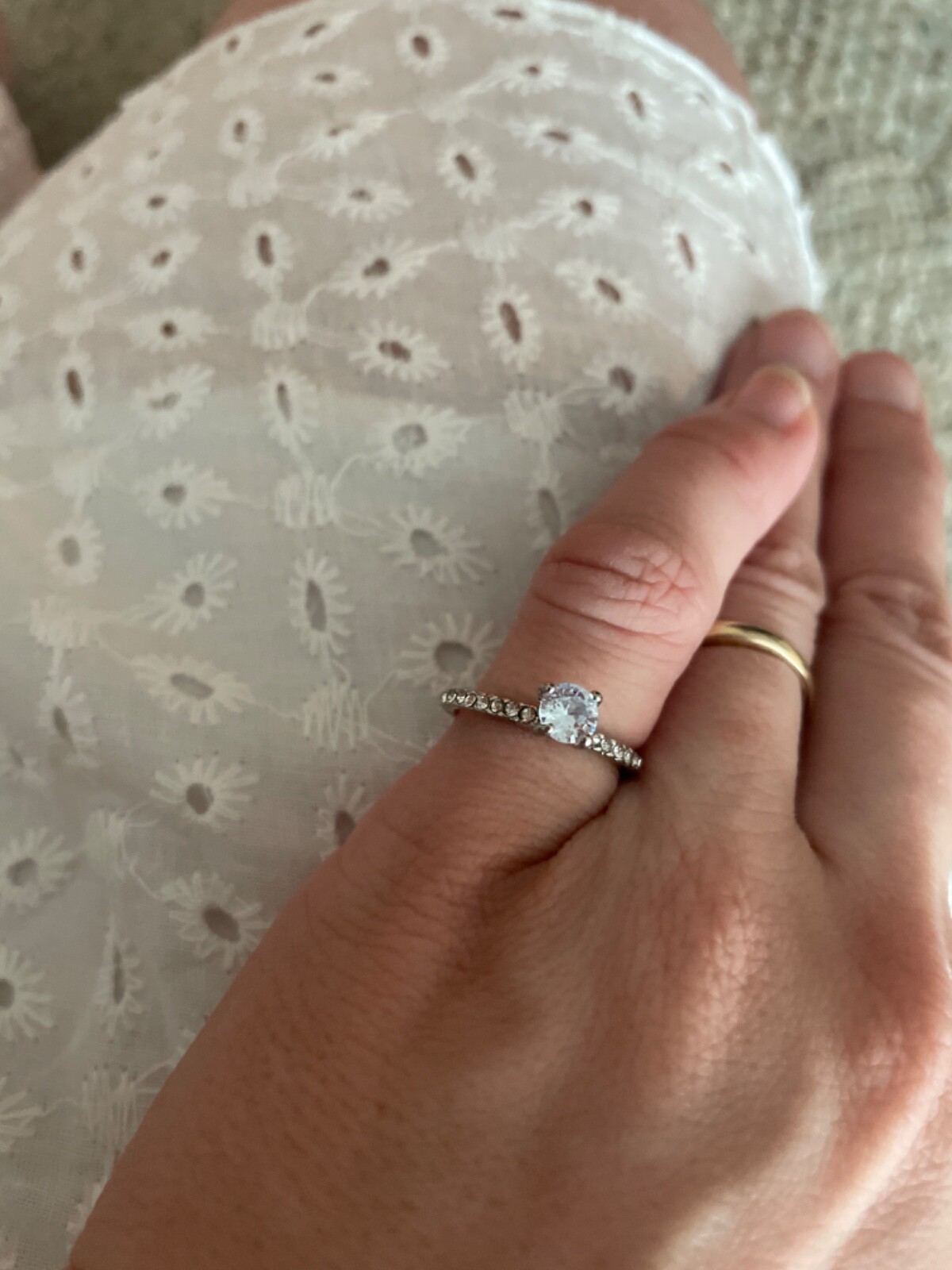 Simple Single Product Ring 925 Silver Simulated Diamond Matching Ring$5.00View on eBay
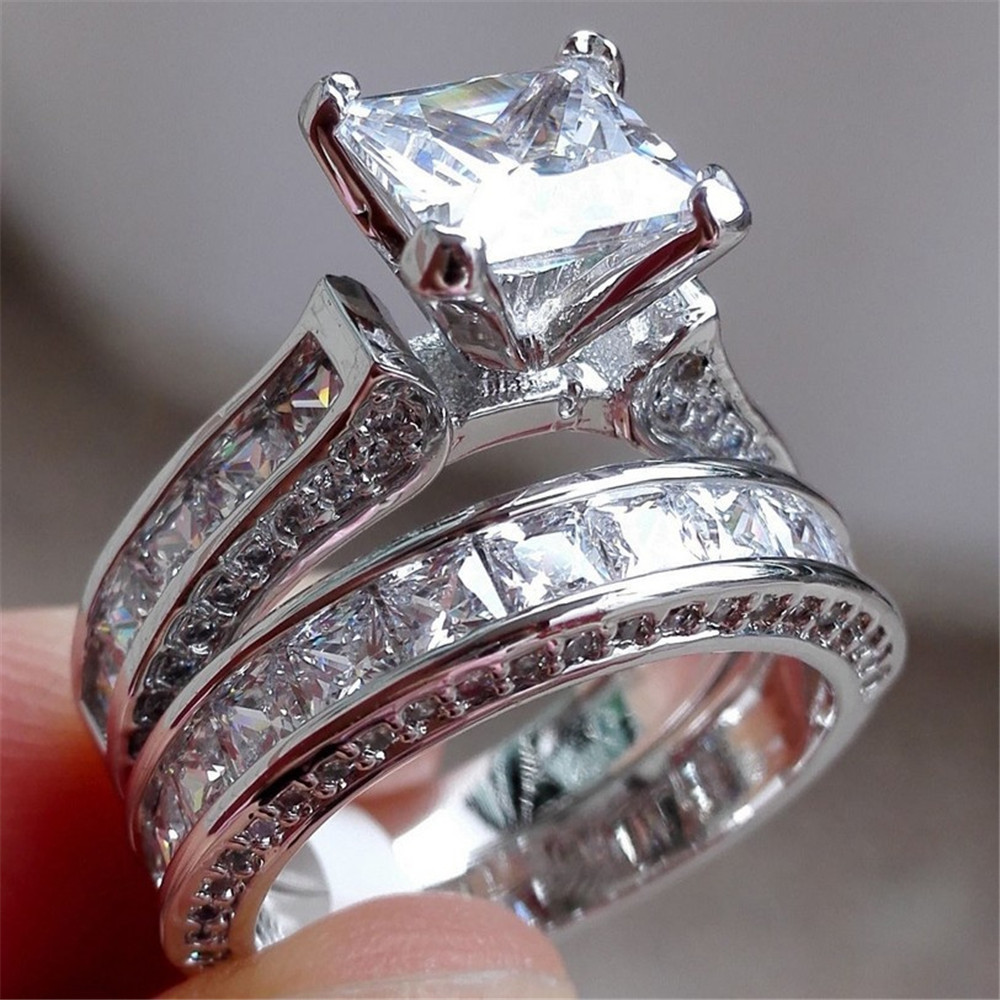 New Style Charm Couple Rings His Her Silver Color Princess Cut CZ Anniversary Promise Wedding Engagement Ring Sets$8.99View on Mallflare
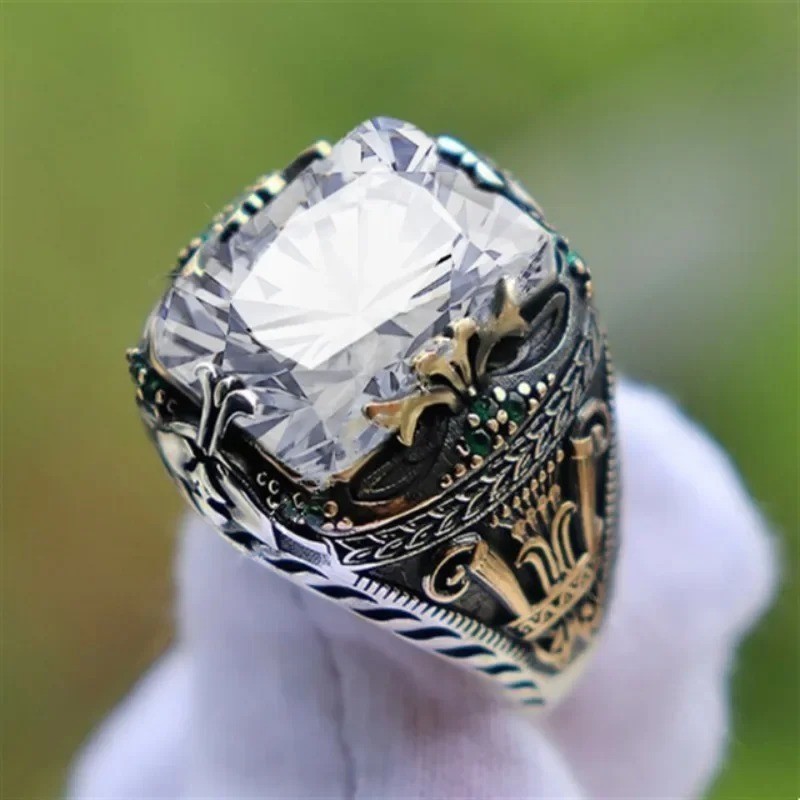 Sterling Silver Handmade Jewelry Black Men's Ring All Size Fashion Ring 2026$5.47View on eBay
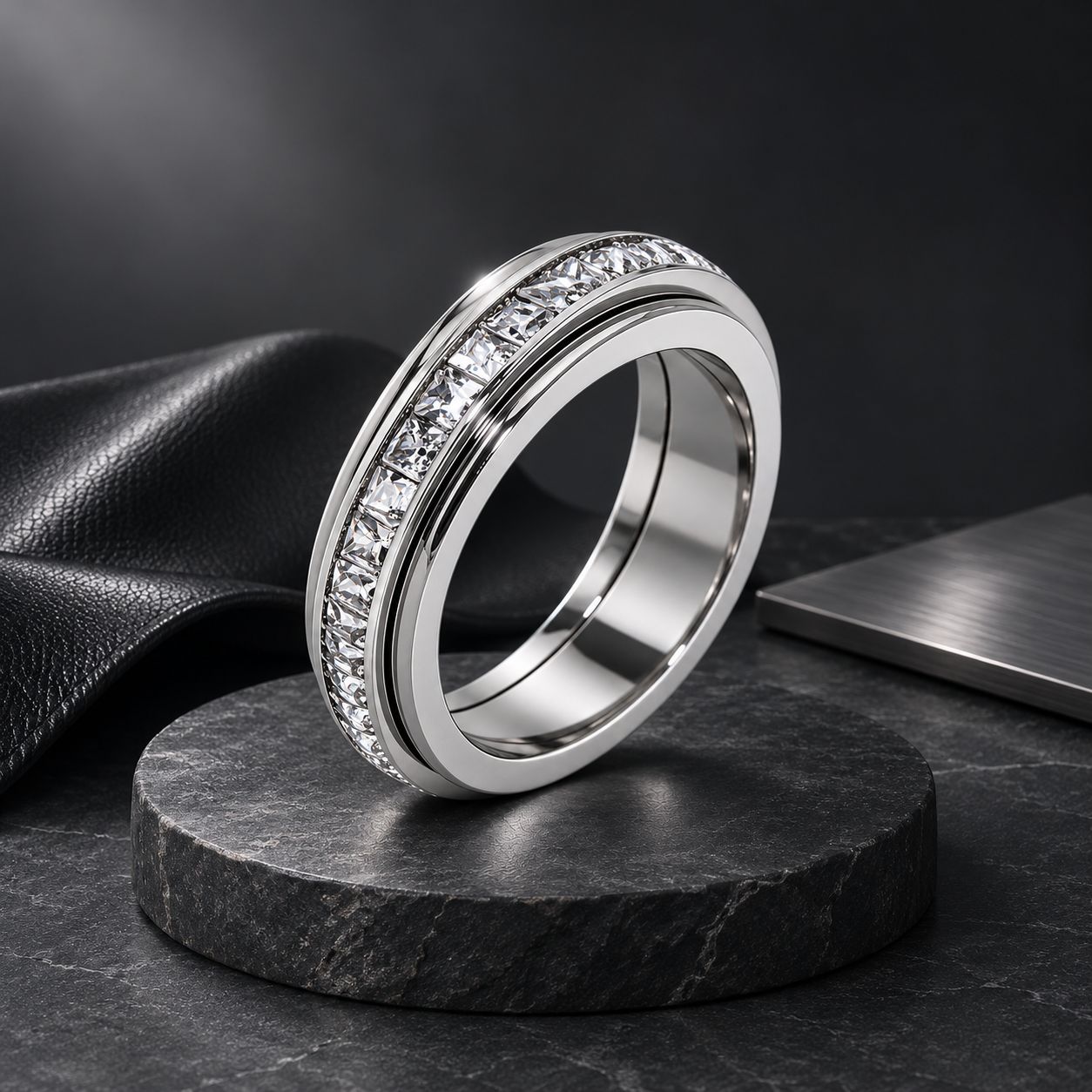 Silver Tone CZ Eternity Ring For Men Women, Full Band Baguette Princess Cut Cubic Zirconia Wedding Polished Stainless Steel Clear Stone Statement Promise Jewelry Gift$18.99View on Mallflare
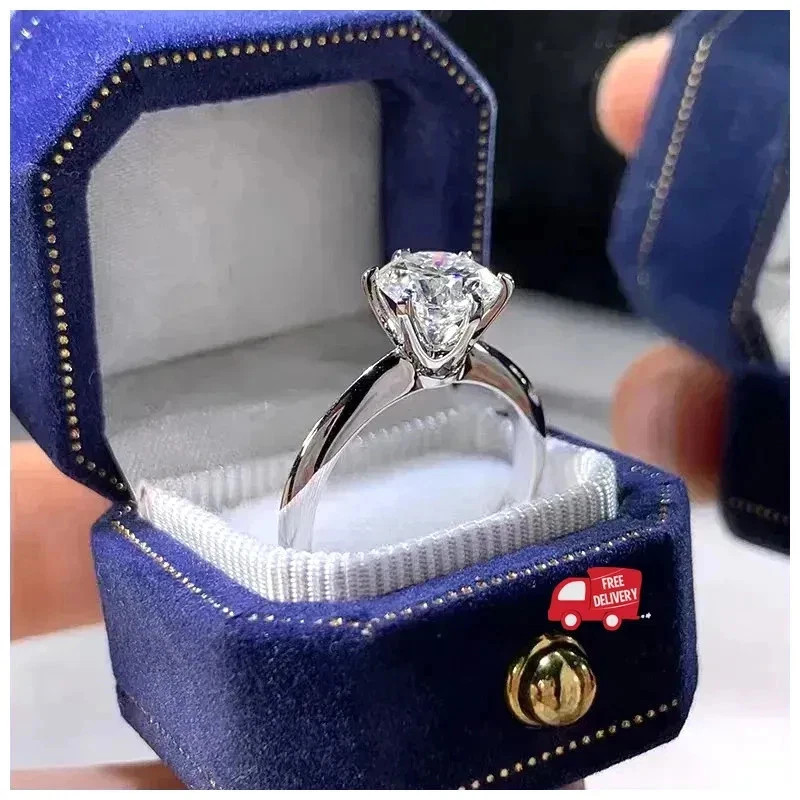 Solitaire ring Real 925 Sterling silver 1ct Moissanite cz Engagement Wedding$11.50Last checked Nov 28, 2026View on eBay
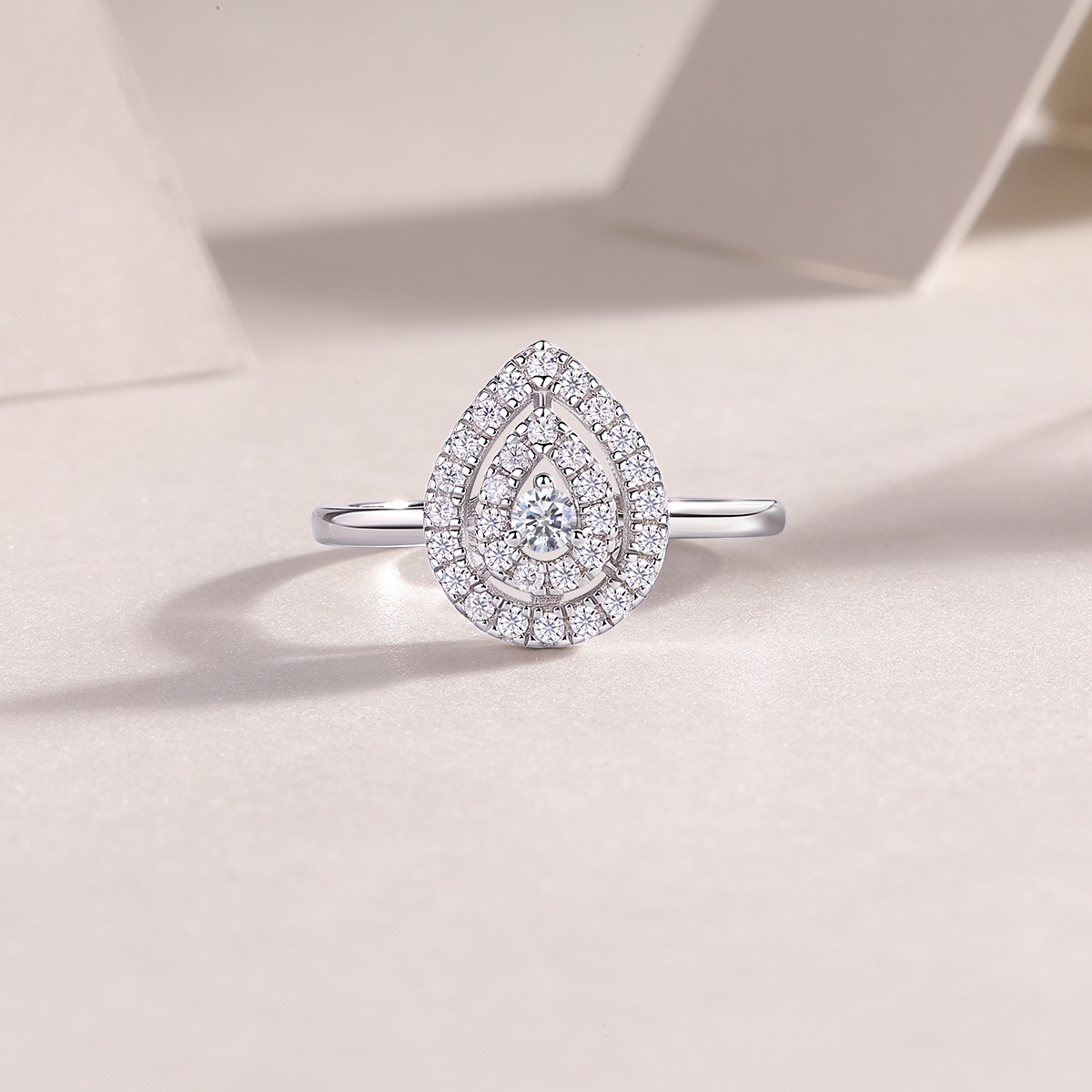 1Set Of Large Diamond Rings Luxury Fashion Set With Moissanite Silver$57.99View on Mallflare
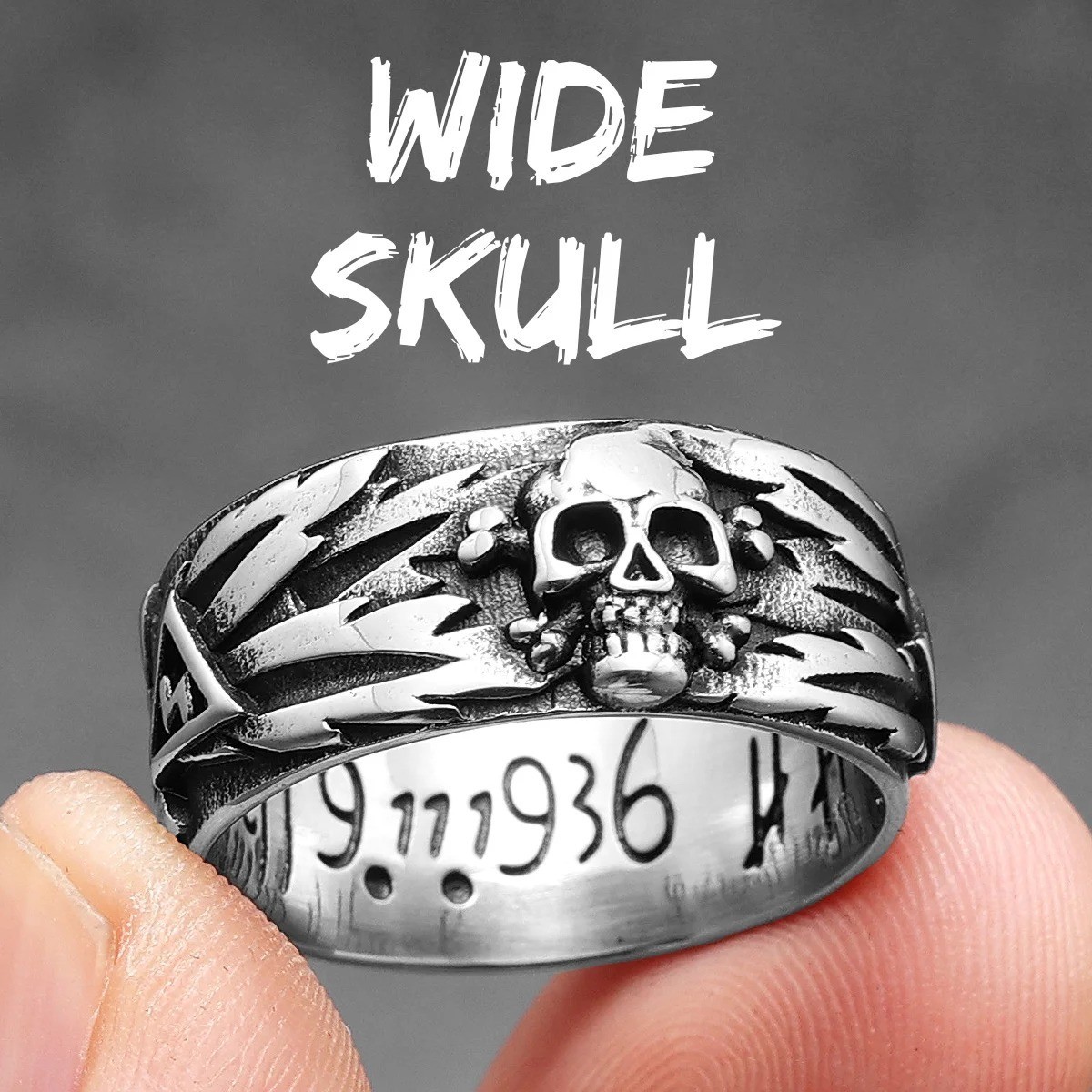 2024 New Fashion Skull Ring Silver Hand Make World War Ii Men Ri$11.99View on eBay
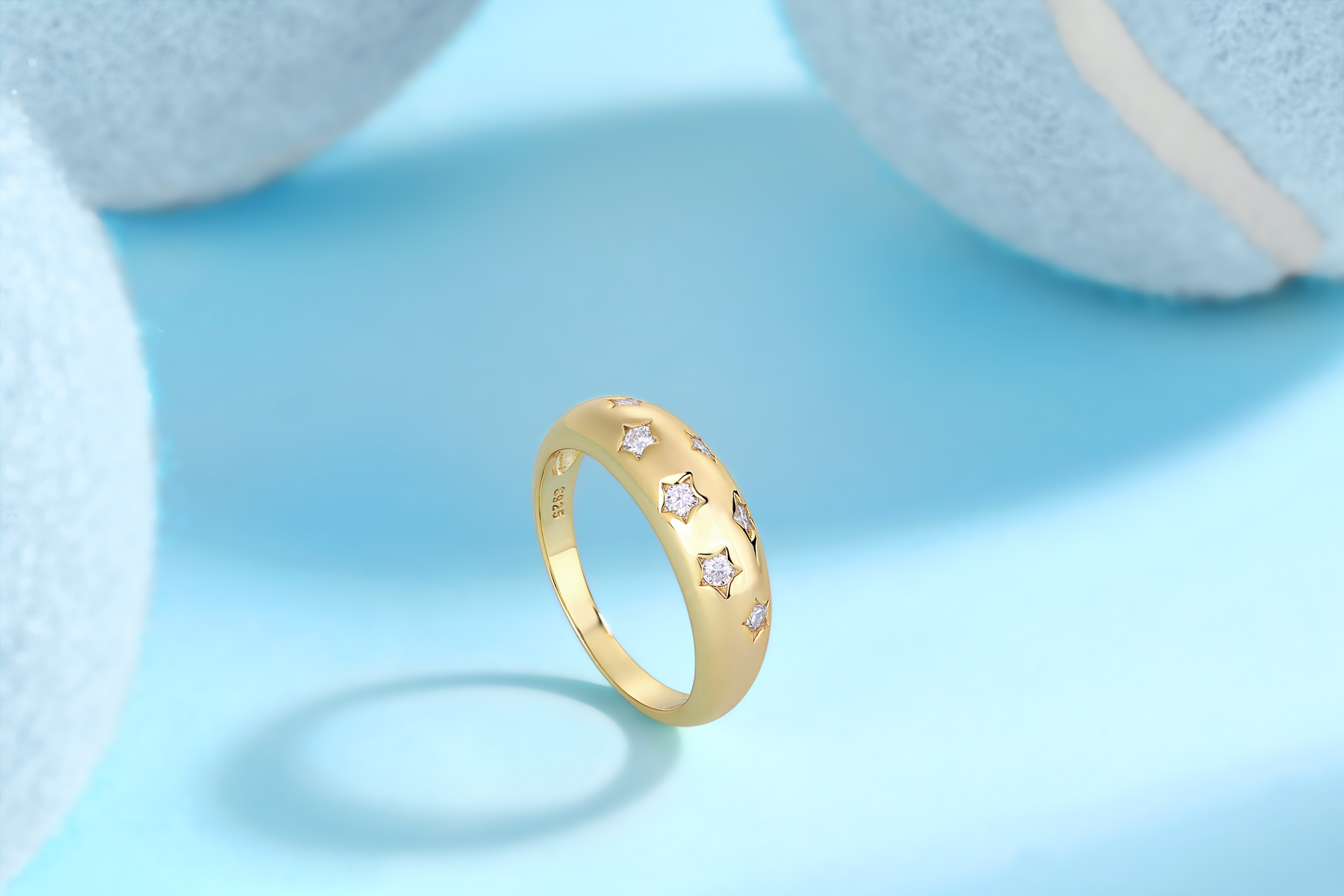 1Trendy Diamond Rings, Wedding Luxury Fashion, Silver Set With Moissanite$58.99View on Mallflare
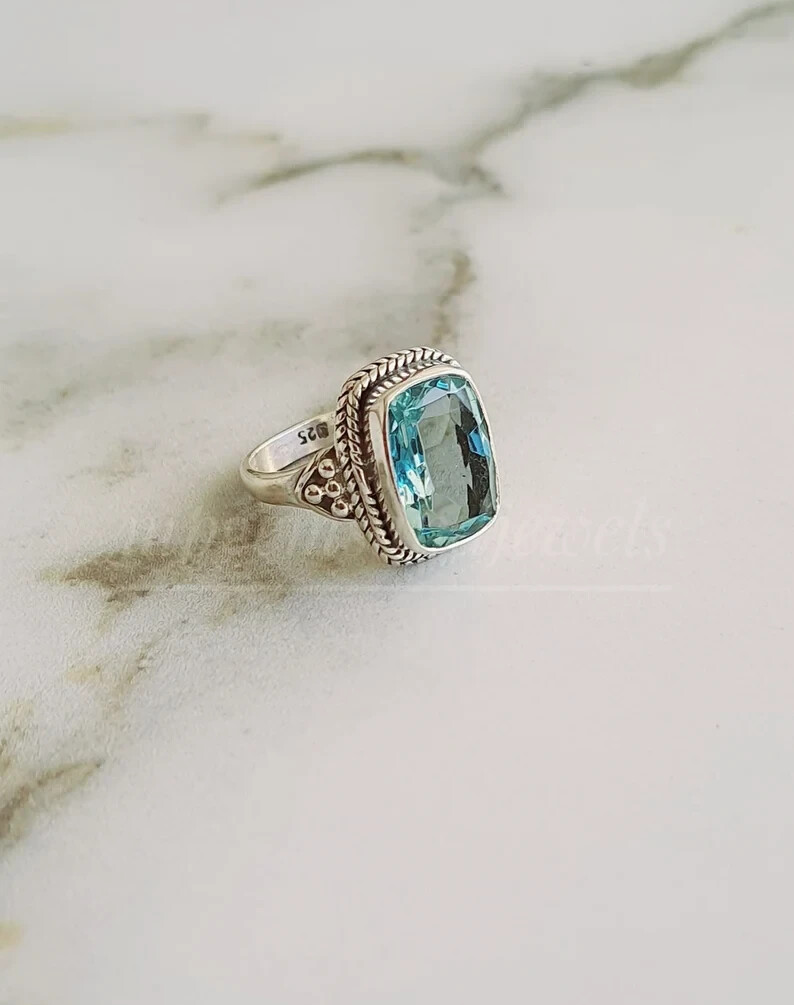 Aquamarine Ring 925 Sterling Silver Band& Statement Ring Handmade Ring All Size$14.24Last checked Nov 22, 2026View on eBay
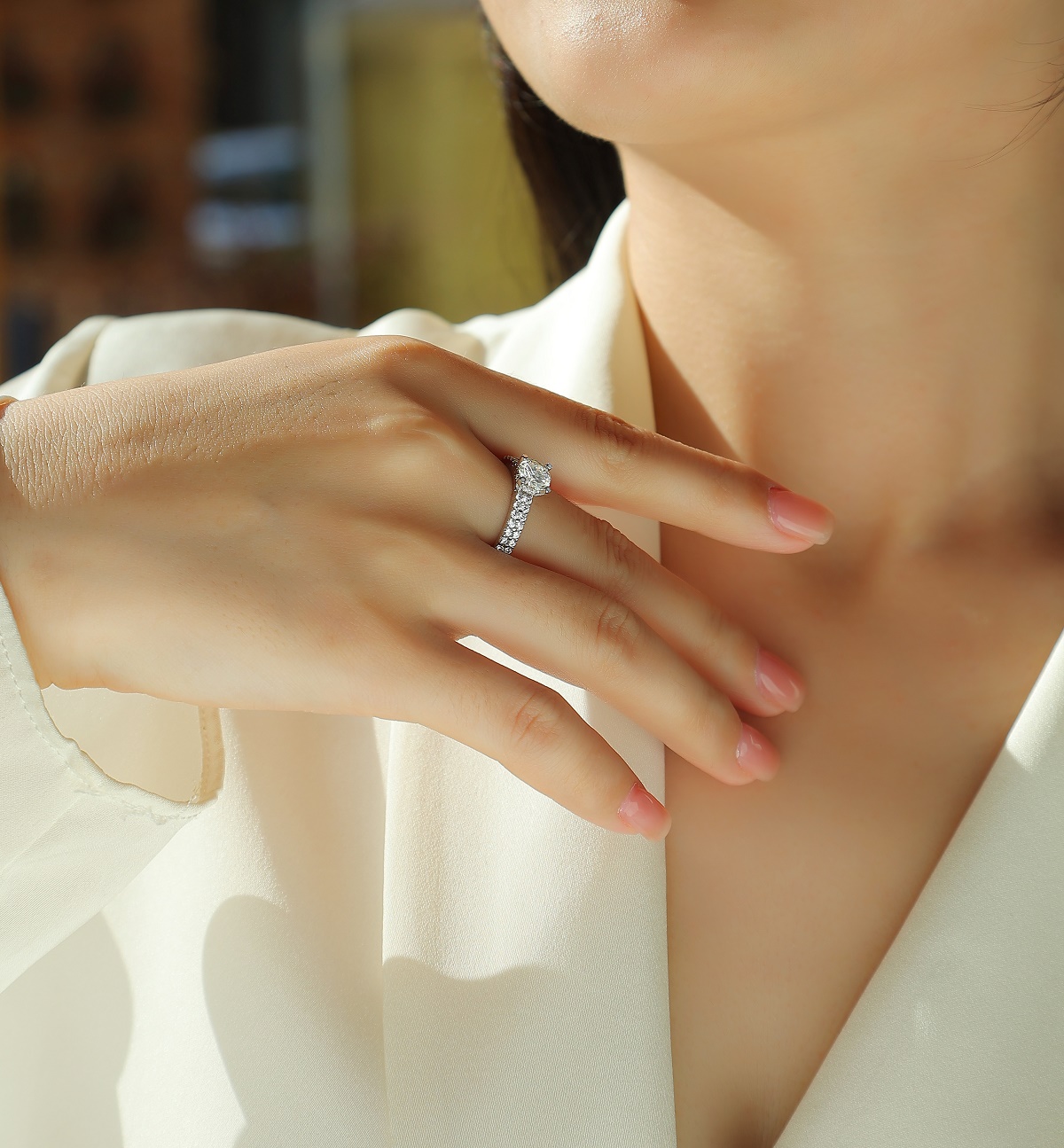 1Arrange Large Diamond Rings, Wedding Luxury Fashion Set Moissanite Silver$62.99View on Mallflare
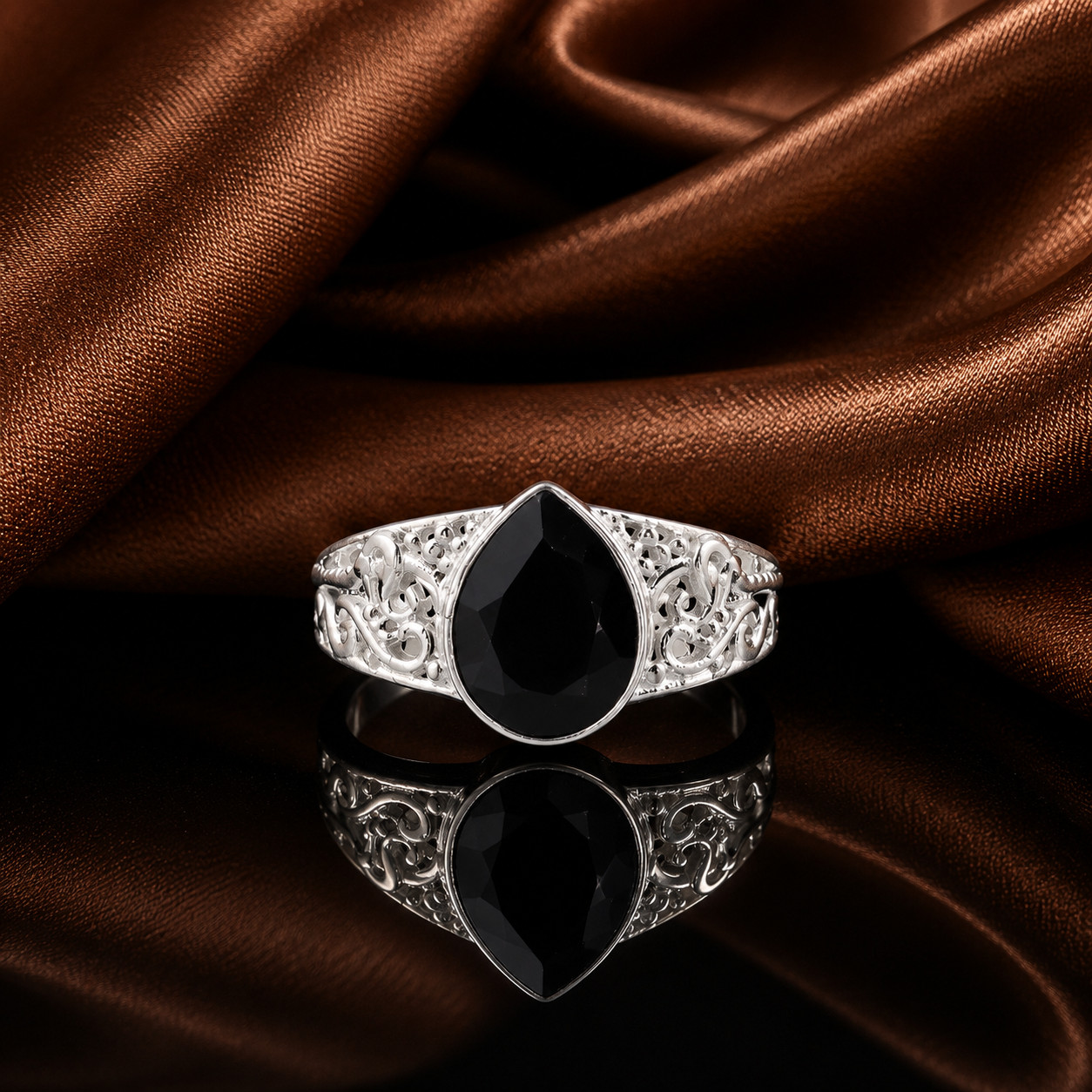 Black Onyx Gemstone 925 Sterling Silver Statement Jewelry Zircon Ring For Woman$15.99Last checked Nov 20, 2026View on eBay
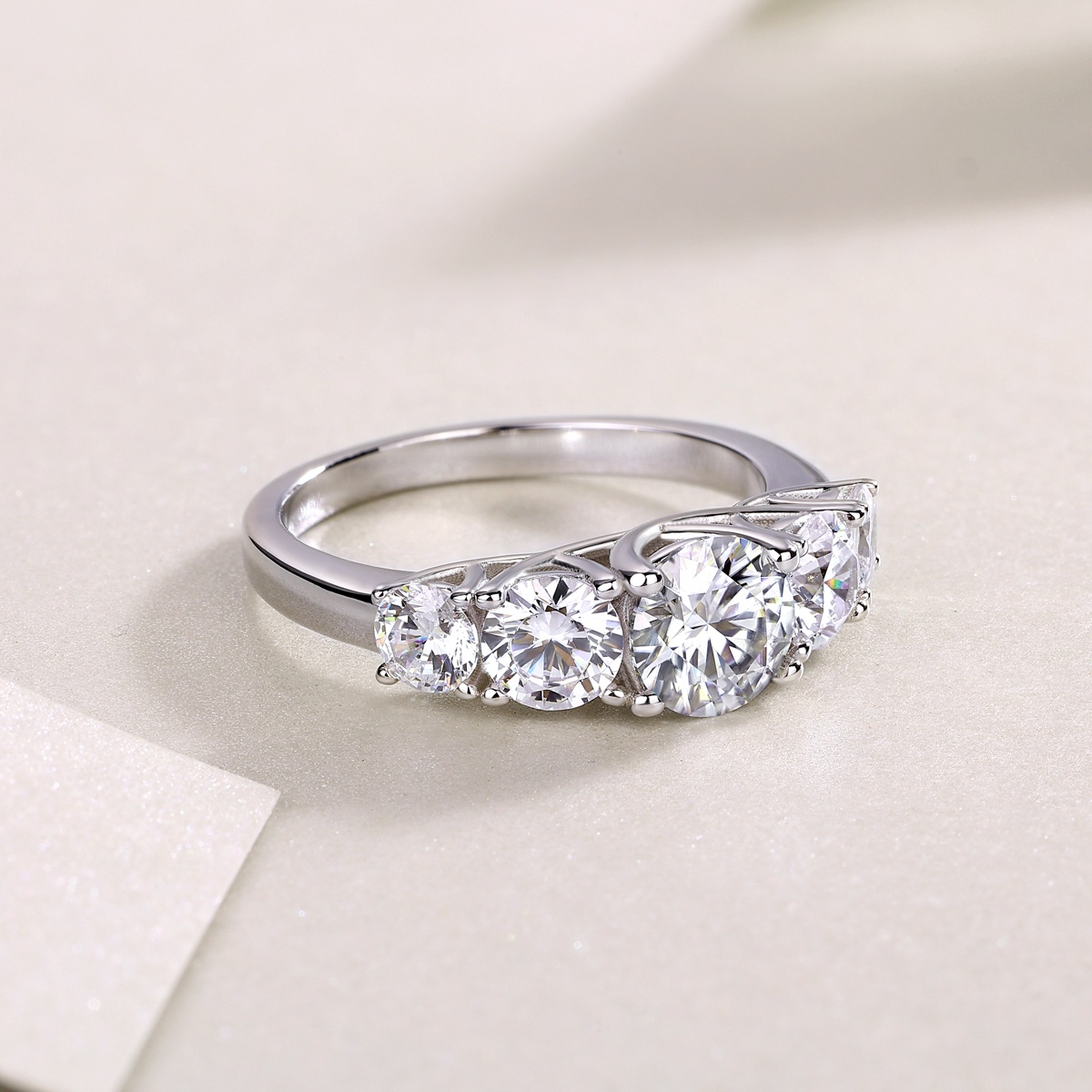 1Luxury Fashion Diamond Rings Lots Of Moissanite Silver$68.99View on Mallflare
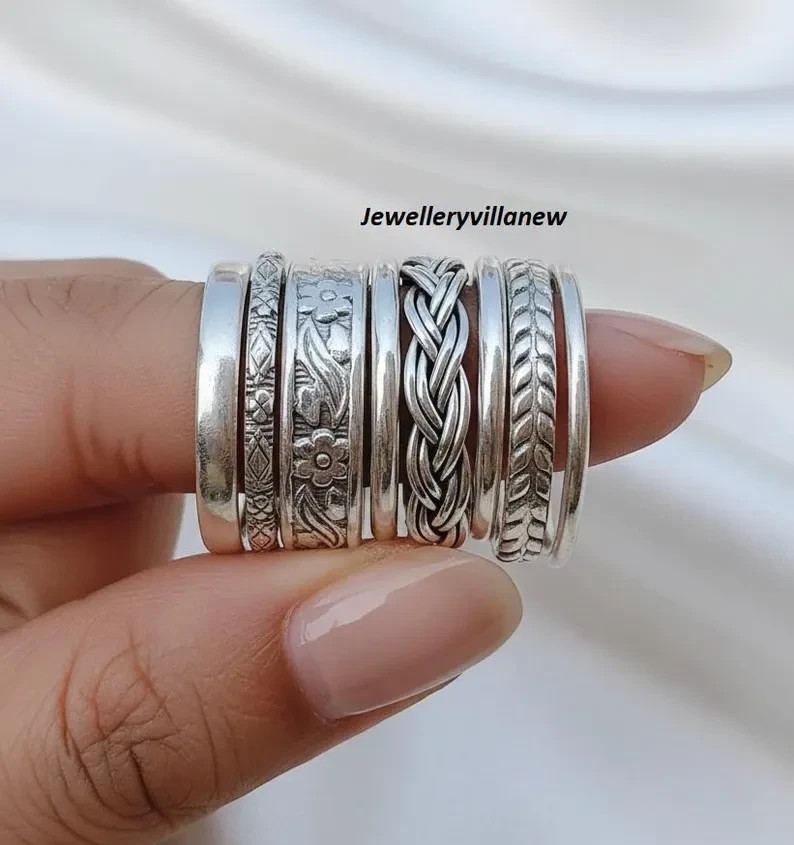 Handmade 8 Set OF Stacking Silver Ring, 925 Sterling Silver, Dainty Silver Ring,$16.14Last checked Nov 22, 2026View on eBay
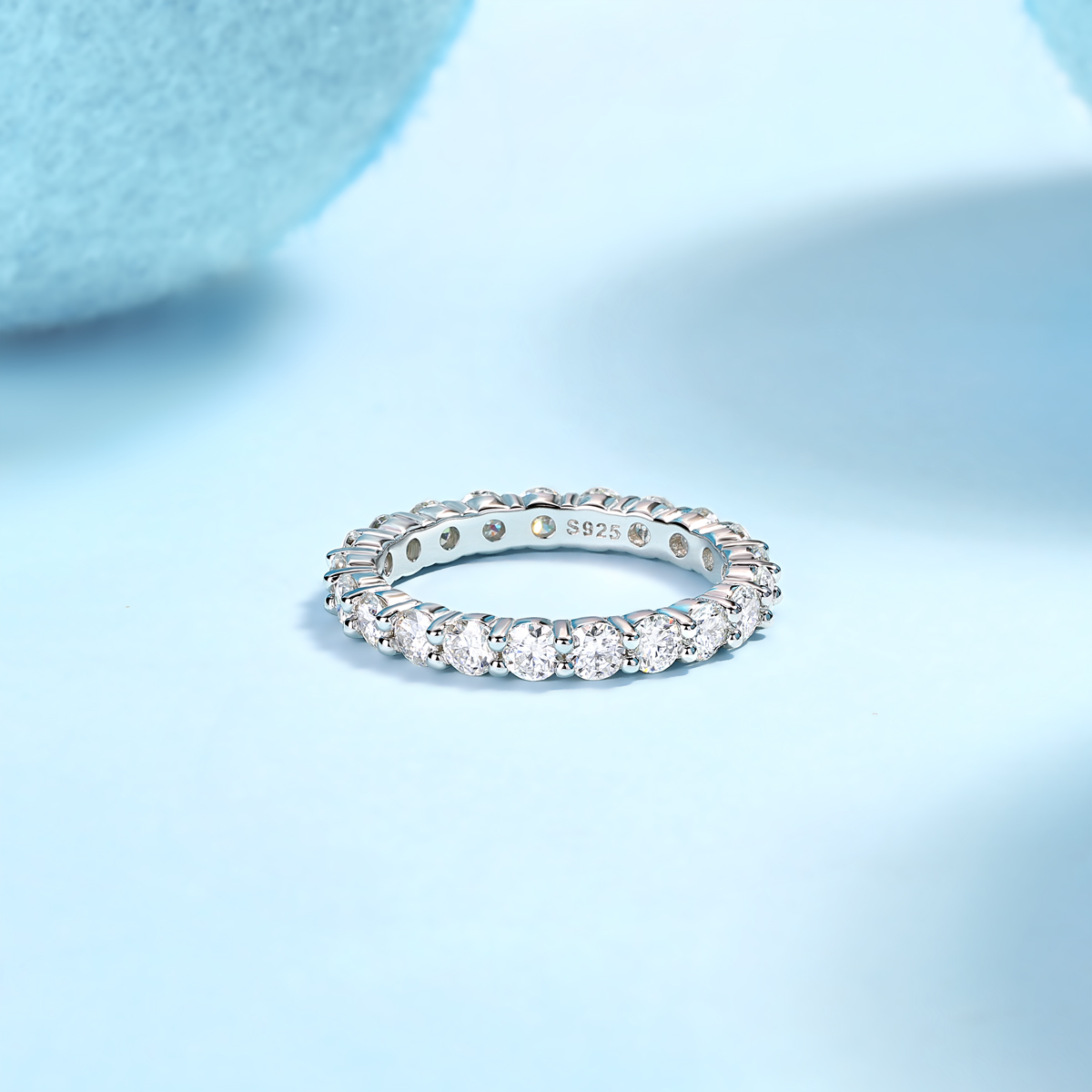 1Luxury Fashion Diamond Ring, Row Moissanite Silver Jewelry$70.99View on Mallflare
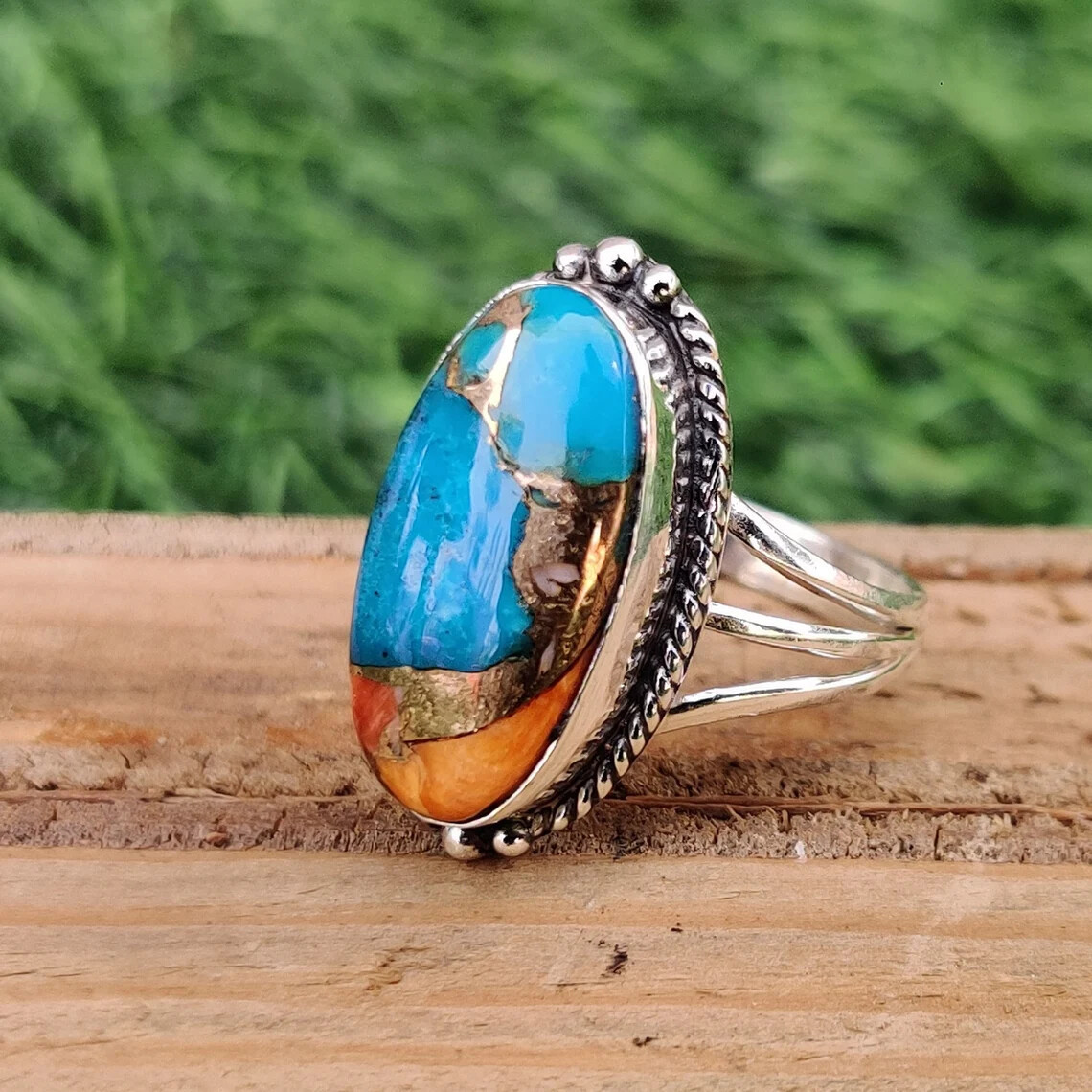 Oyster Copper Turquoise Gemstone 925 Sterling Silver Ring All Size$19.79Last checked Nov 18, 2026View on eBay
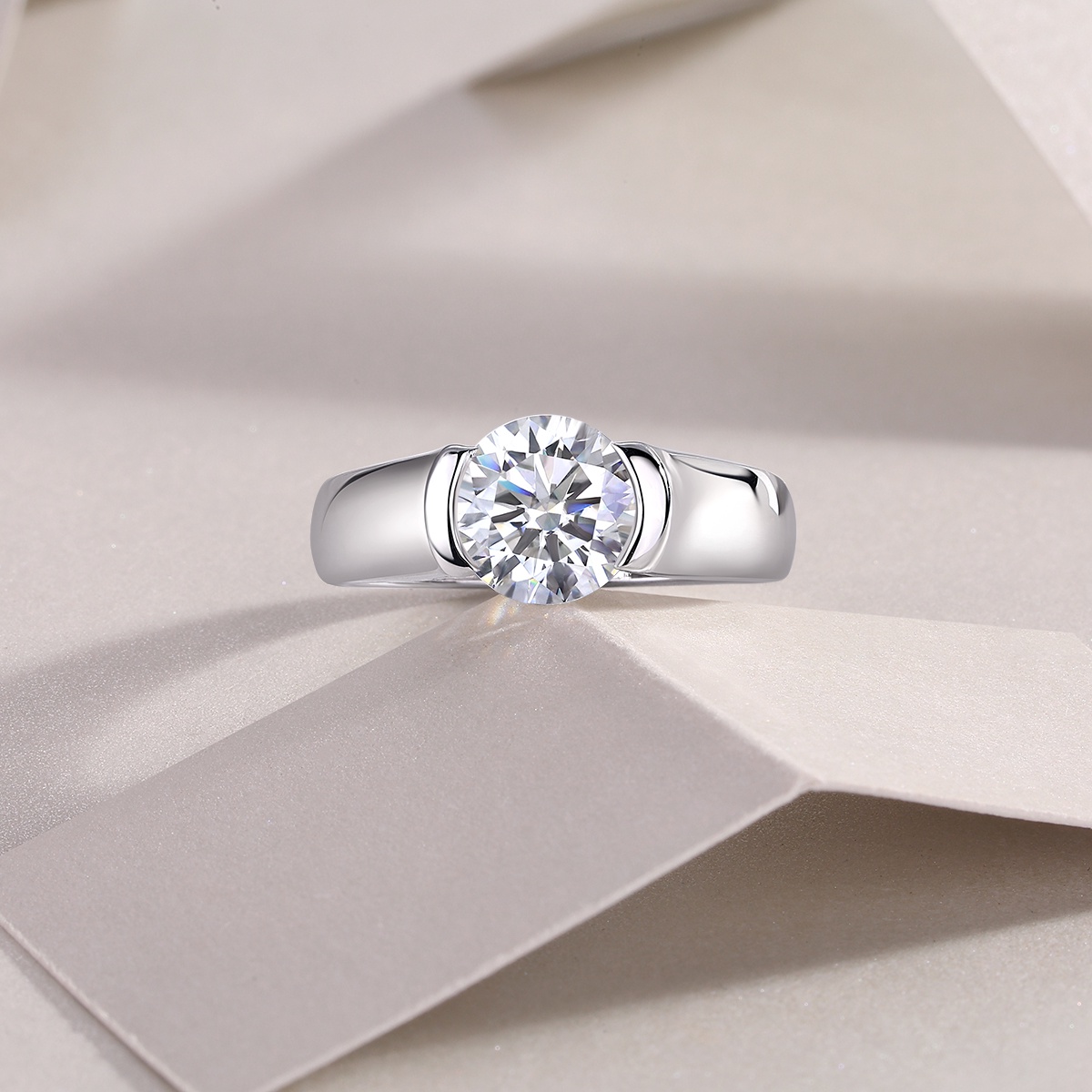 1The Love Of Your Life Diamond Ring, Wedding Luxury Fashion Set With Moissanite Silver$71.99View on Mallflare
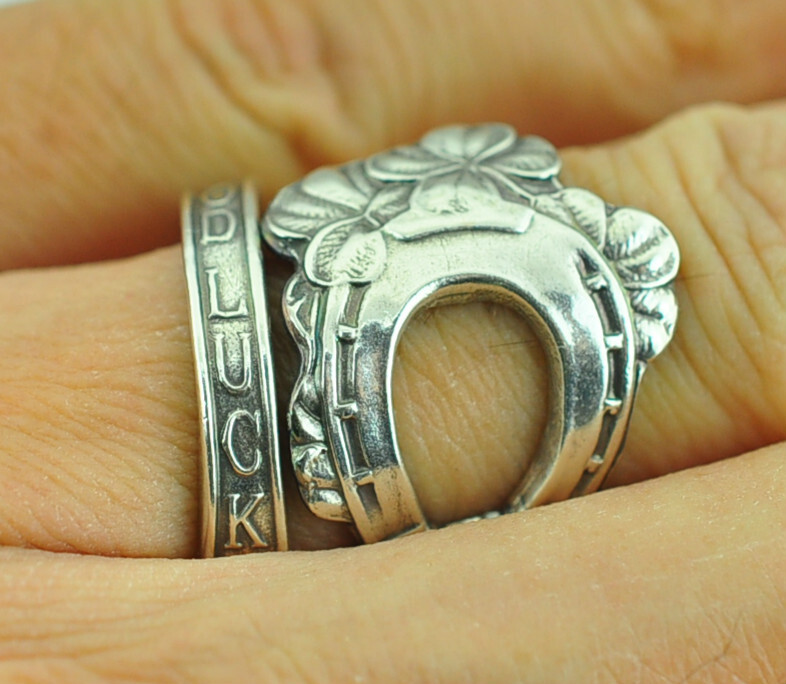 Solid 925 Sterling Silver Four-Leaf-Clover Horseshoe Adjustable Spoon Ring$21.99Last checked Nov 26, 2026View on eBay
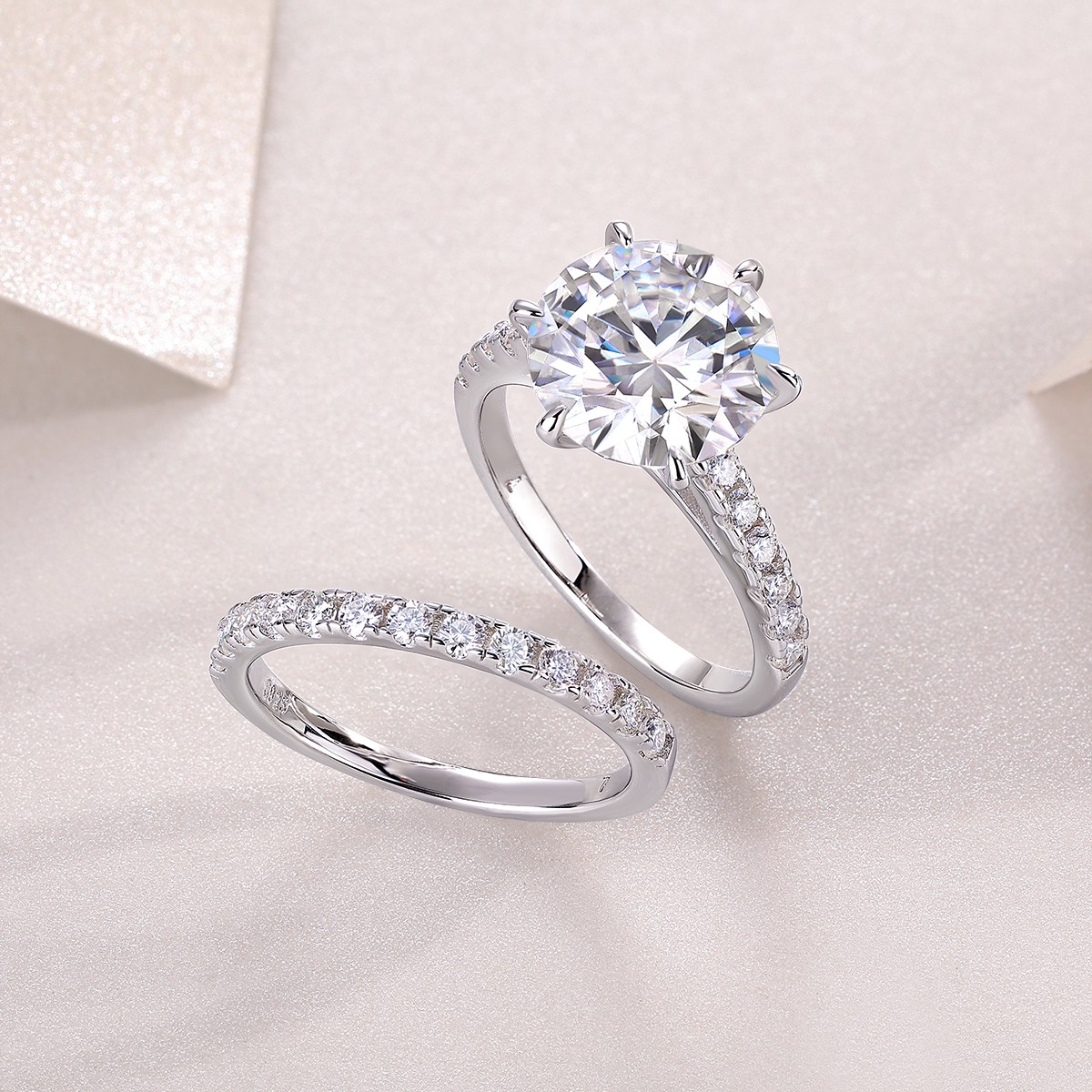 1Arrange Large Diamond Rings Luxuriously And Fashionably Set With Moissanite Silver$99.99View on Mallflare
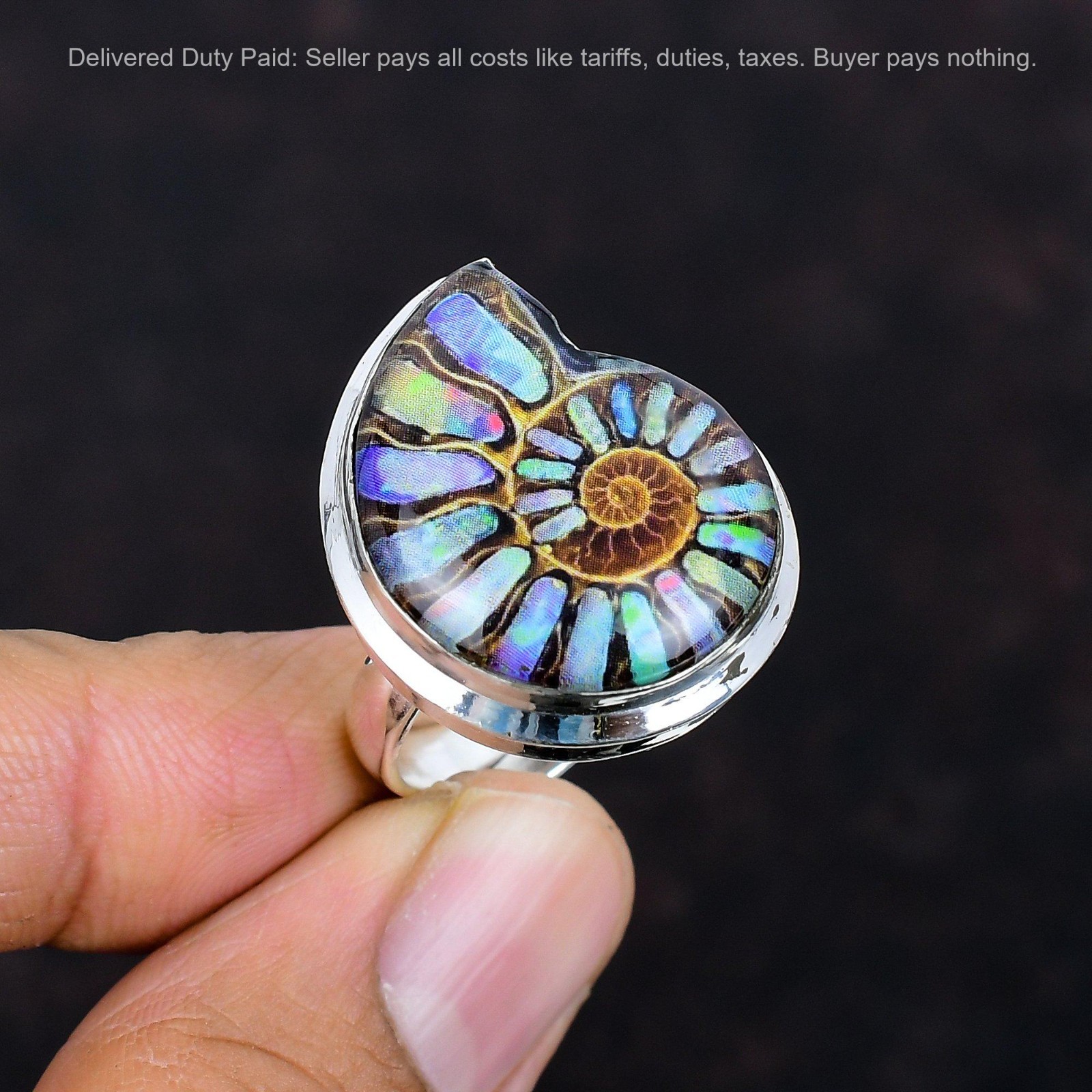 925 Sterling Silver Natural Ammonite Doublet Opal Bezel Statement Ring Jewelry$26.70Last checked Nov 20, 2026View on eBay
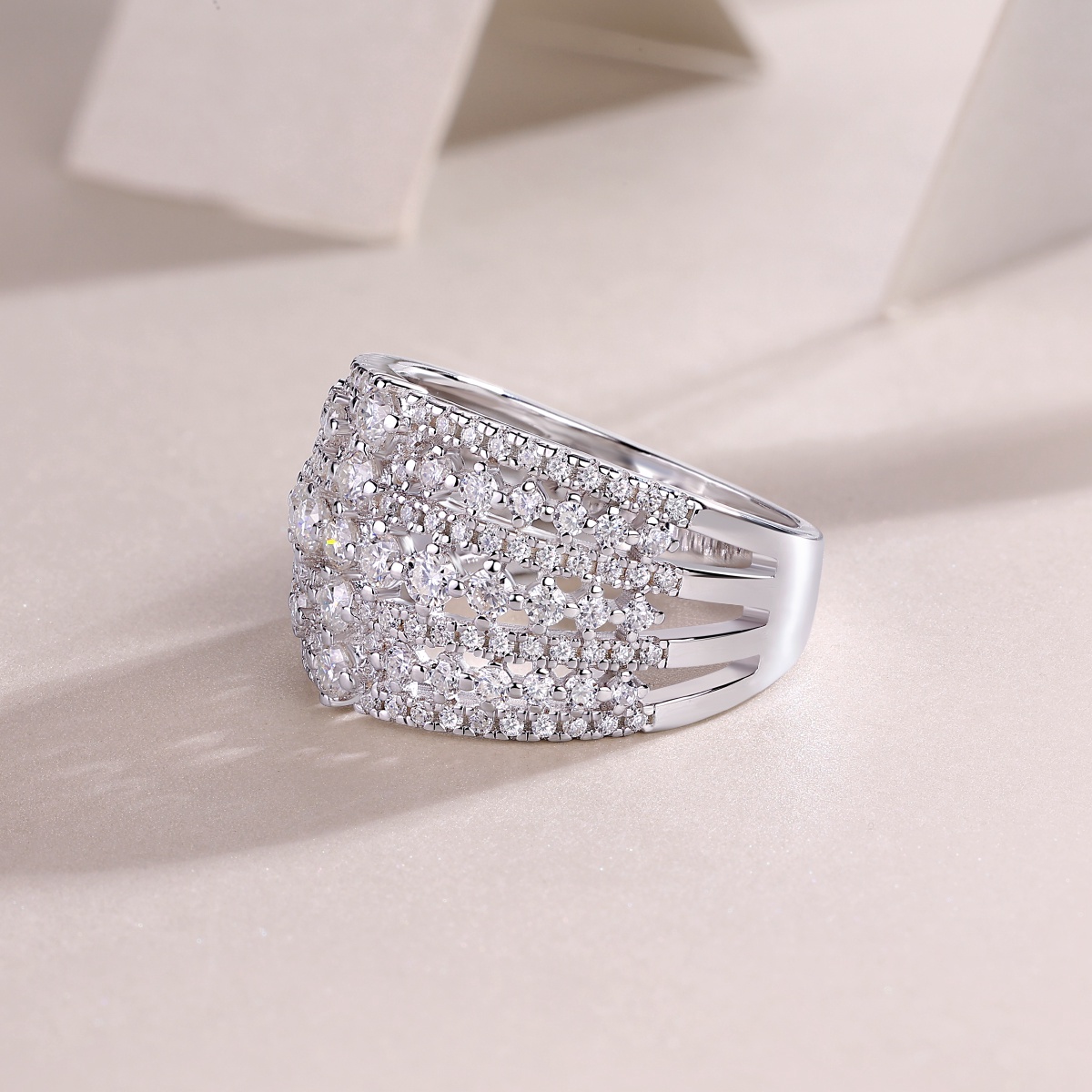 1Many Diamonds Are Arranged Luxuriously Fashionable Moissanite Silver Rings$101.99View on Mallflare
Highlights
- 925 sterling silver is 92.5% pure silver alloyed with 7.5% copper; anything stamped only 'silver' or 'silver color' is typically brass or copper with flash plating that wears through.
- Rhodium plating over sterling adds tarnish resistance but wears off in 6-18 months on high-friction rings; solid sterling or platinum-group alloys last indefinitely with simple polishing.
- Prong-set CZ and moissanite stones need 4-6 prongs and a closed gallery; glued or thin-bezel settings are the leading cause of stone loss in fashion silver rings.
- Ring band thickness of at least 1.2-1.5 mm at the base and a solid (not hollowed) shank distinguishes rings that resist bending and denting from lightweight stackers.
Best use cases
- Daily-wear engagement or wedding band: choose solid 925 sterling with a 1.5 mm+ shank and rhodium finish or platinum alloy; skip hollow-shank and plated-brass rings that deform under constant hand use.
- Stacking and statement fashion sets: multi-ring silver-tone sets are fine in plated brass or copper if worn occasionally; avoid them for 24/7 wear because plating wears at contact points.
- Gemstone or birthstone rings: pick 925 sterling with prong-set stones and a closed back; avoid open-back glue-set stones in silver-plated base metal for anything worn regularly.
- Sensitive-skin or nickel-allergy buyers: choose nickel-free 925 sterling or fine silver; skip 'silver color' alloys and copper-core rings that release nickel and turn skin green.
Buying tips
- Look for a '925' or 'S925' stamp inside the band; unmarked 'silver' rings are usually brass or copper with plating, not sterling silver.
- Measure your finger with a ring sizer or existing ring's inner diameter; US sizes 5-9 cover most women's rings and international size charts differ, so convert before ordering.
- For stone rings, check the setting type: prong settings with 4+ prongs and a closed gallery hold stones far better than glue-set or thin-bezel fashion settings.
- Choose band width deliberately: 1.5-2 mm suits stacking and delicate looks, 2.5-4 mm gives durability for everyday wear, and 6 mm+ signet styles need a solid flat shank to avoid bending.
Specs
| Metal Purity | 925 sterling vs plated brass/copper |
|---|---|
| Band Width | 1.5-2 mm stack / 2.5-4 mm daily |
| Stone Setting | Prong-set vs glue/bezel-set |
| Plating | Rhodium-plated vs unplated sterling |
Related searches
What to check before buying
- Confirm your ring size using a sizer or a ring you own measured across the inner diameter in millimeters; silver rings cannot be resized as easily as gold.
- Check the metal stamp: S925/925 sterling is durable; 'silver color', 'silver tone', or unmarked metal is plated base metal with a limited lifespan.
- For stone rings, confirm setting type (prong vs glue/bezel) and whether the back is open or closed, which affects stone security and skin contact.
- Note plating type: rhodium-plated sterling resists tarnish longer, while unplated sterling needs regular polishing and storage in a dry, airtight bag.
FAQ
Data sources: eBay / Amazon listings and product attribute feeds. Updated Nov 29, 2026.
Some links on this page are affiliate links. If you buy after clicking one, we may earn a commission at no extra cost to you. This does not change which products appear here or their order. Affiliate disclosure.