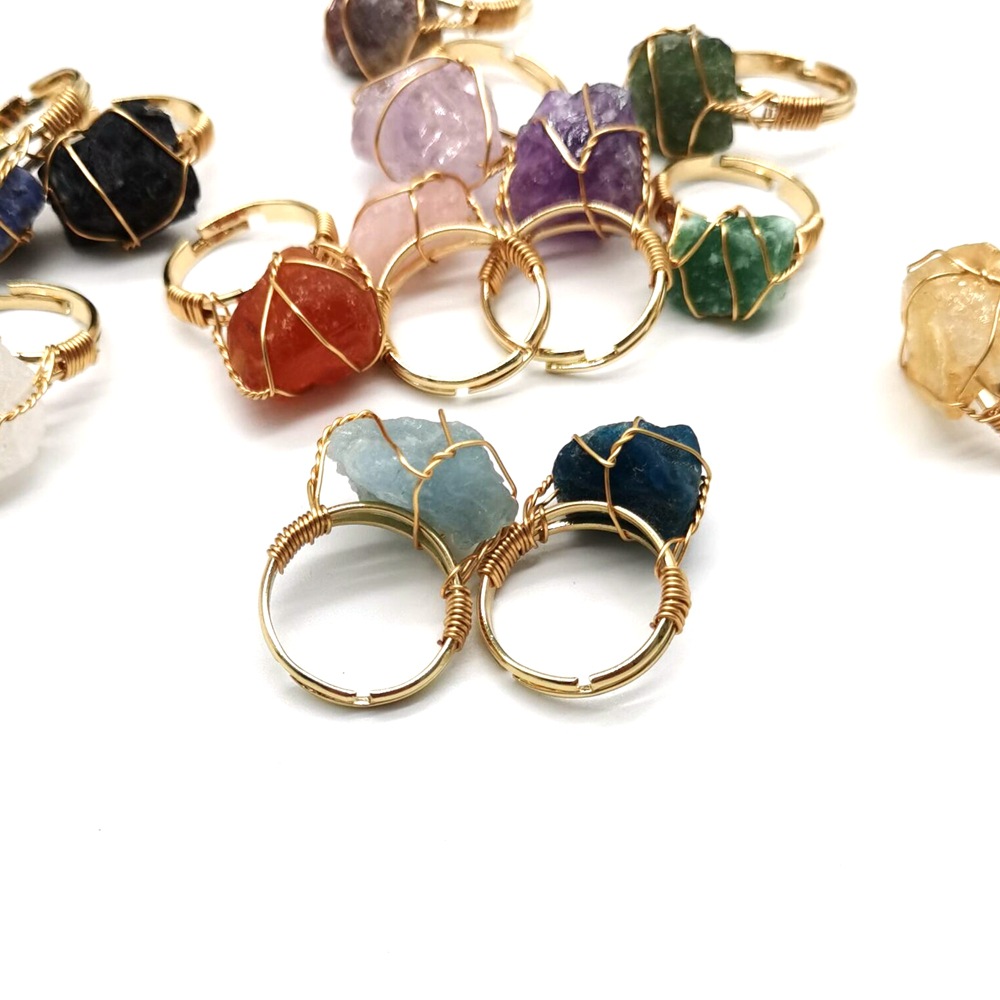

Photos from current listings. Actual item, color, and included accessories may vary.
Stone Ring Buying Guide
Stone rings span natural gemstones, lab-grown stones, and glass or resin imitations set in precious or base metals. The core trade-off is stone authenticity and metal durability versus decorative look: natural stones in solid 925 silver or 14k gold hold value and resist wear, while glued glass or plated brass fails within months. Buy natural or lab stones in solid precious metal if you want a lifelong piece; choose bezel-set hard stones for daily wear and skip prong-set soft stones in plated settings for anything beyond occasional use.
Median $35.00
Key takeaways
- Mohs hardness separates daily-wear stones: sapphire and ruby at 9, diamond at 10, and moissanite at 9.25 survive knocks, while opal, pearl, and turquoise at 5-6 scratch and need bezel protection.
- Setting architecture decides durability: a full bezel encloses the girdle and spreads impact, while four-prong settings expose corners and snag on fabric, so prong rings need thicker 2mm+ shanks.
- Metal grade controls tarnish and skin safety: solid 925 sterling silver, 14k/18k gold, and 316L stainless steel are nickel-safe and re-polishable, while brass or copper with rhodium plating wears through to reveal base metal.
At a glance
- Category
- Rings & Earrings
- Last updated
- Nov 29, 2026
Current offers
Highlights
- Mohs hardness separates daily-wear stones: sapphire and ruby at 9, diamond at 10, and moissanite at 9.25 survive knocks, while opal, pearl, and turquoise at 5-6 scratch and need bezel protection.
- Setting architecture decides durability: a full bezel encloses the girdle and spreads impact, while four-prong settings expose corners and snag on fabric, so prong rings need thicker 2mm+ shanks.
- Metal grade controls tarnish and skin safety: solid 925 sterling silver, 14k/18k gold, and 316L stainless steel are nickel-safe and re-polishable, while brass or copper with rhodium plating wears through to reveal base metal.
- Stone origin tiers differ in cost and consistency: natural mined stones carry inclusions and certification, lab-grown stones are chemically identical with fewer flaws, and glass or cubic zirconia are decorative-only at any price.
Best use cases
- Daily-wear engagement or wedding ring: pick a bezel-set sapphire, ruby, or moissanite in solid 14k gold or platinum; skip prong-set opal or pearl rings that chip on doorframes.
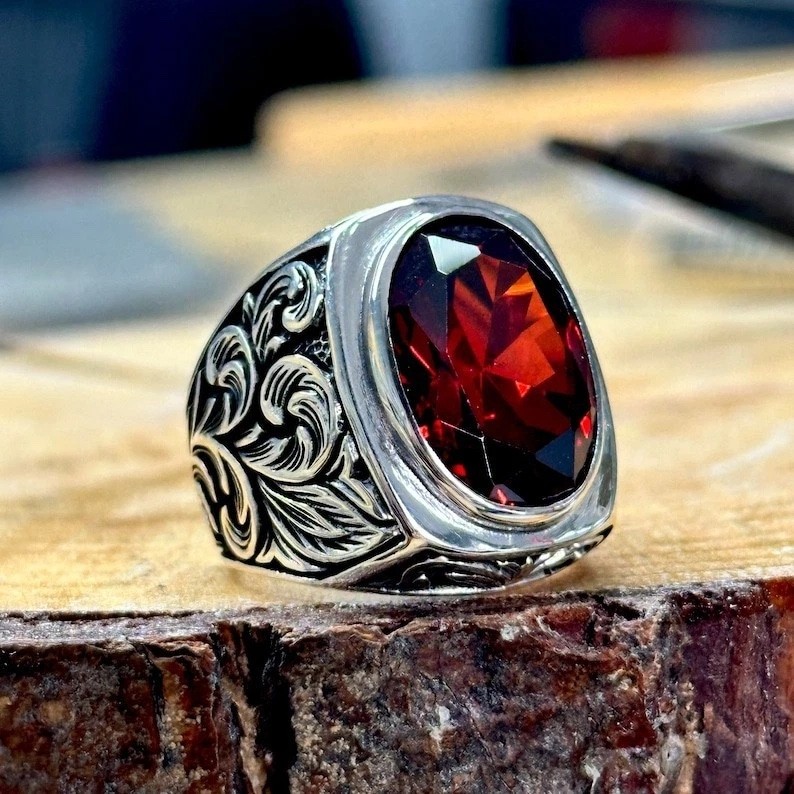
- Statement or cocktail ring for occasional events: choose a large lab-grown or natural gemstone in sterling silver with a wide band for stability; skip hollow brass settings that dent under a heavy stone.
- Men's signet or band with stones: select 316L stainless steel or solid silver with flush or pave-set hard stones; skip glued rhinestones in plated base metal that fall out within weeks.
Buying tips
- Match stone to wear: stones rated 8+ on Mohs (sapphire, ruby, spinel, moissanite) suit everyday rings; stones rated 5-7 (opal, pearl, turquoise, emerald) belong in protective bezels or occasional-wear rings.
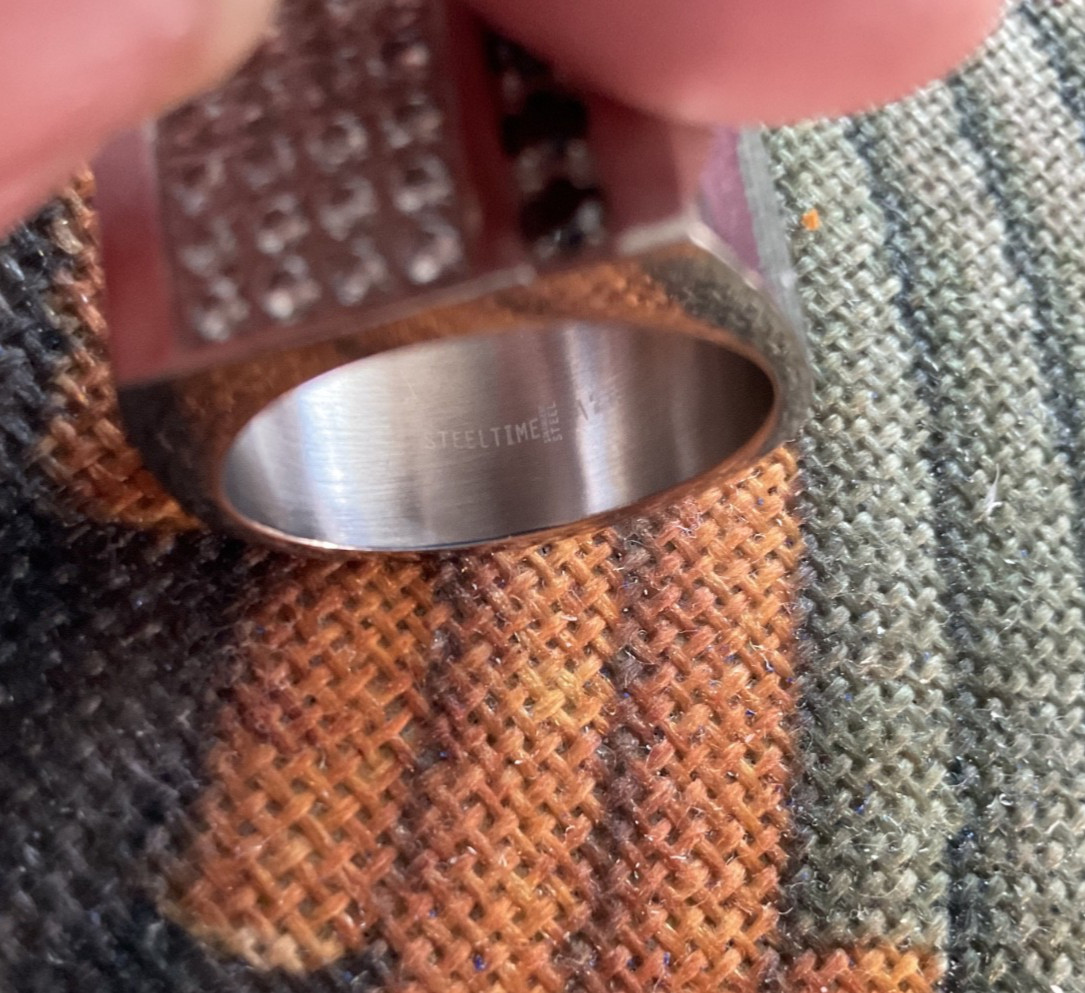
- Check metal stamping: '925' or 'S925' means sterling silver, '14K' or '585' means 14k gold, and '316L' means surgical stainless steel; unstamped 'gold color' or 'silver tone' is plated base metal.
- Size the band to the stone: a stone wider than 8mm needs a 2.5mm+ shank or a bezel to prevent bending; thin 1.2mm shanks under large prong-set stones warp within months.
- Verify stone type in the listing title and specs: 'created', 'lab-grown', and 'simulated' signal synthetic or imitation material, while 'natural' with a gemological certificate confirms mined origin.
Specs
| Stone Hardness | Mohs 5-10 (8+ for daily wear) |
|---|---|
| Metal Grade | 925 silver / 14k gold / 316L steel |
| Setting Type | Bezel / prong / flush / pave |
| Stone Origin | Natural / lab-grown / simulated |
Related searches
What to check before buying
- Measure your ring size on the intended finger at room temperature; wide bands (6mm+) fit tighter and often require a half-size up from your standard size.
- Confirm the stone setting height clears your daily activities: high-profile prong settings catch on gloves and pockets, so choose low-profile bezels for active jobs.
- Check metal compatibility with skin sensitivity: solid 925 silver, 14k+ gold, platinum, and 316L steel are nickel-safe; avoid plated brass or unknown alloys if you react to nickel.
- For natural colored stones, request the gemological report or certification number and confirm the treatment (heat, fracture-fill, diffusion) before committing.
FAQ
Data sources: eBay / Amazon listings and product attribute feeds. Updated Nov 29, 2026.
Some links on this page are affiliate links. If you buy after clicking one, we may earn a commission at no extra cost to you. This does not change which products appear here or their order. Affiliate disclosure.