
Photos from current listings. Actual item, color, and included accessories may vary.
White Gold Earring Buying Guide
White gold earrings are rhodium-plated gold alloy jewelry where the karat grade and plating thickness determine both durability and whether the piece stays white or fades to yellow. The core trade-off is solid 10K-18K gold with rhodium plating versus gold-plated brass or silver with a thin flash that wears through in months. Buy solid gold with a rhodium finish for daily wear; skip plated-base-metal pieces unless they are occasional-wear fashion accessories.
Median $122.29
Key takeaways
- Solid 14K white gold contains 58.5% gold alloyed with palladium or nickel, then rhodium-plated for whiteness; 18K (75% gold) is softer and more prone to scratching than 14K.
- Rhodium plating typically measures 0.05-0.2 microns on fine jewelry; re-plating is needed every 1-3 years on daily-wear rings and earrings as the white layer wears at contact points.
- White gold earring posts and backs should be solid 14K white gold, not plated brass; nickel-alloy white gold can trigger contact dermatitis, so palladium-white-gold or nickel-free alloys are the hypoallergenic choice.
At a glance
- Category
- Rings & Earrings
- Last updated
- Nov 29, 2026
Current offers
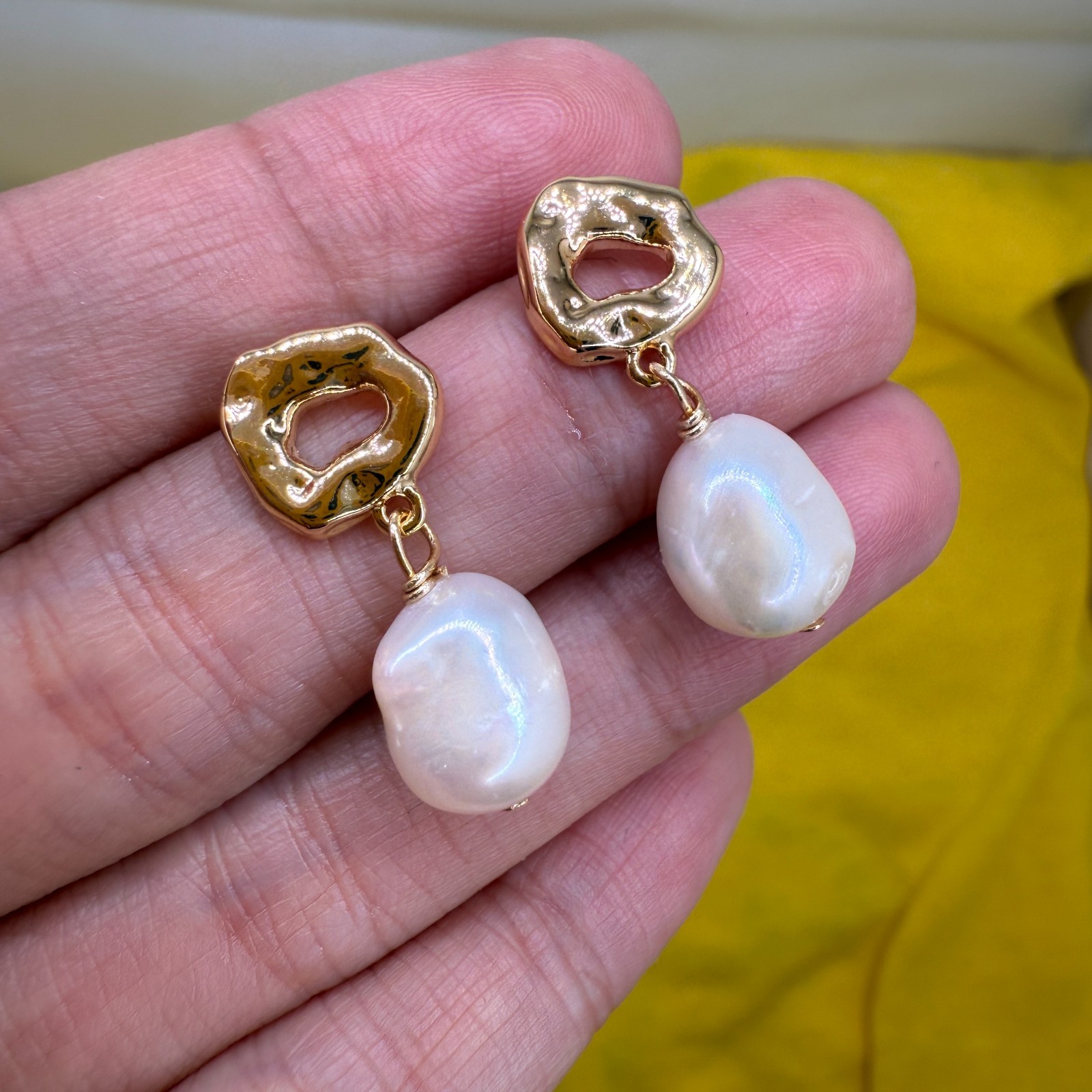 Natural Freshwater Pearl Earrings 14K Gold Plated Handmade Baroque Jewelry$1.99View on eBay
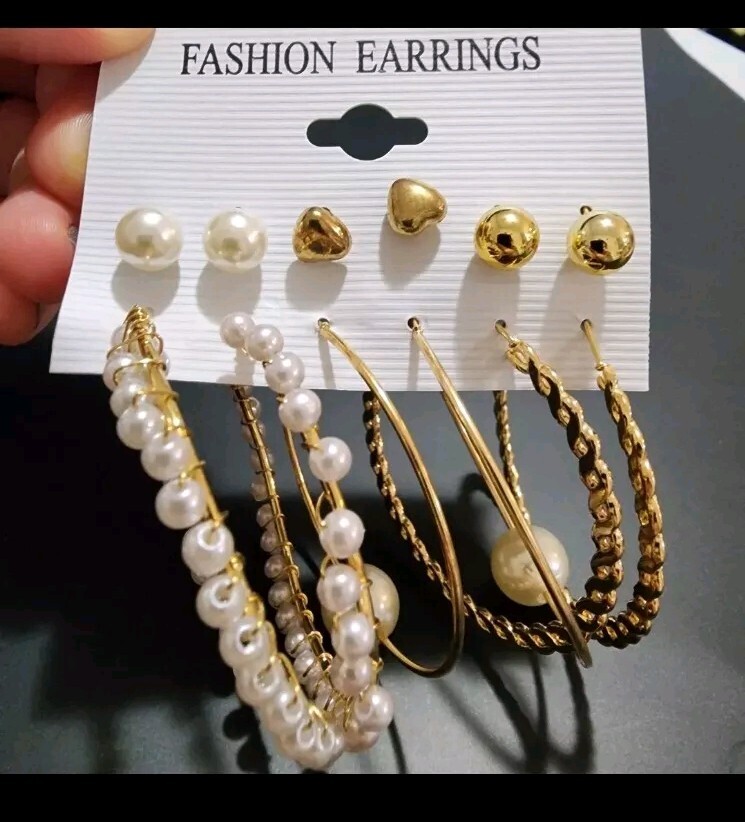 FASHION EARRINGS SET 6 PAIRS GOLD TONE FAUX PEARLS HOOPS AND STUDS GIFT JEWELRY$4.40View on eBay
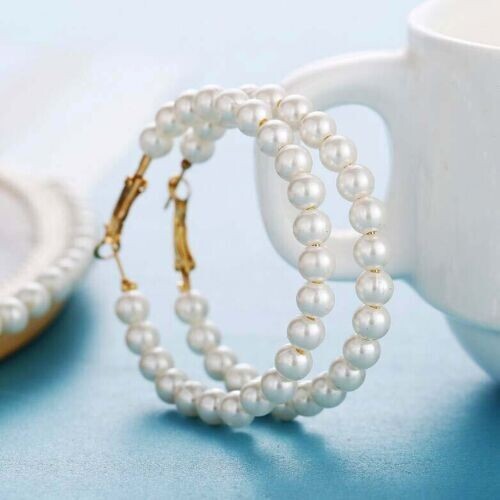 Pretty New Fashion Jewelry Yellow Gold Plated White Pearl 2" Round Hoop Earrings$11.95Last checked Nov 26, 2026View on eBay
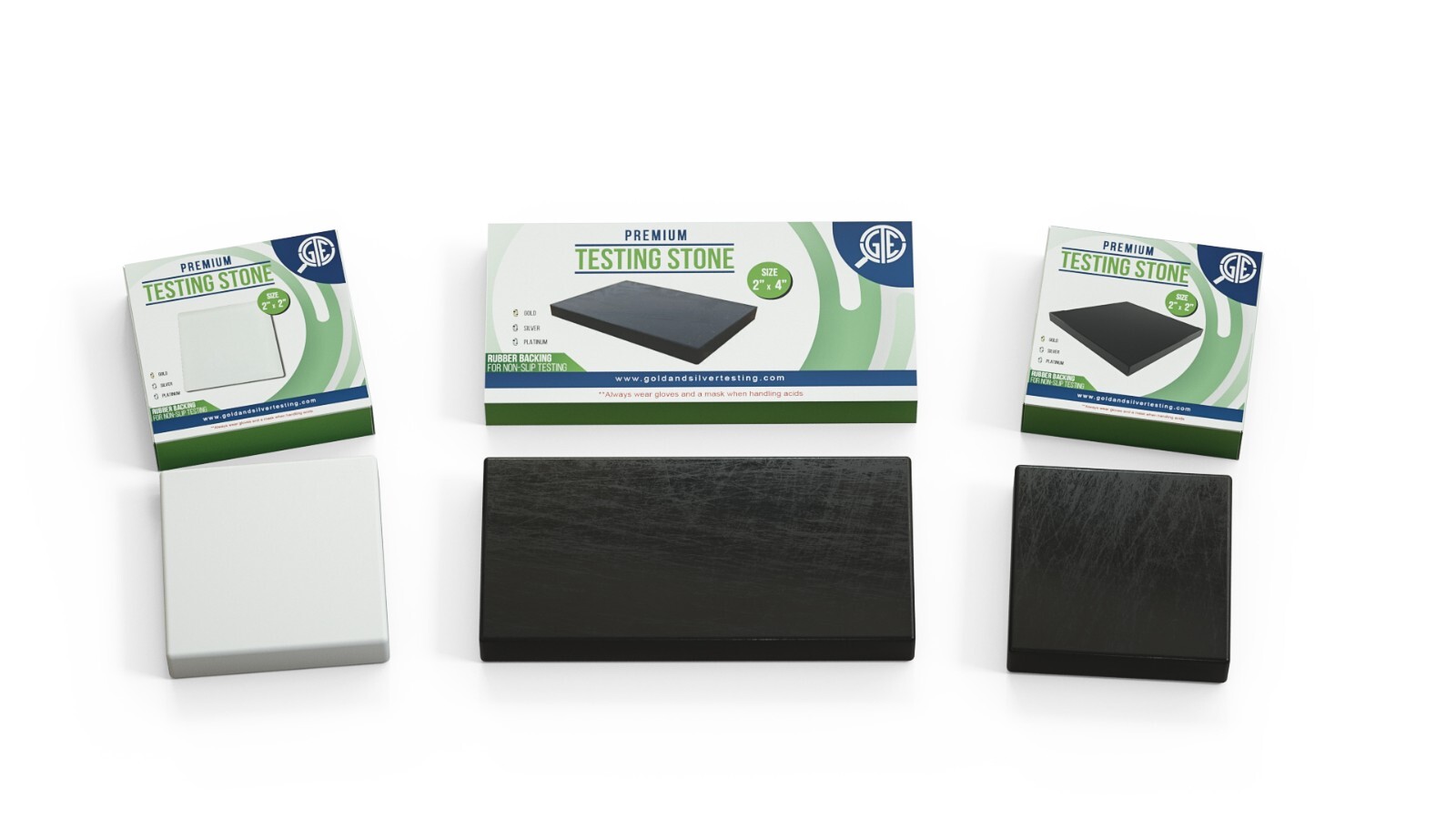 3 Gold Silver Jewelry Tester Scratch Streak Stones White & Black Acid Test Kit$15.97View on eBay
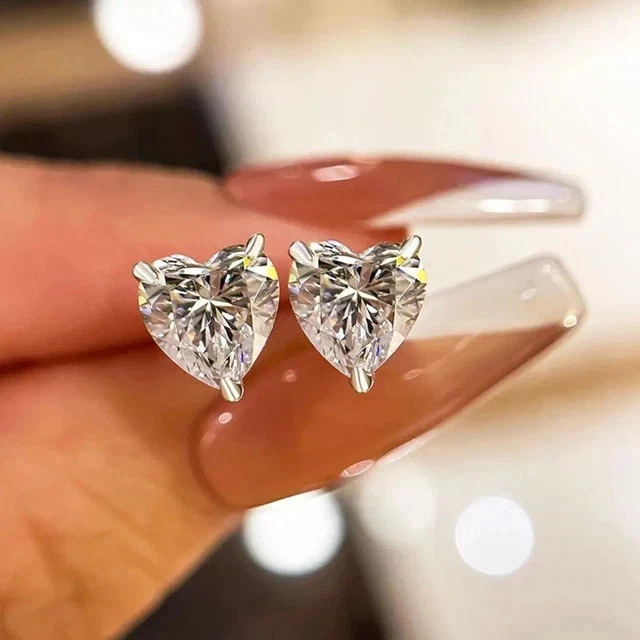 2CT Heart Cut Lab Created Diamond Women Solitaire Stud 14K White Gold Plated$20.98View on eBay
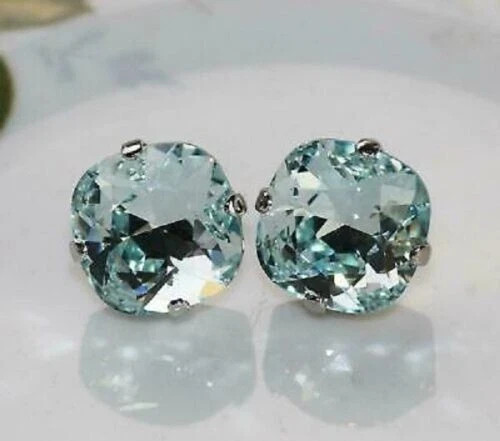 2Ct Cushion Cut Aquamarine Women's Push Back Stud Earrings 14K White Gold Finish$28.18Last checked Nov 26, 2026View on eBay
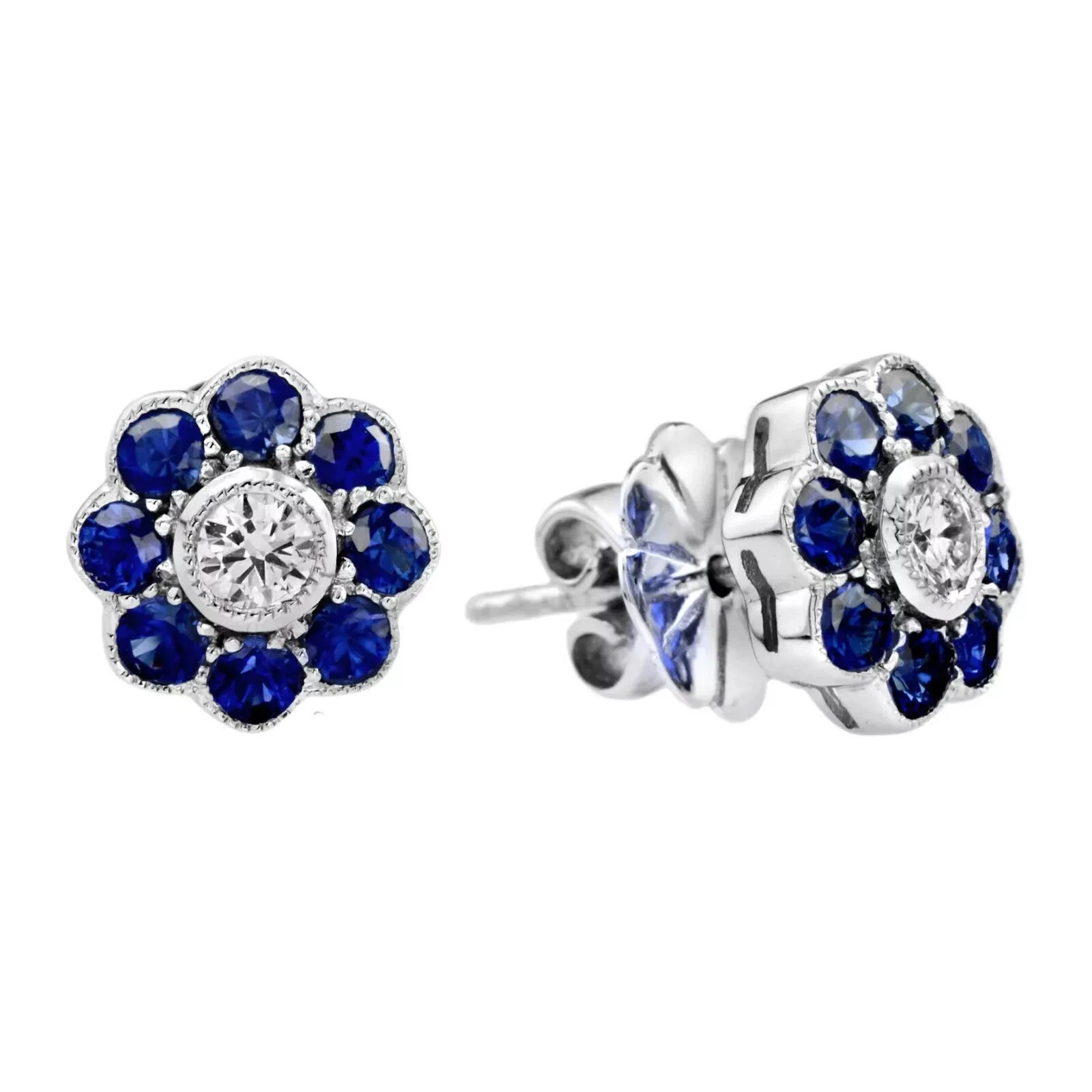 Art Deco Style Lab Created Diamond & Sapphire Wedding 14K White Gold FN Earrings$34.99View on eBay
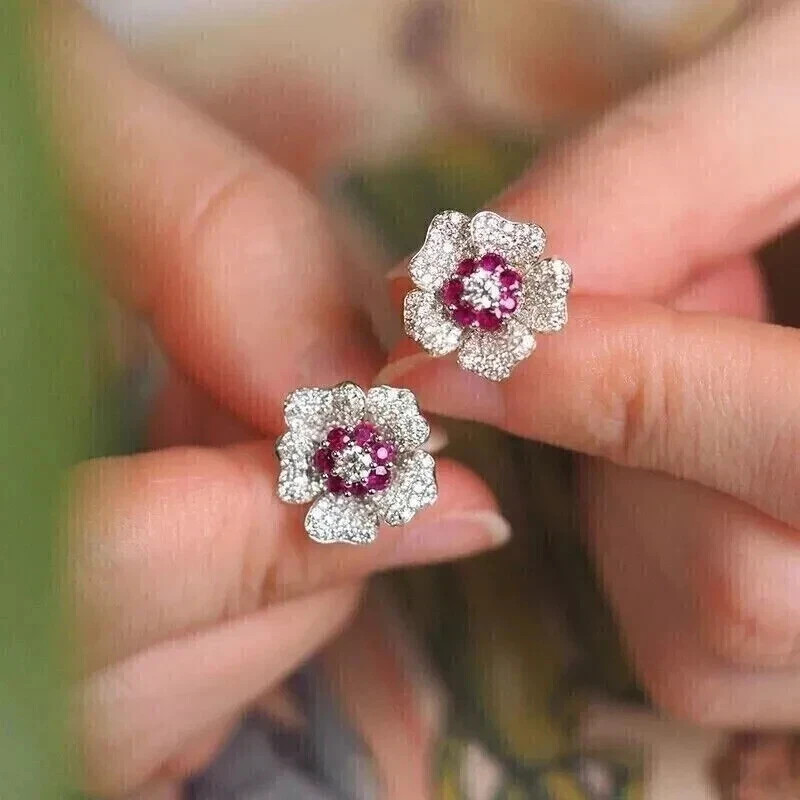 Art Deco Style Ruby & Lab Created Diamond Flower 14k White Gold Finish Earrings$39.99View on eBay
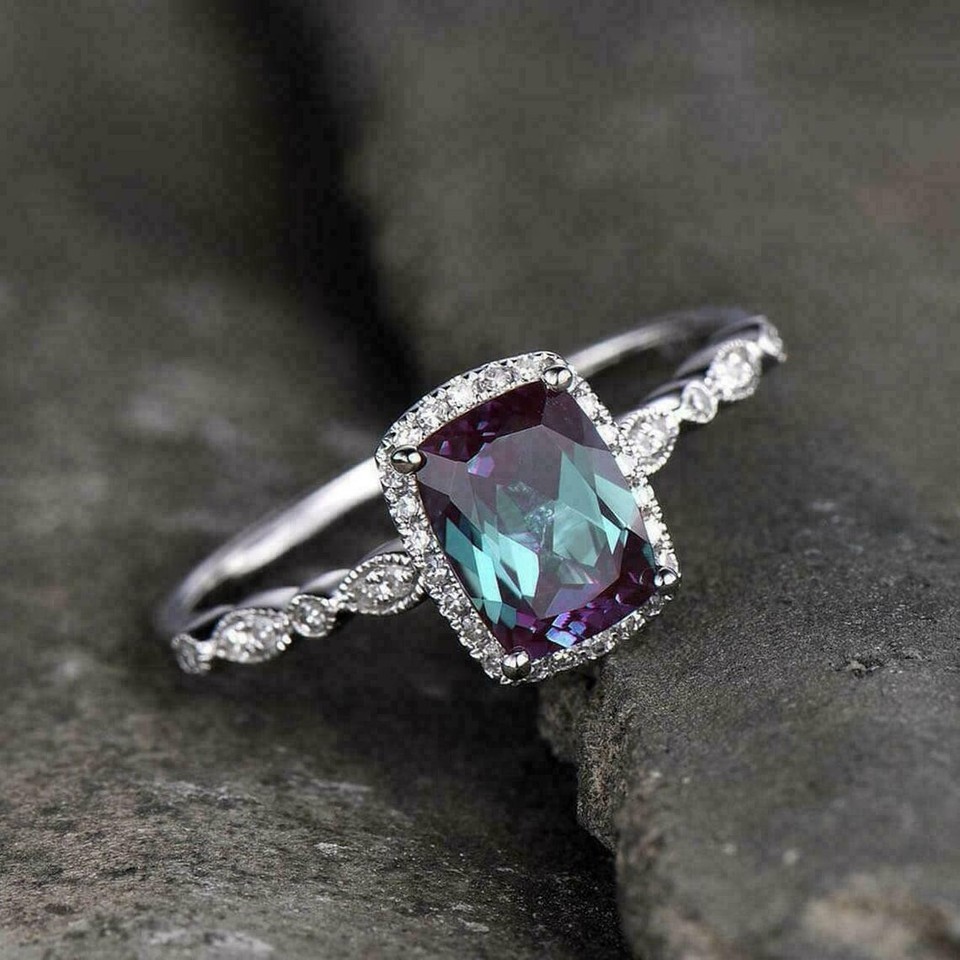 2Ct Cushion Cut Alexandrite Halo Women's Engagement Ring 14K White Gold Finish$41.40Last checked Nov 20, 2026View on eBay
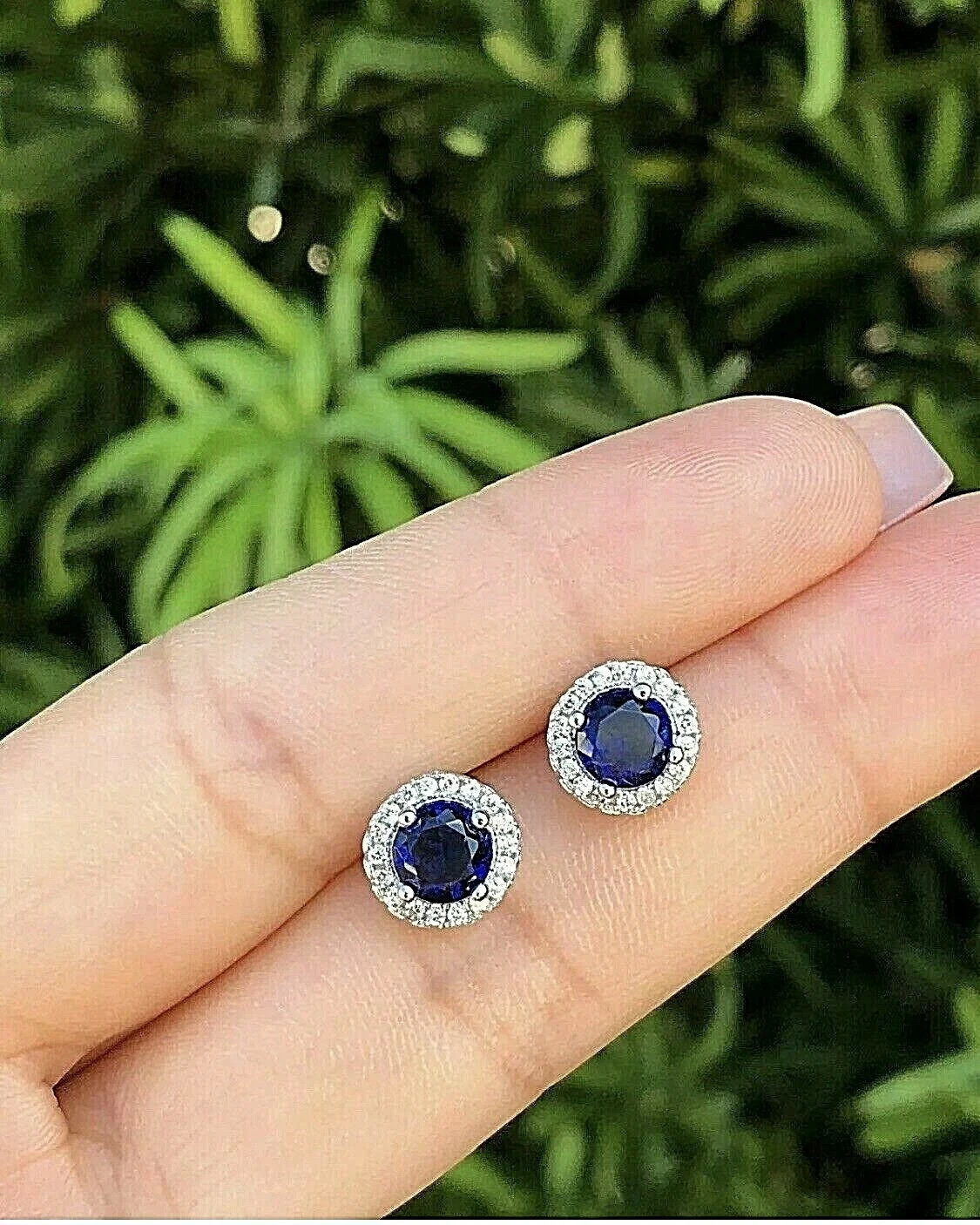 Round Lab Created Sapphire & Diamond Halo Stud Earrings in 14K White Gold Plated$45.09Last checked Nov 28, 2026View on eBay
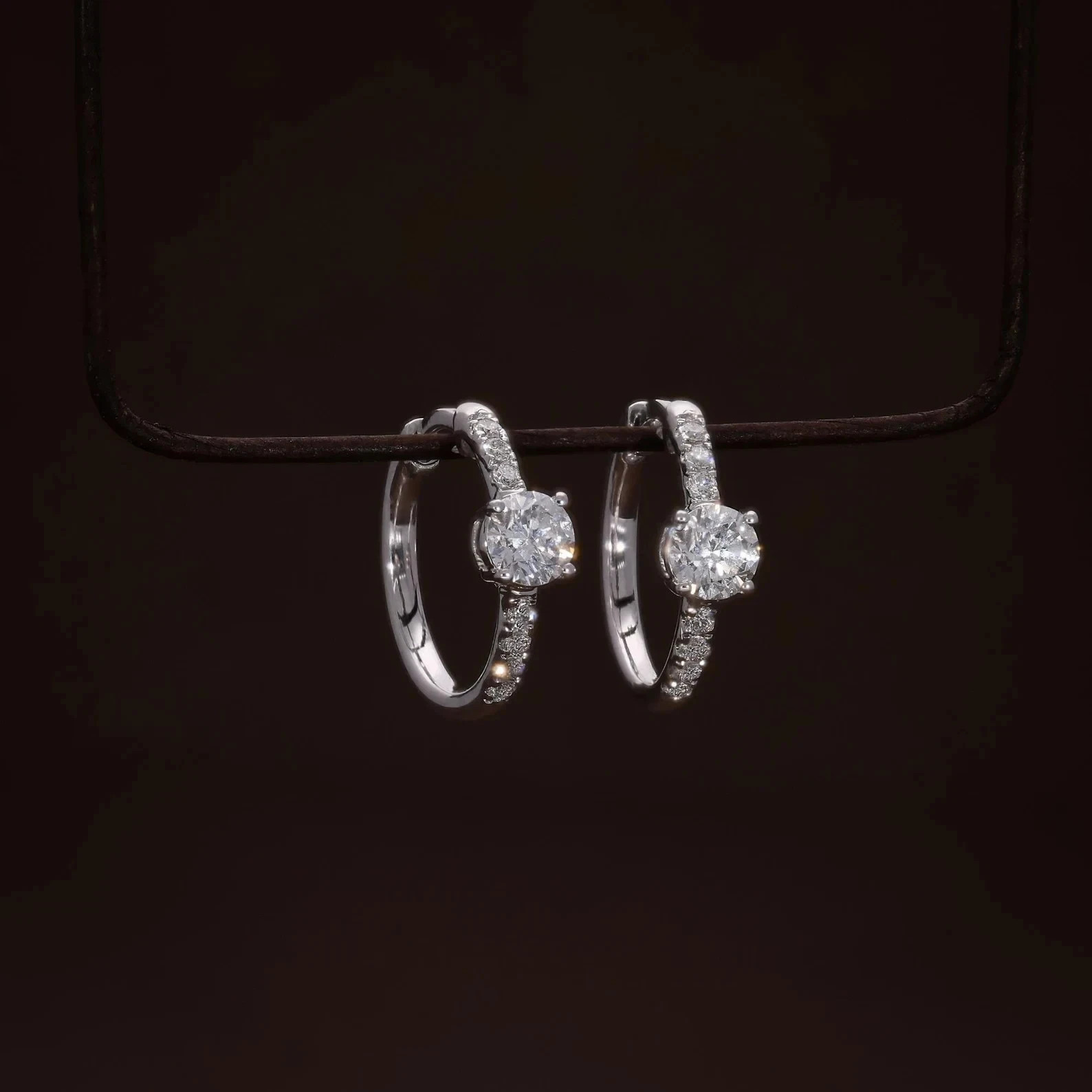 1.00 CTW Round Lab Created Diamond Hoop Women's Earrings 14K White Gold Plated$56.55Last checked Nov 21, 2026View on eBay
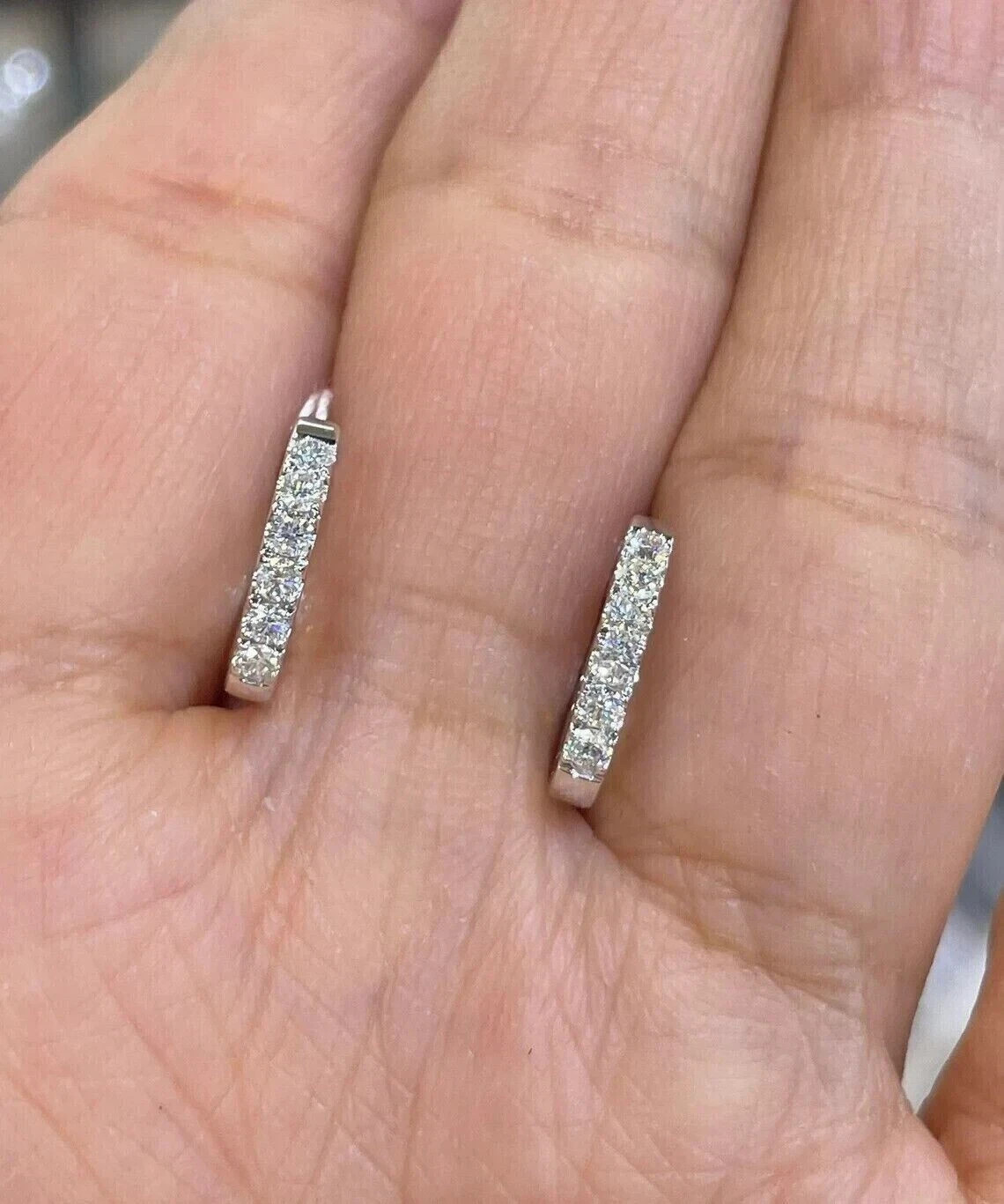 1ct Round Cut Real Moissanite 14K White Gold Plated Huggie Hoop Women's Earrings$59.99Last checked Nov 26, 2026View on eBay
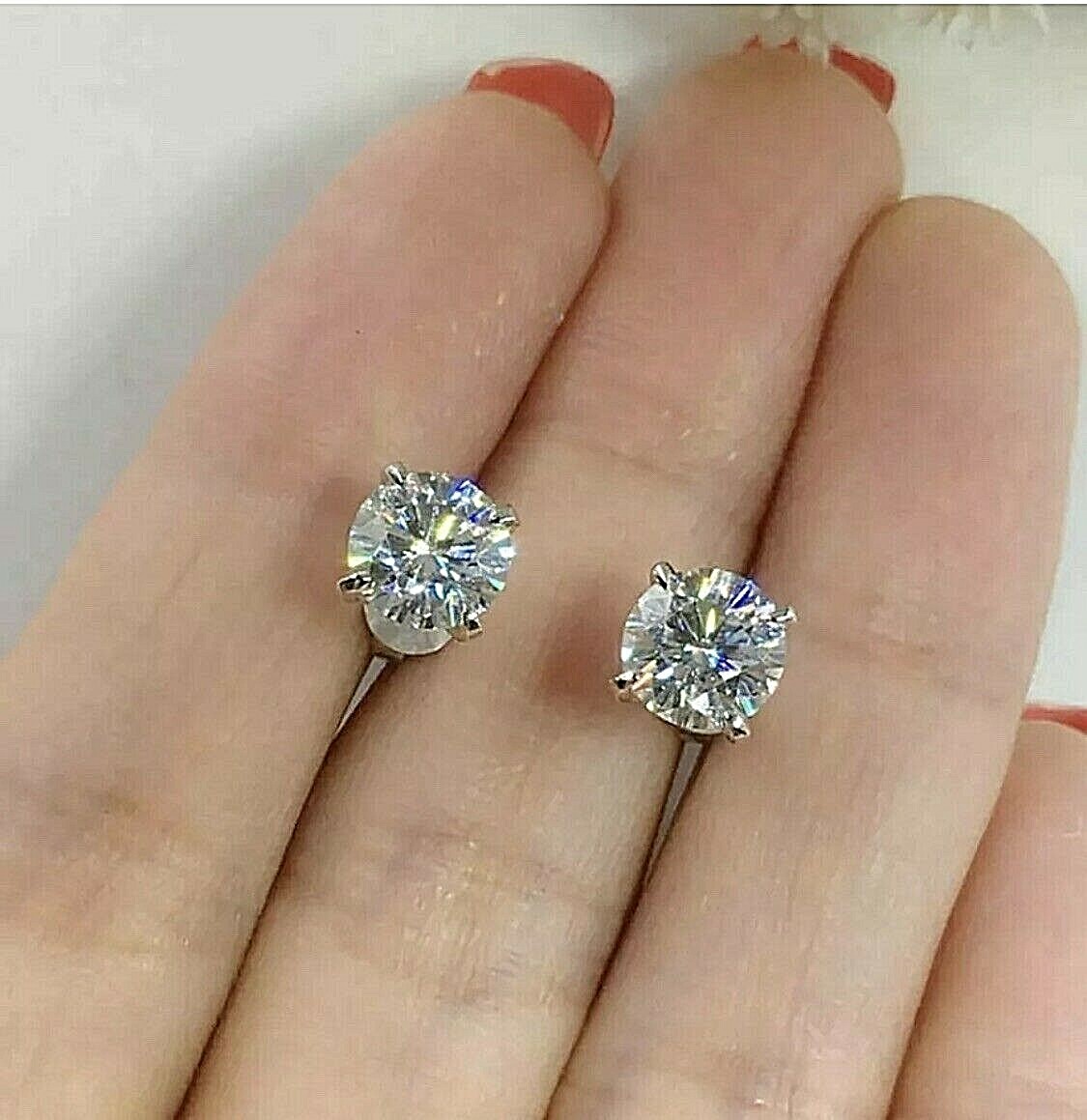 5.00 Ct Brilliant Round Cut Lab Created VVS1/D Stud Earrings 14K White Gold 8mm$69.95Last checked Nov 24, 2026View on eBay
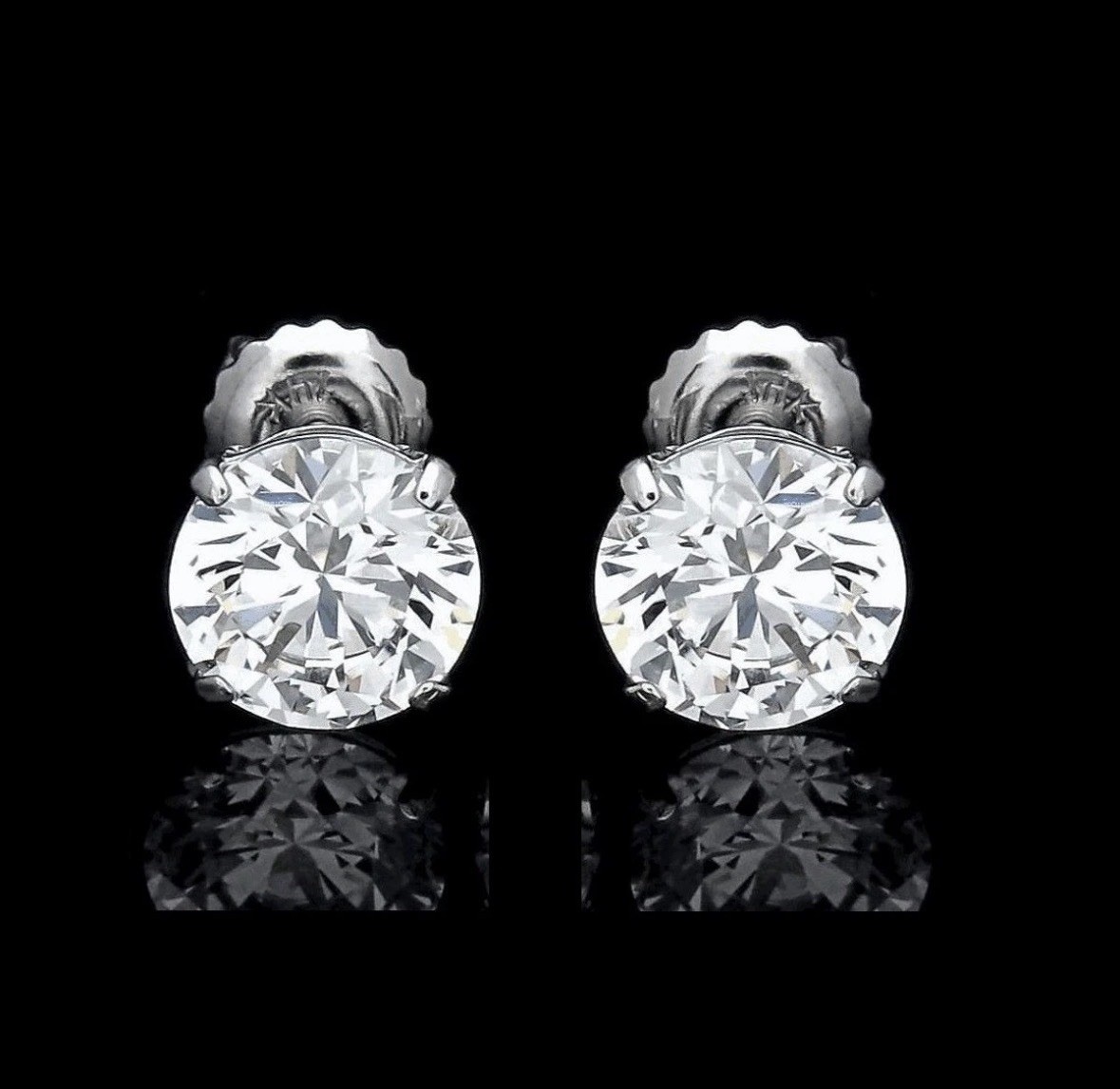 6 CT ROUND CUT VVS1/D LAB CREATED EARRINGS 14K WHITE GOLD SCREW-BACK 9MM GIFT$69.95Last checked Nov 21, 2026View on eBay
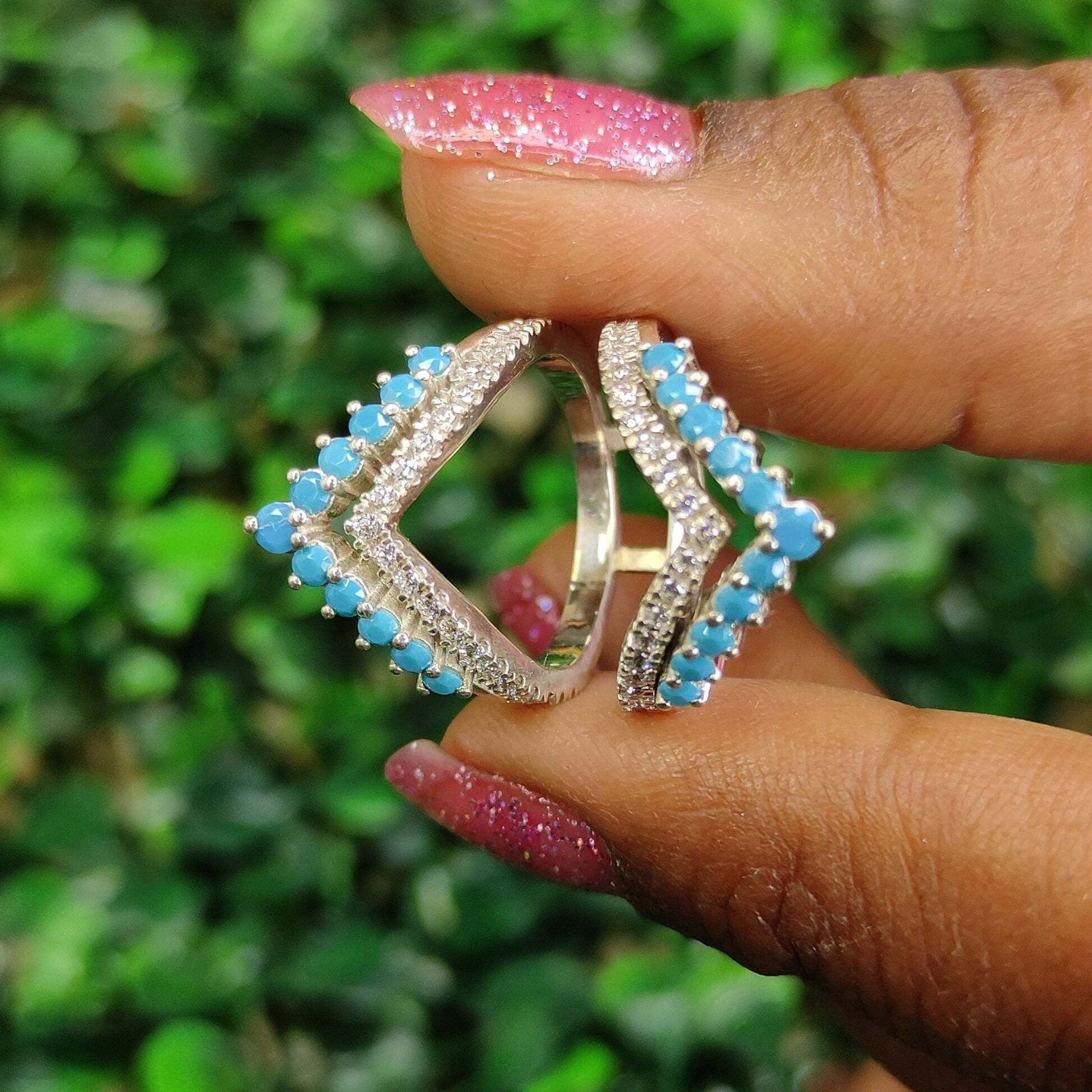 2Ct Lab Created Turquoise Wedding Enhancer Band Wrap Ring 14K White Gold Plated$78.00Last checked Nov 19, 2026View on eBay
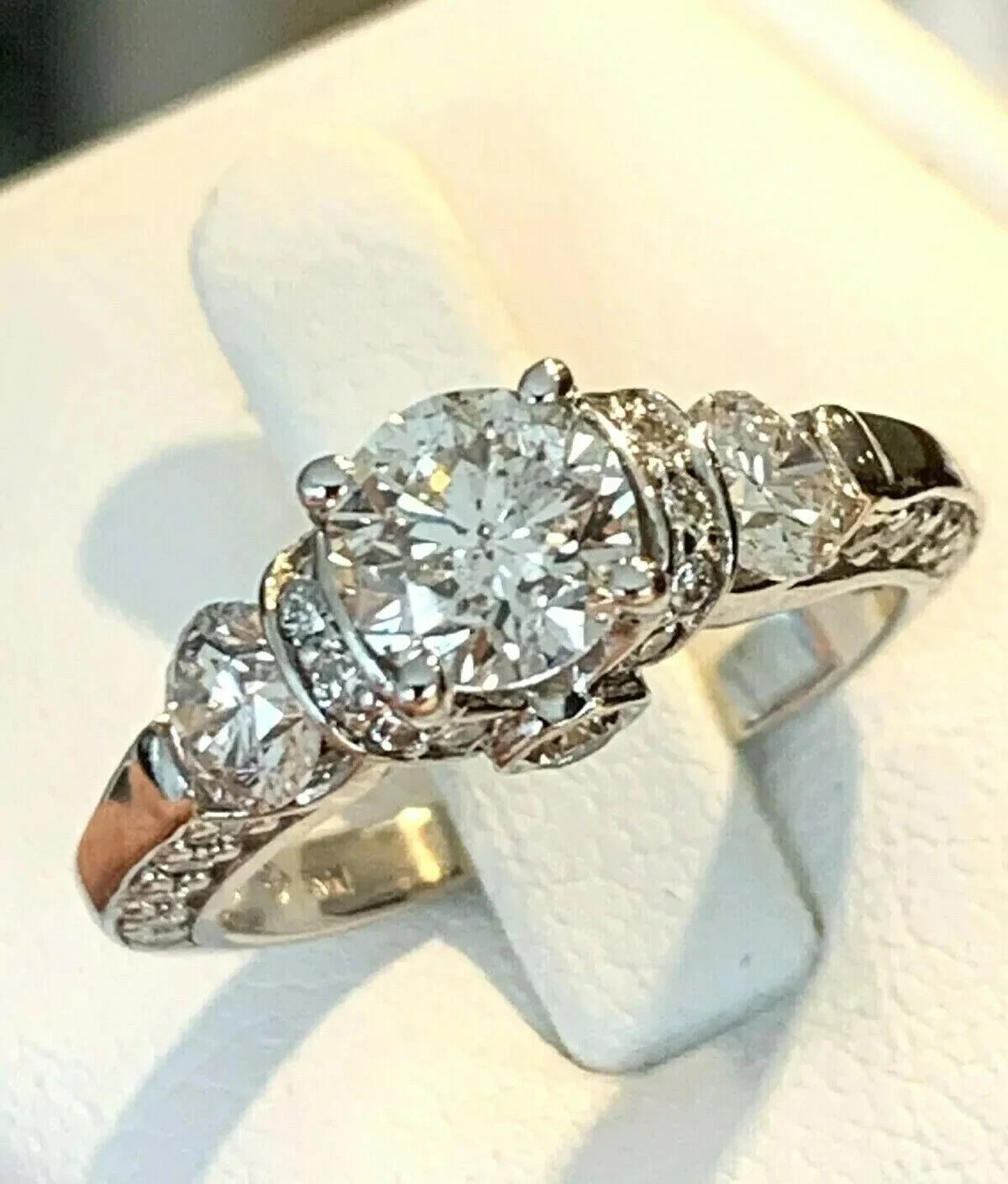 2Ct Round Cut Lab-Created Diamond 14K White Gold Plated Engagement Ring Women's$79.19View on eBay
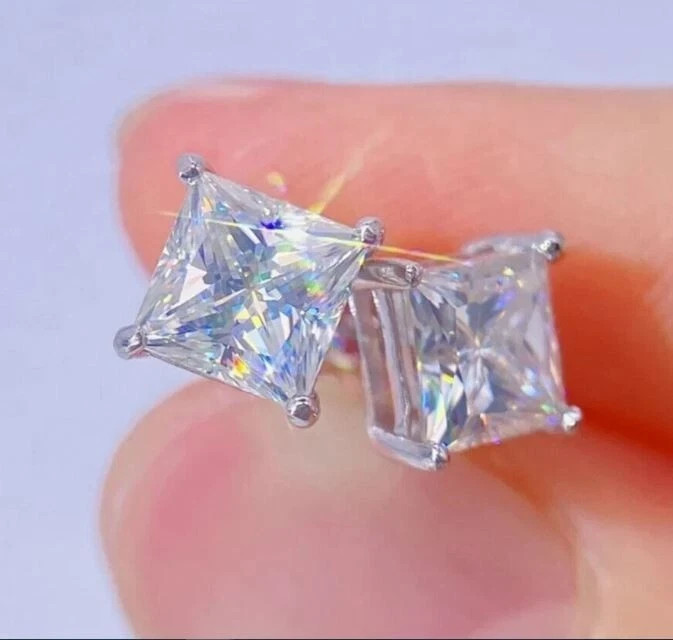 2.50Ct Princess Cut Real Moissanite Women's Stud Earrings 14K White Gold Plated$84.99Last checked Nov 25, 2026View on eBay
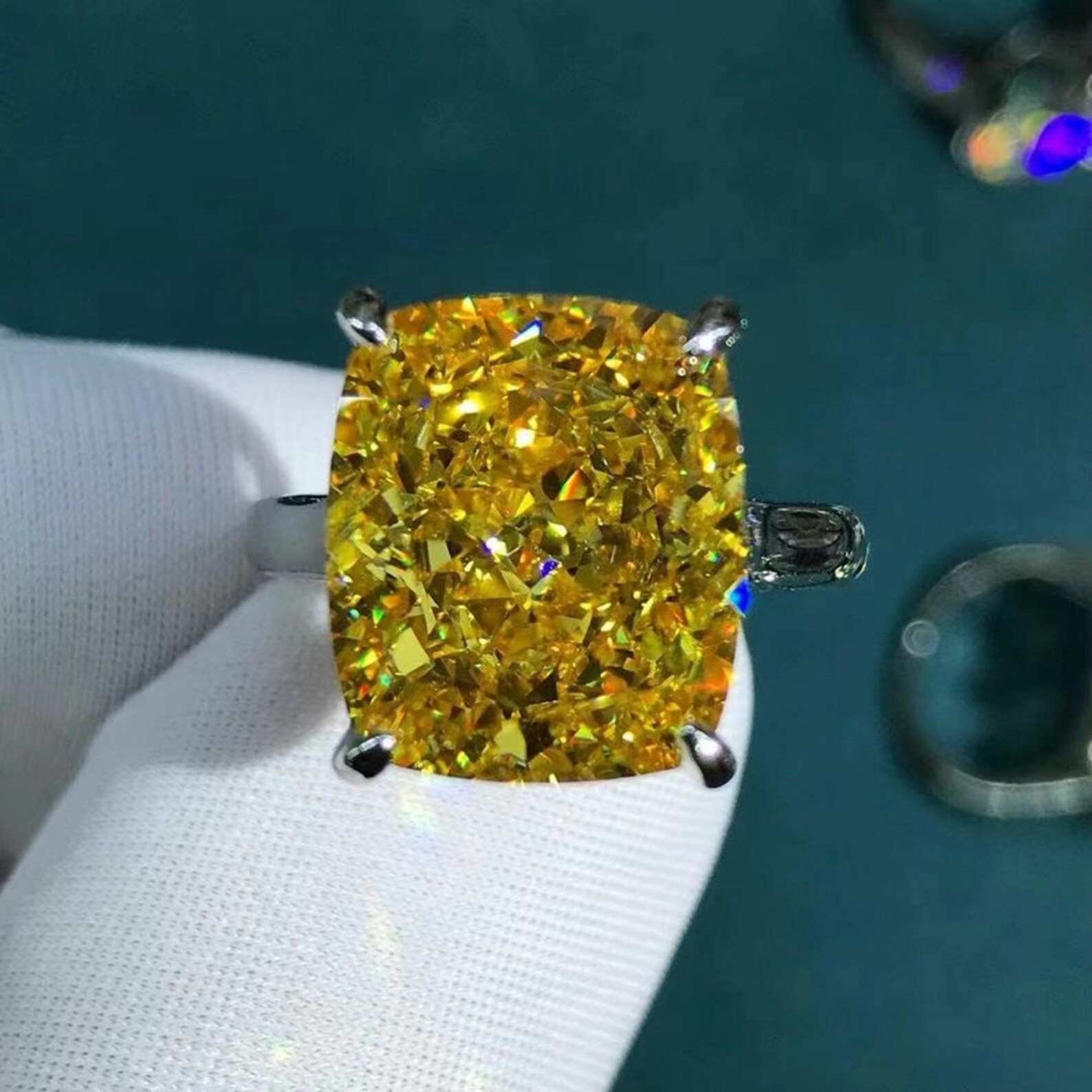 8 Ct Cushion Cut Natural Yellow Sapphire Diamond Ring Gift 14K White Gold Size 5$120.99Last checked Nov 26, 2026View on eBay
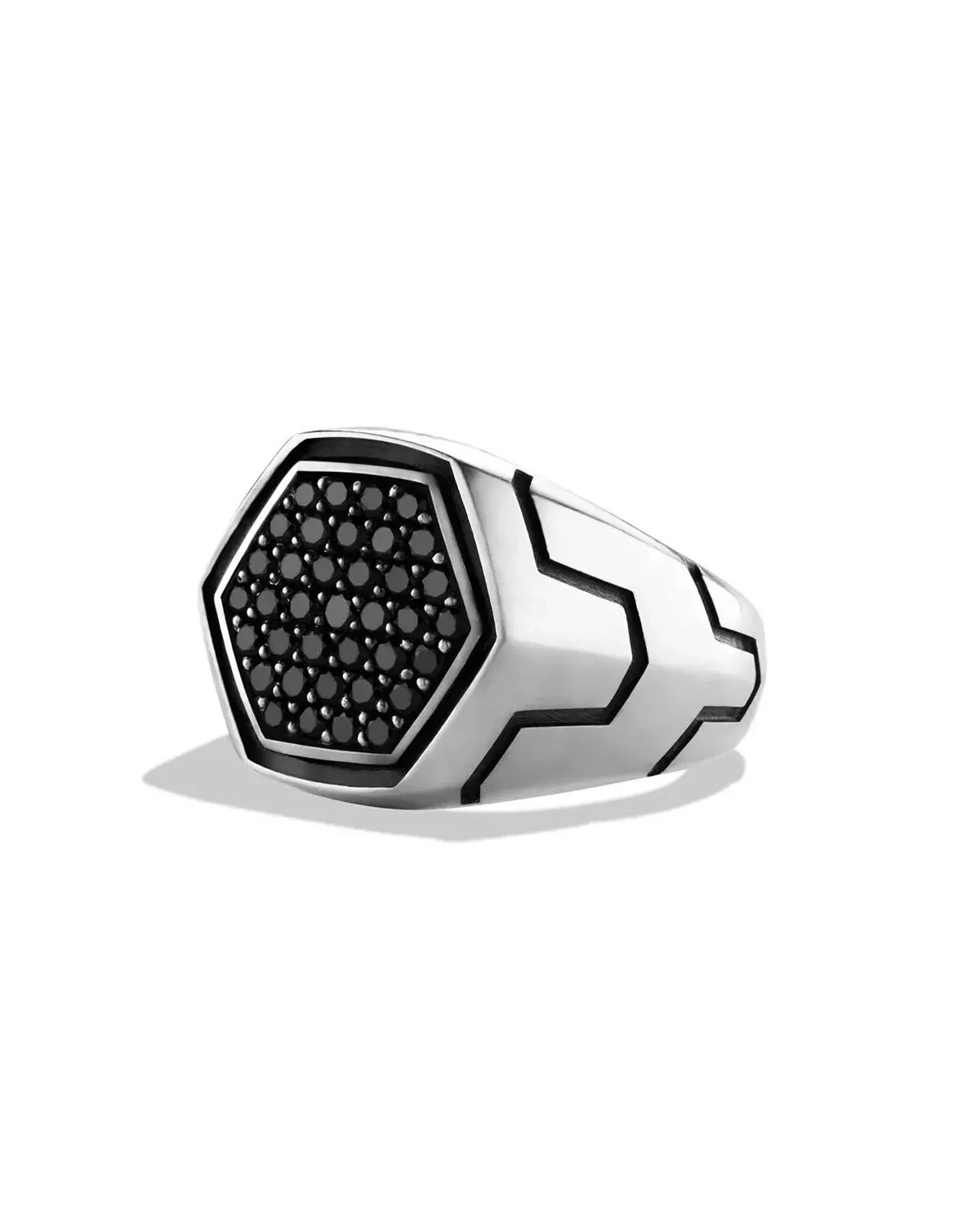 Men's 2 Ct Round Cut Simulated Black Diamond Wedding Ring 14K White Gold Plated$123.59Last checked Nov 28, 2026View on eBay
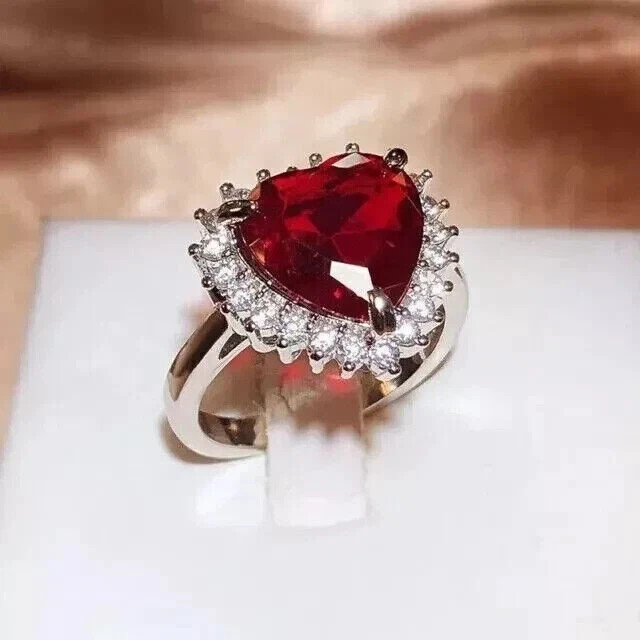 4 Ct Heart Cut Natural Ruby Diamond Wedding Engagement Ring Women 14K White Gold$129.24Last checked Nov 26, 2026View on eBay
Highlights
- Solid 14K white gold contains 58.5% gold alloyed with palladium or nickel, then rhodium-plated for whiteness; 18K (75% gold) is softer and more prone to scratching than 14K.
- Rhodium plating typically measures 0.05-0.2 microns on fine jewelry; re-plating is needed every 1-3 years on daily-wear rings and earrings as the white layer wears at contact points.
- White gold earring posts and backs should be solid 14K white gold, not plated brass; nickel-alloy white gold can trigger contact dermatitis, so palladium-white-gold or nickel-free alloys are the hypoallergenic choice.
- Lab-created diamonds and CZ set in 14K white gold are common at accessible tiers; CZ clouds and scratches within 1-2 years of daily wear, while lab diamonds retain brilliance and are rated Mohs 10.
Best use cases
- Daily-wear studs or small hoops: choose solid 14K white gold with rhodium plating and screw-back or friction posts; skip gold-plated brass and sterling silver with thin flash that tarnishes and bends.
- Bridal or evening drop earrings: choose 14K-18K white gold with lab-created diamond or genuine gemstone settings and secure push-back or lever-back closures; skip fashion-plated drops with glued stones.
- Sensitive ears or nickel allergy: choose palladium-white-gold or nickel-free 14K white gold with solid gold posts; skip rhodium-plated brass and nickel-alloy white gold that releases ions at the piercing.
- Occasional fashion or costume wear: gold-plated brass or silver with CZ is acceptable at the lowest tier, but plan to replace within a season rather than expect re-plating economics to work.
Buying tips
- Check the karat stamp: 10K, 14K, or 18K means solid gold alloy; '14K gold finish' or 'gold plated' means a base metal core with microns of gold that wear through.
- Weigh the gold content: a pair of 14K white gold studs typically runs 0.8-1.5 grams total; pieces under 0.5 g are hollow, thin-walled, and dent at the post or basket.
- Verify the closure: screw-back posts and lever-backs resist loss on hoops and drops; butterfly friction backs are fine for studs but loosen over time on heavier stones.
- Match stone setting to wear: prong-set CZ and lab diamonds need periodic tightening; bezel-set stones in white gold are the durable choice for daily wear and active hands.
Specs
| Metal Purity | Solid 10K / 14K / 18K vs plated |
|---|---|
| Plating Type | Rhodium 0.05-0.2 micron / re-plate 1-3 yr |
| Stone Type | Lab diamond / CZ / genuine gemstone |
| Closure Style | Screw-back / lever-back / friction post |
Related searches
What to check before buying
- Confirm your piercing is fully healed and measure the post gauge: standard 20G (0.8 mm) fits most lobe piercings; 18G (1.0 mm) suits cartilage and stretched lobes.
- Check the earring drop length against your face and hair: studs under 10 mm sit flush; drops over 30 mm catch on hair, scarves, and phone use.
- Verify metal compatibility with your skin: nickel-alloy white gold and plated brass can cause irritation; palladium-white-gold or nickel-free 14K is the safe tier.
- Budget for re-plating: rhodium on daily-wear white gold needs refreshing every 1-3 years, so factor that service into the lifetime cost of the piece.
FAQ
Data sources: eBay / Amazon listings and product attribute feeds. Updated Nov 29, 2026.
Some links on this page are affiliate links. If you buy after clicking one, we may earn a commission at no extra cost to you. This does not change which products appear here or their order. Affiliate disclosure.