GemTempo

GemTempo

Jewelry & Watches Reviews & Buying Guides

Compare jewelry & watches by use case, features, trade-offs, price, returns, and seller terms before you buy.

Buying guides

Buying guide image
Necklaces & Bracelets

Diamond Necklace Set

A diamond necklace set pairs a pendant or chain with a matching secondary piece—usually earrings, a bracelet, or a layered chain—so the primary trade-off is between genuine diamond or solid-metal construction and diamond-cut or plated fashion jewelry that only mimics sparkle. The decision rule is simple: buy solid 925 sterling silver or 14k/18k gold with certified natural or lab-grown diamonds for daily wear and resale value; accept gold-plated brass or diamond-cut silver chains only as occasional-wear fashion pieces.
Buying guide image
Wristwatches

Waterproof Watches

Waterproof watches are timepieces rated to resist moisture ingress under defined pressure or depth standards, with the key trade-off being real-world sealing durability versus case slimness and cost. A watch marked 30M/3ATM only handles splashes and rain, while 100M/10ATM or ISO 22810:2010-rated models withstand swimming and snorkeling. The decision rule is simple: match the depth rating to your actual activity, then verify gasket material, screw-down crown construction, and caseback sealing type, because those—not the dial label—determine whether a watch survives years of water exposure.

Buying guide image
Rings & Earrings

Wedding Ring

A wedding ring is a daily-wear band distinguished by metal hardness, setting security, and finish durability rather than stone size alone. The core trade-off is comfort and hypoallergenic purity versus scratch resistance: softer precious metals (24K gold, fine silver) dent and wear quickly, while tungsten, cobalt, and 14K–18K gold balance longevity with re-polishing. The decision rule is simple: choose a continuous comfort-fit band in 14K/18K gold, platinum, or tungsten for lifelong daily wear; treat plated brass, stainless steel, and CZ halo sets as fashion or travel rings with a 1–3 year lifespan.

Buying guide image
Necklaces & Bracelets

Silver Bracelet Women

Silver bracelets for women span solid 925 sterling silver heirlooms, 14K gold-plated brass fashion stacks, and stainless steel utility chains—the core trade-off is metal purity and plating thickness versus tarnish resistance and cost. Buy solid 925 sterling silver (hallmarked) for lifetime wear and skin safety; choose plated brass only for trend stacks you replace, and stainless steel for shower-proof daily beaters with limited shine.

Buying guide image
Rings & Earrings

Men Earring

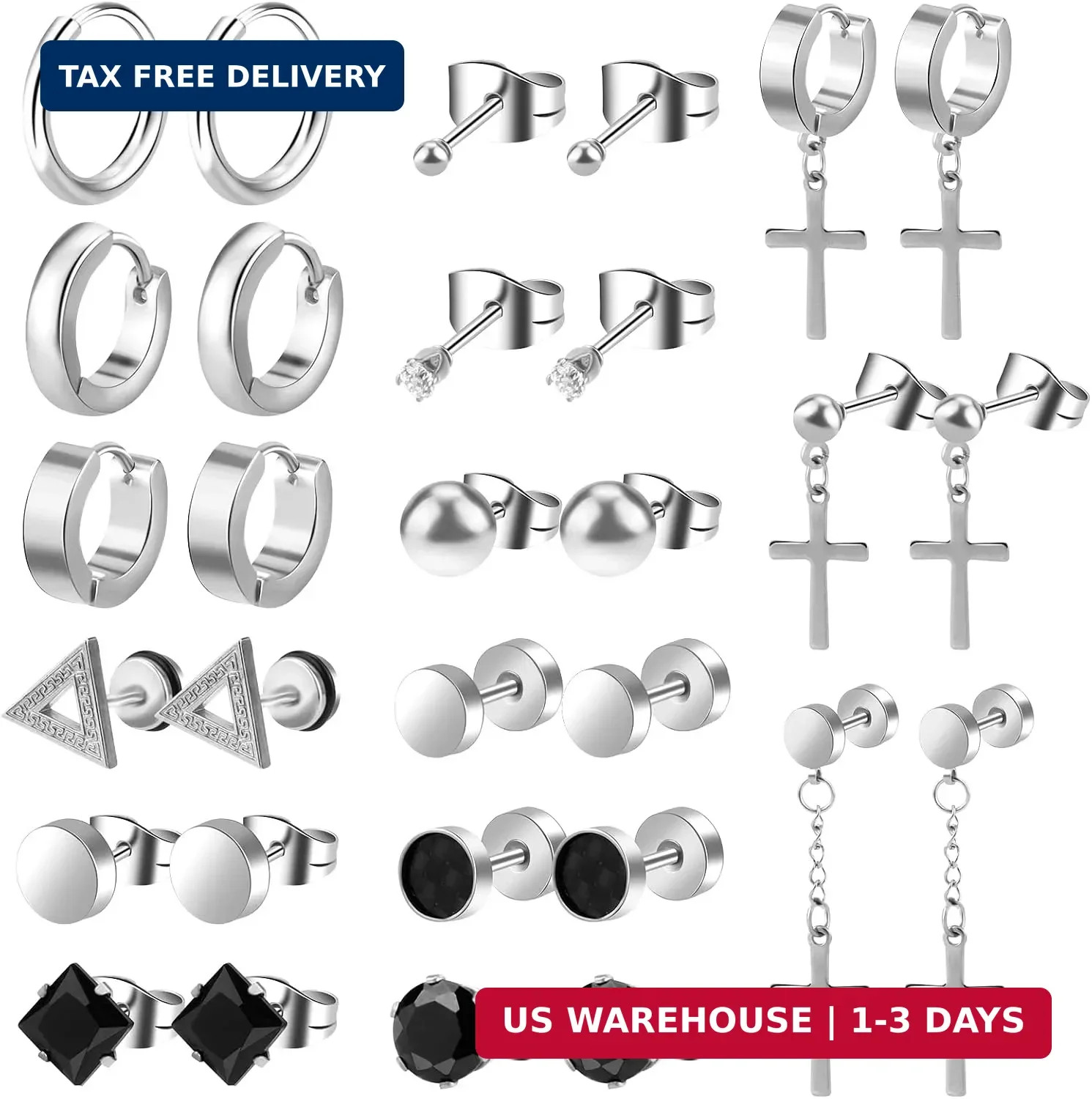
Men's earrings span a wide range of materials, closures, and styles, from daily-wear studs to statement hoops. The primary trade-off is between skin-safe, durable metals (surgical stainless steel, titanium, solid gold) and cheaper plated or alloy options that tarnish, flake, or irritate. The clear decision rule: prioritize implant-grade metals and secure closures for everyday wear; reserve plated or fashion pieces for occasional use with proper care.

Buying guide image
Necklaces & Bracelets

Gold Pendant Necklace

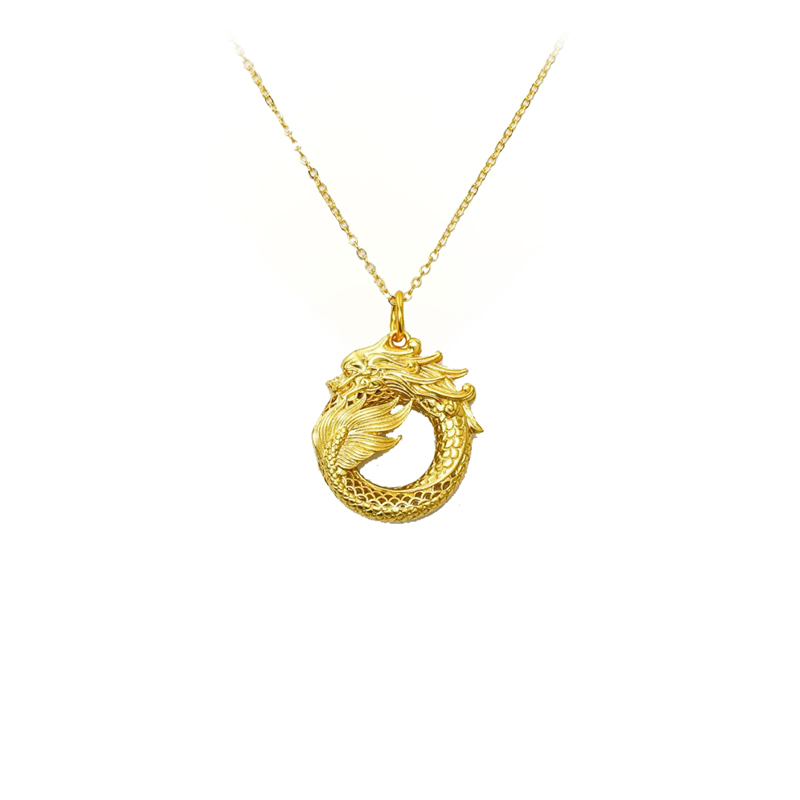
Gold pendant necklaces span a broad quality spectrum, from solid 14k/18k gold and gold-filled pieces that resist tarnish for decades to gold-plated brass and PVD-coated stainless steel that wear differently under daily use. The primary trade-off is gold layer thickness and base-metal corrosion resistance versus upfront cost, with plated brass being the most compromise-prone construction. The clear decision rule: buy solid gold or gold-filled for everyday wear and heirloom intent, choose PVD stainless steel for active or shower-prone routines, and treat electroplated brass as occasional-wear only.

Buying guide image
Loose Gemstones & Pearls

Loose Gemstone

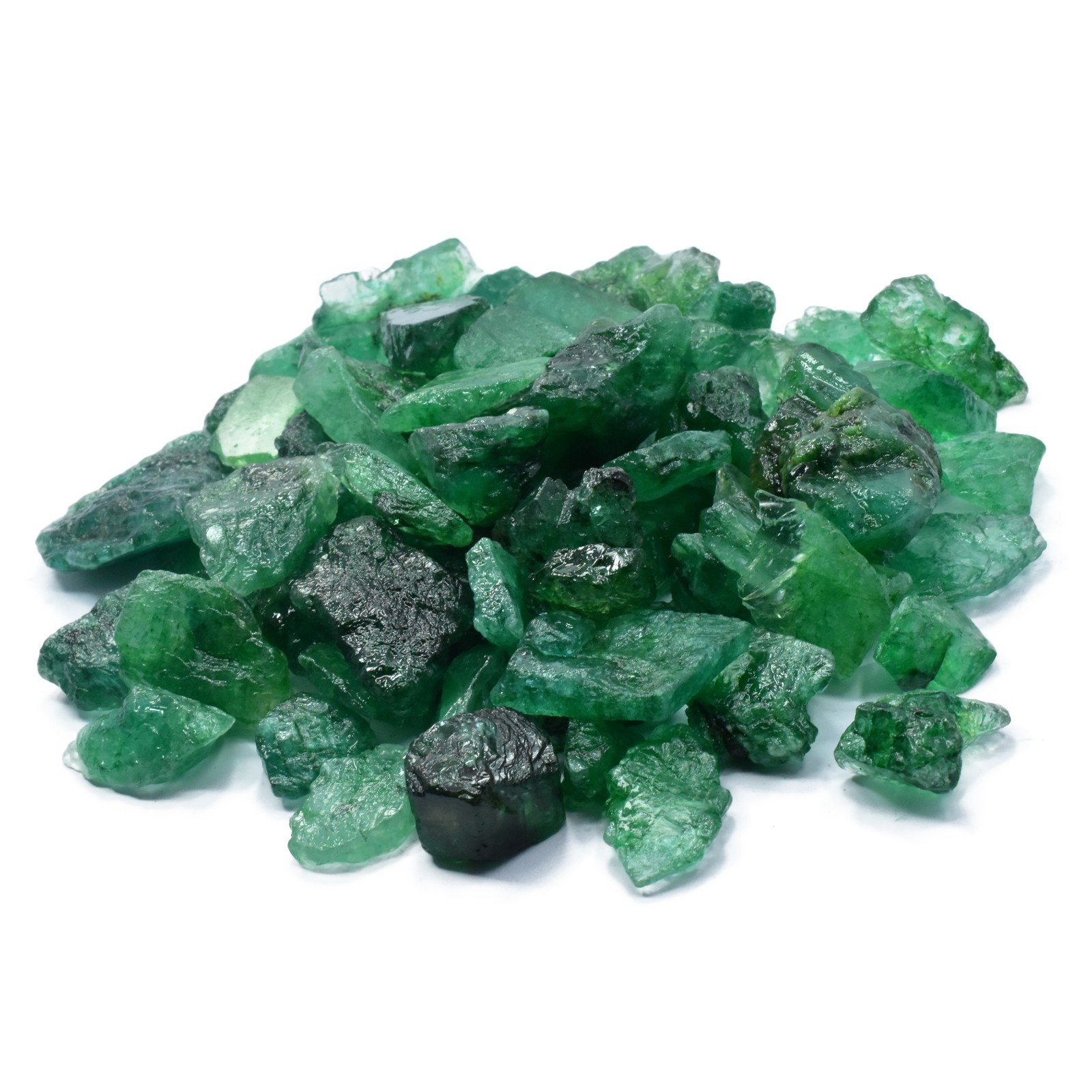
Loose gemstones are cut or rough stones sold unmounted for custom jewelry, collecting, or investment, where the decisive trade-off is certified natural origin versus lab-created or treated material at a lower cost. The rule: buy natural stones only with a recognized gemological report stating species, treatment, and carat weight; treat any listing without that report as decorative, not an investment.

Buying guide image
Loose Gemstones & Pearls

Loose Pearl

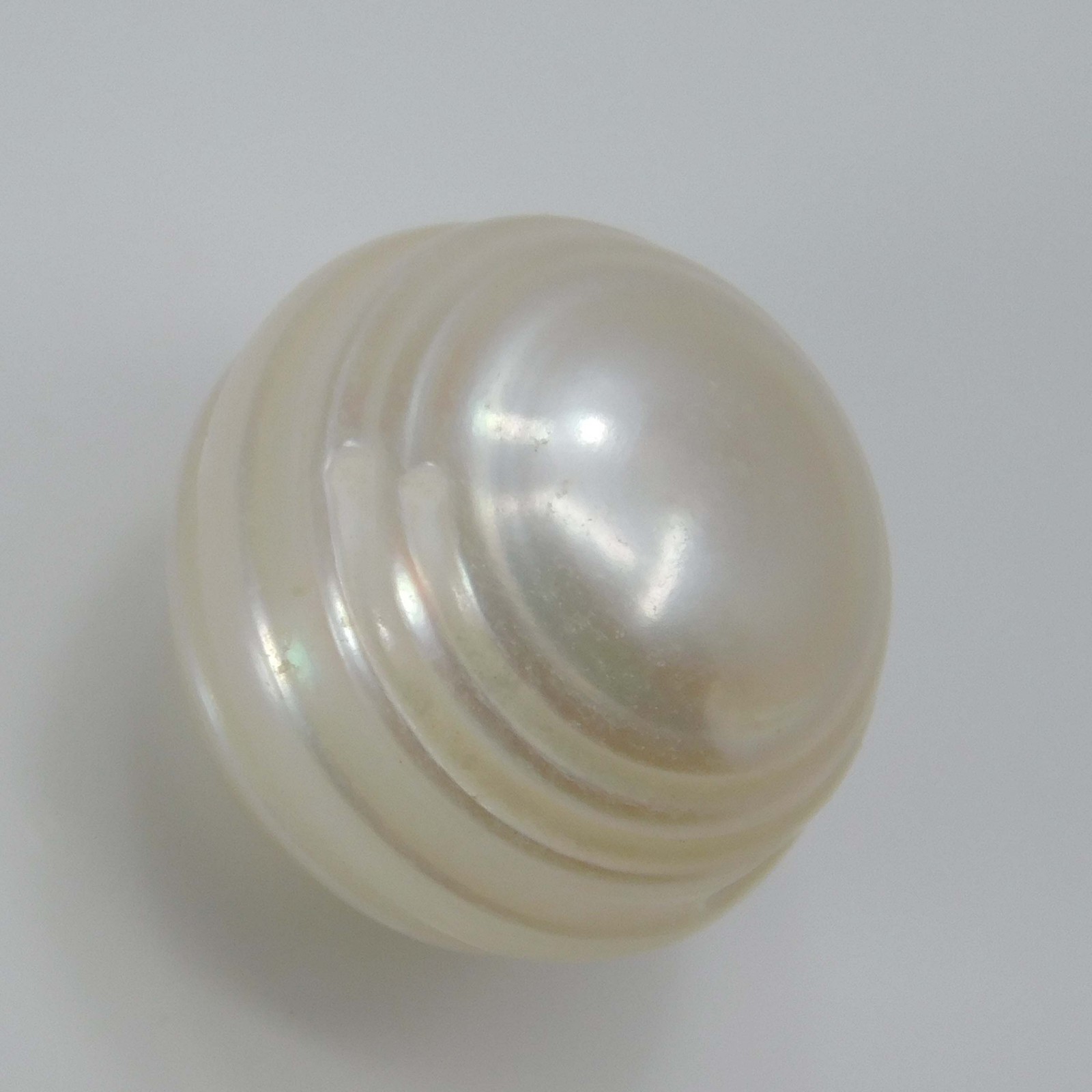
Loose pearls are individual cultured or natural pearls sold undrilled, half-drilled, or fully drilled for custom jewelry setting. The decisive trade-off is nacre thickness and pearl type: saltwater South Sea and Tahitian pearls carry thick nacre and high luster at premium cost, while freshwater pearls offer similar size at lower prices but vary widely in shape and surface quality. Buy saltwater for heirloom-grade round pearls and certified freshwater for affordable custom pieces; skip any listing that omits millimeter size, nacre indicators, or drilling status.

Buying guide image
Rings & Earrings

Engagement Ring

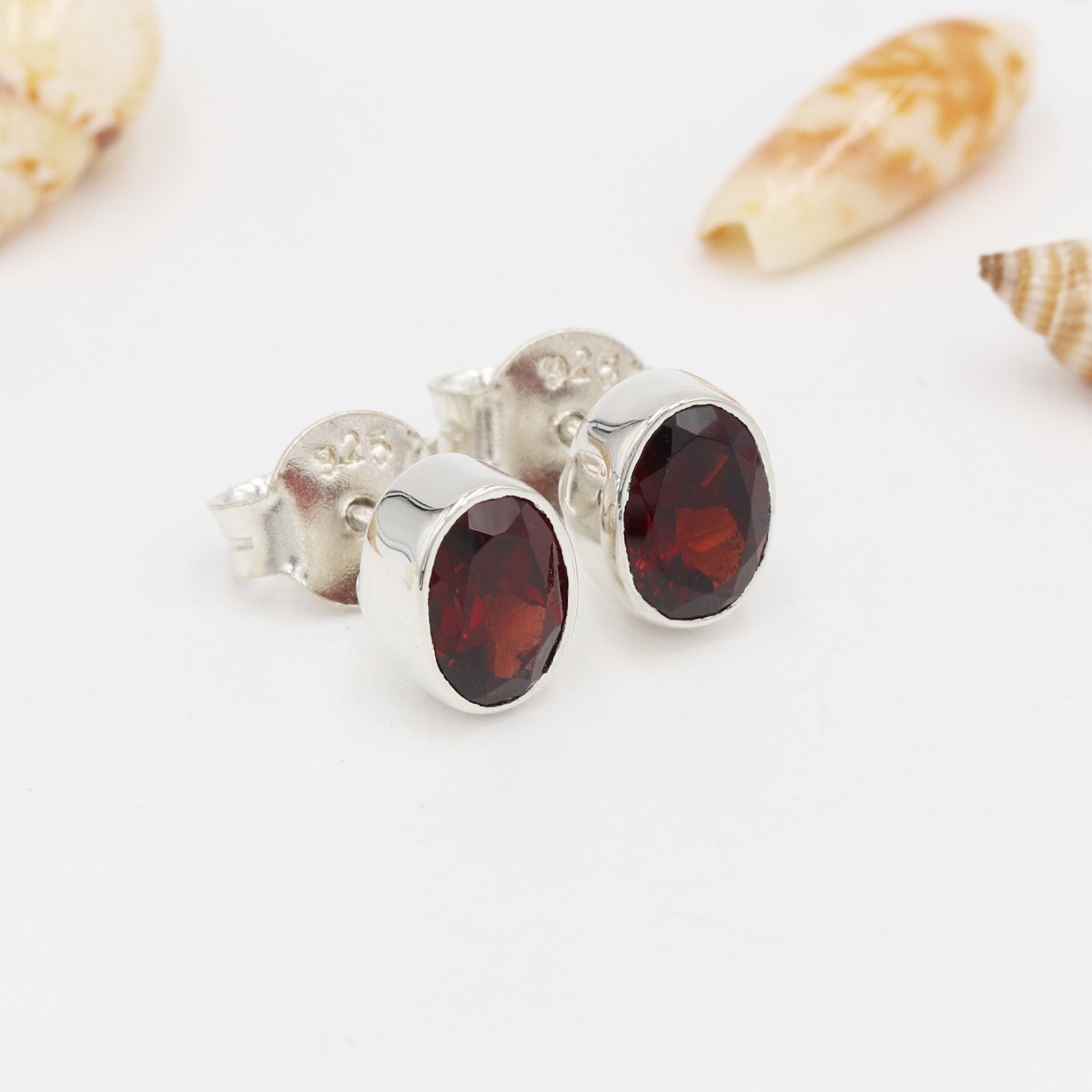
An engagement ring is a long-term wearable defined by metal grade and stone integrity, not by listing adjectives. The primary trade-off is solid precious metal (14K/18K gold or platinum, or at minimum 925 sterling silver) versus plated brass or base metal, and natural/moisture-safe gemstones versus coated CZ or dyed stones that fail in daily wear. The decision rule: buy the highest solid-metal purity and hardest stone your budget allows, and treat any 'gold finish' or 'plated' language as fashion jewelry, not an heirloom.

Buying guide image
Necklaces & Bracelets

Silver Necklace Men

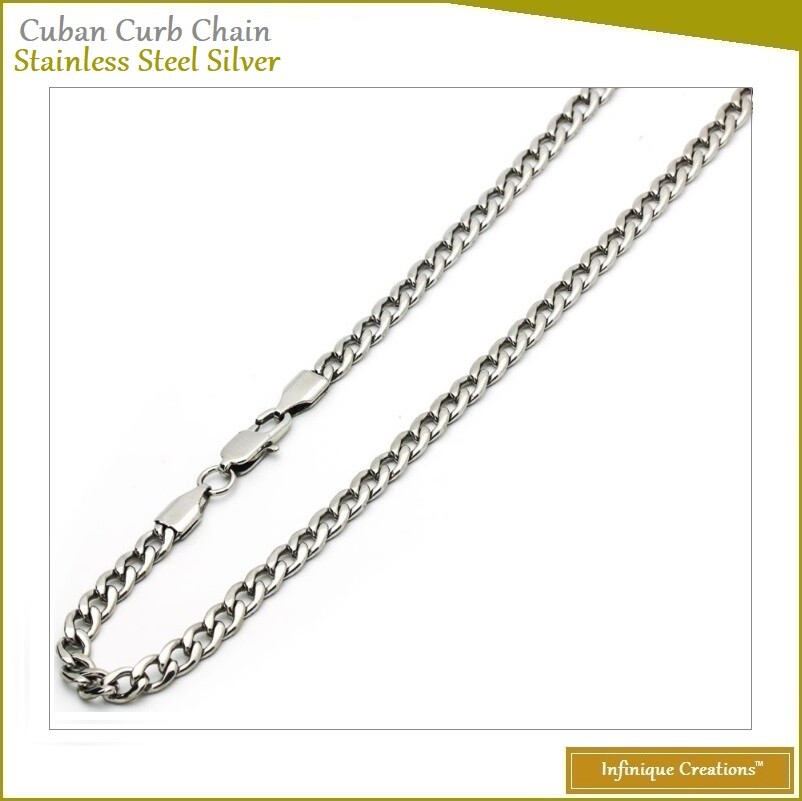
Silver necklaces for men span two distinct material classes: solid 925 sterling silver and silver-tone stainless steel, with the primary trade-off being tarnish-prone precious metal authenticity versus low-maintenance alloy durability. Sterling silver (92.5% pure) offers real precious-metal value and can be polished, while stainless steel delivers permanent color and corrosion resistance at a fraction of the density. The decision rule: buy solid 925 with a visible stamp for heirloom value and hypoallergenic wear; buy 316L stainless steel for daily-wear chains that must resist sweat, chlorine, and tarnish without upkeep.

Buying guide image
Loose Gemstones & Pearls

Loose Stone

Loose stones are unmounted gem materials sold by carat, cut, and clarity, used primarily for custom ring settings. The core trade-off is between natural rarity (species, origin, treatment status) and practical durability (Mohs hardness, cleavage, toughness) for daily wear. The decision rule: for rings, choose species with Mohs 7+ and no directional cleavage unless protected by a bezel, and demand explicit treatment disclosure; treat soft or fracture-prone stones as collector or pendant-only material.

Buying guide image
Jewelry Sets

Ring Set

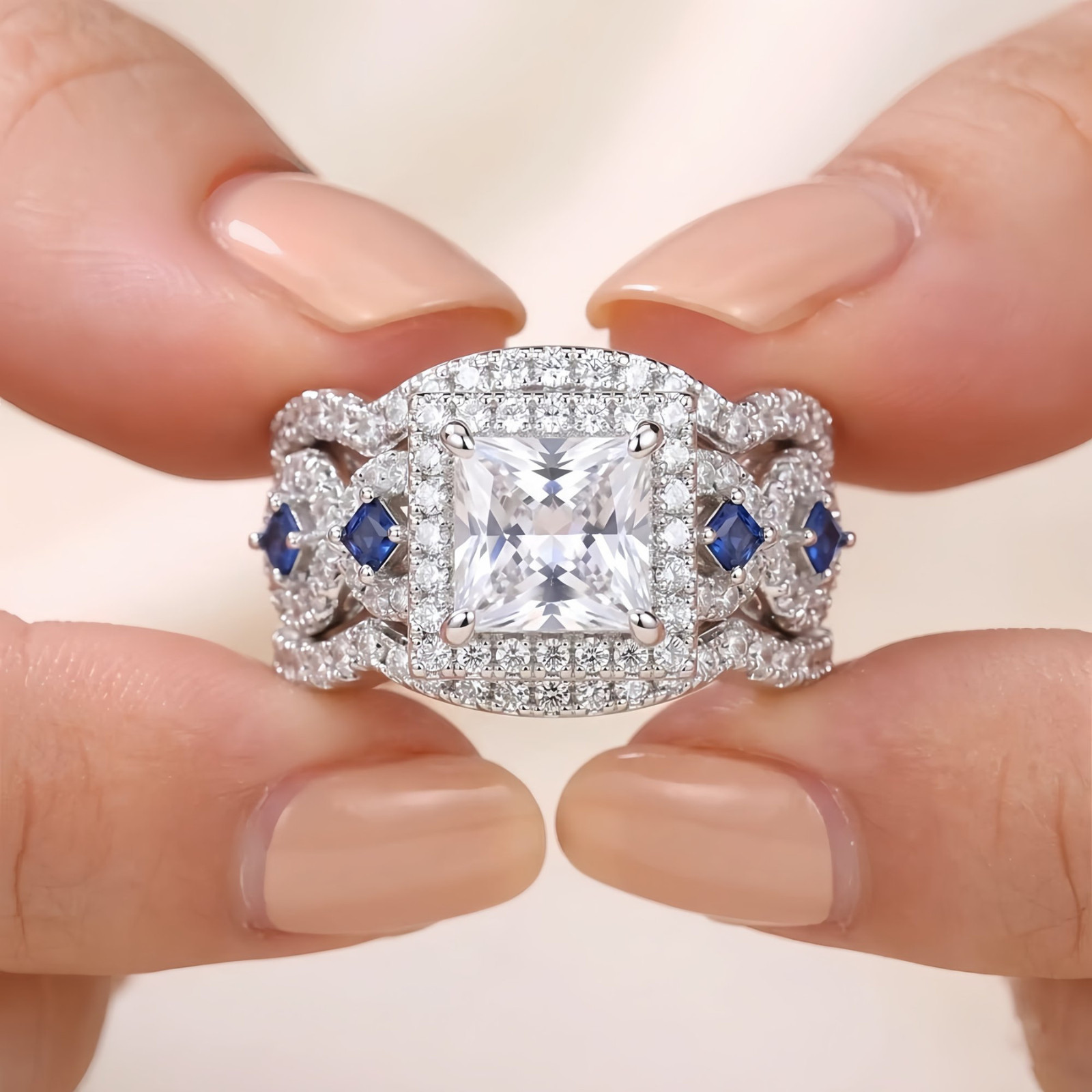
A ring set is a coordinated group of two or more rings sold as a single unit, typically sharing a design language, metal finish, and stone type. The core trade-off is between plated base metals (cheap, skin-reactive, quick to fade) and solid precious metals or surgical steel (higher cost, hypoallergenic, lifetime wear). The decision rule: buy solid 925 sterling silver, 10K+ gold, or 316L stainless steel for daily wear; treat brass or copper with plating as occasional costume jewelry only.

Buying guide image
Wristwatches

Casual Watches Men

A casual watch for men is a daily-wear timepiece balancing durability, comfort, and low-maintenance operation. The core trade-off is quartz accuracy and zero upkeep versus automatic mechanical craft that demands wear time and service. Choose quartz (or solar) for a grab-and-go beater; choose automatic only if you accept periodic setting and higher service cost.

Buying guide image
Necklaces & Bracelets

White Gold Necklace

A white gold necklace is a rhodium-finished gold alloy piece where the karat grade and plating thickness determine whether it stays bright or fades. The core trade-off is solid 14k/18k white gold versus plated or finished base metal: solid gold holds its color for decades, while plated pieces wear through at clasps and high-friction points within months of daily wear. Buy solid 14k+ if the necklace is a daily-wear or heirloom piece; choose plated finishes only for occasional fashion wear at a lower cost.

Buying guide image
Necklaces & Bracelets

14k Necklace

A 14k necklace sits at the entry point of real gold jewelry, but the label is routinely abused: solid 14k (58.3% gold alloy) resists tarnish and wear for decades, while '14k gold plated' is a base-metal or sterling core with microns of gold that wears through. The decision rule is simple: buy solid 14k when the piece is worn daily or passed down, and buy plated only for costume rotation where replacement cost is acceptable.

Buying guide image
Rings & Earrings

Gold Stud Earring

Gold stud earrings range from solid 14k/18k gold heirlooms to gold-plated brass and stainless-steel fashion pairs, and the core trade-off is gold-layer thickness versus price. A true quality pair uses solid gold or heavy vermeil (2.5+ microns) over sterling silver with a secure screw-back or friction post; anything under 1 micron of plating on brass is a short-life compromise.

Buying guide image
Rings & Earrings

Fashion Ring

Fashion rings are decorative, trend-driven rings that trade precious-metal purity for design variety, typically made from brass, stainless steel, or plated base metals with synthetic stones. The core trade-off is skin-safety and tarnish resistance versus low cost: 316L stainless steel and sterling silver are durable and hypoallergenic, while plated brass and zinc alloys tarnish quickly and may irritate sensitive skin. The decision rule: choose 316L stainless steel or 925 sterling silver for daily wear and sensitive skin, and accept plated alloys only for short-wear statement pieces.

Buying guide image
Loose Gemstones & Pearls

Loose Natural Gemstone

Loose natural gemstones are cut, polished stones sold unmounted for custom jewelry or collection. The primary trade-off is between verified natural origin with treatments disclosed and unverified stones where clarity, color, and durability can vary wildly. The decision rule: buy only stones with a named independent lab report and explicit treatment status; treat 'certified' claims without a lab name as marketing, not assurance.

Buying guide image
Necklaces & Bracelets

Gold Bracelet Women

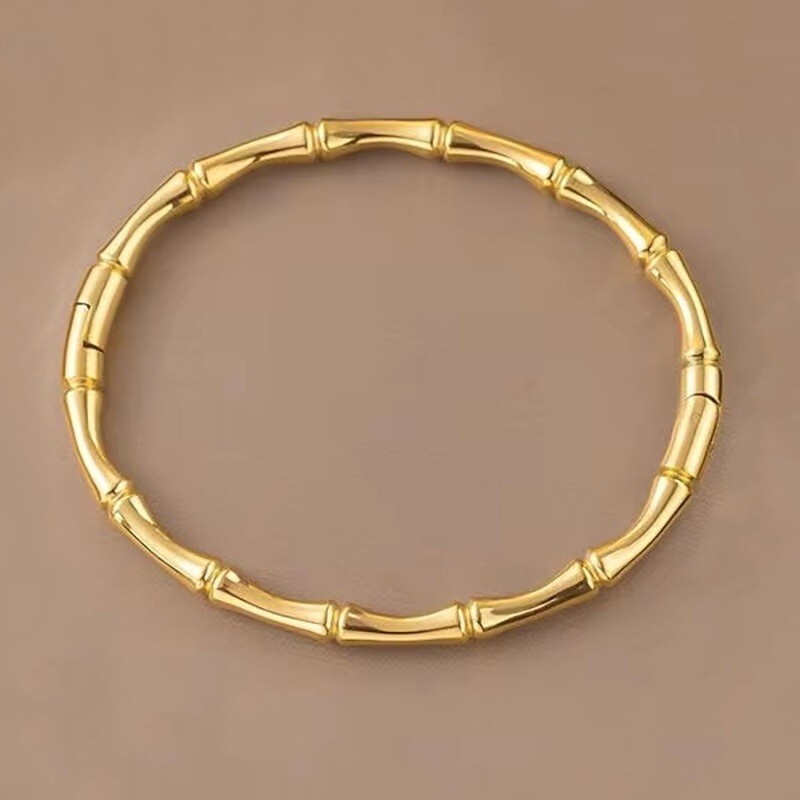
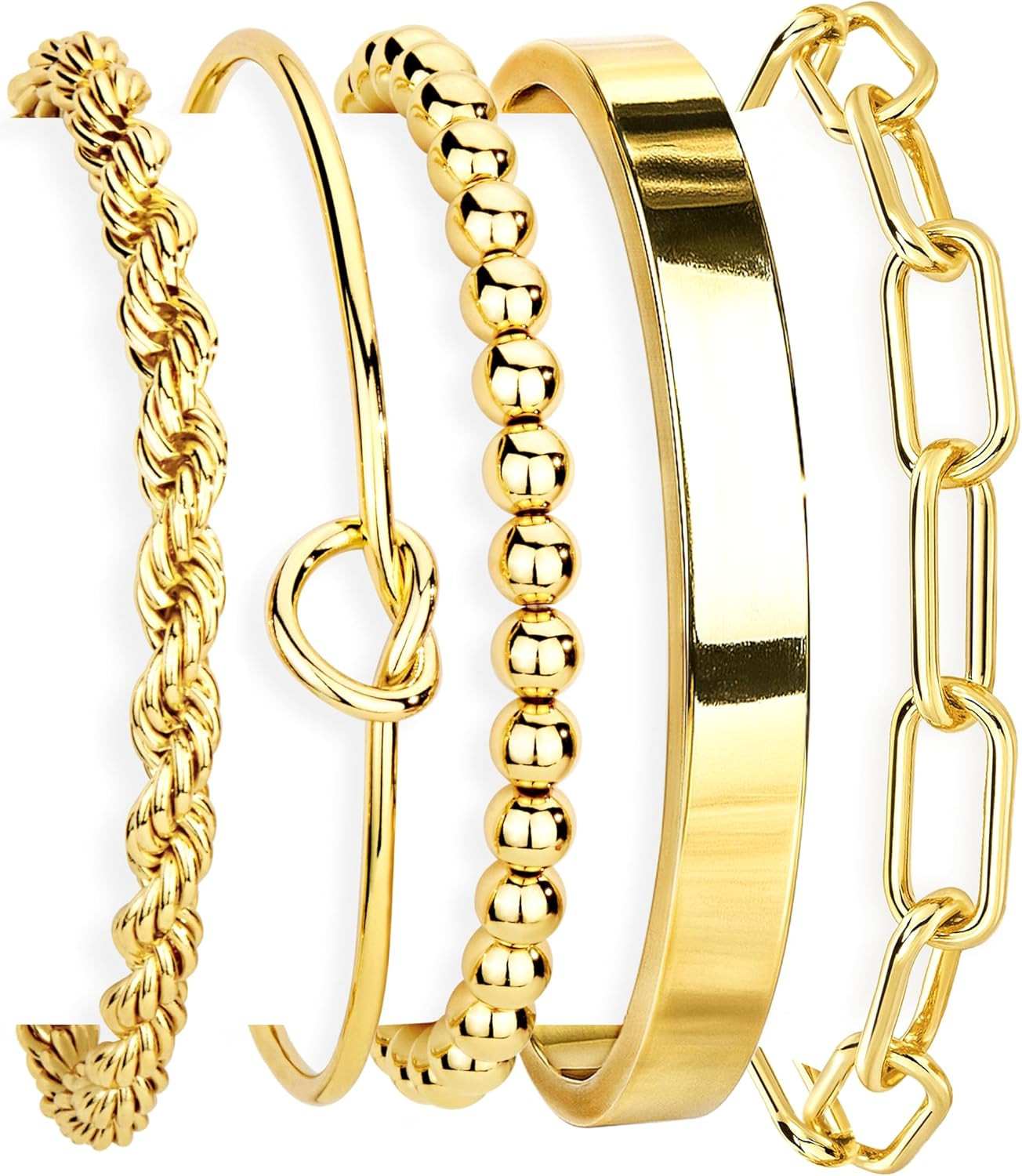
Gold bracelets for women span three fundamentally different constructions: solid gold (14K/18K), gold-filled (mechanically bonded thick gold layer), and gold-plated over brass or sterling silver (electroplated microns-thin layer). The primary trade-off is gold-layer thickness versus cost: solid and gold-filled pieces survive daily wear, chlorine, and perfume for years, while plated pieces tarnish and flake once the plating wears through. The decision rule is simple: buy gold-filled or solid for everyday/water exposure, and accept plated only for occasional, dry wear.

Buying guide image
Necklaces & Bracelets

Sterling Silver Bracelet

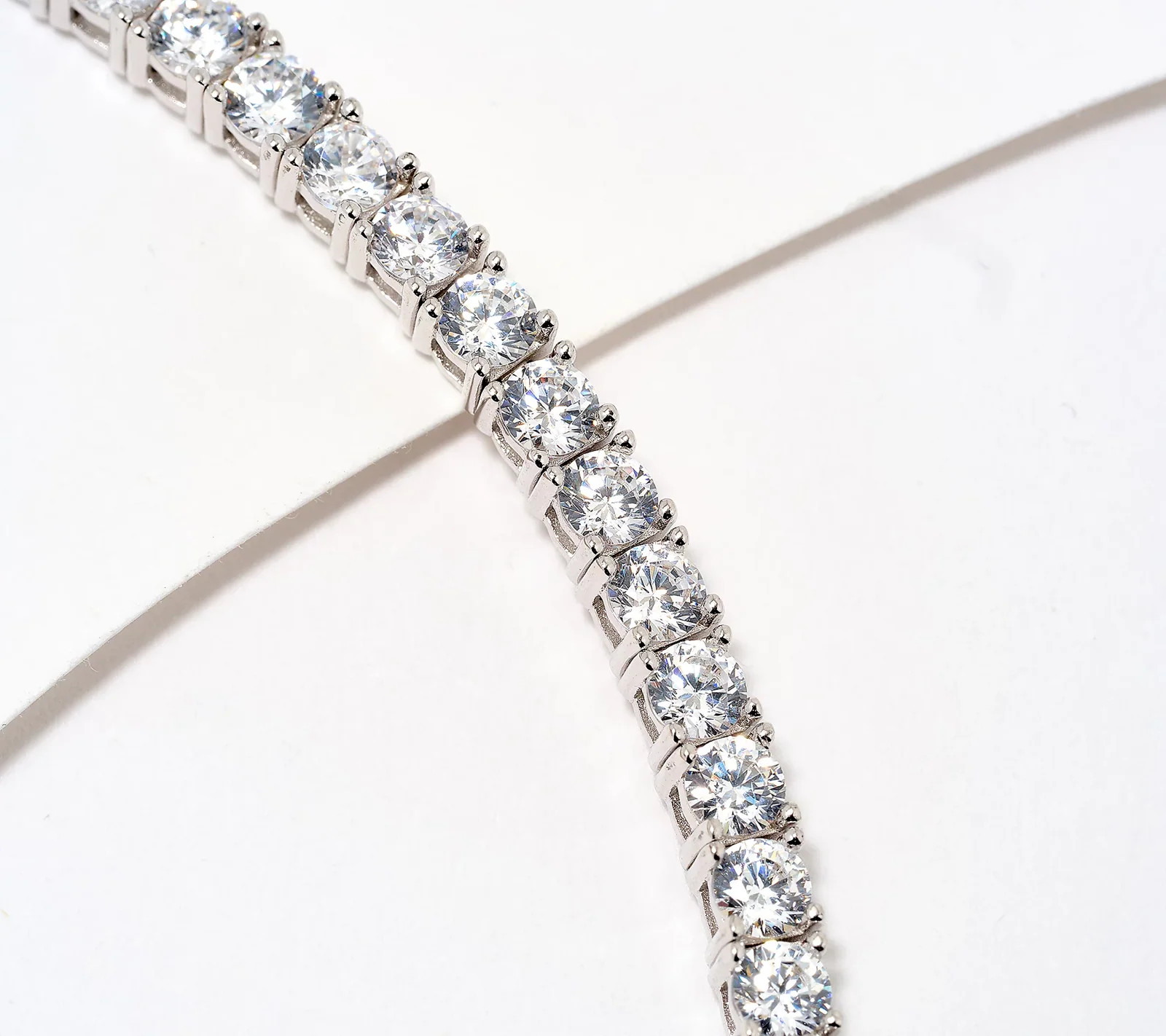
Sterling silver bracelets are 92.5% pure silver alloyed with copper for strength, available in chain, tennis, beaded, and charm styles. The key trade-off is silver grade and clasp engineering: solid 925 with a reinforced lobster or box clasp lasts for years, while plated brass or hollow links stretch, tarnish, and snap within months. Buy solid 925 with a mechanical clasp rated for daily wear; skip anything marked only 'silver tone' or 'silver plated.'

You may also like

Finding more guides for you…