GemTempo

GemTempo

Jewelry & Watches Reviews & Buying Guides

Compare jewelry & watches by use case, features, trade-offs, price, returns, and seller terms before you buy.

Buying guides

Buying guide image
Watch Accessories

Portable Watch Case

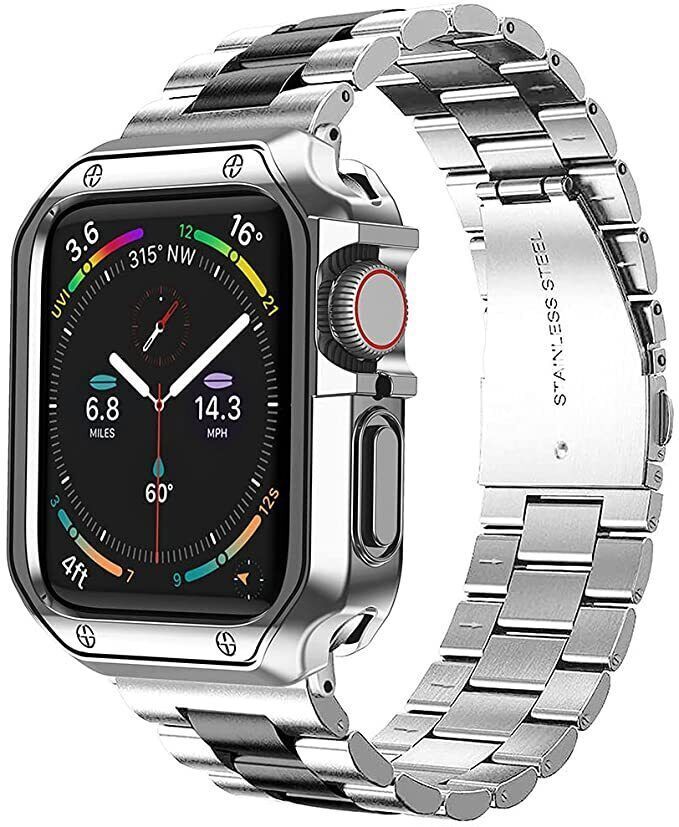
A portable watch case is a compact, travel-focused storage solution that protects a single watch or a small collection from scratches, moisture, and impact. The primary trade-off is between rigid, crush-resistant shells (EVA foam, hard polymer) and soft, flexible pouches (leather, nylon); rigid cases win for checked luggage and tight packing, while soft pouches suit minimal carry. The clear decision rule: choose a hard-shell case with a lined, watch-pillow interior for any travel involving baggage handling; choose a soft roll or pouch only for brief, protected transport.
Buying guide image
Wristwatches

Digital Watch Men

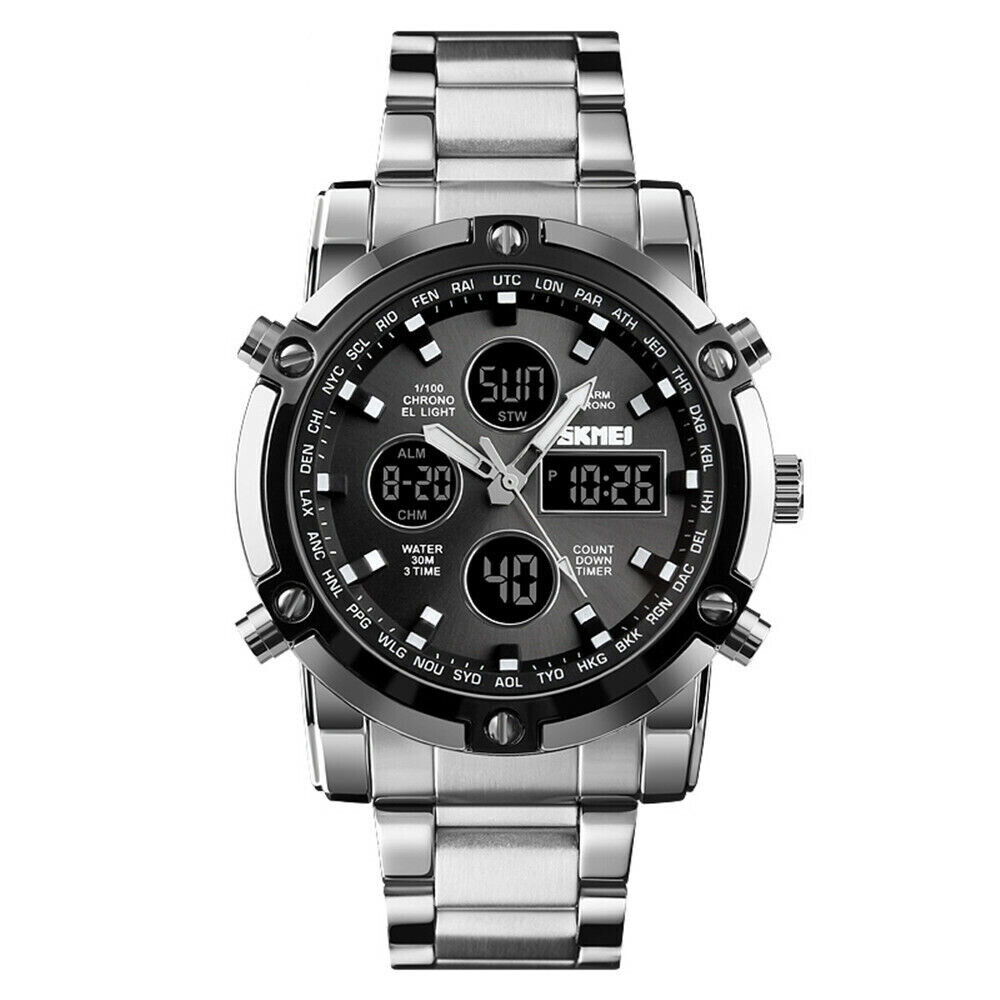
Digital watches for men use quartz timing modules, LED/LCD displays, and resin or stainless cases to deliver alarm, chronograph, and calendar functions with battery life measured in years, not hours. The core trade-off is module quality and water-resistance sealing versus display legibility and case bulk: cheap LED-only novelty watches lose time and leak, while proper LCD quartz modules with 5 ATM+ ratings and screw-down or gasketed backs last a decade. The decision rule is simple: buy an LCD quartz module from an established watchmaker with a stated water-resistance rating and a replaceable cell; skip LED-only fashion watches with no ATM rating or sealed non-serviceable cases.

Buying guide image
Rings & Earrings

Diamond Hoop Earring

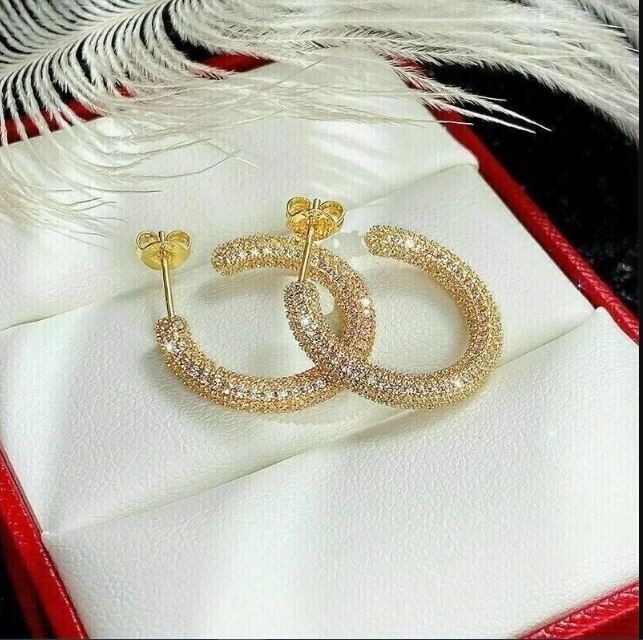
Diamond hoop earrings span a wide range of constructions, from solid gold with genuine diamonds to gold-plated silver or brass with simulated stones. The primary trade-off is between diamond authenticity and setting durability — lab-grown and natural diamonds require solid gold or platinum settings, while plated and sterling silver pieces use cubic zirconia or simulated stones. The decision rule: for daily wear and heirloom longevity, buy solid 14K/18K gold with lab-grown or natural diamonds; for occasional fashion wear, choose 925 sterling silver with CZ and accept a shorter lifespan.

Buying guide image
Necklaces & Bracelets

Gold Tennis Bracelet

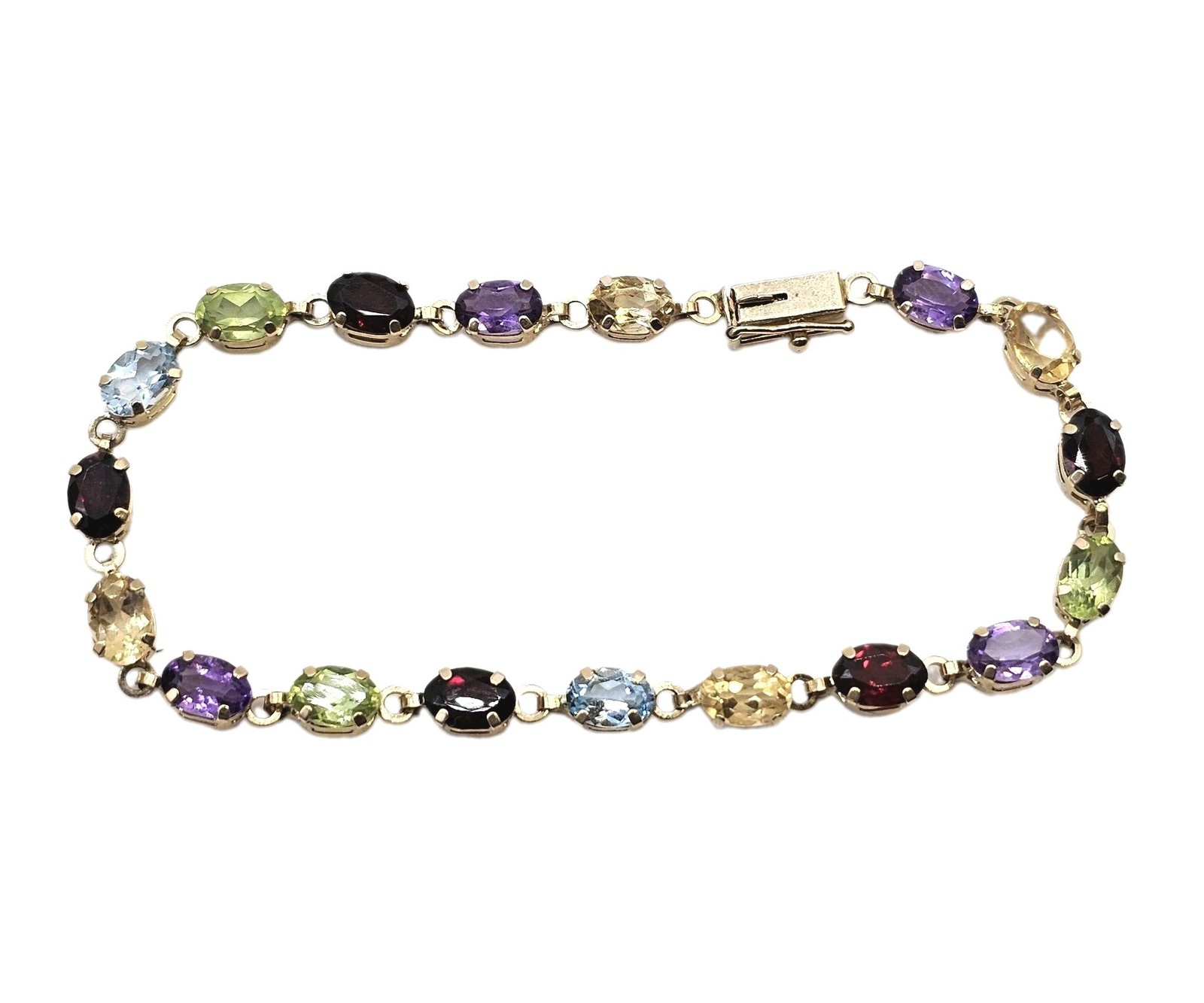
A gold tennis bracelet is a flexible line bracelet of individually set stones, and the primary trade-off is between diamond quality (natural vs. lab-grown, clarity, color) and gold content (10K vs. 14K vs. plated). The decisive rule: buy solid 14K or higher gold with a stated diamond grade and secure clasp if you want an heirloom; plated base-metal or ungraded stones are fashion wear that will not survive daily use.

Buying guide image
Rings & Earrings

Gemstone Ring

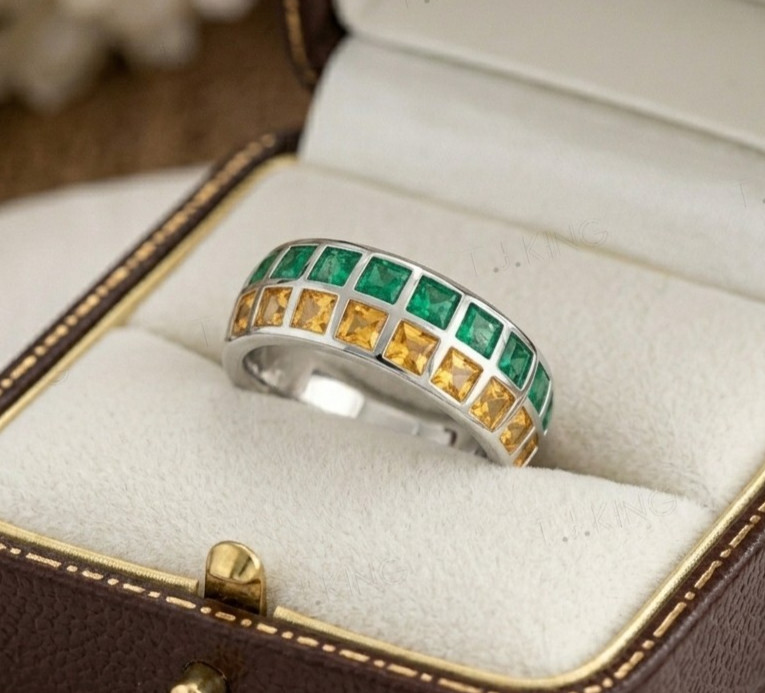
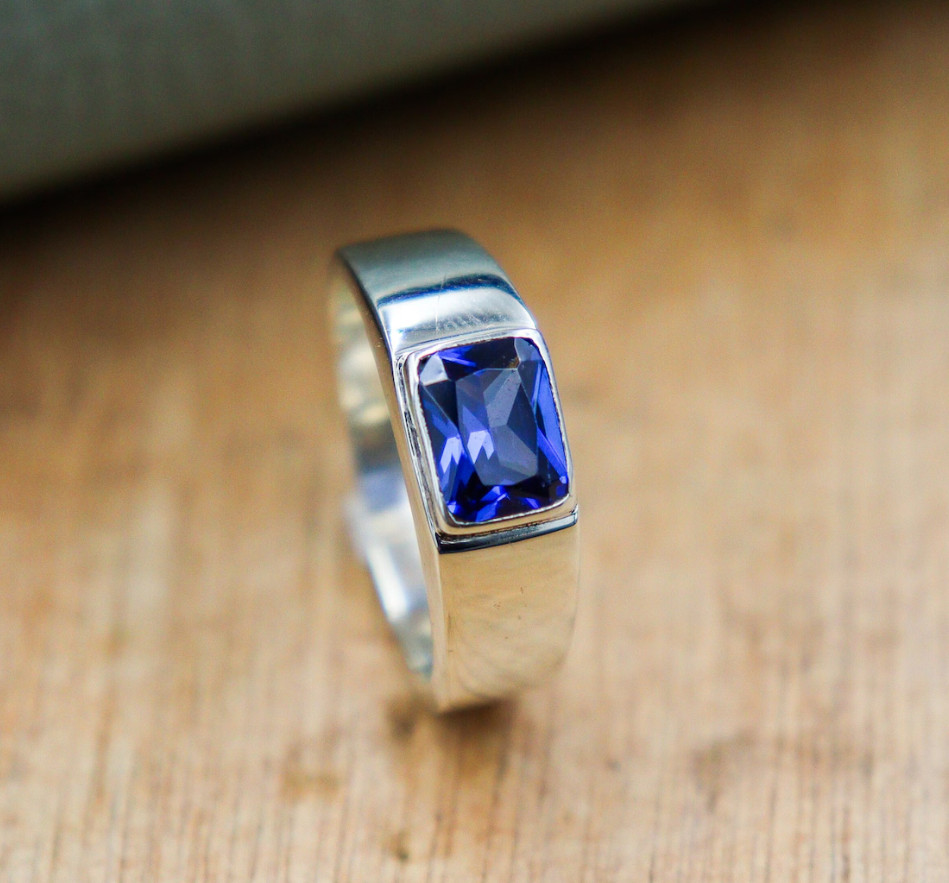
A gemstone ring pairs a faceted or cabochon stone with a metal setting, and the primary trade-off is between genuine mined/lab-grown stones in solid precious metal versus treated, simulated, or glass stones in plated base metal. The clear decision rule: buy solid 925 sterling silver, 10k+ gold, or stainless steel with a disclosed stone species and treatment for daily wear; skip plated or undisclosed 'gemstone' rings if you need lasting color and durability.

Buying guide image
Necklaces & Bracelets

Men Sterling Silver Bracelet

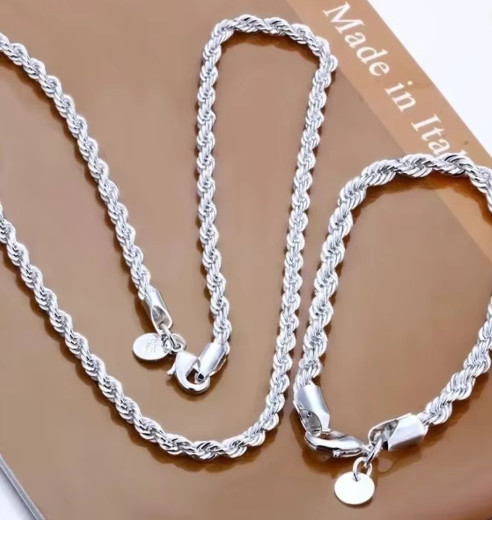
Men's sterling silver bracelets are 925-grade silver chains or handwoven bands where the primary trade-off is solid-versus-hollow construction and clasp quality; solid 925 silver with a lobster or box clasp delivers decades of wear, while hollow or plated lookalikes dent and tarnish quickly. The decisive rule: buy only pieces stamped 925 or S925 with a solid-link architecture and a rated clasp, and skip anything sold as 'silver-tone', hollow tube, or unspecified alloy.

Buying guide image
Body Jewelry

Navel Piercing Jewelry

Navel piercing jewelry centers on the 14G (1.6mm) curved barbell, where the decisive trade-off is implant-grade material and true gauge compatibility versus decorative plating that flakes or corrodes. Buyers should treat 316L stainless steel or implant-grade titanium with external 1.6mm threading as the durable baseline, and avoid unbranded fashion drops that use mystery alloys or snap-together dangles that stress the fistula.

Buying guide image
Necklaces & Bracelets

Silver Choker Necklace

A silver choker necklace sits at the collarbone (typically 14–16 inches) and is defined by its base metal: sterling silver (.925), silver-plated brass, stainless steel, or titanium. The core trade-off is tarnish resistance and skin safety versus cost—solid .925 or titanium lasts for years, while thin silver plating wears through in months. Choose solid sterling or titanium for daily wear; choose plated brass only for occasional, short-wear styling.

Buying guide image
Rings & Earrings

Wedding Earring

Wedding earrings are bridal jewelry chosen to complement the gown, veil, and hairstyle while staying comfortable through a long ceremony and reception. The primary trade-off is between plated or alloy fashion earrings and solid precious-metal settings: plating looks identical on day one but wears through, while 925 sterling silver or 14k gold holds up and is safe for sensitive ears. The decision rule is simple: buy solid 925 sterling silver or 14k gold with mechanically set stones for the bride, and reserve alloy or plated pieces for single-day bridesmaid or guest wear.

Buying guide image
Necklaces & Bracelets

Personalized Necklace

Personalized necklaces are custom-engraved or letter-set pendant chains where the main purchase decision is between plated base metals that fade and solid precious metals that endure. The core trade-off is personalization cost versus material longevity: laser engraving and rhinestone settings are cheap but shallow, while hand-stamped solid gold or sterling silver holds detail for years. The clear rule: choose solid 14k/18k gold or 925 sterling silver for daily wear and gift heirlooms; choose gold-filled or stainless steel for budget-first fashion pieces; skip brass or copper-core plating for anything meant to last.

Buying guide image
Wristwatches

Automatic Watches

Automatic watches use a mainspring wound by wrist motion, trading battery-free convenience for periodic setting and service. The core decision is movement grade and case finishing: a proven Japanese or Swiss automatic with sapphire and solid stainless steel outlasts generic 'mechanical' cases with mineral glass and plated brass. Buy any watch whose movement family, glass type, and water-resistance rating are stated explicitly; skip listings that hide these three specs.

Buying guide image
Wristwatches

Waterproof Digital Watch

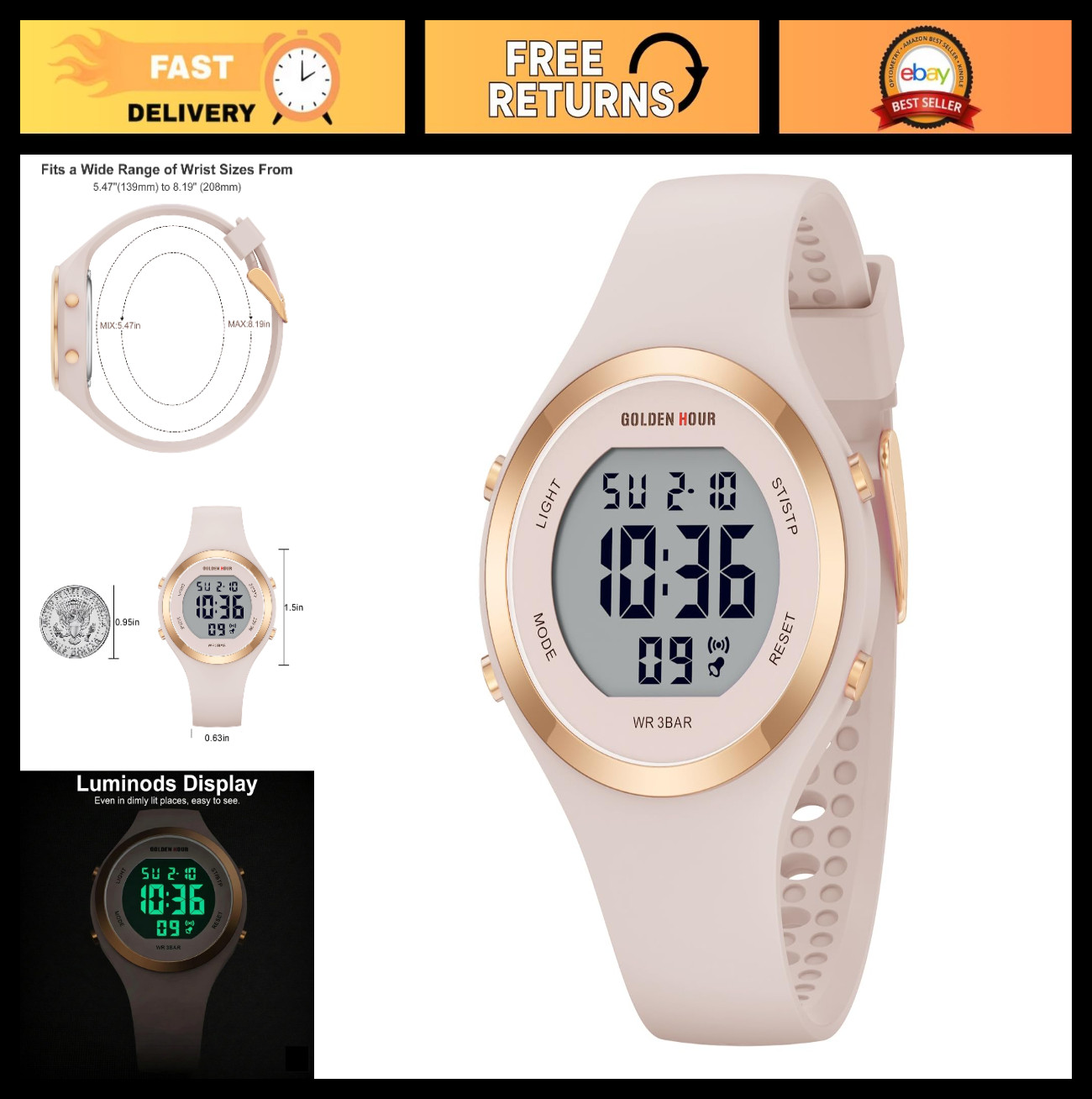
Waterproof digital watches range from basic splash-resistant LED sports models to true dive-rated instruments, with the key trade-off being water-resistance rating and build quality versus size and battery convenience. The decisive rule: buy by the ISO/ATM water-resistance rating and case material, not by 'waterproof' marketing on the face.

Buying guide image
Rings & Earrings

Fashion Diamond Ring

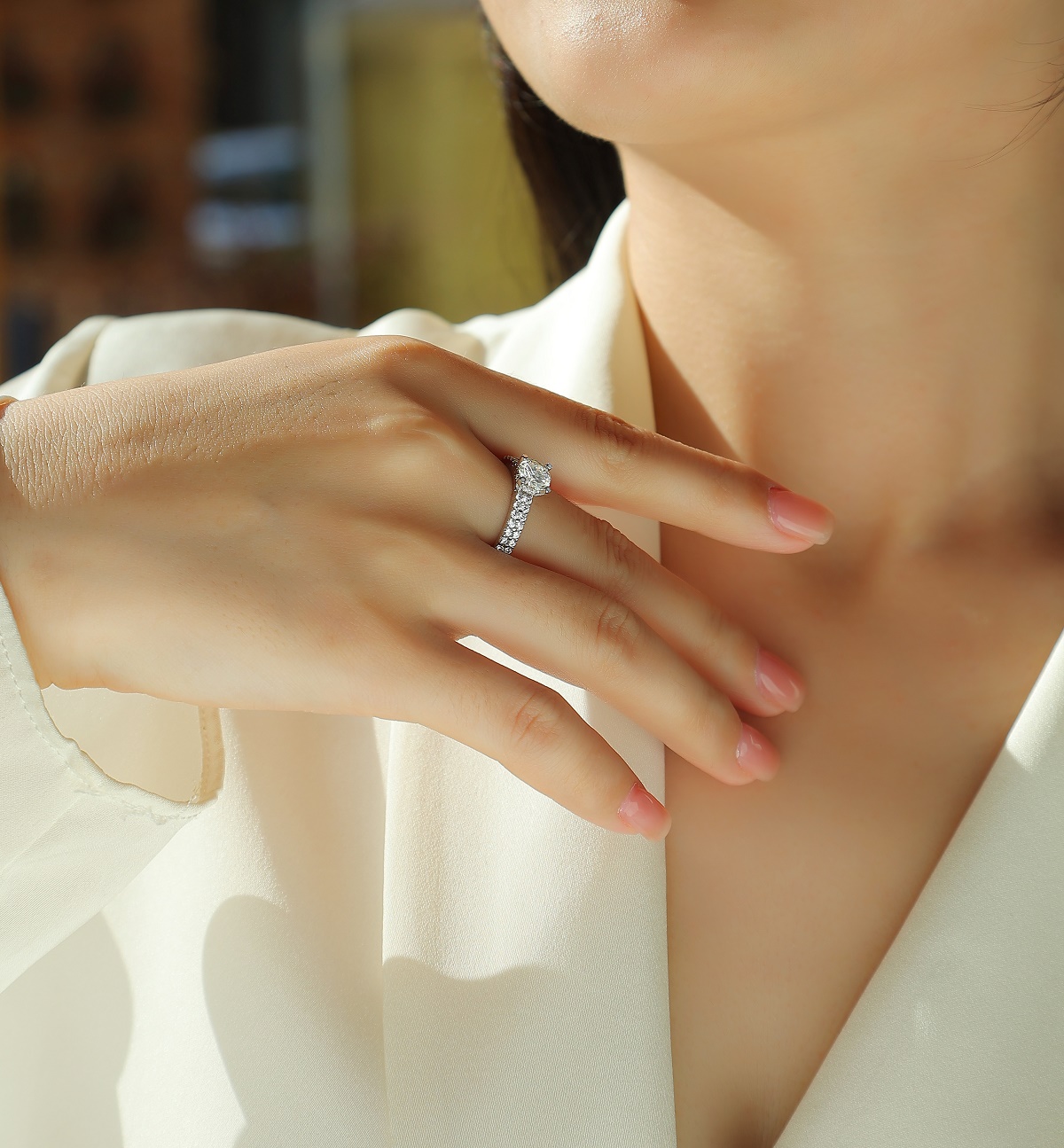
Fashion diamond rings are decorative statement or bridal-style pieces where the visual look matters most, and the critical trade-off is between simulated stones (moissanite, cubic zirconia) in plated silver and genuine diamond in solid gold or platinum. The decision rule is simple: buy simulated stones when the ring is a trend-driven accessory worn occasionally, and step up to genuine diamonds in a durable metal only when the ring must survive daily wear and retain value.

Buying guide image
Loose Gemstones & Pearls

Loose Sapphire Gemstone

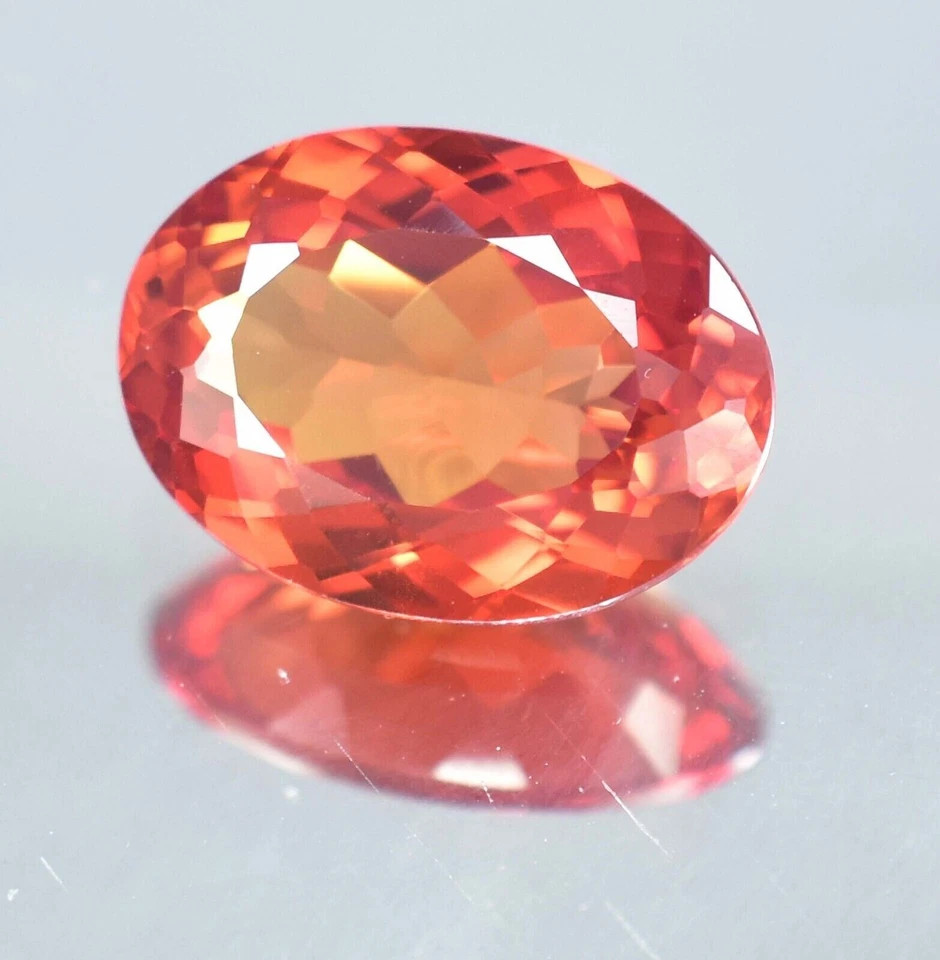
Loose sapphires are corundum gemstones sold unmounted for custom jewelry, defined by a hard 9 Mohs rating but wide variance in color origin, treatment, and cut precision. The primary trade-off is natural versus lab-created and heated versus unheated material, where certificates from GIA, AGL, or GRS—not seller adjectives—determine value. Decision rule: buy certified natural sapphire with disclosed treatment for heirloom use; choose lab-created or heated commercial grades only for fashion settings where budget and color consistency outrank rarity.

Buying guide image
Necklaces & Bracelets

18k Necklace

An 18k necklace spans a huge quality gap: solid Au750 gold (75% purity, hallmarked) versus 18k gold-plated stainless steel or brass with microns-thin plating. The trade-off is intrinsic gold value and hypoallergenic permanence against lower cost and water resistance. Buy solid Au750 when the necklace is a daily-wear or heirloom purchase; buy 18k-plated 316L steel only for fashion layering where plating wear is acceptable.

Buying guide image
Necklaces & Bracelets

Gold And Pearl Necklace

Gold and pearl necklaces combine a metal chain or clasp with cultured or freshwater pearls, where durability hinges on gold layer thickness (plated vs solid 14k/18k) and pearl quality (nacre grade, shape, and luster). The core trade-off is price against longevity: plated brass or alloy tarnishes within months, while solid 14k gold and high-grade pearls last for decades. The decision rule is simple: buy solid gold or thick vermeil with AAAA-graded pearls for daily wear and heirloom intent, and choose plated fashion pieces only for occasional accent use.

Buying guide image
Necklaces & Bracelets

Gold Pearl Necklace

A gold pearl necklace pairs a gold-tone chain or clasp with pearl beads, and the primary trade-off is gold plating thickness versus solid gold, plus pearl type (Akoya, freshwater, or imitation) that dictates luster and durability. The decision rule: buy solid 14K/18K gold or thick 2.5-micron+ vermeil with real cultured pearls for daily wear; skip thin gold-plated base metal with coated shell pearls if you want a piece that lasts years.

Buying guide image
Rings & Earrings

Sapphire Ring

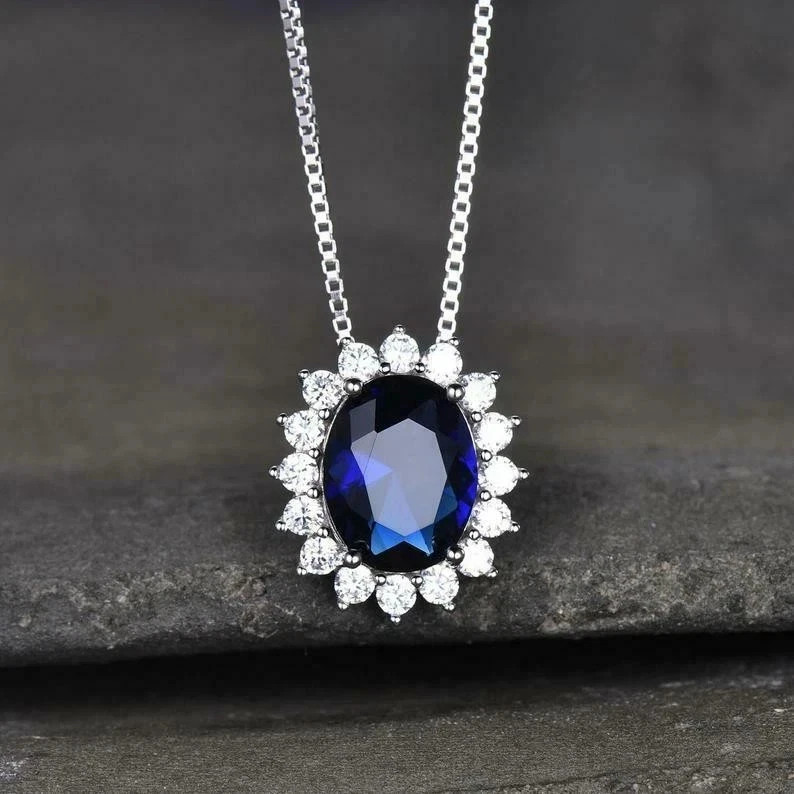
A sapphire ring spans natural vs lab-created stones, 925 sterling silver vs solid 14K/18K gold settings, and signet vs engagement styling. The core trade-off is stone authenticity and metal durability against budget: silver prongs wear faster, while solid gold holds pave and daily wear. The decision rule: buy solid gold for daily or bridal wear, 925 silver for occasional statement pieces, and insist on a stated treatment (unheated, heated, diffusion) before choosing any stone.

Buying guide image
Necklaces & Bracelets

Gold Cross Necklace With Diamonds

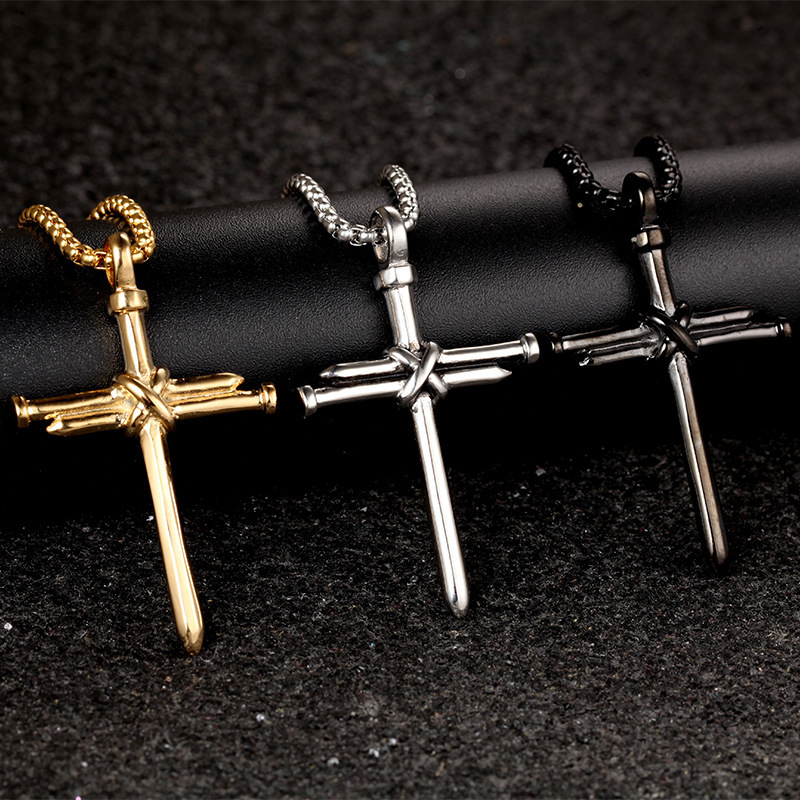
A gold cross necklace with diamond is a religious pendant where the cross silhouette and stone setting method determine both durability and sparkle. The core trade-off is solid gold with prong-set natural or lab diamonds versus gold-plated base metal with glued or pavé cubic zirconia. Buy solid 10k–18k gold with mechanically set stones for daily wear; skip plated zinc alloy with surface-set CZ if the piece must survive sweat, showers, or years of use.

Buying guide image
Necklaces & Bracelets

Gold Chain With Pendant

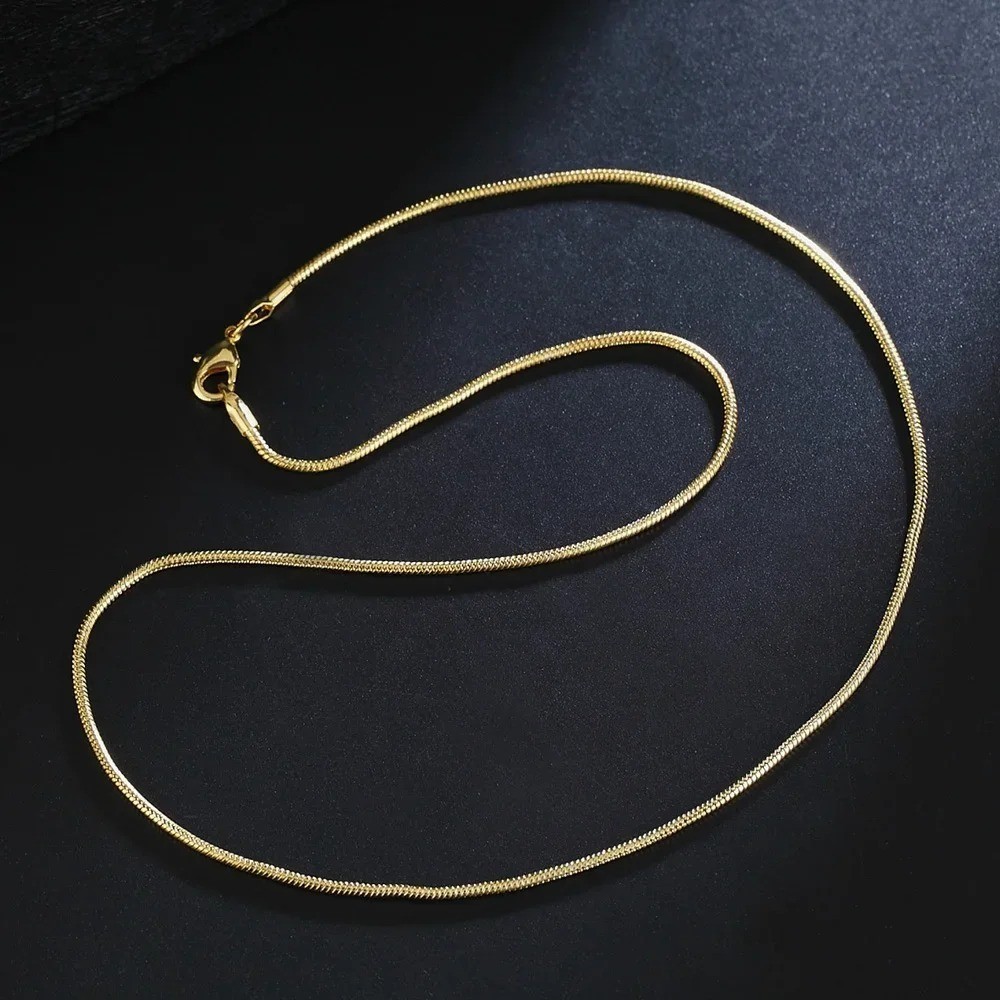
Gold chains with pendants span three distinct constructions: solid fine gold (14K/18K), gold-plated base metals, and PVD-coated stainless steel. The decisive trade-off is gold content versus durability: solid gold resists tarnish and holds value, plated brass or steel delivers the look at a fraction of the cost but wears through at clasp points and high-friction zones. Buy solid gold or verified PVD stainless for daily wear; treat electroplated brass as occasional-wear fashion jewelry.

You may also like

Finding more guides for you…