GemTempo

GemTempo

Jewelry & Watches Reviews & Buying Guides

Compare jewelry & watches by use case, features, trade-offs, price, returns, and seller terms before you buy.

Buying guides

Buying guide image
Rings & Earrings

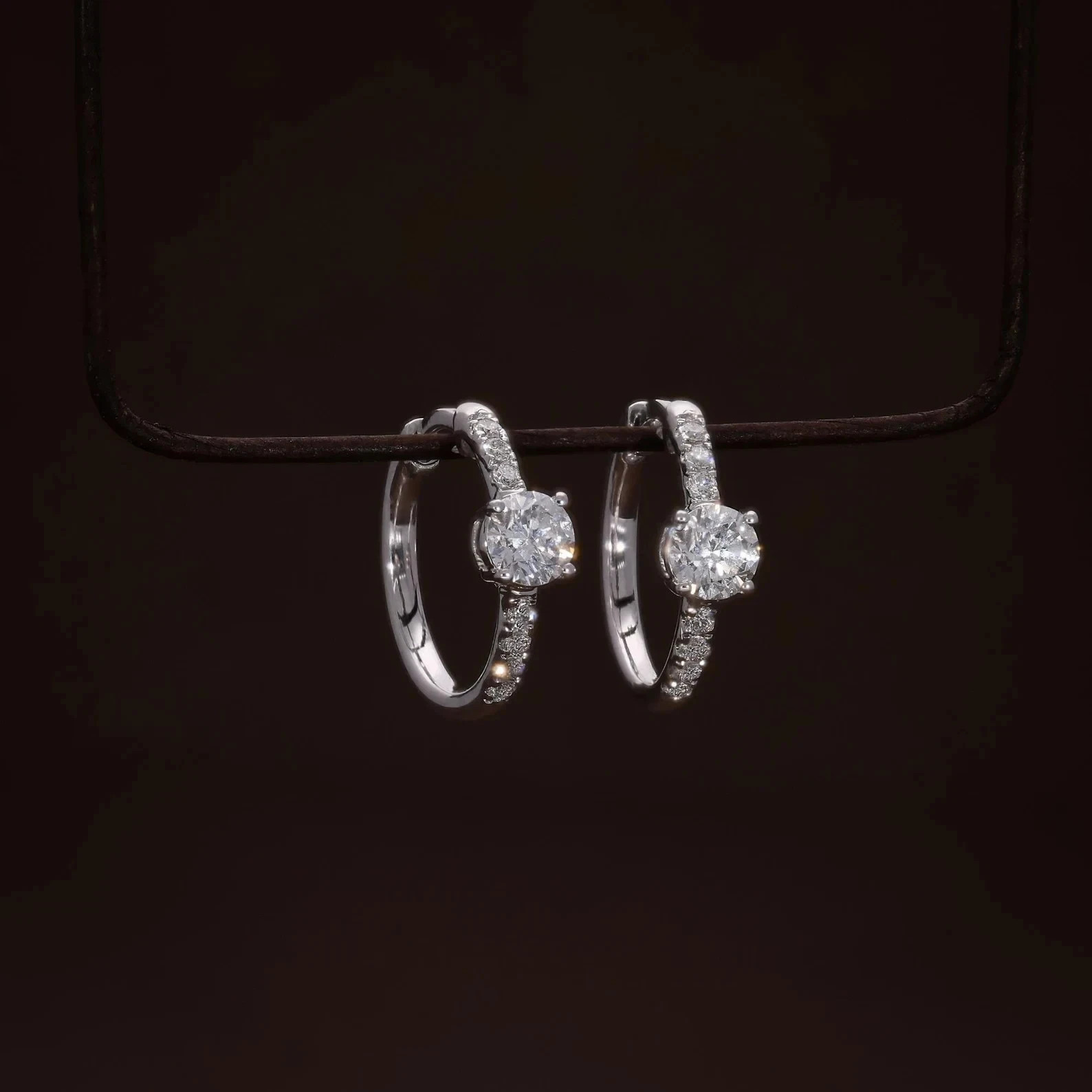
Hoop Diamond Earring

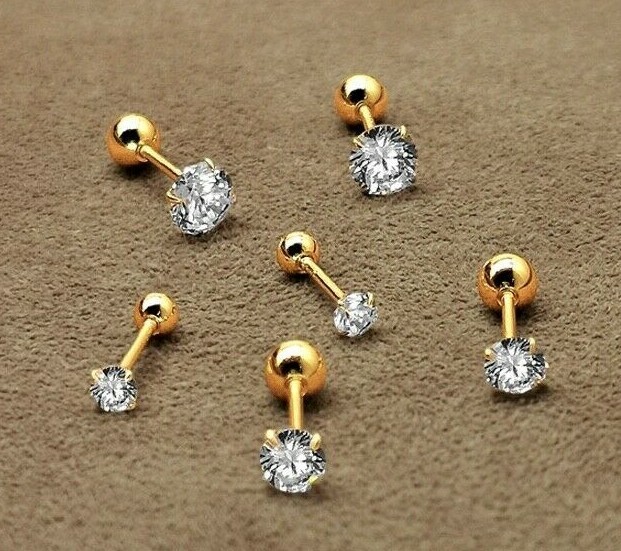
Hoop diamond earrings span a wide spectrum from lightweight diamond-cut metal hoops to prong-set lab-grown or natural diamond styles, with the core trade-off being diamond authenticity and setting security versus metal purity and plating thickness. The decision rule is simple: choose solid gold (10K–18K) with natural or lab-grown diamonds for daily wear and longevity; treat plated brass or silver with simulated stones as occasional-wear fashion pieces that will tarnish or shed stones within months.
Buying guide image
Necklaces & Bracelets

White Gold Bracelet

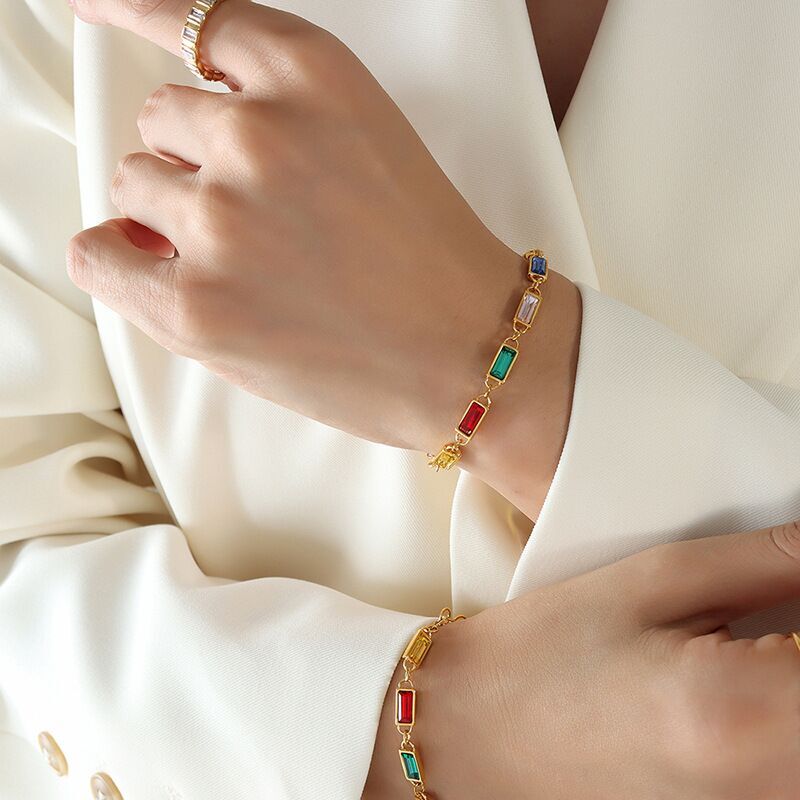
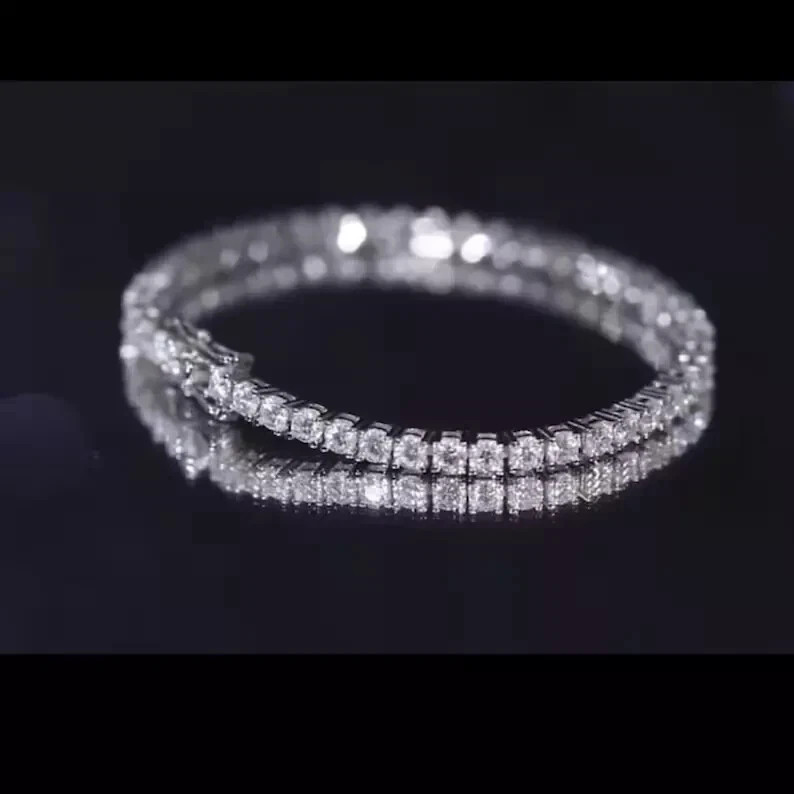
White gold bracelets are rhodium-plated gold alloys (10K–18K) or sterling silver with white plating, and the core trade-off is solid gold versus plated brass/steel: solid white gold keeps its color when scratched, while plating wears through at clasps and links within months of daily wear. The decision rule is simple: buy solid 10K–14K white gold (or rhodium-finished sterling with a thick plating layer) for everyday wear, and treat gold-plated-base-metal bracelets as occasional-wear fashion pieces only.

Buying guide image
Necklaces & Bracelets

14k Chain With Pendant

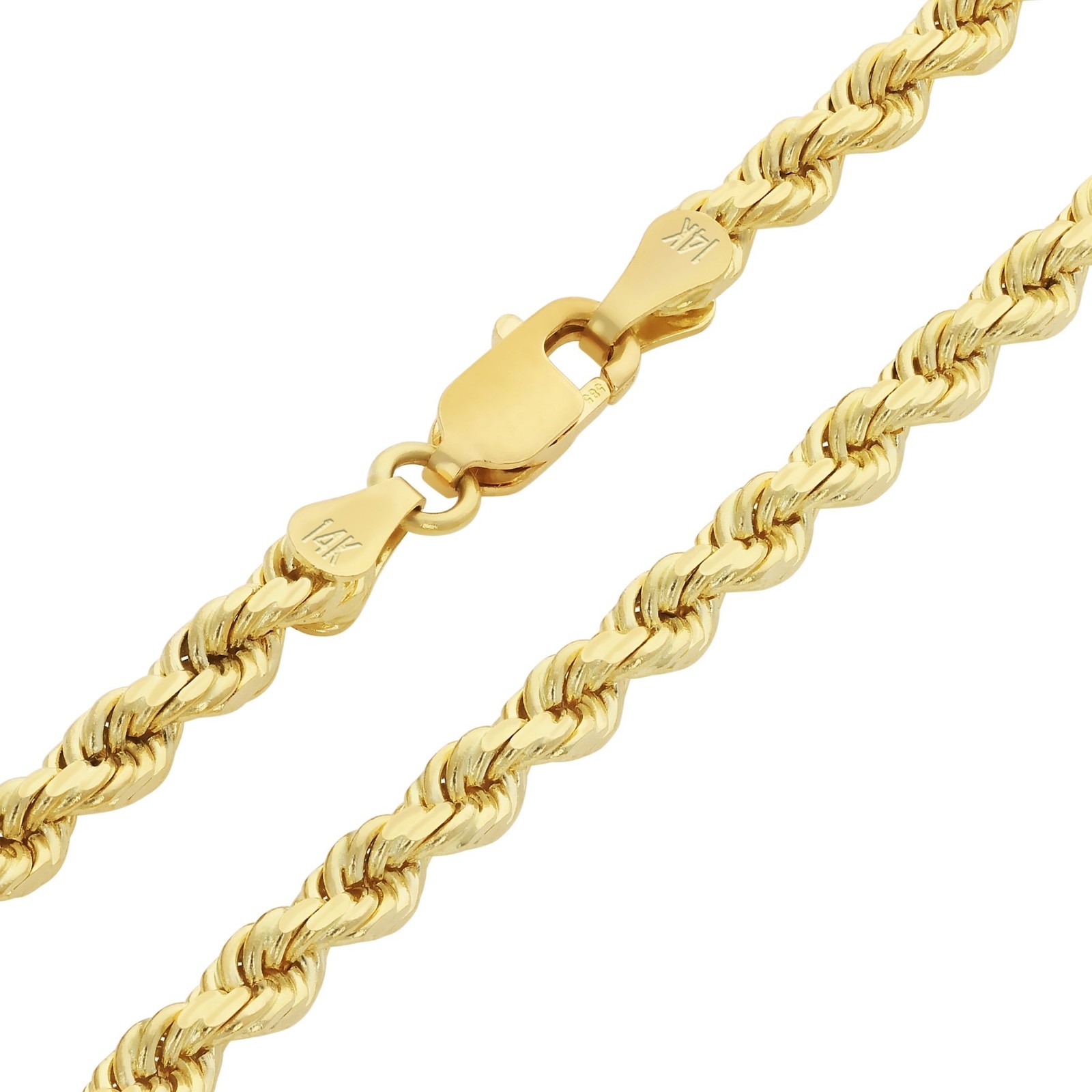
A 14k chain with pendant is a jewelry set where the chain and pendant are sold together, with the gold purity (14k = 58.3% gold) being the primary durability and value trade-off. The critical decision is whether you are buying solid 14k gold (heirloom durability, honest resale) or 14k gold plated/finished base metal (fashion lifespan, tarnish risk). Buy solid 14k when the piece is worn daily or gifted as an heirloom; buy plated only for occasional fashion wear at a fraction of the cost.

Buying guide image
Necklaces & Bracelets

14k Necklace With Diamond

A 14k necklace with diamond spans two very different products: solid 14k gold fine jewelry with genuine or lab-grown diamonds, and gold-plated or gold-finished base metal set with cubic zirconia or created stones. The decisive trade-off is gold purity and diamond origin versus price: solid 14k (".585" stamp) with a certified natural or lab-grown diamond holds value and resists tarnish, while "14K Gold Plated/Finish" jewelry is a costume piece with a thin gold layer over brass or steel. Buy only solid 14k with a stamped purity mark and a stated diamond grading for a lifetime piece; treat plated or finished items as fashion jewelry with a limited wear life.

Buying guide image
Necklaces & Bracelets

18k Necklace With Pendant

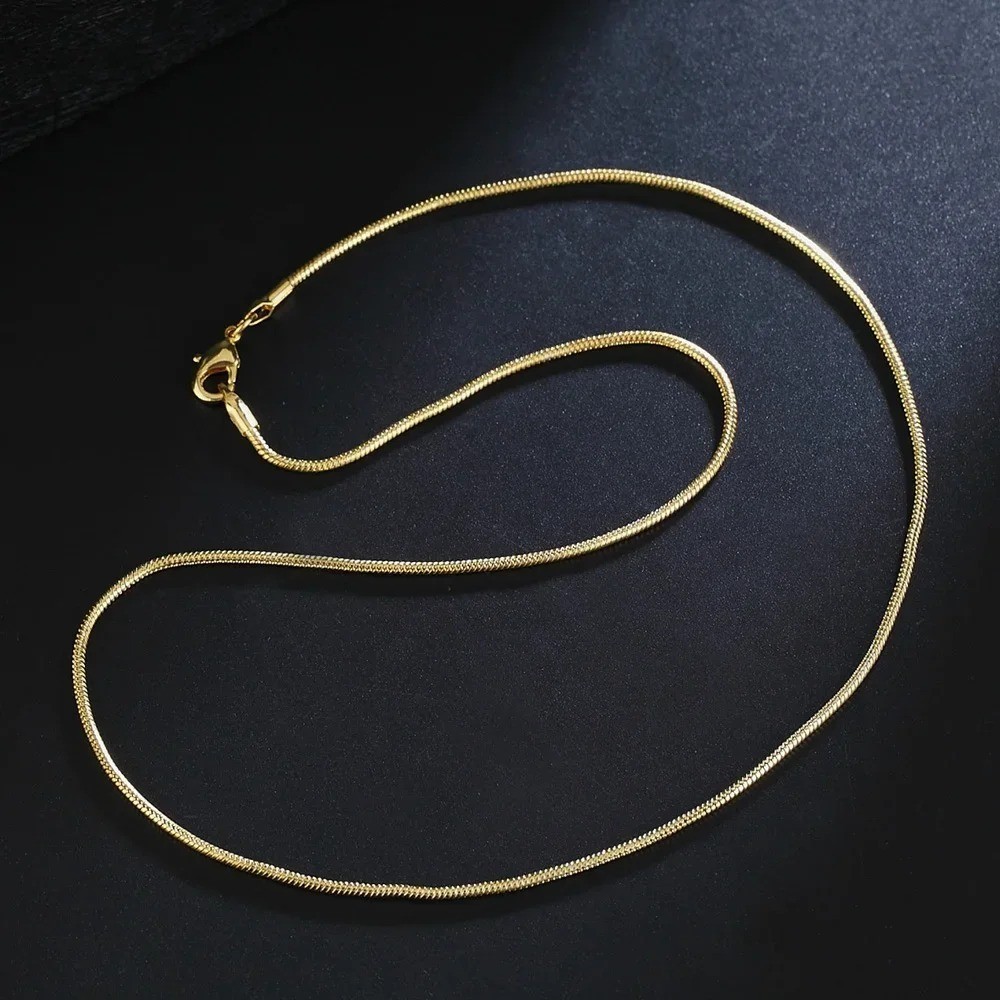
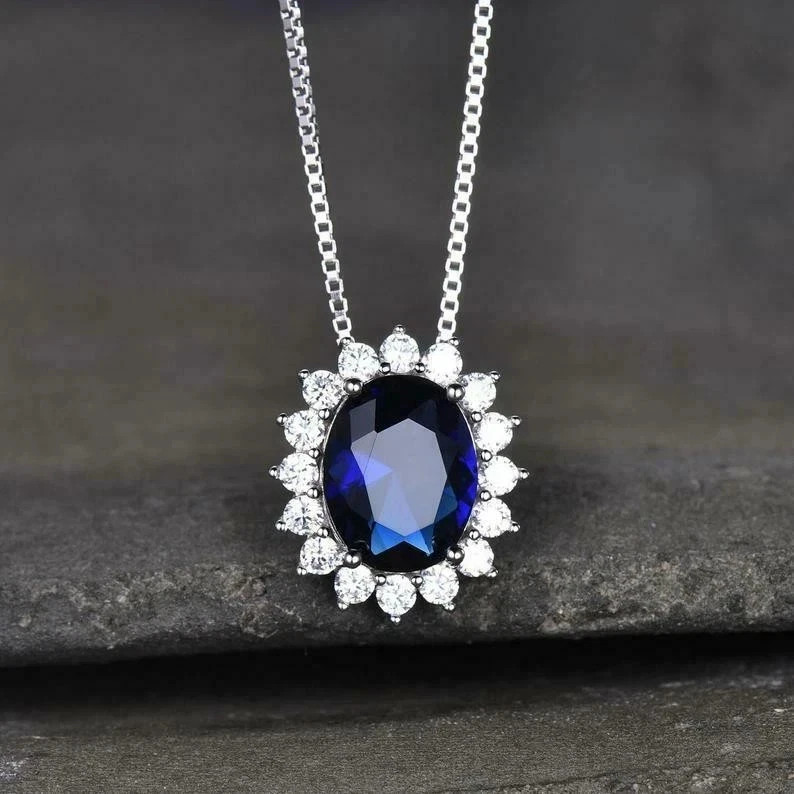
An 18k necklace with pendant spans two very different product classes: solid Au750 gold heirlooms and 18k gold-plated stainless or brass fashion pieces, and the gap in durability is measured in years versus months of plating wear. The core trade-off is gold content and plating thickness against cost, skin sensitivity, and water exposure. Buy solid Au750 when the piece must last decades and hold resale value; buy PVD or heavy gold-plated 316L steel when you want the look with daily-wear water resistance at a fraction of the metal cost.

Buying guide image
Watch Accessories

Wrist Band

Wrist bands are the universal replacement strap category defined by lug-width compatibility (18/20/22/24 mm) and material architecture (silicone, nylon, canvas, leather). The core trade-off is quick-release convenience and breathability against long-term abrasion resistance and water tolerance. Choose a band whose exact lug width matches your case, then pick the material tier that matches your daily exposure.

Buying guide image
Body Jewelry

Belly Ring Sensitive Skin

Belly rings for sensitive skin are navel piercings where the metal or plastic composition determines whether the piercing heals or reacts. The core trade-off is between implant-grade titanium or surgical steel for durability and biocompatibility versus acrylic or mystery-metal fashion pieces that risk irritation. The decision rule: choose 316L stainless steel or implant-grade titanium for healing piercings, and only use acrylic or coated metals in fully healed, short-wear situations.

Buying guide image
Necklaces & Bracelets

18k Bracelet

18k bracelets range from solid gold heirlooms to gold-plated fashion pieces, and the core trade-off is gold content versus cost: solid 18k (75% gold) resists tarnish permanently but costs multiples more, while 18k-plated stainless or sterling gives the look at a fraction of the price with finite plating life. The decision rule is simple—buy solid 18k when the piece is worn daily for years and carries resale value; buy 18k-plated 316L stainless or sterling when you want trend-driven style and accept re-plating or replacement after years of wear. Never confuse '18k gold over sterling' (plated) with '18k solid gold' (hallmarked 750).

Buying guide image
Necklaces & Bracelets

Men Pendant Necklace

Men's pendant necklaces pair a decorative focal piece with a load-bearing chain, so the real decision is chain metallurgy and clasp engineering rather than the pendant motif. The primary trade-off is stainless steel's corrosion resistance and tensile strength versus cheaper zinc-alloy or plated brass that tarnishes and snaps under load. Buy 316L stainless or titanium with a solid clasp for daily wear; treat plated base-metal and glued-in stone settings as occasional-use only.

Buying guide image
Necklaces & Bracelets

Gold Charm Necklace

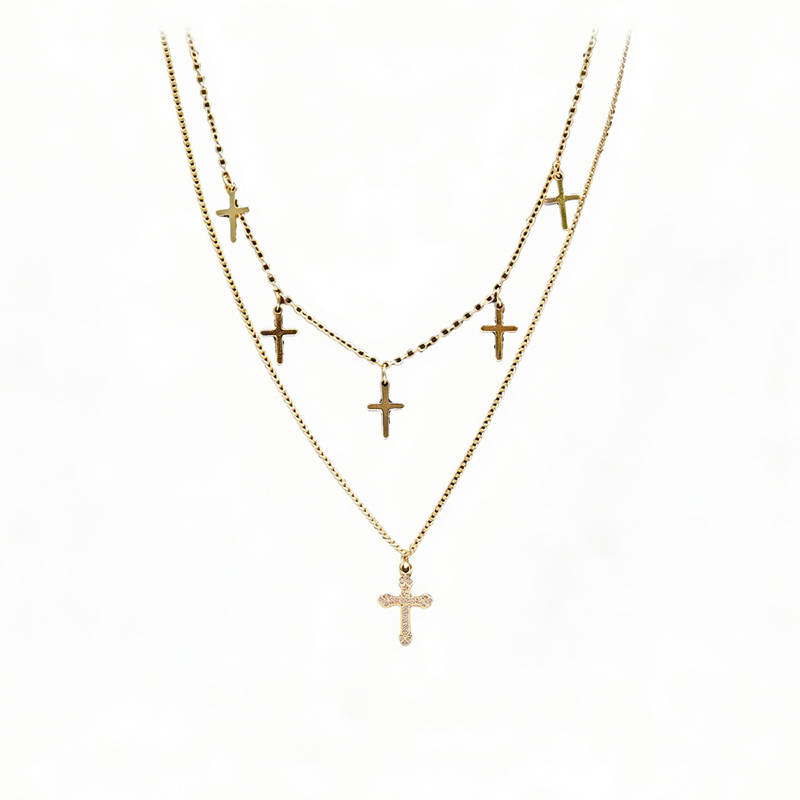
A gold charm necklace is a pendant on a chain where the charm is the focal point; the primary trade-off is solid gold (10K/14K/18K) versus gold-plated or vermeil over brass or steel. The decision rule: buy solid gold for daily wear and heirloom intent, and choose plated only for occasional fashion wear with a known plating thickness.

Buying guide image
Rings & Earrings

Black Onyx Ring

A black onyx ring is a gemstone ring where the deep black stone—usually dyed chalcedony or natural onyx—is set in metal, most commonly 925 sterling silver. The core trade-off is stone authenticity and cut versus metal construction: solid 925 silver with a properly bezel-set or prong-set cabochon lasts decades, while plated brass or glued-in stones fail within months. Buy solid 925 sterling silver with a genuine, securely set onyx and skip any piece described as 'silver-tone,' 'alloy,' or with a stone that is not explicitly onyx or chalcedony.

Buying guide image
Necklaces & Bracelets

Gold Necklace With Cross Pendant

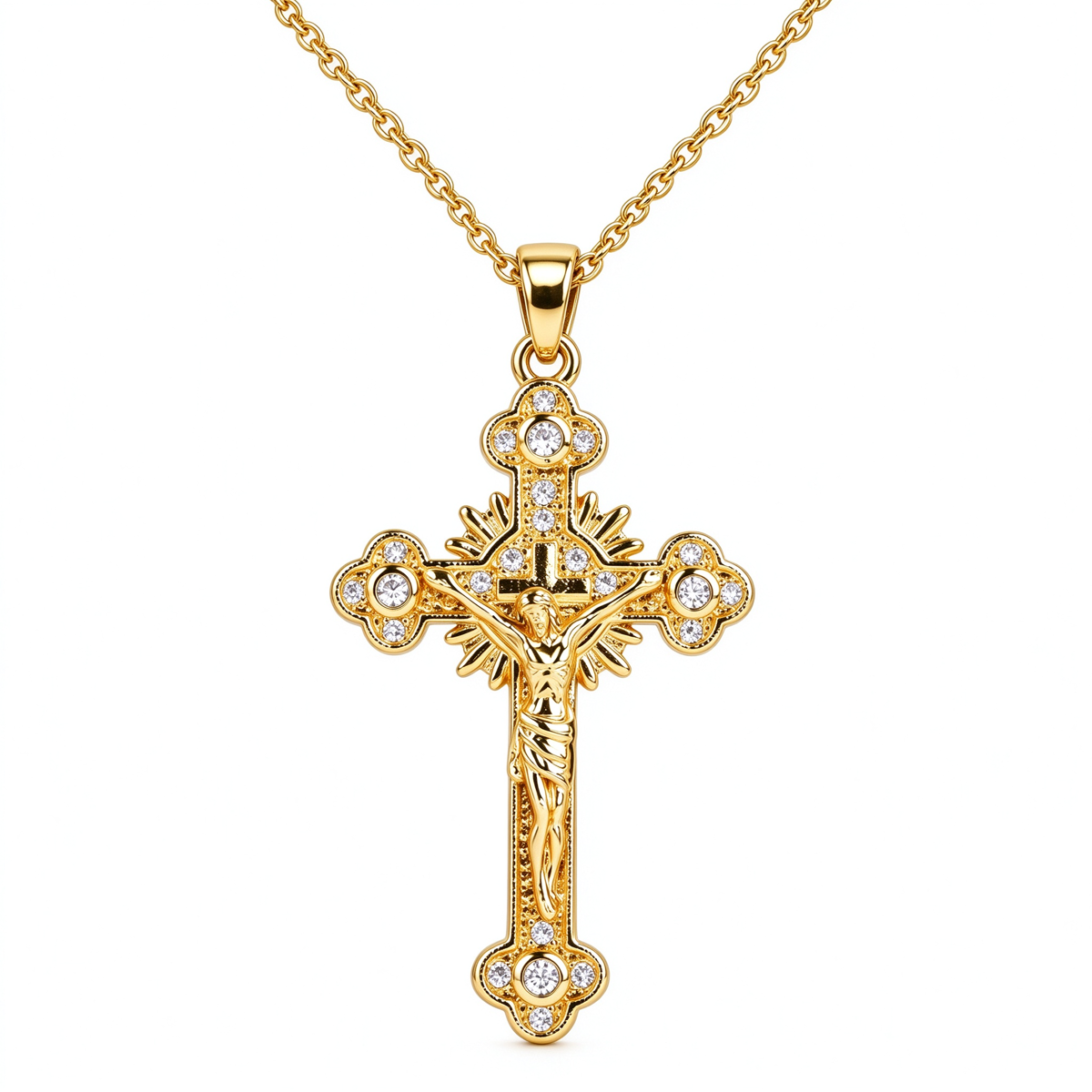
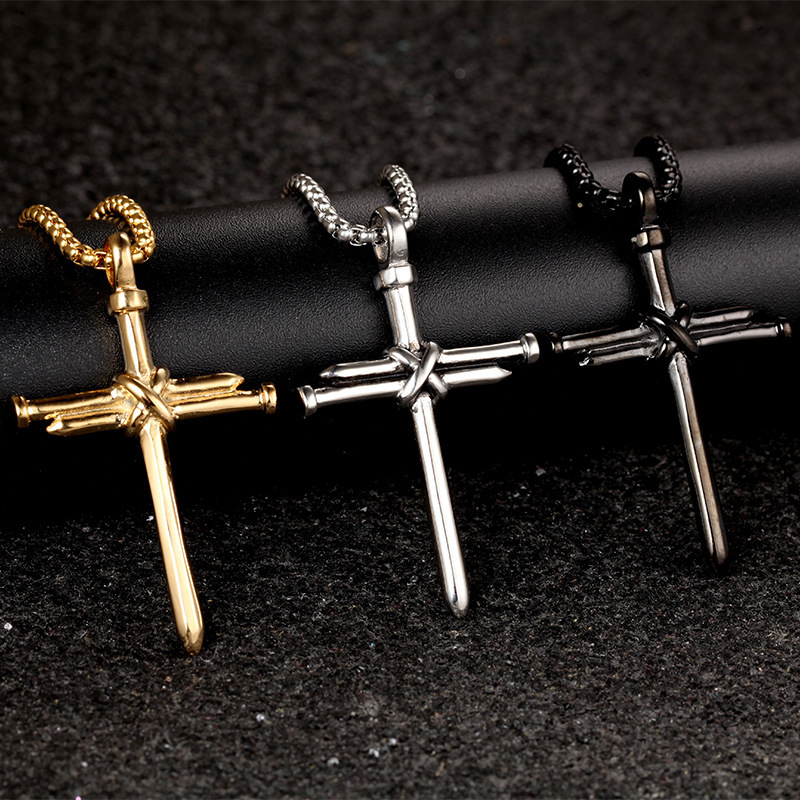
A gold cross pendant necklace is a unisex religious or fashion accessory where the core trade-off is between gold-plated brass/zinc (affordable, can tarnish) and solid stainless steel with gold PVD (durable, hypoallergenic). Buy solid stainless steel with PVD for daily wear and swimming; choose gold-plated brass or zinc only for occasional dress wear and replace when the plating fades.

Buying guide image
Rings & Earrings

Surgical Steel Earring

Surgical steel earrings use implant-grade 316L stainless steel, prized for nickel resistance and corrosion durability in daily wear. The key trade-off is true 316L solid steel versus hollow tubing or brass cores with flash plating, which tarnish and release irritants. Buy solid 316L with a verified closure system; skip anything described only as 'surgical steel finish' or brass-based.

Buying guide image
Rings & Earrings

Black Ring

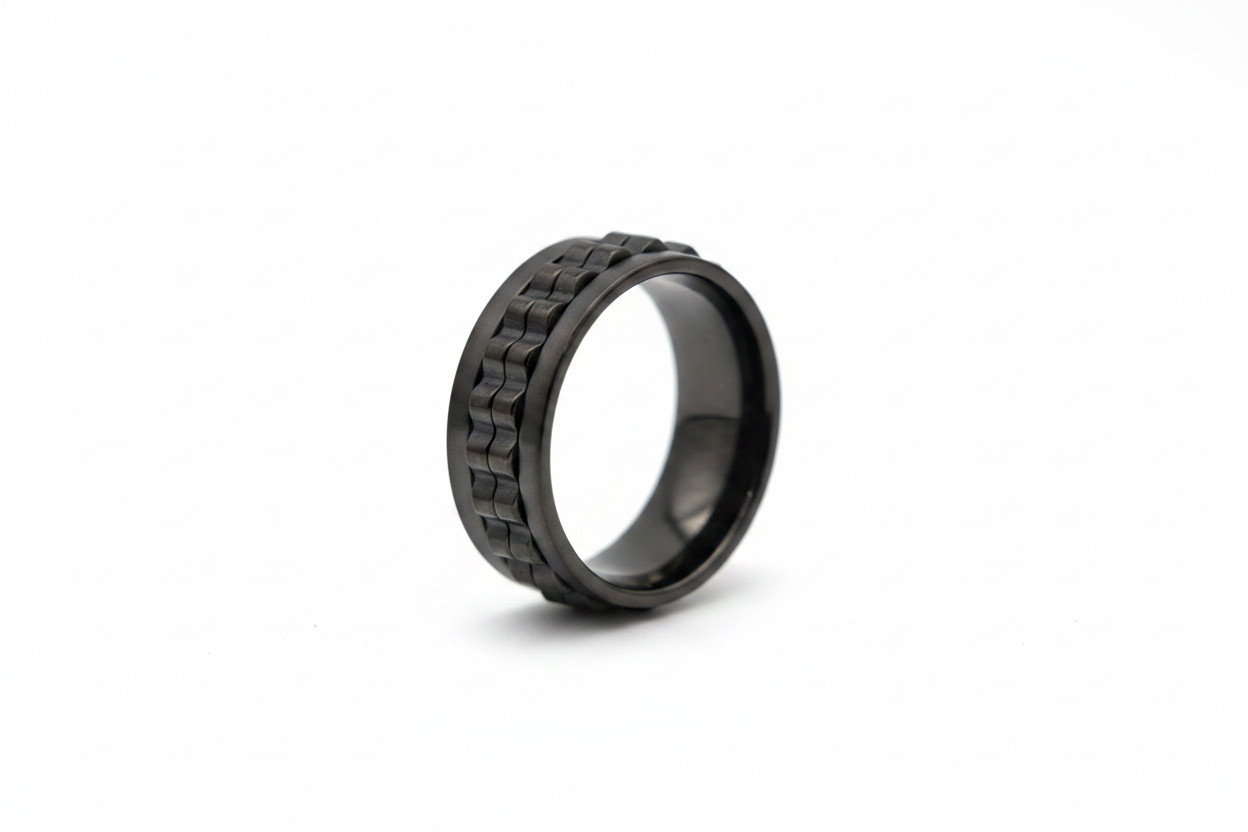
Black rings span four distinct material classes—black-finished stainless steel, black PVD-coated tungsten or titanium, black onyx or diamond gemstones, and black rhodium-plated sterling silver—each with very different durability and skin-compatibility profiles. The primary trade-off is coating hardness and scratch resistance versus weight, resizing ability, and hypoallergenic cost. The clear decision rule: buy solid black ceramic, black tungsten carbide, or PVD titanium for daily-wear men's bands; buy 925 sterling silver with black onyx or black rhodium only for occasional fashion or gemstone statement pieces that will not see hard abrasion.

Buying guide image
Rings & Earrings

Clip Earring

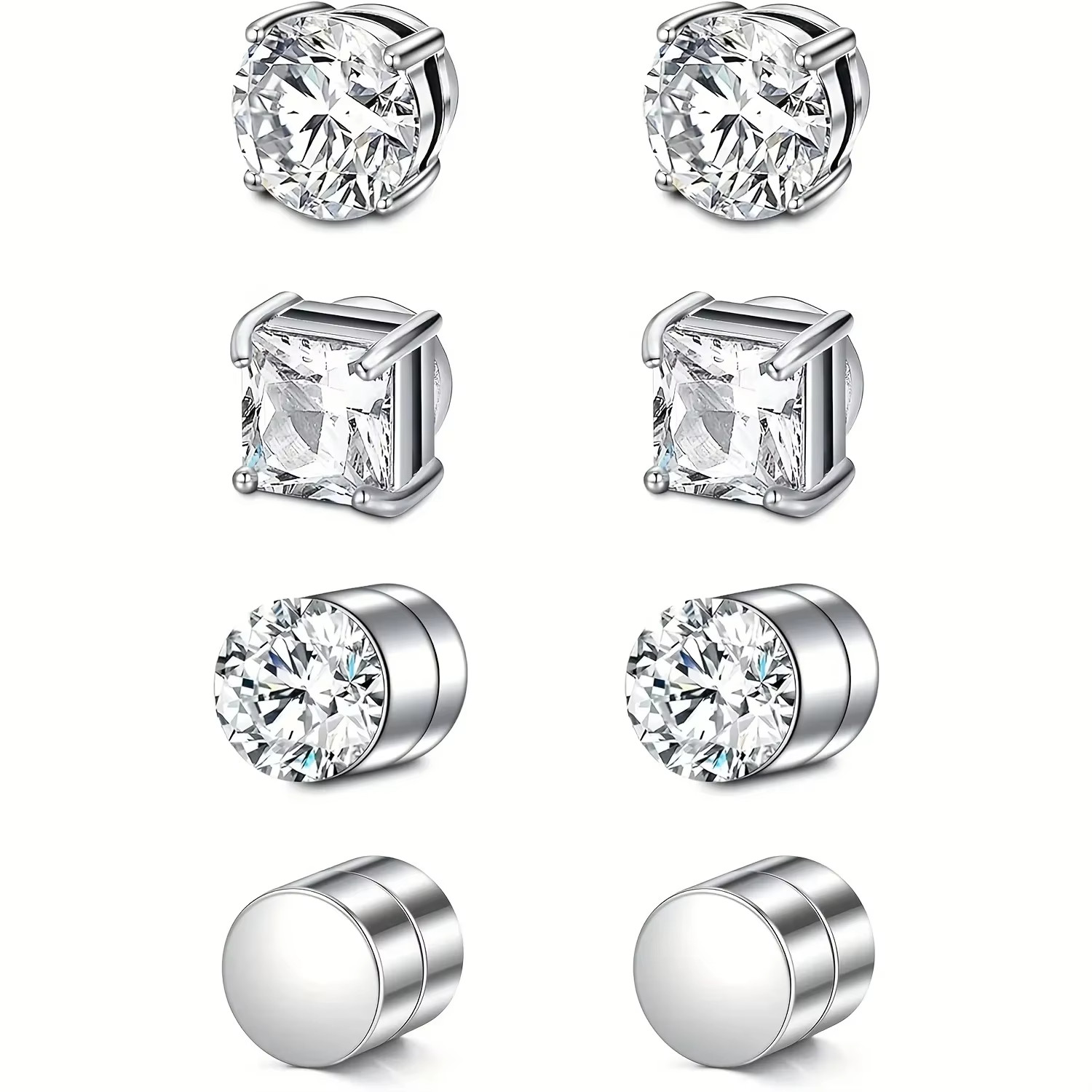
Clip earrings solve the no-piercing problem, but buyers face a core trade-off between magnetic and mechanical retention—magnets are quick but lose grip and can pinch, while spring clips or screw-backs hold firmly with adjustable pressure. The decisive rule: choose stainless steel or gold-plated brass with a mechanical spring or screw-back for daily wear and heavier designs, and reserve magnet-only styles for lightweight studs, short wear times, or sensitive lobes that cannot tolerate clamping force.

Buying guide image
Necklaces & Bracelets

Leather Bracelet

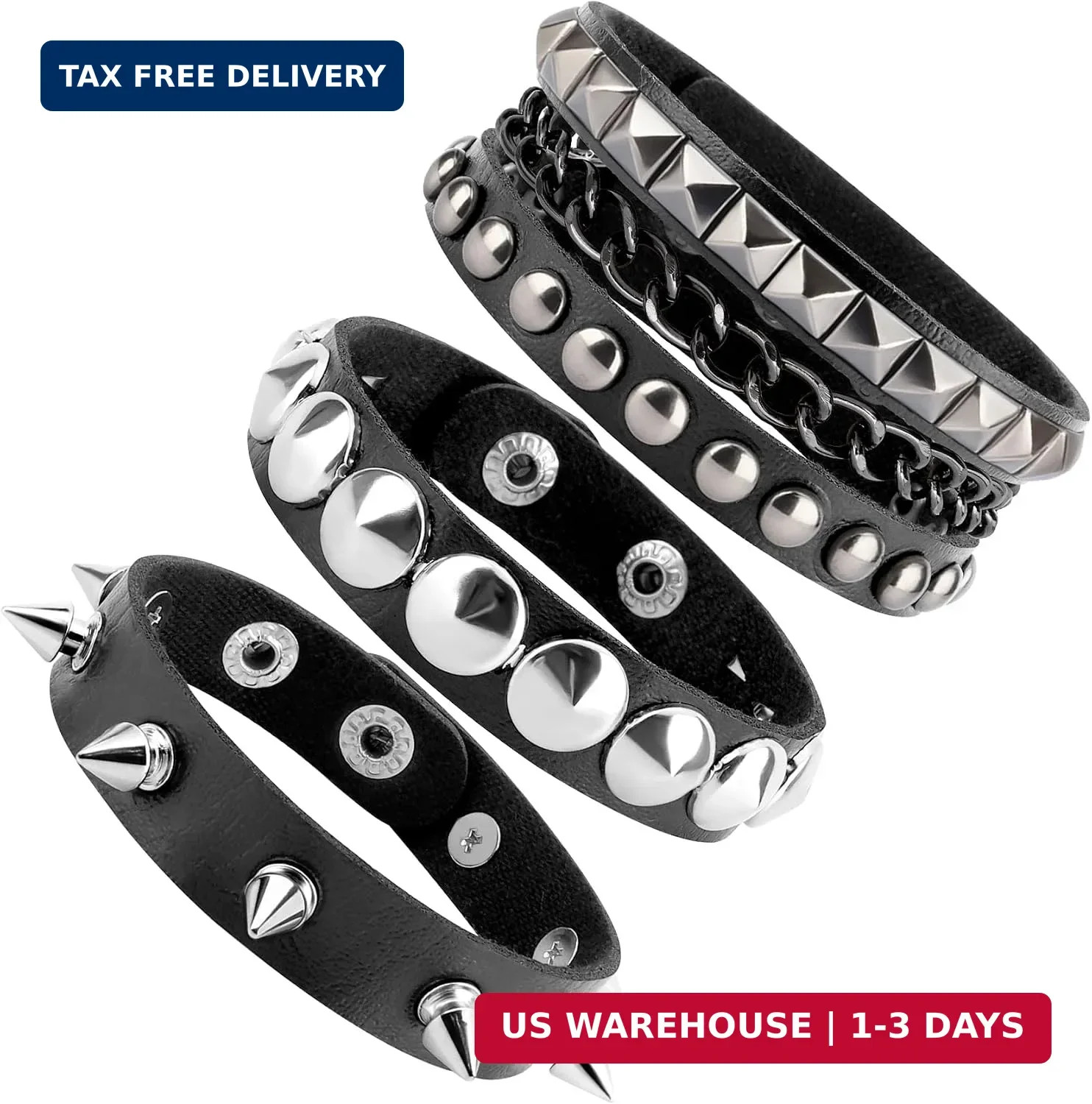
Leather bracelets are wrist accessories built from a leather band, cord, or wrap secured by a metal clasp, buckle, or slide closure. The core trade-off is leather grade versus closure hardware: genuine full-grain or top-grain leather with stainless steel hardware lasts for years, while bonded leather or split-leather trims with plated zinc clasps crack, peel, and tarnish within months. Buy full-grain or top-grain leather with 316L stainless steel or solid brass closures for daily wear; skip bonded leather and plated-base-metal clasps for anything worn regularly.

Buying guide image
Wristwatches

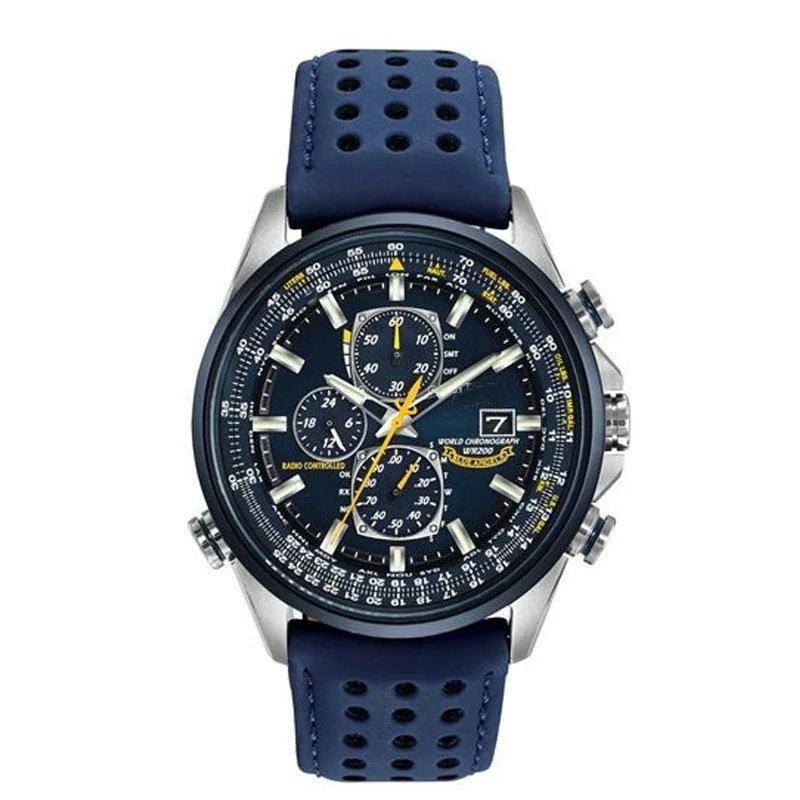
Military Watches

Military watches are purpose-built timepieces defined by legibility, durability, and field-ready features like tritium or luminescent hands, shock resistance, and water resistance of at least 100m. The core trade-off is between analog mechanical/quartz toughness and digital/smart functionality: analog models with sapphire crystals and screw-down crowns survive decades, while digital and smart hybrids trade ultimate longevity for alarms, backlights, and GPS. The decision rule is simple: buy analog if you need a maintenance-free lifetime tool, and buy digital/smart only if you accept a 2–5 year electronics lifespan and daily charging.

Buying guide image
Necklaces & Bracelets

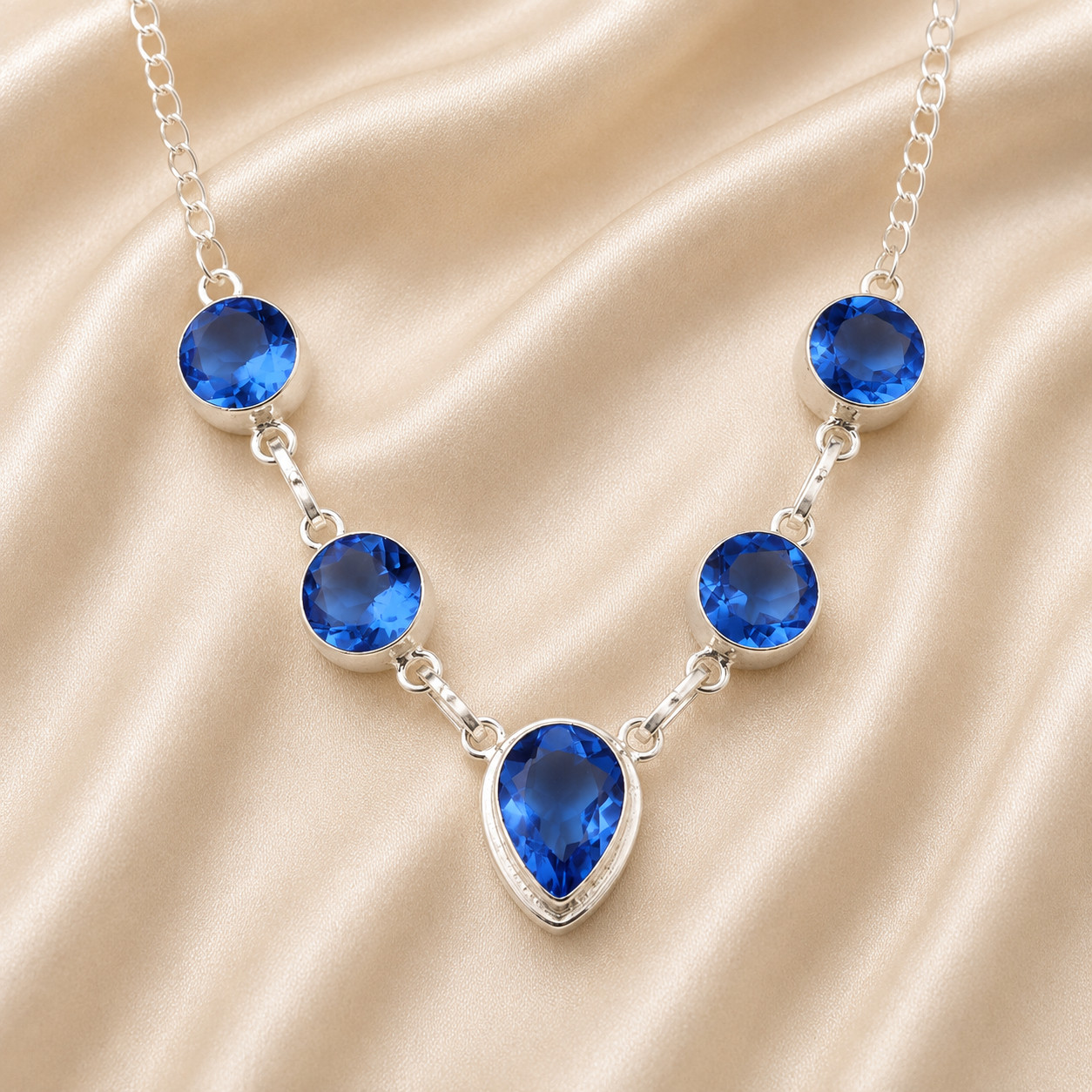
Gemstone Necklace

Gemstone necklaces pair a cut or bead stone with a metal setting or chain, and the two variables that decide longevity are stone treatment (natural vs. dyed, heated, or lab-grown) and metal construction (solid 14k/18k or sterling vs. plating). Buy solid precious metal with disclosed natural or clearly labeled synthetic stones for daily wear; treat plated brass, foil-backed, or undisclosed 'natural' beads as fashion-tier pieces with a short lifespan.

Buying guide image
Rings & Earrings

Pearl Hoop Earring

Pearl hoop earrings combine a circular hoop silhouette with pearl accents, ranging from lightweight plated brass with faux pearls to solid gold with genuine cultured pearls. The primary trade-off is between affordable fashion construction (plated base metal, glued faux pearls) and heirloom durability (solid gold or sterling silver with knotted, hand-set pearls). The decision rule: buy plated/faux only for occasional trend wear, and step up to sterling silver or solid gold with genuine freshwater pearls for daily wear and longevity.

Buying guide image
Loose Gemstones & Pearls

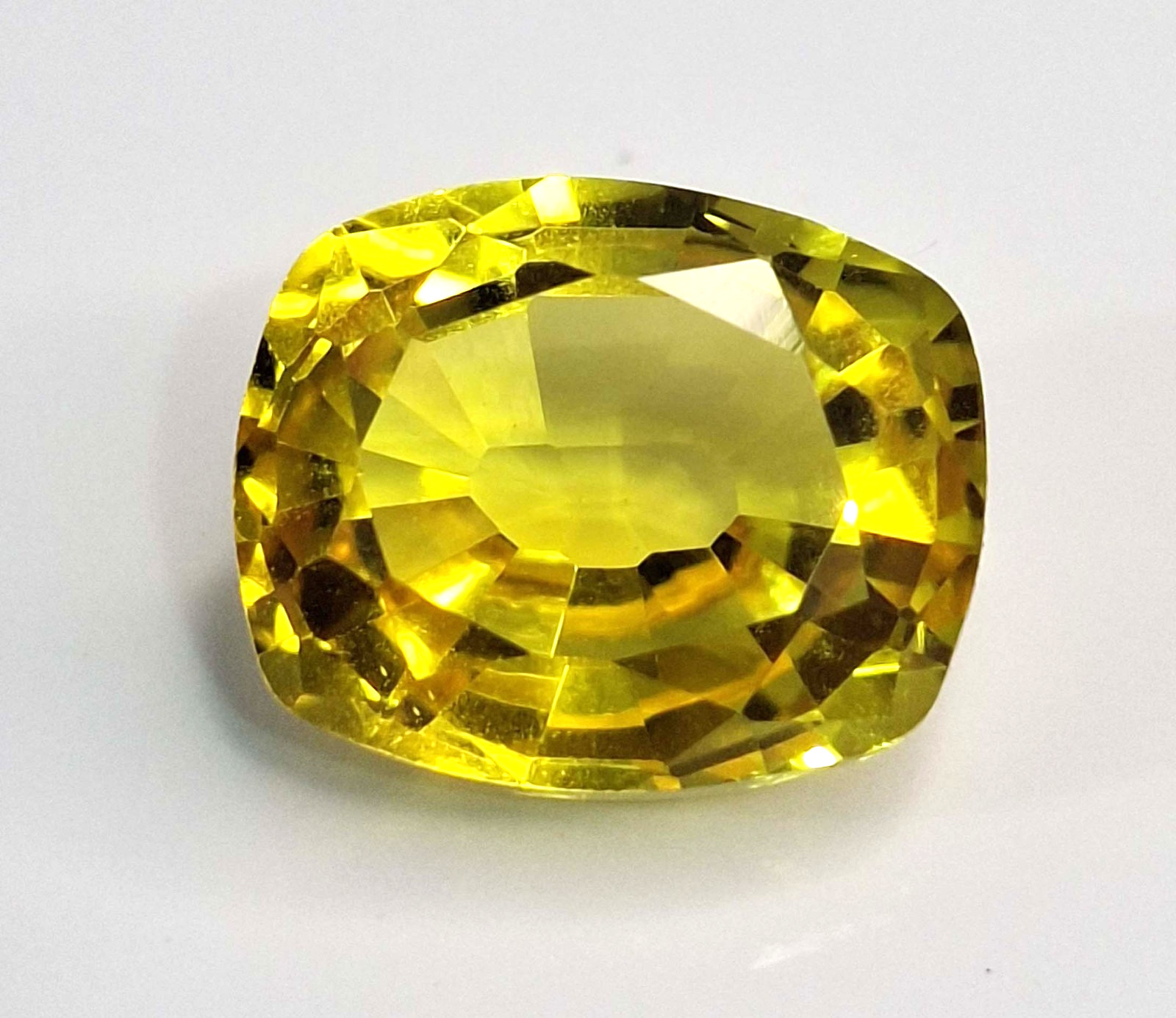
Loose Sapphire Stone

Loose sapphires are corundum gemstones sold uncut, faceted, or as rough, with the primary trade-off being natural vs. lab-created origin and treated vs. untreated clarity. Durable, investment-grade stones are natural, untreated, and certified by a recognized lab; compromise stones are fracture-filled, diffusion-treated, or sold without origin disclosure.

You may also like

Finding more guides for you…