GemTempo

GemTempo

Jewelry & Watches Reviews & Buying Guides

Compare jewelry & watches by use case, features, trade-offs, price, returns, and seller terms before you buy.

Buying guides

Buying guide image
Necklaces & Bracelets

Copper Bracelet

Copper bracelets split into two clear camps: solid, unalloyed copper (often marketed for magnetic therapy or patina aesthetics) and copper-plated or copper-toned fashion pieces over brass or steel cores. The key trade-off is material purity and skin contact versus decorative finish and durability; the decision rule is simple—buy solid copper only when you want the metal's natural oxidation and weight, and choose plated or enameled pieces when color retention and low maintenance matter more than raw copper content.
Buying guide image
Necklaces & Bracelets

Name Necklace

Name necklaces are personalized pendants—usually laser-cut script, block letters, or bezel-set initials—where the core trade-off is metal durability and finish quality versus low-cost fashion construction. The decisive rule: solid 925 sterling silver, 14k gold-filled, or 316L stainless steel with a soldered jump ring and a chain rated for the pendant's weight will outlast plated brass or zinc alloy, which tarnish, flake, and snap at the bail within months.

Buying guide image
Rings & Earrings

Platinum Engagement Ring

A platinum engagement ring is a long-term jewelry purchase where the alloy purity and setting construction determine both durability and resale integrity. The core trade-off is between 950-grade platinum (95% pure, dense, naturally white) and lighter 900-grade or white-gold alternatives that require rhodium maintenance. The decision rule is simple: choose 950 platinum with a certified center stone and a reinforced prong or bezel setting if you want a heirloom; skip low-purity alloys, hollow shanks, and ungraded stones.

Buying guide image
Necklaces & Bracelets

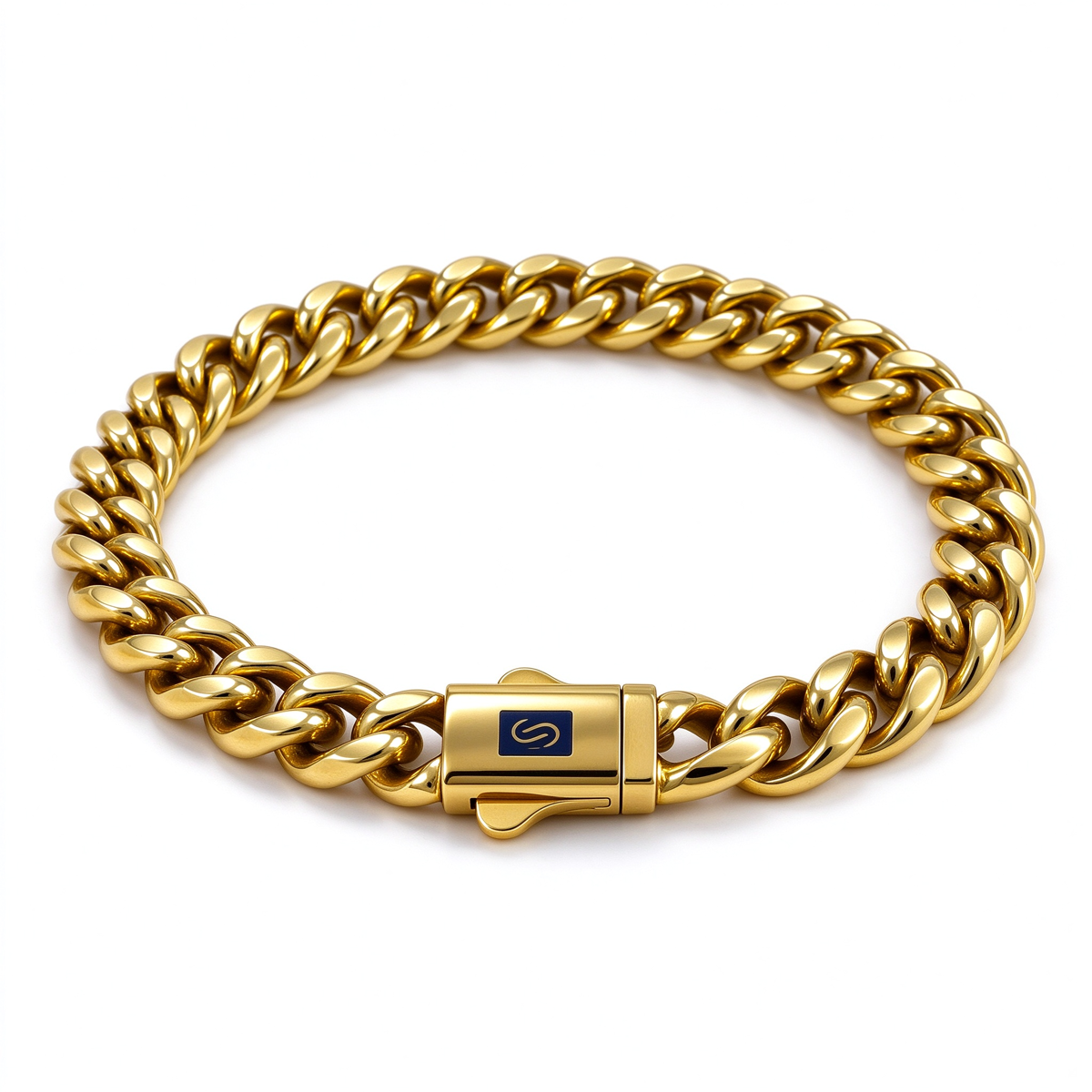
Men Gold Bracelet

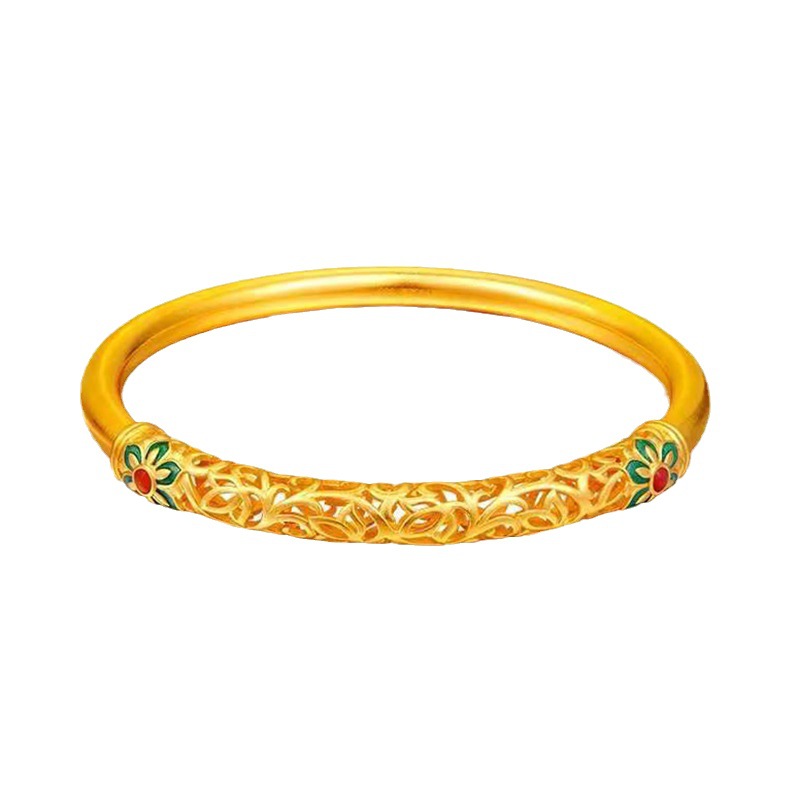
A men's gold bracelet is a daily-wear accessory where the core decision is solid gold vs. gold-plated base metal, which dictates longevity, skin safety, and resale value. Plated and filled bracelets rely on a stainless or brass substrate and a micron-thin gold layer, while solid 10k–18k gold is the only truly lifetime-durable tier. The decision rule is simple: buy solid gold for heirloom longevity, PVD/316L stainless or thick gold-filled for water-resistant daily wear, and avoid thin electroplating under 1 micron if the bracelet will see sweat, chlorine, or friction.

Buying guide image
Necklaces & Bracelets

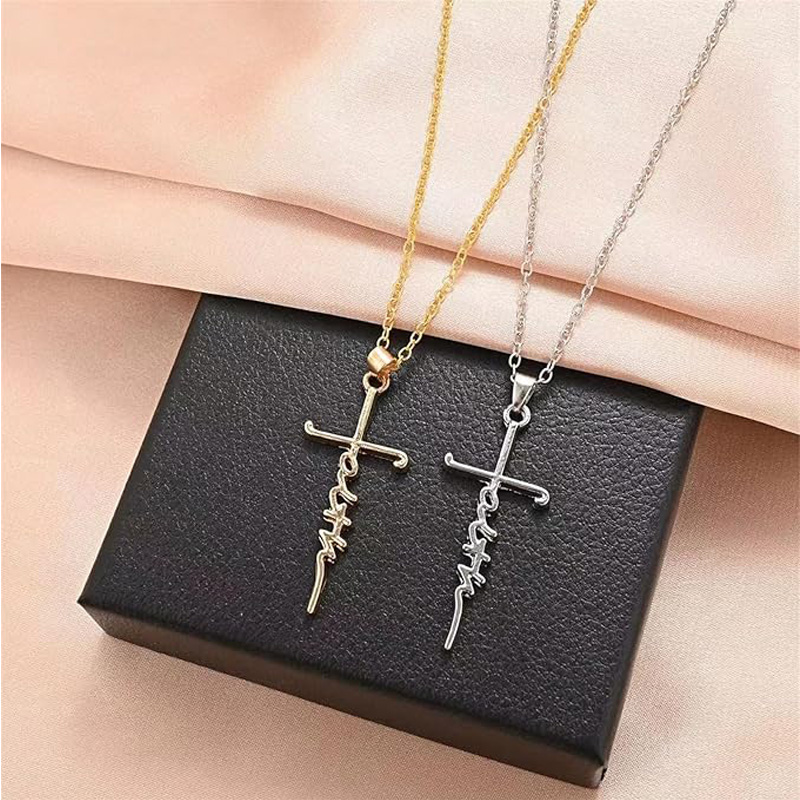
Silver Cross Necklace

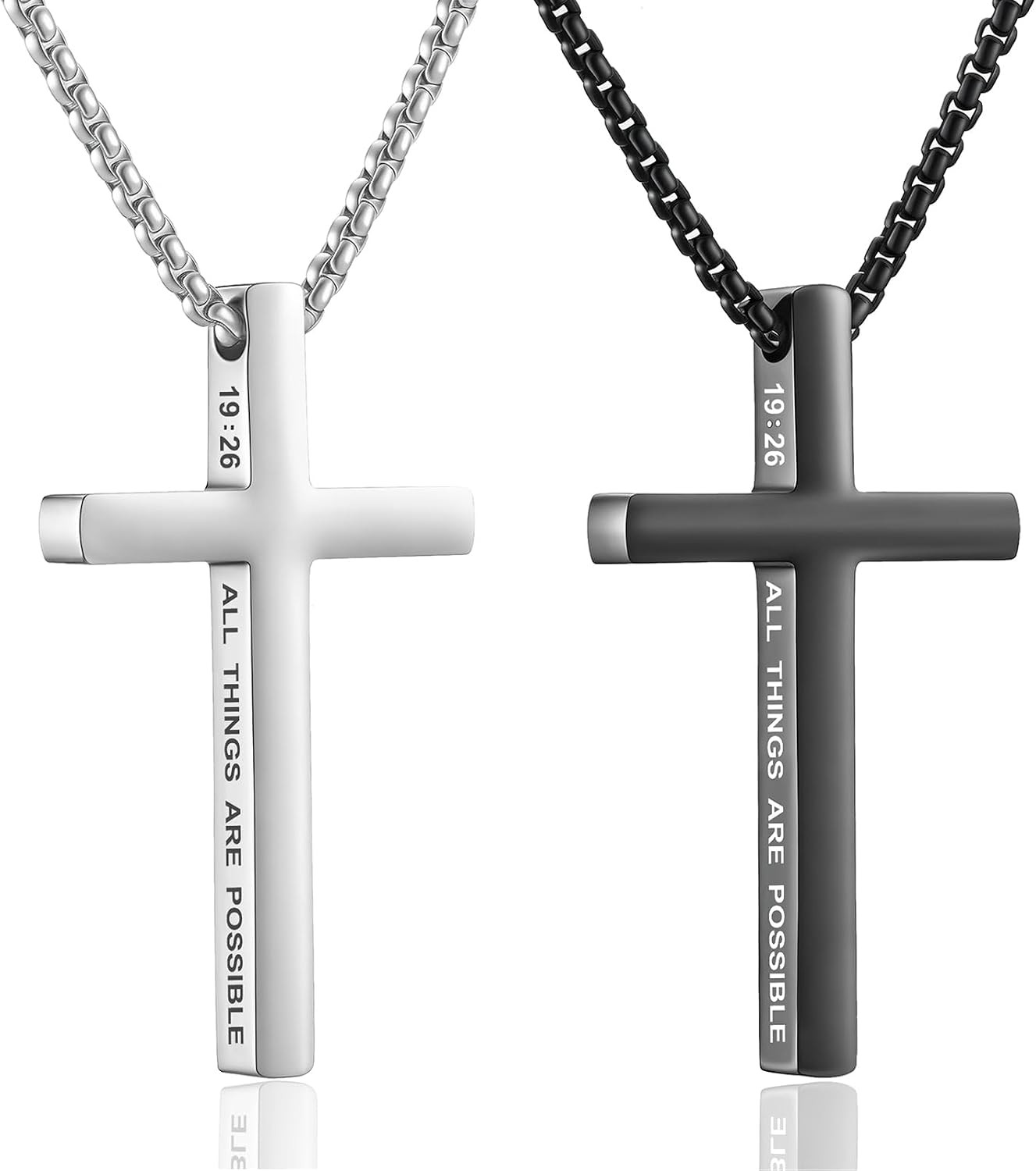
A silver cross necklace is a faith pendant whose durability and skin safety hinge entirely on the metal tier: solid 925/999 silver versus silver-plated brass or zinc alloy. Solid fine silver resists flaking and re-polishes for decades, while plated base metal wears through at high-friction points within months. The decision rule: buy solid .925 or .999 silver for daily wear and heirloom intent; accept silver plating only for occasional, low-abrasion fashion use.

Buying guide image
Rings & Earrings

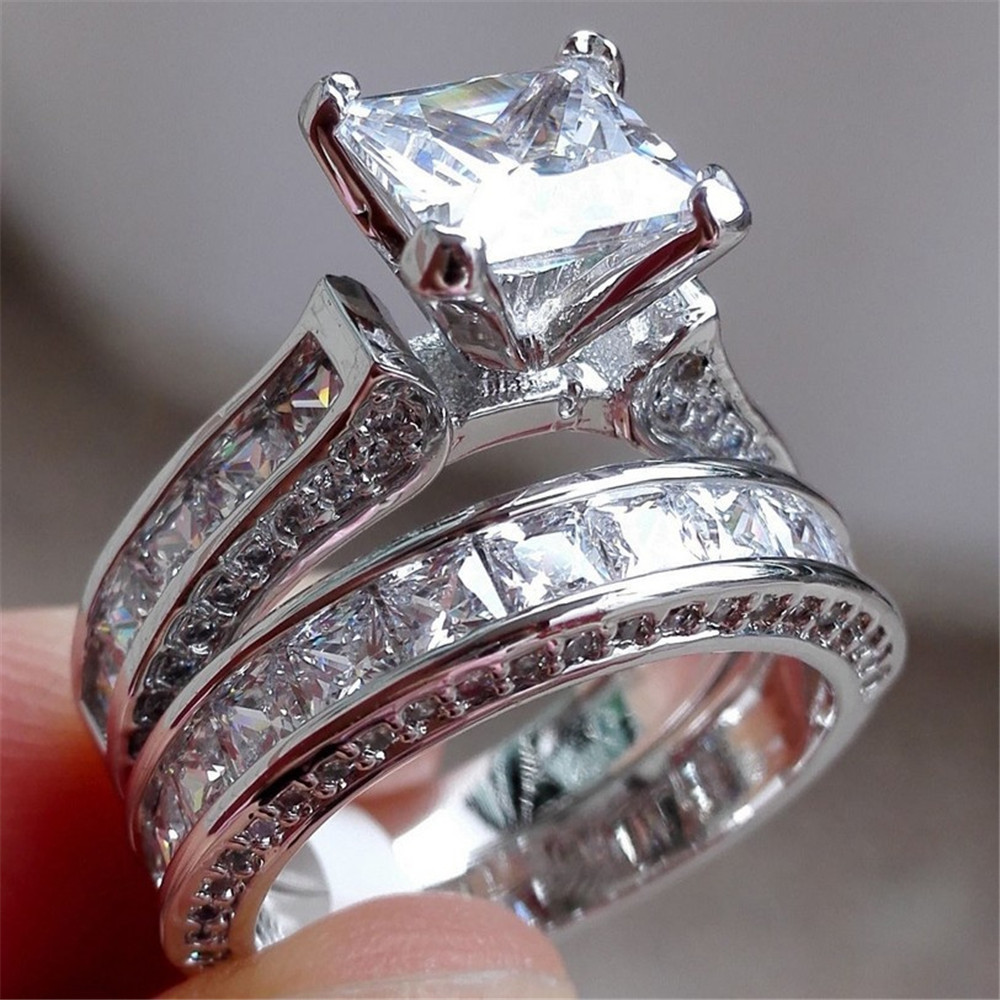
Engagement And Wedding Ring Set

An engagement and wedding ring set pairs a center-stone engagement ring with a matching band, sold as a coordinated bridal set. The core trade-off is between genuine precious metals and stones (gold/platinum, diamond/sapphire) versus plated base metals with simulants (CZ, created sapphire), which determines longevity, skin safety, and resale value. The decision rule: if the set must survive daily wear for years and be heirloom-viable, buy solid 14k/18k gold or platinum with a certified natural or lab-grown stone; if it is a temporary, travel, or budget stand-in, choose 925 sterling silver or stainless steel with CZ and accept periodic replacement.

Buying guide image
Rings & Earrings

Eternity Ring

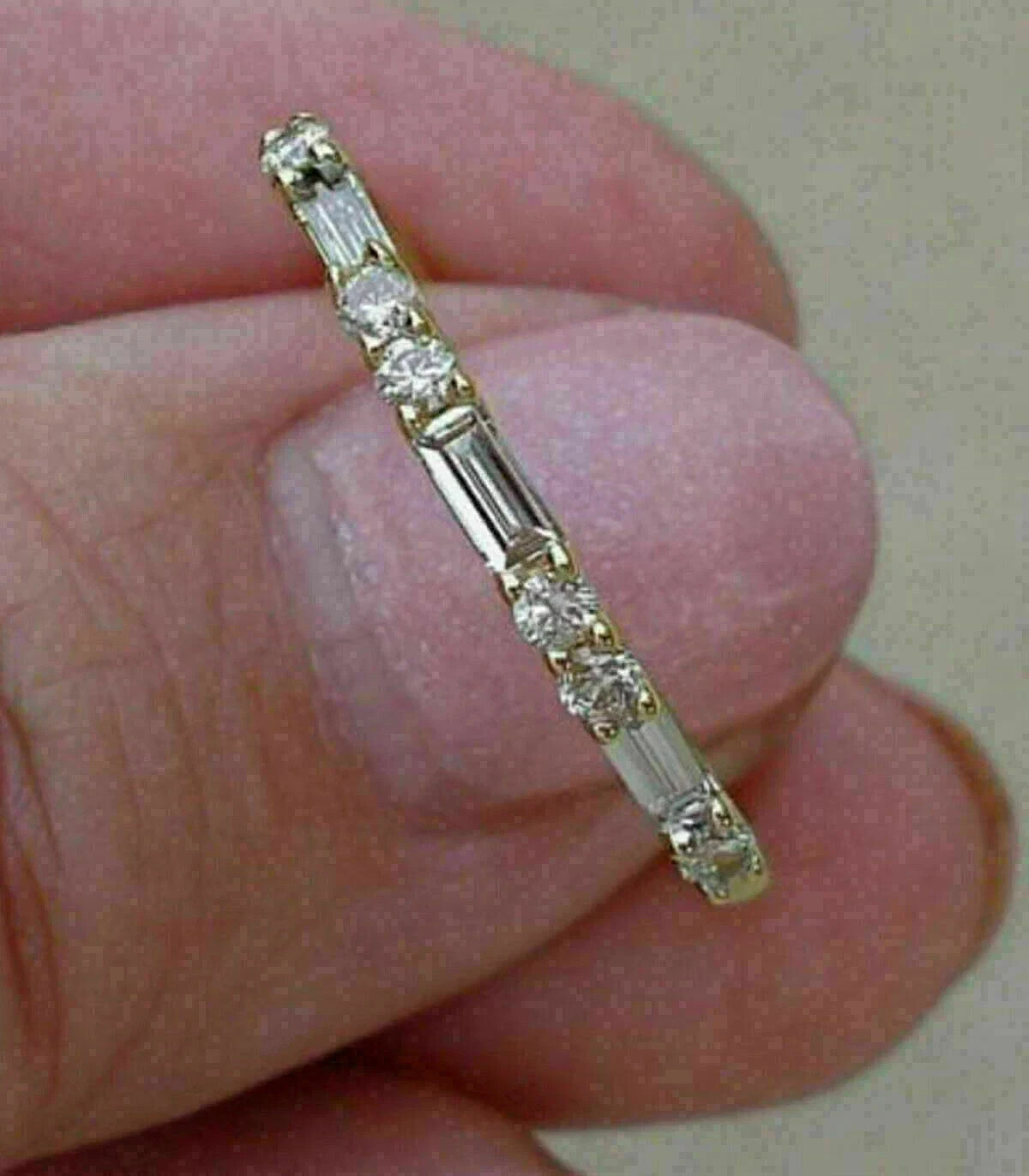
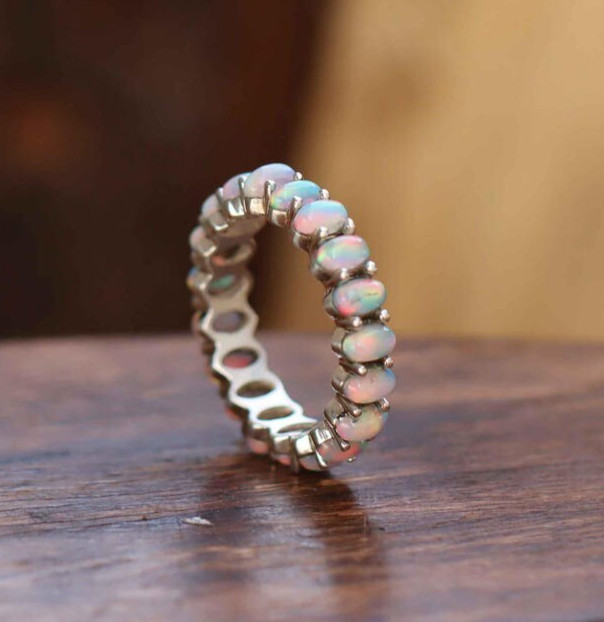
An eternity ring is a continuous band of gemstones or metal symbols representing never-ending love, typically worn as a wedding or anniversary band. The core trade-off is between full-eternity (stones all around, cannot be resized) and half-eternity (stones on top only, resizable) construction, plus the choice between natural gemstones, lab-created stones, and metal-only designs. Choose full eternity only if you have a stable ring size and accept no resizing; choose half-eternity or a metal band if you need future flexibility or a lower profile.

Buying guide image
Necklaces & Bracelets

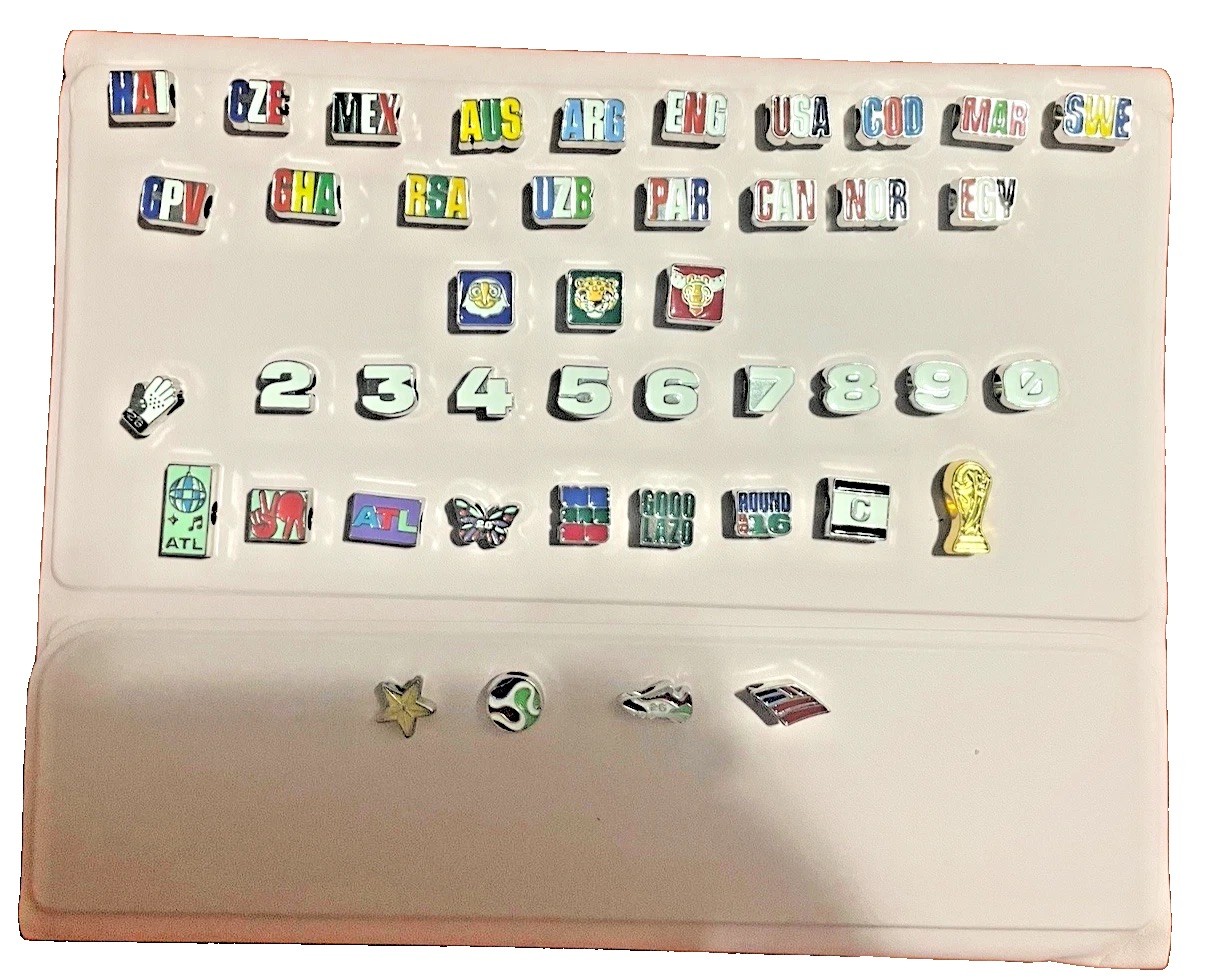
Charm Bracelet

Charm bracelets are modular jewelry pieces where the bracelet's metal, clasp, and link system determine durability, while the charm attachment method (fixed links vs. open dangles vs. slider beads) determines customization. The core trade-off is between solid precious-metal construction (925 sterling silver or 14k/18k solid gold) that survives daily wear and plated base metals that flake and tarnish within months. The decision rule: buy solid 925 sterling silver or solid gold with a soldered or lobster clasp for longevity; skip gold-plated brass or zinc alloy if the piece will be worn regularly or exposed to water.

Buying guide image
Necklaces & Bracelets

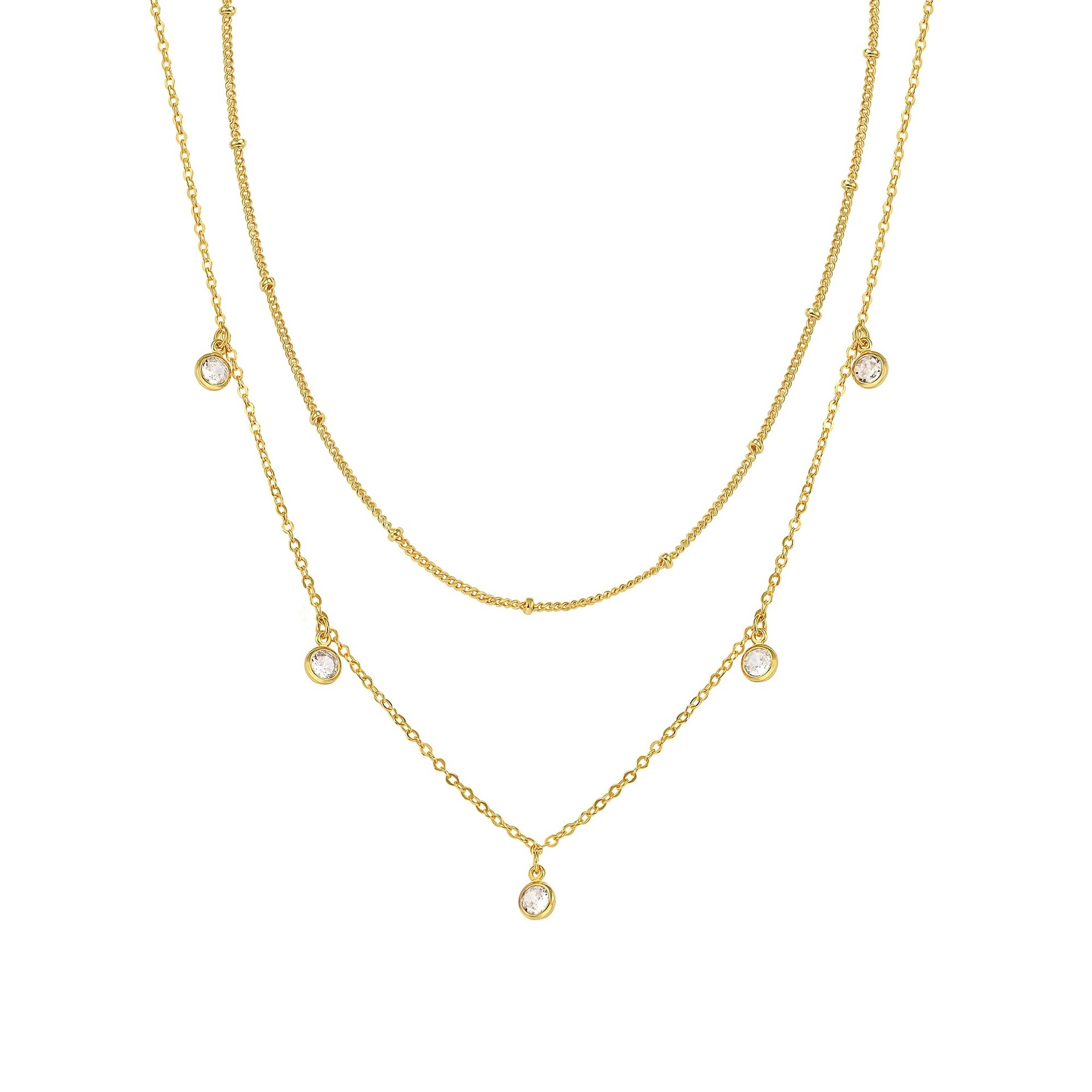
Dainty Gold Necklace

Dainty gold necklaces are fine-chain pendants and chokers defined by low metal weight and delicate scale, where the core trade-off is gold-layer thickness and base metal quality versus price. The decision rule: buy solid 14k/18k or vermeil with a stated micron thickness; skip gold-flashed or brass-base pieces if you expect daily wear without tarnish.

Buying guide image
Necklaces & Bracelets

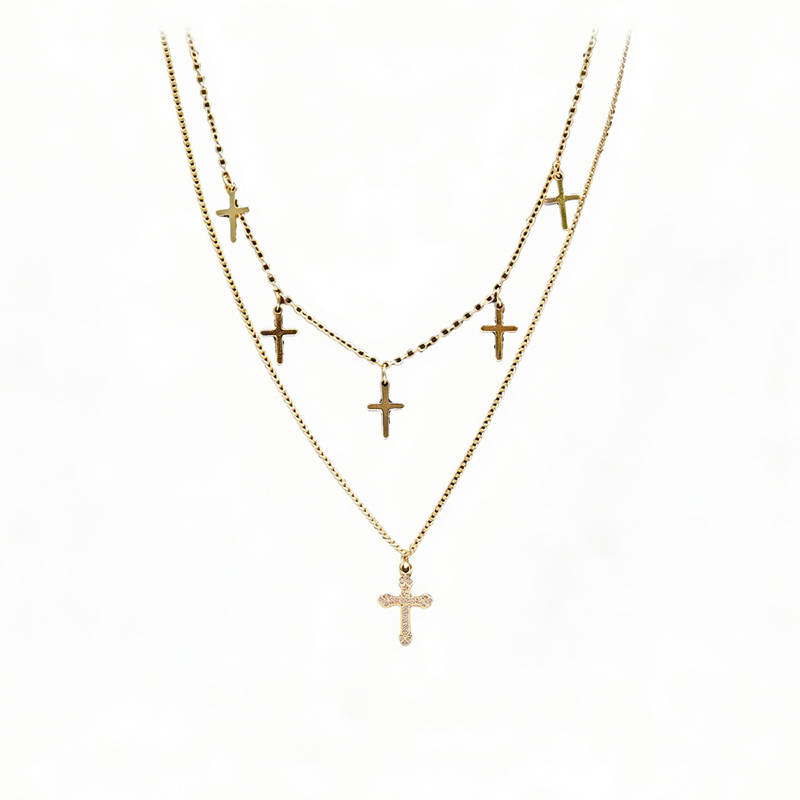
Stainless Steel Cross Necklace

A stainless steel cross necklace is a faith pendant built on a corrosion-resistant alloy chain and pendant, where the key trade-off is 316L surgical-grade steel versus cheaper 304 or zinc-alloy mixes that pit or fade. The decision rule: buy 316L stainless with a solid (not hollow) pendant and a stamped clasp for daily wear, and step down to 304 only for occasional, light-use fashion pieces.

Buying guide image
Rings & Earrings

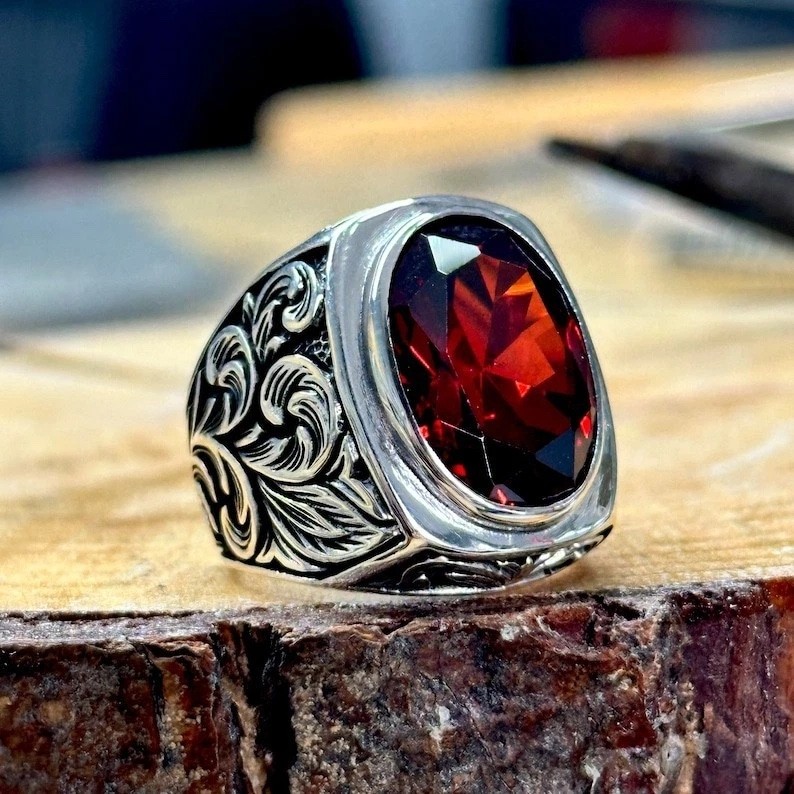
Ruby Ring

A ruby ring is a gemstone-set ring where value and durability hinge on ruby origin (natural vs. lab-grown), treatment (heated vs. untreated), and the metal's alloy grade and setting construction. The core trade-off is between natural, untreated rubies at smaller carat weights and larger lab-grown or treated stones at lower cost. The decision rule: buy natural ruby only with a reputable lab report for stones over 1 ct and untreated claims; choose lab-grown or heated ruby for larger, budget-friendly fashion rings; and never accept a high-carat ruby without documented treatment and origin.

Buying guide image
Wristwatches

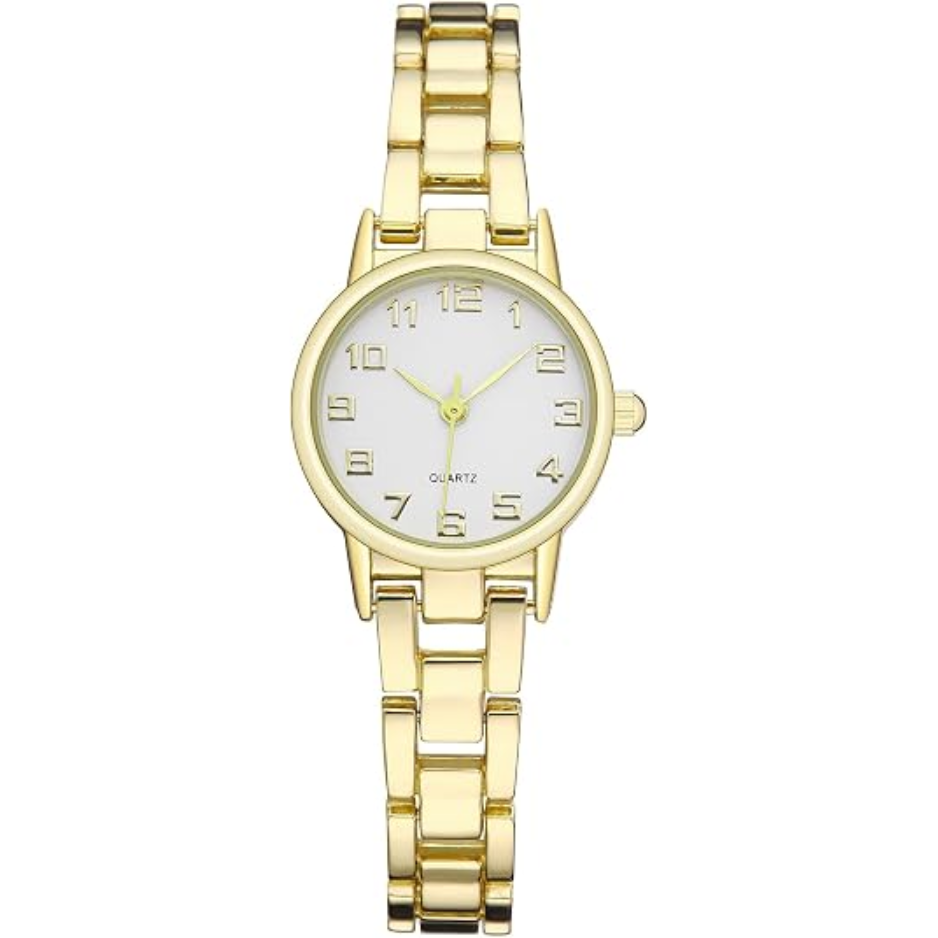
Bracelet Watch Women

Bracelet watches for women are analog timepieces with integrated metal link bands, trading the softness of leather for a jewelry-like, durable feel. The core trade-off is movement type: quartz delivers accurate, low-maintenance reliability, while mechanical (automatic or manual) offers horological character but demands winding and service. Choose quartz for daily wear and mechanical for collectors who accept upkeep.

Buying guide image
Watch Accessories

Apple Watch Ultra Band

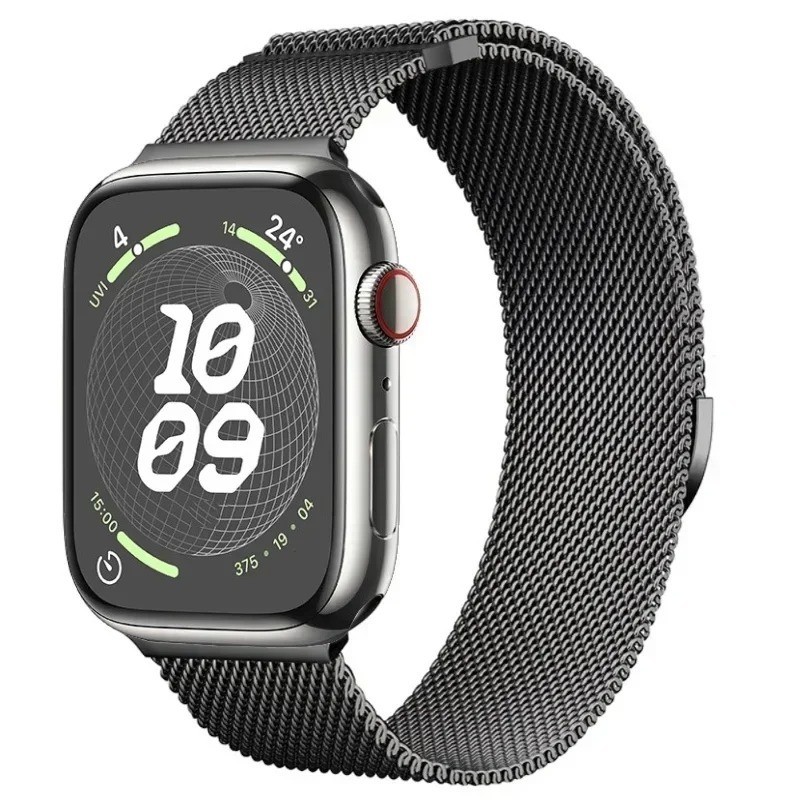
Apple Watch Ultra bands are 49mm-lug straps engineered for a titanium chassis, so the core trade-off is between rugged, activity-specific retention (elastomer, nylon, titanium) and dressier metal links that add weight and scratch risk. The decision rule is simple: buy a band rated for 49mm/Ultra lugs with a proven closure (pin-and-tuck, G-hook, or magnetic link), and skip any listing that only promises a 38–45mm fit.

Buying guide image
Rings & Earrings

Gold Band Ring

A gold band ring is a continuous, plain or textured ring worn as a wedding band, stacking piece, or standalone statement; the core trade-off is solid gold purity (10K–24K) versus gold plating over base metals, which dictates durability, resizing ability, and skin safety. Solid 10K–18K gold bands are durable, resizable, and safe for daily wear, while 24K is too soft for everyday bands and gold-plated or vermeil pieces wear through with friction. The clear decision rule: buy solid 10K–18K gold for daily wear and resizing; accept plating or tungsten only for fashion or budget stacking with no resizing expectation.

Buying guide image
Jewelry Sets

Silver Pendant

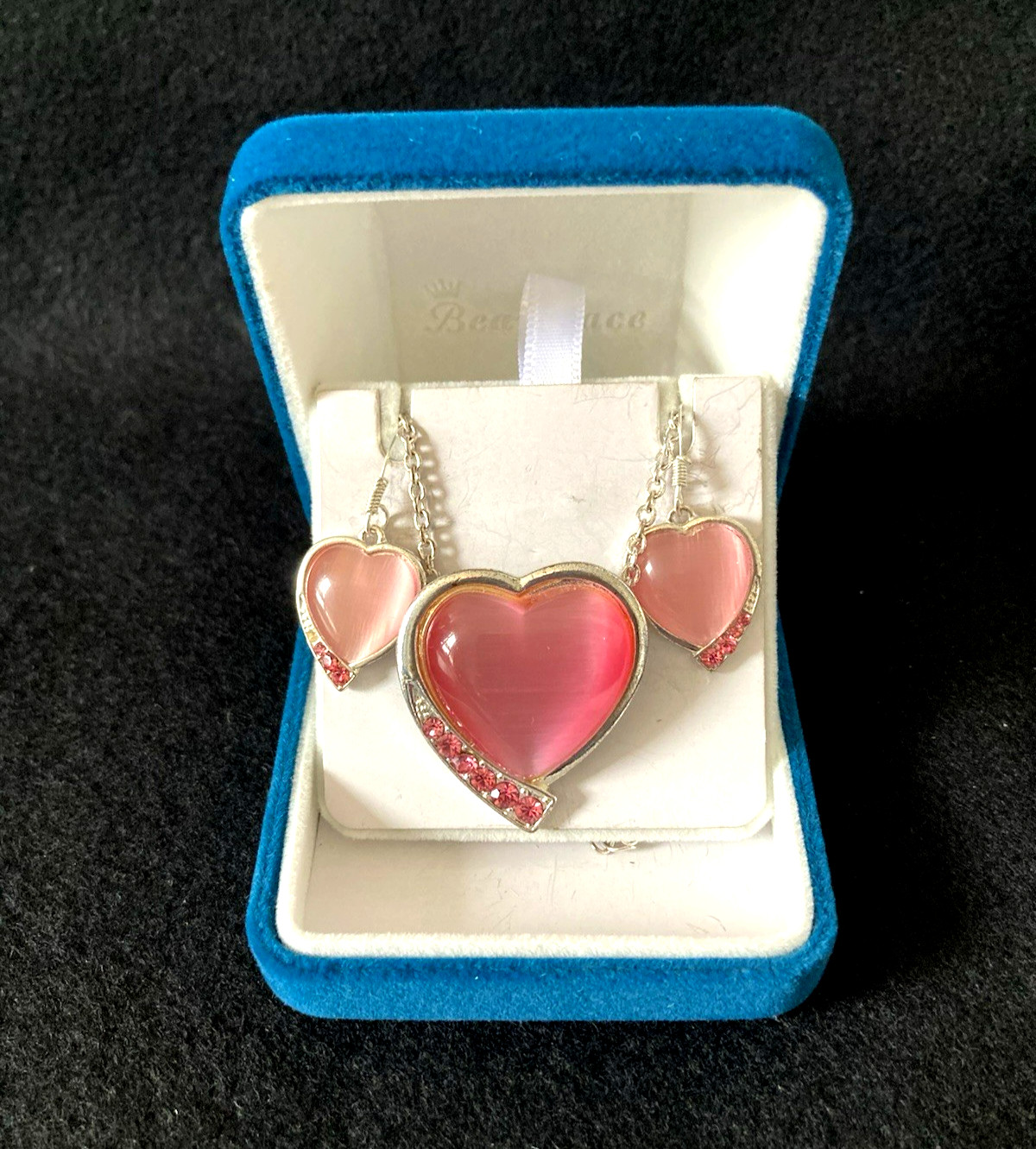
Silver pendant sets pair a pendant (often with chain) and matching earrings or ring, and the core trade-off is base metal versus solid sterling: silver-plated brass looks identical at purchase but wears through, while 925 sterling keeps its color and resists tarnish. The decision rule is simple: buy 925-stamped sterling for daily wear and skin contact, and accept silver-plated or silver-tone only for occasional costume use.

Buying guide image
Necklaces & Bracelets

Men Small Cross Necklace

A men's small cross necklace is a compact pendant (typically 1–1.5 inches) on a 20–24 inch chain, where the decisive trade-offs are pendant metal grade (stainless/titanium vs plated zinc) and chain construction (solid links vs hollow). Buy 316L stainless or titanium for daily wear, and reject plated base-metal pendants that tarnish and bend within months.

Buying guide image
Wristwatches

Smart Watch

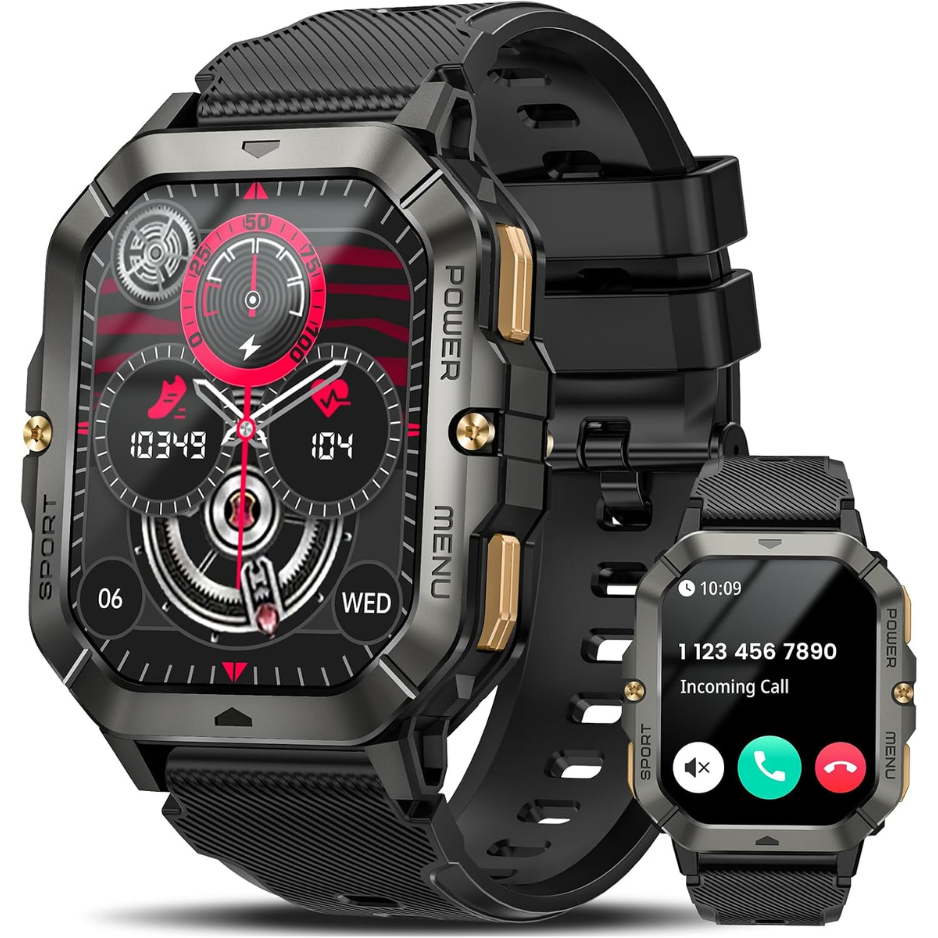
A smart watch is a wrist-worn computer that pairs with a phone to deliver notifications, fitness tracking, and health metrics, with the primary trade-off being battery life versus feature depth (always-on displays and app ecosystems drain power fast). The clear decision rule: buy a model with an advertised multi-day battery and a standard charging standard (magnetic pogo or USB-C) from a brand with a published spec sheet, and skip any listing that omits screen resolution, battery capacity in mAh, or water-resistance rating, as those are the exact specs that separate durable devices from disposable ones.

Buying guide image
Necklaces & Bracelets

Necklace With Name On It

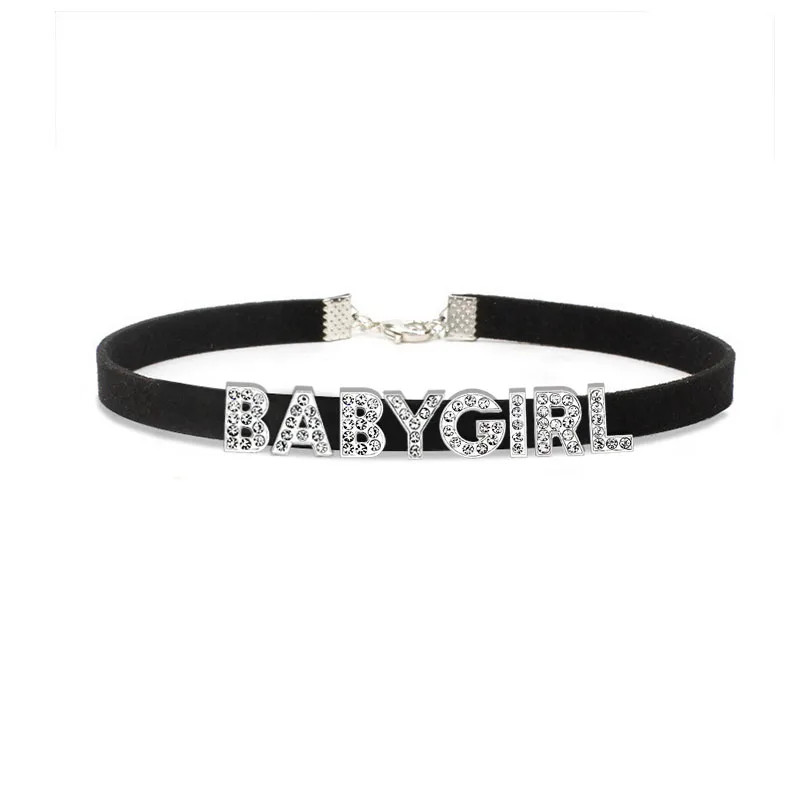
Necklaces with a name on it are custom-engraved or letter-set pendants where the core trade-off is material durability (gold-plated brass vs solid gold/silver) and lettering method (laser engraving vs raised metal vs rhinestone adhesive). The decision rule: choose solid 14k/sterling silver with recessed engraving for everyday wear, or accept plated base metal with surface lettering only for occasional costume use—skip anything where letters are glued or the chain is under 1.5 mm thick.

Buying guide image
Wristwatches

Men Invicta Watches

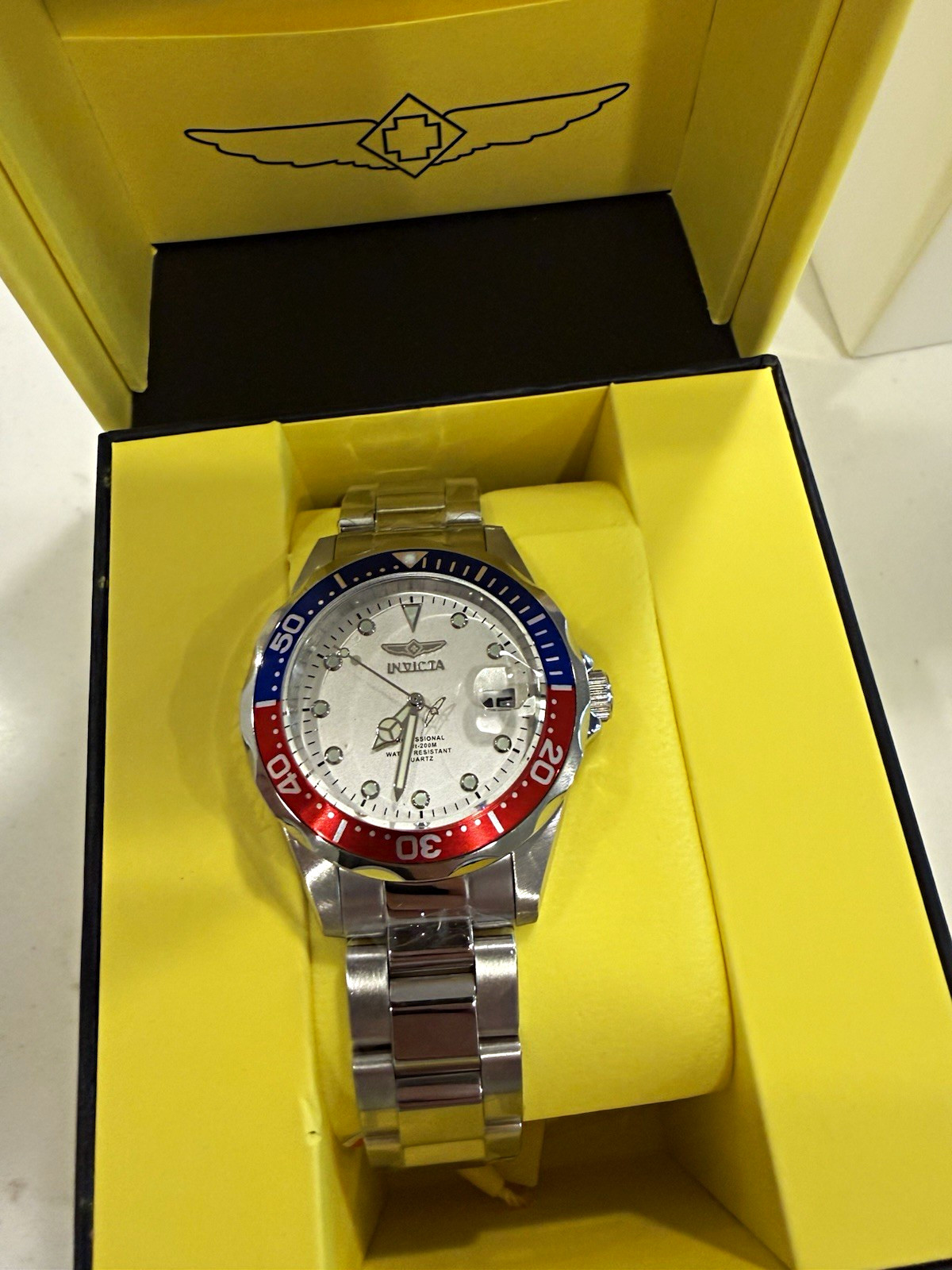
Invicta men's watches span entry-level quartz fashion pieces to 200m-rated dive watches, with the core trade-off between disposable alloy cases and durable stainless-steel construction with screw-down crowns. The decisive rule: buy Pro Diver models with stainless steel, mineral or Flame Fusion crystals, and 200m water resistance for longevity; treat oversized 48-58mm fashion and digital pieces as short-life accessories.

Buying guide image
Necklaces & Bracelets

14k Chain Men

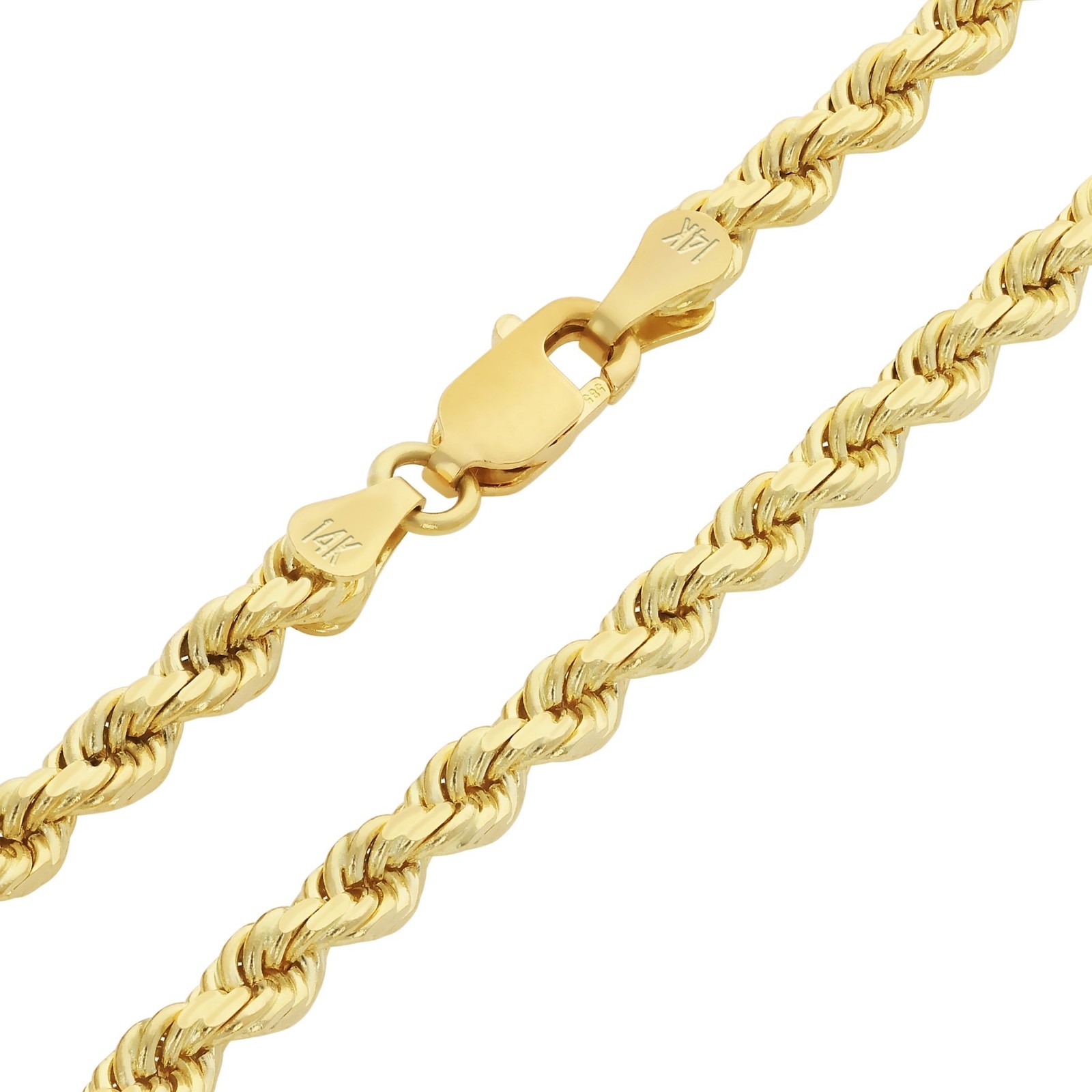
14k gold men's chains are solid-gold or gold-plated necklaces and bracelets, where the critical trade-off is gold purity/plating thickness versus price and durability. A true 14k solid chain (58.3% gold) resists tarnish and holds resale value, while plated stainless or brass versions wear through at clasps and high-friction links within months. The clear rule: buy solid 14k for daily wear and longevity, choose plated only for occasional costume use at a fraction of the cost.

You may also like

Finding more guides for you…