GemTempo

GemTempo

Jewelry & Watches Reviews & Buying Guides

Compare jewelry & watches by use case, features, trade-offs, price, returns, and seller terms before you buy.

Buying guides

Buying guide image
Wristwatches

Vintage Seiko Watches

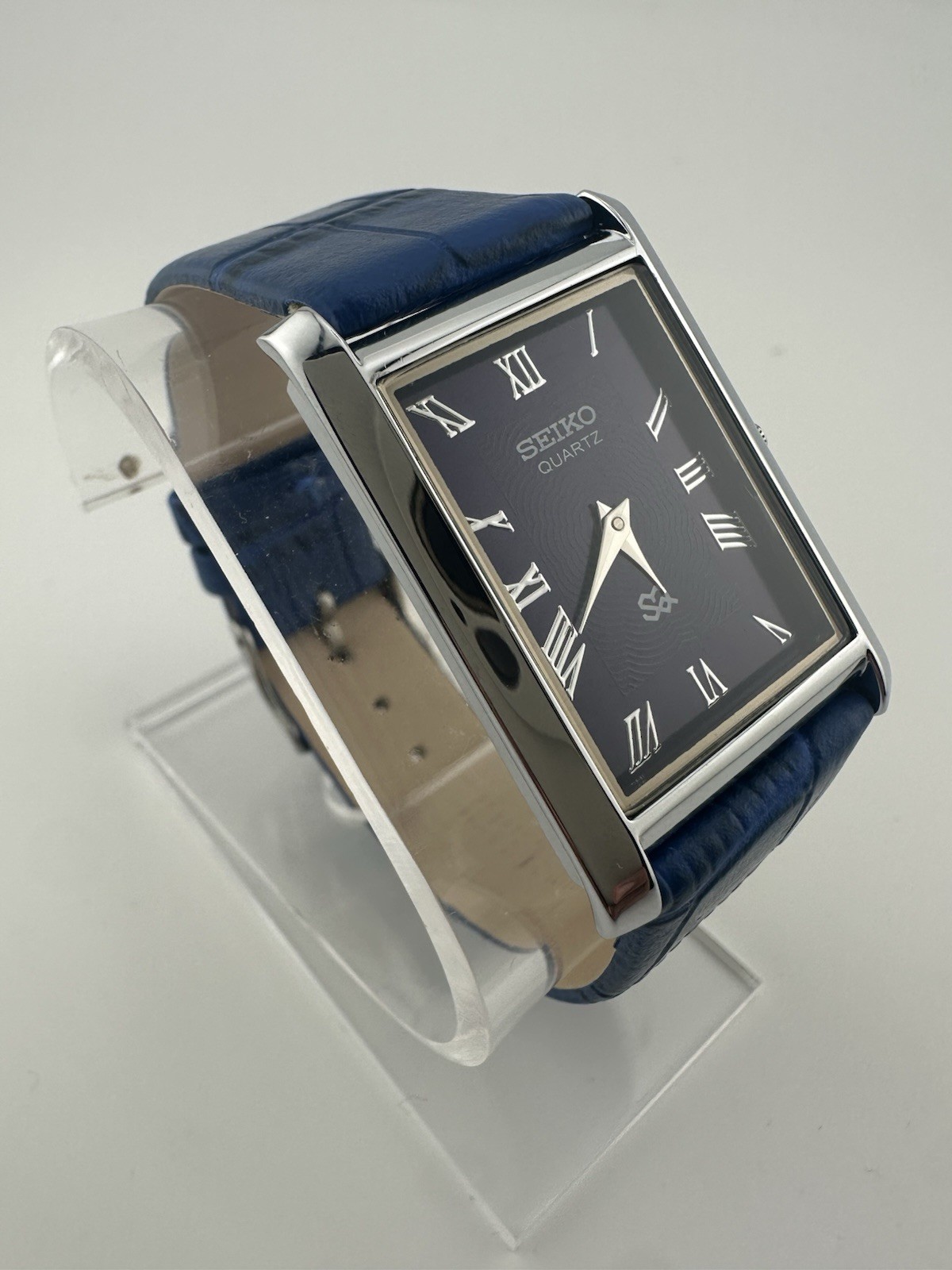
Vintage Seiko watches span two distinct architectures: battery-powered quartz movements (the majority of surviving 1980s-90s slim dress pieces) and mechanical automatic Seiko 5 calibers, each with different service lives and failure modes. The central trade-off is collectible originality versus functional reliability—many quartz listings are assembled from mixed parts with fresh batteries and aftermarket straps, while automatic Seiko 5s depend on caliber condition and service history. The decision rule: buy quartz only as an inexpensive dress watch with verified case/dial originality, and buy automatic only when the caliber number and service status are stated.
Buying guide image
Necklaces & Bracelets

Gold Heart Necklace

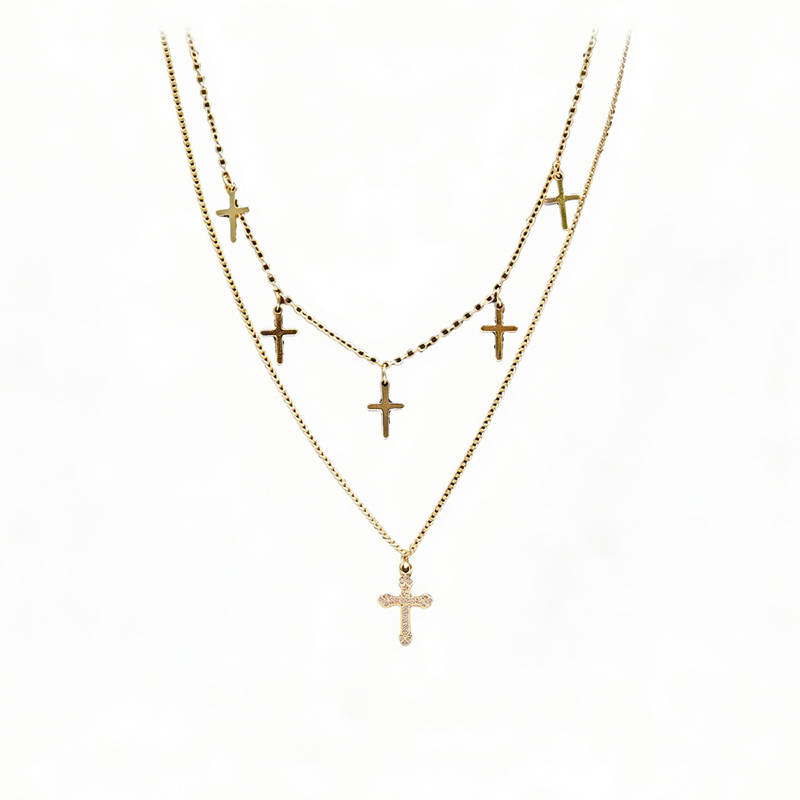
A gold heart necklace is a pendant necklace where the heart motif and chain construction determine whether it survives daily wear or tarnishes within weeks. The core trade-off is gold purity versus durability: solid 14k–18k gold resists fading indefinitely, gold vermeil over sterling gives a gold look at lower cost with a 2.5-micron plating threshold, and gold-plated brass or stainless steel is fashion jewelry with a limited lifespan. The clear decision rule: buy solid 14k+ or certified vermeil for long-term wear; treat plated or stainless pieces as short-cycle accessories.

Buying guide image
Rings & Earrings

Gold Oval Engagement Ring

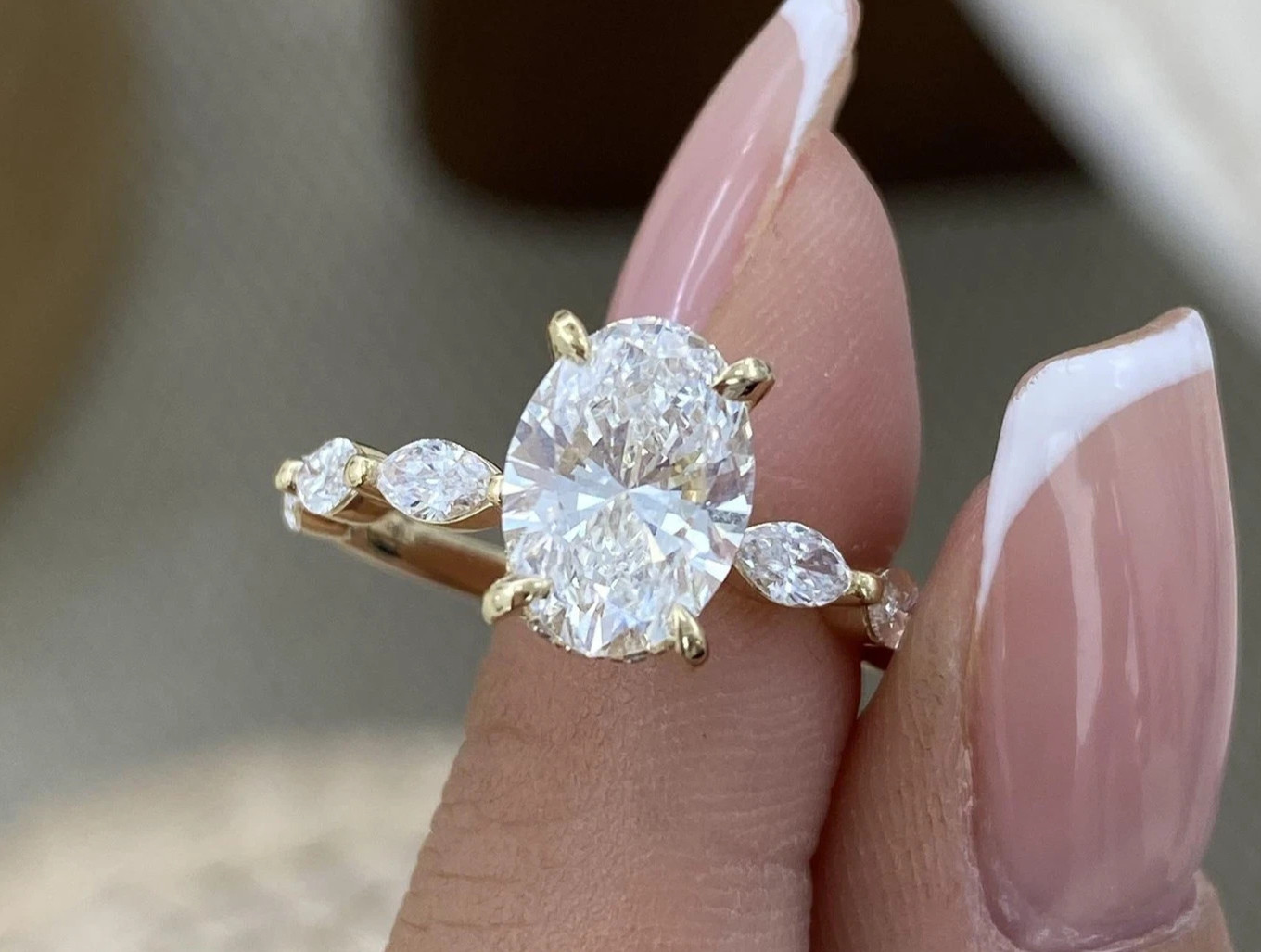
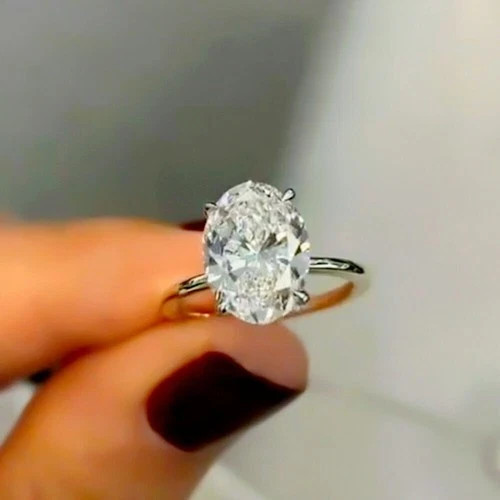
Gold oval engagement rings pair a elongated brilliant-cut center stone with yellow, white, or rose gold settings, and the decisive trade-off is between plated costume construction and solid karat gold with a certified center stone. The clear rule: solid 14K or 18K gold with a GIA/IGI-certified natural or lab-grown diamond is durable and resale-grounded, while gold-plated brass with CZ or garnet is a fashion piece that will wear through within months of daily wear.

Buying guide image
Body Jewelry

Belly Button Piercing Jewelry

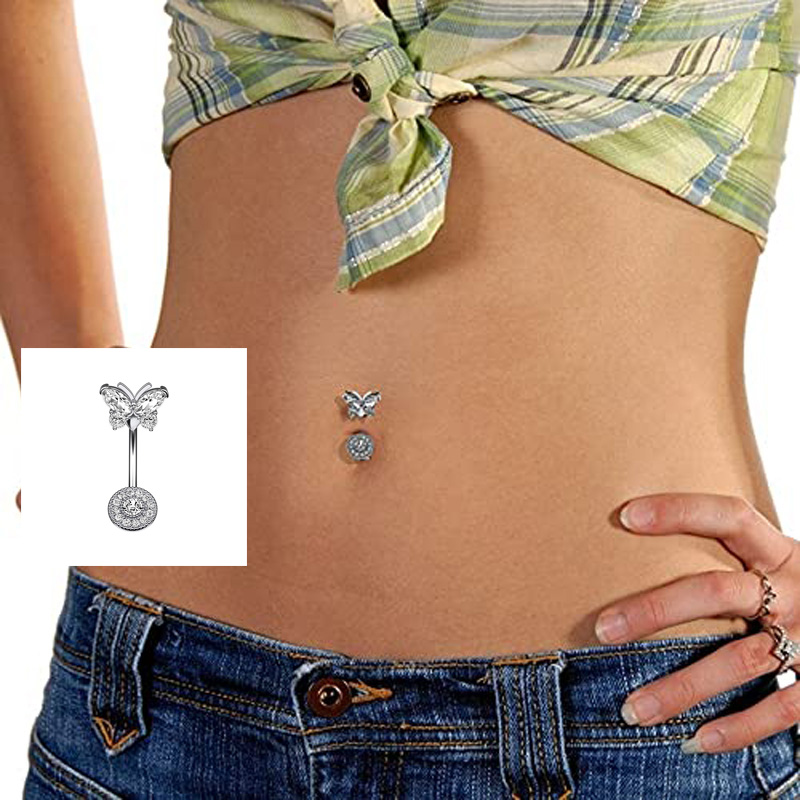
Belly button piercing jewelry is a curved barbell (banana bell) or captive bead ring worn through a navel piercing, and the critical trade-off is between implant-grade metals for healing and fashion alloys for healed piercings. The decisive rule: for a fresh or sensitive piercing, choose 316L surgical steel or implant-grade titanium with a 14G (1.6 mm) bar and 3/8–7/16 inch (10–11 mm) length; for fully healed, low-sensitivity navels, plated or vintage-style fashion pieces are acceptable but will tarnish and are not for long-term wear.

Buying guide image
Necklaces & Bracelets

Gold Bead Bracelet

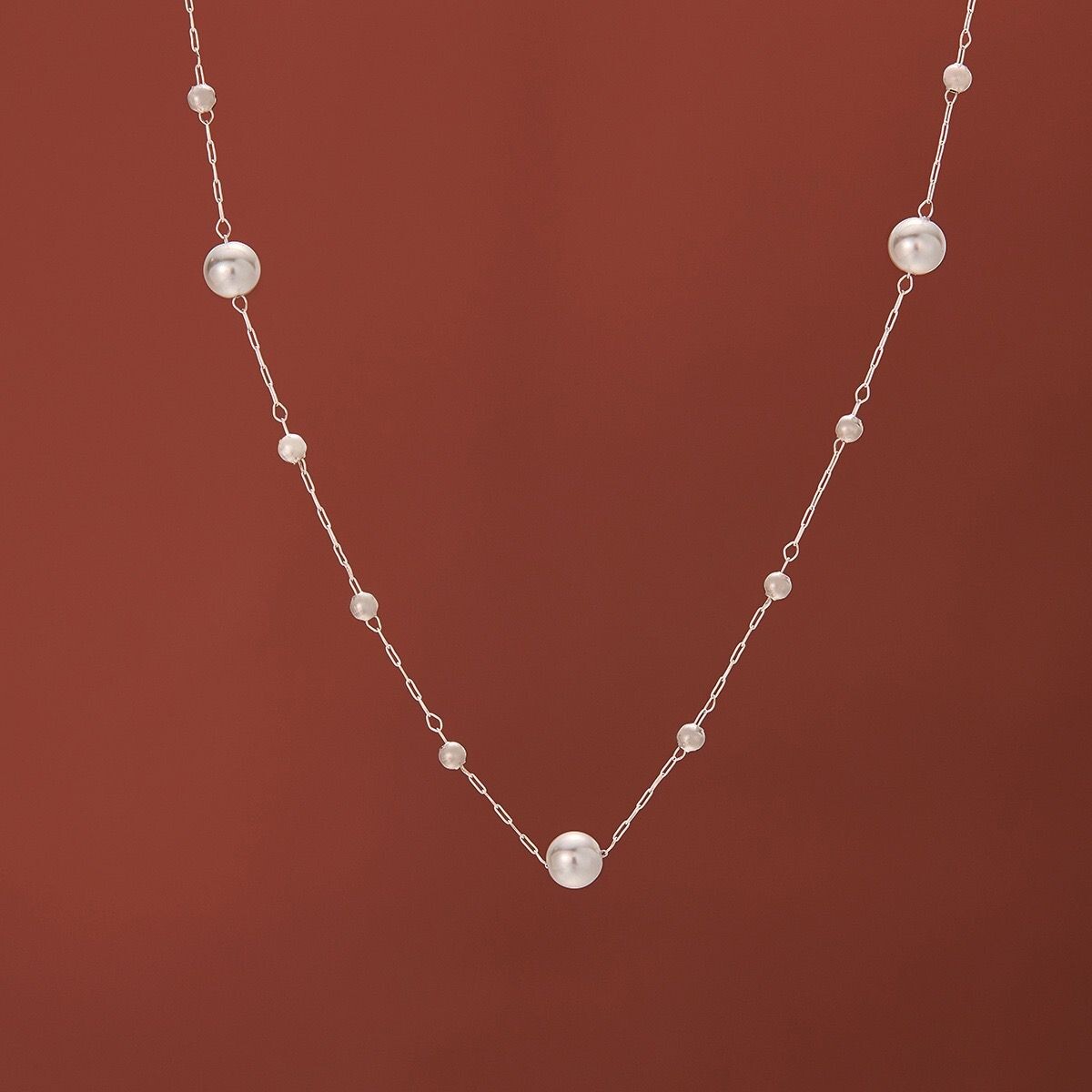
A gold bead bracelet is a strand of spherical metal beads—solid gold, gold-filled, gold-plated over brass or steel, or metallic-coated base metal—joined by wire, elastic, or chain. The core trade-off is gold content versus construction: solid 14k/18k and thick gold-filled (5%+ gold by weight) resist tarnish and wear for years, while 1-micron flash plating over brass dulls within months. The decision rule: buy solid or gold-filled when the bracelet is worn daily against skin; accept plated beads only for occasional, layered, or costume use.

Buying guide image
Rings & Earrings

Oval Cut Engagement Ring

Oval cut engagement rings elongate the finger and maximize apparent size, but the primary trade-off is between natural vs. lab-grown diamonds and between certified precision cuts and uncertified commercial grades. The decision rule: prioritize a GIA or IGI certificate with explicit cut/polish/symmetry grades and a defined color/clarity floor over carat weight or setting flash; uncertified stones and plated metals are compromises that fail durability and resale tests.

Buying guide image
Rings & Earrings

Yellow Diamond Engagement Ring

A yellow diamond engagement ring combines a fancy-color diamond center with a yellow-gold setting, so the core decision is not just shape but whether you buy natural fancy yellow or lab-grown yellow. Natural fancy yellows carry GIA/AGS color grades (Fancy Light through Fancy Vivid) and command a premium; lab-grown yellows match visual size and color at lower cost but require a grading report that states the color origin. The durable rule: prioritize a certified stone with a defined color grade and a well-cut setting in 14k or 18k yellow gold; skip uncertified 'canary' listings and hollow or plated shanks.

Buying guide image
Rings & Earrings

Yellow Gold Engagement Ring

Yellow gold engagement rings pair a classic warm tone with stone and setting choices that determine durability and value. The critical trade-off is alloy purity (10k–18k) versus scratch resistance, plus natural versus lab-grown diamond economics. The clear rule: choose 14k or 18k solid gold with a properly graded center stone—avoid plated or vermeil bases for daily wear.

Buying guide image
Necklaces & Bracelets

Gold Choker Necklace

Gold choker necklaces are close-fitting 14–16 inch necklaces where the metal construction—solid gold versus plated brass or stainless steel—determines whether the piece survives daily wear or fades within months. The core trade-off is gold purity and thickness against cost and tarnish resistance. Buy solid 14K/18K gold or thick vermeil for longevity; choose plated brass or stainless steel only for occasional, trend-driven wear.

Buying guide image
Necklaces & Bracelets

Stainless Steel Chain

Stainless steel chains are corrosion-resistant, low-allergen jewelry and accessory components available in distinct link architectures (cable, curb, box, rope, Figaro) and two primary grades: 304 for general fashion and 316L for salt/sweat-heavy wear. The core trade-off is link style and wire gauge versus clasp quality: thicker wire and solid (not hollow) links resist deformation, but the weakest point is almost always the stamped spring-ring or lobster clasp. Buy 316L with a solid link and a named clasp upgrade for daily wear; choose 304 cable or curb only for light, occasional, or pendant-only use.

Buying guide image
Wristwatches

Mens Watches

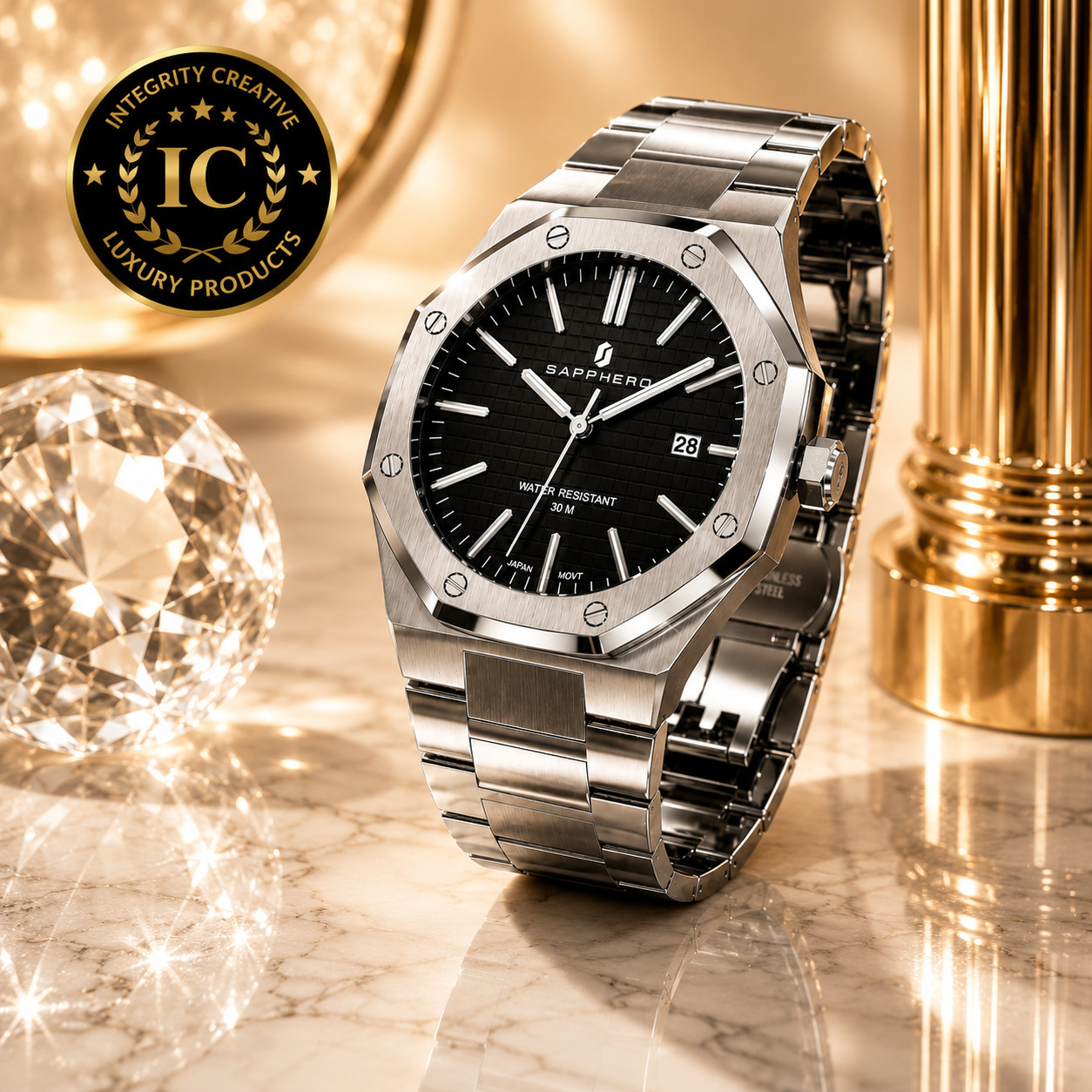
Men's watches span quartz, mechanical, and digital movements across stainless steel, leather, and resin builds. The core trade-off is upfront cost versus long-term durability and serviceability: quartz is accurate and cheap but battery-dependent, while automatic mechanical needs service but avoids batteries. Buy stainless steel cases with 3 ATM or better for daily wear; skip plated-base-metal or unrated water resistance for anything beyond desk use.

Buying guide image
Rings & Earrings

Opal Ring

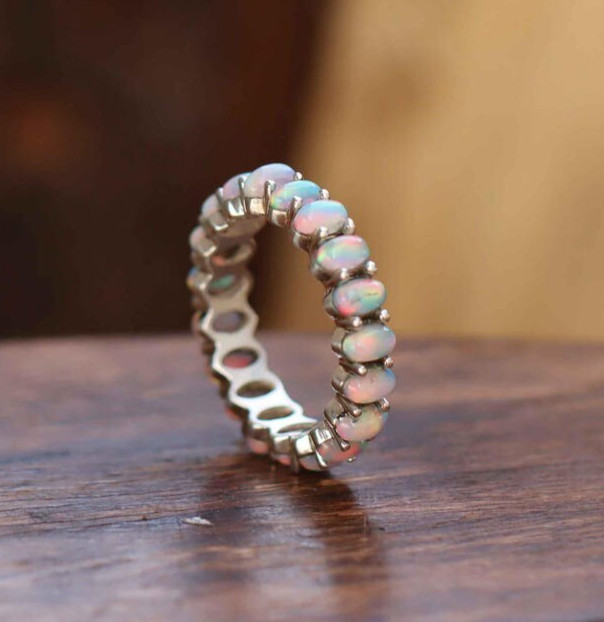
Opal rings are gemstone-set rings where the stone's play-of-color and the metal's durability define the piece. The core trade-off is between soft, water-sensitive opal types (Ethiopian, fire opal) and harder, more stable options (Australian black/white opal, synthetic or triplet/doublet constructions), plus silver vs. gold settings. The clear rule: choose a doublet/triplet or Australian solid opal in a bezel setting for daily wear, and reserve softer Ethiopian or fire opal in prong settings for occasional use.

Buying guide image
Rings & Earrings

Titanium Ring

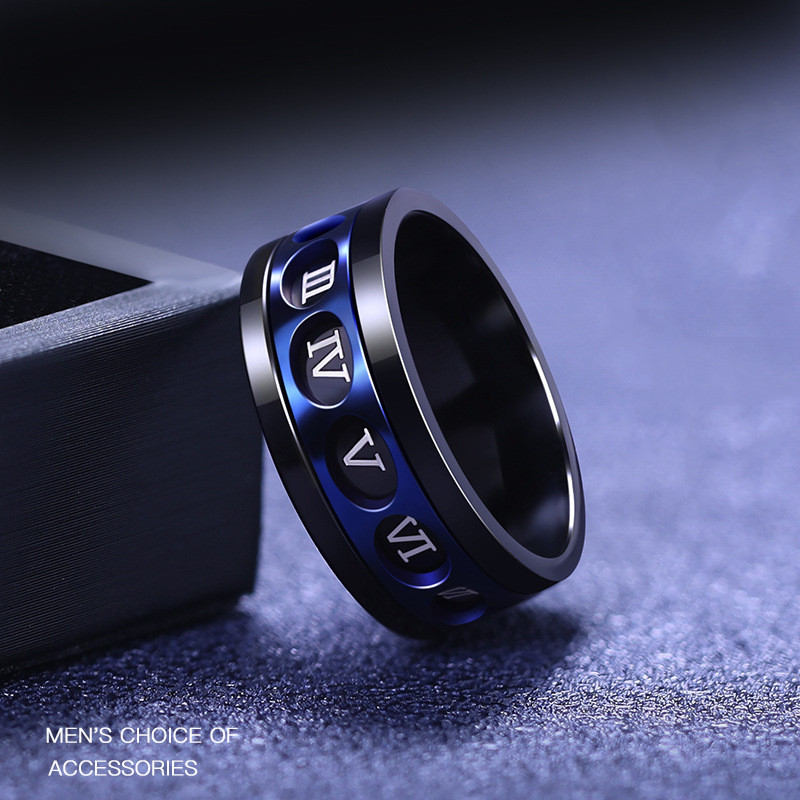
Titanium rings are lightweight, hypoallergenic bands favored for daily wear and men's wedding bands, but the market conflates pure titanium, titanium alloy, and 'titanium steel' (stainless steel) — a critical durability and skin-safety distinction. The core trade-off is machinability versus hardness: pure titanium is scratch-prone but biocompatible, while alloys and coatings boost scratch resistance at the cost of finish repairability. The decision rule is simple: buy only rings explicitly graded 'Ti-6Al-4V' or 'commercially pure Grade 2/4 titanium' with a stated width and comfort-fit profile; skip any listing that says 'titanium steel,' which is stainless steel marketing.

Buying guide image
Body Jewelry

Belly Piercing Jewelry

Belly piercing jewelry is a 14G (1.6mm) curved barbell or captive-bead system where material grade and fit geometry determine healing success and long-term comfort. The primary trade-off is between implant-grade titanium (ASTM F136) for new piercings and 316L surgical steel for healed piercings, with cost and weight differences being secondary. Choose ASTM F136 titanium for any fresh or sensitive piercing; 316L steel and plated alloys are acceptable only for fully healed, low-irritation wear.

Buying guide image
Rings & Earrings

Stone Ring

Stone rings span natural gemstones, lab-grown stones, and glass or resin imitations set in precious or base metals. The core trade-off is stone authenticity and metal durability versus decorative look: natural stones in solid 925 silver or 14k gold hold value and resist wear, while glued glass or plated brass fails within months. Buy natural or lab stones in solid precious metal if you want a lifelong piece; choose bezel-set hard stones for daily wear and skip prong-set soft stones in plated settings for anything beyond occasional use.

Buying guide image
Necklaces & Bracelets

Cuban Chain

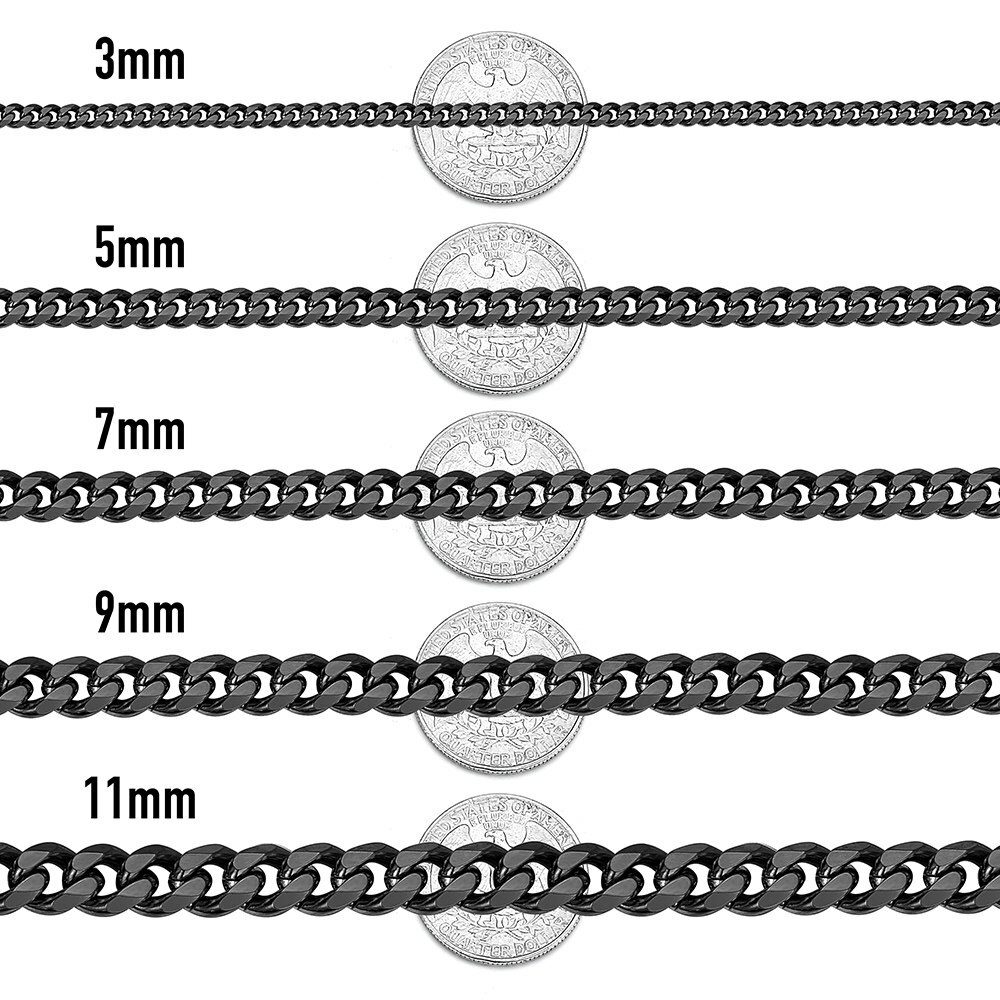
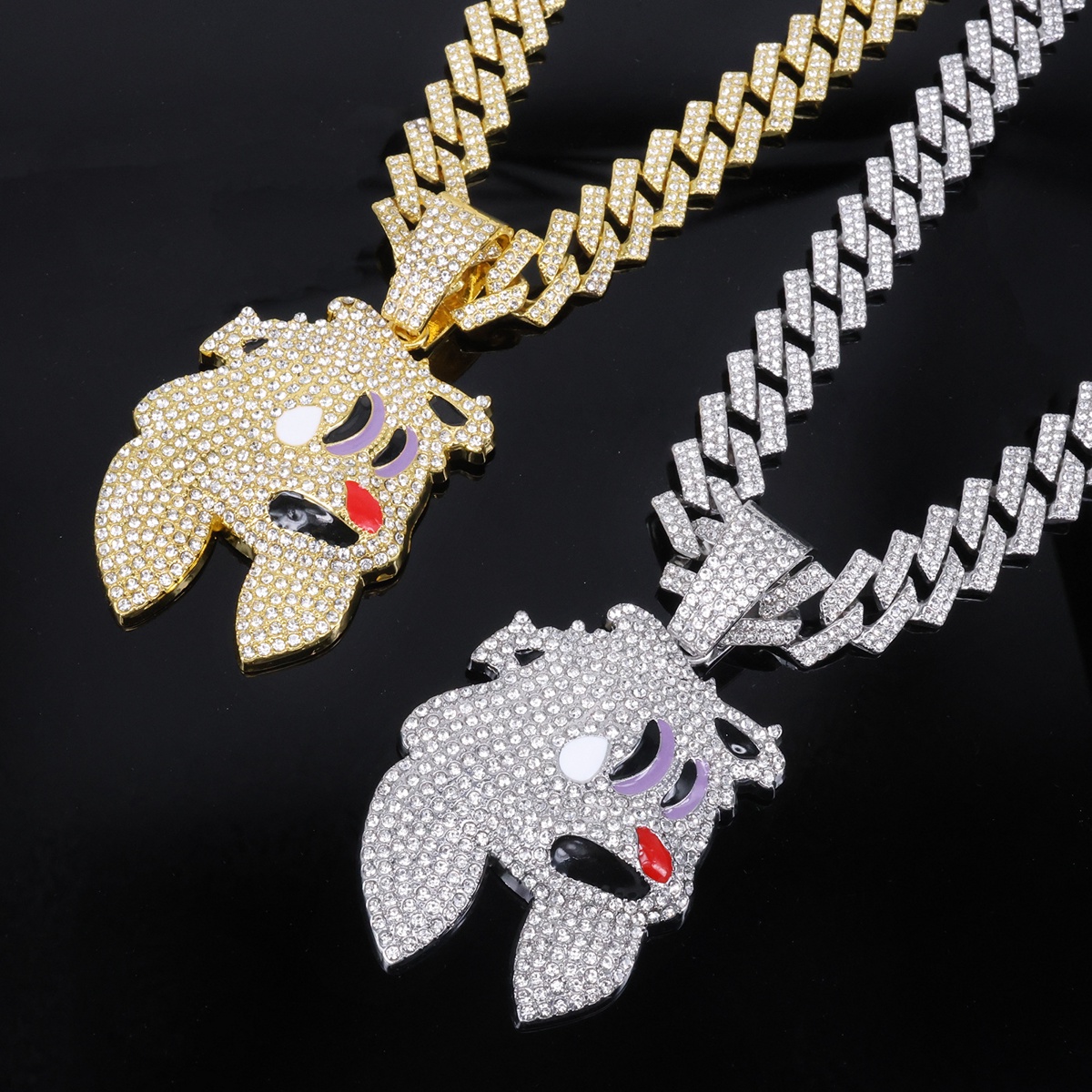
A Cuban chain is a series of interlocking flat curb links that lie flat and catch light; the buying decision hinges on link construction (solid vs hollow), metal grade (316L stainless, sterling silver, gold), and width-to-length proportion for fit. Durable options use solid links with tight tolerances and secure clasps, while compromises use hollow links, loose tolerances, or thin plating that fails under daily wear.

Buying guide image
Necklaces & Bracelets

Bangle Bracelet

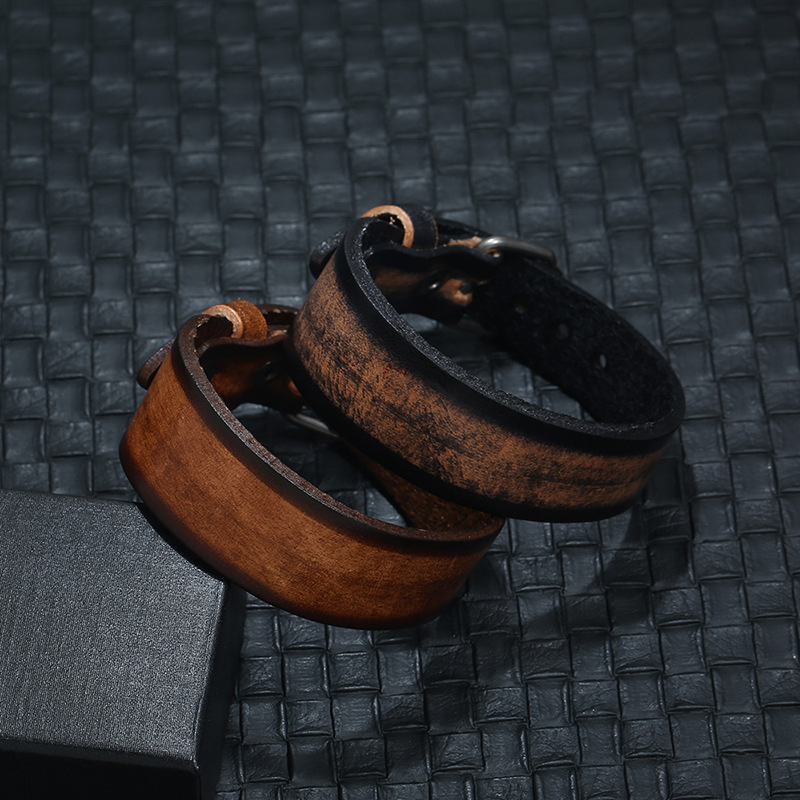
Bangle bracelets are rigid, continuous-loop wrist ornaments that stay put without clasps — the core trade-off is between solid precious-metal construction (gold, sterling silver) that resists deformation and plated or leather-wrapped builds that prioritize style at lower durability. Choose solid hallmarked metal for daily wear and heirloom longevity; choose plated brass or genuine leather for fashion layering and seasonal rotation.

Buying guide image
Necklaces & Bracelets

Necklace Mom

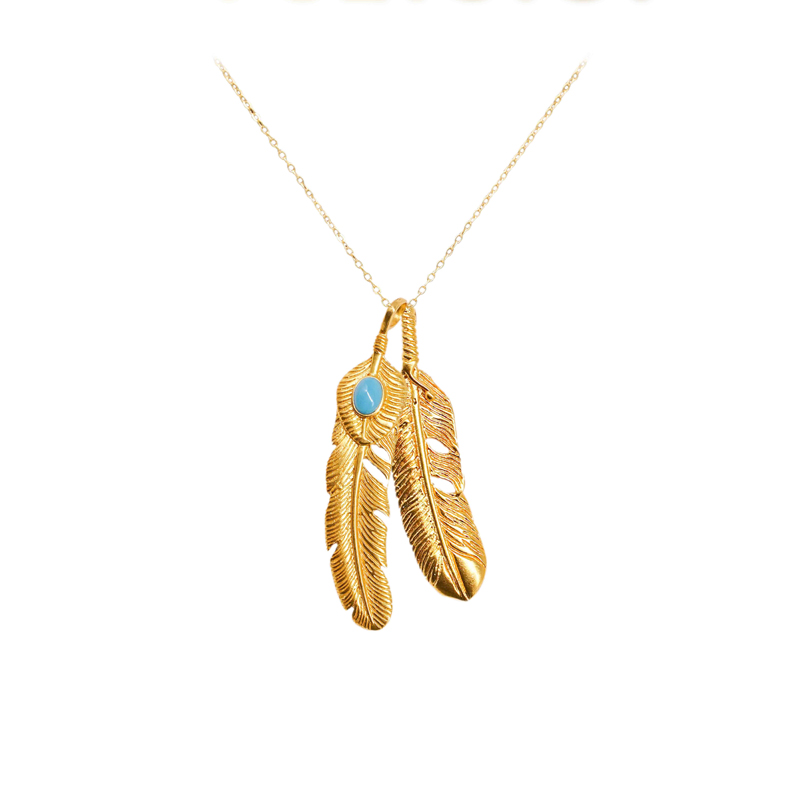
A 'necklace for mom' spans keepsake lockets, personalized name/feather pendants, and fashion-gift sets, with the core trade-off being base-metal fashion construction versus solid precious-metal durability. The decision rule: buy solid 14k/18k gold or .925 sterling if it is worn daily or passed down; reserve gold-plated brass and alloy lockets for occasional-wear gifts.

Buying guide image
Rings & Earrings

Chunky Hoop Earring

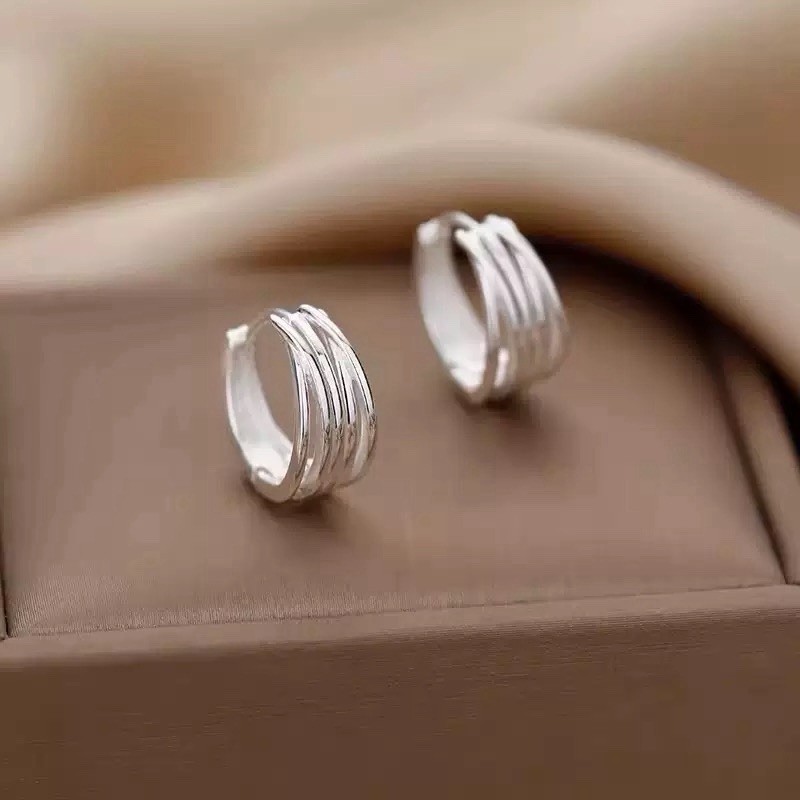
Chunky hoop earrings are sculptural, thick-profile hoops where the metal width — not just the diameter — defines the look, and the core trade-off is base-metal grade versus plating thickness: sterling silver (925) or surgical stainless steel holds up, while thin gold plating over brass wears through in months. The clear decision rule is to buy solid 925 silver or 316L stainless for daily wear, and treat any 18K-gold-plated-over-brass piece as a short-cycle fashion item unless the plating spec is stated at 2.5 microns or more.

Buying guide image
Necklaces & Bracelets

Bangle

Bangles are rigid, slip-on bracelets defined by their inner diameter and material stiffness—the core trade-off is solid metal (gold, silver, stainless) for heirloom durability versus wrapped leather, braided cord, or wood for adjustable comfort and casual styling. The decision rule: buy by measured wrist circumference and closure type, and skip any bangle whose inner diameter you cannot confirm or whose plating grade is unspecified.

You may also like

Finding more guides for you…