GemTempo

GemTempo

Jewelry & Watches Reviews & Buying Guides

Compare jewelry & watches by use case, features, trade-offs, price, returns, and seller terms before you buy.

Buying guides

Buying guide image
Necklaces & Bracelets

Mother Daughter Bracelet

Mother-daughter bracelets are matched or complementary jewelry sets, most often in precious or base metal, designed to symbolize a bond. The core trade-off is metal integrity: solid precious metals (14k/18k gold, 925 sterling silver) resist tarnish and skin reactions for years, while plated brass or alloy pieces wear through in months. The decision rule: buy solid 925 sterling silver or 14k gold for daily wear; choose plated or alloy only for occasional, short-term, or photo-focused use.
Buying guide image
Necklaces & Bracelets

Mother Daughter Jewelry

Mother-daughter jewelry is a matched or complementary set (pendants, bracelets, rings) meant to be worn by two people, and its durability hinges on base metal and plating quality, not sentiment. The core trade-off is 14k–18k solid gold or sterling silver (tarnish-resistant, skin-safe) versus brass or zinc alloy with thin gold flash (cheap but prone to fading and irritation). The decision rule: pay for solid precious metal or thick vermeil if it is worn daily; choose plated or alloy sets only for occasional or photo-only wear.

Buying guide image
Necklaces & Bracelets

Silver Heart Necklace

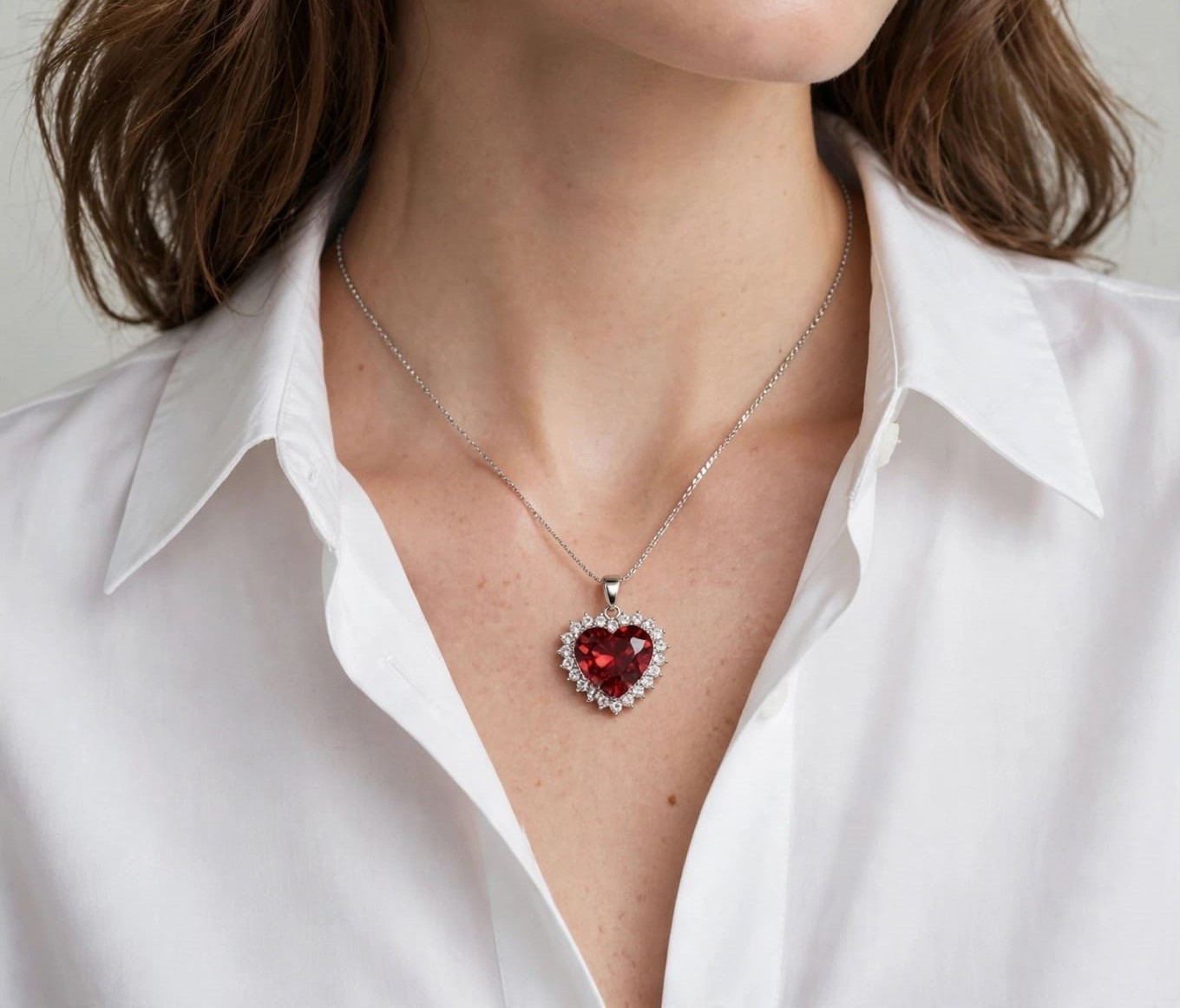
A silver heart necklace is a pendant-on-chain piece where the core buying decision is metal authenticity and plating durability versus fashion-base-metal compromises. The trade-off centers on solid 925 sterling silver (stamped, nickel-safe, re-polishable) versus brass or alloy cores with thin silver flash that wear through at the clasp and pendant bail. The decision rule: buy only pieces marked 925 or S925 with rhodium or platinum-group plating over sterling, and skip any heart pendant whose metal content is unstated.

Buying guide image
Wristwatches

Mens Dive Watches

Men's dive watches are purpose-built timepieces rated for underwater use, defined by ISO 6425 or 200m+ water resistance, a unidirectional rotating bezel, and luminous markings for low-light legibility. The core trade-off is movement type (quartz vs automatic) and crystal/steel grade—both determine long-term durability and service cost. The decision rule: buy any watch with at least 200m WR, a screw-down crown, and a rotating bezel; skip fashion 'dive-style' watches under 100m WR or with push-pull crowns.

Buying guide image
Wristwatches

Wrist Watches Men

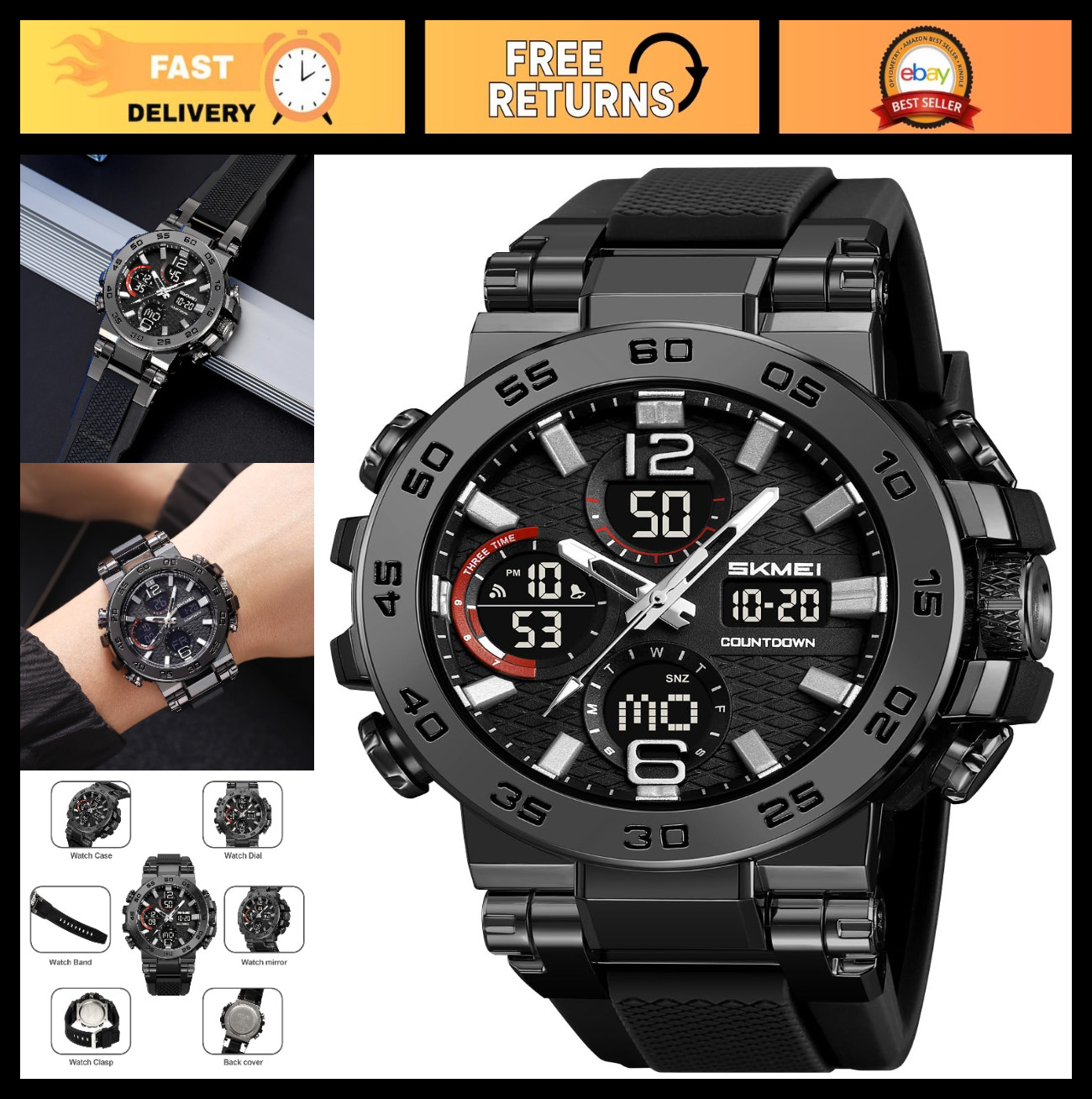
Men's wrist watches split into four real architectures—quartz analog, digital, dual-display, and mechanical—with the primary trade-off being serviceability and accuracy versus craftsmanship and longevity. A watch is durable when it pairs a proven movement (Japanese quartz, Swiss quartz, or a regulated automatic) with at least 50 m water resistance, a stainless-steel or hardened case, and a scratch-resistant crystal. Skip any watch rated 30 m or with an acrylic crystal if daily wear, swimming, or impact is expected.

Buying guide image
Wristwatches

Gold Movado Watch

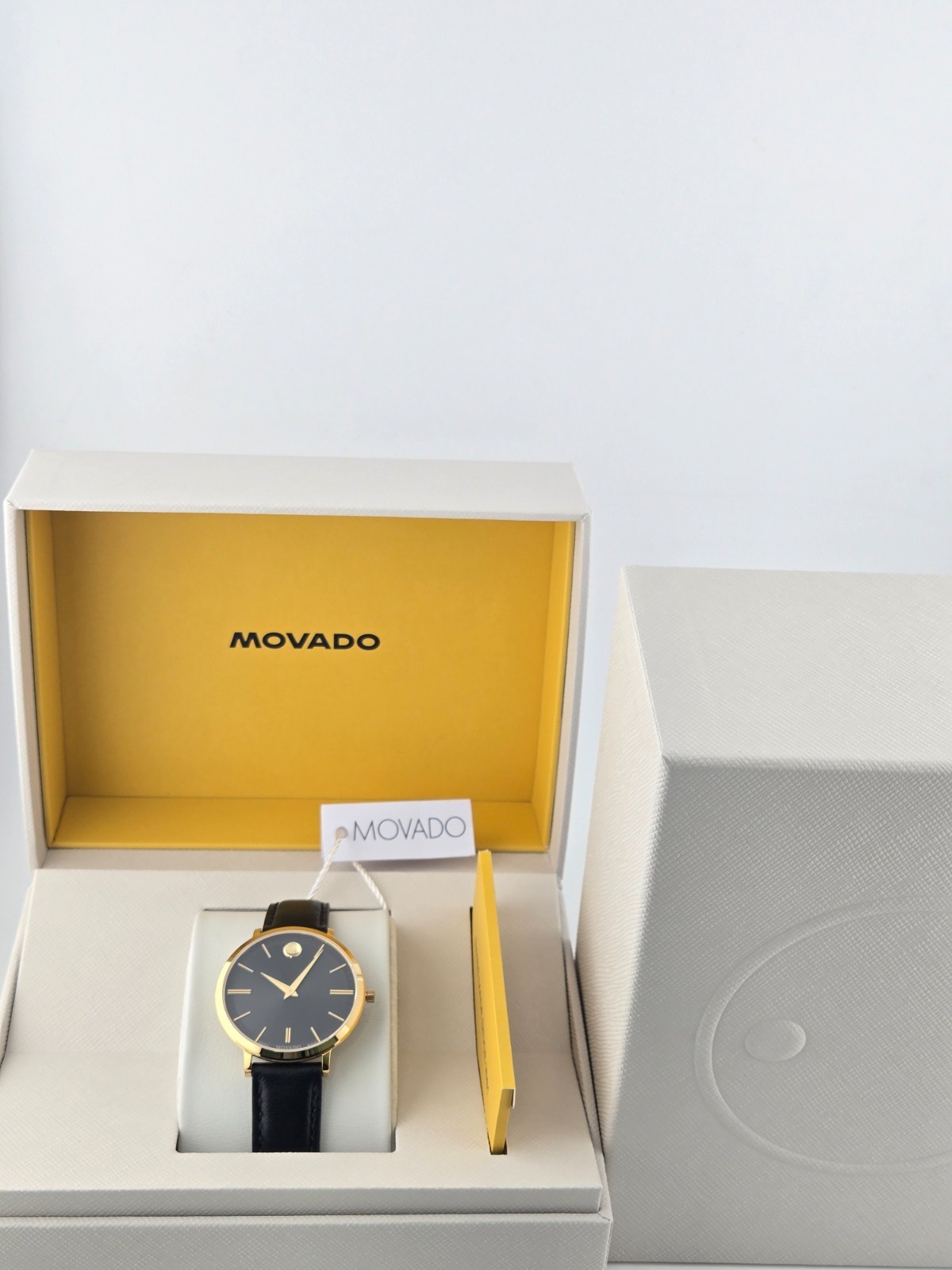
Gold Movado watches are dress-oriented timepieces defined by the Museum dial—a minimalist face with a single dot at 12 o'clock—offered in solid gold, gold-plated steel, and gold-tone PVD across quartz and automatic movements. The primary trade-off is finish durability versus price tier: solid 14K/18K gold resists fading permanently, while gold-tone PVD over stainless steel can wear through at high-contact edges over years of daily wear. The decision rule is simple: buy solid gold for heirloom longevity and scratch refinishing, buy gold-tone PVD or plating for occasional dress wear where the finish is protected, and skip any gold-tone piece marketed for daily hard use.

Buying guide image
Wristwatches

Vintage Casio Watch

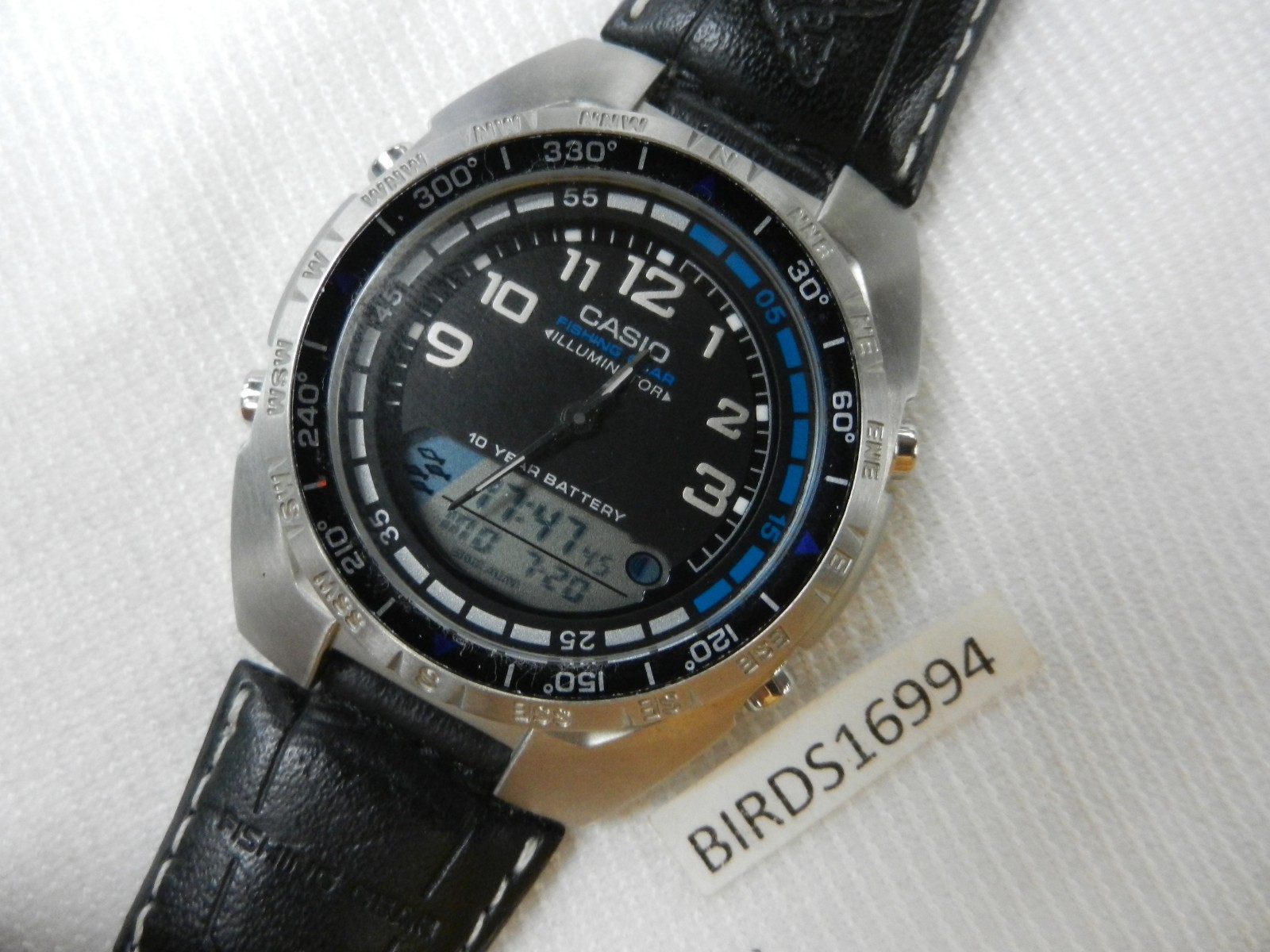
Vintage Casio watches span collectible 1980s-90s digital, analog-digital, and sports models whose value hinges on module architecture, original parts, and case condition. The core trade-off is between authentic originality (correct module, crown, and bezel) and practical wearability (serviced movement, fresh gaskets, readable display). Buy original-spec examples with known module numbers for collection; buy well-serviced analog-digital or diver variants for daily wear.

Buying guide image
Rings & Earrings

Large Pearl Earring

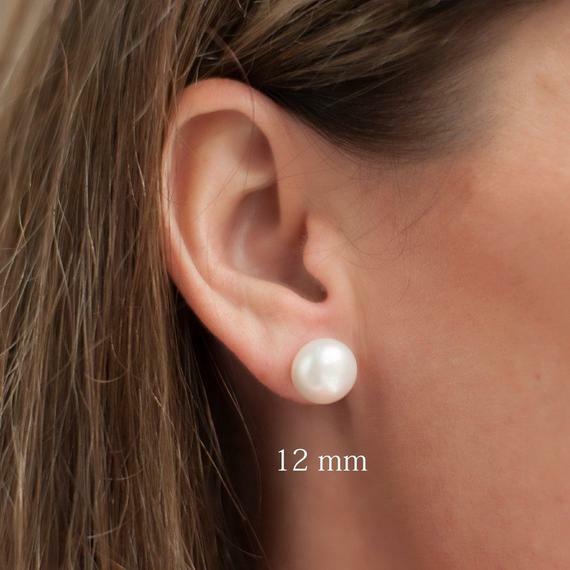
Large pearl earrings are statement earrings built around pearl beads typically 10-16mm in diameter, where the core trade-off is pearl quality (nacre thickness, luster, shape) versus mounting hardware (stainless steel, sterling silver, gold) versus pearl type (freshwater, Akoya, shell, glass). The decisive rule: choose cultured freshwater or Akoya pearls on solid 925 sterling silver or 14k gold posts for longevity; treat stainless-steel-post faux or shell pearls as fashion-tier only if you accept plating wear and resin/glass pearl surfaces.

Buying guide image
Rings & Earrings

Thumb Ring

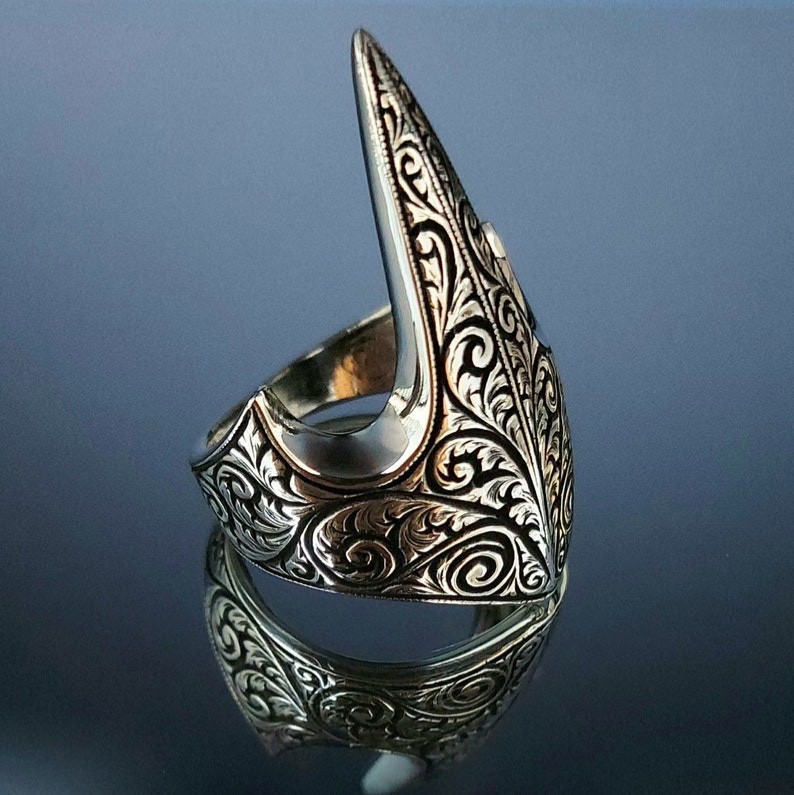
A thumb ring is a wide-band or open-ring piece worn on the thumb, distinguished from fashion rings by its larger diameter, thicker shank, and need for secure sizing because the thumb base shifts with temperature and grip. The core trade-off is between soft, plated base metals that tarnish and deform and solid precious metals or surgical steel that hold shape and resist skin reaction. Buy solid 925 sterling silver, 14k gold, or 316L stainless steel with a verified inner diameter; skip brass, copper, or 'silver-tone' alloys for daily wear.

Buying guide image
Rings & Earrings

Cross Earring Men

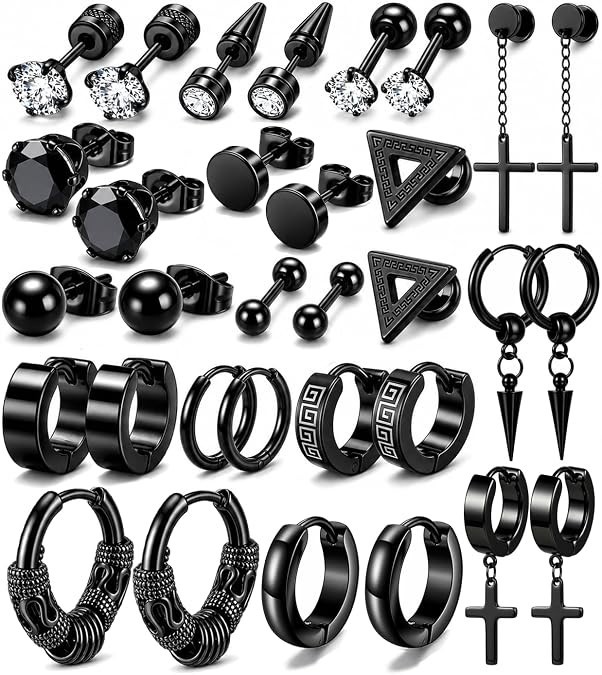
Men's cross earrings span studs, dangles, and hoops where the primary trade-off is metal grade and closure security versus design novelty. Durable options use 316L stainless steel or solid precious metal with secure backs, while compromises rely on plated brass or zinc alloy that corrodes and irritates. The decision rule: buy 316L stainless or better with a mechanical closure; skip any unmarked alloy or friction-back listing.

Buying guide image
Necklaces & Bracelets

Matching Necklace

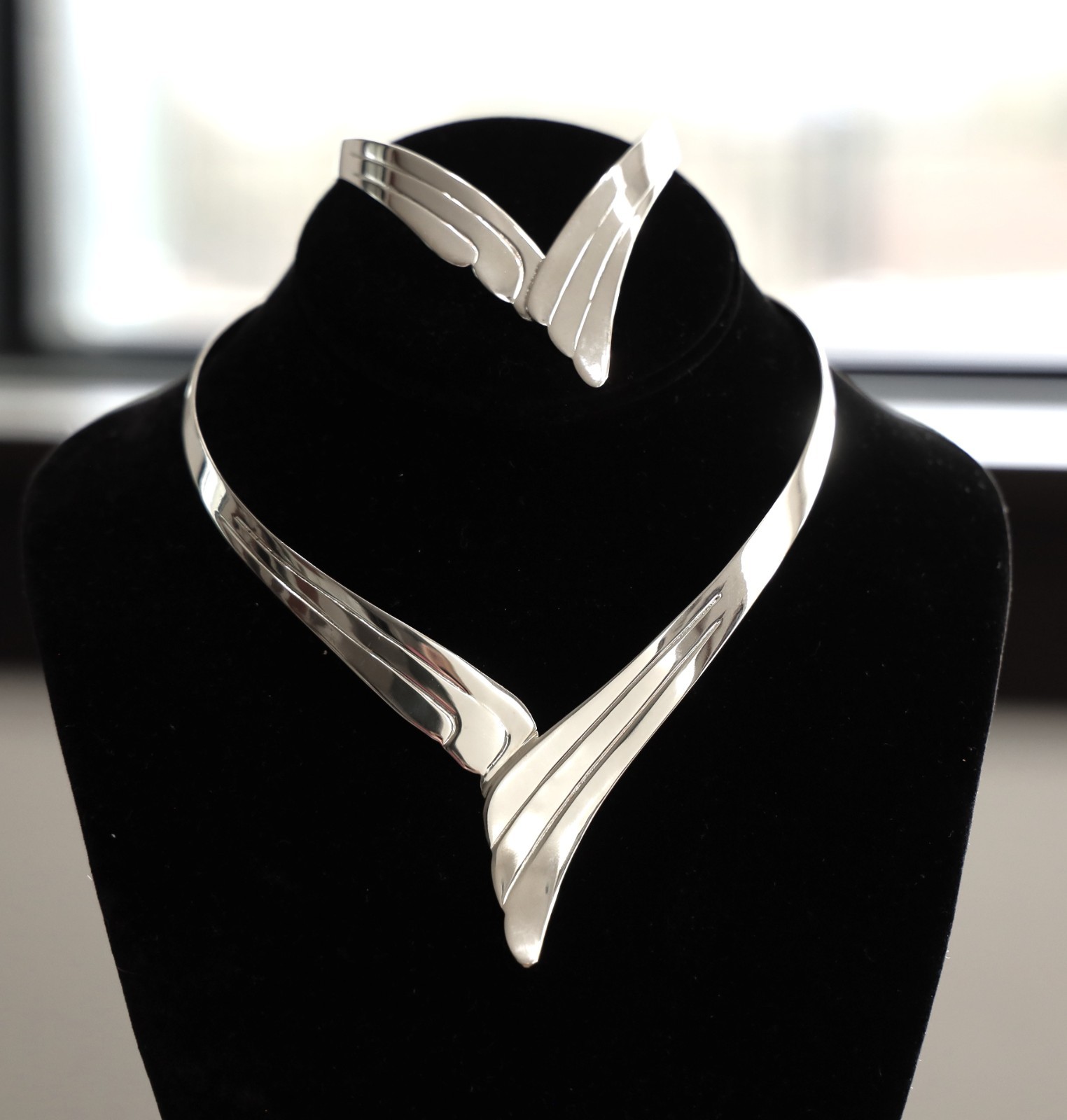
A matching necklace set pairs a necklace with a complementary bracelet or second pendant, and the decisive trade-off is base-metal purity versus surface plating thickness: sterling silver or gold-filled cores resist tarnish for years, while silver-plated or gold-plated brass wears through in months. Buy solid 925 sterling silver or 14k gold-filled when the set will be worn daily; choose plated alloys only for occasional, short-wear occasions.

Buying guide image
Wristwatches

Waterproof Mens Watches

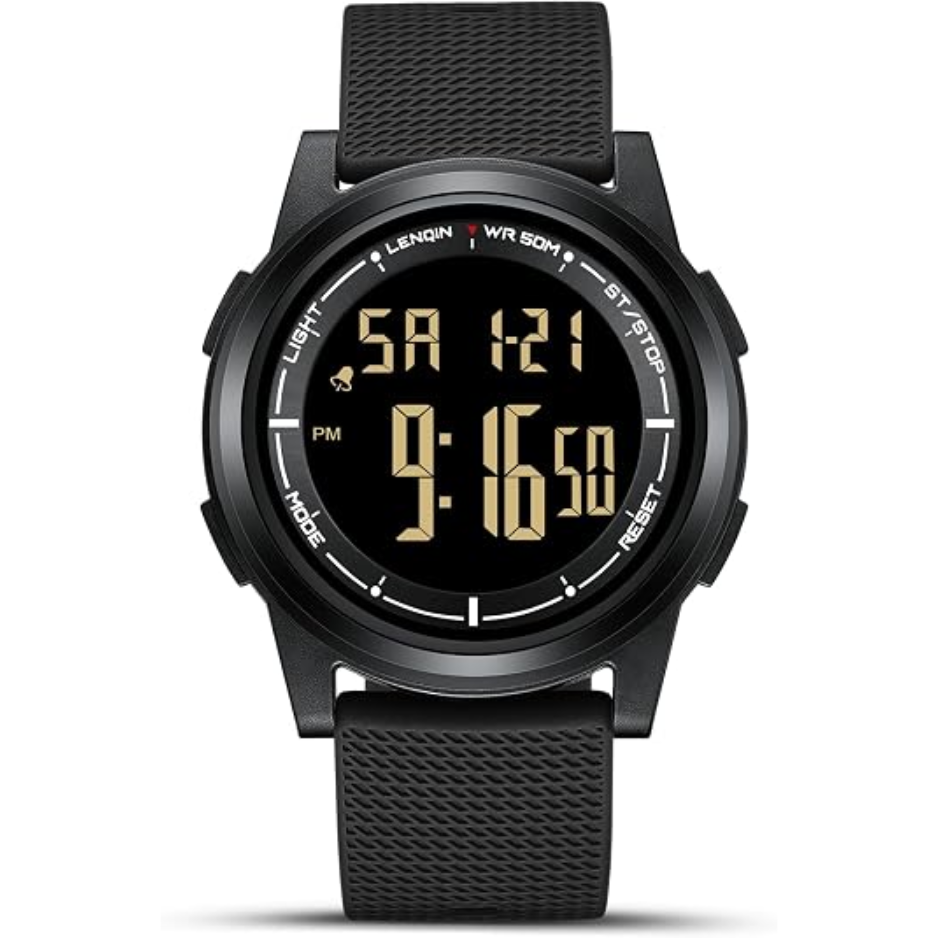
Waterproof men's watches are defined by their water-resistance rating, not marketing claims, and the primary trade-off is between true dive-grade sealing and slim, casual case design. A watch rated 5 ATM handles splashes and brief swimming; 10 ATM is the minimum for regular swimming and snorkeling, while 20 ATM and ISO 6425 certification are required for diving. The decision rule: buy by ATM rating and caseback construction first, then movement type and crystal material, and avoid any watch whose resistance is described only as 'waterproof' without a numeric ATM or ISO rating.

Buying guide image
Body Jewelry

Curved Barbell Jewelry

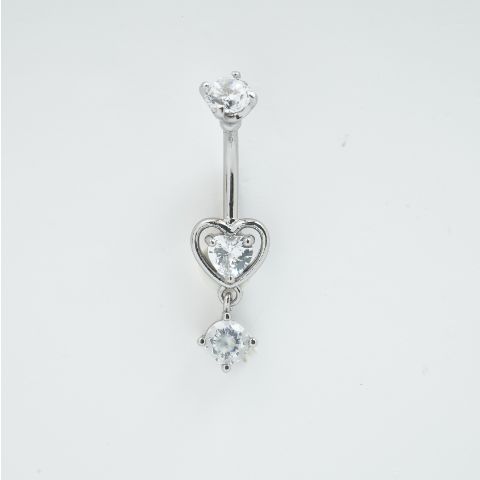
Curved barbells are a staple body piercing shape, defined by a bent bar with threaded or threadless ends, used across eyebrow, rook, daith, septum, and surface piercings. The core trade-off is material grade and threading architecture: implant-grade titanium (ASTM F136) in threadless or internal-thread designs resists corrosion and reduces insertion trauma, while inexpensive 316L surgical steel or externally threaded bars can raise rejection and migration risk. The decision rule is simple: prioritize ASTM F136 titanium or 14k+ solid gold with internal/threadless ends for healing and long-term wear, and avoid externally threaded, plated, or mystery-metal bars for anything but short-term costume use.

Buying guide image
Body Jewelry

Titanium Septum Ring

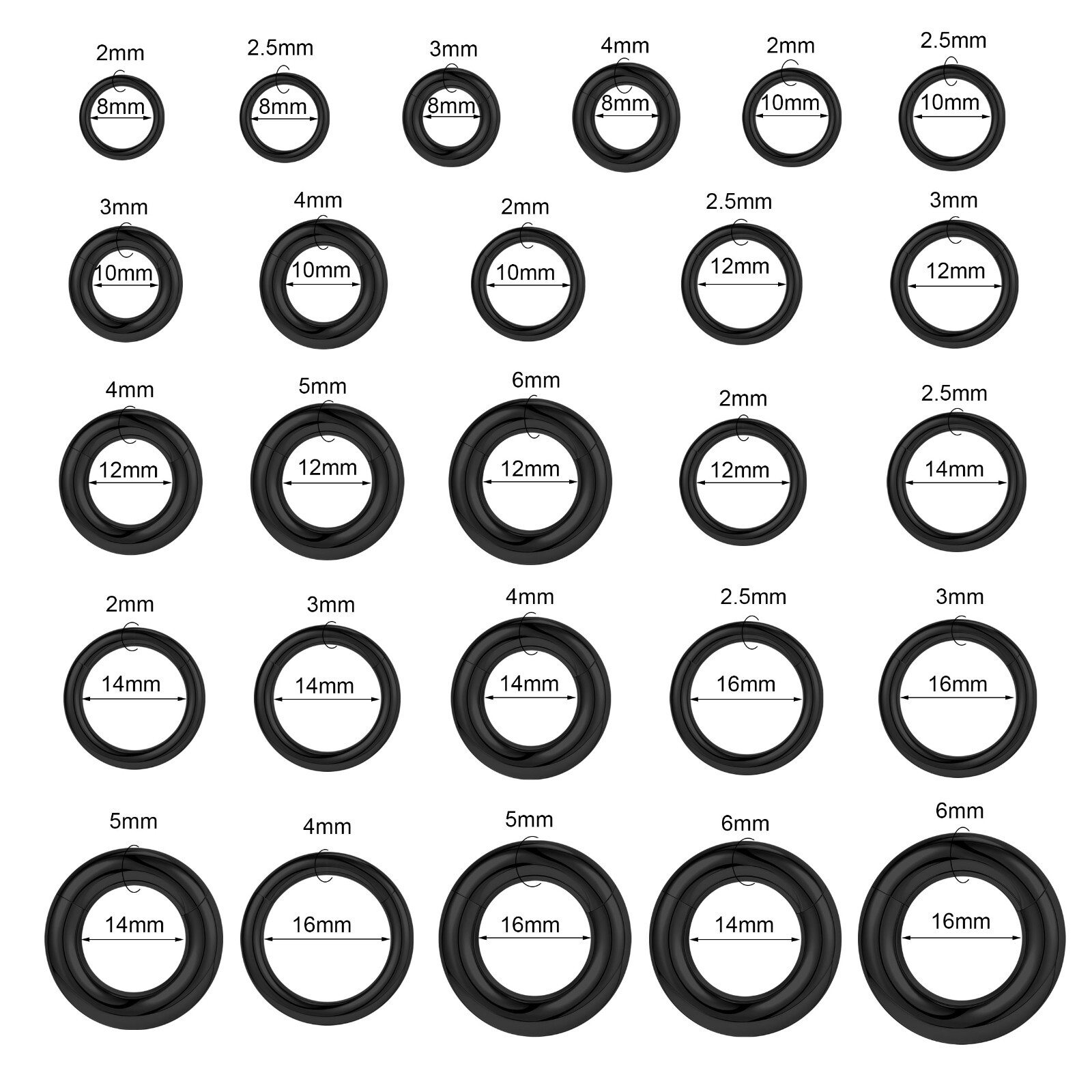
Titanium septum rings are implant-grade body jewelry favored for nickel sensitivity and healed-piercing wear, defined by alloy grade (ASTM F136 Ti-6Al-4V ELI vs commercial CP titanium), gauge, and closure style. The core trade-off is between a clicker's convenience and a seamless/captive ring's secure hold, with alloy grade and finish quality separating skin-safe pieces from reactive fashion jewelry. Choose ASTM F136 or F67 titanium for new or sensitive piercings; skip mystery-alloy 'titanium' listings for anything but short-term wear.

Buying guide image
Rings & Earrings

Gucci Ring

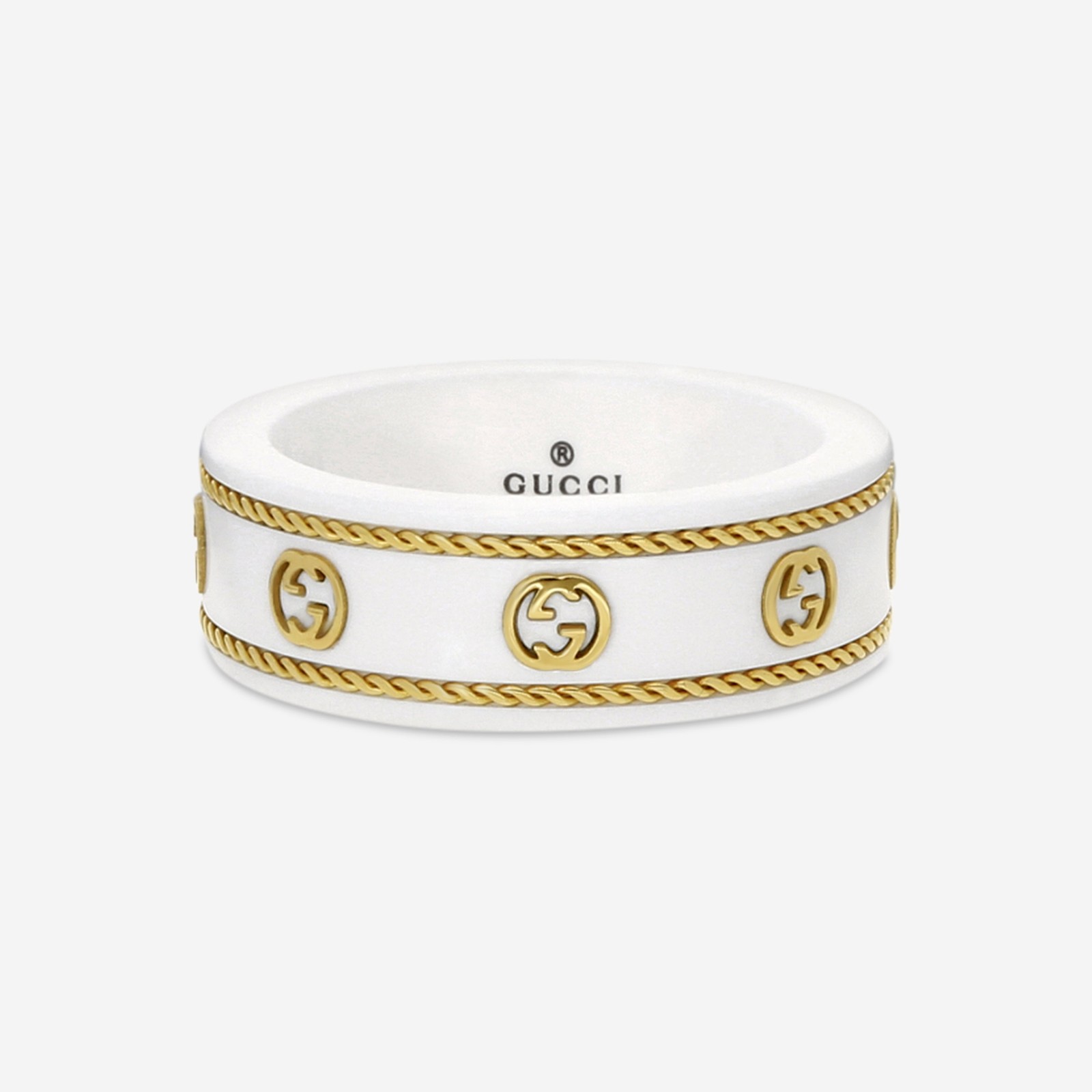
Gucci rings span two distinct product worlds: fine jewelry in solid 18K gold with gem-set stones, and fashion/costume rings in sterling silver or base metal with enamel or crystal accents. The core trade-off is material permanence versus brand-led design: solid gold and gemstone bands hold value and resist tarnish for decades, while plated or enameled fashion rings are decorative and require careful wear. The decision rule is simple—buy solid 18K gold or sterling silver for daily wear and resale, and treat plated or enamel fashion rings as occasional accents.

Buying guide image
Rings & Earrings

Small Diamond Earring

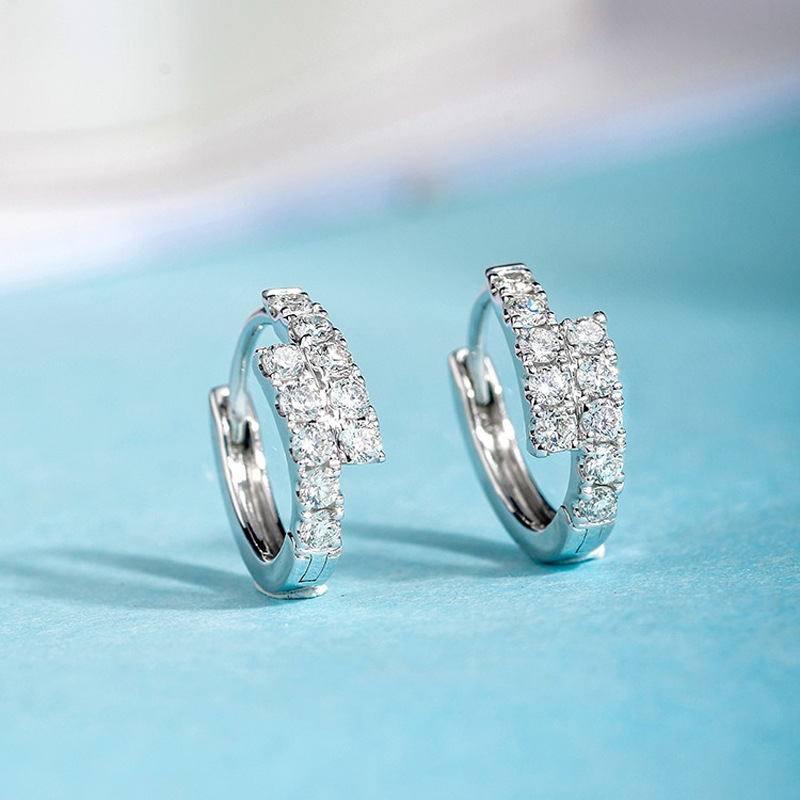
Small diamond earrings are typically 1–4mm accent stones set in 14k/18k gold or platinum, where the critical trade-off is natural vs. lab-grown diamond and prong vs. bezel setting. Durability comes down to metal karat and setting security: solid 14k+ gold with a bezel or reinforced prong outlasts plated brass or glued settings by years of daily wear.

Buying guide image
Wristwatches

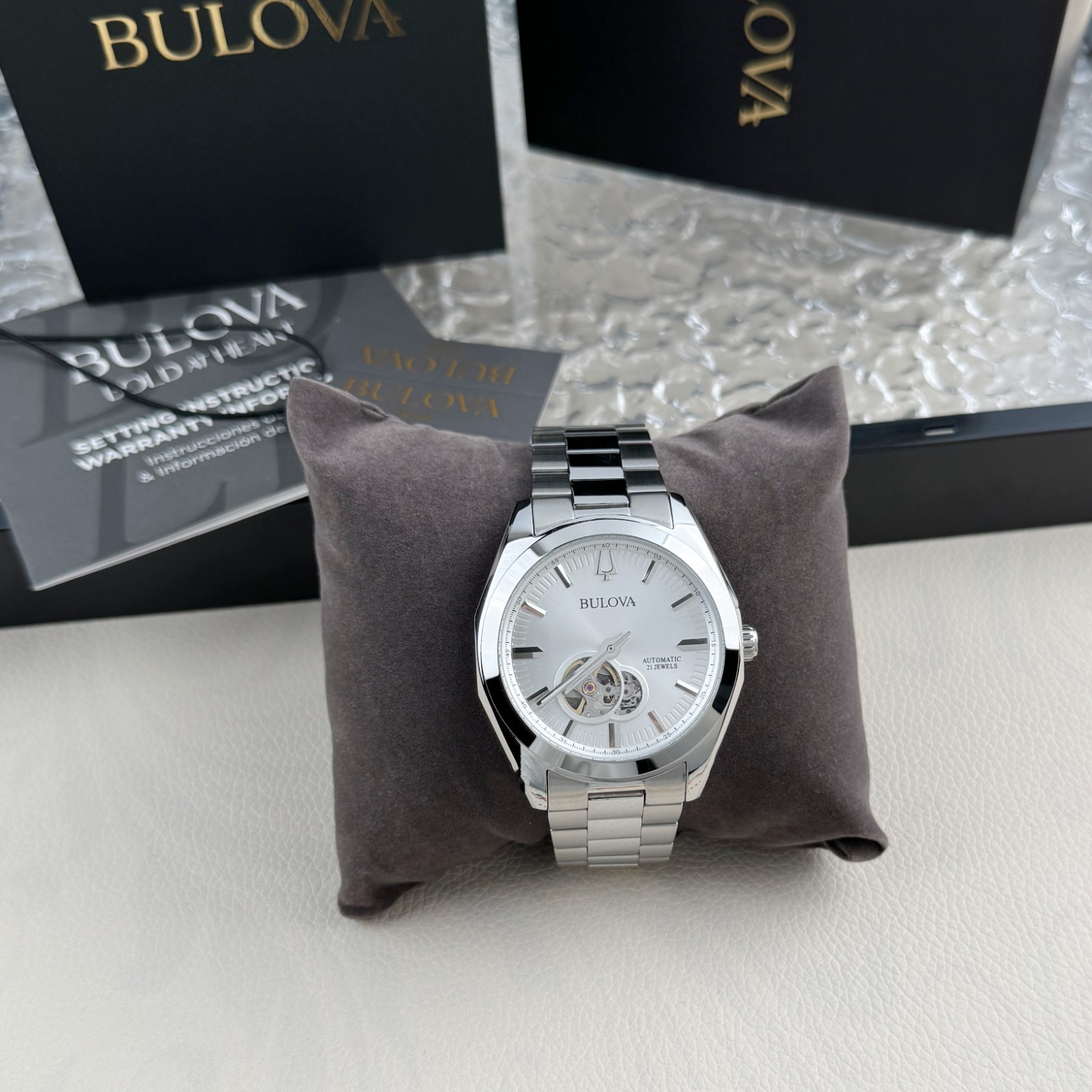
Bulova Automatic Watch

Bulova automatic watches are mechanical timepieces powered by a self-winding movement with a 42-hour power reserve, bridging entry-level accessibility and heritage design. The core trade-off is between the classic Surveyor line (dress/casual, 42mm) and the sportier Marine Star (44mm diver-style), with movement architecture and case finishing separating durable daily wearers from fragile compromises. Choose based on wrist size and water resistance needs: 42mm for under-7-inch wrists and office wear, 44mm for active use and larger wrists.

Buying guide image
Rings & Earrings

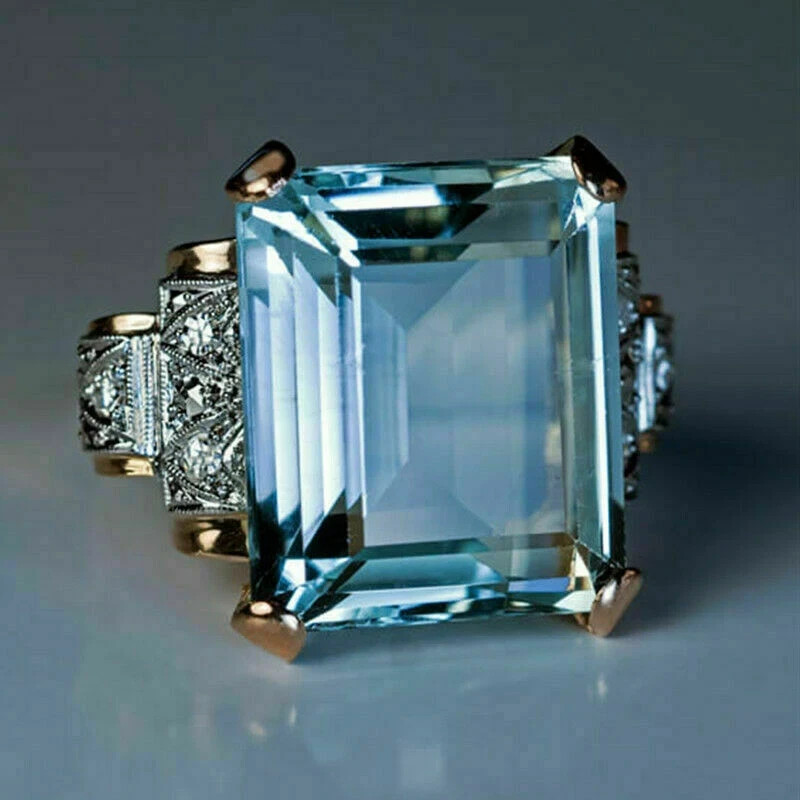
Rose Gold Ring

Rose gold rings are fashion and bridal bands made from copper-alloyed gold (typically 14K or 18K, ~58-75% gold) or copper-toned base metals with rose plating, where the core trade-off is solid karat gold's tarnish-proof durability versus plated brass or stainless steel that fades and discolors with wear. The decision rule: buy solid 14K/18K rose gold with a stamped purity mark for daily or bridal wear, and accept plated or PVD-coated base metal only for occasional fashion use at a fraction of the cost.

Buying guide image
Necklaces & Bracelets

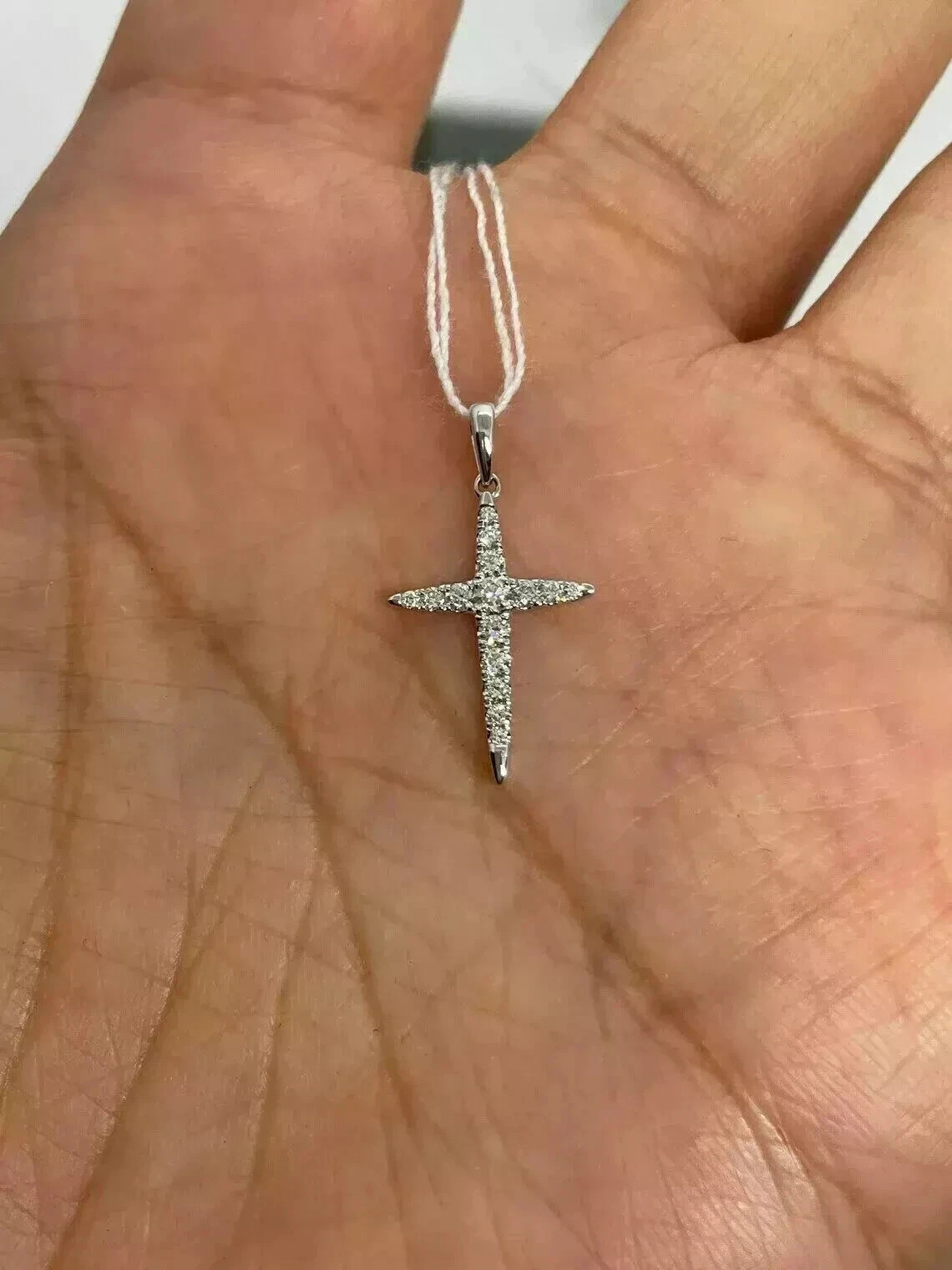
Small Cross Necklace

A small cross necklace is a delicate pendant on a chain, typically 14–18 inches in length, where the cross itself is under 1 inch tall. The primary trade-off is between solid precious-metal construction (14K/18K gold, sterling silver) that resists tarnish and wear, versus plated or vermeil finishes that look identical at purchase but degrade within months. The decision rule: buy solid gold or sterling silver if the piece will be worn daily or against skin; choose plated only for occasional, costume-style wear.

Buying guide image
Necklaces & Bracelets

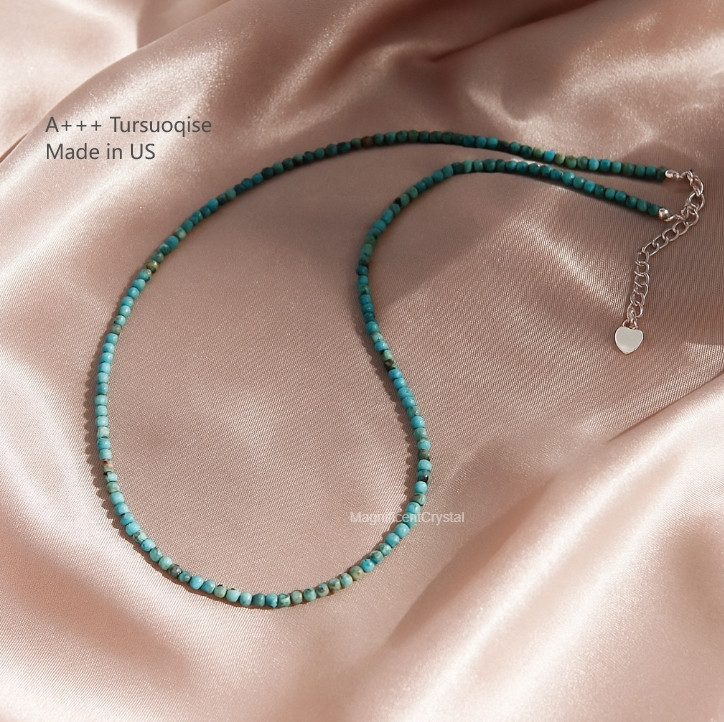
Stone Necklace

Stone necklaces span gemstone beads, carved pendants, crystal-cage cords, and mixed-stone vintage links, so the core trade-off is natural gemstone grade and metal durability versus dyed, resin-filled, or plated impostors. The decision rule is simple: buy solid 925 sterling silver or stainless-steel findings with natural, untreated stones for daily wear; accept plated brass and reconstituted stone only for occasional, short-wear fashion use.

You may also like

Finding more guides for you…