GemTempo

GemTempo

Jewelry & Watches Reviews & Buying Guides

Compare jewelry & watches by use case, features, trade-offs, price, returns, and seller terms before you buy.

Buying guides

Buying guide image
Jewelry Sets

Hoop Earring Set

A hoop earring set bundles multiple pairs in one purchase, typically ranging from 10mm to 70mm diameters in a single metal and finish. The primary trade-off is metal base and plating thickness: surgical steel or 14k gold-fill resists tarnish and skin reaction, while brass with thin flash plating degrades quickly. The decision rule is simple: buy sets that specify 316L stainless steel or 14k gold-fill with a stated plating thickness; skip any set that only says 'gold-tone' or 'hypoallergenic' without naming the base metal.
Buying guide image
Body Jewelry

Septum Jewelry

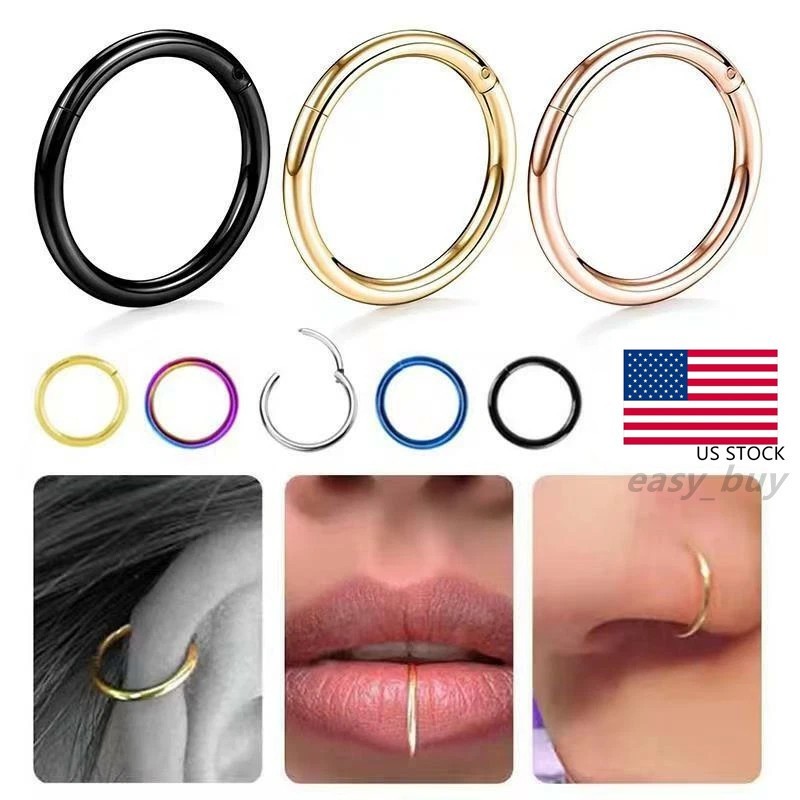
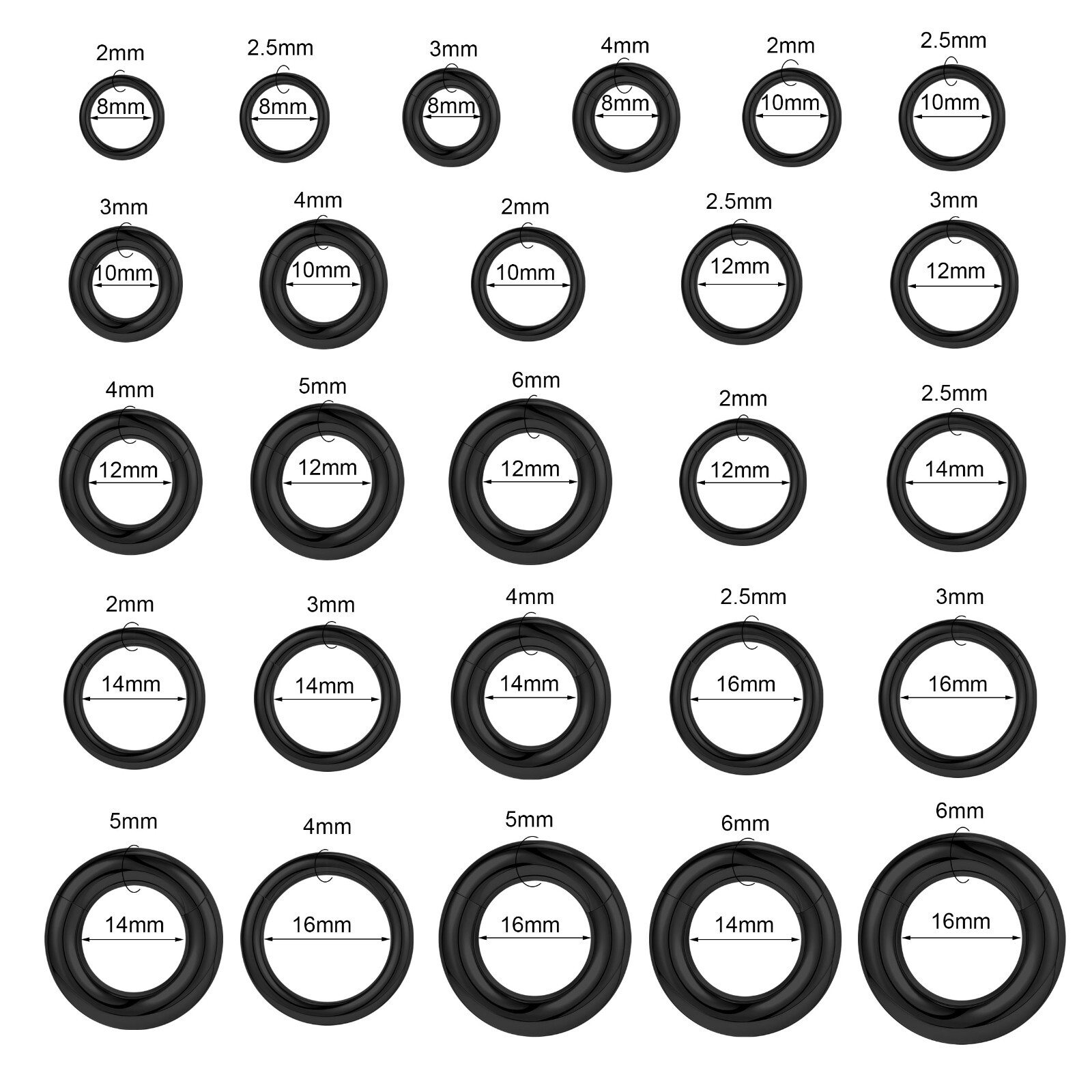
Septum jewelry is a body piercing category defined by gauge, diameter, and closure mechanism, where the primary trade-off is between implant-grade material safety and decorative cost. Durable options use ASTM F136 titanium or 316LVM steel with secure clicker or threadless mechanisms, while compromises rely on plated brass, acrylic, or friction-fit closures that corrode or loosen. The clear decision rule: for new or healing piercings, buy only implant-grade titanium with a smooth clicker or threadless pin; for fully healed, short-wear fashion pieces, lower-grade metals are acceptable but never for daily long-term wear.

Buying guide image
Necklaces & Bracelets

Rope Chain With Pendant

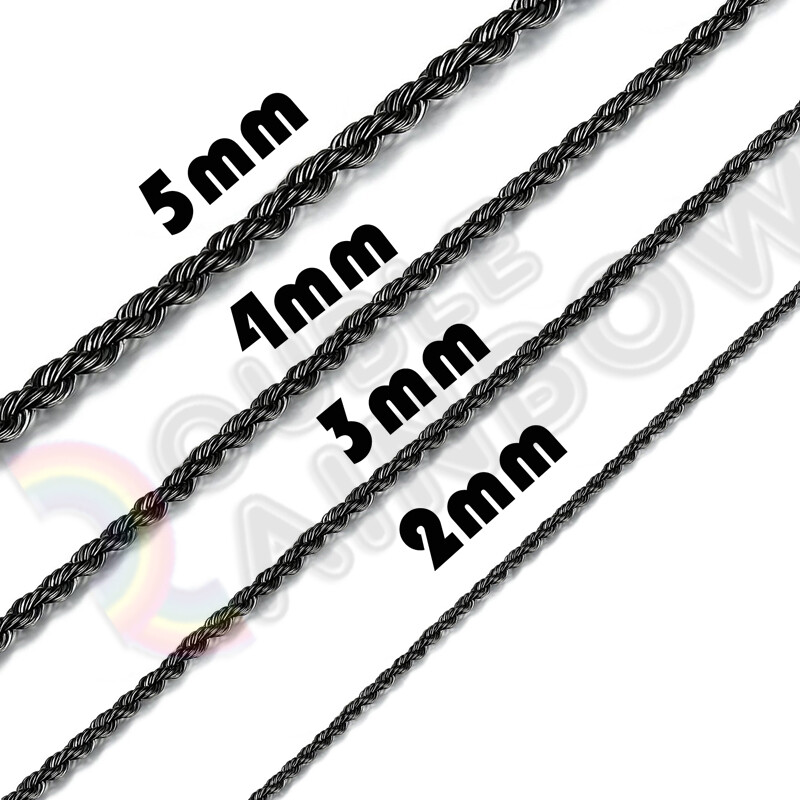
A rope chain with pendant is a twisted-link necklace or bracelet where the spiral construction creates a strong, light-catching base for a hanging charm. The primary trade-off is metal purity and link density versus cost: solid 925 sterling silver and 316L stainless steel hold up for daily wear, while copper and thin hollow links deform or tarnish quickly. The clear rule is to buy solid sterling silver or 316L stainless steel in the 2–4mm range for a pendant, and skip copper, plated brass, or hollow rope under 2mm.

Buying guide image
Wristwatches

Watches Nurses

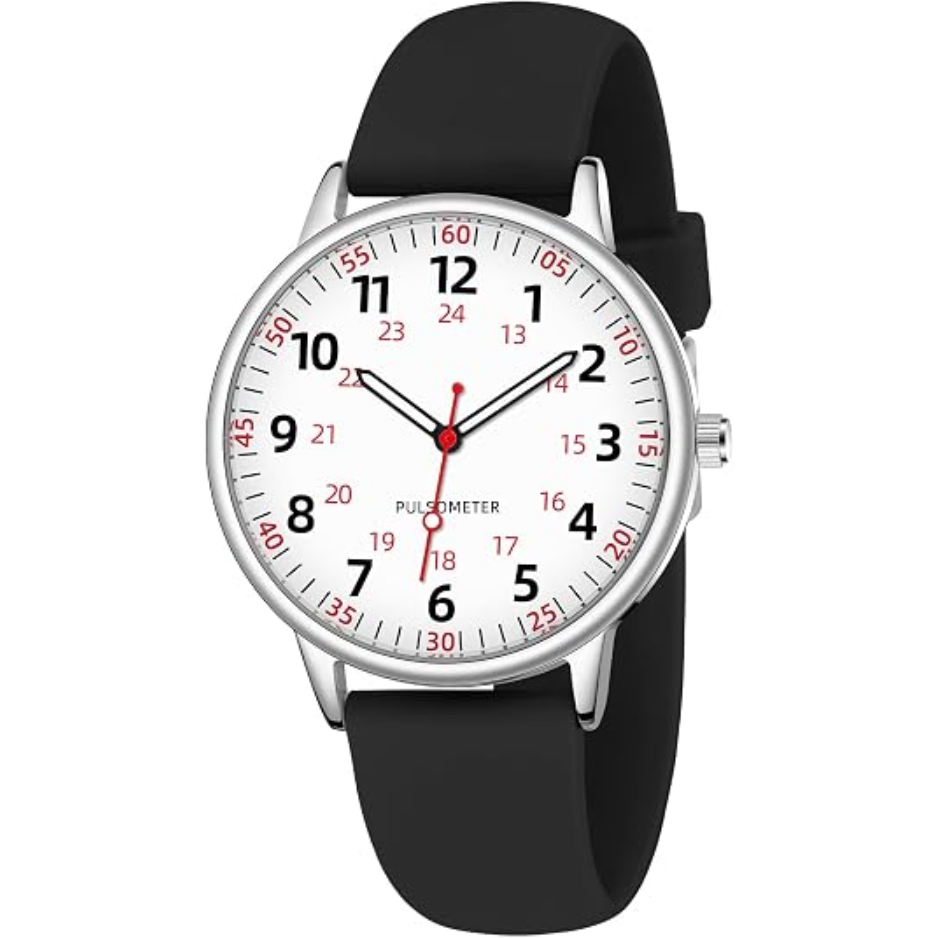
Nurse watches are shift-proof timepieces built for 12-hour clinical wear: they must survive handwashing, sanitizer, and fluids while keeping a legible second hand for pulse and respiration counts. The core trade-off is analog sweep-second clarity versus digital timer convenience, and the decision rule is simple: buy a watch with a stainless steel case and at least 3 ATM water resistance, or accept rapid failure from moisture ingress.

Buying guide image
Brooches & Lapel Pins

Rhinestone Brooch

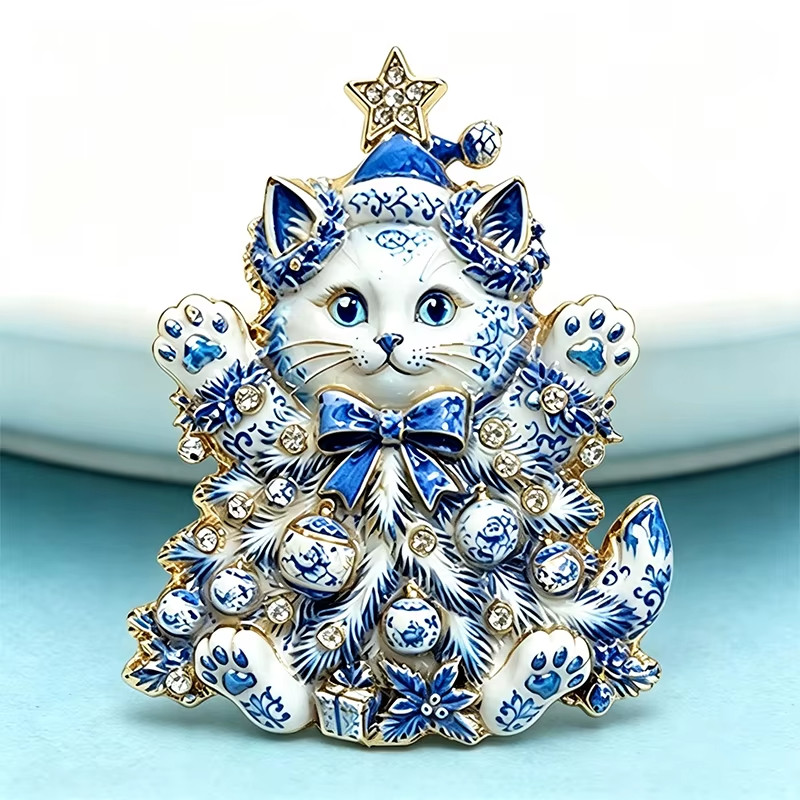
Rhinestone brooches are decorative lapel pins set with faceted glass or acrylic stones, where durability hinges on stone-setting method and base-metal quality rather than stone count. The key trade-off is prong-set glass on gold-plated brass (heirloom-capable) versus glue-set acrylic on pot metal (costume-grade, prone to yellowing and stone loss). Choose prong-set glass on plated brass for longevity; accept glue-set acrylic only for occasional, short-wear costume use.

Buying guide image
Body Jewelry

Nose Ring With Back

A nose ring with back is a body-piercing retainer or hoop that adds a secure backing element—often a hinged segment, flat disk, or screw-on ball—to prevent the jewelry from slipping out of the nostril. The core trade-off is between secure retention and comfort: backing mechanisms add safety but can snag or irritate if the gauge, diameter, or material finish is wrong. The decision rule is simple: pick implant-grade titanium or surgical steel with a smooth, seamlessly closing mechanism for fresh or sensitive piercings, and only choose decorative backings or larger gauges once the piercing is fully healed.

Buying guide image
Body Jewelry

Silver Belly Ring

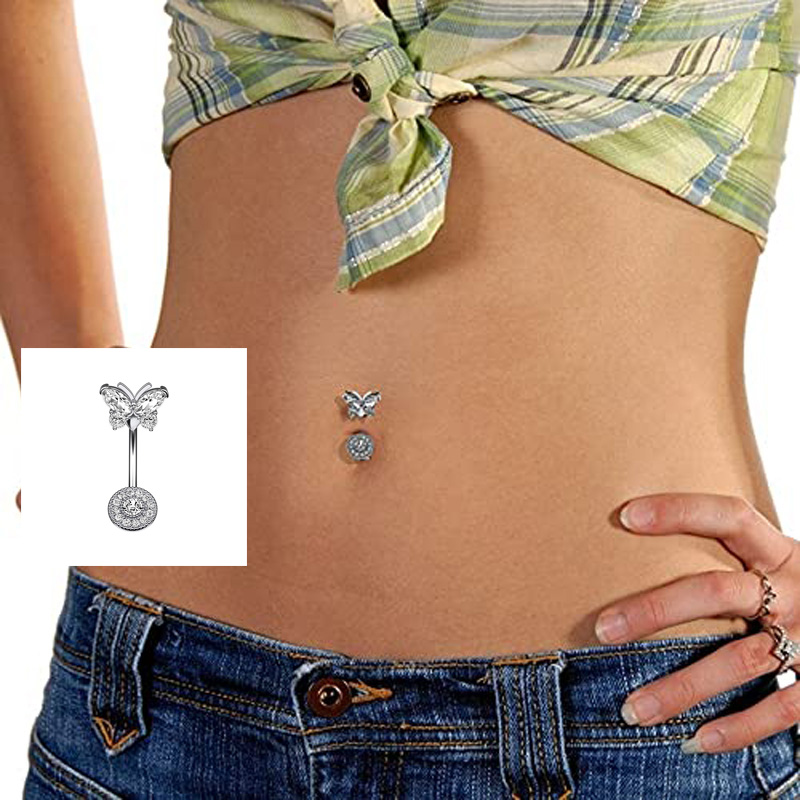
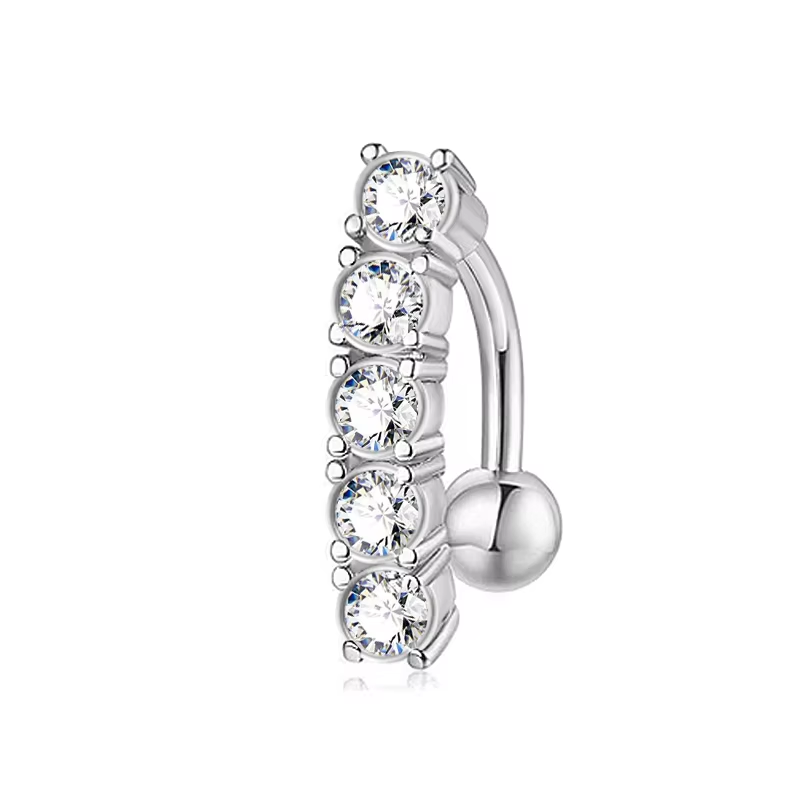
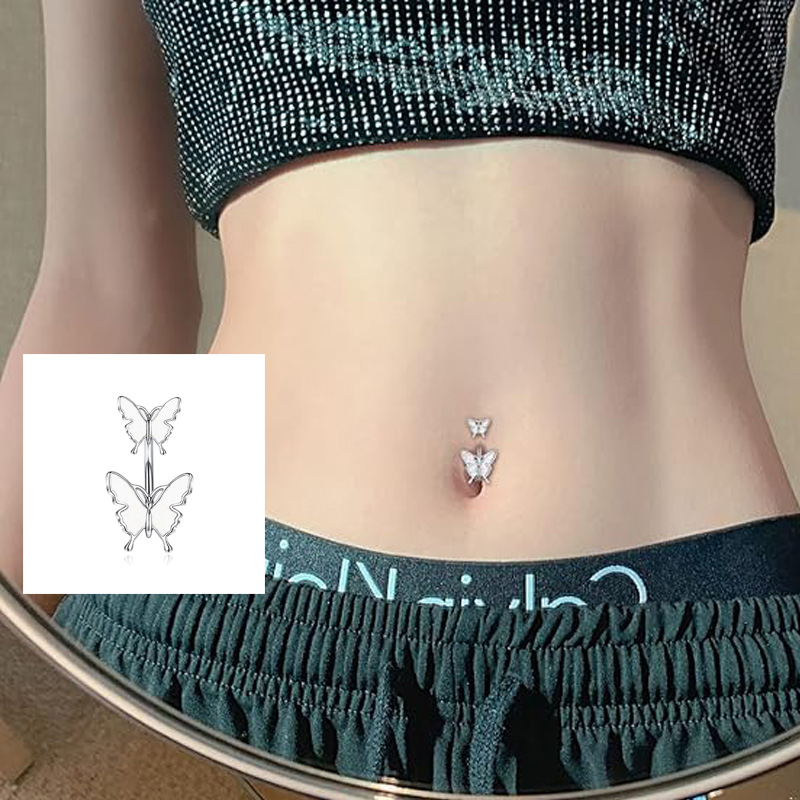
A silver belly ring is a navel piercing curved barbell or navel curve made from silver-toned metals, where the critical trade-off is between implant-grade steel or titanium (skin-safe, durable) and fashion alloys or plastic (prone to tarnish, flaking, and irritation). Buy 316L surgical steel or ASTM F136 titanium for healing and everyday wear; choose silver-plated brass or acrylic only for temporary, fully healed piercings.

Buying guide image
Body Jewelry

Surgical Steel Body Jewelry

Surgical steel body jewelry is 316L (or 316LVM) implant-grade stainless steel used for piercings, valued for corrosion resistance and affordability over titanium or solid gold. The core trade-off is alloy grade and surface finish: 316L resists body fluids but is not nickel-free, while cheaper 304 or mystery steel causes irritation and pitting. Choose mill-certified 316L with a mirror-polished finish for fresh piercings, and accept only 316L for long-wear; anything labeled merely "surgical steel" without grade is a compromise.

Buying guide image
Body Jewelry

Surgical Steel Piercing Jewelry

Surgical steel piercing jewelry is 316L or 316LVM stainless steel body jewelry used for fresh and healed piercings, valued for corrosion resistance, low nickel release, and affordability. The core trade-off is between implant-grade 316LVM (ASTM F138) and generic 'surgical steel' that may be 304 or unverified alloy with higher nickel leach. Buy only when the listing states 316L/316LVM grade and the gauge matches your piercing; skip ungraded 'surgical steel' for fresh piercings.

Buying guide image
Watch Accessories

Casio Watch Band

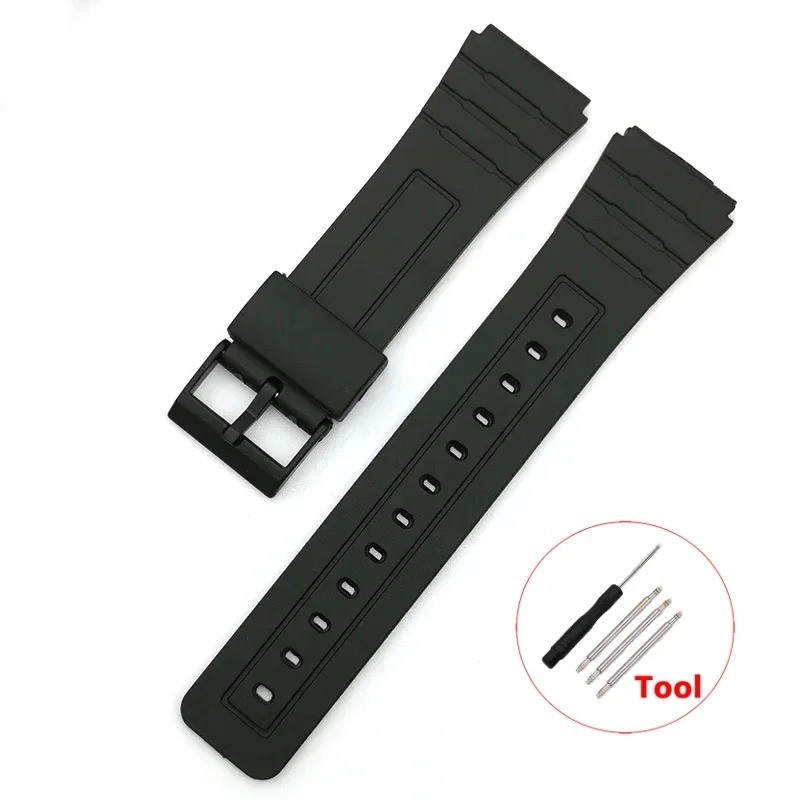
Casio watch bands are replacement straps engineered to match specific case lug widths, spring-bar mounts, and model families—not universal fits. The core trade-off is between genuine Casio resin/steel bands built to exact lug geometry and generic straps that may fit the width but miss the lug contour or spring-bar depth. The decision rule: match the exact Casio module/family and lug width (18mm, 20mm, 22mm) and band-mount type; skip any listing that only states 'fits Casio' without a model list.

Buying guide image
Rings & Earrings

Bridal Set Engagement Ring

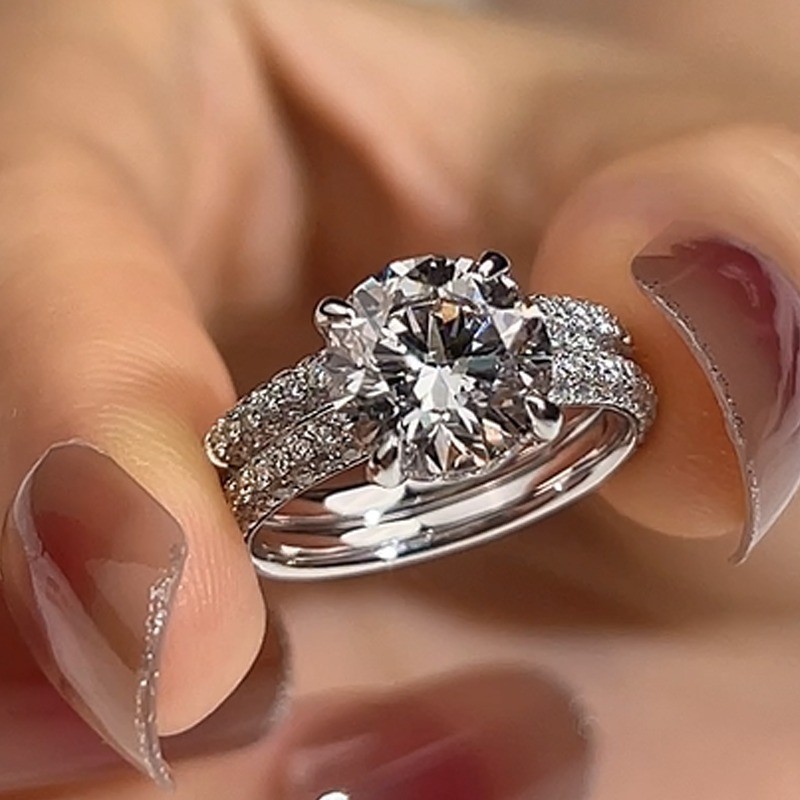
A bridal set engagement ring pairs an engagement ring with a matching wedding band, sold as a coordinated unit. The primary trade-off is between solid precious-metal construction with certified stones and plated base-metal builds with simulant stones. The decision rule: buy solid 14k–18k gold or platinum with a GIA/IGI-certified center stone for a lifelong set; choose plated sterling or brass with moissanite or CZ only for temporary or budget wear.

Buying guide image
Rings & Earrings

Lab Created Diamond Engagement Ring

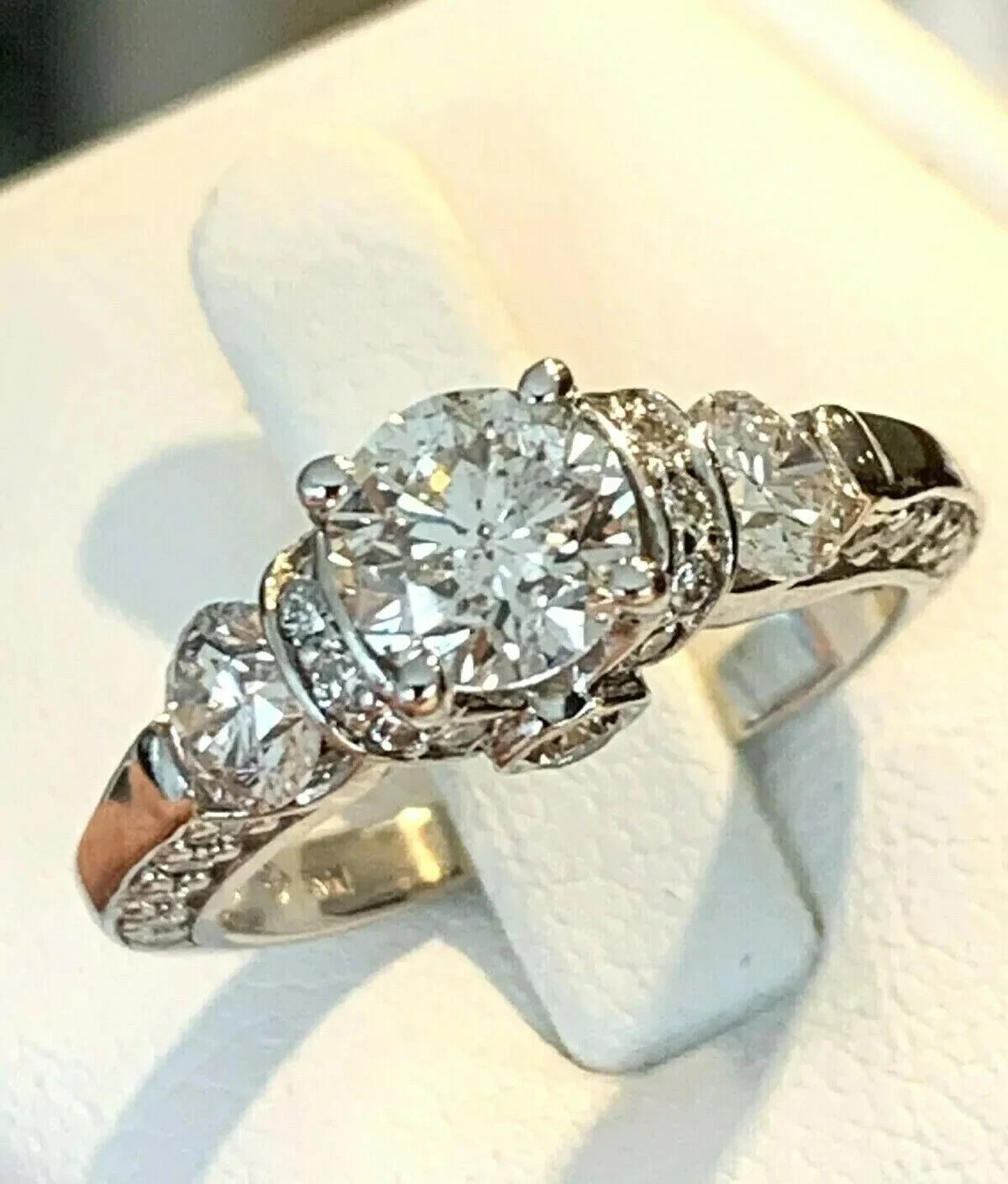
Lab created diamond engagement rings use stones grown in a lab with identical optical and physical properties to mined diamonds, letting buyers prioritize cut quality and metal purity over scarcity premiums. The core trade-off is between genuine solid precious metal (14K/18K gold or platinum) and plated or gold-filled bases that wear through within months, and between IGI/GIA-certified stones and uncertified imports. The decision rule: if the band is not stamped 14K, 18K, or PT950 and the center stone lacks an independent lab report, treat it as costume jewelry rather than an engagement ring.

Buying guide image
Loose Gemstones & Pearls

Green Fire Opal

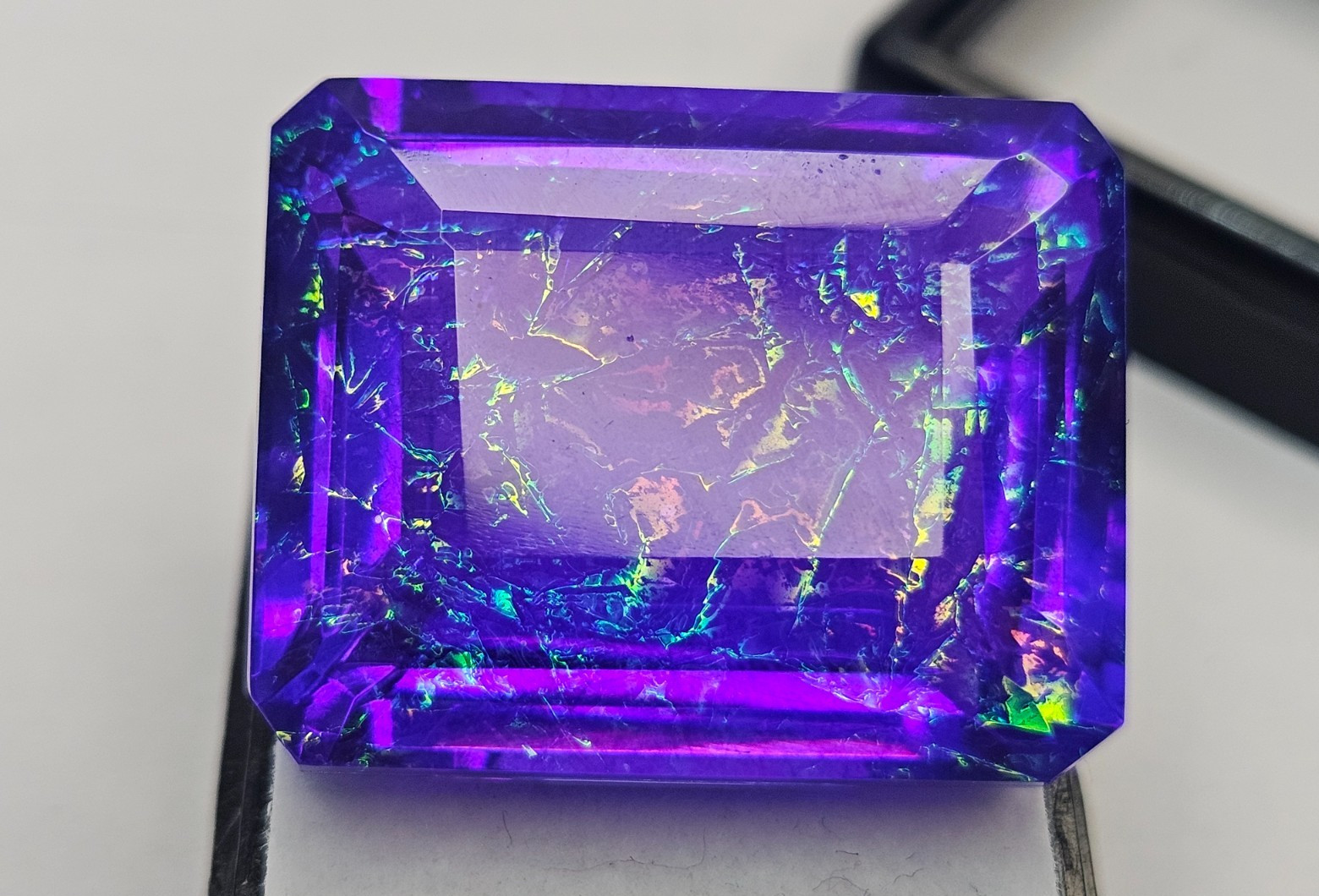
Green fire opal is a play-of-color gemstone prized for its neon green flashes against a dark body tone, with durability and value driven by whether it is solid natural opal, a doublet, or a triplet. The core trade-off is between vivid directional fire in assembled stones and the crack-resistant integrity of solid Australian material. Buy solid Lightning Ridge or Mintabie opal with a stable body tone for longevity; treat doublets and triplets as fashion stones with a glued interface that can delaminate.

Buying guide image
Body Jewelry

Opal Belly Button Ring

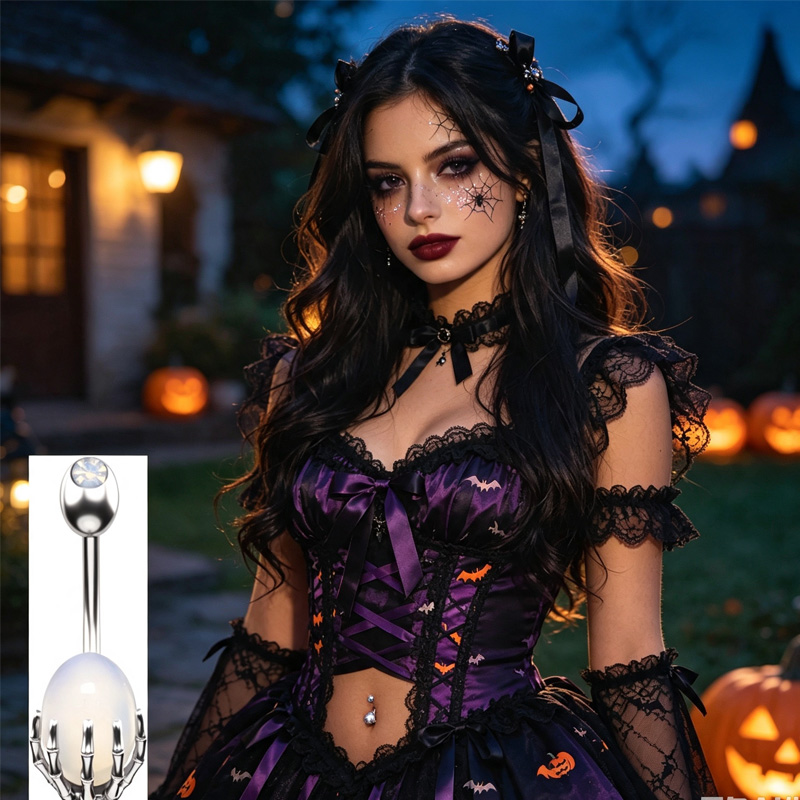
An opal belly button ring is a curved barbell navel piercing whose decorative top features a synthetic or lab-created opal cabochon, typically mounted in 316L stainless steel or implant-grade titanium. The core trade-off is stone security and metal biocompatibility: prong-set opals in plated brass lose stones and corrode, while bezel-set opals in 316L steel or ASTMF-136 titanium survive daily wear. Choose bezel-set, 14G, internally threaded or press-fit titanium for healed piercings; skip prong-set fashion pieces for anything but short-term costume use.

Buying guide image
Body Jewelry

Pearl Belly Button Ring

Pearl belly button rings pair a decorative pearl element with a navel barbell or curved barbell, so the real decision is whether the pearl is a durable, body-safe component or a glued-on plastic bead that will discolor or detach. Prioritize implant-grade titanium or 316L stainless steel for the shaft and a securely set or epoxy-sealed pearl; avoid unsealed fashion pearls on plated or mystery-metal posts.

Buying guide image
Rings & Earrings

Gold Hoop Earring Set

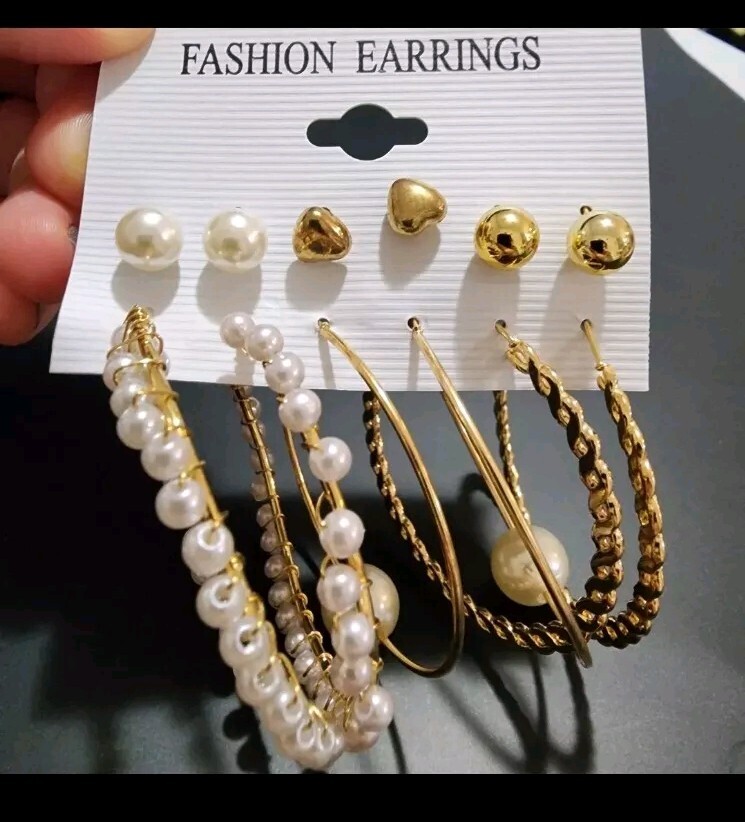
A gold hoop earring set bundles multiple pairs—typically huggies, small hoops, and studs—so buyers face a clear trade-off between gold-tone fashion plating (cheap, tarnishes) and solid stainless-steel cores with 14K gold plating (durable, hypoallergenic). The decision rule: buy 316L stainless steel with ≥0.5-micron 14K plating for daily wear and sensitive ears; skip brass or nickel alloys with unspecified 'gold tone' if you want a set that survives sweat, showers, and months of wear.

Buying guide image
Necklaces & Bracelets

Gold Cross Charm

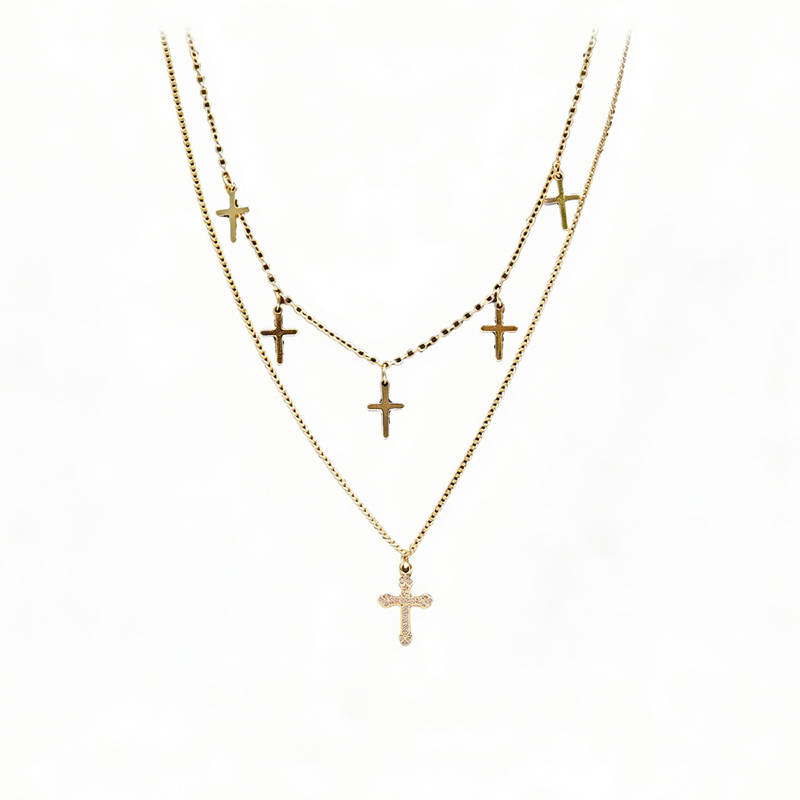
A gold cross charm is a pendant-only or pendant-and-chain jewelry piece where the cross is the focal element; the primary trade-off is between solid gold (14k/18k/24k) and gold-plated or gold-filled base metals, which determines tarnish resistance, skin safety, and lifespan. Buy solid gold for daily wear and heirloom use, gold-filled for sensitive-skin daily wear at moderate cost, and gold-plated or PVD stainless steel only for occasional fashion wear.

Buying guide image
Wristwatches

Ladies Watches

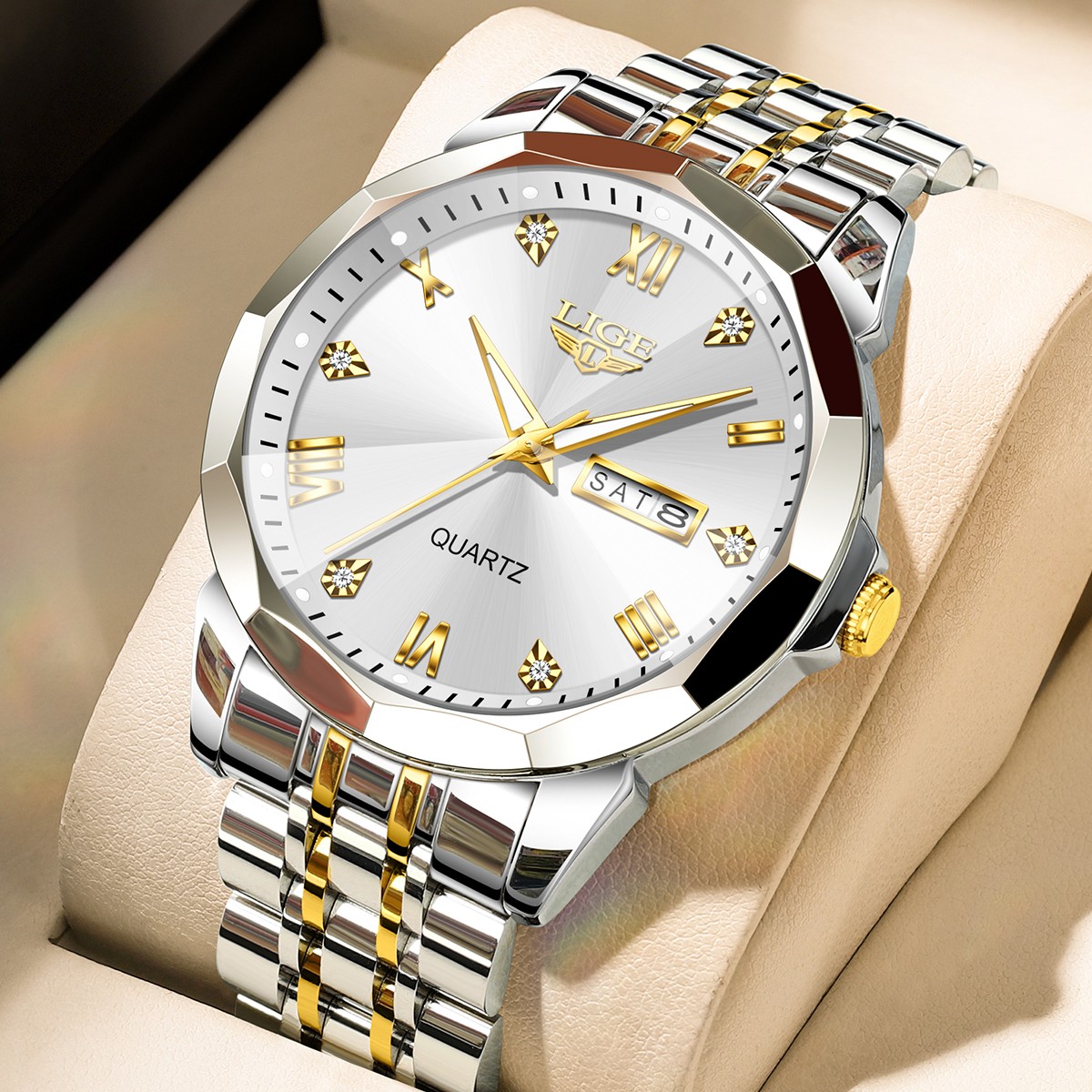
Ladies watches span quartz fashion pieces to mechanical dress watches, where the core trade-off is movement quality and case material versus decorative styling. A durable choice uses a Japanese quartz or mechanical movement in solid stainless steel with 3 ATM or better water resistance; compromises use plated base-metal cases, mineral glass, and unbranded movements that fail within a season.

Buying guide image
Body Jewelry

Stainless Steel Body Jewelry

Stainless steel body jewelry covers piercing hardware from 316L surgical-steel nostril studs to 316LVM implant-grade barbells and navel rings. The core trade-off is alloy grade and finish quality: 316L resists corrosion for healed piercings, while 316LVM or titanium is required for fresh piercings and nickel-sensitive skin. The decision rule is simple: buy 316L or better for healed piercings, and skip any unmarked 'surgical steel' listing that does not state the alloy.

Buying guide image
Watch Accessories

Automatic Watch Box

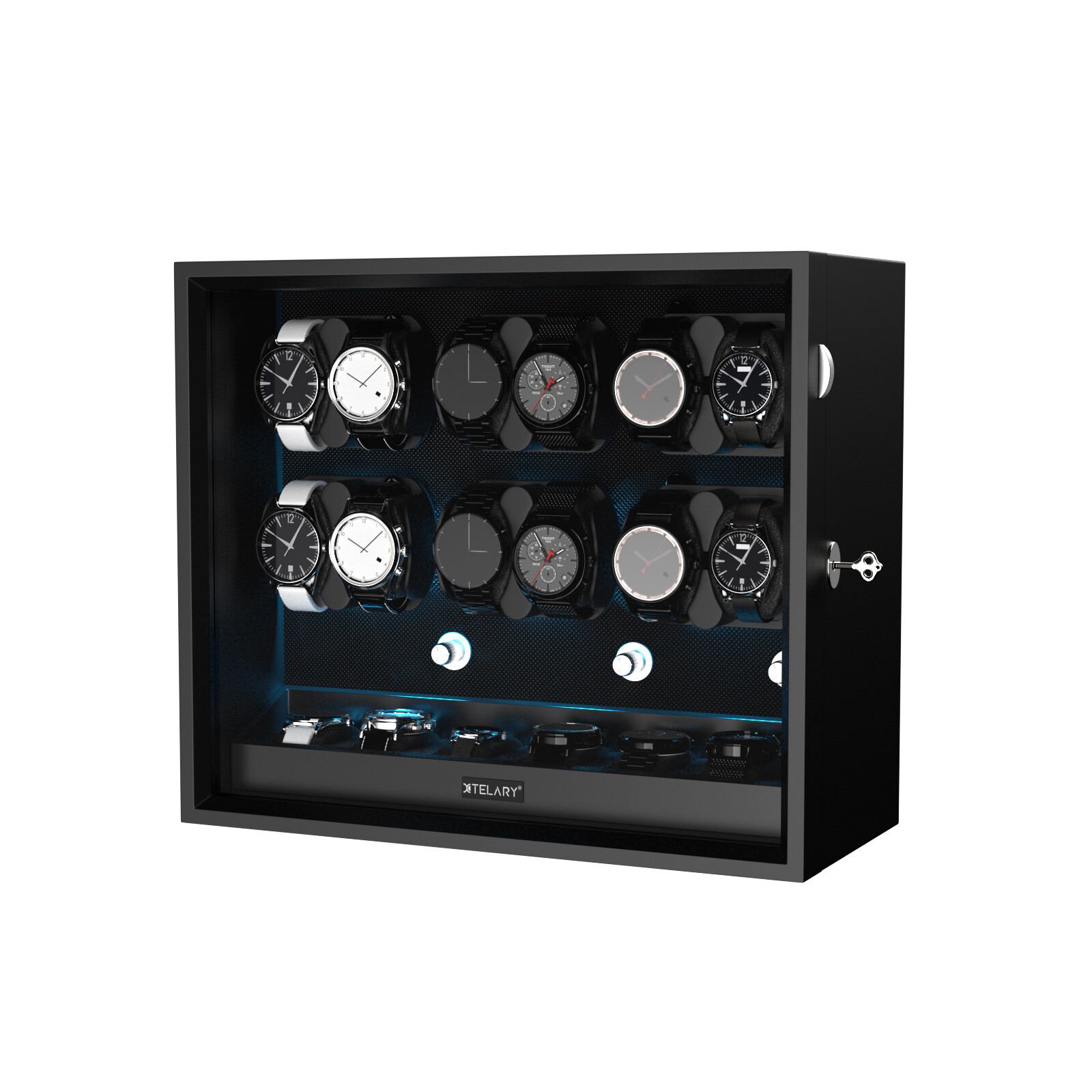
An automatic watch box is a motorized winding storage case that keeps self-winding watches running when not on the wrist, using either programmable rotation schedules or continuous slow-turn rotors. The core trade-off is between a quiet, programmable Japanese or Swiss motor module with adjustable turns-per-day (TPD) direction control, versus a fixed-speed, noisy, or underpowered motor that can magnetize or overwind a movement. The clear decision rule: buy only a box with selectable TPD and bidirectional rotation plus a shielded motor; skip any fixed single-direction or 'always-on' spinner that offers no cycle control.

You may also like

Finding more guides for you…