GemTempo

GemTempo

Jewelry & Watches Reviews & Buying Guides

Compare jewelry & watches by use case, features, trade-offs, price, returns, and seller terms before you buy.

Buying guides

Buying guide image
Rings & Earrings

Men Diamond Ring

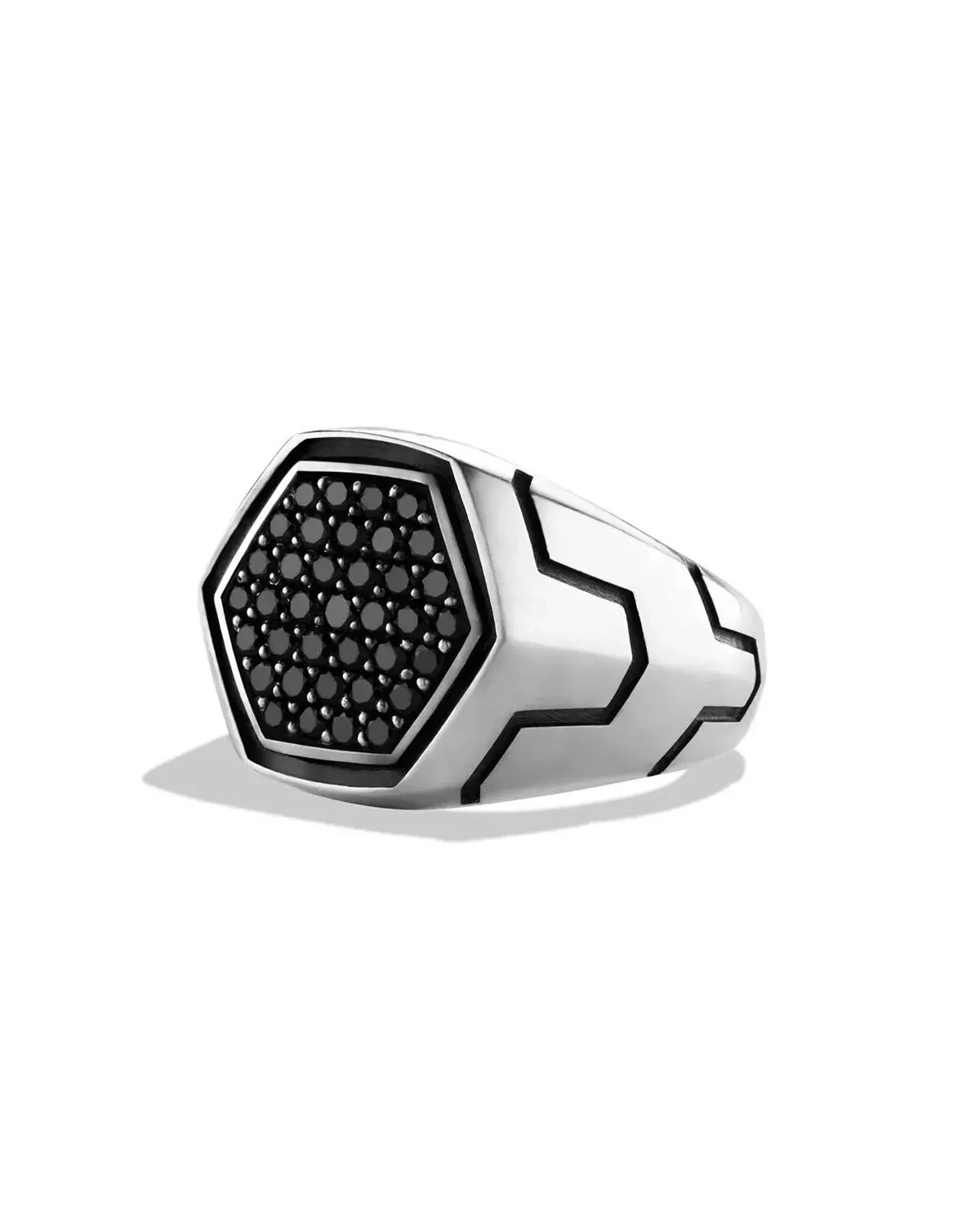
A men's diamond ring is a piece of jewelry defined by three core choices: diamond origin (natural, lab-grown, or simulant), metal durability (solid gold, gold-plated, or alternative metals), and setting style (bezel, prong, or channel). The primary trade-off is between genuine diamond value and everyday toughness—plated base metals and prong settings look sharp but fail under daily wear, while solid gold with bezel-set stones survives years of hand work. The clear decision rule: buy solid 10K–18K gold or platinum with a bezel or channel setting for daily wear, and treat plated or simulant rings as occasional-wear only.
Buying guide image
Wristwatches

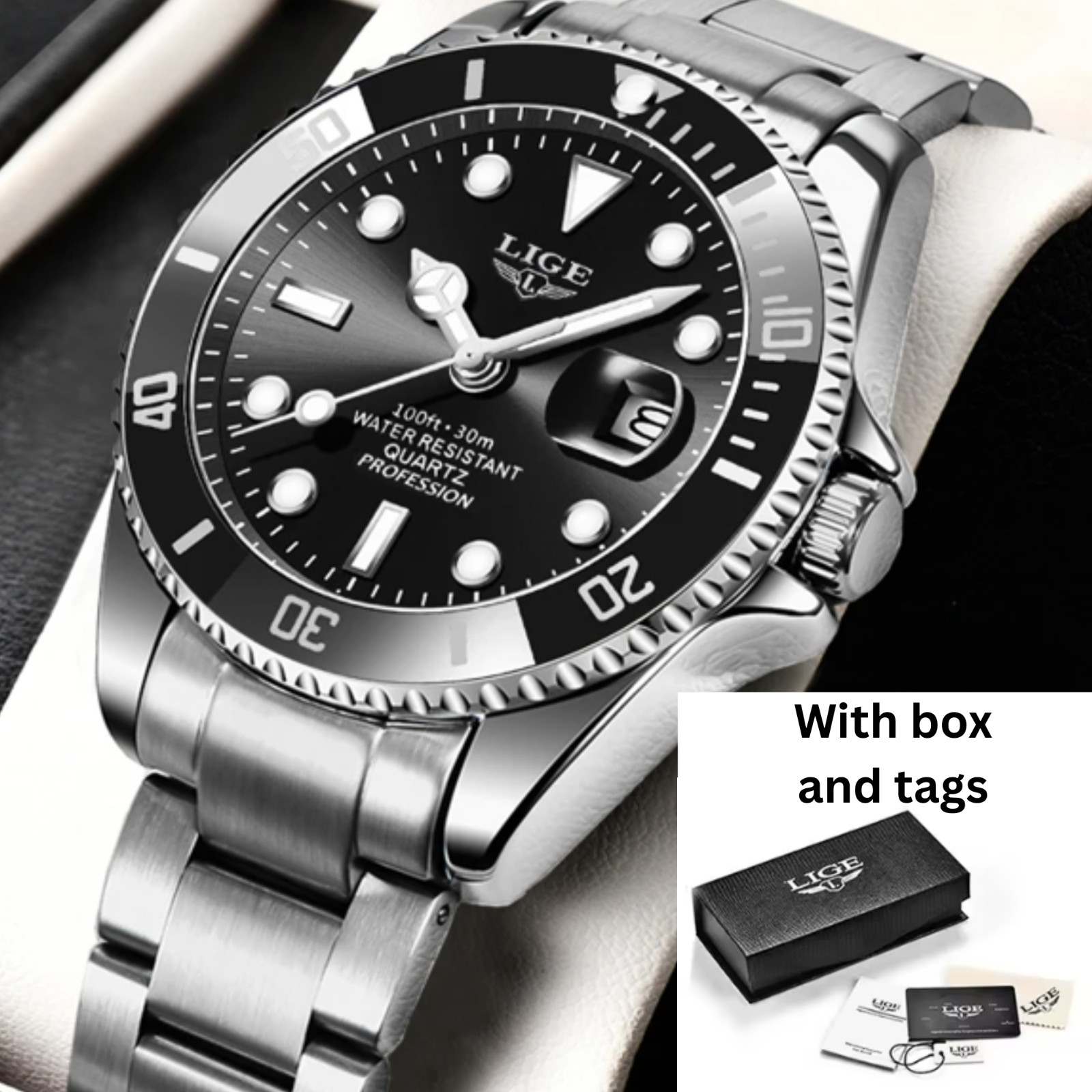
Ladies Silver Watch

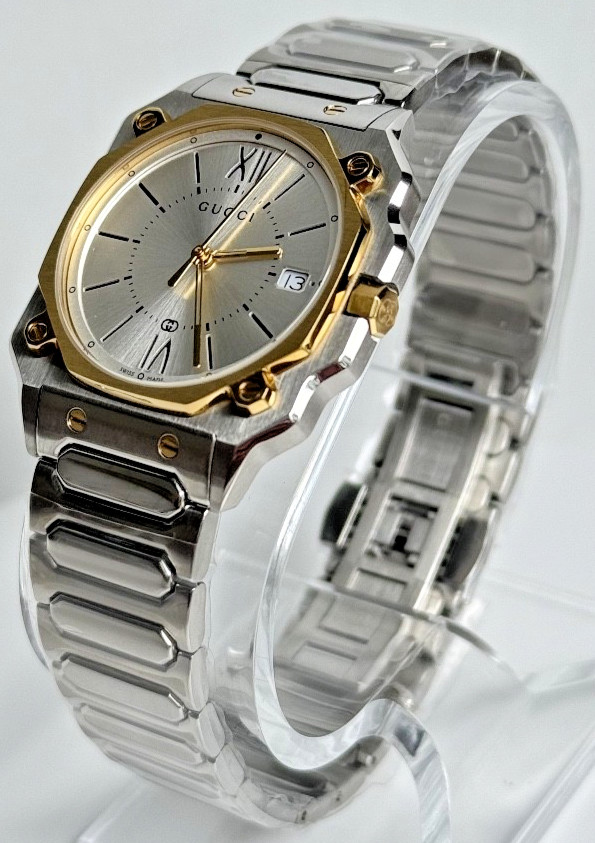
A silver women's watch is defined by its case and bracelet metal (stainless steel, silver-tone alloy, or precious platinum) and its movement type (quartz vs automatic). The core trade-off is quartz accuracy and low maintenance versus mechanical craftsmanship and higher service cost, plus steel vs plated-alloy durability. Choose solid stainless steel or platinum with a named quartz/automatic caliber for longevity; skip plated base-metal cases and unbranded movements if you want a daily-wear piece.

Buying guide image
Wristwatches

Silver Womens Watch

Ladies silver watches span quartz dress pieces to kinetic and luxury fashion models, where the core trade-off is case/bracelet finishing and movement serviceability versus price. The decisive rule: buy stainless steel cases with sapphire or hardened mineral crystals and known quartz or kinetic movements; skip plated-base-metal cases and unlined fashion alloys that pit and fade.

Buying guide image
Wristwatches

Vintage Womens Watches

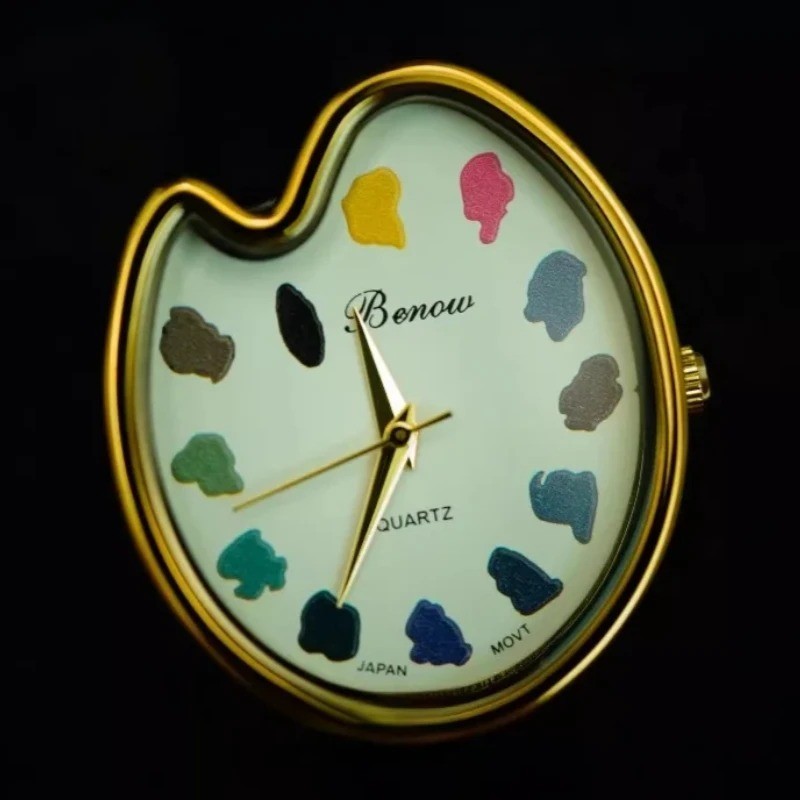
Vintage women's watches span original mid-century mechanical pieces to modern quartz retro-styled recreations, and the primary trade-off is authenticity and serviceability versus hassle-free modern reliability. True vintage watches use manual or automatic movements with acrylic crystals and base-metal or gold-filled cases, while 'vintage-style' new watches are quartz-driven fashion pieces. The decision rule: if you want a genuine heirloom, buy a running mechanical piece with a signed movement and service history; if you want a retro look with zero maintenance, buy a modern quartz retro watch.

Buying guide image
Watch Accessories

Automatic Watch Winder Box

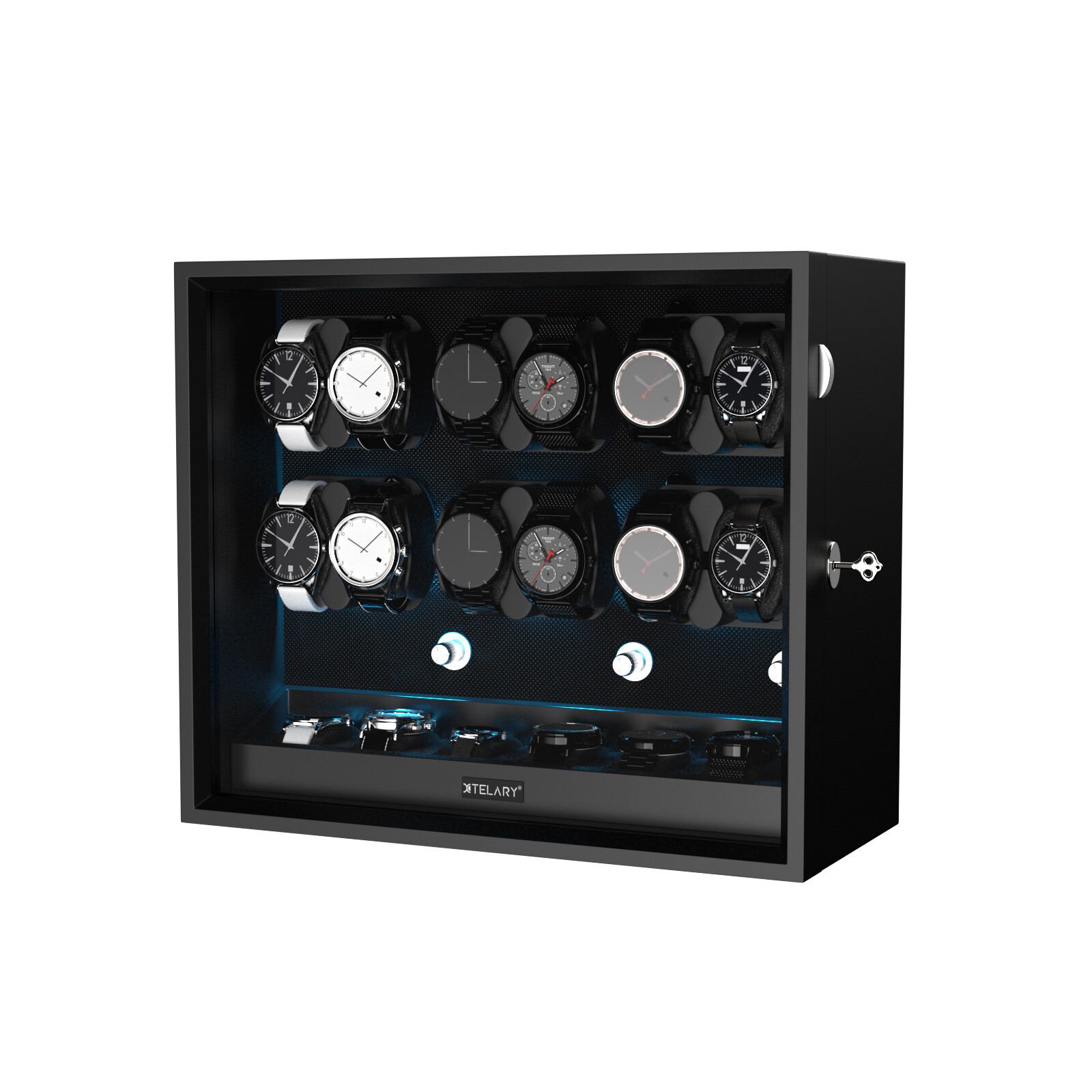
An automatic watch winder box is a motorized storage case that rotates automatic watches to maintain their mainspring tension and complications. The core trade-off is between cheap constant-rotation motors that wear movements and programmable, magnetically shielded winders with adjustable turns-per-day (TPD) and direction settings. Choose a winder with a Japanese or Swiss motor, independent programmable settings per bay, and documented magnetic shielding; skip any box that only offers on/off rotation.

Buying guide image
Rings & Earrings

Tungsten Ring

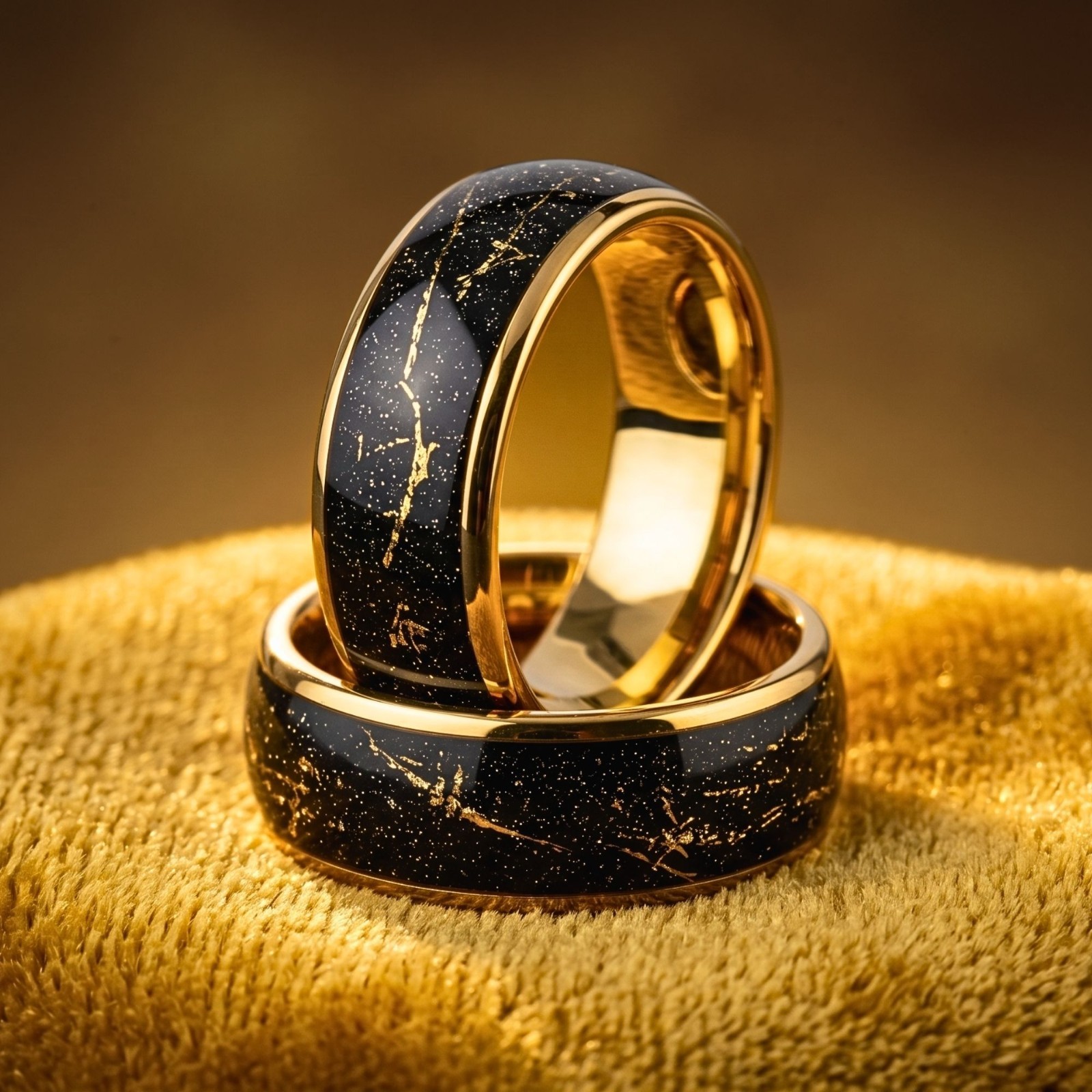
Tungsten rings are dense, scratch-resistant wedding bands made from tungsten carbide, prized for their permanent polish and heft, but their extreme hardness makes them brittle and prone to shattering under impact. The primary trade-off is between tungsten carbide (hard, scratch-proof, but can crack) and softer metals like titanium or gold (flexible but scratch-prone). The clear decision rule: choose tungsten for scratch resistance and weight in a low-impact daily-wear context, but skip it for heavy manual labor or finger-safety-critical environments where a shatter-resistant metal is safer.

Buying guide image
Necklaces & Bracelets

18k Chain

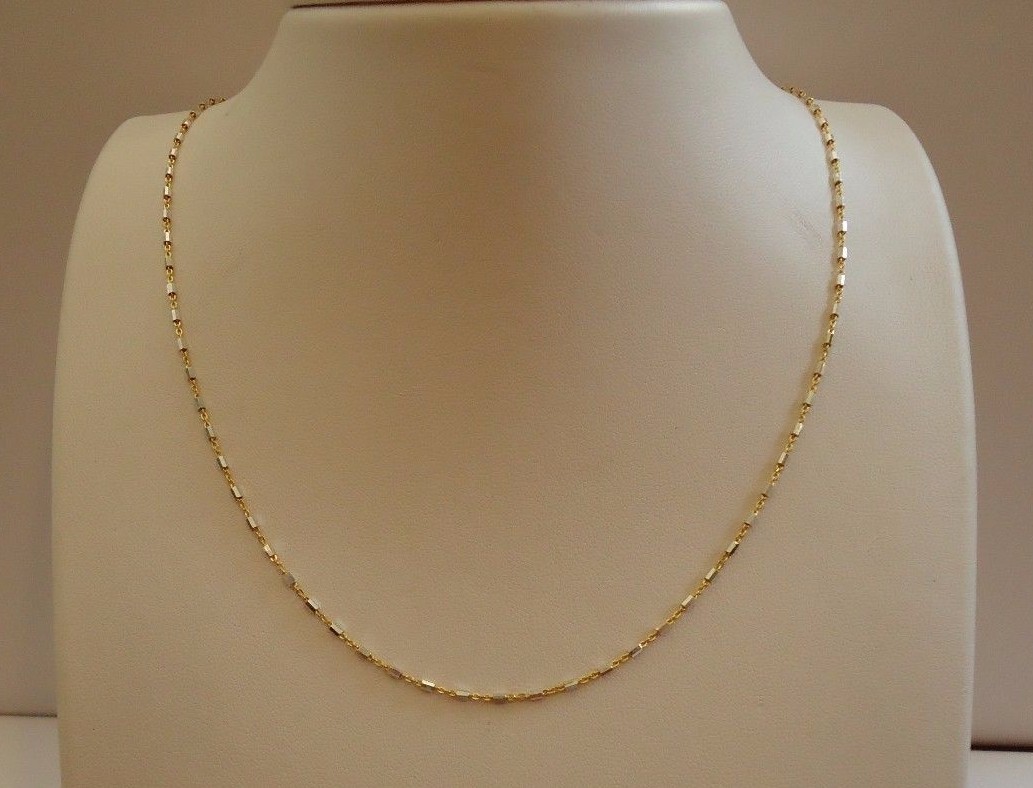
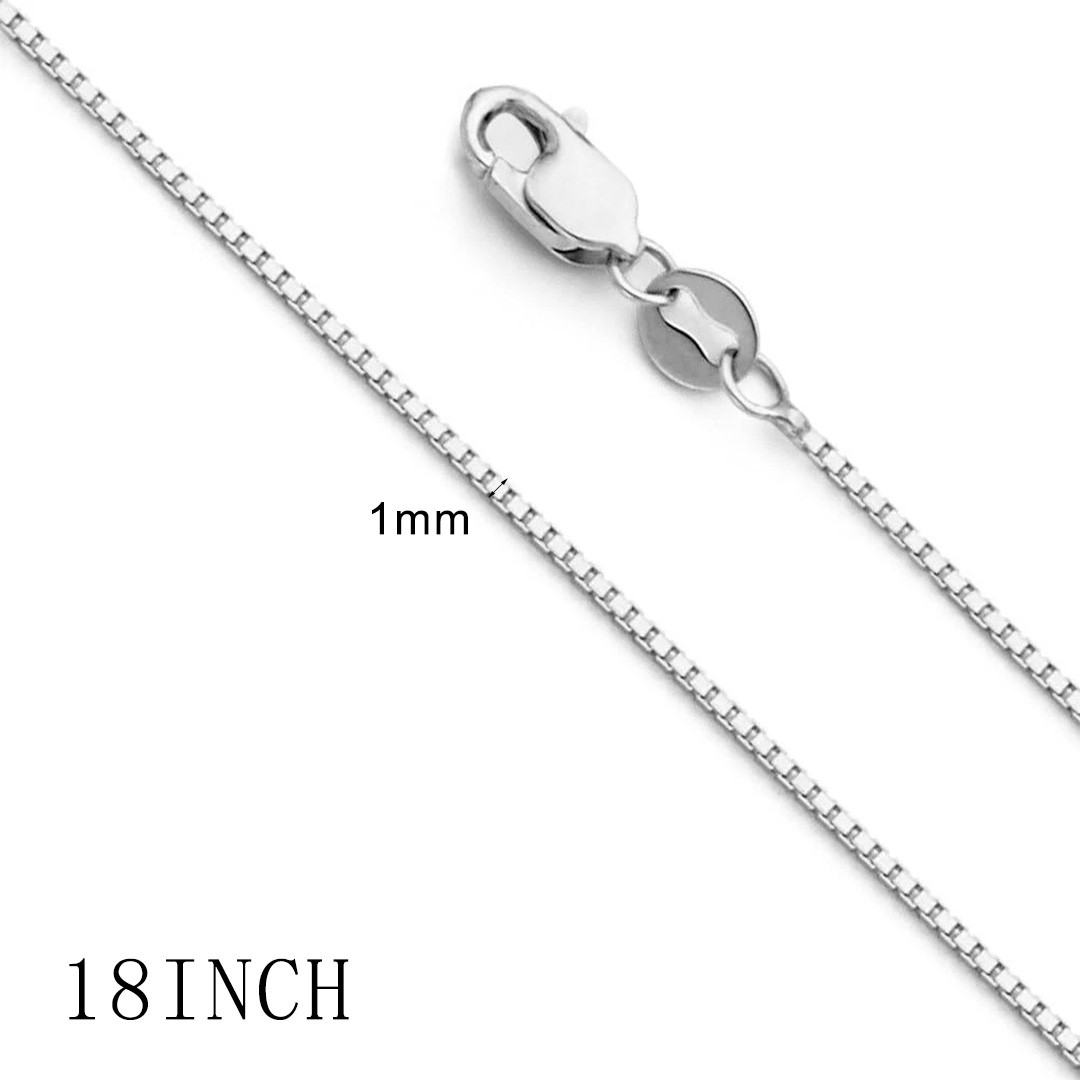
18k gold chains range from solid precious-metal heirlooms to gold-plated stainless fashion pieces, and the core trade-off is gold purity/durability versus cost and tarnish resistance. Solid 18k (75% gold) resists wear and holds value, while 18k-plated 316L steel offers waterproof daily wear at a fraction of the price. The decision rule: buy solid 18k for investment and lifetime wear, choose PVD or thick 18k plating over 316L steel for active everyday use, and avoid thin flash-plated brass that fades within months.

Buying guide image
Necklaces & Bracelets

Kate Spade Bracelet

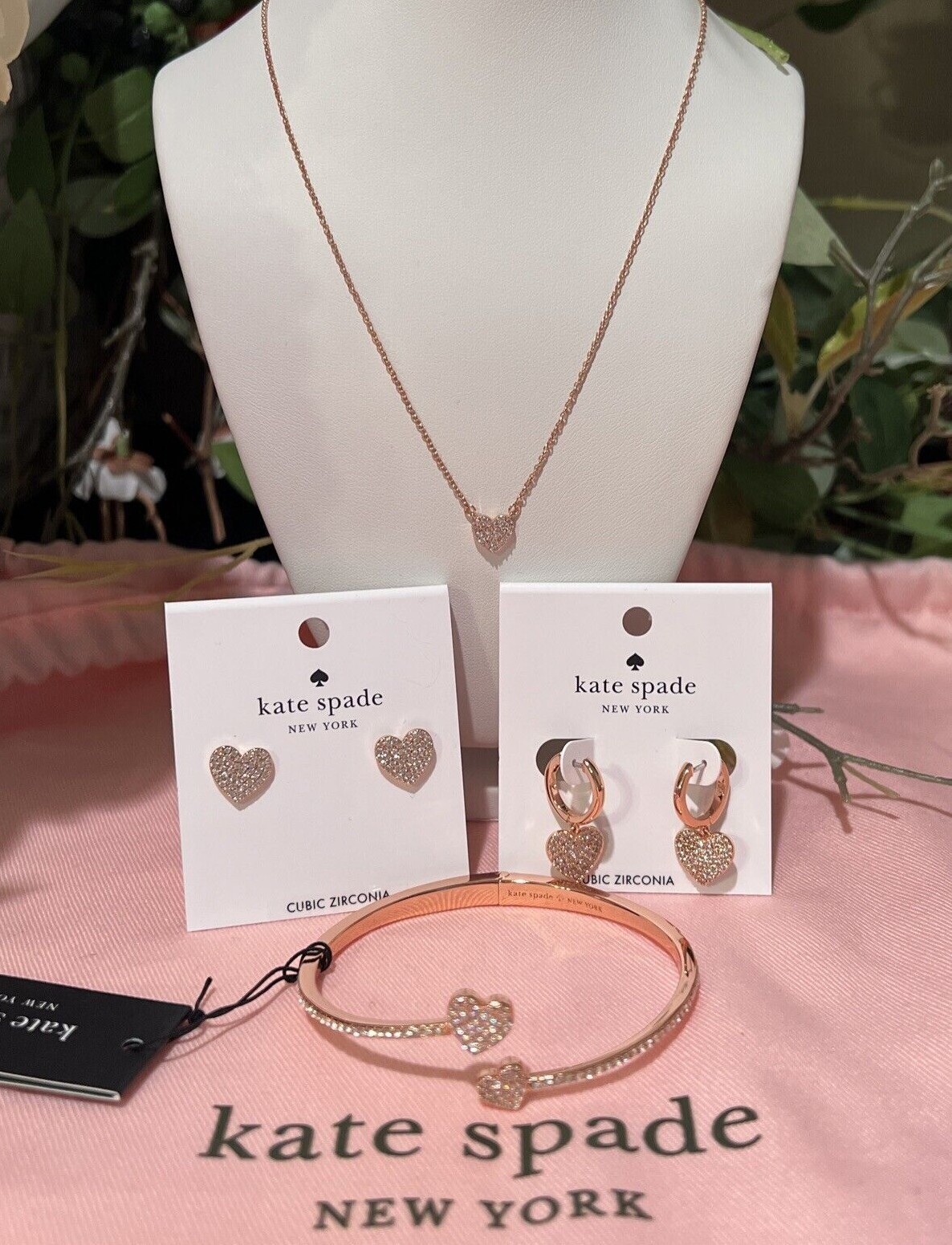
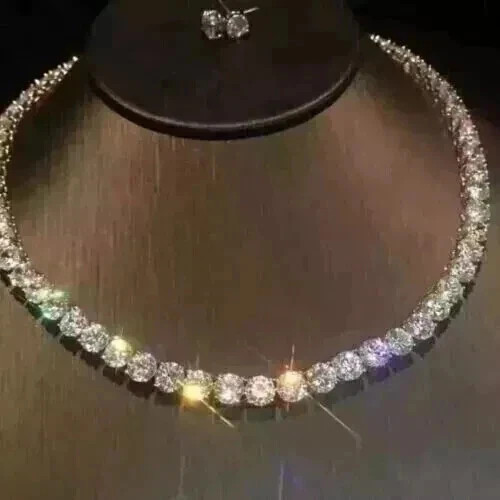
Kate Spade bracelets are fashion jewelry built on brass or plated base metals with enamel, crystal, or faux-stone accents, where the defining trade-off is decorative plating thickness and clasp quality versus price. The clear decision rule: choose solid brass or thick gold-tone plating with a lobster-claw or box clasp for daily wear; treat thin ion-plated or glued-crystal pieces as occasional-wear only.
Buying guide image
Necklaces & Bracelets

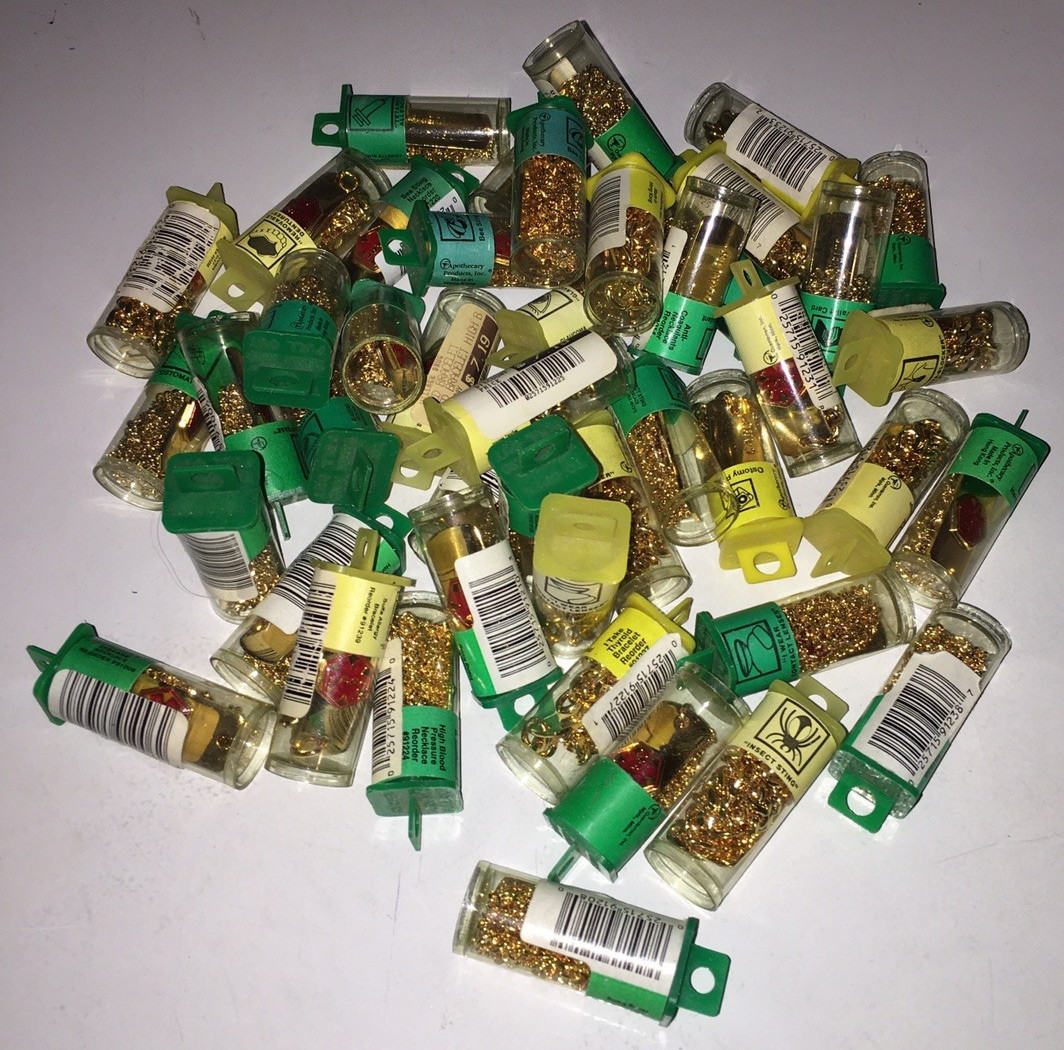
Medical Alert Bracelet

A medical alert bracelet is a wearable identification tag that communicates critical health information—allergies, conditions, emergency contacts—when the wearer cannot speak. The core trade-off is between engraving legibility and metal durability: laser-etched stainless steel or titanium outlasts stamped or plated alloys, while silicone bands trade longevity for comfort and cost. Choose a laser-engraved solid stainless or titanium piece with a secure clasp if you need years of daily wear; accept plated or silicone only as a short-term backup.

Buying guide image
Wristwatches

Brand Watches

Brand watches span three distinct architectures: mechanical (manual/auto), quartz, and connected/GPS. The core trade-off is serviceability and longevity versus convenience and feature set. Buy mechanical for heirloom durability, quartz for zero-maintenance accuracy, and connected for training metrics—never cross-shop these tiers.

Buying guide image
Rings & Earrings

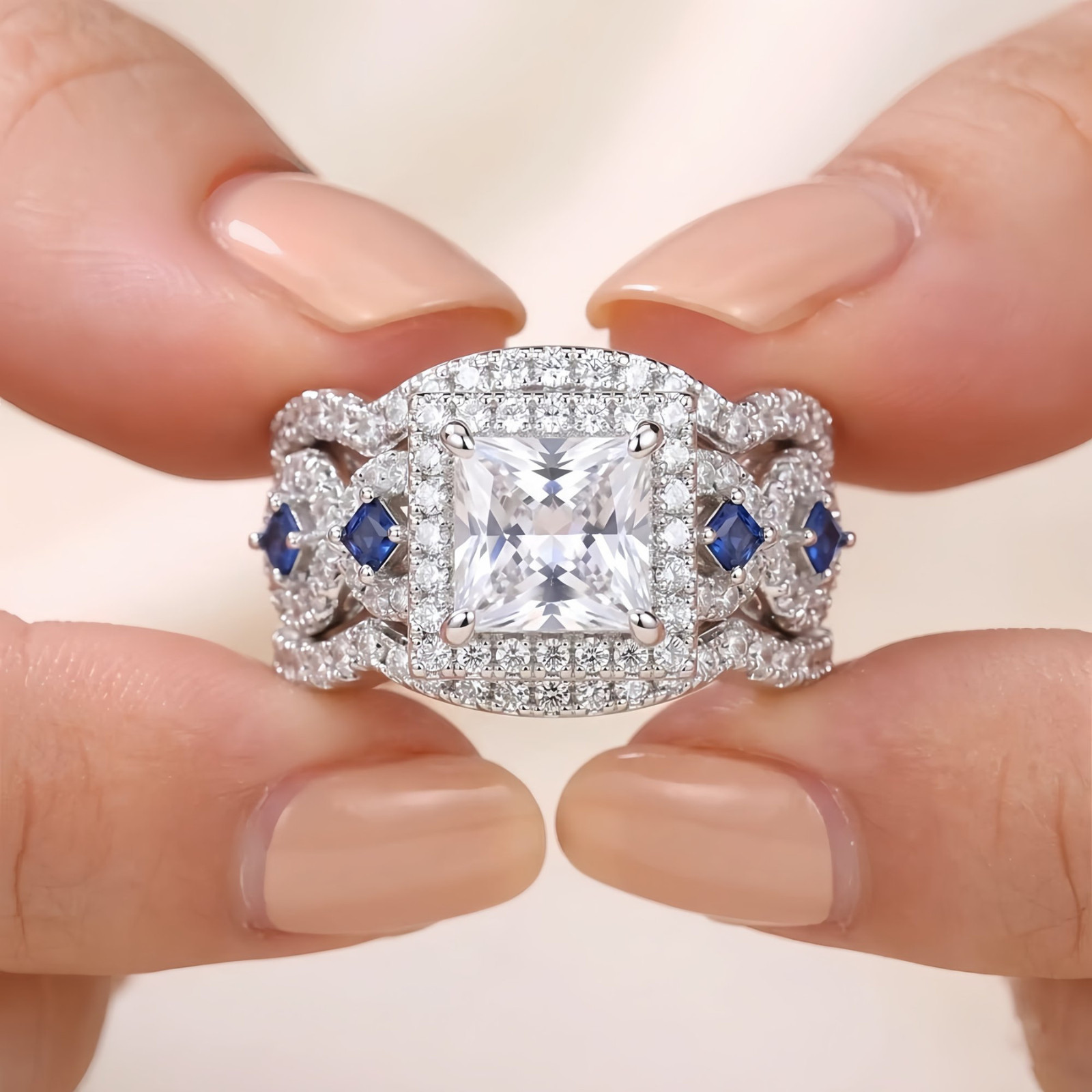
Blue Sapphire Engagement Ring

A blue sapphire engagement ring centers on a corundum gemstone (9 on the Mohs scale) that is durable enough for daily wear, but the buying decision hinges on treatment status, color saturation, and setting architecture. Untreated, eye-clean stones with vivid saturation and a protective bezel or low-profile prong setting separate heirloom-grade rings from compromise pieces that may fade, chip, or require replacement.

Buying guide image
Rings & Earrings

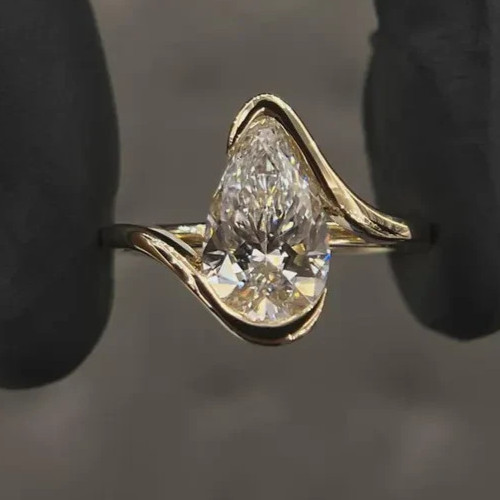
Pear Engagement Ring

A pear engagement ring pairs a single pear-cut (teardrop) stone—natural diamond, lab-grown diamond, or moissanite—with a setting that must protect the pointed tip. The core trade-off is cut quality and tip security versus size for budget: a well-cut, well-set 1.0–1.5 ct pear outperforms a poorly cut 3–4 ct stone in light return and durability. The decision rule: buy GIA/IGI-certified stones with a clear table and no bow-tie, set in a V-prong or bezel tip; skip uncertified deep-cut bargains and thin six-prong settings that leave the tip exposed.

Buying guide image
Rings & Earrings

Sapphire Wedding Ring

A sapphire wedding ring pairs a corundum gemstone (natural or lab-created) with a band metal, and the primary trade-off is gem origin and cut quality versus metal durability and setting security. Natural sapphires vary in treatment and color zoning, while lab-created stones offer identical hardness (Mohs 9) at lower cost. The clear decision rule: prioritize a well-cut stone with a protective setting and a metal that suits daily wear (14k+ gold or platinum), and avoid soft plated finishes and shallow-cut stones that show windows.

Buying guide image
Necklaces & Bracelets

Kate Spade Necklace

Kate Spade necklaces are fashion jewelry built around plated base metals, enamel, and glass or resin stones, where the main trade-off is between trend-driven design and long-term plating durability. Solid sterling silver or 14k gold pieces resist tarnish and skin reactions, while gold-tone or rose-gold-tone plated brass and zinc alloys are the norm and wear faster with moisture and perfume. The decision rule: buy plated Kate Spade for occasional, outfit-driven wear and expect replating or replacement within a couple of years; choose solid-metal or stainless-steel alternatives if you need a daily-wear piece that survives showers and sweat.

Buying guide image
Necklaces & Bracelets

Medical Alert Necklace

A medical alert necklace is a wearable identification piece that communicates a critical condition (allergies, epilepsy, diabetes, etc.) to first responders. The primary trade-off is between engraving legibility/metal durability and everyday comfort—cheap stamped tags wear smooth, while deep laser engraving on solid stainless steel or titanium stays readable for years. The decision rule: choose a solid-metal tag with deep engraving and a secure clasp; skip plated or printed pendants that fade or flake.

Buying guide image
Necklaces & Bracelets

Real Pearl Necklace

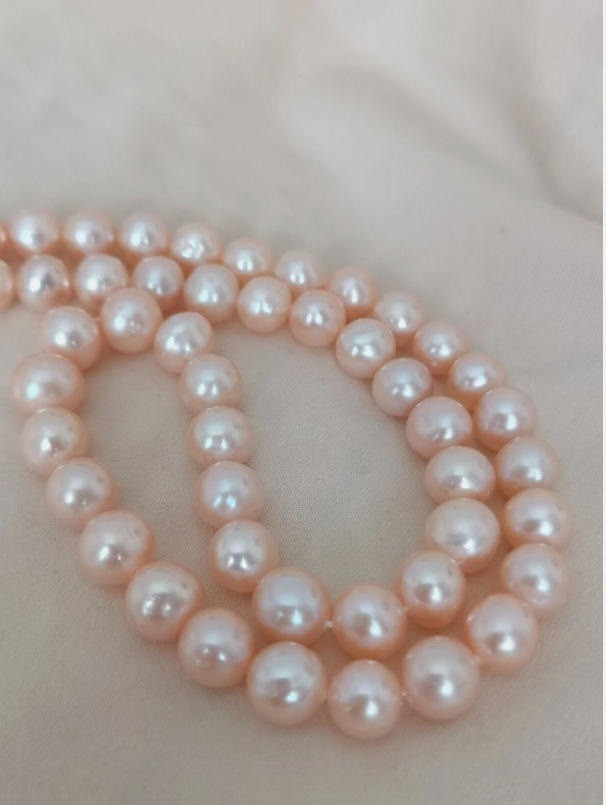
A real pearl necklace is defined by nacre-producing mollusk origin, not by bead shape or luster alone. The core trade-off is between thin-nacre freshwater or akoya pearls that lose luster within a few years and thick-nacre South Sea or Tahitian pearls that hold value and sheen for decades. The decision rule: buy only when the seller states pearl type, nacre thickness or grading tier, and metal purity — otherwise treat the strand as costume.

Buying guide image
Necklaces & Bracelets

Rose Gold Necklace

A rose gold necklace ranges from solid 10K–18K gold heirlooms to 14K gold-finished brass or plated stainless fashion pieces, and the core trade-off is karat/plating thickness versus cost. Solid 14K or 18K rose gold (copper-alloyed) resists tarnish and wear for decades, while 14K rose-gold finish over brass or 18K plating over steel typically shows wear within a year of daily use. The decision rule: choose solid 10K–18K rose gold for daily wear and sensitive skin; choose plated/finished pieces only for occasional fashion wear and accept a shorter lifespan.

Buying guide image
Necklaces & Bracelets

Akoya Pearl Necklace

Akoya pearl necklaces are saltwater cultured pearl strands prized for their tight nacre, near-round shape, and high luster, typically sized from 6 to 10 mm. The core trade-off is nacre thickness and luster versus price: thick-nacre, high-luster pearls command premium, while thin-nacre or heavily treated strands dull within years. The decision rule is straightforward — buy certified thick-nacre pearls with a solid gold clasp for longevity; skip dyed, irradiated, or tissue-nucleated imitations sold as Akoya.

Buying guide image
Necklaces & Bracelets

Ankle Bracelet

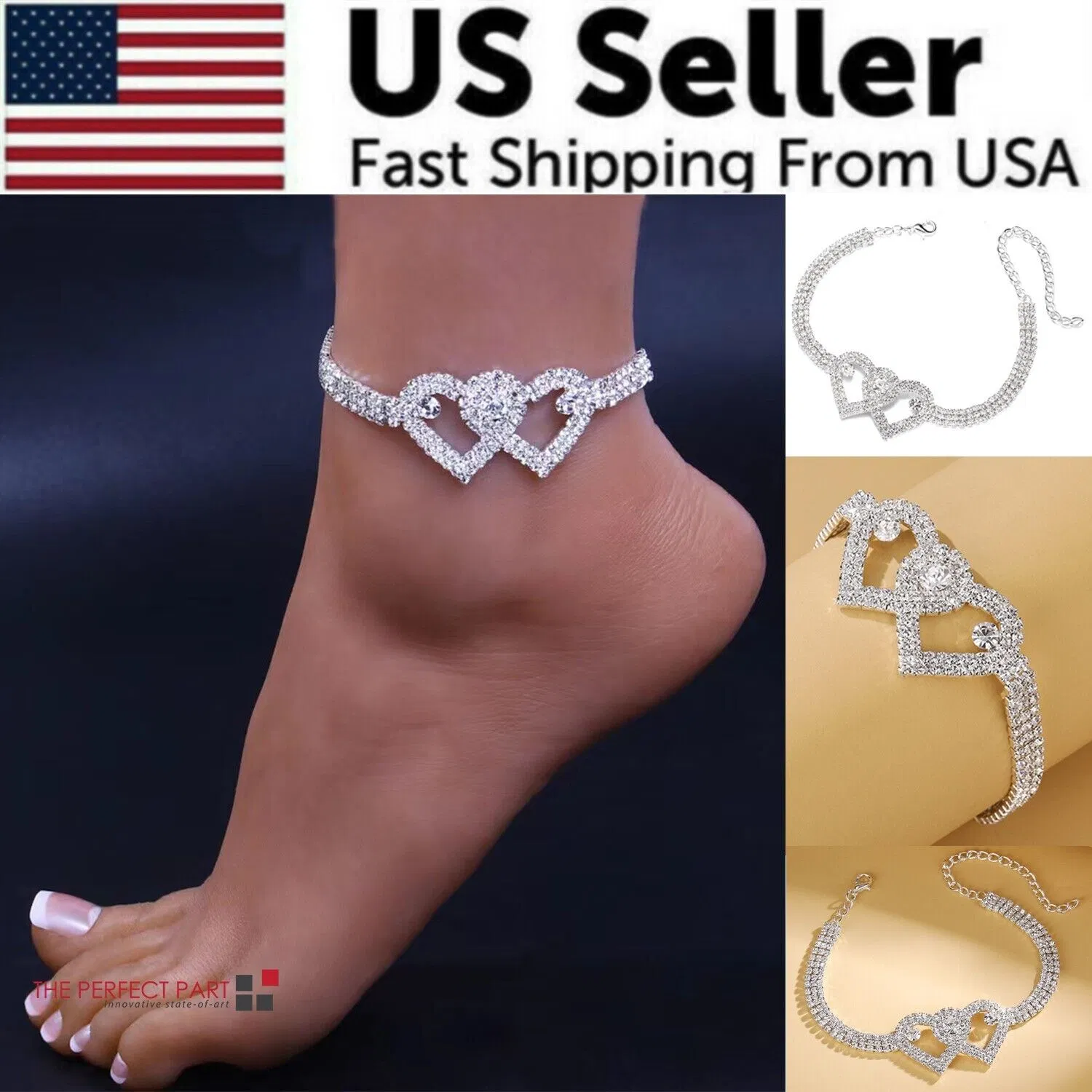
An ankle bracelet (anklet) is a short chain worn at the ankle, where the core trade-off is solid precious-metal construction versus hollow or plated base metal, plus chain style and clasp security. The decisive rule: buy solid 10K/14K gold or sterling silver with a soldered or lobster clasp for daily wear; skip hollow, gold-plated, or spring-ring closures that stretch, flake, or pop open.

Buying guide image
Necklaces & Bracelets

Lab Created Diamond Necklace

A lab-created diamond necklace uses stones with identical carbon crystal structure to mined diamonds, so the real decision is not 'real vs fake' but whether the metal, setting, and diamond grading are built to last. The trade-off is between gold-plated brass (bright now, tarnishes later) and solid 14K/18K gold or platinum (lifetime durability, higher cost). Buy solid gold or platinum with GIA/IGI-certified stones for daily wear; accept plating only for occasional, short-wear fashion.

You may also like

Finding more guides for you…