GemTempo

GemTempo

Jewelry & Watches Reviews & Buying Guides

Compare jewelry & watches by use case, features, trade-offs, price, returns, and seller terms before you buy.

Buying guides

Buying guide image
Wristwatches

Black Wristwatches

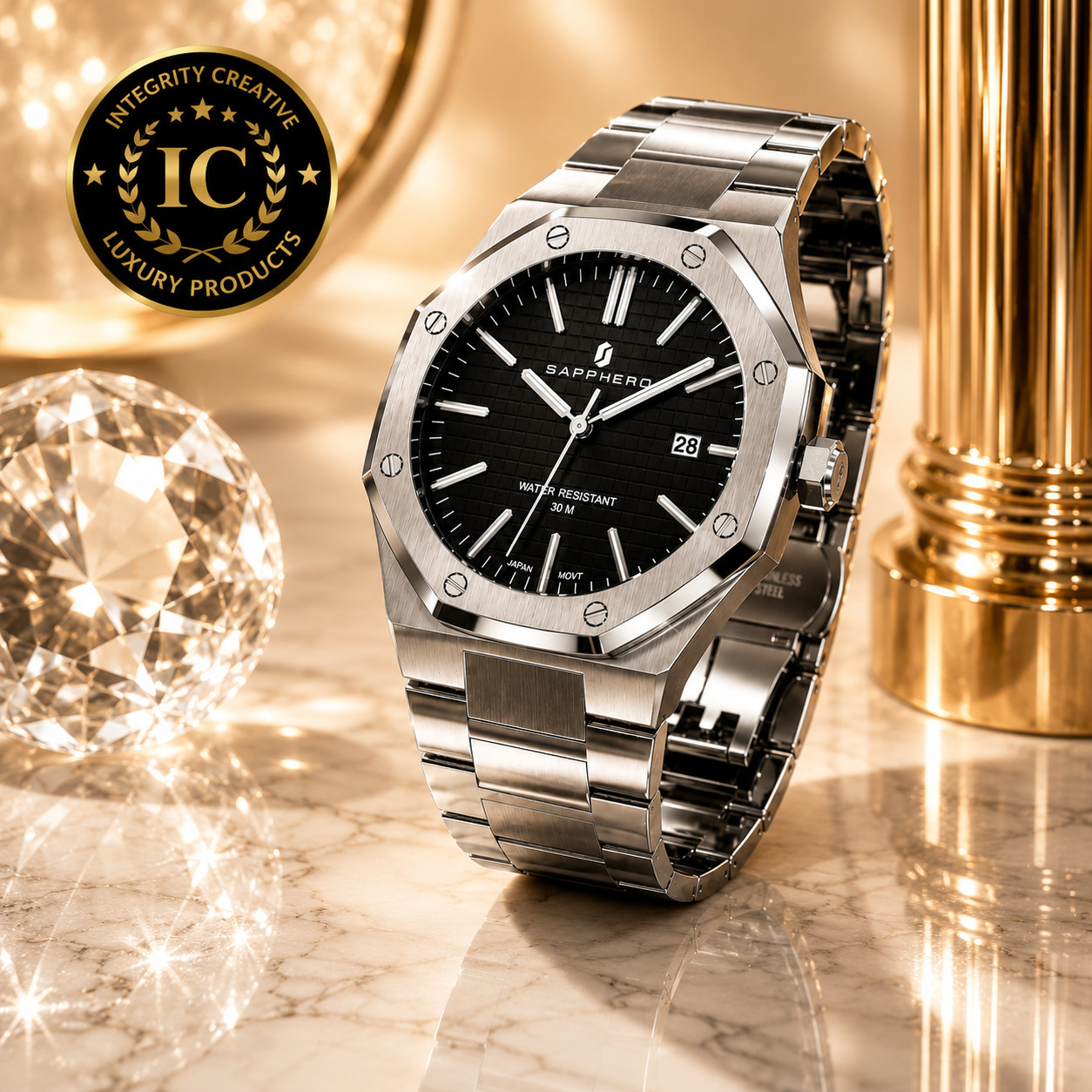
Black wristwatches are a universal accessory category spanning super-cheap digital beaters to automatic mechanical pieces and fashion chronographs. The core trade-off is between a sealed, service-free movement with a resin or mineral crystal and a metal case with a sapphire or better crystal that survives daily wear. Durable picks use stainless steel cases, sapphire or mineral glass, and at least 50 m water resistance; compromises use plated brass, acrylic crystals, and unsealed cases rated below 30 m.
Buying guide image
Rings & Earrings

Birthstone Ring

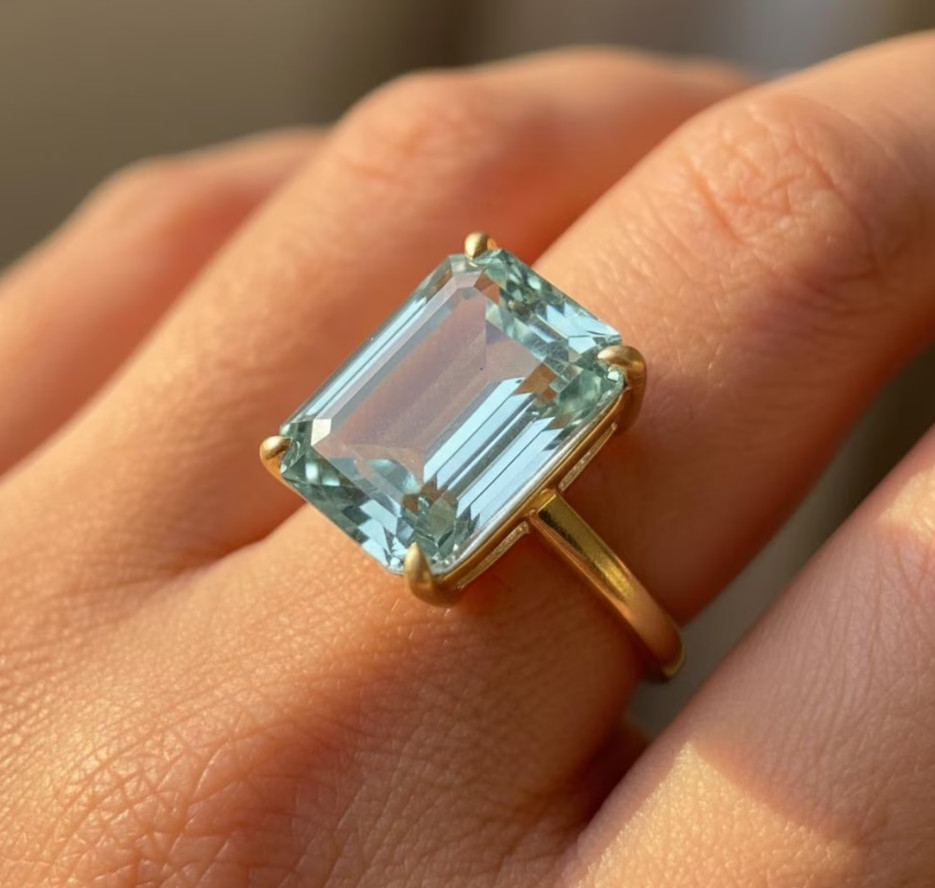
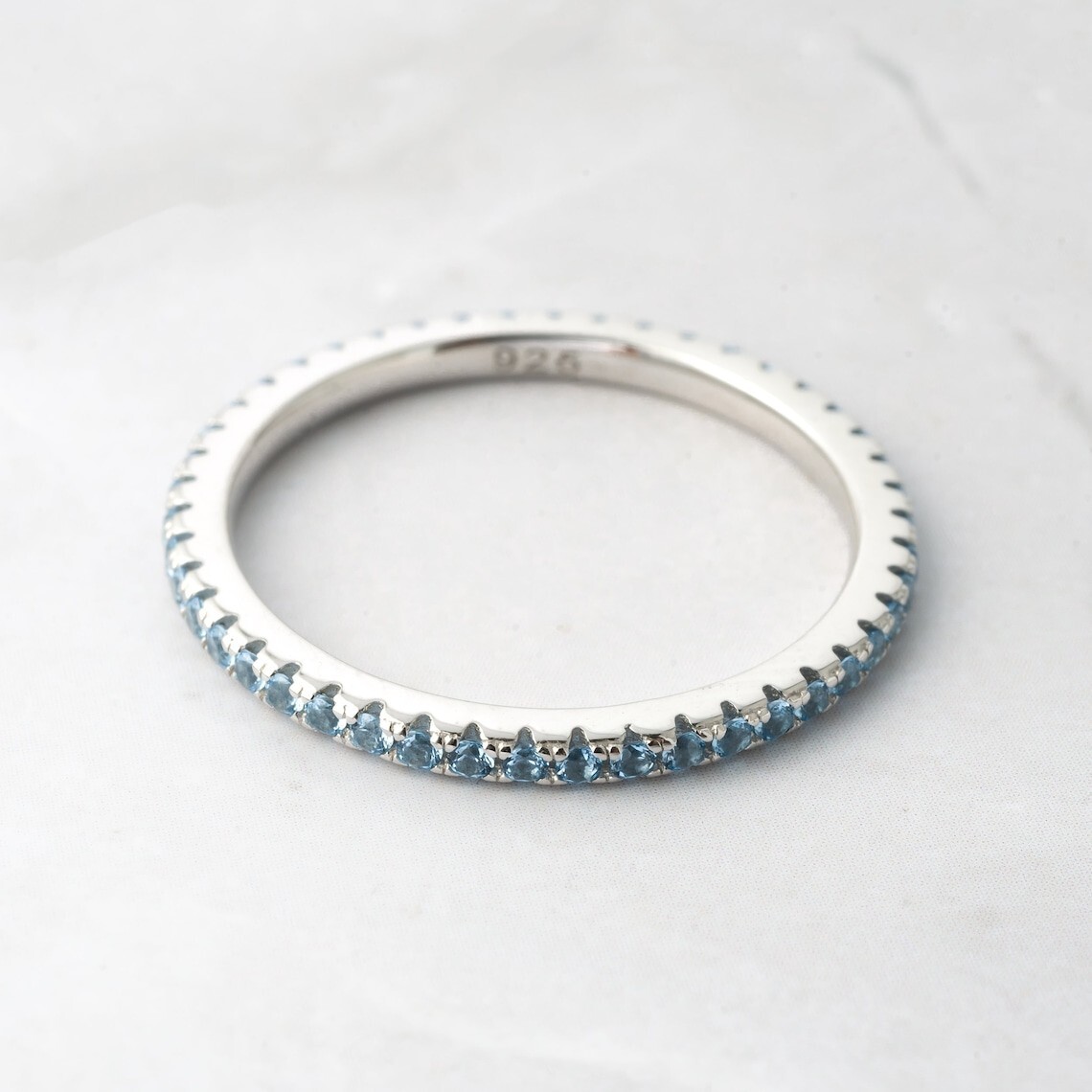
A birthstone ring pairs a gemstone (natural, lab-created, or CZ) with a metal setting to mark a birth month; the primary trade-off is stone durability and setting security versus metal purity and cost. The clear decision rule: choose a bezel or low-profile setting in 925 sterling silver or 10k+ solid gold for daily wear, and reserve prong-set CZ or plated brass for occasional or fashion use.

Buying guide image
Rings & Earrings

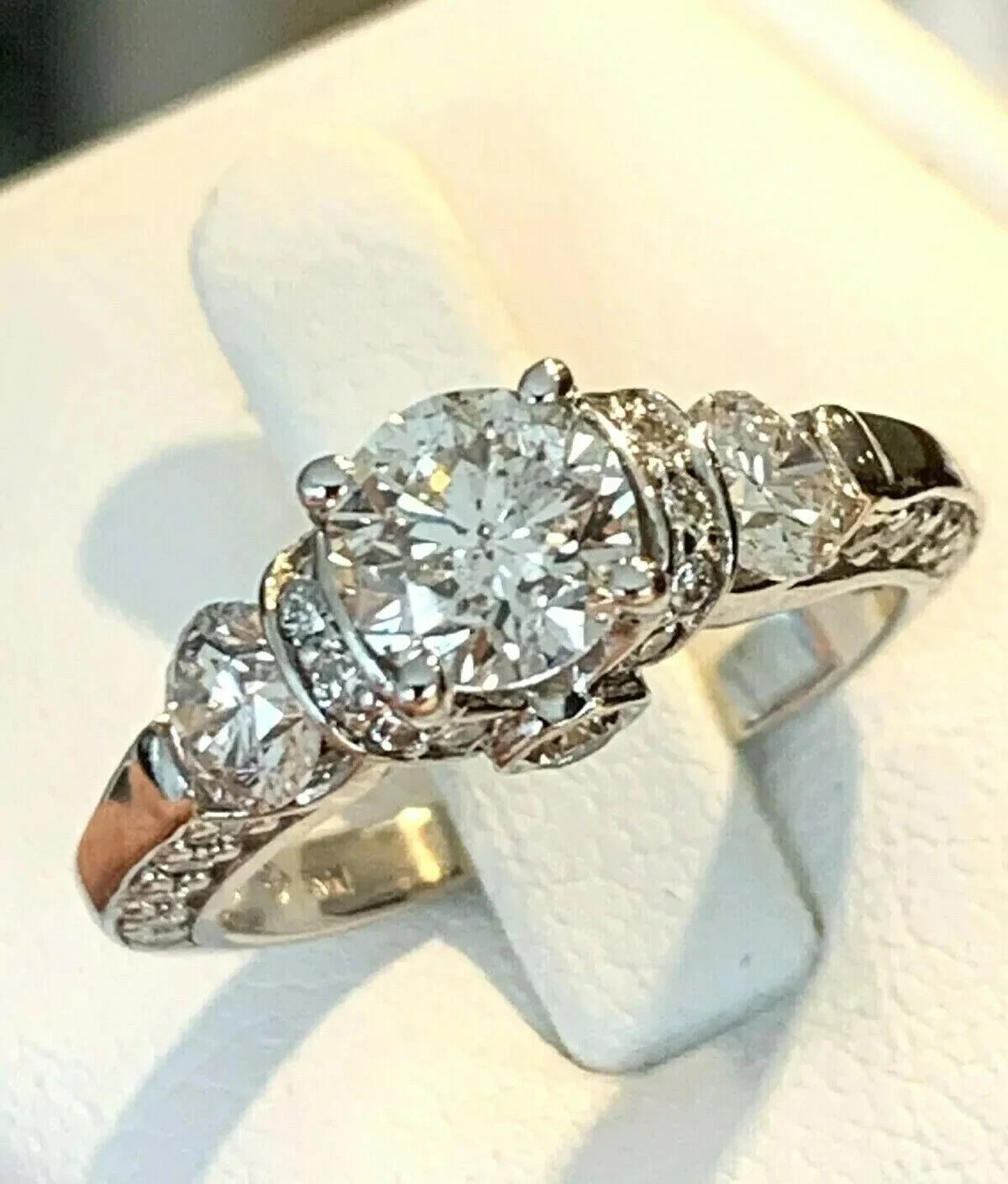
Halo Engagement Ring

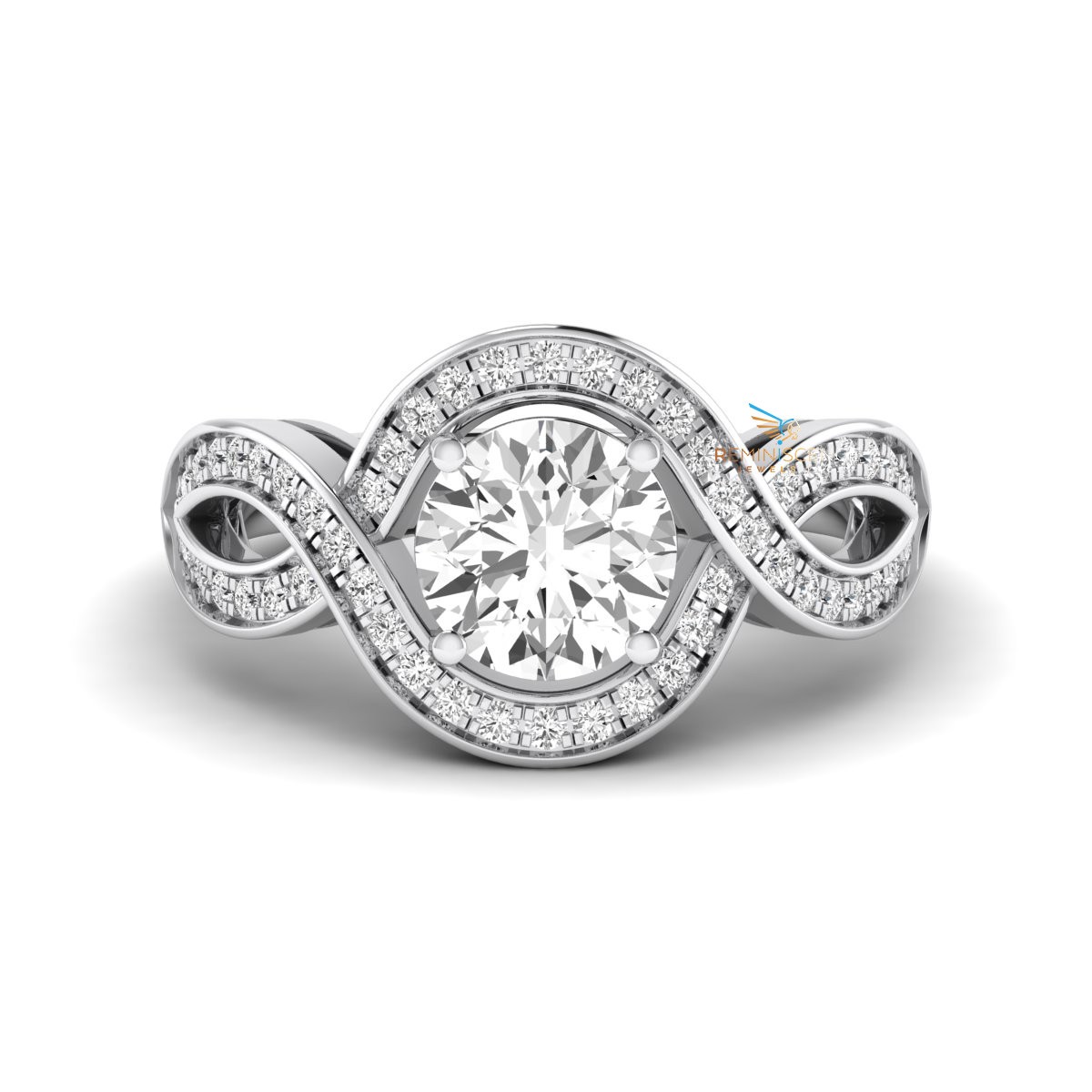
A halo engagement ring sets a small center stone inside a ring of pavé or prong-set diamonds to maximize visual size and sparkle at a lower carat weight. The primary trade-off is between diamond quality and halo construction: precision-set halos with GIA/IGI-certified stones hold value and resist stone loss, while glued or poorly cast halos shed melee diamonds and cloud over time. Choose a certified center stone with a fully drilled, hand-set halo in 14K/18K gold or platinum — skip hollow castings and uncertified clarity-enhanced stones.

Buying guide image
Rings & Earrings

Ruby Engagement Ring

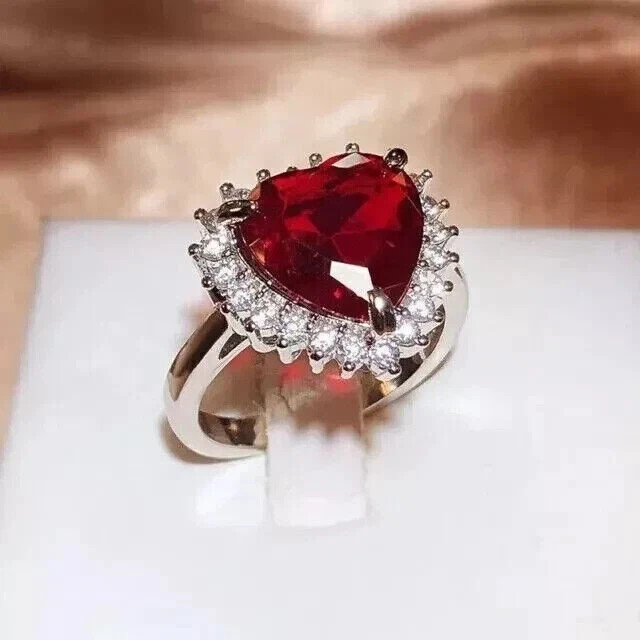
A ruby engagement ring pairs the durability of corundum (9 on Mohs) with the romance of colored gemstones, but the primary trade-off is between natural vs. lab-created ruby and the precious-metal quality of the setting. Durable options use solid 14k–18k gold or platinum with a well-cut ruby and secure prongs; compromises rely on plated base metal, fracture-filled stones, or shallow cuts that chip or dull.

Buying guide image
Necklaces & Bracelets

Men Silver Cross Necklace

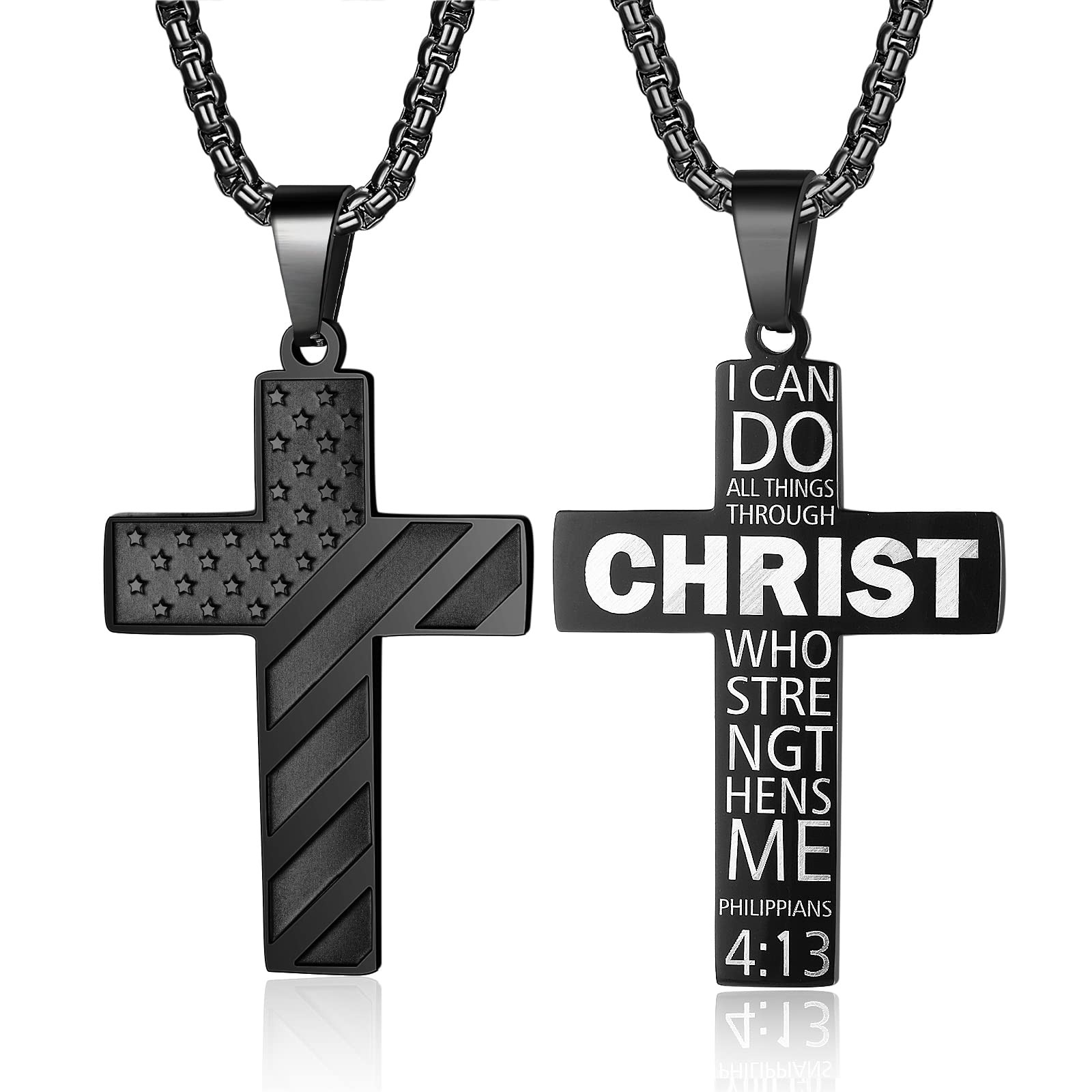
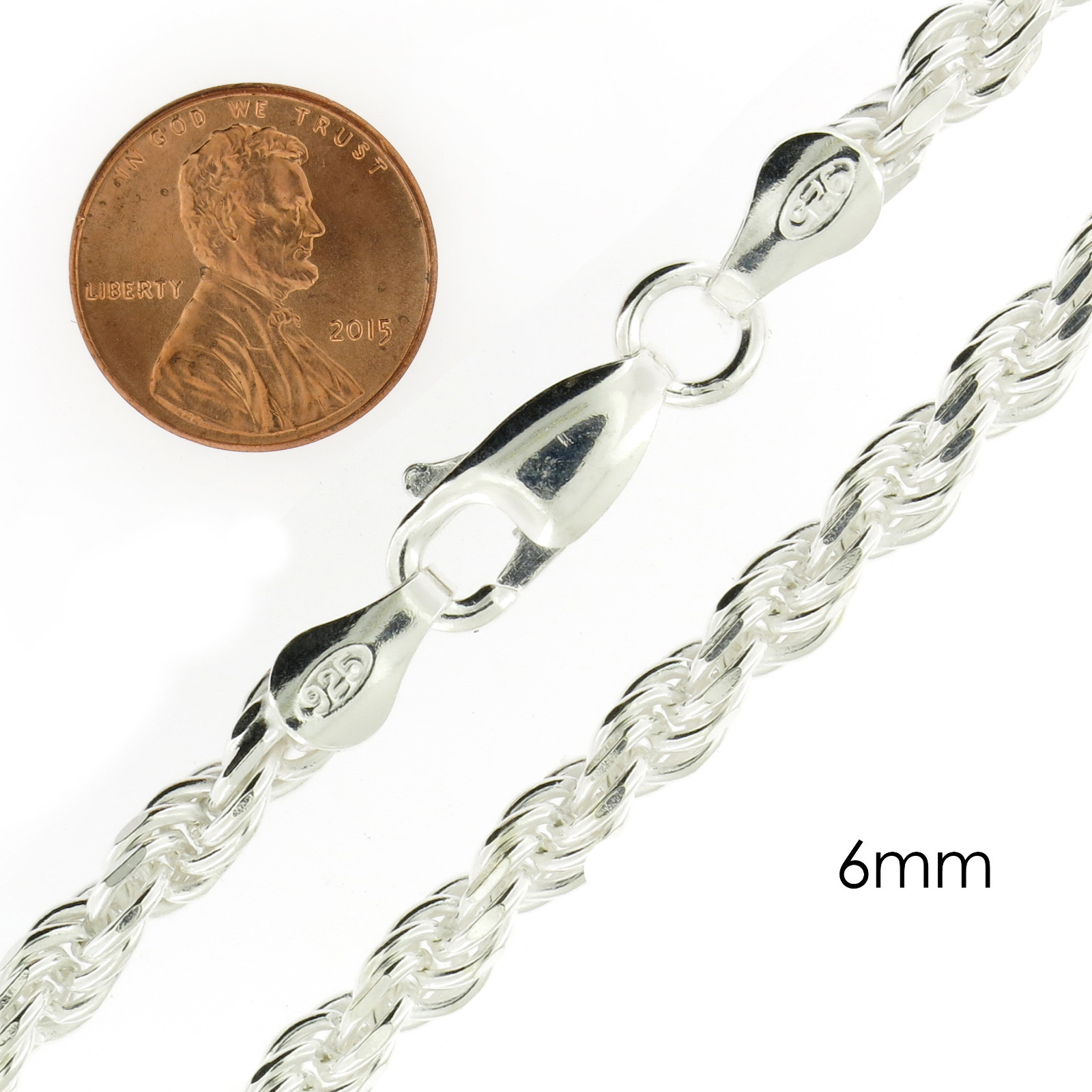
Men's silver cross necklaces span solid sterling silver to PVD-coated stainless steel, and the core trade-off is tarnish resistance and skin safety versus softness and cost. Choose 316L stainless steel or rhodium-plated sterling for daily wear; reserve unplated 925 sterling for occasional use and expect patina. The decision rule is simple: daily wear demands surgical stainless or PVD titanium, while heirloom intent justifies solid 925 sterling with a documented alloy stamp.

Buying guide image
Wristwatches

Seiko Automatic Watches

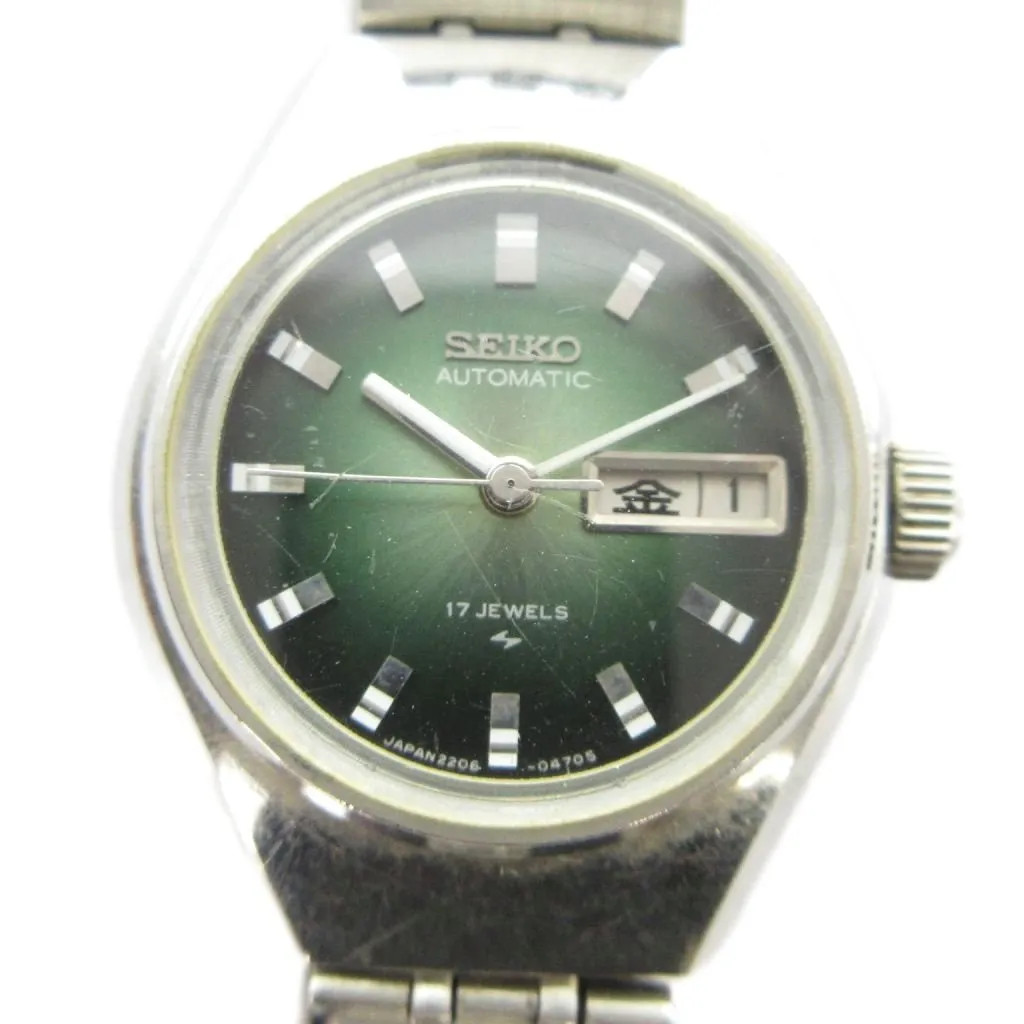
Seiko automatic watches are mechanical timepieces powered by wrist motion, spanning vintage Seiko 5 and modern 4R/6R movements. The core trade-off is between affordable entry-level automatics with non-hacking, non-winding movements and higher-tier models with hacking, hand-winding, and improved accuracy. Buy modern if you want reliability and warranty; buy vintage only if you accept service risk and parts scarcity.

Buying guide image
Rings & Earrings

Cushion Cut Engagement Ring

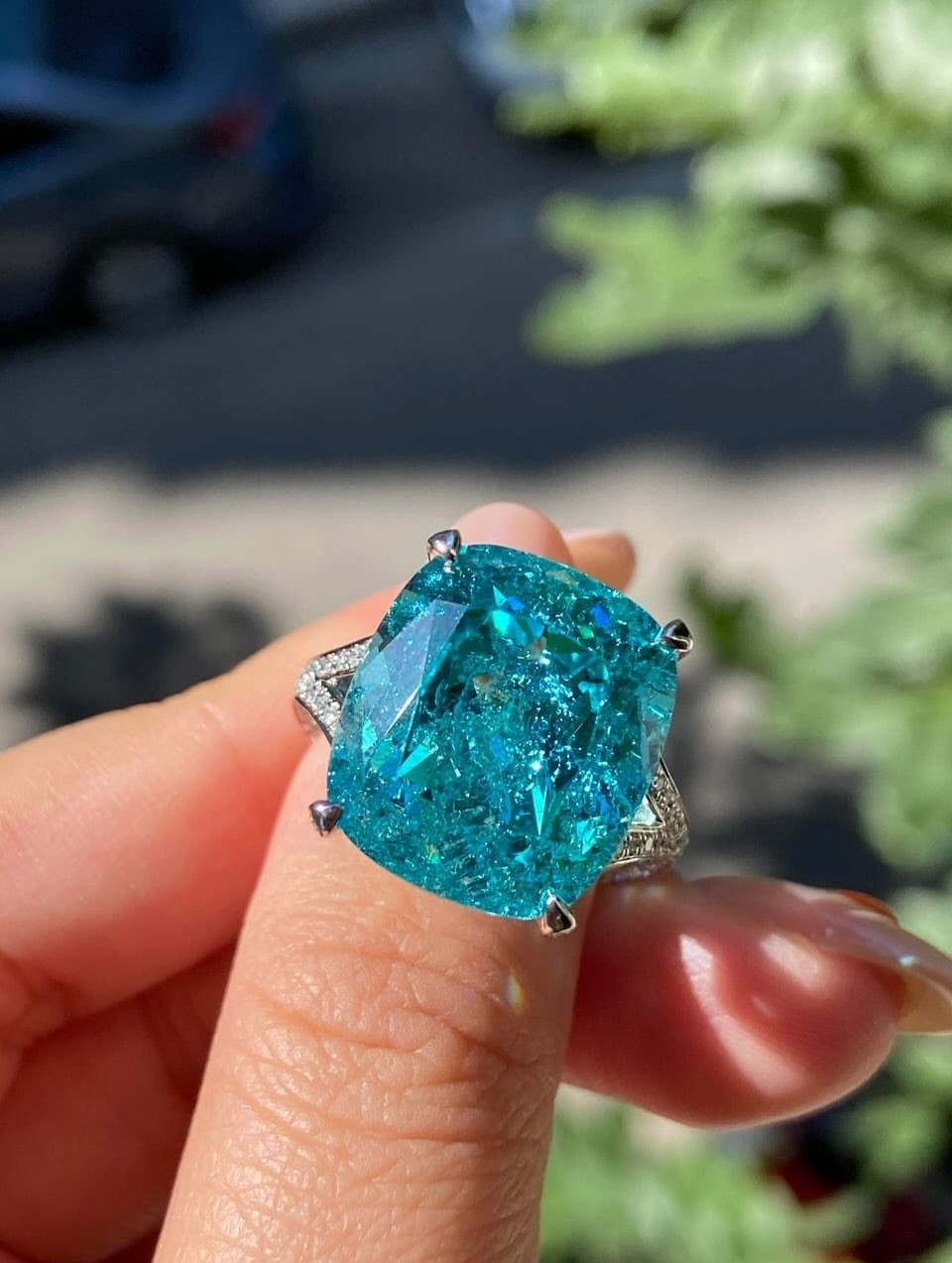
Cushion cut engagement rings feature a square silhouette with rounded corners, blending brilliance and a softer vintage look. The key trade-off is between natural or lab-grown diamond (or gemstone) quality and setting construction: a well-cut cushion with a secure, properly proportioned halo or solitaire will outperform a larger, poorly cut stone in a flimsy setting. The decision rule is simple: prioritize cut grade and metal durability over carat weight and brand markup, and insist on GIA/AGS or equivalent certification for diamonds.

Buying guide image
Rings & Earrings

Emerald Wedding Ring

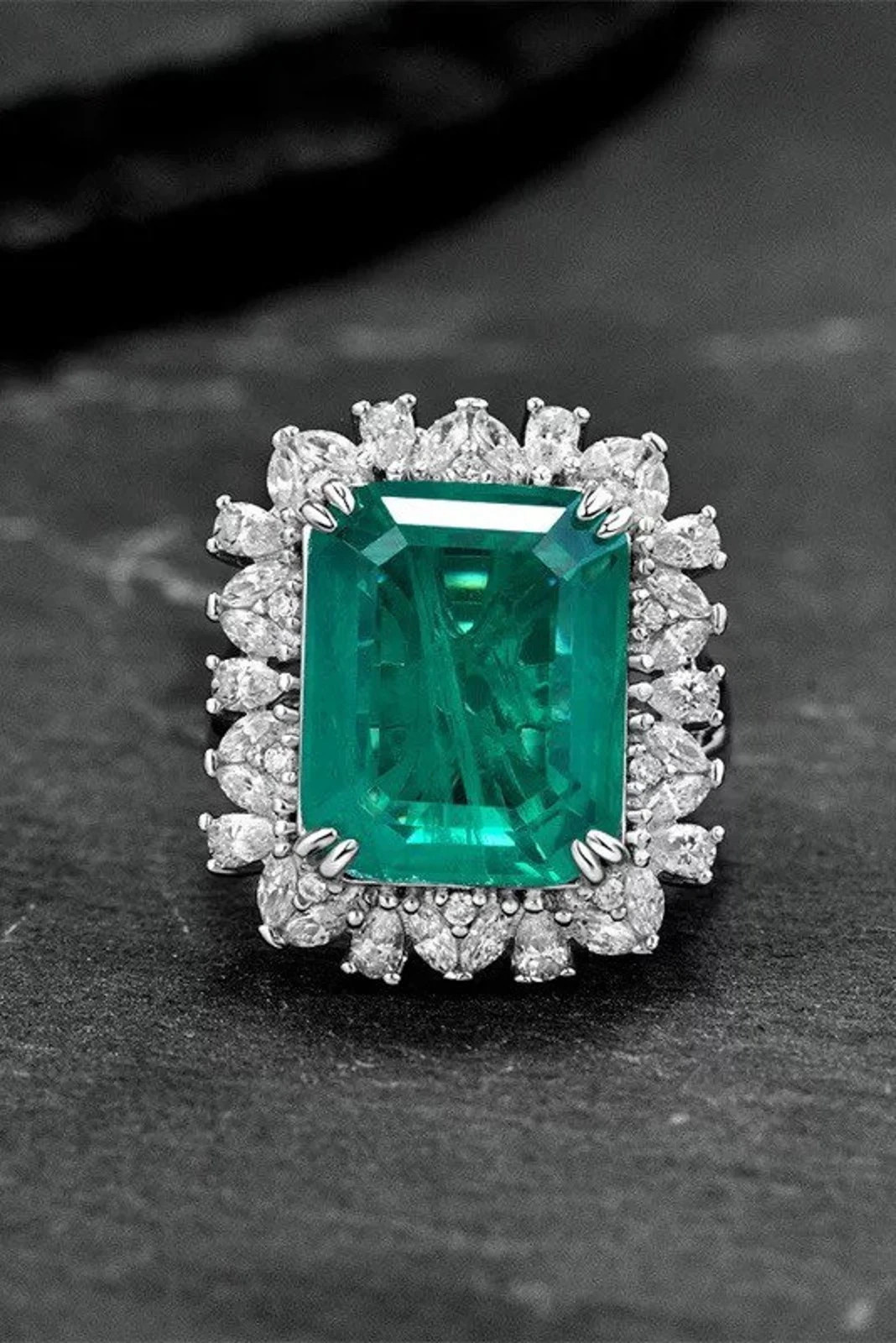
Emerald wedding rings pair a beryl gemstone—typically 7.5–8 on the Mohs scale—with a metal band, and the core trade-off is between natural emerald's inclusions and price versus lab-grown emerald's clarity and ethical sourcing. The decisive rule: buy a ring with a stated treatment grade (untreated, minor oil, or major oil) and a minimum 14K gold or platinum band for a durable everyday wedding ring; skip anything with undisclosed fracture filling or a plated base metal.

Buying guide image
Necklaces & Bracelets

Men Diamond Bracelet

Men's diamond bracelets split into two distinct constructions: diamond-cut precious-metal chains (sterling silver or gold) that create sparkle through faceted geometry without stones, and true diamond-set bracelets (natural or lab-grown) where total carat weight, metal plating thickness, and setting security drive durability. The core trade-off is between the low-maintenance, tarnish-resistant solid-metal chain and the higher-impact but more fragile stone-set tennis or cuban link. Buy solid 925 sterling silver or 10K+ gold for daily wear, and only choose diamond-set pieces when the setting is prong- or bezel-secured in solid gold—not plated brass.

Buying guide image
Rings & Earrings

Real Diamond Earring

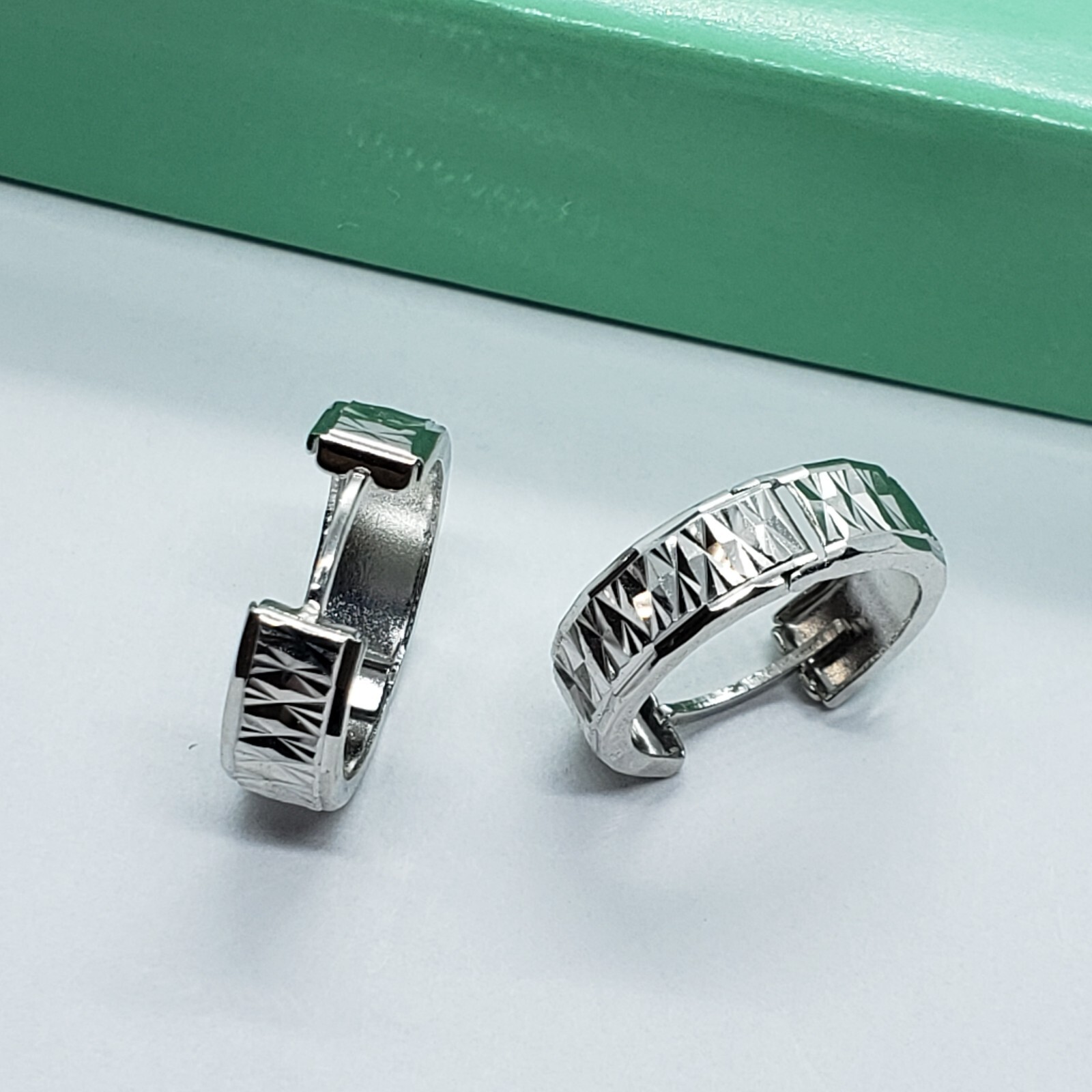
Real diamond earrings are fine jewelry pieces where the diamond is a natural, earth-mined stone—not a simulant or lab-grown—set in solid gold (10K–18K) or platinum. The primary trade-off is between diamond quality (cut, color, clarity, carat) and metal construction (solid vs. plated, hollow vs. die-struck), which directly determines durability and light performance. The clear decision rule: buy only pieces with a stated diamond grade (GIA/IGI report or explicit 4C range) and solid gold/platinum hallmarks—skip anything sold as "diamond-cut" or "real gold" without a carat stamp, as those are finish styles, not gemstone or metal guarantees.

Buying guide image
Rings & Earrings

Black Wedding Ring

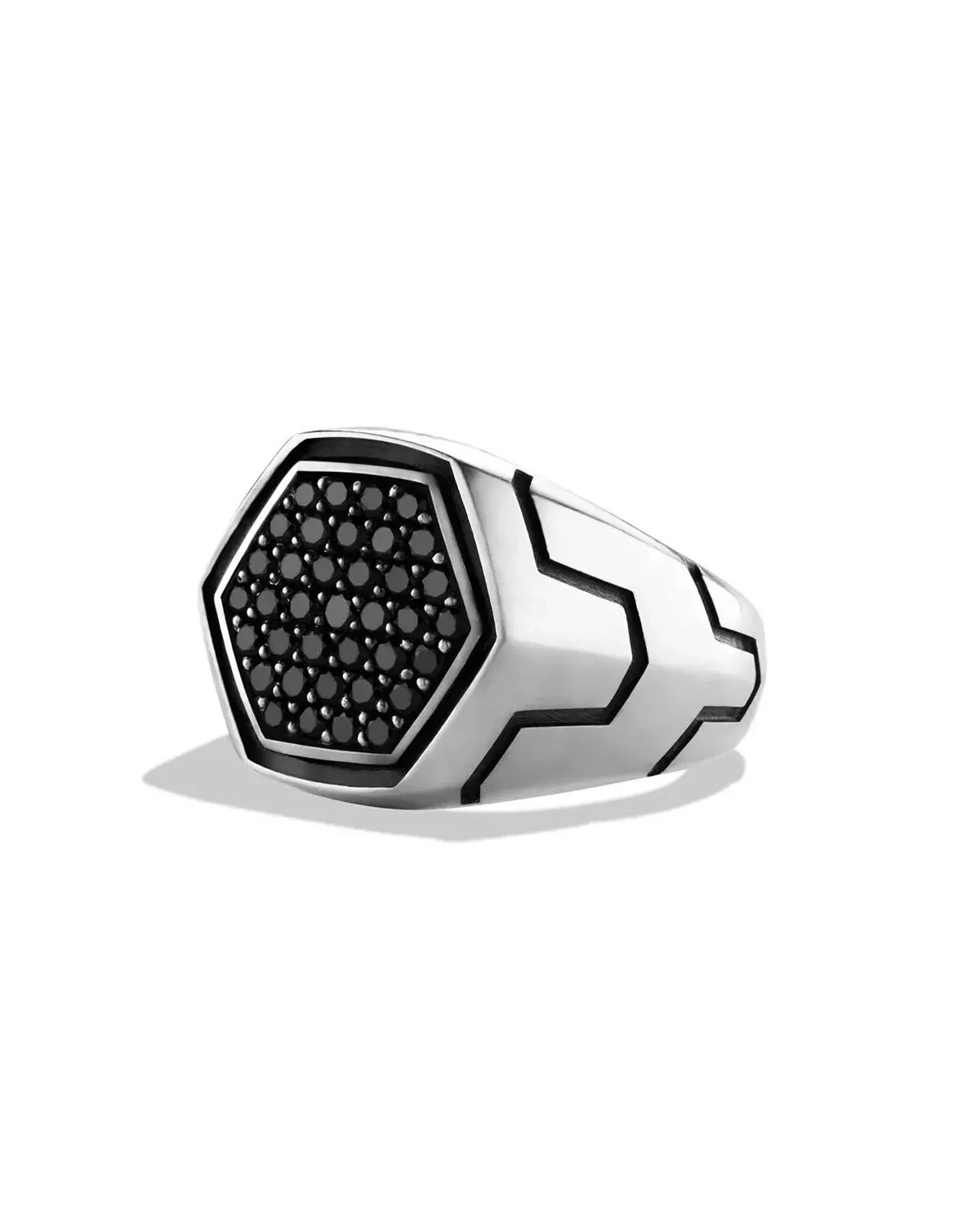
Black wedding rings are wedding bands finished in black PVD/DLC, ceramic, tungsten, or black gold—not a single material, but a finish category where each substrate has distinct durability and scratch behavior. The core trade-off is finish longevity versus weight and scratch resistance: ceramic is nearly scratch-proof but brittle, tungsten is heavy and shatter-prone under impact, and PVD/DLC over gold or steel is repairable but wears over years. The decision rule: choose ceramic or tungsten only if you accept a non-resizable, breakage-risk ring; choose DLC/PVD-coated precious metal if you need resizing, sizing-down over years, or a traditional jeweler service path.

Buying guide image
Rings & Earrings

Lab Created Diamond Ring

Lab created diamond rings use diamonds grown in a lab with identical chemical, physical, and optical properties to mined stones, letting buyers prioritize cut quality and metal choice over origin premium. The core trade-off is between solid gold settings with certified stones and plated or hollow constructions with uncertified stones that wear out or lack verifiable grading. The decision rule: require a named lab certificate (IGI or GIA), solid 14K or 18K gold, and a stated setting style before considering any lab diamond ring durable.

Buying guide image
Necklaces & Bracelets

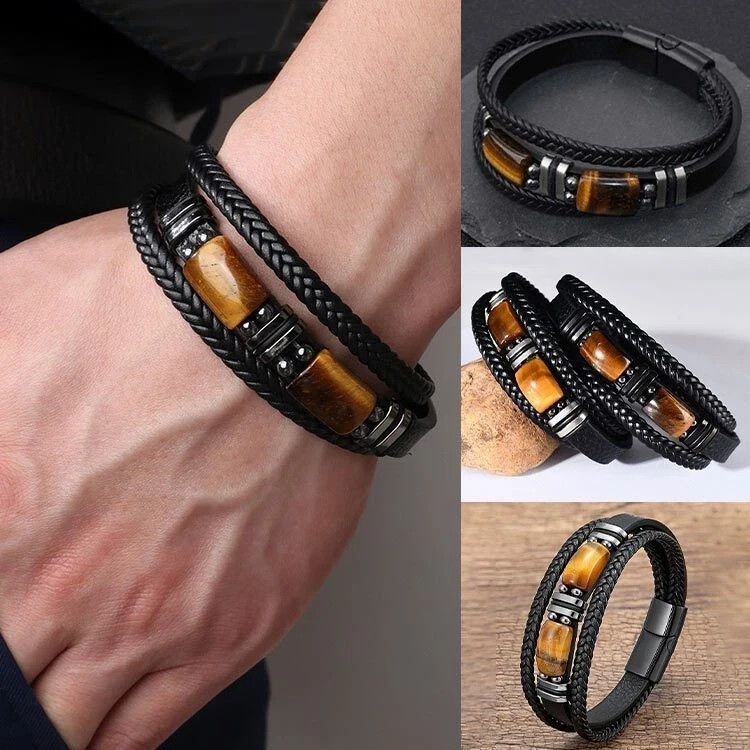
Tiger Eye Bracelet

Tiger eye bracelets are beaded or leather-strung healing-crystal accessories whose value hinges on the stone grade and bead construction, not on the marketing story. The core trade-off is natural chatoyant tiger eye versus dyed glass or reconstituted composite, plus elastic-cord durability versus knotted or clasped builds. The decision rule: buy only from listings that state natural stone with visible chatoyancy and specify bead diameter, cord type, and clasp hardware; skip any listing that shows uniform opaque bands or lists only 'glass, stone' without grade detail.

Buying guide image
Wristwatches

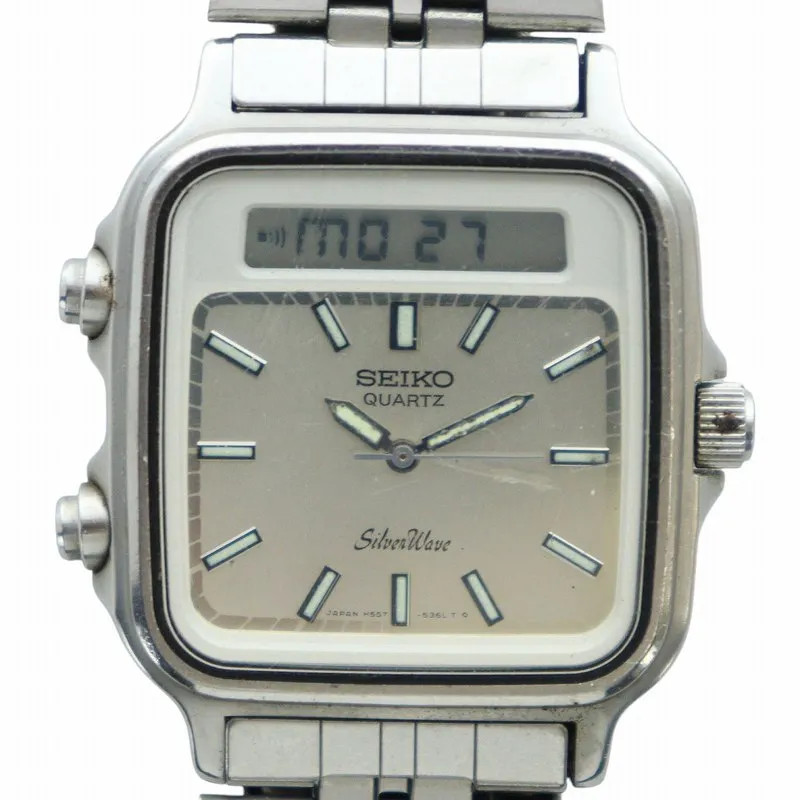
Seiko Quartz Watch

Seiko quartz watches span a huge range from vintage dress pieces to modern solar and radio-controlled models, all built around battery-powered quartz movements. The core trade-off is between classic, thin, serviceable analog designs and modern high-accuracy, low-maintenance movements like solar or radio-sync. The decision rule: buy based on movement generation and case/dial condition, not on the 'vintage' label alone—a fresh-battery quartz with a clean dial and stainless case is durable; a gold-plated case with a worn movement is a compromise.

Buying guide image
Rings & Earrings

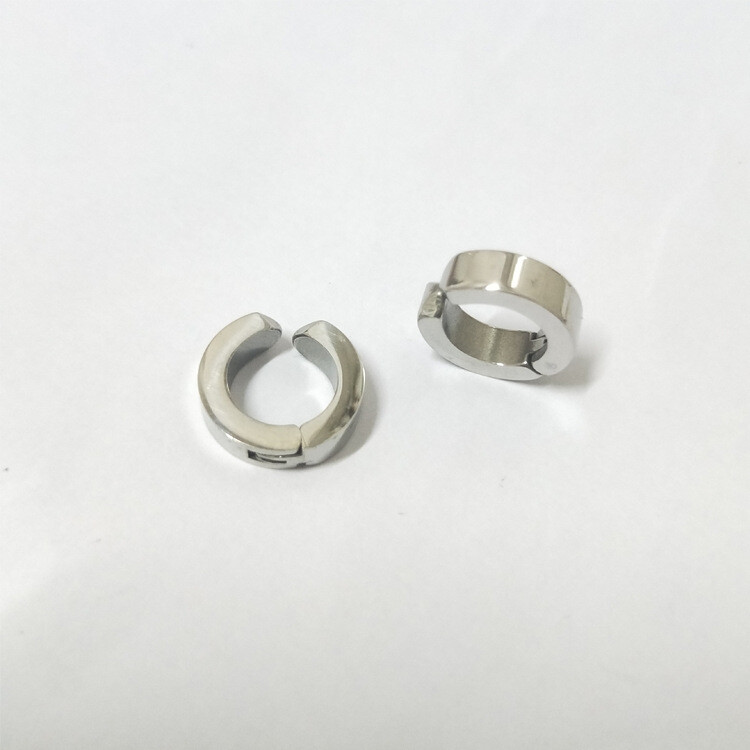
Ear Cuff Earring

Ear cuffs are wrap-around earrings that grip the cartilage rim without a piercing, sold in two distinct architectures: open-gap pressure cuffs and hinged clip-ons. The decisive trade-off is metal temper versus grip: soft 14K gold plating and thin brass bend out of shape, while 316L stainless steel or solid 14K/18K gold holds tension for daily wear. Buy open-gap cuffs only in spring-tempered stainless or solid gold; treat plated brass and zinc-alloy multipacks as occasional costume pieces.

Buying guide image
Necklaces & Bracelets

Personalized Bracelet

Personalized bracelets are identity-driven accessories where the engraving method and base metal decide whether the piece survives daily wear or fades within months. The core trade-off is between laser-engraved 316L stainless steel and plated or coated alloys that look identical at purchase but lose their finish. Choose solid stainless steel with deep engraving for permanence; skip plated titanium-steel or 'gold-furnace' coatings if the bracelet will see sweat, water, or daily friction.

Buying guide image
Rings & Earrings

Anniversary Ring

Anniversary rings are symbolic bands or gemstone rings given to mark a milestone, and the core trade-off is between genuine precious-metal-and-stone construction and gold-plated or CZ costume builds that wear through in months. The decision rule: buy solid 925 sterling silver, 10K–18K gold, or platinum with a hardness-rated gemstone (diamond, moissanite, sapphire) for daily wear; treat plated brass and glued CZ as occasional-wear only.

Buying guide image
Necklaces & Bracelets

Matching Bracelet

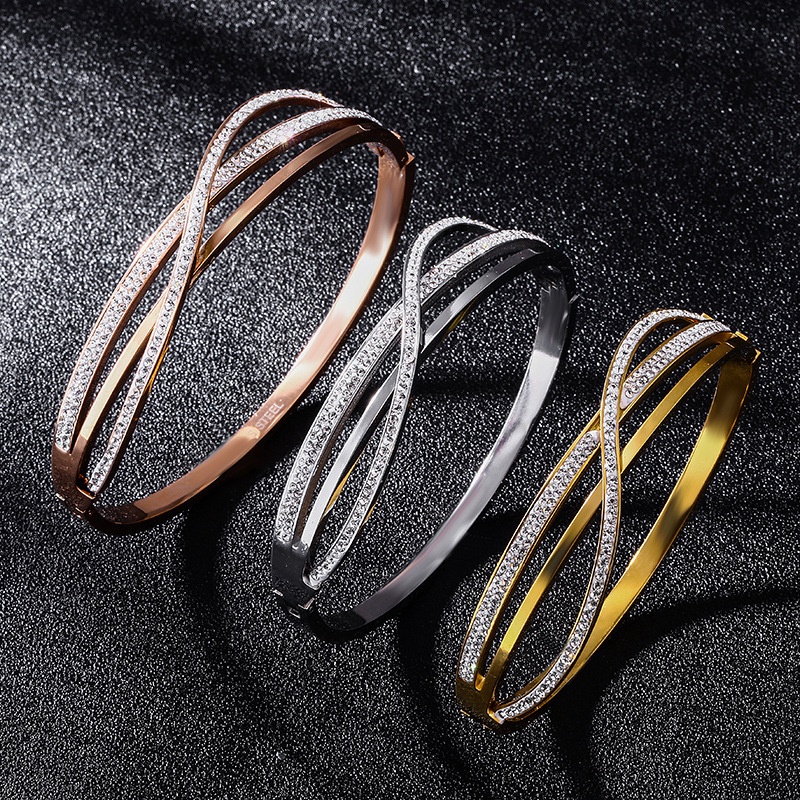
Matching bracelet sets are paired accessories sold as coordinated couples' or friends' jewelry, where the core trade-off is plating thickness and base-metal quality versus decorative design. Durable options use 316L stainless steel or solid 14k/18k gold with mechanical clasps, while compromises rely on thin gold-plated brass that wears through in weeks. Choose by metal substrate and clasp type, not by the free-bracelet bundle.

Buying guide image
Wristwatches

Citizen Automatic Watches

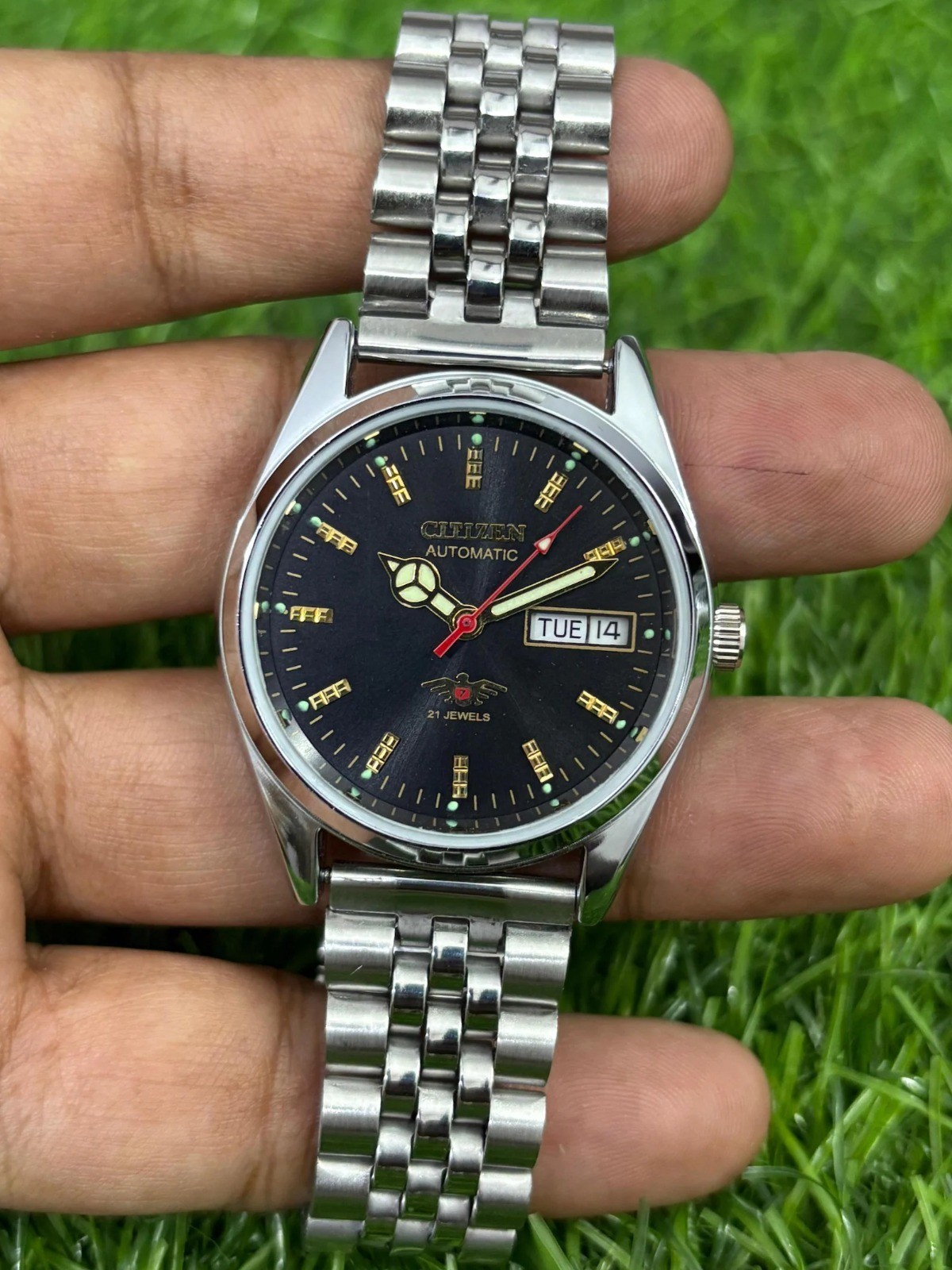
Citizen automatic watches are mechanical timepieces powered by a weighted rotor that winds the mainspring as you wear them, available in modern lines like the NY0080 'Fugu' divers and vintage models from the 1960s-1980s. The core trade-off is between vintage 21-jewel movements (serviceable, often refurbished, no water resistance) and modern automatic calibers (better shock resistance, hacking, and factory seals). Buy vintage only if you accept periodic servicing and limited water resistance; buy modern if you need a daily-wear tool watch with warranty and gasket integrity.

Buying guide image
Wristwatches

Wrist Watch Men

Men's wristwatches split into quartz, mechanical hand-wind, and automatic movements, with durability and service cost driven by movement type and case/strap material. The core trade-off is quartz accuracy and low maintenance versus mechanical heritage and service intervals. Choose quartz for daily set-and-forget use, automatic for self-winding mechanical, and hand-wind only if you accept weekly winding.

You may also like

Finding more guides for you…