GemTempo

GemTempo

Jewelry & Watches Reviews & Buying Guides

Compare jewelry & watches by use case, features, trade-offs, price, returns, and seller terms before you buy.

Buying guides

Buying guide image
Jewelry Sets

Men Watch And Bracelet Set

Men's watch and bracelet sets pair a timepiece with matching wrist wear, and the core trade-off is base-metal plating versus solid stainless steel or titanium. Durable sets use 316L stainless steel with physical vapor deposition (PVD) coatings; compromise sets use brass or zinc alloy with thin electroplating that fades and pits.
Buying guide image
Loose Gemstones & Pearls

Fire Opal Gem

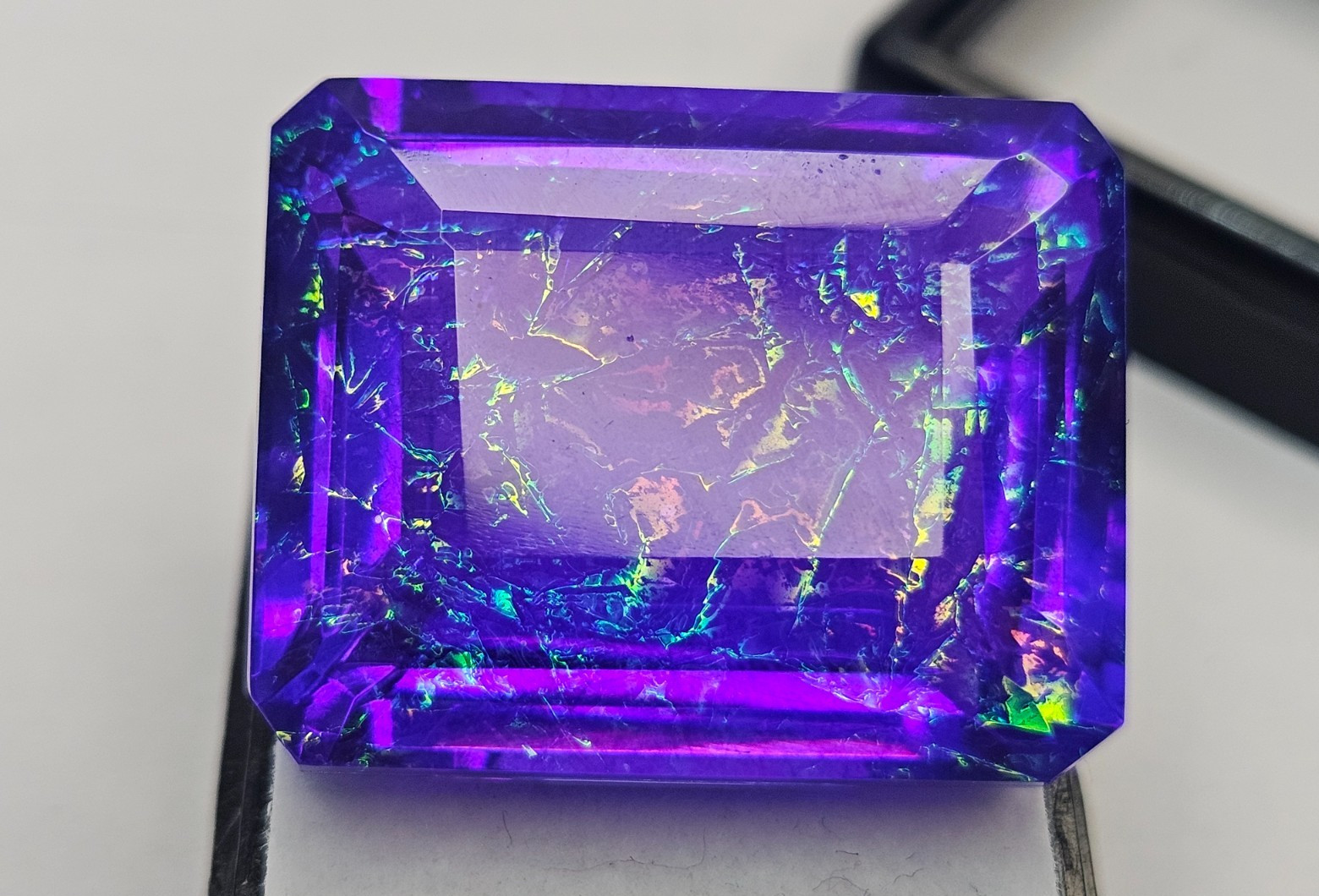
Fire opal is a transparent-to-translucent hydrated silica gem defined by its warm body color (yellow through red) and optional play-of-color, with the primary trade-off between natural Mexican rough and lab-created or treated material. The decision rule: buy natural untreated fire opal only with explicit disclosure of origin and treatment, and treat any 'certified' label as meaningless unless it names the lab and the specific test performed.

Buying guide image
Loose Gemstones & Pearls

Fire Opal Gemstone

Fire opal is a transparent-to-translucent opal ranging from yellow to deep orange-red, valued for body color rather than play-of-color (precious opal). The core trade-off is natural Mexican volcanic opal versus lab-created or treated material, and whether the stone is stable enough to set without crazing. The decision rule: buy natural untreated fire opal with stable body tone and no crazing for fine jewelry; choose lab-created for calibrated sizes and predictable durability at lower cost.

Buying guide image
Loose Gemstones & Pearls

Fire Opal Stone

Fire opal is a transparent-to-translucent opal prized for its warm body color (yellow through red) and optional play-of-color, sold as calibrated or free-size loose stones for custom jewelry. The core trade-off is natural Mexican origin versus lab-created material: natural stones carry matrix, color-zoning, and treatment risk, while lab-created stones offer uniform clarity and predictable cutting at lower hardness consistency. Buy natural stones only with disclosure of origin and treatment; buy lab-created when you need exact calibrated sizing and flawless clarity.

Buying guide image
Brooches & Lapel Pins

Vintage Brooch

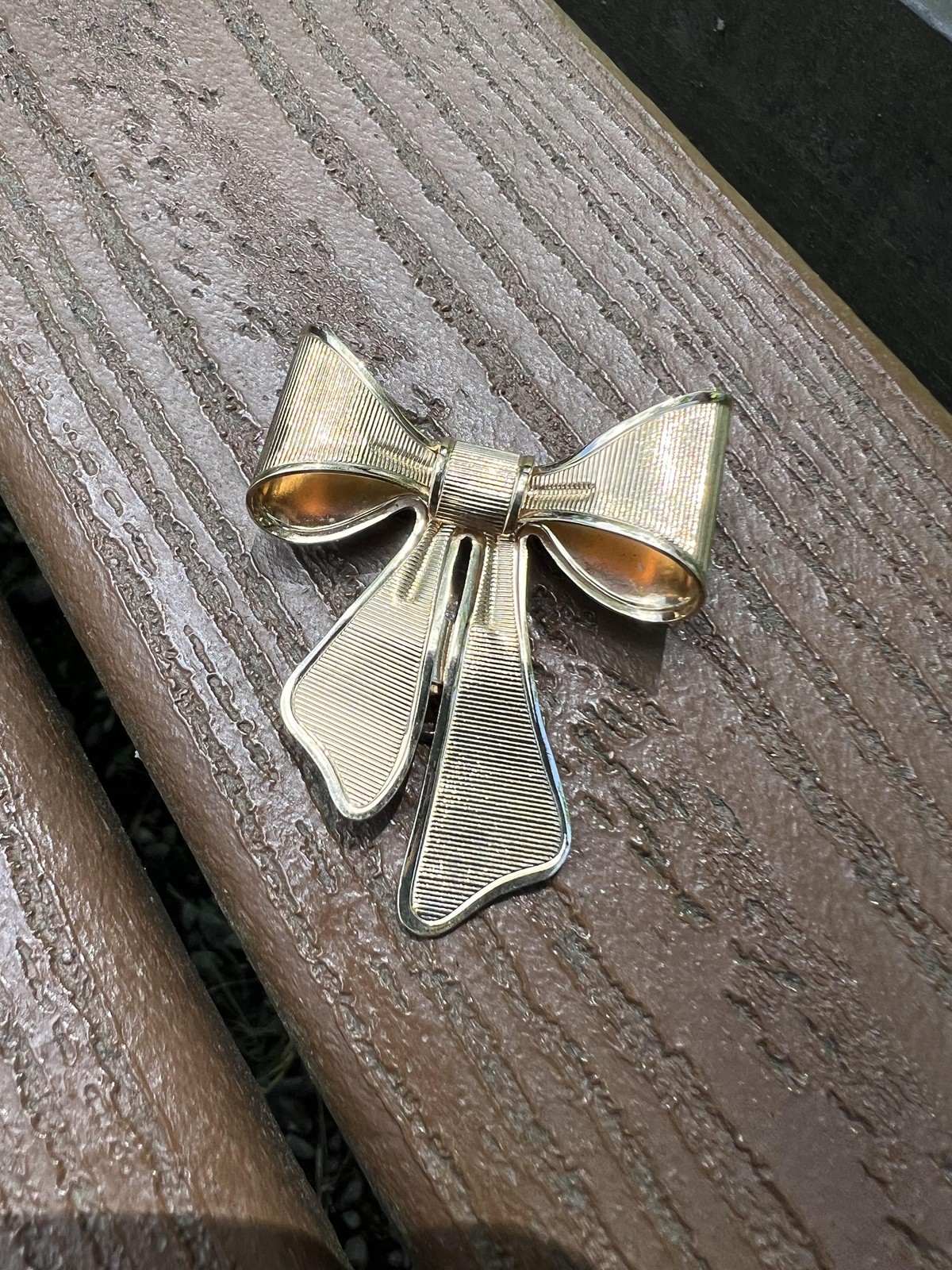
Vintage brooches are pre-owned (often 1960s–1990s) figural or abstract pins whose value hinges on three things: maker mark, base-metal composition, and stone/plating condition. The core trade-off is signed collectible (Avon, Trifari, Monet) with intact plating and original stones versus unsigned costume pieces where plate wear and replaced stones erase resale and display value. The decision rule: buy signed, hallmarked pieces with tight clasps and unclouded rhinestones; skip any pin with green verdigris, lifting gold plate, or a bent/replaced safety catch.

Buying guide image
Watch Accessories

Jewelry Box Organizer

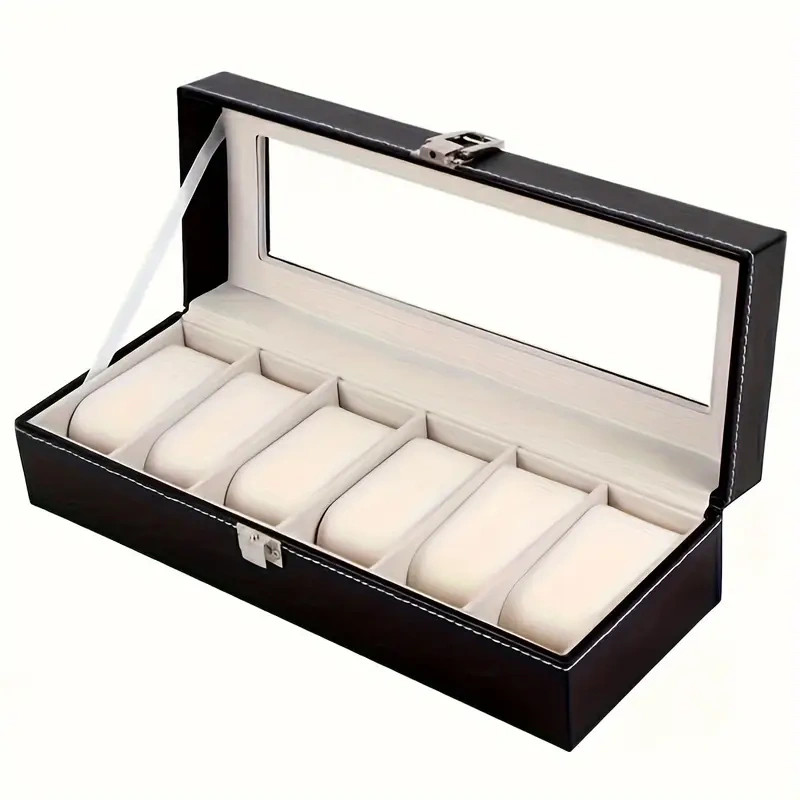
A jewelry box organizer is a storage system for watches, rings, earrings, and necklaces, where the main trade-off is between soft PU-leather linings that are lightweight and budget-friendly versus rigid wood or MDF frames with glass lids that resist warping and hold shape over time. The decision rule is straightforward: choose a wood-frame or MDF-core box with a glass or mirror lid and individually padded watch slots for long-term durability, and treat all-PU soft-shell boxes as light-use or travel organizers only.

Buying guide image
Rings & Earrings

Gold Hoop Earring With Pearls

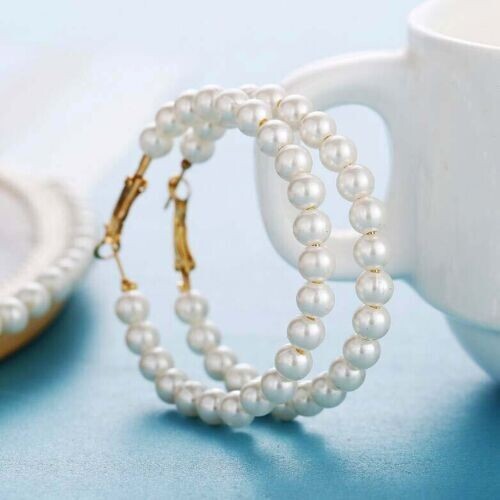
Gold hoop earrings with pearls blend a classic metal hoop with a pearl accent, and the decisive variable is the base metal and pearl type: solid 14k gold with genuine cultured pearls resists tarnish and wear for decades, while gold-plated brass with faux pearls is a fashion item that will discolor. The rule is simple: buy solid gold or thick gold-fill with real pearls if you want heirloom durability; accept plated brass with shell or plastic pearls only as short-term fashion.

Buying guide image
Wristwatches

Tactical Watches

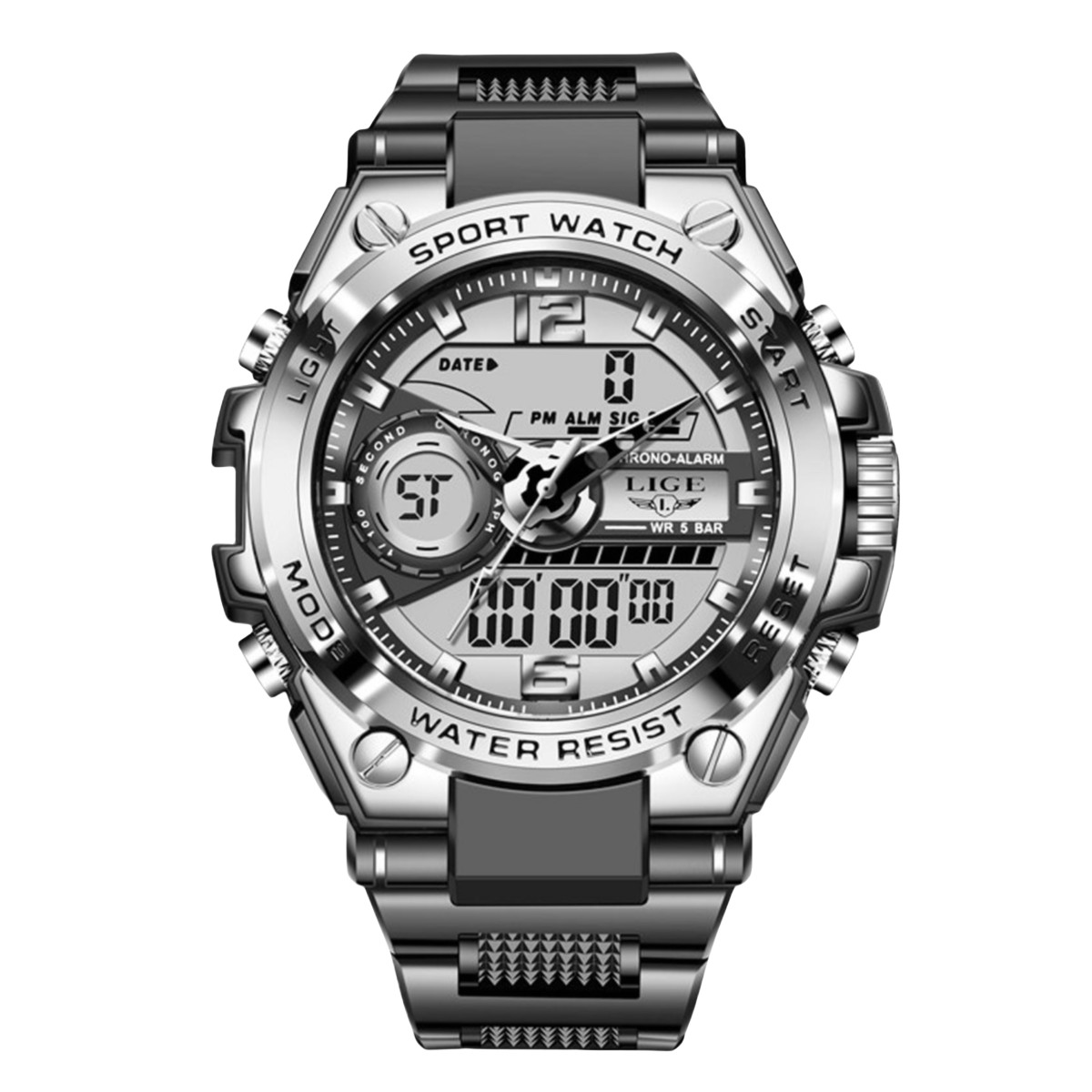
Tactical watches are rugged timepieces built for field use, defined by shock resistance, legible displays, and reliable timekeeping in harsh conditions. The core trade-off is between analog mechanical durability (sapphire crystal, screw-down crowns) and digital multi-function capability (sensors, backlight, extended battery life). Buy analog if you need passive durability and no charging; buy digital if you need alarms, timers, and illumination without maintenance.

Buying guide image
Body Jewelry

Stainless Steel Piercing Jewelry

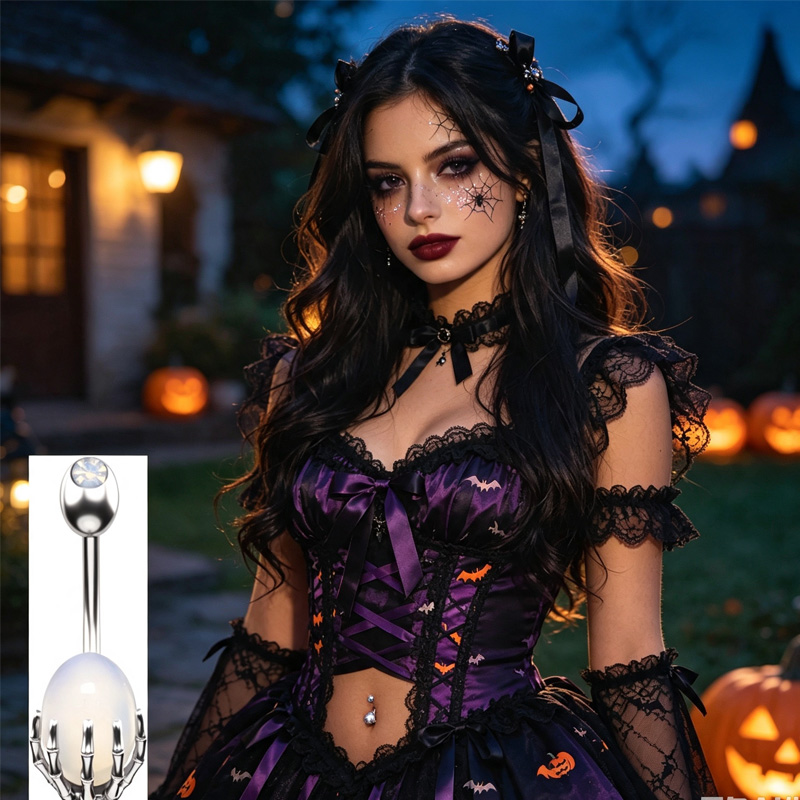
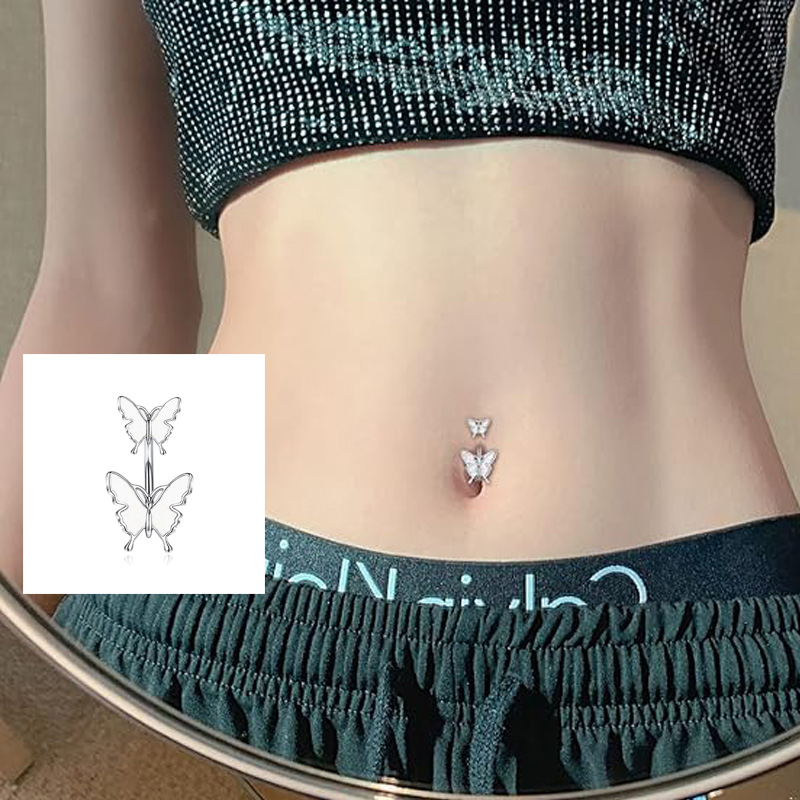
Stainless steel piercing jewelry spans implant-grade 316LVM and 316L surgical steel to cheap 304 and mystery-metal alloys, and the primary trade-off is nickel leaching and thread durability versus price. The clear rule: buy only 316L/316LVM with an explicit mill cert or 'implant-grade' label, and skip any listing that says only 'stainless steel' or 'metal' without a grade.

Buying guide image
Watch Accessories

Apple Watch Sport Band

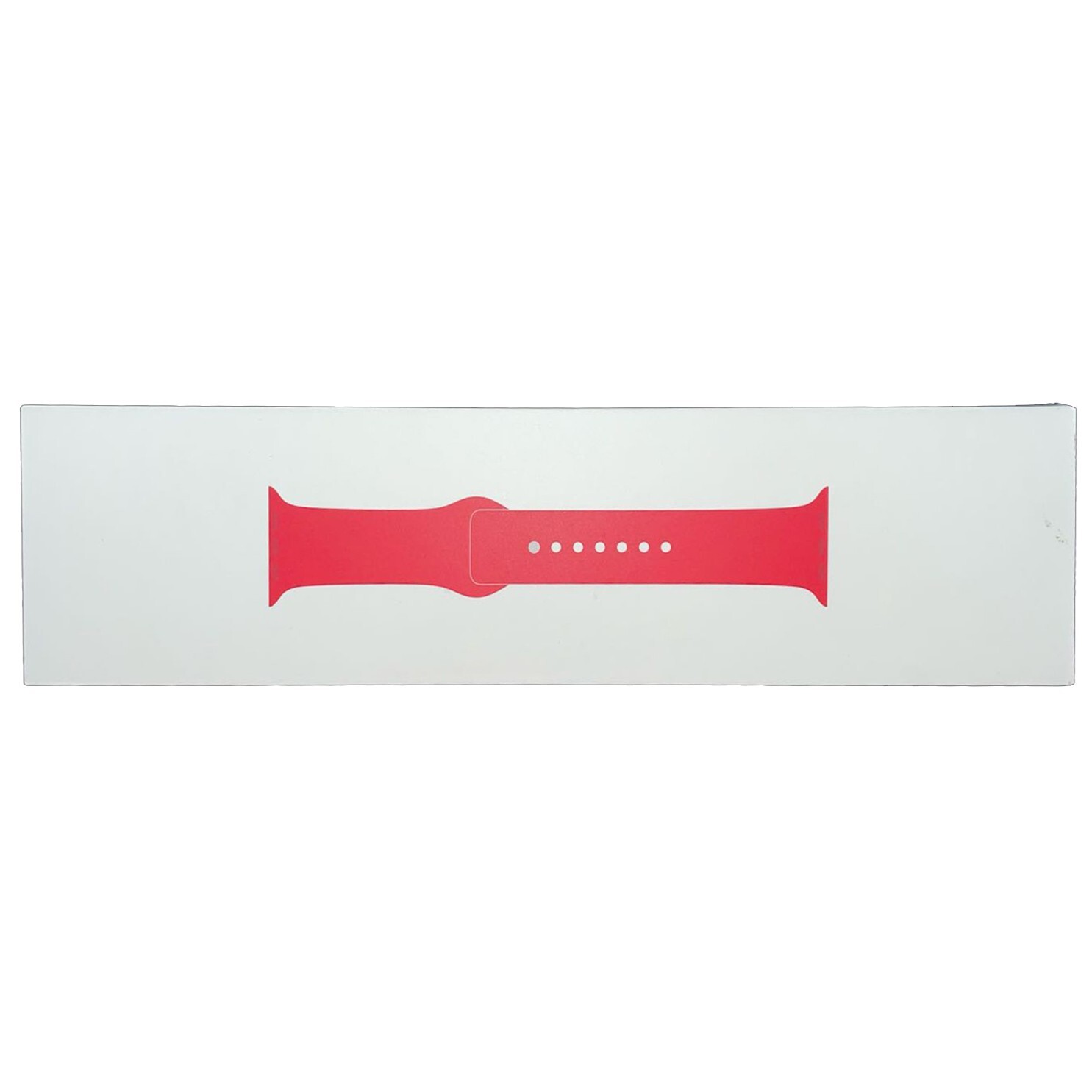
The Apple Watch Sport Band is a fluoroelastomer (FKM) strap with a pin-and-tuck closure, offered in two case-size families that determine fit and compatibility. The decisive trade-off is between Apple's OEM fluoroelastomer—known for density, UV stability, and precise lug engagement—and aftermarket TPE/silicone bands that are softer but stretch, discolor, or misfit the lug channel. The clear rule: match the band size to the watch case size family (38/40/41/42mm vs 44/45/46/49mm) and choose fluoroelastomer over silicone for sweat and sun exposure.

Buying guide image
Watch Accessories

Jewelry Box

A jewelry box for watches is a storage case defined by its internal slot architecture, lid material, and lining—not by brand. The primary trade-off is between rigid wood construction with tempered glass and flexible PU-leather wraps over cardboard. Buy wood-framed cases with soft flocking and a glass lid for daily display; skip soft-shell PU boxes if you need scratch-free long-term storage for heavy chains or automatic watches.

Buying guide image
Loose Gemstones & Pearls

Loose Opal Gemstone

Loose opal gemstones are sold by body tone, play-of-color, and treatment status, with the primary trade-off being natural versus lab-created/simulant material at any given size. The clear decision rule: buy natural solid opal only with explicit body-tone, brightness, and treatment disclosure, and treat 'fire opal' listings without origin or treatment data as decorative simulants.

Buying guide image
Loose Gemstones & Pearls

Loose Opal Stone

Loose opal stones are hydrated amorphous silica gemstones sold by carat weight for custom jewelry, with the core trade-off between natural precious opal's play-of-color and the lower cost, higher durability of lab-created or treated material. Buyers must distinguish solid natural opal from doublets, triplets, and lab-grown varieties, because only solid natural opal holds long-term gem value while assembled and synthetic stones serve budget or practice settings.

Buying guide image
Necklaces & Bracelets

Cuban Link Chain With Pendant

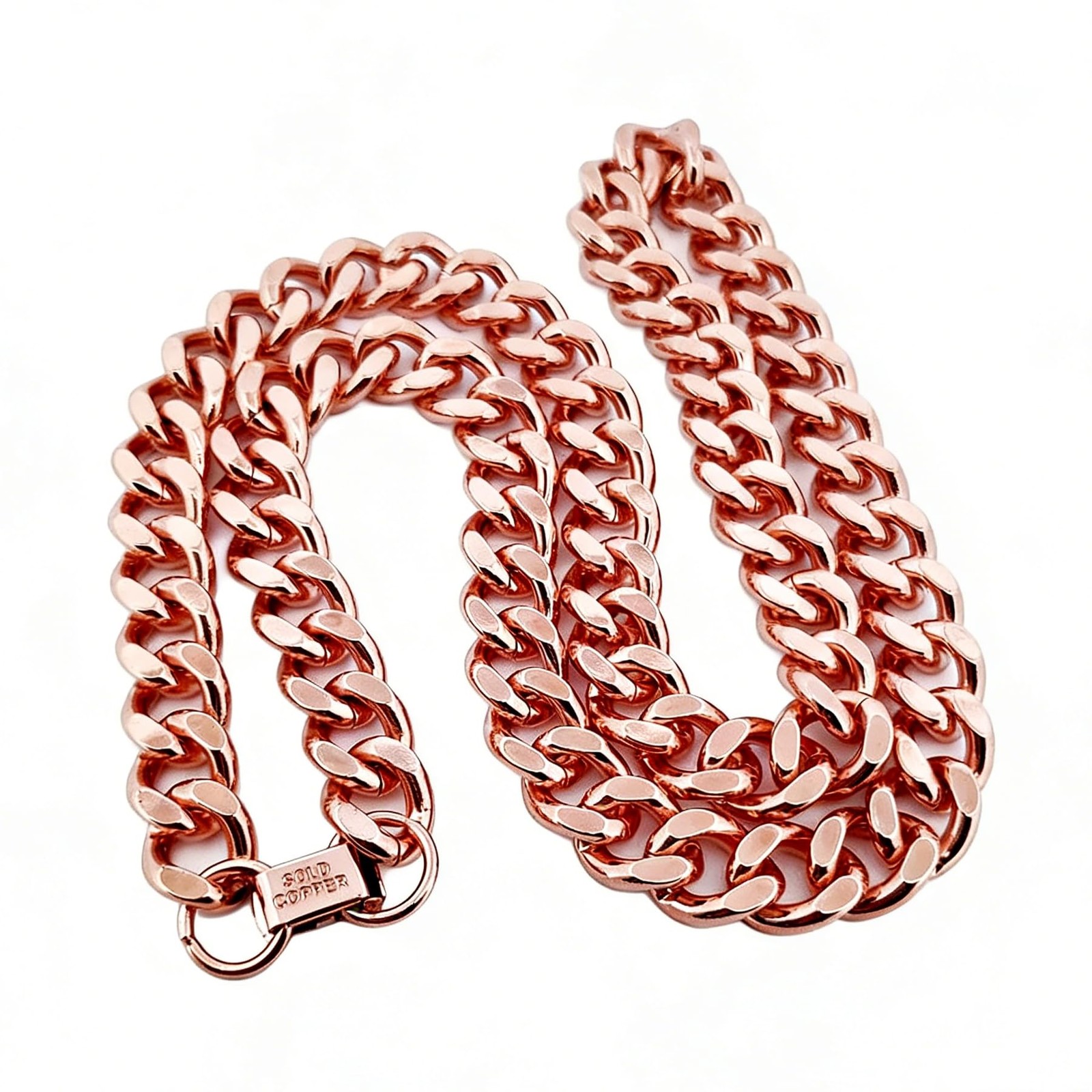
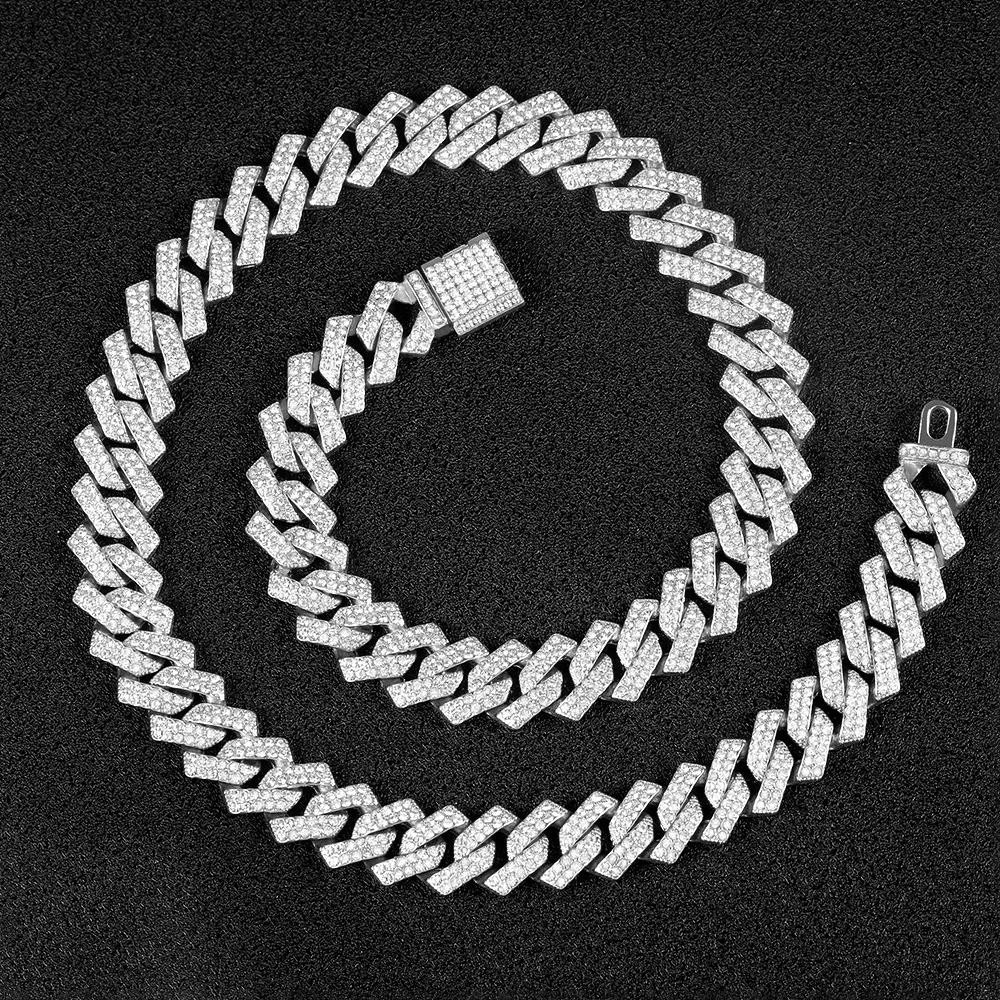
A Cuban link chain with pendant pairs a curb-link chain (interlocking flat links that lie flush) with a detachable charm, and the durable-versus-disposable call hinges on link construction and plating method rather than pendant design. Solid 316L stainless steel or .925 sterling with uniform link width and thick rhodium/gold plating survives daily wear; hollow links, low-grade base metal, and thin flash plating flex, tarnish, and shed color within months. Rule: buy solid links in a stated gauge with a clasp rated to the chain weight — skip anything described as hollow or 'gold-tone' without a plating standard.

Buying guide image
Loose Gemstones & Pearls

Fire Opal

Fire opal is a transparent-to-translucent opal with a warm body color (yellow, orange, red) that may or may not show play-of-color; the core trade-off is natural vs. lab-created and whether you are paying for play-of-color or body color. The clear decision rule: buy natural fire opal only with explicit origin (Mexican or Ethiopian) and treatment disclosure, and treat any 'certified' claim without a named lab as a lab-created or assembled stone.

Buying guide image
Body Jewelry

Body Jewelry

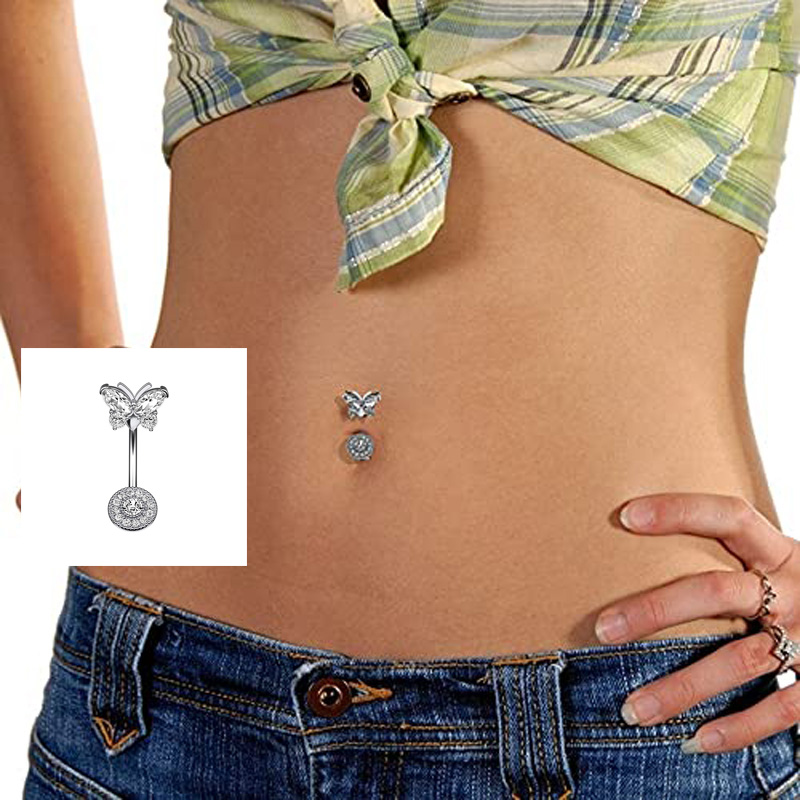
Body jewelry spans implant-grade piercings and fashion pieces, and the decisive trade-off is material purity versus decorative finish: 316L steel and niobium/titanium tolerate healing tissue, while alloy and plated brass cause irritation. Buy G23 titanium or 316L for anything worn in a fresh or sensitive piercing; reserve alloys, acrylics, and fashion chains for healed, short-wear styling.

Buying guide image
Rings & Earrings

Trendy Ring

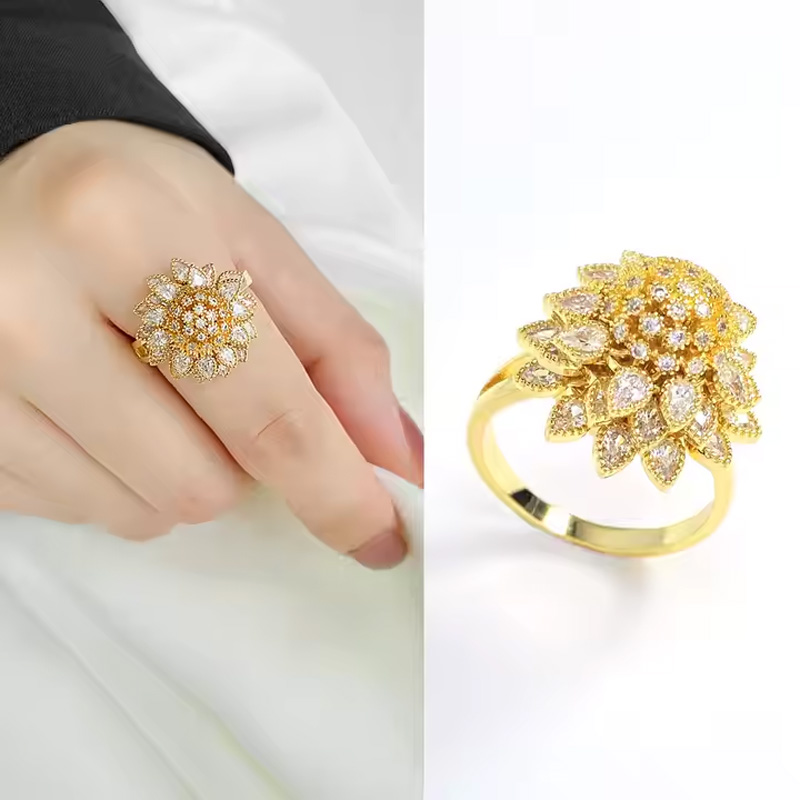
Trendy rings are fashion-forward statement or stacking pieces where the core trade-off is between eye-catching design and long-term wearability—plated base metals with glued-in stones look striking but tarnish and shed, while sterling silver or solid gold with prong or bezel settings hold up. The decision rule: buy plated brass or copper for occasional statement wear, but require 925 sterling silver or 10k+ solid gold with mechanical stone settings for daily wear and skin sensitivity.

Buying guide image
Body Jewelry

Body Piercing Jewelry

Body piercing jewelry is implant-grade or fashion-grade metal worn in healed or healing piercings, where the decisive trade-off is material purity and gauge/threading compatibility versus decorative styling. Durable options use implant-grade titanium or 316L stainless steel with standardized gauge and threading; compromises use mystery alloys, nickel-heavy plating, or non-standard sizes that irritate tissue and strip threads.

Buying guide image
Rings & Earrings

Lab Grown Diamond Stud Earring

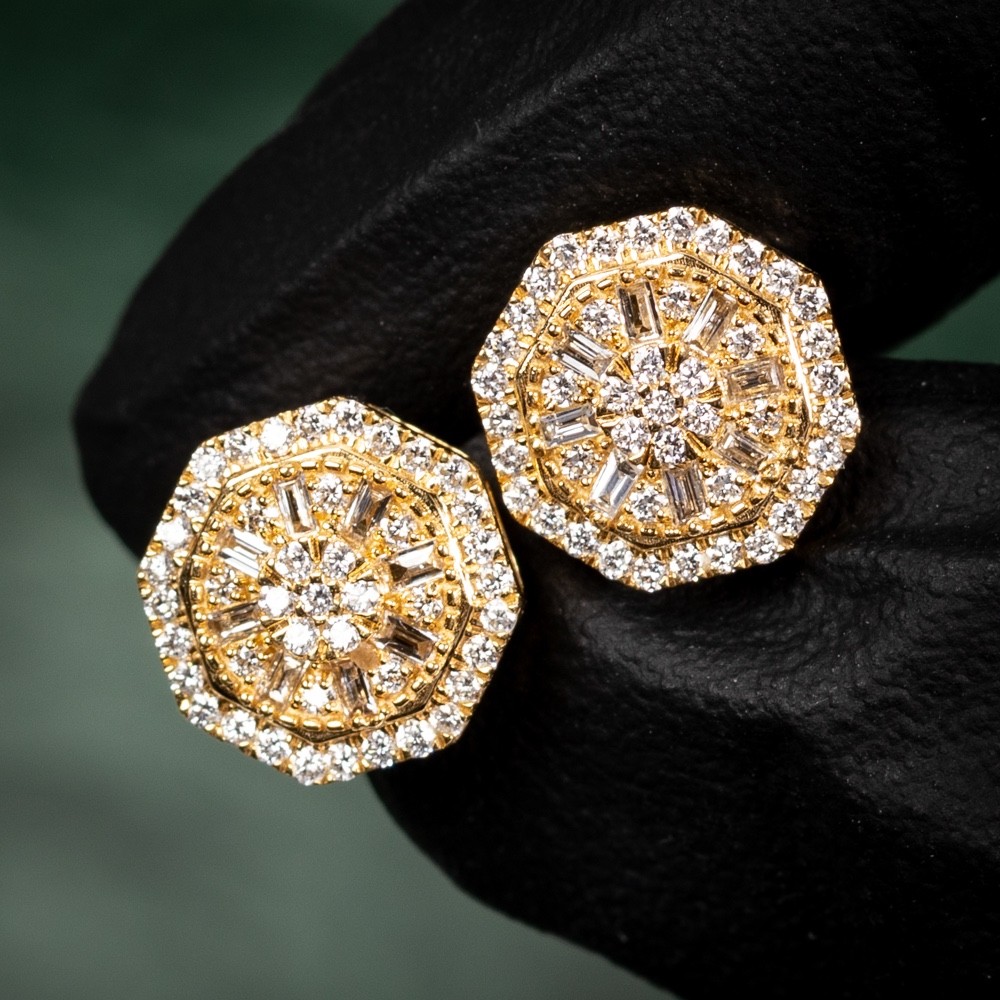
Lab grown diamond stud earrings are chemically and optically identical to mined diamonds, so the real buying decision is not 'real vs fake' but the metal karat, setting security, and certification transparency that determine daily durability. Prioritize solid 14K or 18K gold, screw-back or guardian-back posts, and IGI/GIA reports; gold-plated brass and ungraded stones are the compromise tier that fails within months of regular wear.

Buying guide image
Loose Gemstones & Pearls

Loose Fire Opal

Loose fire opal is a transparent-to-translucent hydrous silica gem prized for its vivid play-of-color, sold as calibrated or free-size stones for custom jewelry. The core trade-off is natural Mexican/ethiopian material with directional fire versus lab-created or treated stones with uniform color but lower durability risk. Buyers should prioritize certified natural origin, untreated status, and cut symmetry over carat weight alone, since large carat counts in low-grade material rarely translate to wearable fire.

You may also like

Finding more guides for you…